Flat Screen TV Mount: LED Display Explained
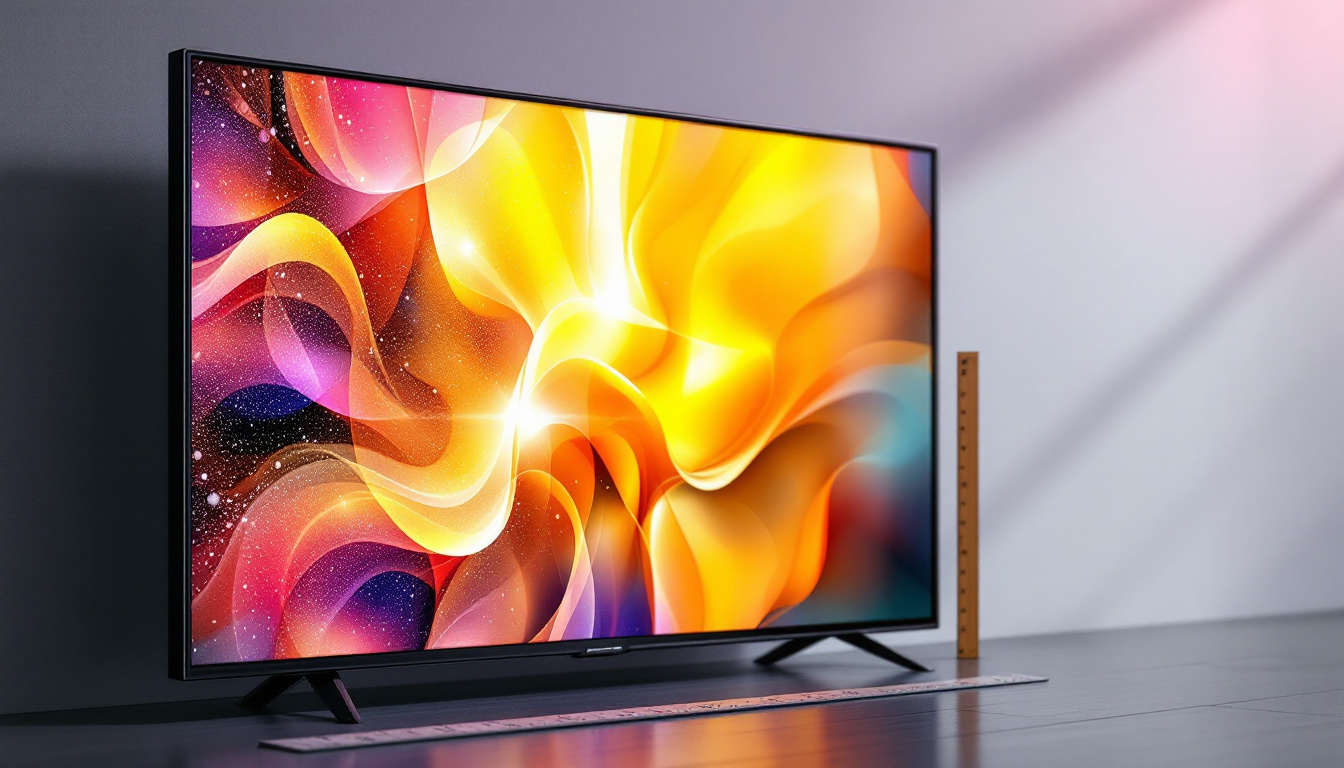
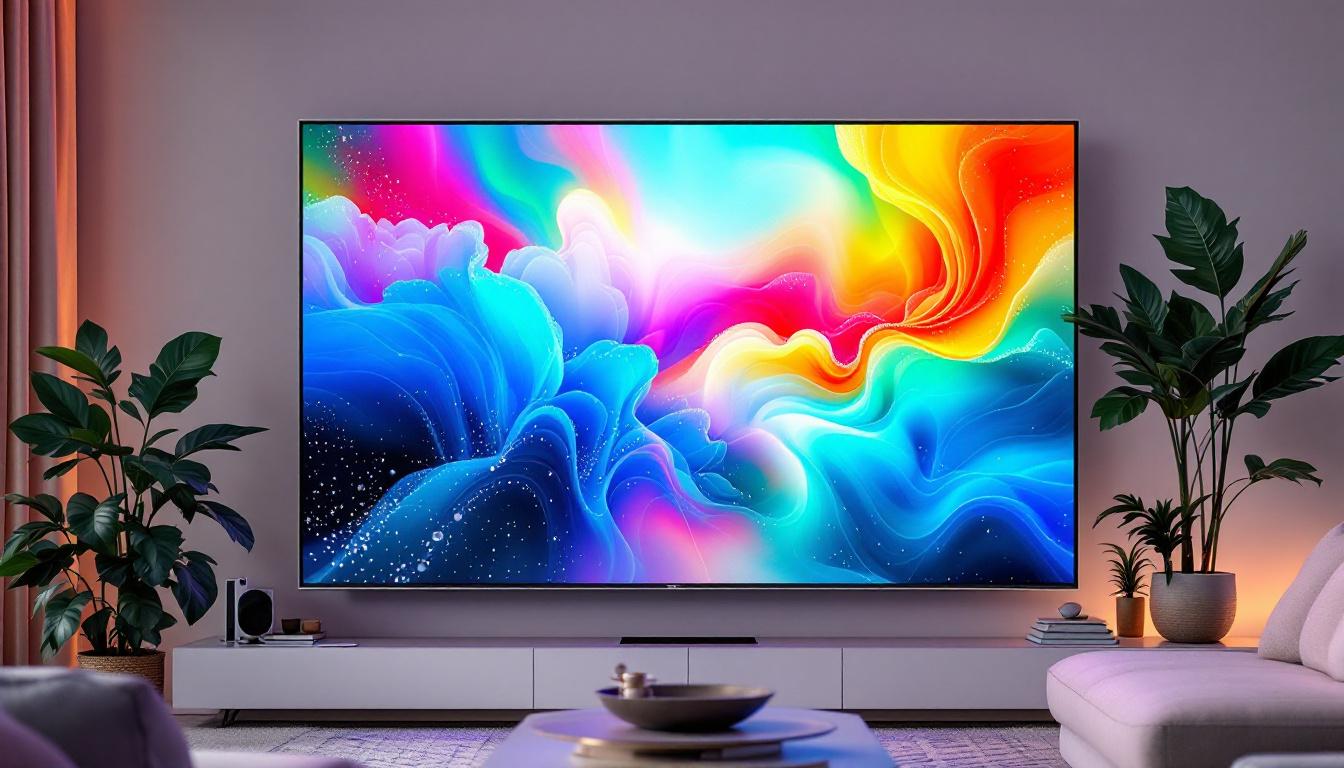
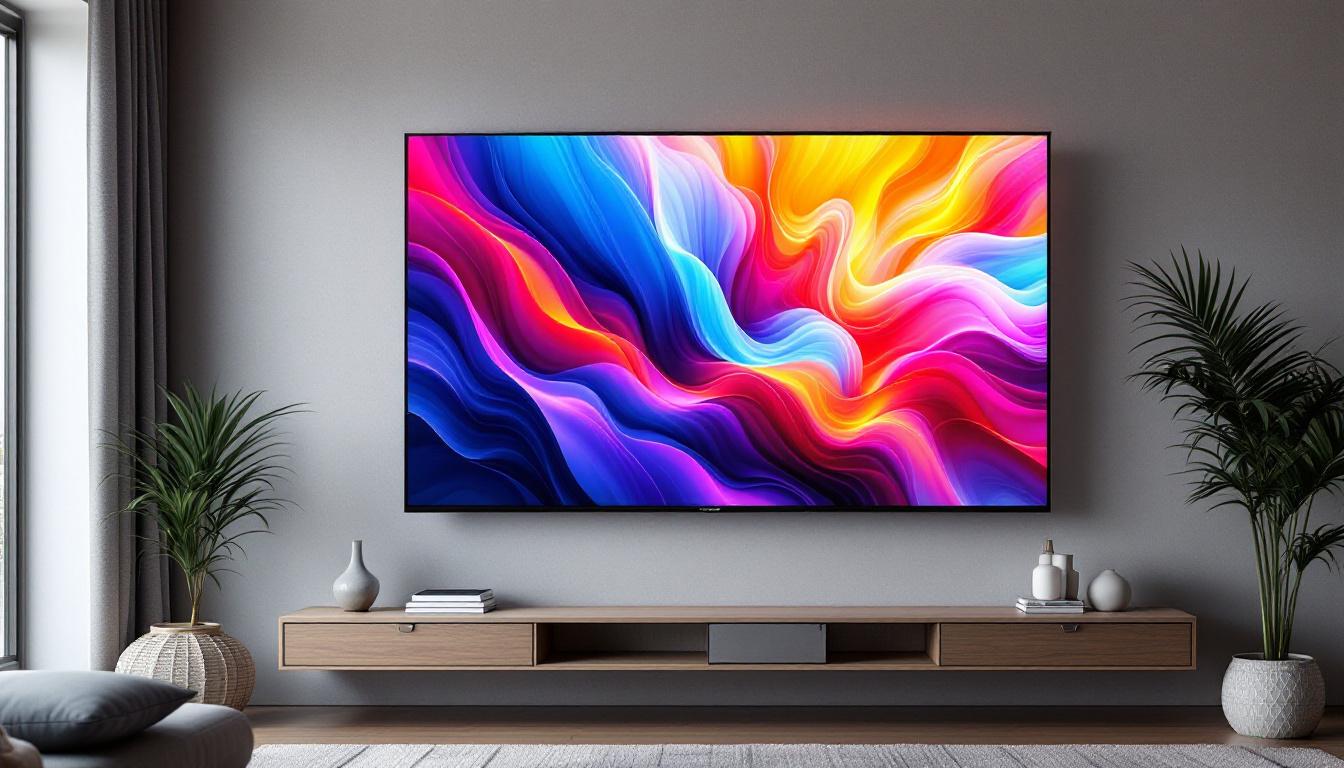
In the era of sleek home entertainment, flat screen TVs have become the centerpiece of living rooms worldwide. Among the various types of flat screen displays, LED TVs stand out for their vibrant colors, energy efficiency, and slim profiles. However, to truly maximize the viewing experience and aesthetic appeal, the choice and installation of a flat screen TV mount play a crucial role. This article delves into the intricacies of LED displays and explores how the right mounting solutions can enhance your setup.
Understanding LED Displays: What Makes Them Special?
LED stands for Light Emitting Diode, a technology that has revolutionized the television industry. Unlike traditional LCD TVs that use cold cathode fluorescent lamps (CCFL) for backlighting, LED TVs use an array of light-emitting diodes to illuminate the screen. This shift brings several advantages that have made LED TVs the preferred choice for millions of consumers.
How LED Technology Works
At its core, an LED TV is a type of LCD television that uses LEDs to backlight the display instead of fluorescent bulbs. The LEDs can be arranged in two primary ways: edge-lit and full-array. Edge-lit LED TVs position LEDs around the perimeter of the screen, allowing for thinner panels and more compact designs. Full-array LED TVs, on the other hand, place LEDs directly behind the screen in a grid formation, enabling better control over brightness and contrast through local dimming.
This precise control over lighting results in deeper blacks, enhanced contrast ratios, and more vivid colors, which significantly improve picture quality. Additionally, LEDs consume less power and generate less heat compared to CCFL backlights, contributing to the energy efficiency and longevity of the TV.
Advantages of LED TVs Over Other Display Technologies
When compared to older technologies like plasma or standard LCD TVs, LED displays offer several notable benefits:
- Energy Efficiency: LED TVs can use up to 30-40% less power than CCFL-backlit LCDs, making them more environmentally friendly and cost-effective in the long run.
- Slim Design: The compact nature of LEDs allows manufacturers to produce ultra-thin screens that fit seamlessly into modern living spaces.
- Improved Brightness and Contrast: Full-array LED TVs with local dimming can achieve higher contrast ratios, delivering richer blacks and brighter highlights.
- Longevity: LEDs have a longer lifespan than fluorescent backlights, reducing the need for repairs or replacements.
These factors collectively contribute to the widespread adoption of LED TVs in homes, offices, and public spaces. Moreover, the versatility of LED technology extends beyond just television screens. It has found applications in various fields, including advertising, automotive lighting, and even architectural designs. For instance, LED billboards can display vibrant advertisements in a range of lighting conditions, while LED lights in vehicles enhance visibility and safety on the road.
Furthermore, the advancements in LED technology have paved the way for innovations such as OLED (Organic LED) and QLED (Quantum Dot LED) displays. These emerging technologies build upon the foundation of traditional LED displays, offering even more impressive color accuracy, contrast, and viewing angles. As manufacturers continue to push the boundaries of what LED technology can achieve, consumers can look forward to even more immersive viewing experiences in the years to come, making LED displays not just a trend, but a staple in modern visual technology.
Choosing the Right Flat Screen TV Mount for Your LED Display
Once the perfect LED TV is selected, mounting it properly is essential for both aesthetics and functionality. The mounting solution not only supports the TV’s weight but also influences viewing comfort, room layout, and safety.
Types of TV Mounts
There are several types of flat screen TV mounts available, each suited to different needs and environments:
- Fixed Mounts: These mounts hold the TV flush against the wall, offering a clean, low-profile look. They are ideal for rooms where the viewing angle is fixed and the TV does not need to be moved.
- Tilting Mounts: These allow the TV to tilt vertically, which is useful for reducing glare or adjusting the viewing angle when the TV is mounted higher than eye level.
- Full-Motion (Articulating) Mounts: These mounts offer the most flexibility, enabling the TV to swivel, tilt, and extend away from the wall. They are perfect for rooms with multiple seating areas or where the TV needs to be repositioned frequently.
- Ceiling Mounts: Less common but useful in commercial settings or rooms where wall mounting is not feasible.
Key Considerations When Selecting a Mount
Choosing the right mount involves more than just matching the size and weight capacity. Here are several factors to keep in mind:
- VESA Compatibility: The Video Electronics Standards Association (VESA) sets standardized mounting hole patterns on the back of TVs. Ensuring the mount matches your TV’s VESA pattern is critical for a secure fit.
- Weight Capacity: The mount must support the weight of your LED TV. Manufacturers provide maximum weight ratings that should never be exceeded.
- Wall Type: The type of wall—drywall, concrete, brick, or wood studs—affects the mounting hardware and installation method. For example, drywall alone cannot support heavy TVs without anchors or stud mounting.
- Viewing Height and Angle: Ergonomics matter. The center of the TV screen should ideally be at eye level when seated to reduce neck strain.
- Cable Management: Some mounts include integrated cable management systems to keep wires organized and hidden, preserving the clean look of the setup.
Installation Best Practices for LED TV Mounts
Proper installation ensures safety, optimal viewing experience, and durability. Whether hiring a professional or opting for a DIY approach, following best practices is essential.
Preparing for Installation
Before mounting, gather all necessary tools such as a stud finder, level, drill, screwdriver, measuring tape, and the mounting kit. It’s important to locate wall studs since they provide the strongest support for the mount and TV. Marking the stud positions accurately prevents damage and ensures the mount is securely anchored.
Additionally, consider the room’s lighting conditions and seating arrangement to determine the ideal height and position for the TV.
Step-by-Step Installation Process
The general steps for mounting an LED TV are as follows:
- Attach the Mounting Bracket to the TV: Using the screws provided, secure the bracket to the back of the TV, aligning with the VESA holes.
- Mark the Wall: Hold the wall plate of the mount against the wall at the desired height, ensuring it aligns with the studs. Use a level to make sure it’s perfectly horizontal.
- Drill Pilot Holes: Drill holes into the studs where the screws will go. This step is crucial for a secure fit.
- Secure the Wall Plate: Use lag bolts or heavy-duty screws to attach the wall plate firmly to the wall.
- Hang the TV: With assistance, lift the TV and hook or screw it onto the wall plate according to the mount’s design.
- Adjust and Secure: Adjust the tilt or swivel as needed, then tighten all screws and bolts to lock the TV in place.
After installation, double-check the stability and ensure all cables are connected and neatly managed.
Safety Tips and Common Pitfalls
Mounting a flat screen TV involves risks if not done properly. Here are some safety tips to keep in mind:
- Never Mount on Drywall Alone: Always anchor into studs or use appropriate wall anchors rated for the TV’s weight.
- Use the Right Tools: Using incorrect screws or tools can compromise the mount’s integrity.
- Get Help: TVs can be heavy and awkward to handle alone. Enlist a helper to avoid accidents.
- Follow Manufacturer Instructions: Each mount may have specific requirements. Adhering to these guidelines ensures warranty coverage and safety.
Enhancing Your Viewing Experience with LED TVs and Mounts
Beyond the technical aspects, the combination of an LED TV and a well-chosen mount can transform your entertainment space.
Optimizing Room Layout and Viewing Comfort
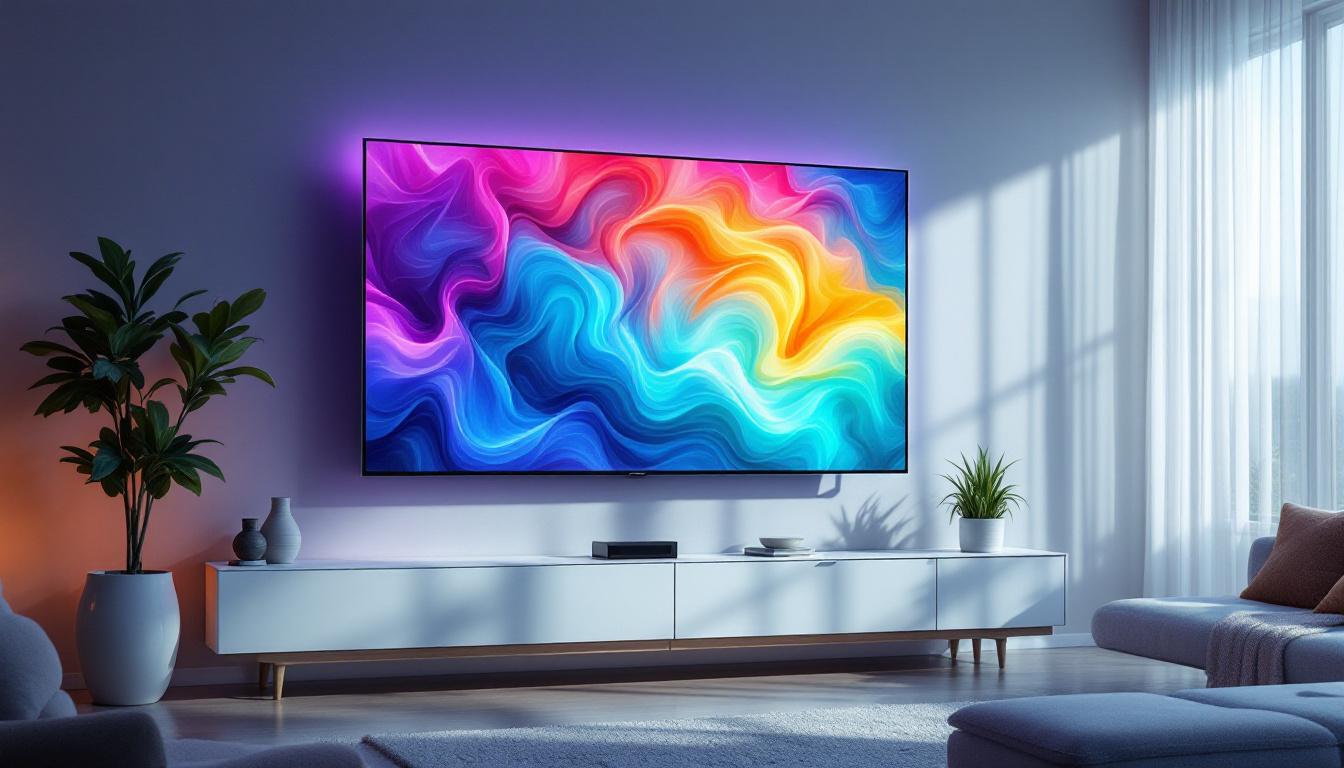
Mounting the TV at the correct height and angle reduces eye and neck strain, making long viewing sessions more comfortable. For example, tilting mounts are particularly beneficial in rooms with large windows to minimize glare. Full-motion mounts allow adjustment for different seating positions, enhancing flexibility.
Additionally, mounting the TV frees up floor space, allowing for better furniture arrangement and a cleaner look. This is especially valuable in smaller rooms or apartments.
Integrating with Smart Home and Audio Systems
Modern LED TVs often serve as hubs for smart home devices and high-quality audio systems. A mounted TV can be paired with wall-mounted soundbars or surround sound speakers to create an immersive home theater experience. Cable management features in mounts help maintain a tidy setup, preventing tangled wires and potential damage.
Maintaining Your Mounted LED TV
Regular maintenance helps preserve the TV’s performance and appearance. Dust the screen gently with a microfiber cloth and check the mount periodically for any loosening screws or signs of wear. Avoid placing heavy objects near the TV or applying pressure to the screen.
Conclusion: The Perfect Match for Your Home Entertainment
LED TVs have redefined the visual experience with their superior picture quality, energy efficiency, and sleek design. To fully capitalize on these benefits, selecting and installing the right flat screen TV mount is essential. Whether opting for a fixed, tilting, or full-motion mount, understanding the technology behind LED displays and the mounting options available ensures a safe, stylish, and comfortable viewing environment.
By investing time in choosing the appropriate mount and following best installation practices, homeowners can enjoy years of immersive entertainment with a setup that complements their living space beautifully.
Explore Cutting-Edge LED Display Solutions with LumenMatrix
Ready to elevate your home entertainment experience with the latest in LED display technology? LumenMatrix is at the forefront of innovation, offering a wide array of LED display modules designed to bring your visual experience to life. From stunning Indoor LED Wall Displays to dynamic Outdoor LED Wall Displays, and from versatile Vehicle LED Displays to eye-catching LED Poster Displays, our solutions are crafted to enhance brand visibility and captivate your audience. Discover how our LED Sports Displays, Floor LED Displays, Custom LED Displays, All-in-One LED Displays, and LED Transparent Displays can transform your space. Experience the revolution in visual communication and empower your message with LumenMatrix. Check out LumenMatrix LED Display Solutions today and join the visual revolution.