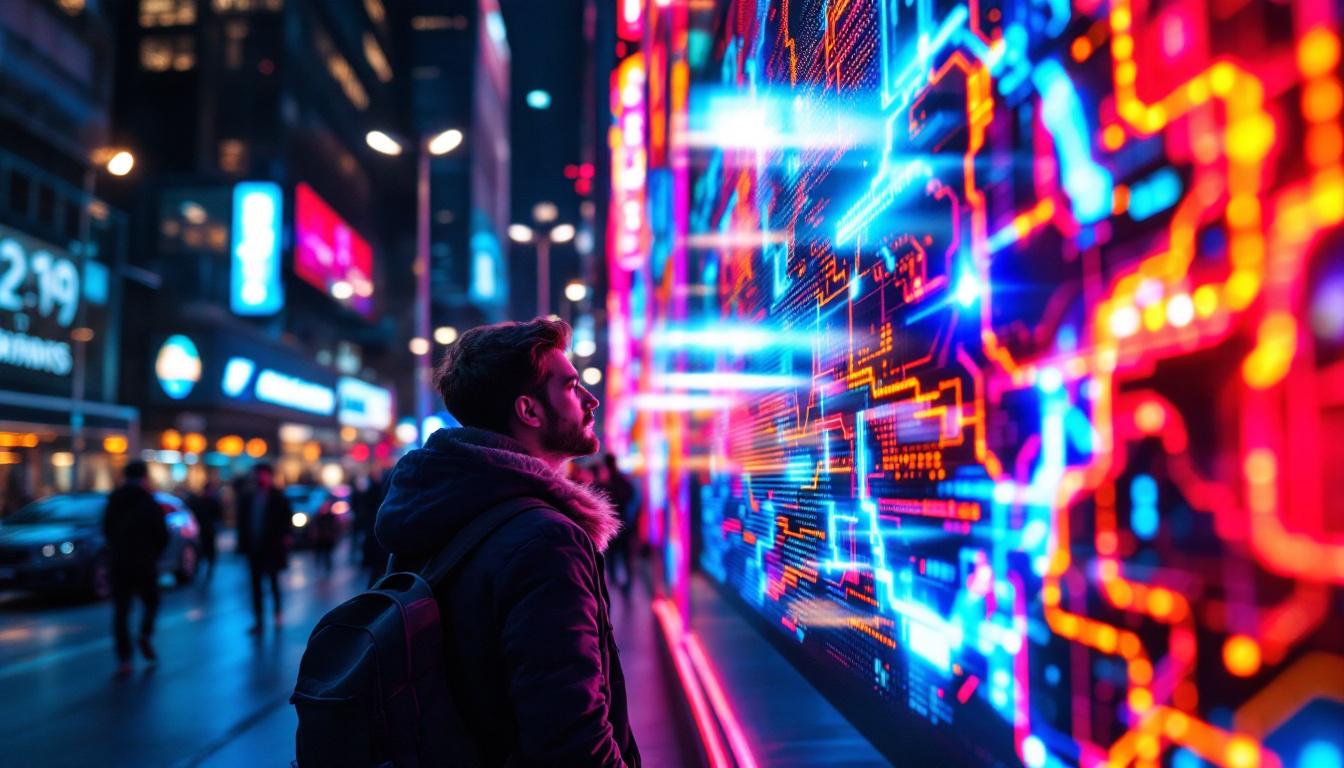
In today’s fast-paced digital world, LED displays have become an integral part of how information is communicated visually. From advertising billboards to stadium screens, and from public transport signs to retail displays, LED technology is everywhere. Among the many types and models, the Pm-16 LED display stands out for its unique features and applications. This article delves into what the Pm-16 LED display is, how it works, its advantages, and why it is an important technology in the display industry.
Understanding the Basics of LED Displays
What is an LED Display?
LED stands for Light Emitting Diode, a semiconductor device that emits light when an electric current passes through it. An LED display is a flat panel display that uses an array of light-emitting diodes as pixels to create images, videos, or text. These displays are known for their brightness, energy efficiency, and durability compared to traditional display technologies like LCD or plasma.
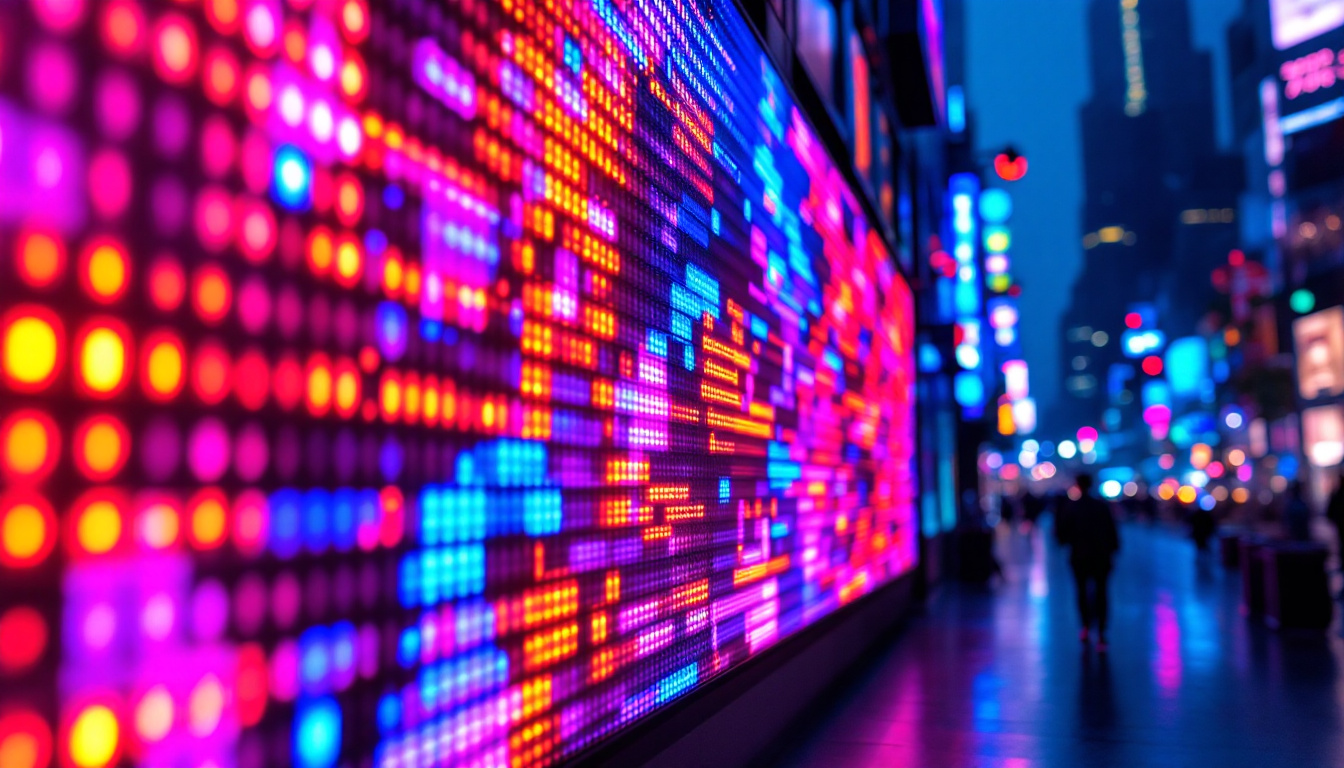
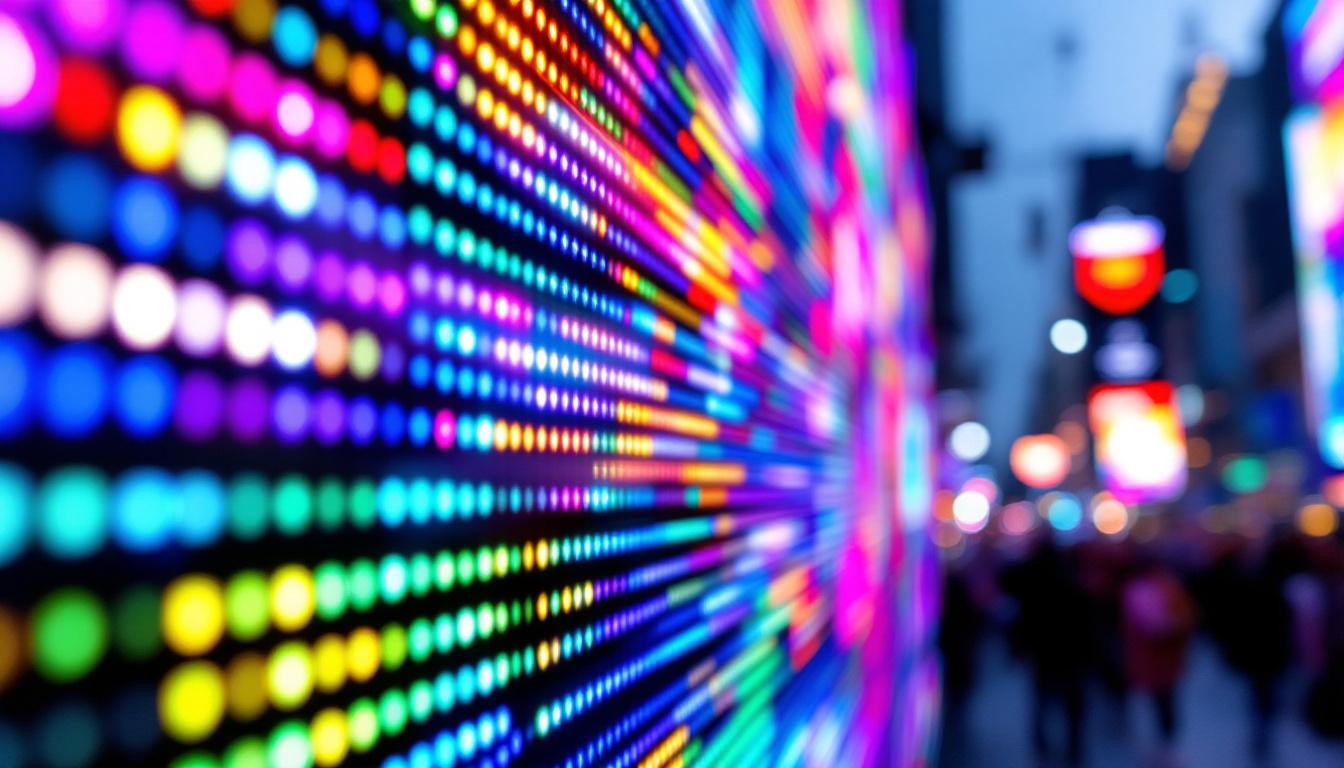
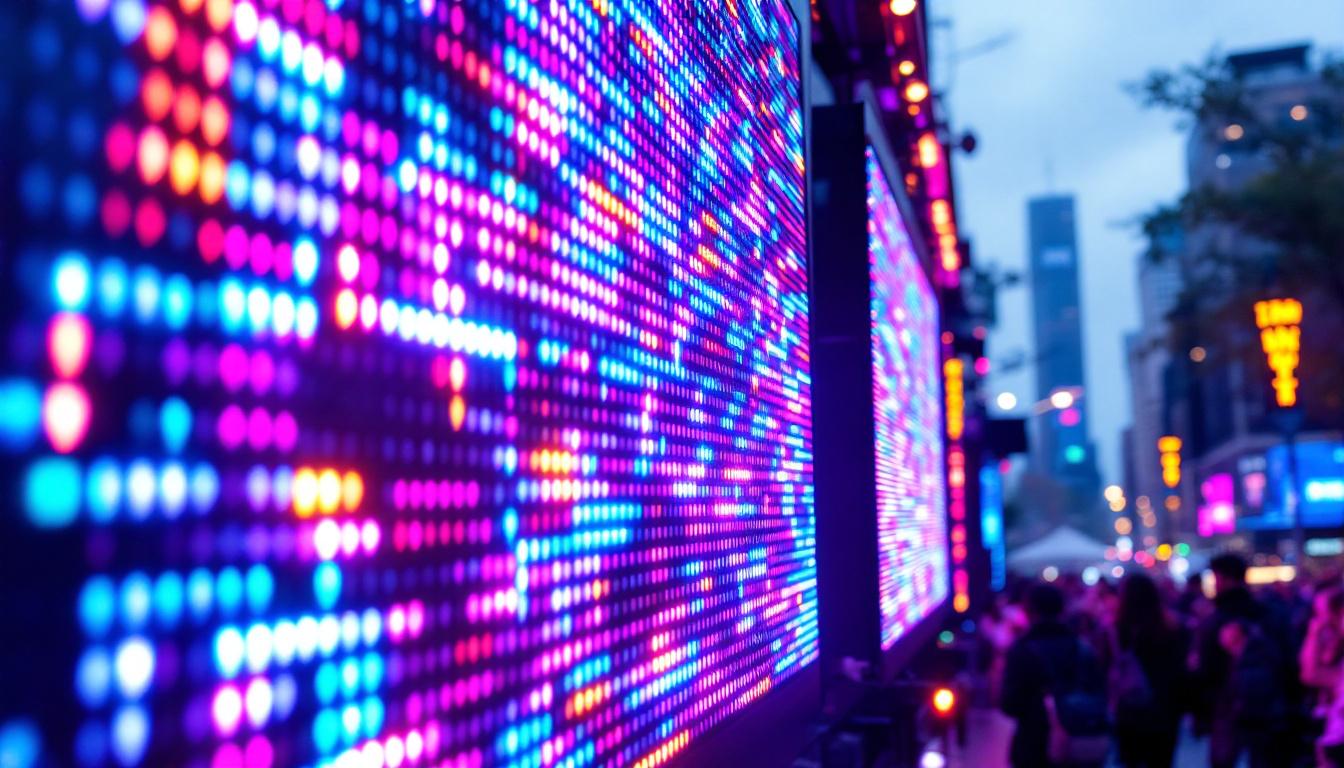
LED displays are composed of many tiny LEDs arranged in a grid pattern. Each LED can emit red, green, or blue light, and by combining these colors at different intensities, the display can produce a full spectrum of colors. This capability allows LED displays to show vibrant, dynamic content with high contrast and clarity. The technology behind LED displays has evolved significantly, leading to advancements such as higher refresh rates and improved color accuracy, which enhance the viewing experience for audiences in various settings.
Types of LED Displays
LED displays come in various forms, including:
- Indoor LED Displays: Designed for close viewing distances, these displays have a higher pixel density and smaller pixel pitch, making them suitable for retail stores, conference rooms, and control centers.
- Outdoor LED Displays: Built to withstand weather conditions, these have higher brightness levels to combat sunlight glare and larger pixel pitches for visibility from a distance.
- Flexible and Transparent LED Displays: Innovative designs that allow for curved surfaces or see-through installations, expanding creative possibilities.
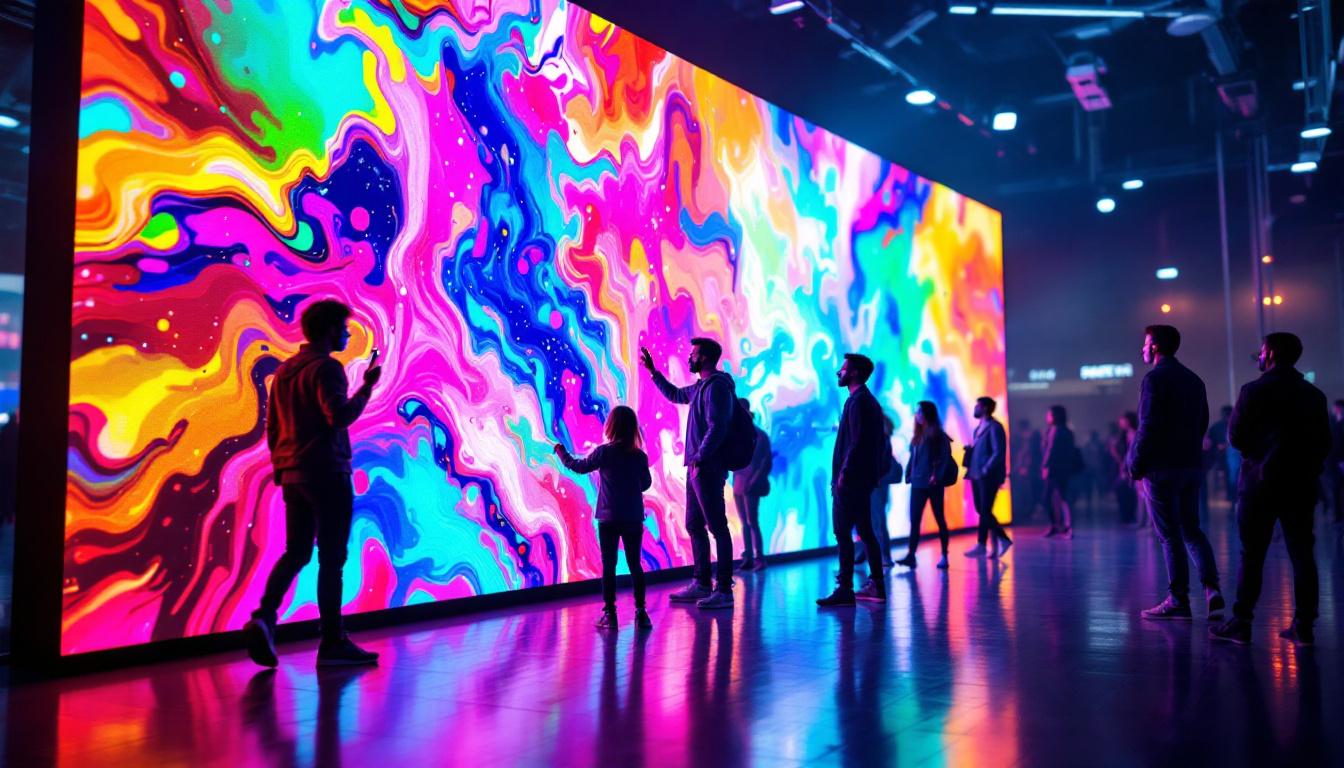
The Pm-16 LED display falls into the category of indoor LED displays but with specifications that make it versatile for various applications. These displays are particularly popular in environments where high-quality visuals are paramount, such as in concert venues or sports arenas, where they can enhance the overall atmosphere and engage audiences. Additionally, the modular nature of many LED displays allows for easy scaling and customization, enabling businesses to create unique configurations that suit their specific needs.
Furthermore, the integration of smart technology into LED displays has opened up new avenues for interactivity and content management. Modern LED displays can be connected to the internet, allowing for real-time updates and remote content management. This feature is particularly beneficial for advertising and information dissemination, as businesses can quickly change their messaging based on current events or promotions. The ability to create dynamic, eye-catching displays that can adapt to various contexts makes LED technology an essential tool in today’s digital landscape.
What is the Pm-16 LED Display?
Technical Specifications and Features
The Pm-16 LED display is a high-resolution indoor LED panel known for its fine pixel pitch and superior image quality. The “Pm-16” typically refers to a pixel pitch of 1.6 millimeters, meaning the distance between the centers of two adjacent pixels is 1.6 mm. This fine pitch allows the display to be viewed comfortably from very close distances without visible pixelation, making it ideal for environments where viewers are near the screen.
Key features of the Pm-16 LED display include:
- Pixel Pitch: 1.6 mm, providing sharp, detailed images.
- Brightness: Typically around 800 to 1200 nits, suitable for indoor lighting conditions.
- Refresh Rate: High refresh rates (above 1920 Hz) ensure smooth video playback without flickering, even for high-speed content like sports.
- Color Accuracy: Advanced calibration technology delivers consistent and vibrant colors.
- Modular Design: Panels can be combined seamlessly to create larger displays of various sizes and aspect ratios.
- Energy Efficiency: Utilizes low power consumption components, reducing operational costs.
Applications of Pm-16 LED Displays
The fine pixel pitch and high image quality of the Pm-16 make it suitable for a range of indoor applications, including:
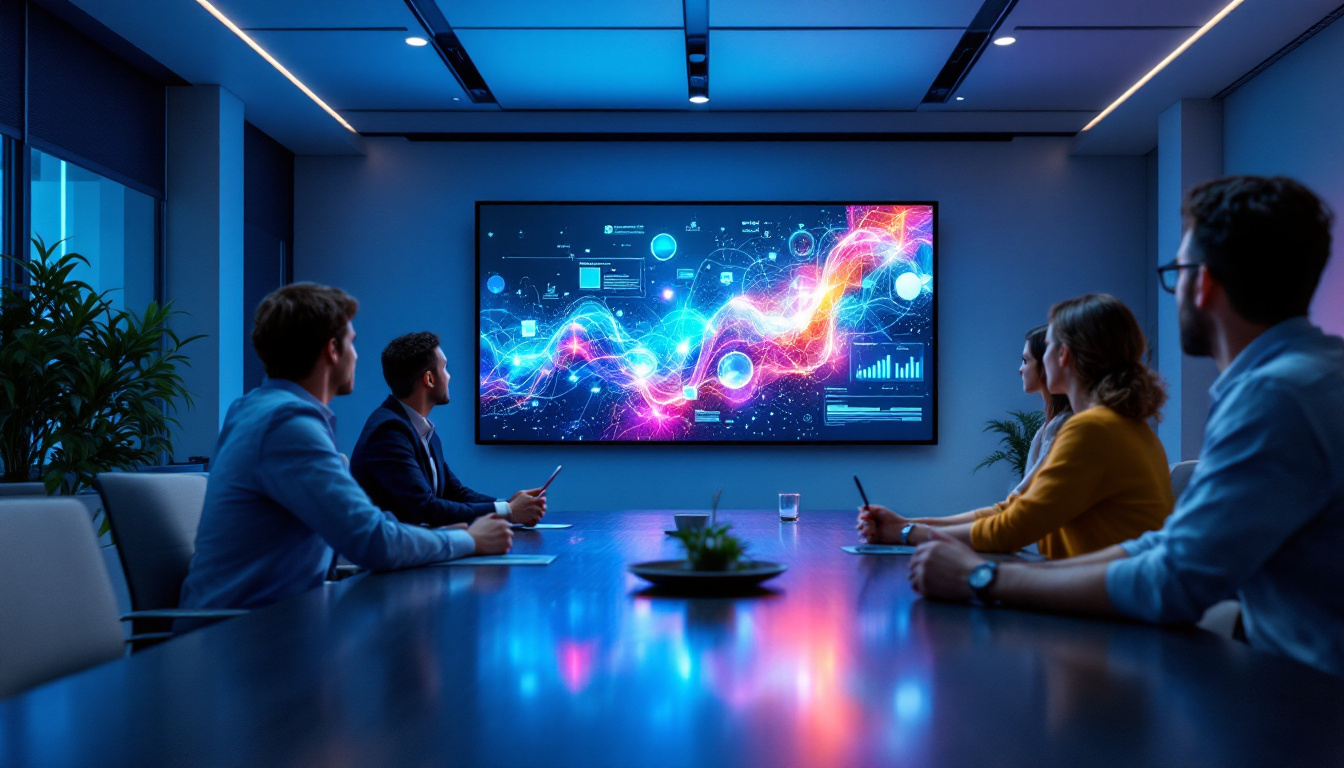
- Corporate Environments: For presentations, video conferencing walls, and digital signage in lobbies or meeting rooms.
- Broadcast Studios: Background screens and virtual sets where clarity and color accuracy are critical.
- Retail Spaces: Dynamic advertising displays that attract customers with vivid visuals.
- Control Rooms: Monitoring centers where detailed data visualization is essential.
- Event Venues: Concerts, exhibitions, and conferences requiring large, high-quality displays.
How Does the Pm-16 LED Display Work?
Pixel Structure and Color Mixing
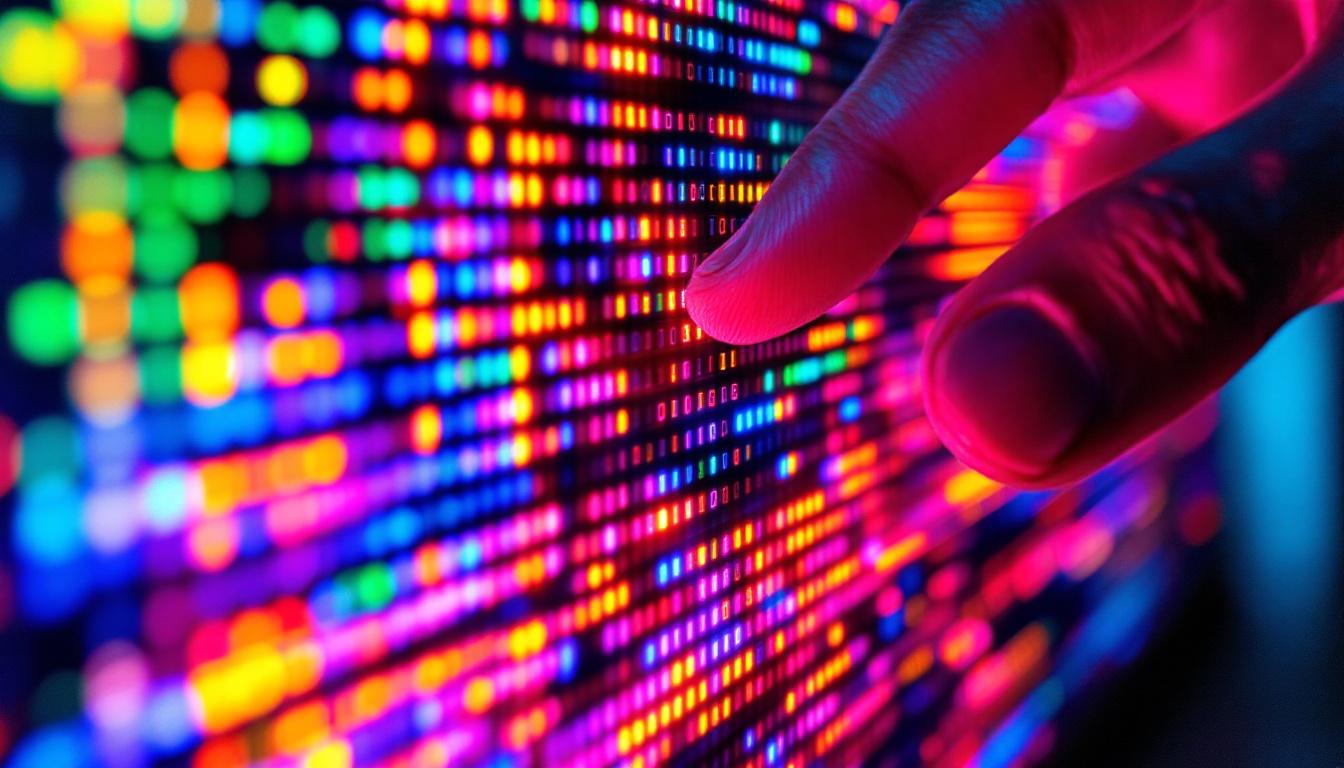
Each pixel on a Pm-16 LED display consists of three tiny LEDs: red, green, and blue. By adjusting the intensity of these three LEDs, the display can create millions of colors through a process called additive color mixing. This is the fundamental principle behind all RGB LED displays.
The 1.6 mm pixel pitch means that these triads of LEDs are packed very closely together, allowing for a high pixel density. This density is crucial for producing sharp images that look smooth and continuous even when viewed up close.
Driving and Control Technology
LED displays require sophisticated control systems to manage the timing, brightness, and color of each LED. The Pm-16 uses advanced driver ICs (integrated circuits) that enable high refresh rates and precise color control. These drivers receive input signals from video sources and translate them into electrical impulses that control each LED’s brightness.
Additionally, the modular design of the Pm-16 allows multiple panels to be connected and synchronized seamlessly. This synchronization ensures that large displays operate as a single, cohesive screen without visible seams or color variation.
Calibration and Maintenance
To maintain optimal performance, Pm-16 LED displays undergo factory calibration for color accuracy and uniform brightness. Over time, displays may require recalibration to compensate for LED aging or environmental factors. Many systems include software tools that facilitate easy calibration and diagnostics, ensuring consistent image quality throughout the display’s lifespan.
Advantages of Using Pm-16 LED Displays
Superior Image Quality
The fine pixel pitch of 1.6 mm delivers exceptional clarity and detail, which is particularly important for indoor environments where viewers are close to the screen. This level of detail surpasses many traditional LED displays with larger pixel pitches, making the Pm-16 ideal for applications demanding high resolution.
Energy Efficiency and Longevity
LED technology is inherently energy-efficient compared to older display technologies. The Pm-16 incorporates energy-saving components and intelligent power management, reducing electricity costs. Moreover, LEDs have a long operational life—often exceeding 100,000 hours—minimizing the need for frequent replacements and lowering maintenance costs.
Flexibility and Scalability
The modular nature of the Pm-16 allows for flexible installation options. Panels can be combined to create custom-sized displays tailored to specific spaces and requirements. This scalability makes it suitable for both small installations and large video walls, providing versatility across industries.
Enhanced Viewing Experience
High refresh rates and excellent color reproduction contribute to a flicker-free, vibrant viewing experience. This is crucial in environments such as broadcast studios or control rooms where visual fatigue must be minimized and accurate color representation is essential.
Comparing Pm-16 with Other LED Display Technologies
Pixel Pitch and Resolution
Pixel pitch is a key differentiator in LED displays. While the Pm-16 offers a 1.6 mm pitch, other common indoor LED displays range from 1.2 mm to 2.5 mm. Smaller pixel pitches like 1.2 mm provide even higher resolution but come at a higher cost and complexity. Conversely, larger pixel pitches are more affordable but less sharp.
Choosing a pixel pitch depends on the viewing distance and application. For example, a retail store where customers stand close to the display benefits from the Pm-16’s fine pitch, whereas a large auditorium might use a display with a larger pitch.
Brightness and Viewing Environment
Outdoor LED displays typically have brightness levels exceeding 5,000 nits to combat sunlight, whereas the Pm-16’s brightness is optimized for indoor environments. Using an outdoor display indoors can cause eye strain, while using an indoor display outdoors can result in poor visibility.
Cost Considerations
High-resolution LED displays like the Pm-16 tend to be more expensive upfront due to their advanced technology and manufacturing precision. However, energy savings, reduced maintenance, and improved viewer engagement often justify the investment. It is important to balance budget constraints with the desired performance and application needs.
Future Trends in LED Display Technology
MicroLED and MiniLED Innovations
Emerging technologies such as MicroLED and MiniLED are pushing the boundaries of LED display performance. MicroLEDs are even smaller than the LEDs used in Pm-16 displays, offering higher pixel densities, better contrast ratios, and improved energy efficiency. While still in the early stages of commercial adoption, these technologies promise to complement or eventually supersede current LED displays.
Integration with Smart Technologies
LED displays are increasingly integrated with smart control systems, enabling remote management, real-time content updates, and interactive features. The Pm-16 can be part of these smart ecosystems, enhancing user experience and operational efficiency.
Sustainability and Environmental Impact
As sustainability becomes a priority, manufacturers are focusing on eco-friendly materials, recycling programs, and energy-efficient designs. The Pm-16’s low power consumption aligns with these goals, making it a responsible choice for businesses aiming to reduce their environmental footprint.
Conclusion
The Pm-16 LED display represents a sophisticated and versatile solution for high-quality indoor visual communication. Its fine pixel pitch, excellent color accuracy, and modular design make it suitable for a variety of professional environments where image clarity and reliability are paramount. As LED technology continues to evolve, the Pm-16 stands as a testament to the advances in display engineering that enable immersive and impactful visual experiences.
For businesses and organizations seeking to enhance their visual presence, understanding the capabilities and advantages of the Pm-16 LED display is essential. Whether for corporate, retail, broadcast, or event applications, this technology offers a compelling blend of performance, efficiency, and scalability.
Discover the Future of Visual Communication with LumenMatrix
Ready to elevate your visual storytelling and captivate your audience like never before? Explore LumenMatrix’s comprehensive range of LED display solutions, where innovation meets excellence. From the vibrant Indoor LED Wall Display to the dynamic Outdoor LED Wall Display, and from the mobile versatility of Vehicle LED Displays to the sleek designs of LED Poster Displays, LumenMatrix has the perfect fit for your needs. Embrace the future with LED Sports Displays, interactive Floor LED Displays, and the revolutionary All-in-One LED Display. For a truly unique experience, delve into the world of Custom LED Displays and LED Transparent Displays. Join the visual revolution and Check out LumenMatrix LED Display Solutions today to see how we can help you share your message with unparalleled clarity and impact.