In the rapidly evolving world of digital signage and display technology, LED displays have emerged as a dominant force. From towering billboards in Times Square to vibrant screens in retail stores and stadiums, LED displays offer unparalleled brightness, flexibility, and durability. For businesses and professionals involved in digital screen printing and display manufacturing, understanding the intricacies of LED displays is essential to leverage their full potential.
This article delves into the fundamentals of LED displays, exploring their technology, applications, advantages, and considerations for digital screen printers. Whether you are a manufacturer, designer, or end-user, this comprehensive guide will equip you with valuable insights into how LED displays work and why they are transforming the digital signage landscape.
What is an LED Display?
Defining the Technology
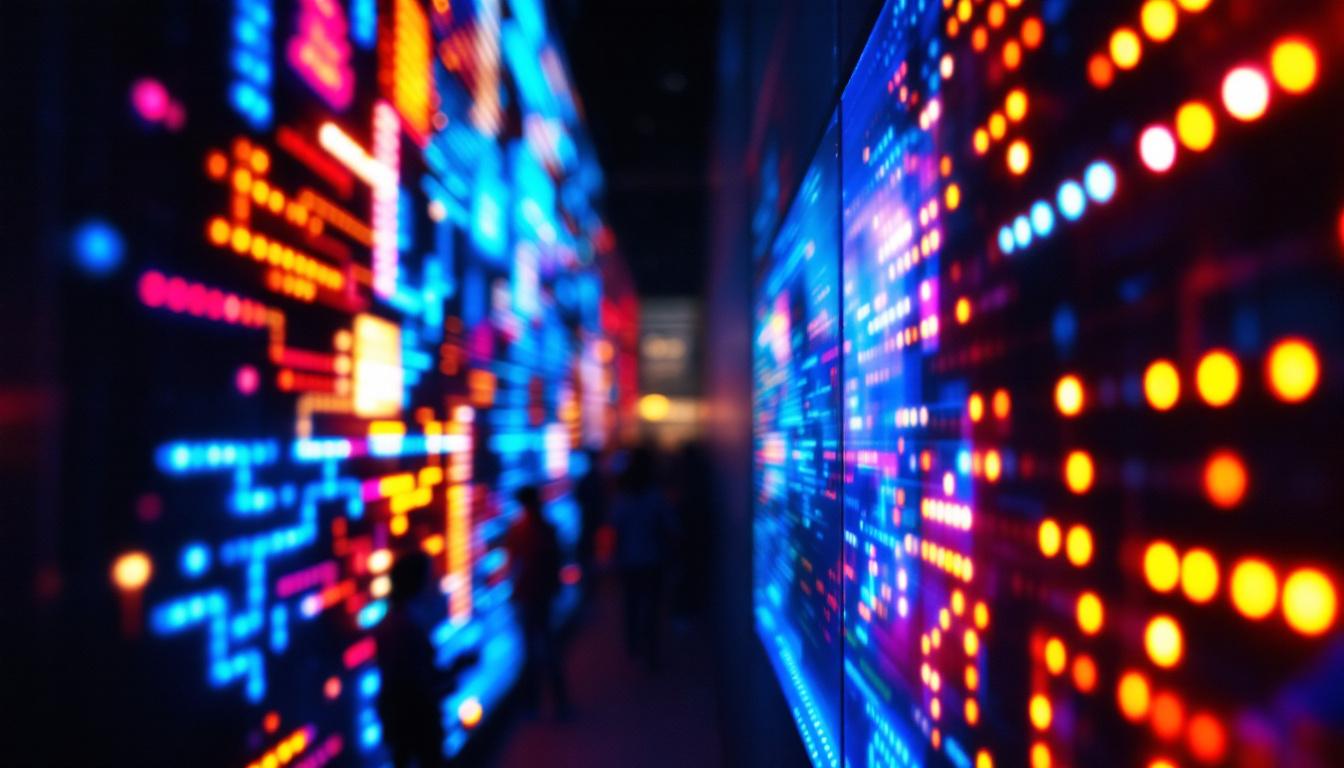
LED stands for Light Emitting Diode, a semiconductor device that emits light when an electric current passes through it. An LED display is a flat panel display that uses an array of these tiny LEDs as pixels to create images, videos, or text. Unlike traditional LCD or plasma screens, LED displays produce their own light, resulting in brighter and more vibrant visuals. This self-illuminating characteristic allows for deeper blacks and a wider color gamut, making LED displays particularly appealing for applications requiring high-quality imagery, such as advertising, broadcasting, and live events.
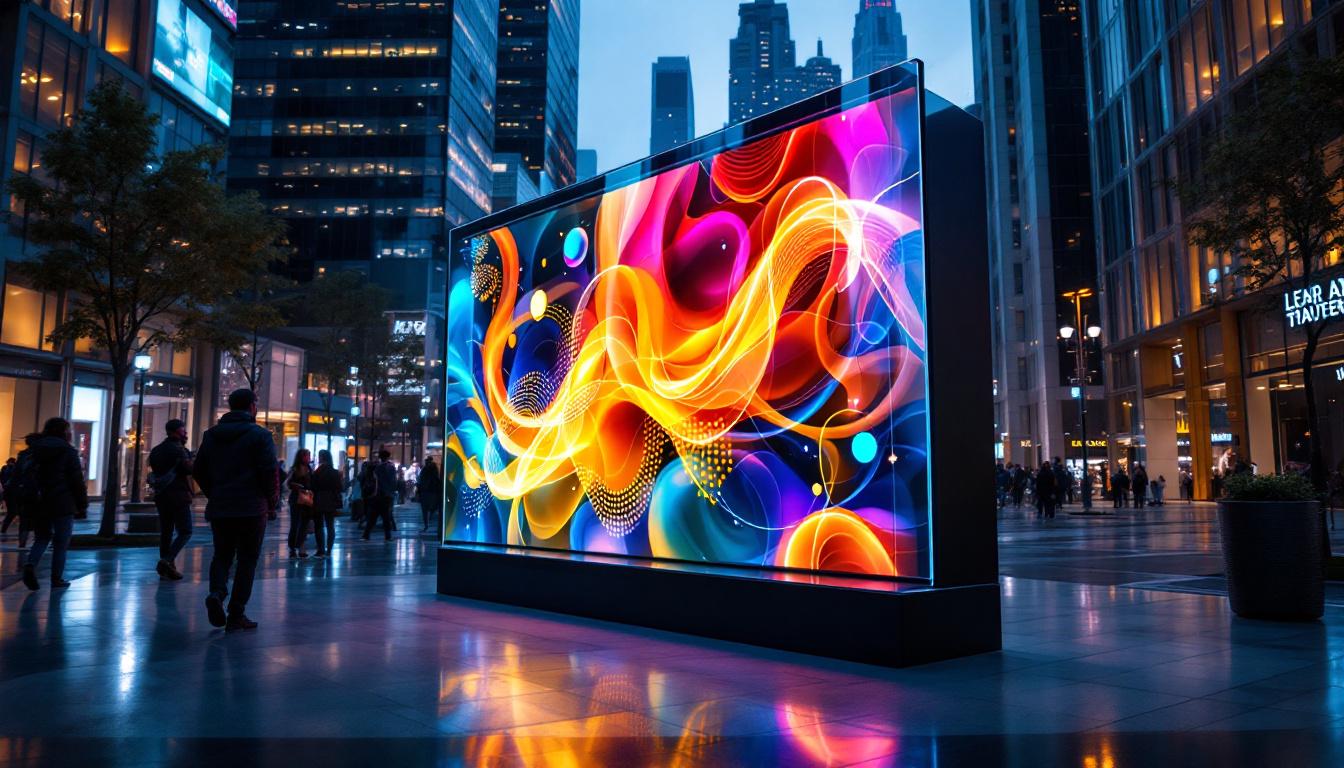
LED displays can be categorized into two main types: direct-view LED displays and LED-backlit LCD displays. The former uses LEDs as the actual pixels visible to the viewer, while the latter uses LEDs as a backlight behind an LCD panel. This article focuses primarily on direct-view LED displays, which are commonly used in digital screen printing applications for large-scale, high-impact visuals. These displays are often seen in stadiums, concert venues, and urban advertising billboards, where their ability to capture attention and convey information quickly is invaluable. The versatility of LED technology has also led to its integration in various formats, including flexible and transparent displays, opening up new possibilities for creative installations.
How LED Displays Work
Each pixel in a direct-view LED display consists of one or more tiny LEDs, typically red, green, and blue (RGB). By varying the intensity of these three colors, the display can produce a broad spectrum of colors visible to the human eye. This RGB color mixing is fundamental to creating detailed and colorful images. The precision in color reproduction is one of the reasons why LED displays are favored in environments where visual fidelity is critical, such as art galleries and fashion shows. Furthermore, advancements in technology have led to the development of high dynamic range (HDR) capabilities, which enhance contrast and color accuracy, providing an even more immersive viewing experience.
The LEDs are arranged in a grid pattern, and the resolution of the display depends on the number of pixels per unit area. The smaller the distance between pixels (known as pixel pitch), the higher the resolution and image clarity. Modern LED displays can have pixel pitches as small as 0.9 millimeters, enabling ultra-high-definition visuals even at close viewing distances. This high resolution is particularly beneficial for applications such as control rooms and broadcast studios, where detailed information needs to be conveyed clearly. Additionally, LED displays are known for their energy efficiency and longevity compared to traditional display technologies, making them a sustainable choice for both commercial and residential use. As technology continues to evolve, we can expect even more innovations in LED display capabilities, including improvements in energy consumption and the integration of smart features that enhance user interaction and functionality.
Types of LED Displays and Their Applications
Indoor vs. Outdoor LED Displays
LED displays are designed differently depending on whether they are intended for indoor or outdoor use. Outdoor LED displays are built to withstand harsh weather conditions such as rain, wind, and extreme temperatures. They also require higher brightness levels—often exceeding 5,000 nits—to remain visible under direct sunlight. These displays are typically encased in durable materials that offer protection against UV rays and moisture, ensuring longevity even in challenging environments. Additionally, outdoor displays often incorporate advanced cooling systems to manage heat dissipation, which is crucial for maintaining performance during hot weather.
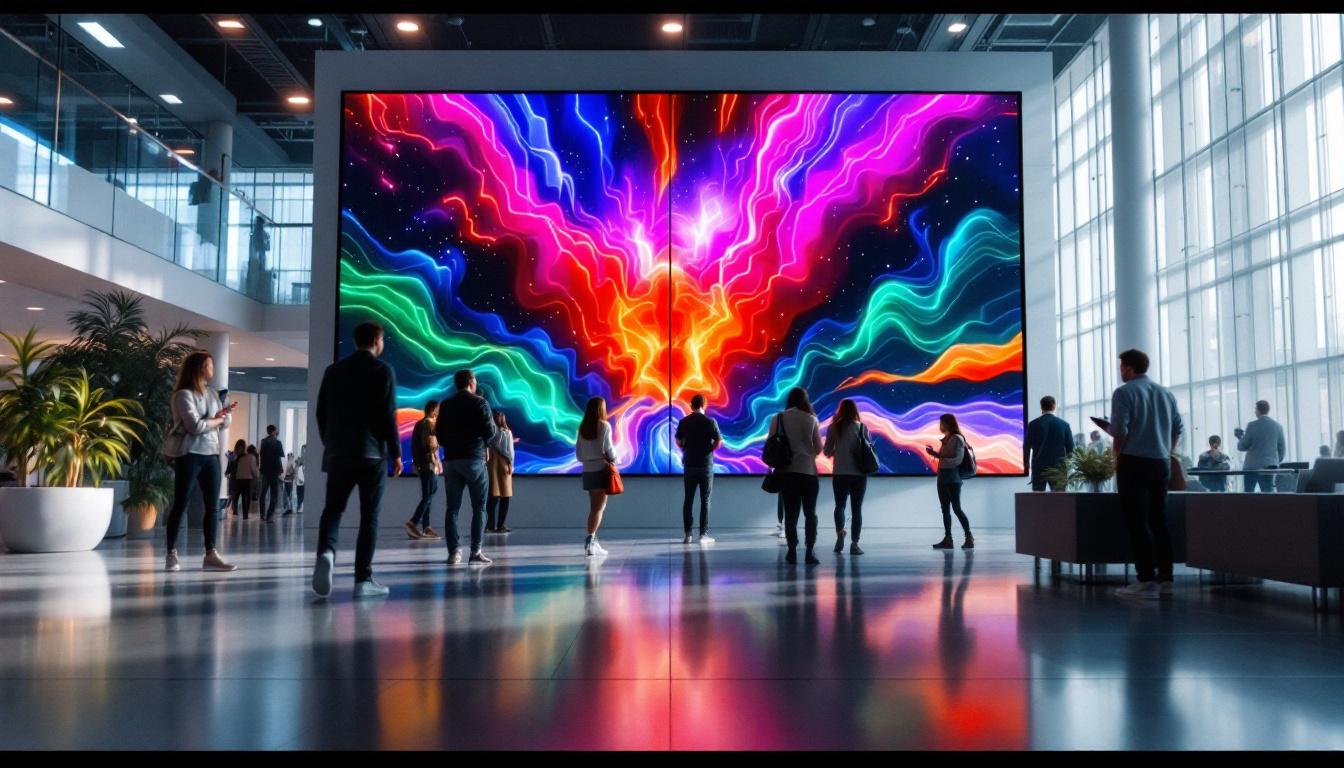
Indoor LED displays, on the other hand, operate at lower brightness levels (typically between 800 and 1,500 nits) and prioritize finer pixel pitch for close-up viewing. These are commonly found in retail environments, conference rooms, museums, and control centers. The pixel density in indoor displays allows for high-resolution images and videos, making them ideal for applications where detail is paramount, such as digital signage in luxury retail stores or information displays in corporate settings. Furthermore, indoor LED displays often come with customizable features such as touch interactivity, enhancing user engagement and providing a more dynamic experience.
Fixed vs. Rental LED Displays
Fixed LED displays are permanently installed in a location, such as a shopping mall facade or sports arena scoreboard. These displays are designed for long-term use and often feature robust build quality and advanced control systems. They can be integrated with various content management systems, allowing for real-time updates and dynamic content delivery. Fixed displays are particularly beneficial for businesses looking to establish a consistent brand presence, as they can showcase advertisements, announcements, or live event feeds continuously, ensuring maximum visibility.
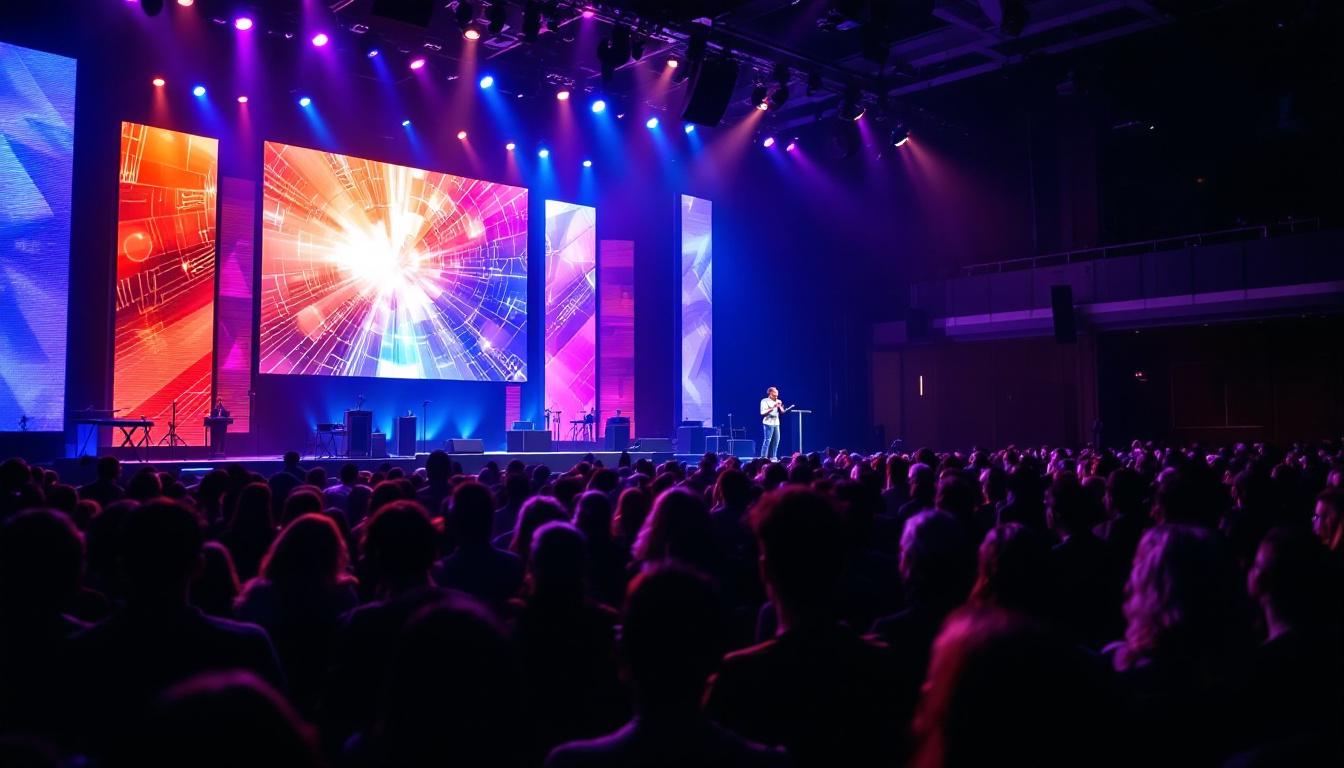
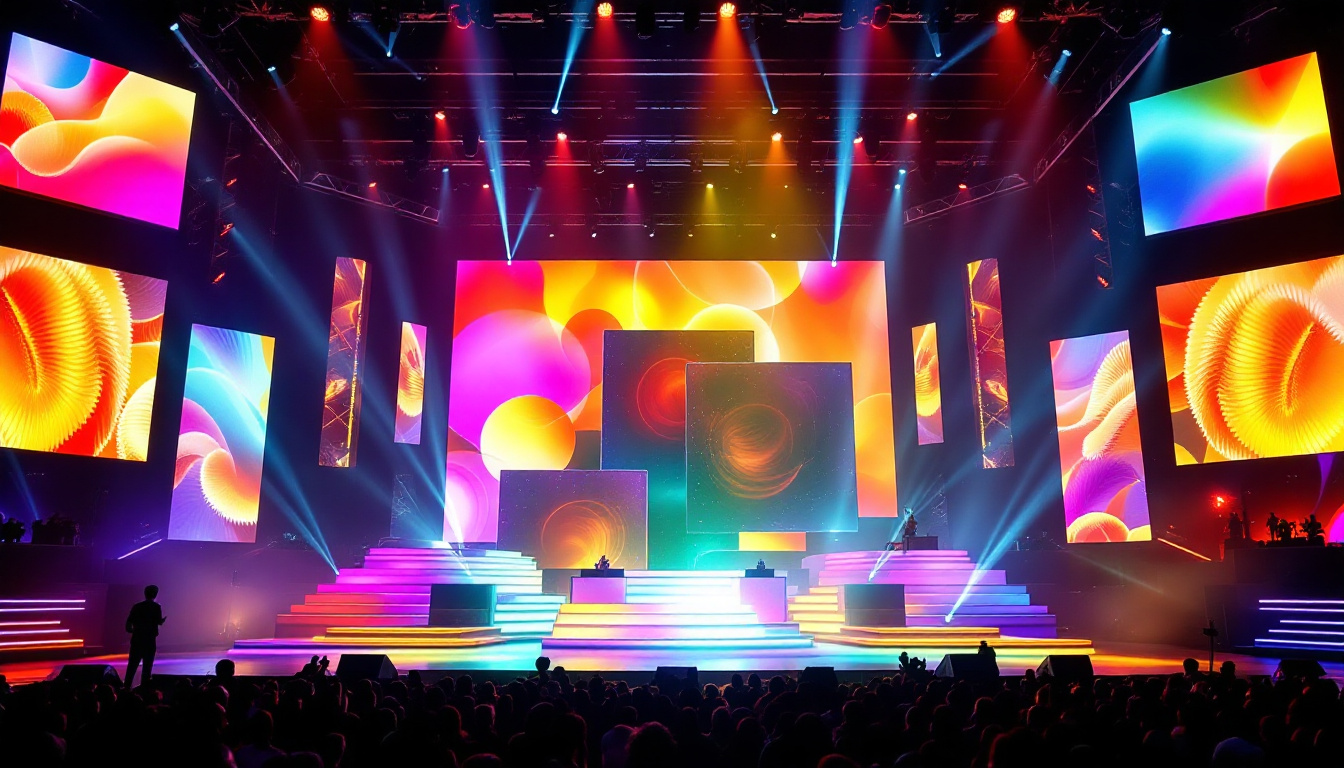
Rental LED displays are modular and portable, optimized for events, concerts, trade shows, and temporary advertising. Their design emphasizes quick assembly and disassembly, lightweight materials, and versatile configurations. This flexibility allows event organizers to create stunning visual experiences tailored to specific themes or venues. Rental displays often come with advanced features such as high refresh rates and wide viewing angles, making them perfect for large audiences. Additionally, many rental services offer technical support and on-site assistance, ensuring that events run smoothly without technical hitches.
Curved and Flexible LED Displays
Advancements in LED technology have enabled the creation of curved and flexible LED displays, opening new creative possibilities for digital screen printers and designers. These displays can wrap around columns, follow architectural contours, or create immersive environments, enhancing audience engagement. The ability to create non-linear shapes allows for innovative advertising solutions in high-traffic areas, where traditional flat screens may not fit or capture attention effectively. For instance, curved displays can create a 360-degree viewing experience, drawing in viewers from all angles and making them ideal for exhibitions or promotional events.
Moreover, flexible LED displays can be used in a variety of applications beyond advertising, such as in art installations and interactive exhibits. Their lightweight and pliable nature means they can be integrated into unconventional surfaces, such as furniture or wearable technology, pushing the boundaries of how visual content is presented. As technology continues to evolve, we can expect even more creative uses for these displays, transforming spaces into dynamic canvases that captivate and inspire audiences in ways previously thought impossible.
Advantages of LED Displays in Digital Screen Printing
Superior Brightness and Visibility
One of the most significant benefits of LED displays is their exceptional brightness. Unlike traditional printed signage or LCD screens, LEDs can produce vivid images visible even in direct sunlight or brightly lit environments. This makes them ideal for outdoor advertising, retail promotions, and public information displays.
Energy Efficiency and Longevity
LED technology is highly energy-efficient compared to older display technologies. LEDs consume less power while delivering brighter output, reducing operational costs over time. Additionally, LEDs have a long lifespan—often exceeding 100,000 hours—minimizing maintenance and replacement expenses.
Dynamic Content and Interactivity
Unlike static printed screens, LED displays allow for dynamic content that can be updated in real-time. This flexibility enables businesses to tailor messages based on time of day, audience demographics, or promotional campaigns. Integration with sensors and interactive technologies further enhances user engagement.
Customization and Scalability
LED displays are highly customizable in terms of size, shape, resolution, and pixel pitch. Digital screen printers can design displays that perfectly fit specific spaces and branding requirements. Modular designs also allow for scalability, enabling displays to grow or adapt as needed.
Key Considerations for Digital Screen Printers Working with LED Displays
Understanding Pixel Pitch and Resolution
Pixel pitch is a critical factor that affects image quality and viewing distance. For digital screen printers, selecting the appropriate pixel pitch depends on the intended application and audience proximity. For example, a retail store window display viewed from a few feet away requires a much finer pixel pitch than a highway billboard seen from hundreds of meters.
Balancing resolution and cost is essential since finer pixel pitches increase production complexity and price. Collaborating closely with LED manufacturers and clients ensures the final product meets both visual and budgetary expectations.
Color Calibration and Consistency
Color accuracy is paramount in digital screen printing, especially for brand messaging. LED displays require precise calibration to ensure consistent color reproduction across the entire screen. Factors such as LED binning (sorting LEDs by color and brightness), temperature compensation, and software adjustments play important roles in maintaining color fidelity.
Durability and Environmental Protection
For outdoor LED displays, protecting the screen from environmental stressors is crucial. Digital screen printers should consider materials and coatings that resist moisture, dust, UV radiation, and mechanical impact. IP ratings (Ingress Protection) provide standardized measures of a display’s ability to withstand such elements.
Control Systems and Software Integration
Modern LED displays rely on sophisticated control systems to manage content playback, brightness levels, and diagnostics. Digital screen printers should be familiar with these systems to provide seamless integration and user-friendly operation. Compatibility with content management software and network connectivity options enhances the display’s functionality.
Emerging Trends and Innovations in LED Display Technology
MicroLED and MiniLED Displays
MicroLED and MiniLED technologies represent the next frontier in LED display innovation. MicroLEDs are microscopic LEDs that promise even higher resolution, better contrast, and improved energy efficiency compared to conventional LEDs. Although still in early stages of commercial adoption, MicroLED displays are expected to revolutionize digital signage and consumer electronics.
MiniLEDs, which use smaller LEDs for backlighting, are already gaining traction in premium LCD displays, offering enhanced brightness and local dimming capabilities.
Integration with Augmented Reality (AR) and IoT
LED displays are increasingly being integrated with augmented reality and Internet of Things (IoT) technologies. This integration enables interactive and context-aware content delivery, such as location-based advertising or real-time data visualization. For digital screen printers, these innovations open new avenues for creative and functional display solutions.
Sustainability and Eco-Friendly Practices
As environmental concerns grow, the LED display industry is focusing on sustainability. This includes using recyclable materials, reducing power consumption, and designing displays for easier repair and recycling. Digital screen printers can contribute by selecting eco-friendly components and promoting responsible disposal practices.
Conclusion
LED displays have transformed the landscape of digital screen printing and visual communication. Their brightness, versatility, and dynamic capabilities make them indispensable for modern advertising, information dissemination, and entertainment. For professionals in the digital screen printing industry, mastering the technical and practical aspects of LED displays is key to delivering impactful and innovative solutions.
By understanding the different types of LED displays, their advantages, and the critical considerations in their design and deployment, digital screen printers can better serve their clients and stay ahead in a competitive market. As technology advances, staying informed about emerging trends like MicroLEDs and AR integration will ensure continued relevance and success in this exciting field.
Explore Cutting-Edge LED Display Solutions with LumenMatrix
Ready to elevate your digital screen printing capabilities and create visually stunning experiences? LumenMatrix is at the forefront of LED display innovation, offering a wide range of solutions tailored to your needs. From Indoor and Outdoor LED Wall Displays to specialized options like Vehicle, Sports, and Floor LED Displays, our products are designed to captivate and engage. Discover how our Custom, All-in-One, and Transparent LED Displays can transform your visual communication. Check out LumenMatrix LED Display Solutions today and join the revolution in digital signage excellence.