In the world of large-scale visual displays, the term “Jumbotron” has become synonymous with massive, eye-catching screens that captivate audiences at sports arenas, concerts, and public events. At the heart of these impressive displays lies LED technology, which has revolutionized how content is presented on a grand scale. This article delves into the intricacies of Jumbotron graphics, exploring how LED displays work, their advantages, and why they remain the preferred choice for large venue visuals.
Understanding the Basics of Jumbotron LED Displays
What Is a Jumbotron?
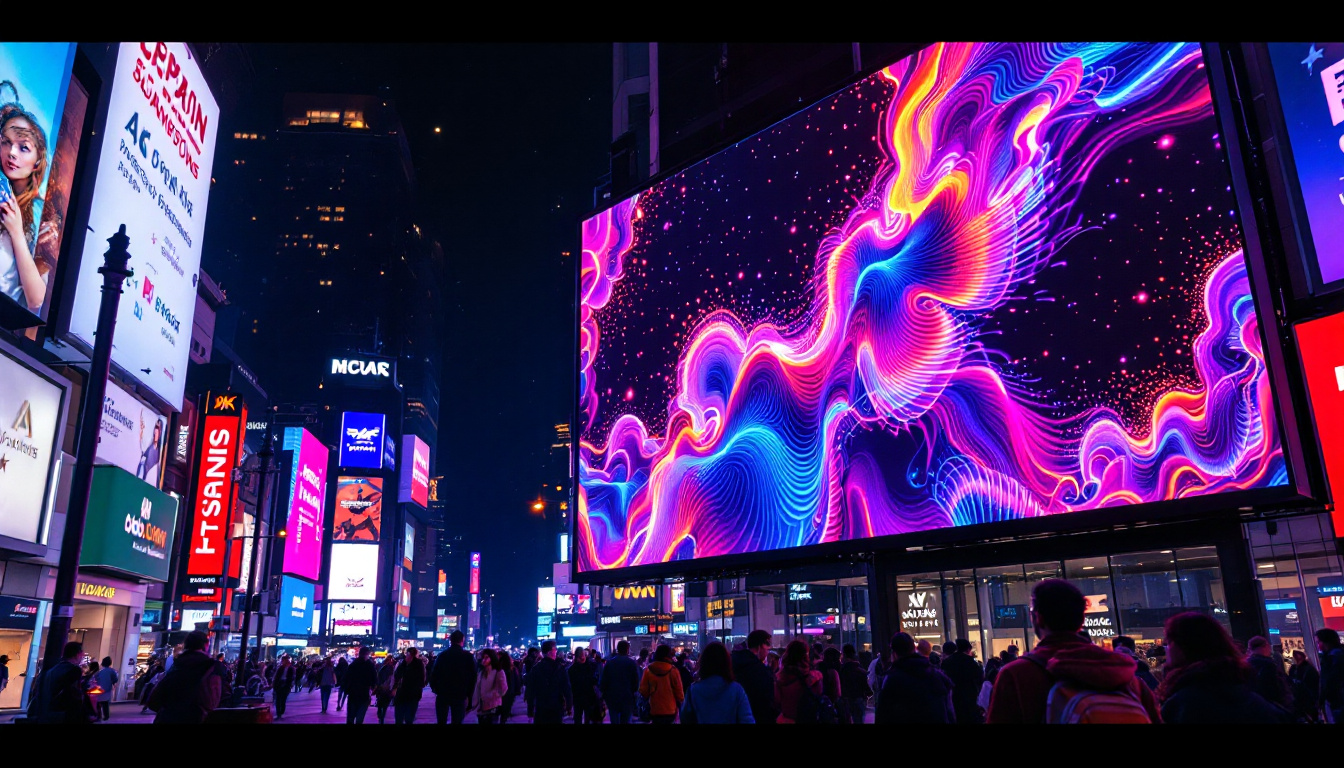
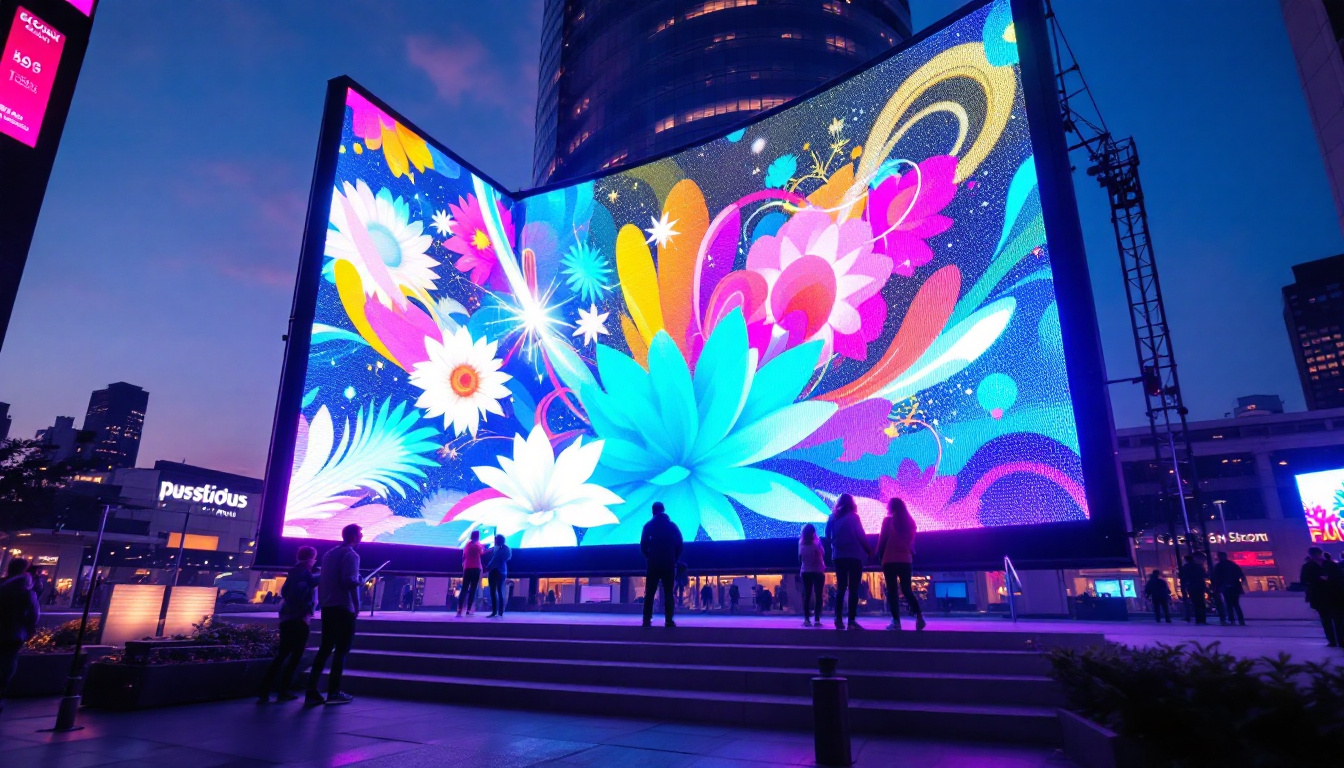
The term “Jumbotron” originated as a brand name for large-scale video displays but has since become a generic term for giant LED screens. These displays are typically found in stadiums, concert halls, outdoor events, and public squares, where they serve to broadcast live video feeds, advertisements, and dynamic graphics to large audiences. The ability to reach and engage a vast number of people makes Jumbotrons an invaluable tool for event organizers and advertisers alike, as they can capture attention in a way that static billboards simply cannot.
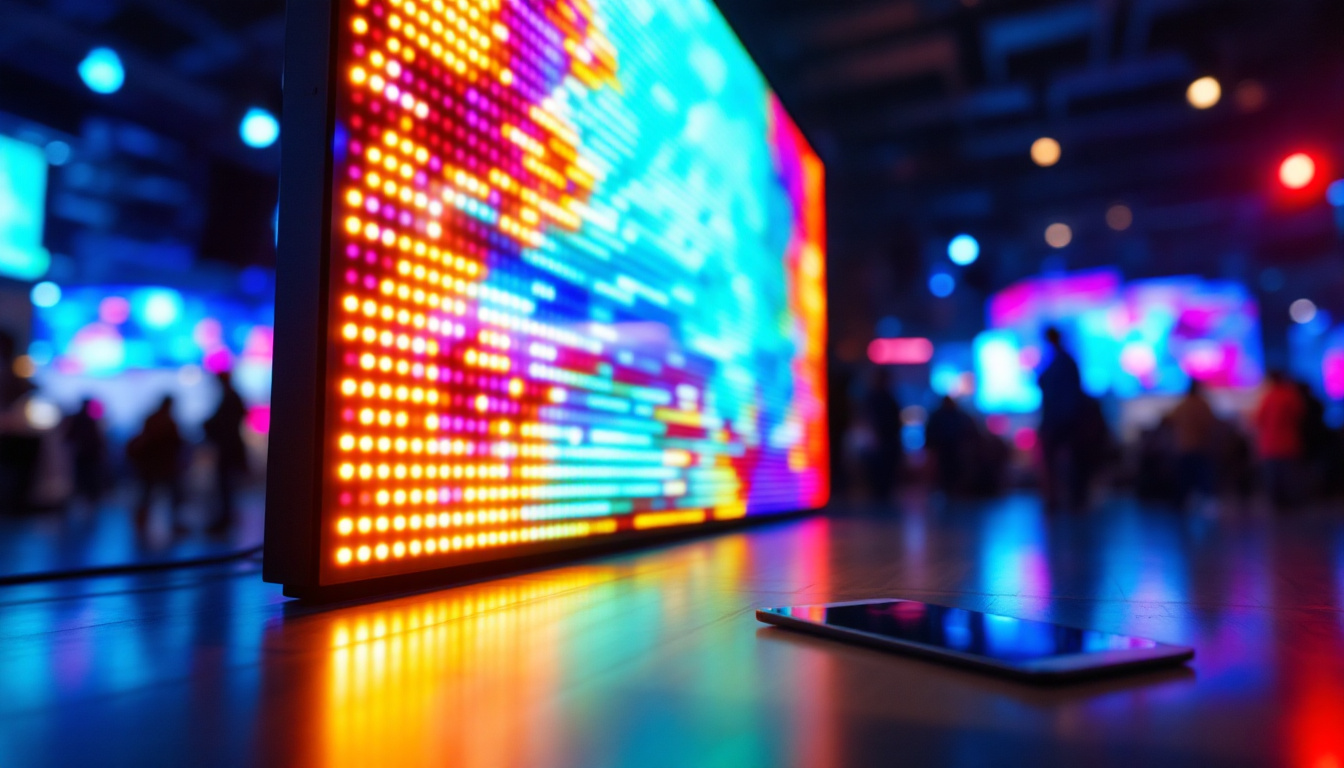
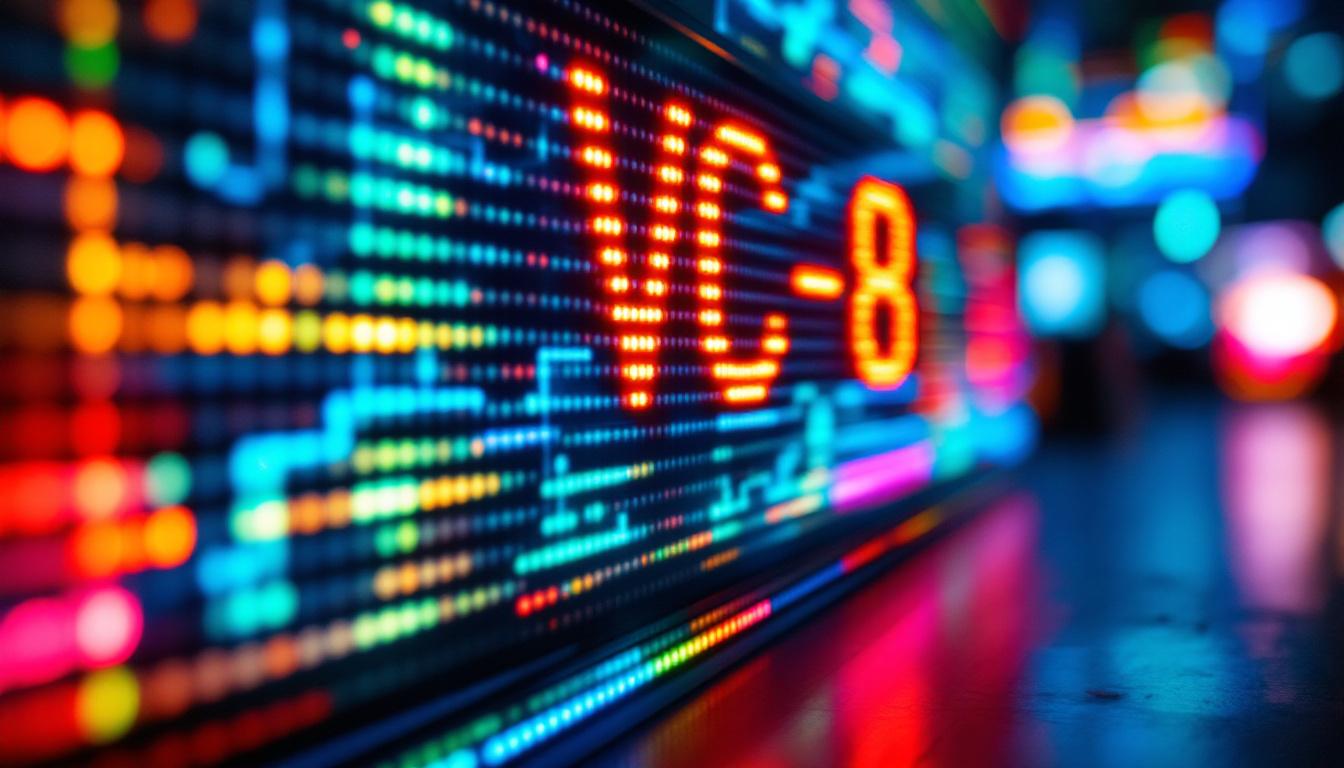
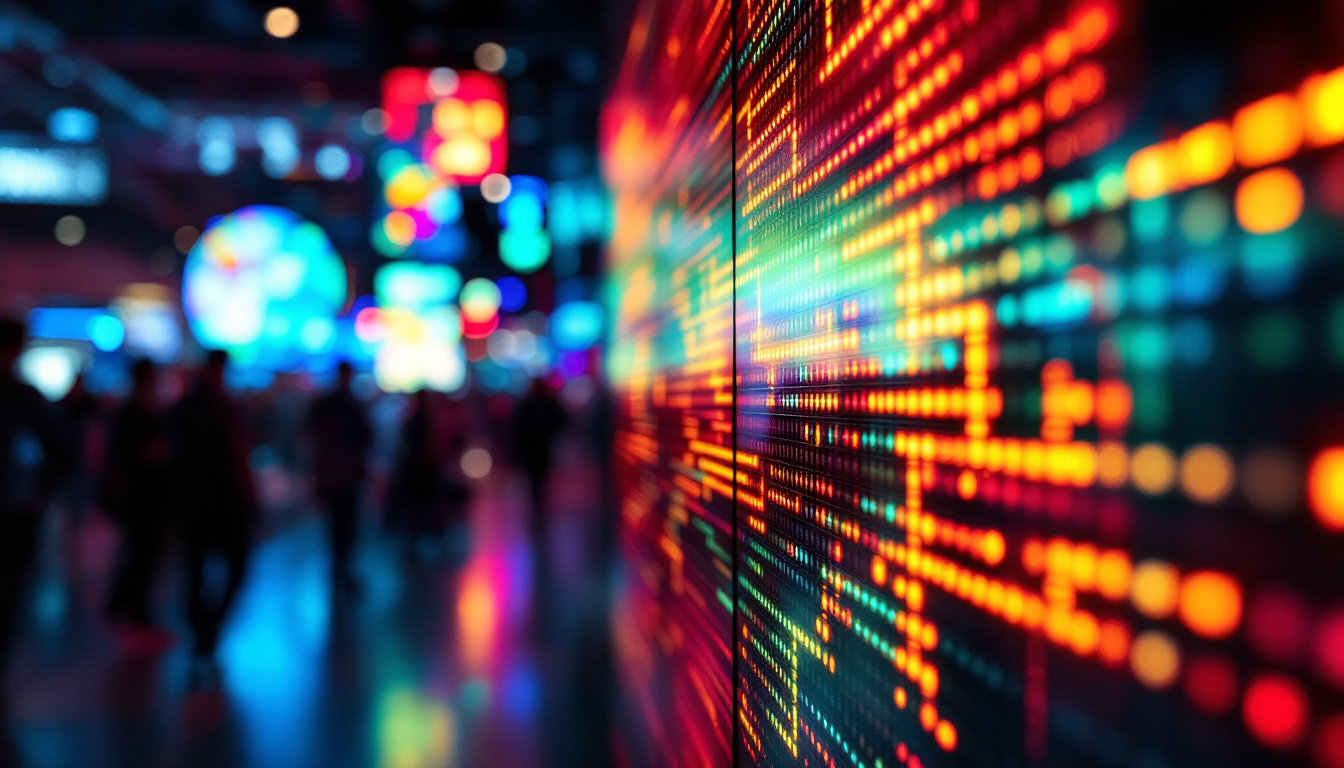
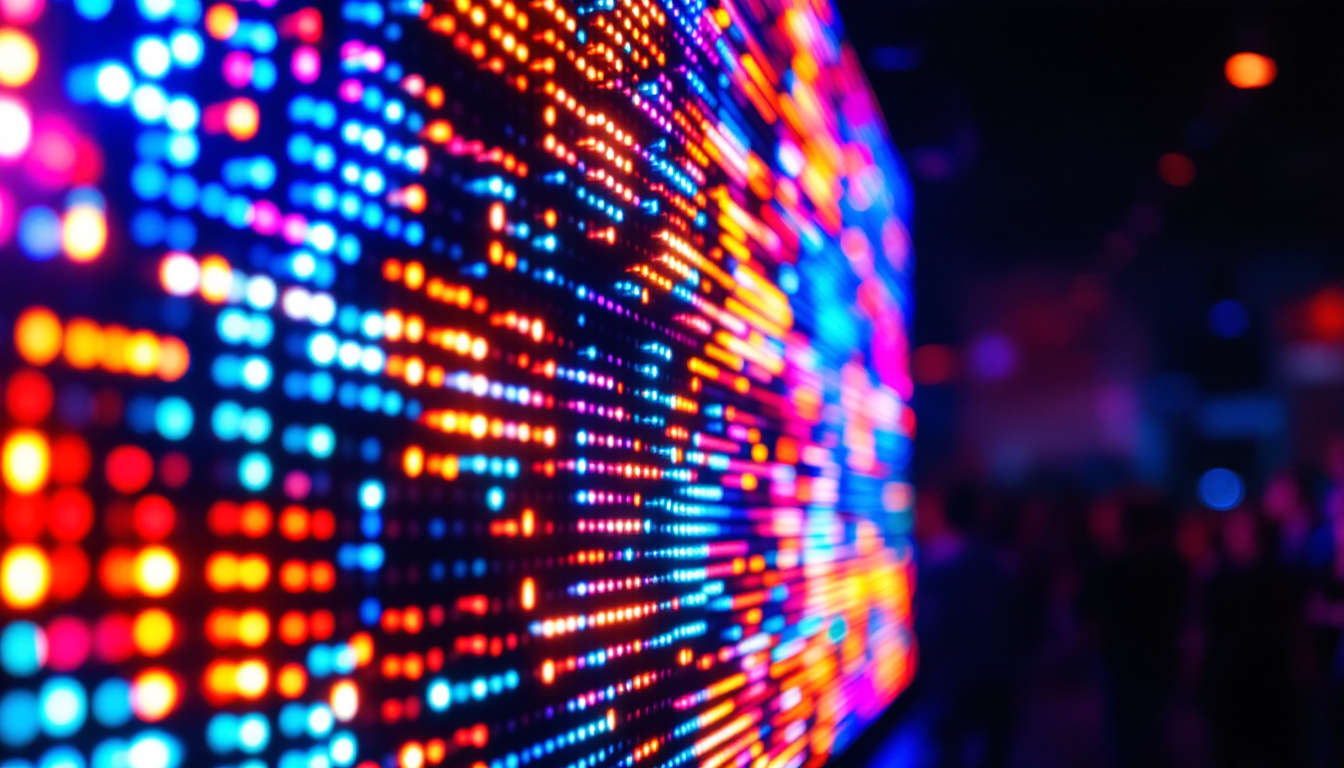
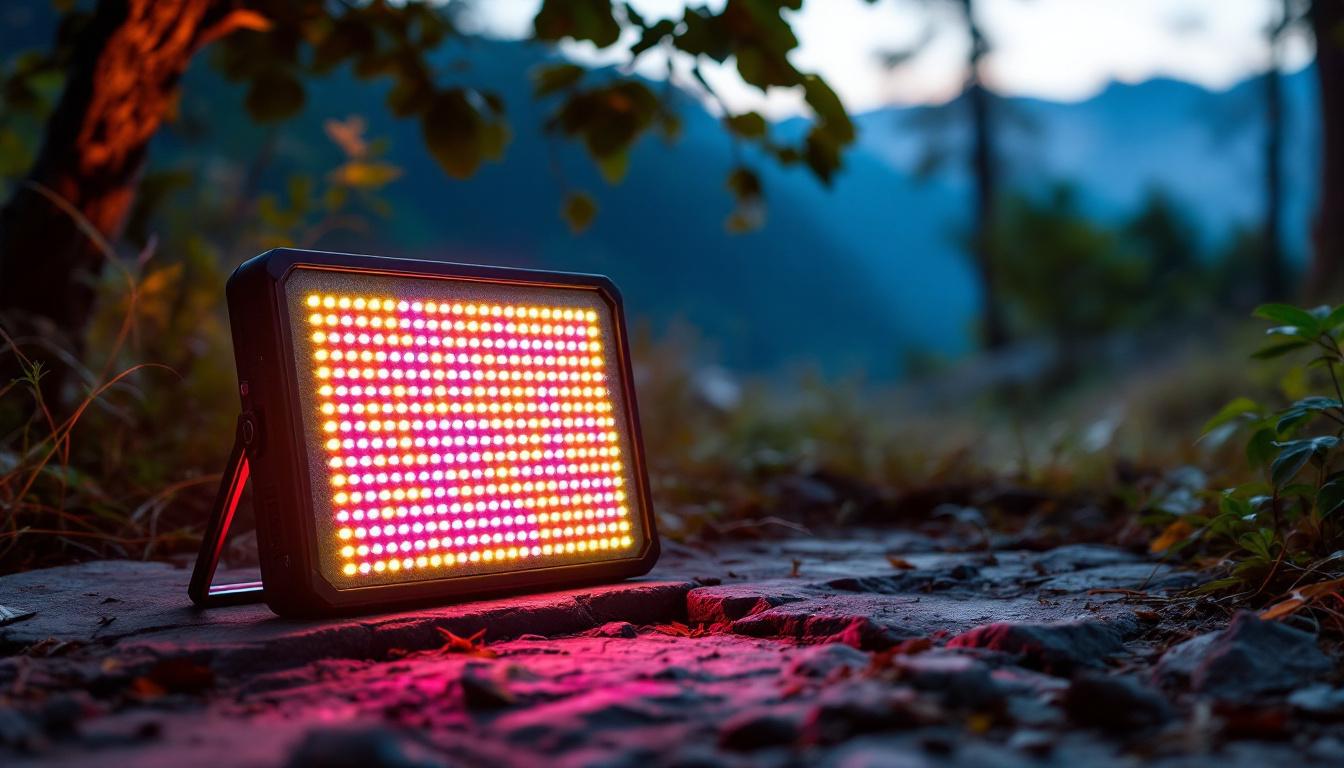
Unlike traditional projection screens or LCD panels, Jumbotrons rely on thousands of tiny light-emitting diodes (LEDs) arranged in a grid. Each LED acts as a pixel, glowing in various colors and intensities to form vivid images and videos visible from hundreds of feet away. This technology not only enhances the viewing experience but also allows for real-time updates and interactive content, making it possible to engage the audience with live polls, social media feeds, or instant replays during sports events.
How Do LED Displays Work?
LED displays consist of individual pixels made up of red, green, and blue diodes. By varying the brightness of each diode, the display can produce a full spectrum of colors. These pixels are arranged in modules, which are then combined to create the full screen. The modular design allows for flexibility in size and shape, enabling the construction of screens that span several thousand square feet. This adaptability has led to innovative applications, such as curved screens or displays integrated into architectural elements, enhancing the aesthetic appeal of venues.
One of the key factors in LED display quality is pixel pitch, which refers to the distance between the centers of two adjacent pixels. A smaller pixel pitch means higher resolution and sharper images, which is crucial for close-up viewing. For instance, indoor Jumbotrons often have pixel pitches as small as 1.2mm to 2.5mm, while outdoor versions typically range from 4mm to 10mm or more, balancing visibility with cost and durability. Additionally, advancements in technology have led to the development of high-brightness LEDs, which ensure that images remain clear and vibrant even in direct sunlight, making outdoor displays more effective and reliable.
Moreover, the versatility of Jumbotrons extends beyond mere visuals; they can also incorporate audio systems, creating a fully immersive experience for viewers. This integration allows for synchronized sound and visuals, enhancing live performances and sporting events. Event organizers can utilize Jumbotrons for various purposes, such as displaying sponsor logos, providing information about the event schedule, or even broadcasting fan reactions, all of which contribute to a more engaging atmosphere. As technology continues to evolve, the potential applications for Jumbotron displays are expanding, paving the way for more interactive and captivating experiences in public spaces.
The Advantages of LED Jumbotron Displays
Brightness and Visibility
One of the standout features of LED Jumbotrons is their exceptional brightness. Unlike LCD or projection screens, LED displays can achieve brightness levels exceeding 5,000 nits, making them easily viewable even in direct sunlight. This high luminance ensures that content remains vibrant and clear during daytime events or in brightly lit environments.
Moreover, LED technology offers wide viewing angles, meaning the image quality remains consistent even when viewed from the sides. This characteristic is essential in stadiums and arenas where spectators are spread out across vast areas. The ability to maintain image integrity from various angles enhances the overall spectator experience, allowing fans to enjoy the same high-quality visuals regardless of their seating position. This is particularly beneficial during live events, where dynamic content such as replays, advertisements, and live feeds are constantly changing and need to be visible to all attendees.
Durability and Weather Resistance
Outdoor Jumbotrons are designed to withstand harsh weather conditions, including rain, wind, and extreme temperatures. LED modules are often encapsulated with protective coatings and housed within robust frames to prevent damage. Many outdoor LED displays come with an IP65 or higher rating, indicating strong resistance to dust and water ingress.
This durability translates into lower maintenance costs and longer operational lifespans compared to other display technologies, making LED Jumbotrons a cost-effective investment for venues and event organizers. Additionally, the rugged construction of these displays means they can endure the rigors of outdoor use, from sporting events to concerts, without compromising performance. This resilience not only protects the investment but also ensures that events can proceed smoothly, even in less-than-ideal weather conditions, providing peace of mind to organizers and enhancing the experience for attendees.
Energy Efficiency
Despite their size and brightness, LED displays are surprisingly energy-efficient. LEDs consume less power than traditional light sources and generate less heat, reducing the need for extensive cooling systems. Advances in LED technology have further improved power efficiency, with some modern Jumbotrons using up to 30% less energy than earlier models.
Energy efficiency not only lowers operational costs but also aligns with growing sustainability goals in the events and entertainment industries. Many venues are now prioritizing eco-friendly solutions, and the reduced carbon footprint of LED Jumbotrons contributes positively to these initiatives. Furthermore, the long lifespan of LED technology means fewer replacements and less waste, making it a responsible choice for environmentally conscious organizations. As the demand for sustainable practices continues to rise, LED Jumbotrons stand out as a forward-thinking solution that meets both performance and ecological standards.
Applications of Jumbotron LED Displays
Sports and Entertainment Venues
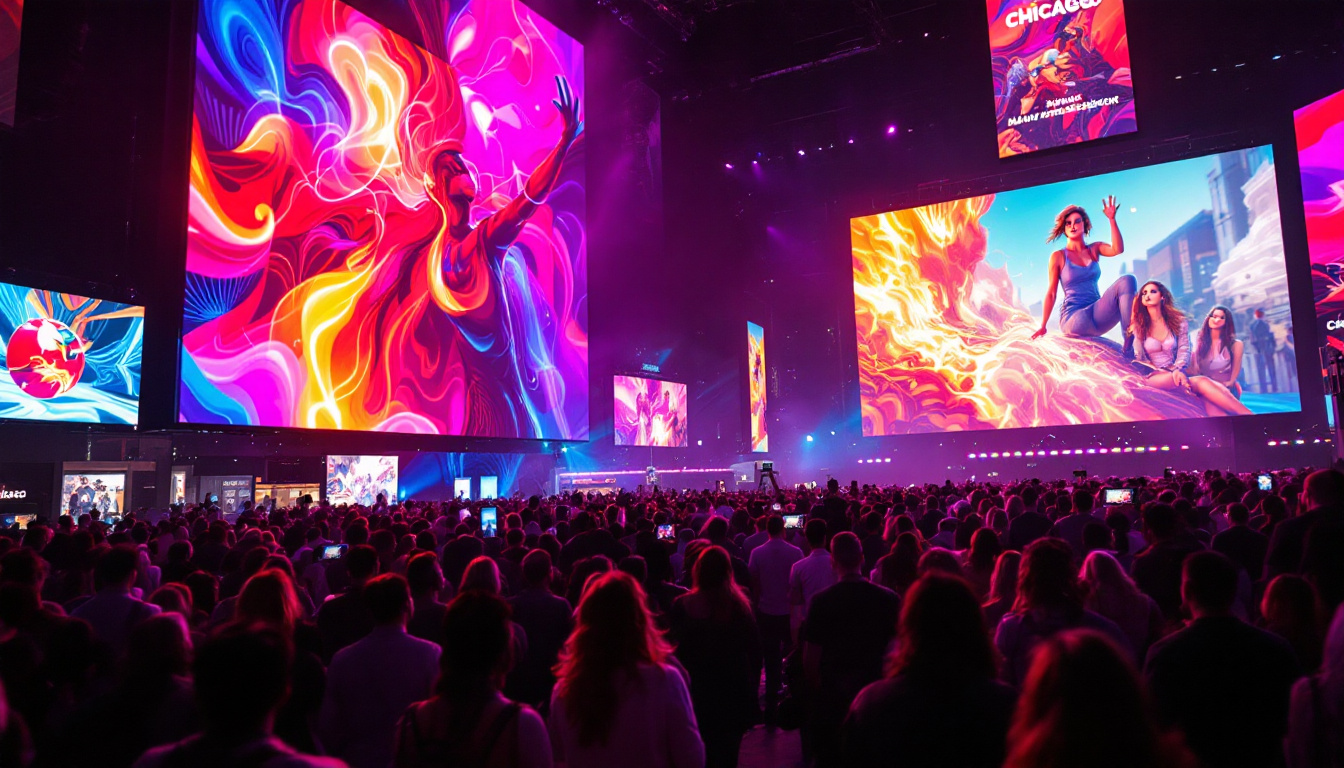
Jumbotron LED screens have become a staple in sports arenas worldwide. They provide live game footage, instant replays, player statistics, and interactive fan content that enhance the spectator experience. For example, the AT&T Stadium in Texas boasts one of the largest center-hung LED displays, measuring 160 feet wide by 72 feet tall, delivering crystal-clear images to over 100,000 fans.
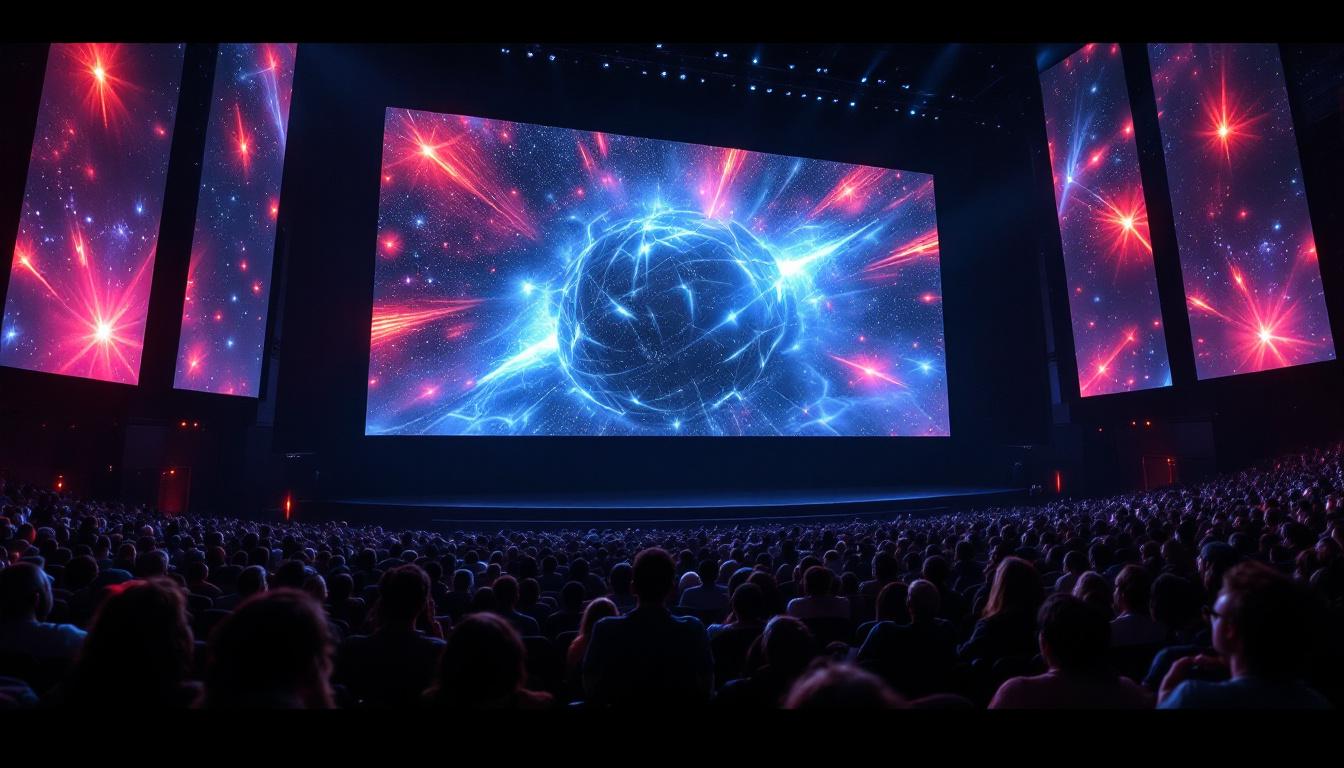
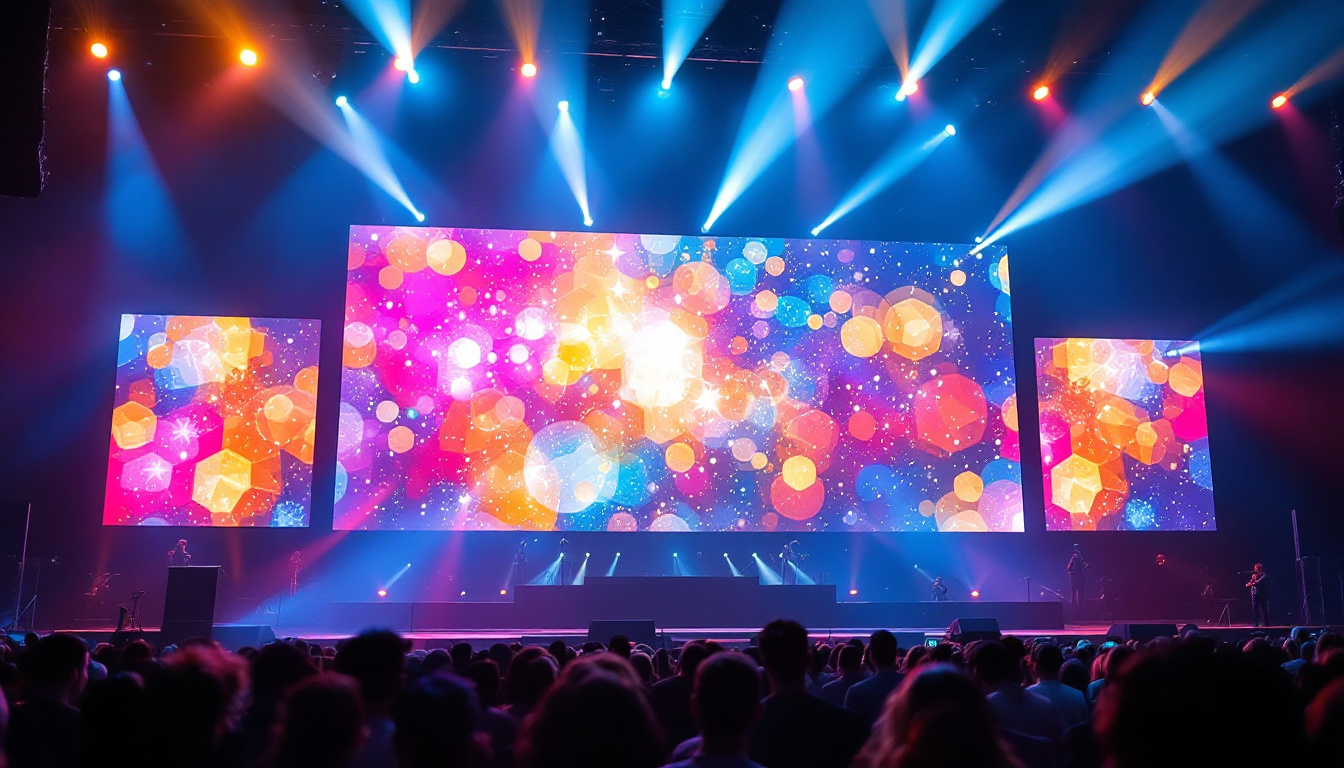
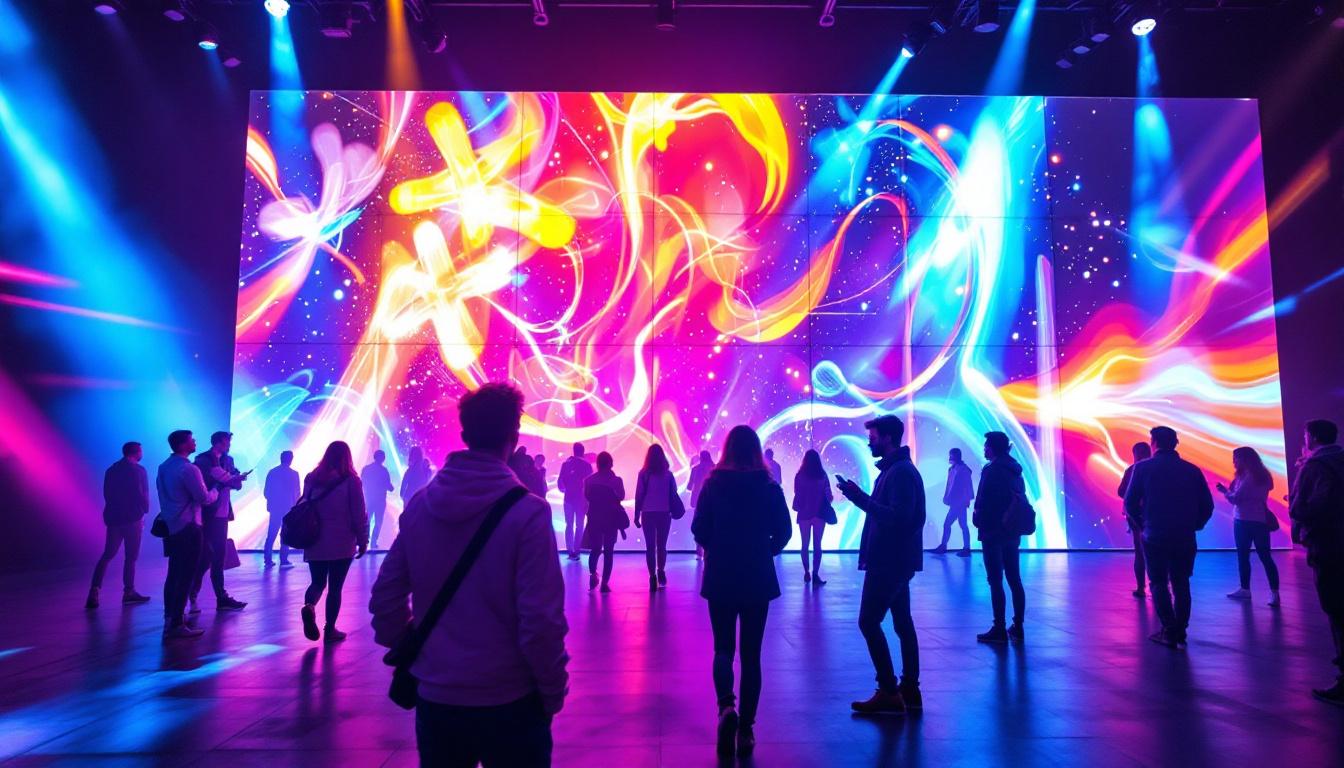
Concerts and festivals also benefit from Jumbotron graphics, allowing performers to engage with audiences far beyond the stage. High-resolution LED screens ensure that every attendee, regardless of their seat location, enjoys a visually immersive experience.
Advertising and Public Messaging
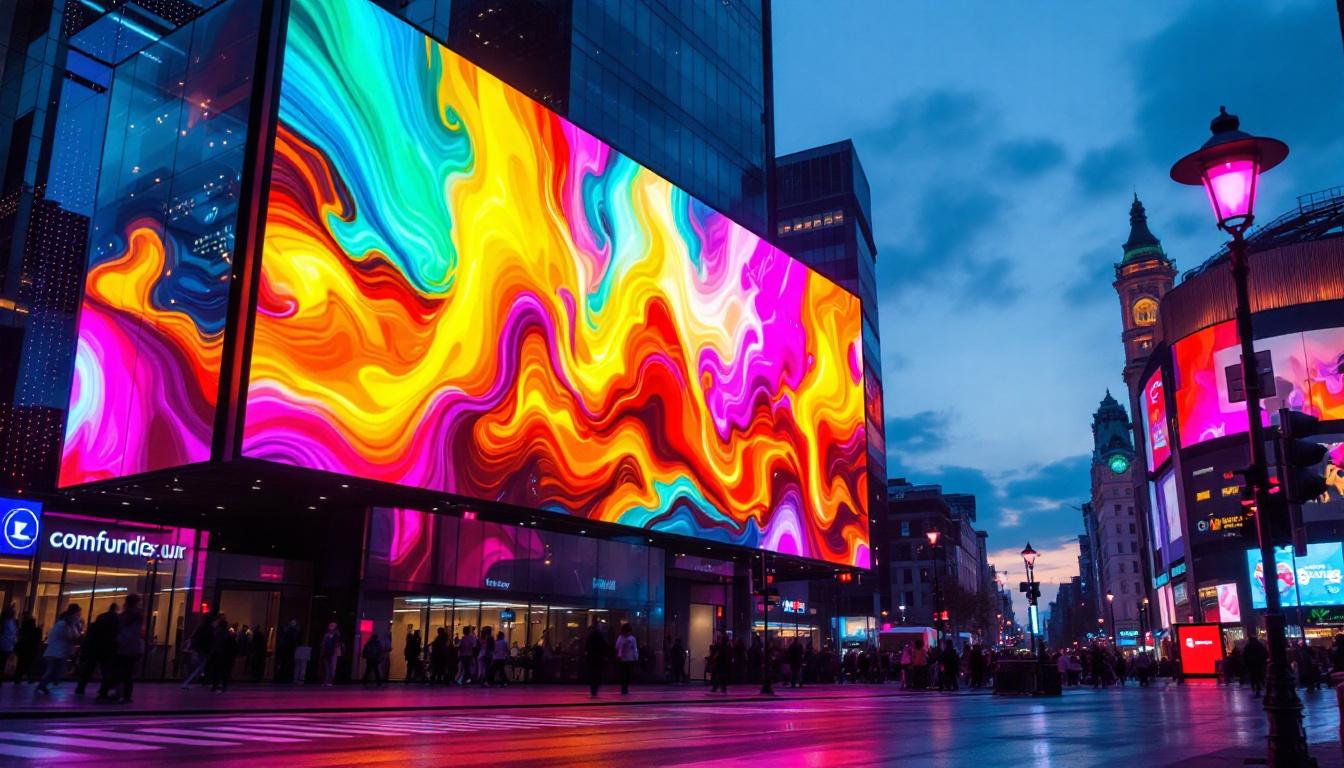
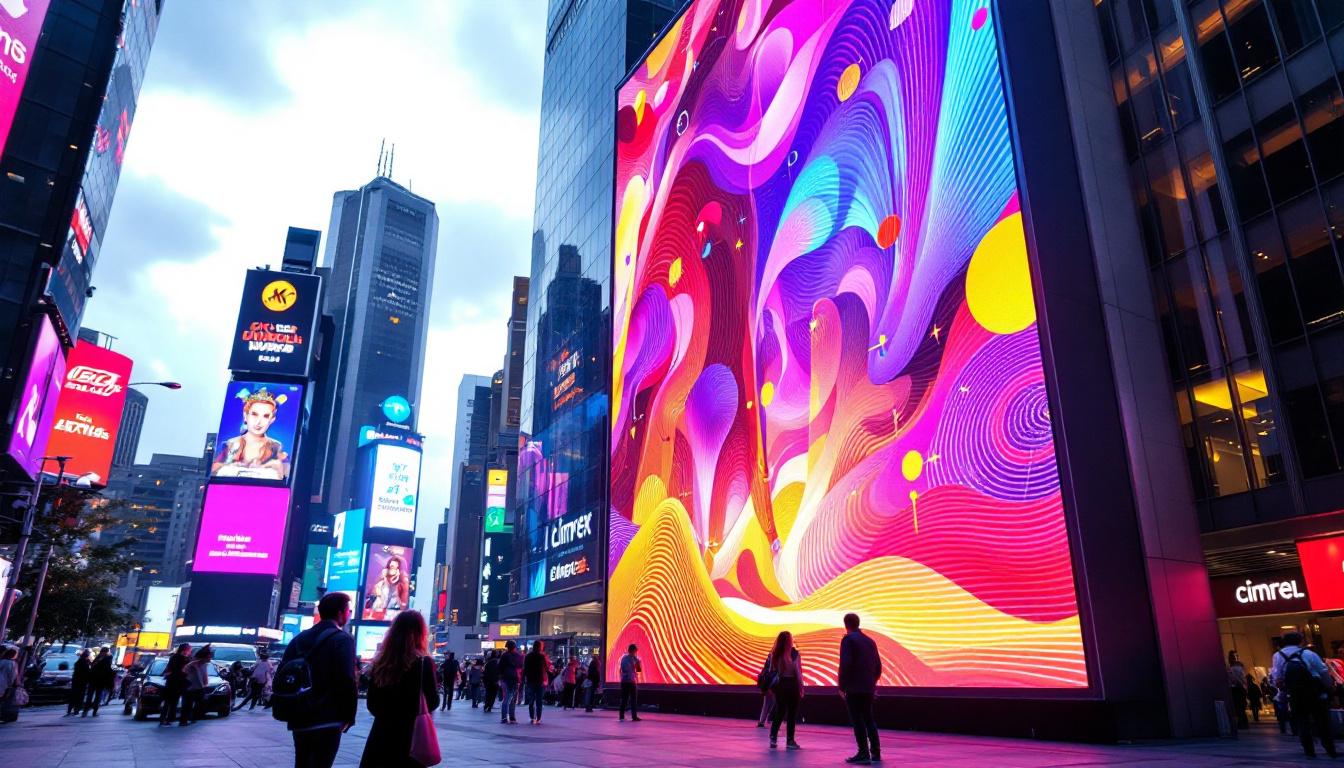
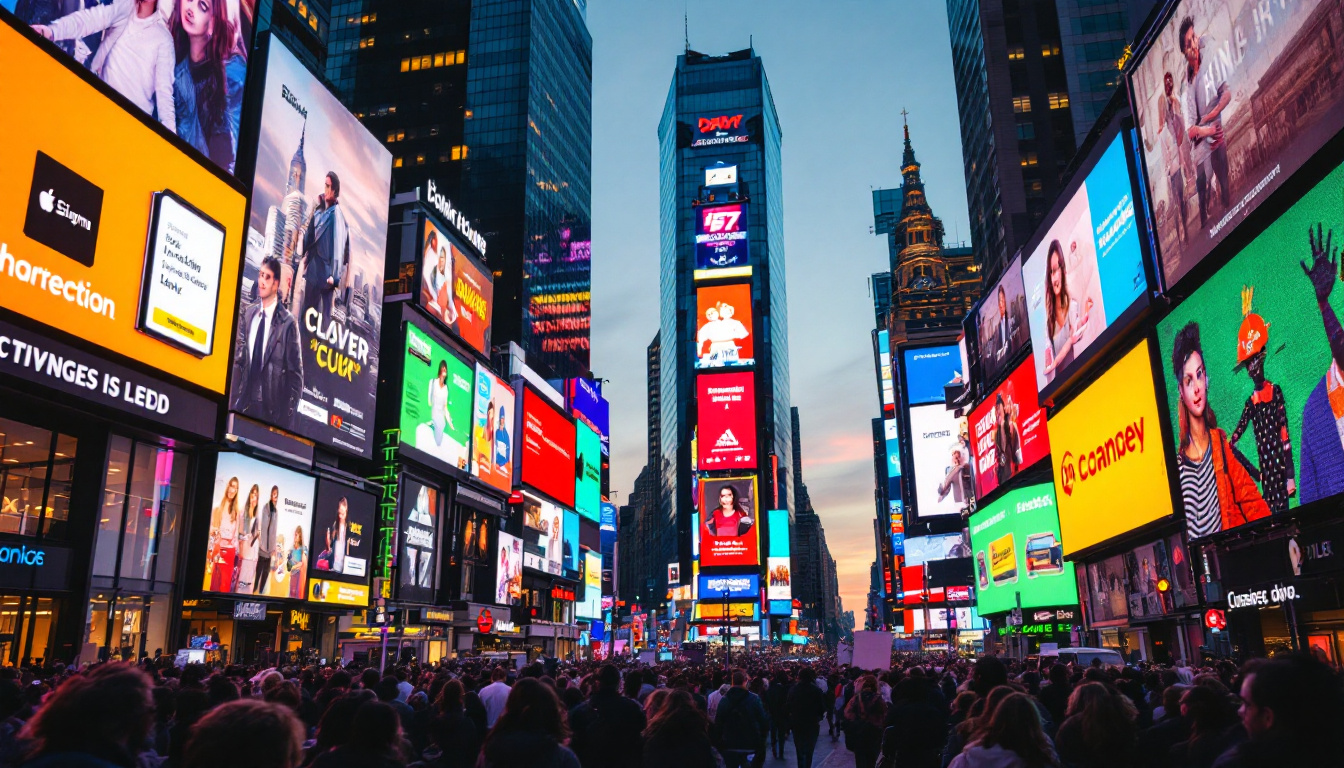
Beyond entertainment, Jumbotron LED displays serve as powerful advertising platforms. Their size and brightness make them ideal for billboards in urban centers, airports, and shopping malls. Dynamic content can be updated in real-time, enabling advertisers to tailor messages based on time of day, audience demographics, or special events.
Public safety and information messaging also leverage these displays. During emergencies or large gatherings, Jumbotrons can broadcast critical instructions, weather alerts, or event schedules, improving communication efficiency.
Corporate and Event Use
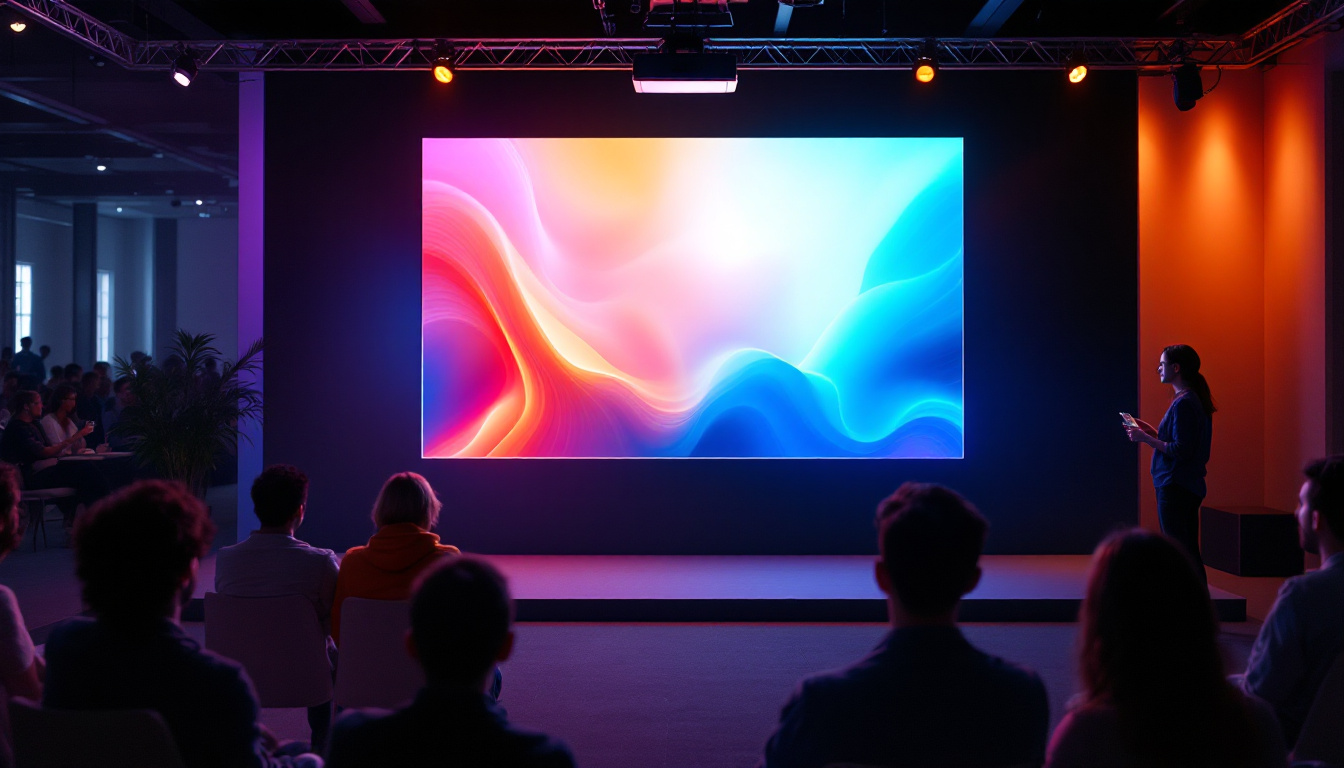
Corporate events, trade shows, and conferences increasingly incorporate LED Jumbotron screens to deliver presentations, product demos, and branding content. The ability to display high-quality video and graphics on large screens helps capture attention and convey messages effectively.
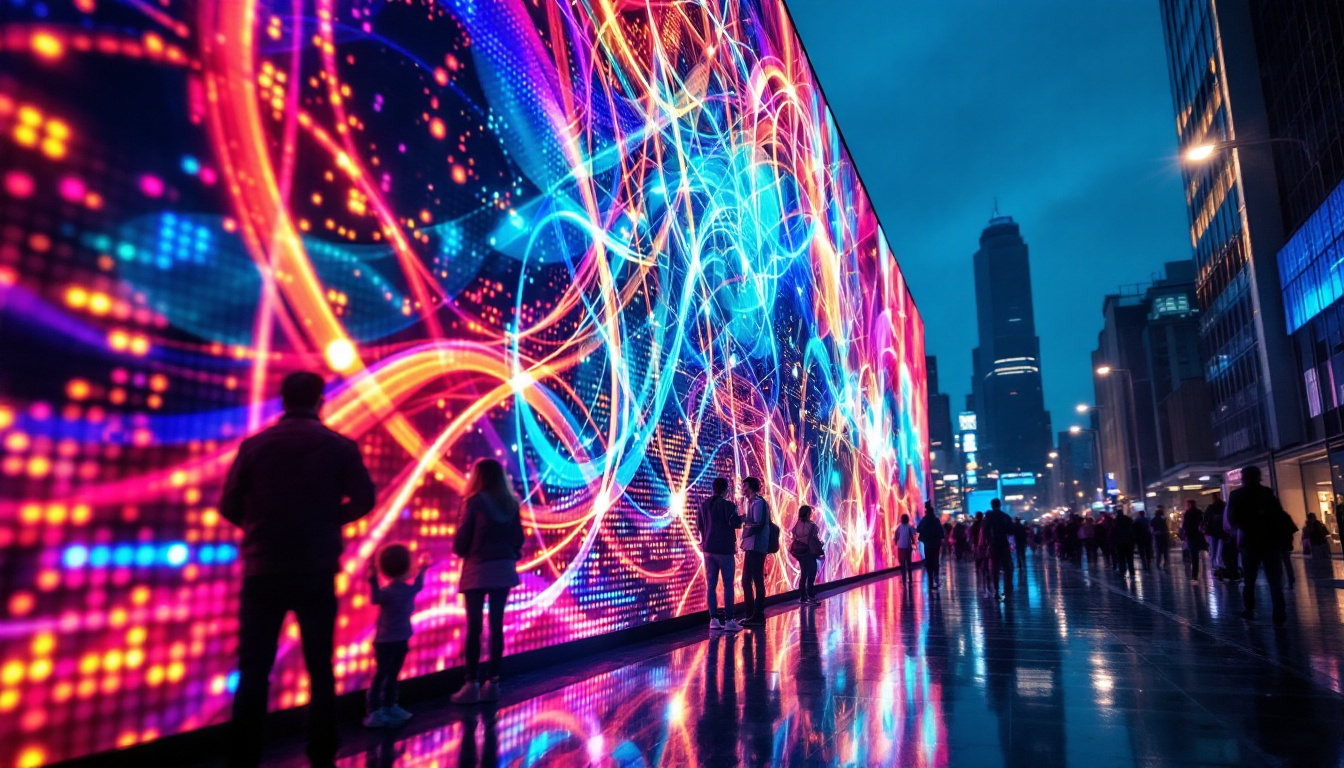
Additionally, the modular nature of LED displays allows for custom configurations, including curved or irregular shapes, enabling creative stage designs that enhance event aesthetics.
Technical Considerations When Choosing a Jumbotron LED Display
Resolution and Pixel Pitch
Choosing the right resolution depends heavily on the viewing distance and intended use. For example, an outdoor stadium screen viewed from hundreds of feet away can have a larger pixel pitch without sacrificing perceived image quality. Conversely, indoor displays or those used for close-up viewing require finer pixel pitches to avoid pixelation.
Understanding the relationship between pixel pitch, resolution, and viewing distance is critical to ensuring optimal visual performance without unnecessary expense.
Refresh Rate and Color Accuracy
Refresh rate, measured in hertz (Hz), indicates how many times per second the display updates its image. Higher refresh rates, typically above 1,000 Hz for LED Jumbotrons, reduce flicker and motion blur, which is especially important for broadcasting fast-moving sports or video content.
Color accuracy and brightness uniformity also play vital roles in delivering vibrant and true-to-life images. Advanced LED displays utilize calibration technologies to maintain consistent color reproduction across the entire screen.
Installation and Maintenance
Installing a Jumbotron involves structural considerations, including weight support, wind load resistance, and electrical infrastructure. Professional installation ensures safety and optimal performance. Modular LED panels facilitate easier maintenance, as faulty modules can be replaced without dismantling the entire screen.
Routine maintenance includes cleaning the LED surface, checking connections, and updating software to prevent performance degradation over time.
The Future of Jumbotron LED Technology
MicroLED and MiniLED Innovations
Emerging technologies like MicroLED and MiniLED promise to push the boundaries of Jumbotron displays even further. MicroLEDs are significantly smaller than traditional LEDs, enabling ultra-high resolutions and improved color fidelity. These advances could lead to thinner, lighter, and more energy-efficient screens with unprecedented image quality.
While still in development and early adoption stages, these technologies are poised to transform large-scale displays in the coming years.
Interactive and Smart Displays
Integration of interactive features, such as touch sensitivity, augmented reality (AR), and real-time data analytics, is becoming more common. Smart Jumbotrons can adapt content dynamically based on audience engagement, environmental conditions, or event-specific triggers.
This interactivity enhances user experience and opens new opportunities for advertisers and event organizers to connect with audiences in meaningful ways.
Sustainability and Eco-Friendly Design
As environmental concerns grow, manufacturers are focusing on sustainable materials, recyclable components, and energy-saving designs. Innovations in LED technology aim to reduce carbon footprints while maintaining high performance, aligning with global efforts toward greener event production.
Conclusion
Jumbotron LED displays represent a pinnacle of visual technology, combining brightness, durability, and versatility to deliver compelling content on a massive scale. Whether enhancing the excitement of a live sports event, broadcasting a concert to thousands, or delivering impactful advertising messages, these displays continue to evolve and shape how audiences experience large-format visuals.
Understanding the technical aspects, practical applications, and future trends of Jumbotron graphics empowers event organizers, advertisers, and venue managers to make informed decisions that maximize impact and engagement.
Illuminate Your Space with LumenMatrix
Ready to elevate your venue’s visual impact? Discover LumenMatrix’s comprehensive range of LED display solutions, from vibrant Indoor and Outdoor LED Wall Displays to dynamic Vehicle and Sports LED Displays. Whether you’re looking to create an immersive Floor LED Display, a sleek LED Poster, or a Custom LED Display tailored to your unique needs, LumenMatrix is your partner in revolutionizing visual communication. Experience the future of digital signage with our All-in-One and Transparent LED Displays, designed to captivate audiences and amplify your message. Check out LumenMatrix LED Display Solutions today and transform your space into a beacon of engagement.