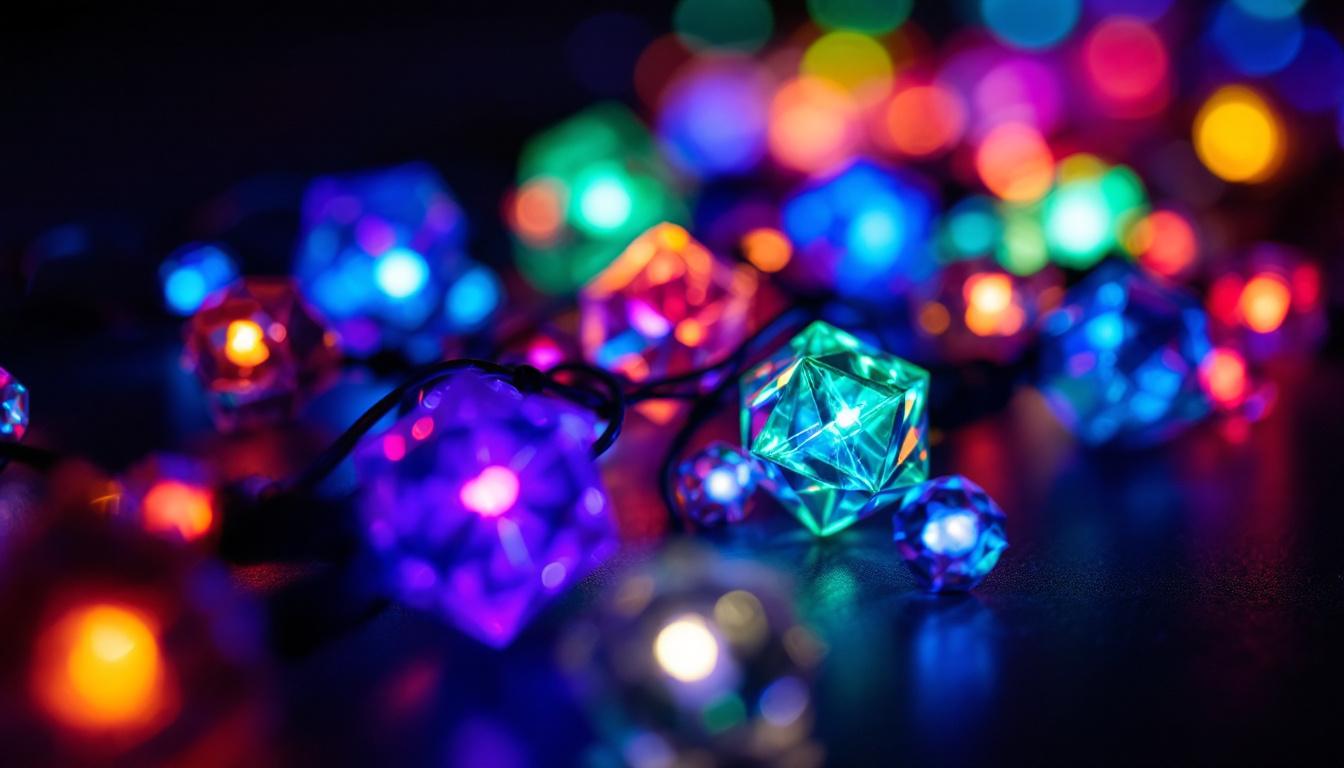
In the rapidly evolving world of digital displays, LED technology stands out as a dominant force, revolutionizing how information and visuals are presented across various industries. Central to this technology are lamp beads LED, the tiny light-emitting components that make up LED displays. This article delves into the intricacies of lamp beads LED, exploring their structure, function, types, and the critical role they play in modern LED displays.
Understanding Lamp Beads LED: The Building Blocks of LED Displays
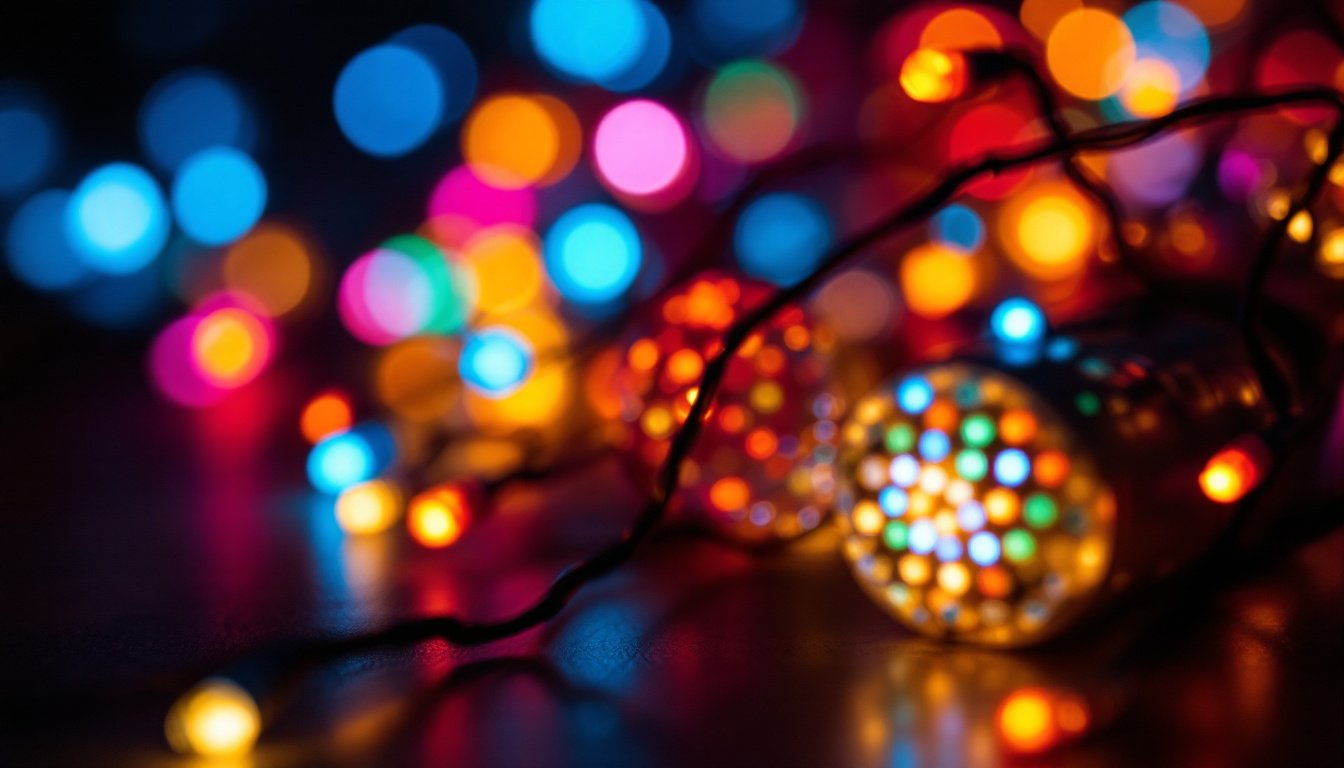
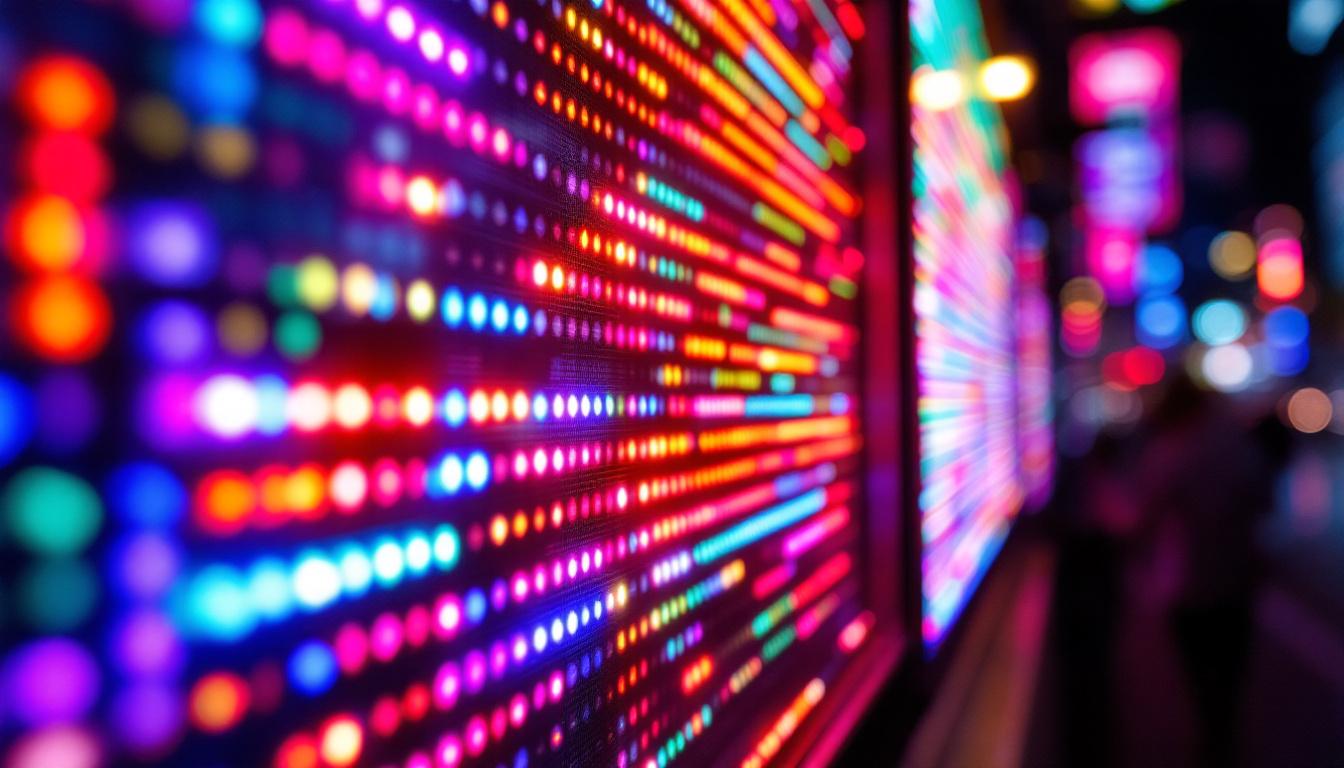
Lamp beads LED, often simply called LED beads, are the fundamental light sources used in LED displays. Each bead is a miniature semiconductor device that emits light when an electric current passes through it. These beads are arranged in arrays to form pixels, which collectively create the images and videos seen on LED screens. The versatility of LED technology allows for a wide range of applications, from large outdoor billboards to small screens in consumer electronics, showcasing the adaptability of lamp beads in various environments.
The technology behind these beads is rooted in electroluminescence, where materials emit light in response to an electric current or a strong electric field. The efficiency, brightness, and color quality of an LED display largely depend on the quality and type of lamp beads used. Innovations in LED technology have led to the development of RGB (Red, Green, Blue) lamp beads, which can be combined in different intensities to produce a full spectrum of colors, enhancing the visual experience for viewers and allowing for more dynamic and vibrant displays.
Structure and Composition of Lamp Beads LED
A typical lamp bead LED consists of several layers, including a semiconductor chip, encapsulating resin, and leads for electrical connection. The semiconductor chip is usually made from materials like gallium arsenide (GaAs), gallium phosphide (GaP), or indium gallium nitride (InGaN), which determine the color and efficiency of the emitted light. The choice of semiconductor material not only influences the color output but also affects the thermal management of the LED, as different materials have varying heat dissipation properties.
The encapsulating resin protects the chip and helps to focus and diffuse the light. Advances in materials science have led to the development of high-quality encapsulants that improve light output and durability, especially important for outdoor LED displays exposed to harsh environmental conditions. Additionally, the design of the lamp bead itself has evolved to include features such as enhanced thermal conductivity and improved optical performance, allowing for brighter and more energy-efficient displays. These advancements are crucial as they contribute to the longevity of the LED displays, reducing maintenance costs and ensuring consistent performance over time.
Types of Lamp Beads LED Used in Displays
LED displays utilize various types of lamp beads, each suited for different applications and performance requirements. Understanding these types helps in selecting the right LED display for specific needs.
Surface-Mounted Device (SMD) LEDs
SMD LEDs are among the most common lamp beads used in LED displays today. These beads are mounted directly onto the surface of a circuit board, allowing for compact design and high-density arrangements. SMD LEDs typically combine red, green, and blue (RGB) chips into a single package, enabling full-color display capabilities with excellent color uniformity and viewing angles.
The versatility of SMD LEDs makes them ideal for indoor and outdoor displays, including advertising billboards, stadium screens, and digital signage. Their small size allows for high-resolution displays, which are critical for close-up viewing environments.
Through-Hole LEDs
Through-hole LEDs, also known as lamp-type LEDs, have leads that pass through the circuit board and are soldered on the opposite side. These beads are larger and more robust, often used in outdoor displays where durability and brightness are paramount. While they offer higher brightness levels, through-hole LEDs generally have lower pixel density compared to SMD LEDs, resulting in lower resolution displays.
Despite being an older technology, through-hole LEDs remain relevant for large-scale outdoor applications such as highway message boards and large stadium screens due to their superior brightness and weather resistance.
Mini LED and Micro LED Technologies
Emerging technologies like Mini LED and Micro LED represent the next generation of lamp beads LED. Mini LEDs are smaller than traditional SMD LEDs, allowing for even higher pixel densities and improved contrast ratios. They are increasingly used in high-end display panels, including televisions and professional monitors.
Micro LEDs take this a step further by integrating microscopic LEDs directly onto the display substrate. This technology promises exceptional brightness, color accuracy, and energy efficiency, potentially outperforming OLED displays. However, Micro LED manufacturing is complex and currently costly, limiting widespread adoption but signaling a promising future for LED displays.
How Lamp Beads LED Work in LED Displays
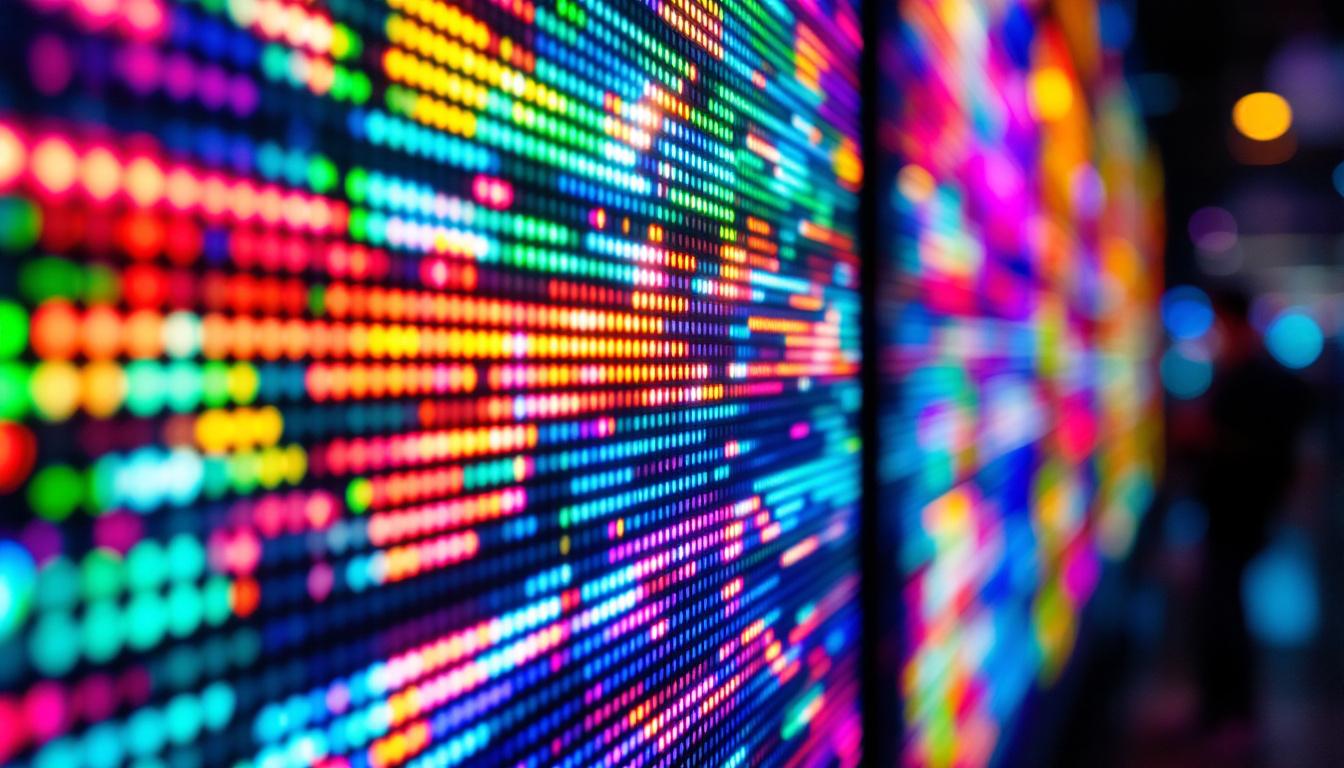
The operation of lamp beads LED within a display involves precise control of electrical signals to produce the desired colors and brightness levels. Each lamp bead corresponds to a sub-pixel in an LED display, typically red, green, or blue. By varying the intensity of each sub-pixel, a full spectrum of colors can be generated through additive color mixing.
Pixel Formation and Color Mixing
A single pixel in an LED display is composed of multiple lamp beads, usually three (RGB). By adjusting the current supplied to each bead, the pixel can display millions of colors. For example, maximum intensity in all three beads results in white light, while turning off all beads results in black. Intermediate intensities produce various colors, enabling vivid and dynamic images.
This precise control is achieved through driver ICs (integrated circuits) and sophisticated software algorithms that manage color calibration, brightness, and refresh rates. These systems ensure that the display maintains color accuracy and smooth motion rendering, essential for high-quality video playback and detailed graphics.
Brightness and Viewing Angle Considerations
Brightness is a critical parameter for LED displays, especially those used outdoors where sunlight can wash out the image. Lamp beads LED are designed to emit high luminous intensity, often exceeding 5,000 nits for outdoor displays. The choice of LED bead type, encapsulating materials, and optical lenses all contribute to achieving the desired brightness levels.
Viewing angle is another important aspect. SMD LEDs typically offer wide viewing angles, often up to 160 degrees horizontally and vertically, ensuring that the display is visible from various positions. Through-hole LEDs tend to have narrower viewing angles but compensate with higher brightness.
Applications of Lamp Beads LED in Modern Displays
LED displays have become ubiquitous across multiple sectors, leveraging the advantages of lamp beads LED technology to deliver impactful visual experiences.
Advertising and Digital Signage
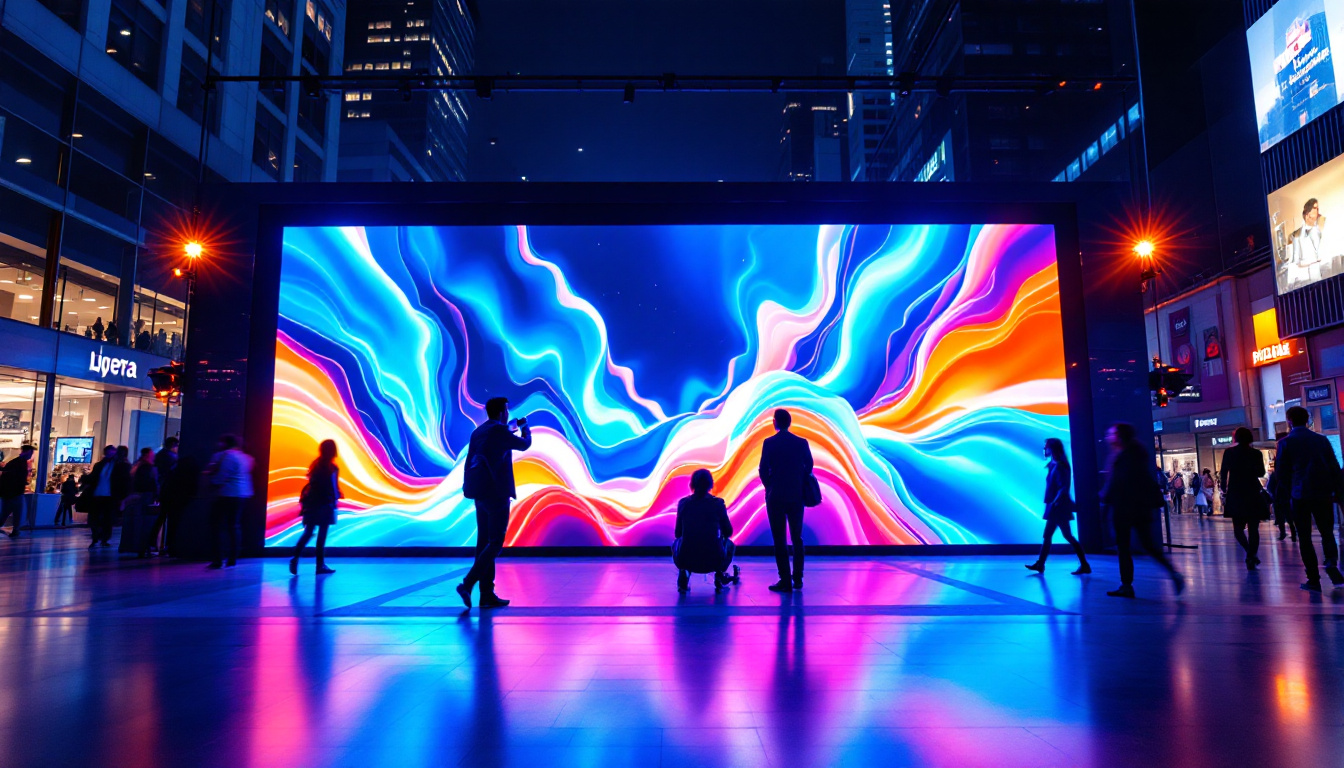
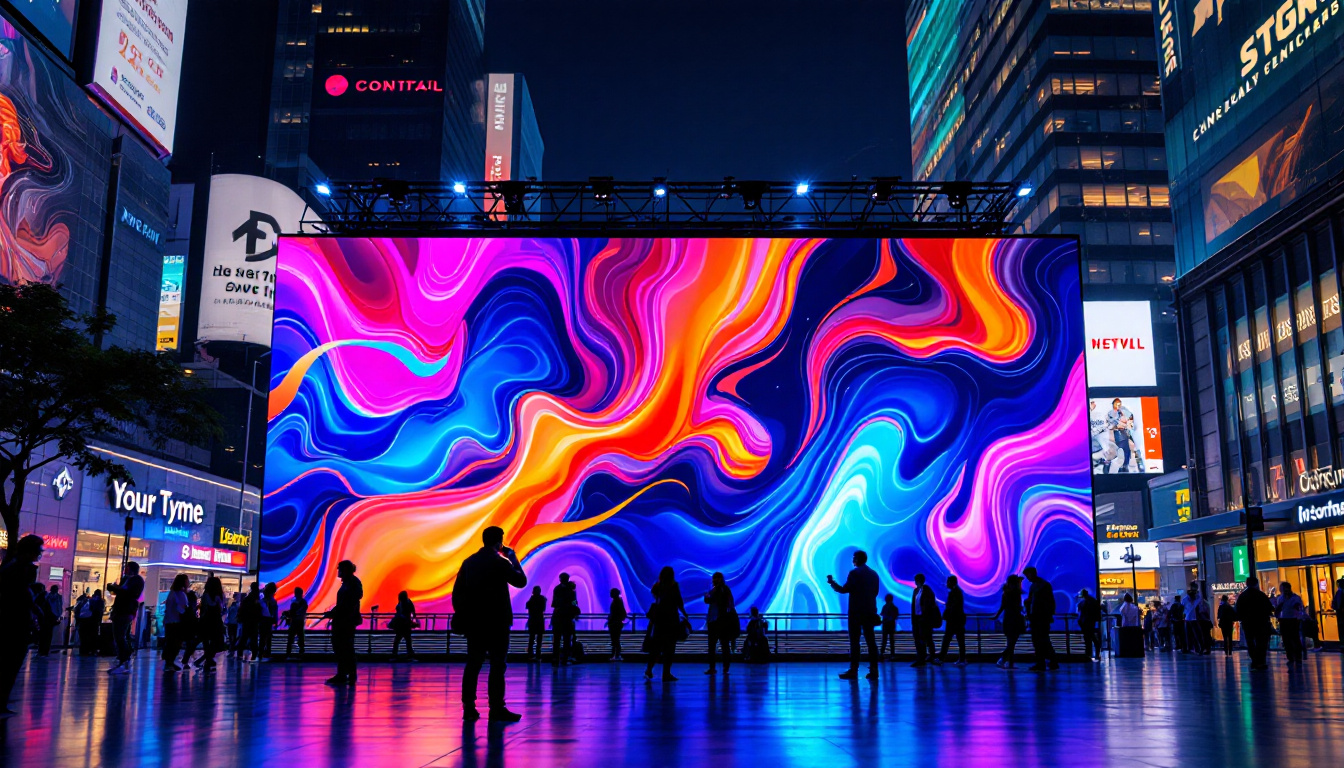
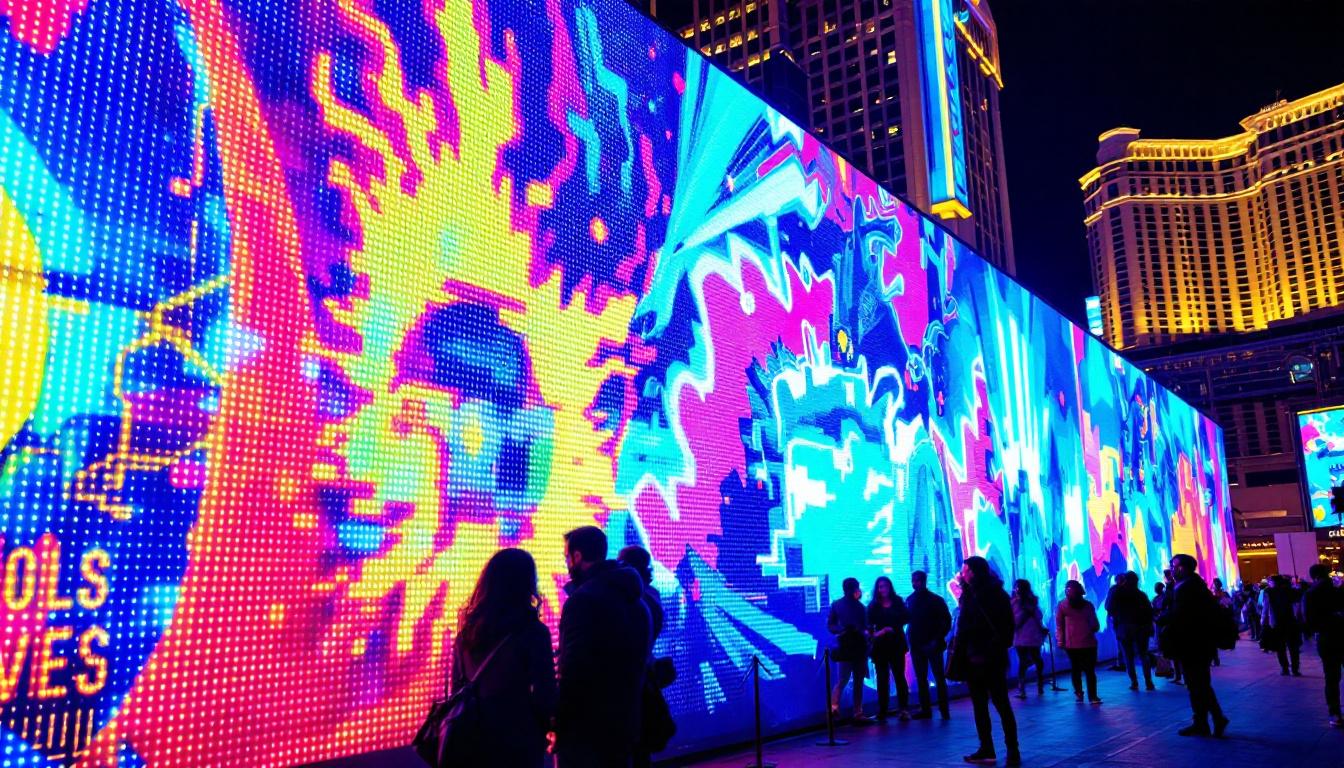
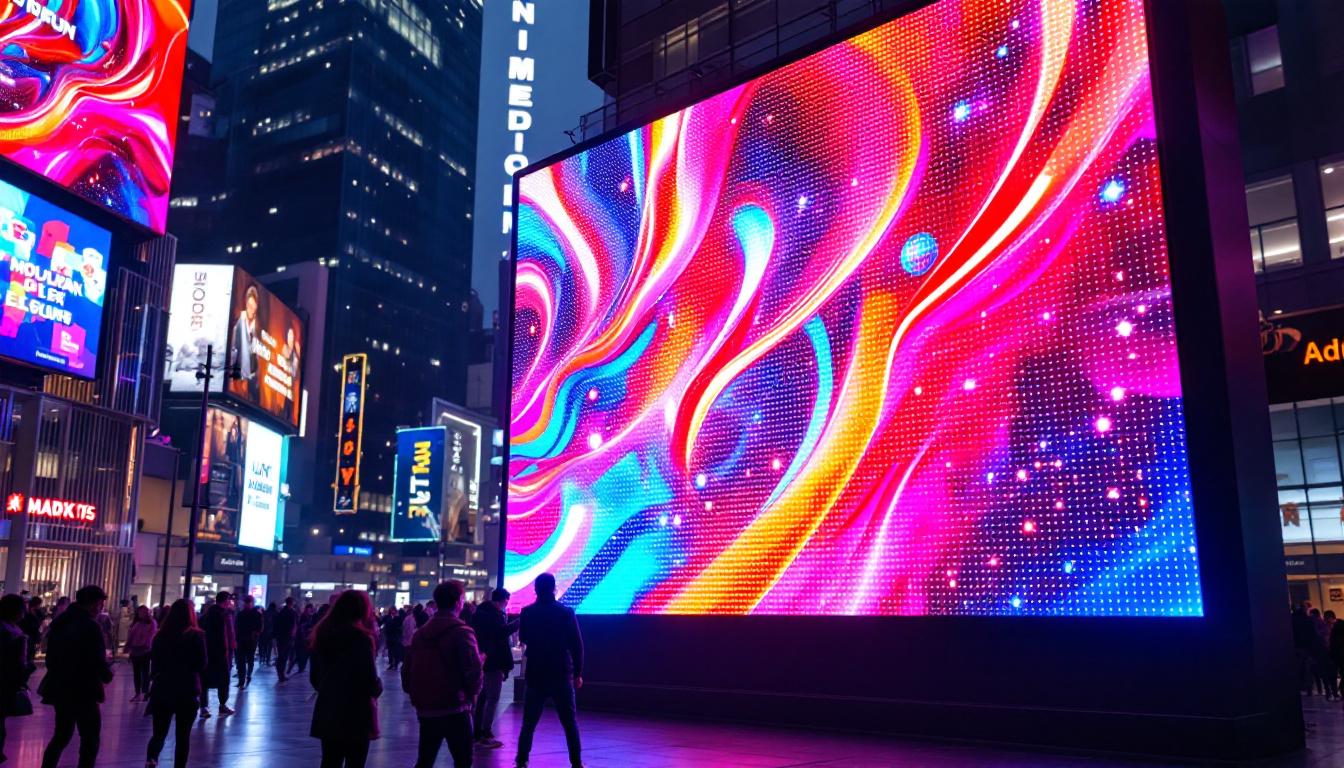
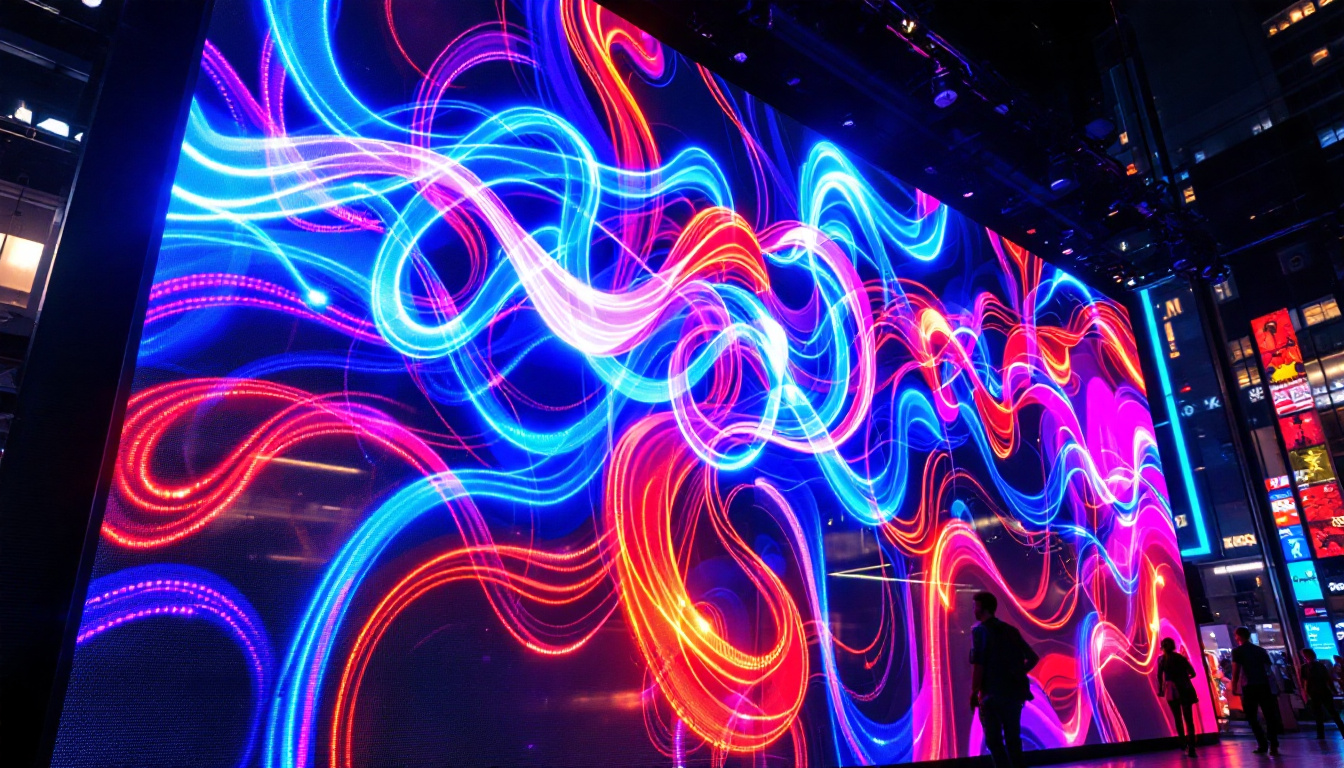
One of the most common applications of LED displays is in advertising and digital signage. The ability to display bright, colorful, and dynamic content attracts attention and enhances brand visibility. Lamp beads LED enable large-format displays that are visible from great distances, making them ideal for billboards, retail storefronts, and public spaces.
Recent market data indicates that the global digital signage market is expected to grow at a compound annual growth rate (CAGR) of around 8% through 2027, driven largely by advancements in LED technology and increasing demand for interactive and engaging advertising solutions.
Sports and Entertainment Venues
Stadiums and arenas utilize large LED displays for scoreboards, live video feeds, and advertising. The high brightness and durability of lamp beads LED make them suitable for outdoor environments with varying weather conditions. Additionally, the fast refresh rates and high resolution support smooth video playback, enhancing the spectator experience.
Transportation and Public Information Displays
LED displays are widely used in transportation hubs such as airports, train stations, and bus terminals to provide real-time information. The reliability and visibility of lamp beads LED ensure that critical updates are clearly communicated to travelers, even in challenging lighting conditions.
Future Trends and Innovations in Lamp Beads LED Technology
The LED display industry continues to innovate, with lamp beads LED technology at the forefront of these advancements. Several trends are shaping the future landscape of LED displays.
Energy Efficiency and Sustainability
Energy consumption is a significant consideration for large LED displays. Advances in semiconductor materials and driver technology are improving the energy efficiency of lamp beads LED, reducing operational costs and environmental impact. Innovations such as adaptive brightness control and power-saving modes are becoming standard features.
Higher Resolution and Flexible Displays
The push for higher resolution displays is driving the development of smaller and more densely packed lamp beads LED. This enables ultra-high-definition screens suitable for close viewing distances, such as in retail environments and control rooms. Additionally, flexible and transparent LED displays are emerging, expanding the possibilities for creative installations and architectural integration.
Integration with Smart Technologies
Smart LED displays equipped with sensors and connectivity features are enhancing interactivity and data-driven content delivery. Lamp beads LED are being integrated with IoT (Internet of Things) platforms, allowing for remote management, real-time analytics, and personalized advertising experiences.
Conclusion
Lamp beads LED are the cornerstone of modern LED display technology, combining advanced materials science and electronic engineering to deliver vibrant, durable, and efficient visual solutions. From the compact SMD LEDs powering indoor screens to the robust through-hole LEDs illuminating massive outdoor billboards, these tiny light sources enable a wide range of applications that shape how information and entertainment are experienced worldwide.
As technology progresses, innovations in lamp beads LED promise even greater performance, energy efficiency, and versatility, ensuring that LED displays will continue to be a vital medium in the digital age.
Discover Cutting-Edge LED Display Solutions with LumenMatrix
Ready to elevate your visual experience with the latest in LED display technology? LumenMatrix is at the forefront of innovation, offering a diverse range of LED display modules designed to bring your brand to life. Whether you’re looking for an Indoor LED Wall Display, a dynamic Outdoor LED Wall Display, or specialized solutions like Vehicle LED Displays and LED Sports Displays, LumenMatrix has you covered. Embrace the future of visual communication with our Custom LED Displays, All-in-One LED Displays, and LED Transparent Displays. Check out LumenMatrix LED Display Solutions today and see how we can help you create unforgettable visual experiences that captivate your audience and amplify your message.