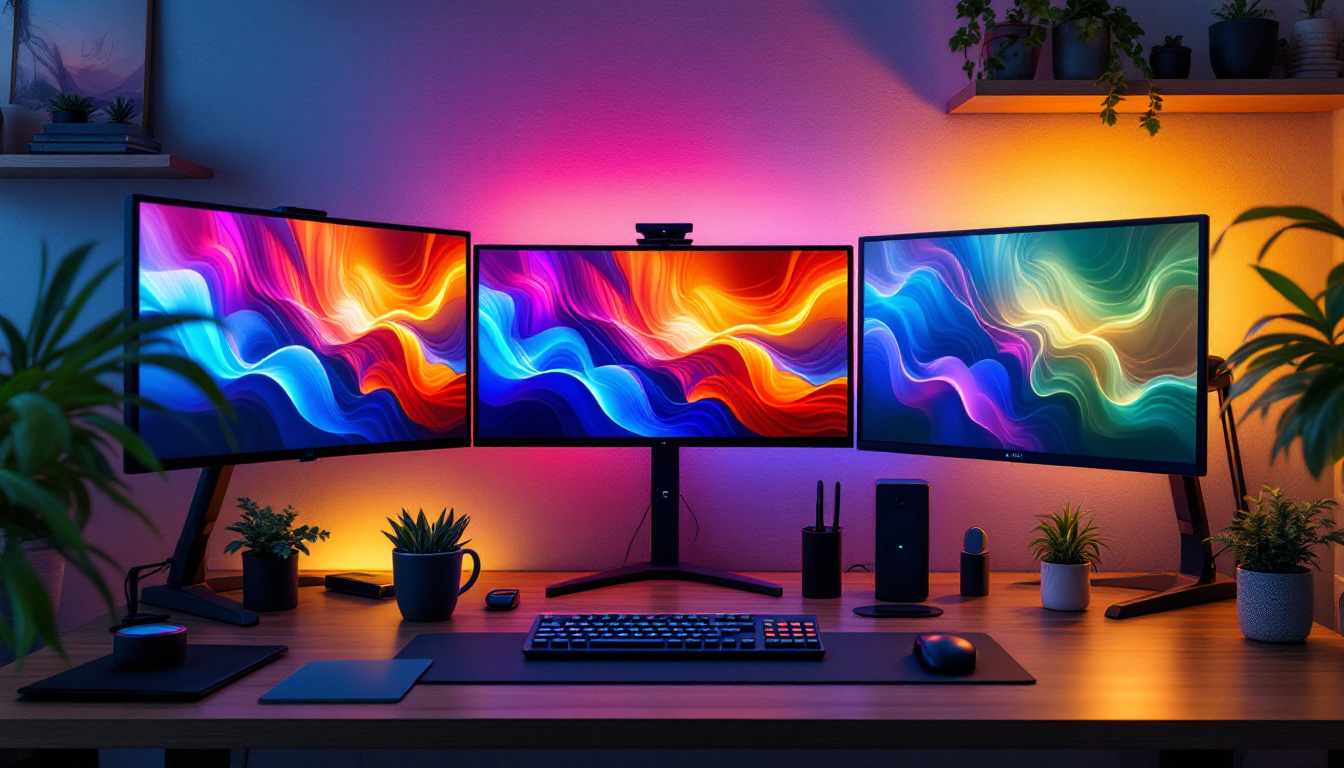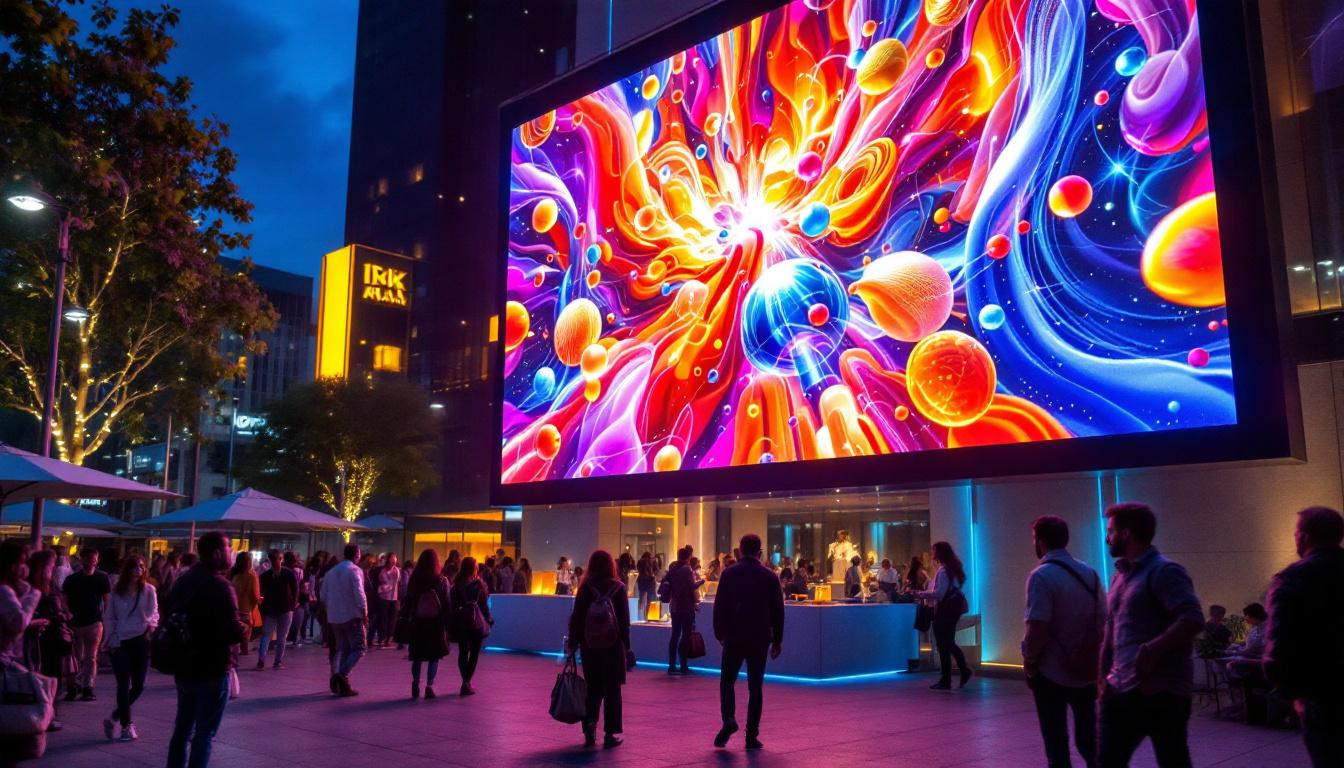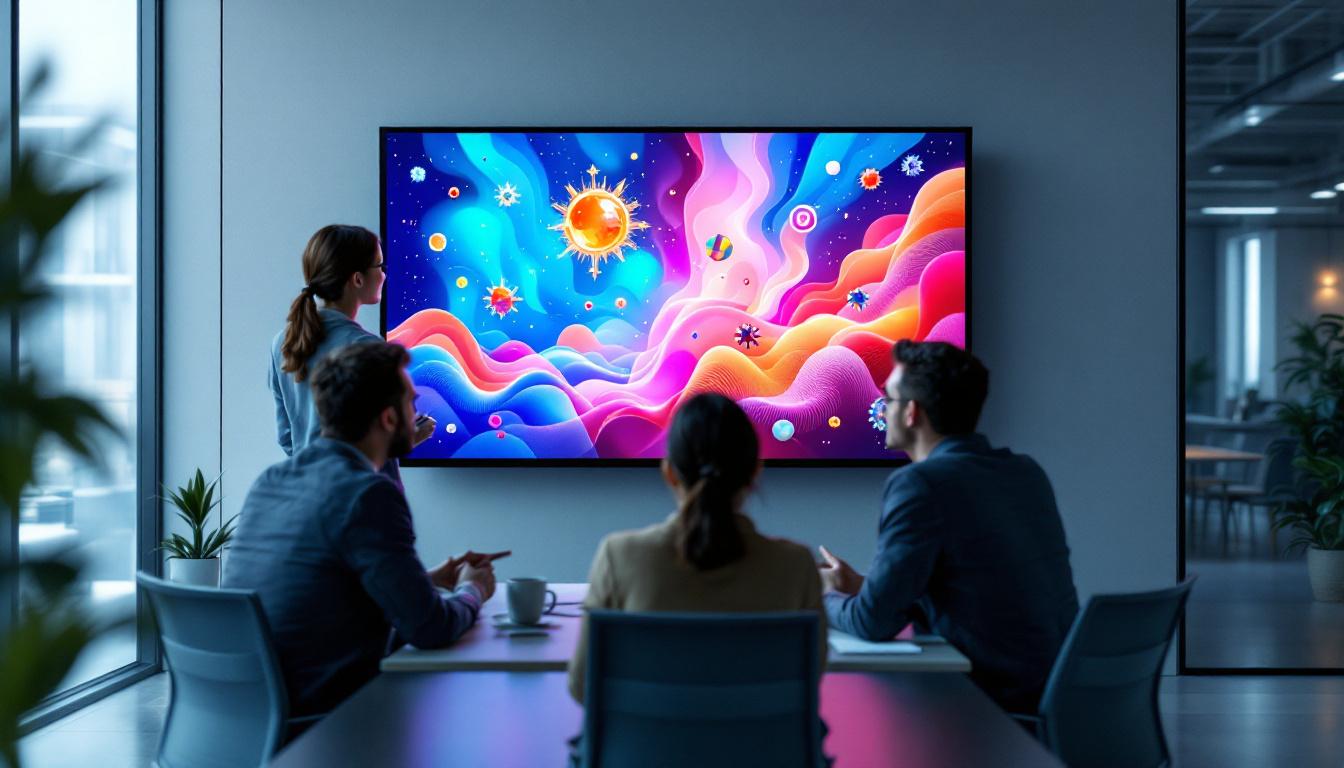
In today’s fast-paced business environment, effective communication and dynamic presentations are essential for success. One of the most impactful tools that offices are increasingly adopting is the large LED display screen. From enhancing meetings to improving digital signage, LED displays offer a versatile and visually impressive solution for modern workplaces. This article explores the technology behind LED displays, their benefits, and practical considerations for integrating them into office environments.
Understanding LED Display Technology
What Is an LED Display?
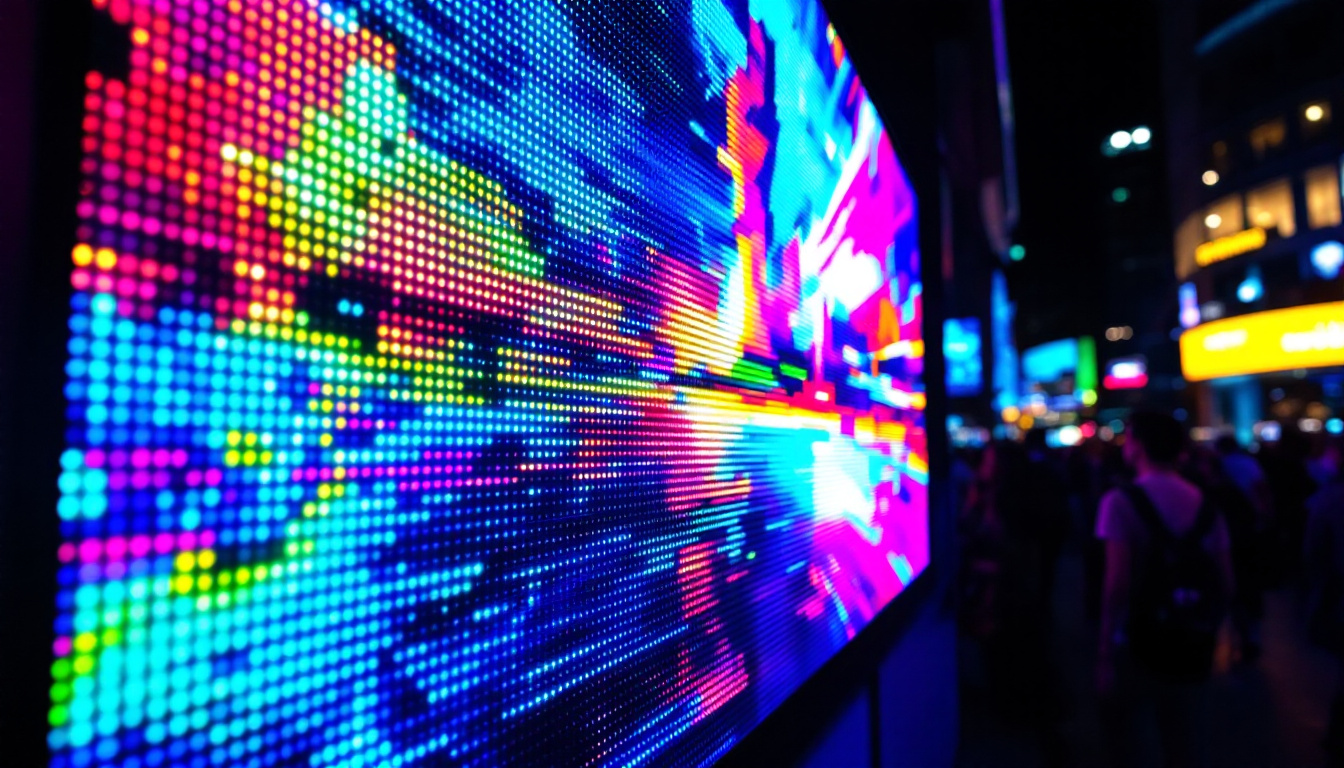
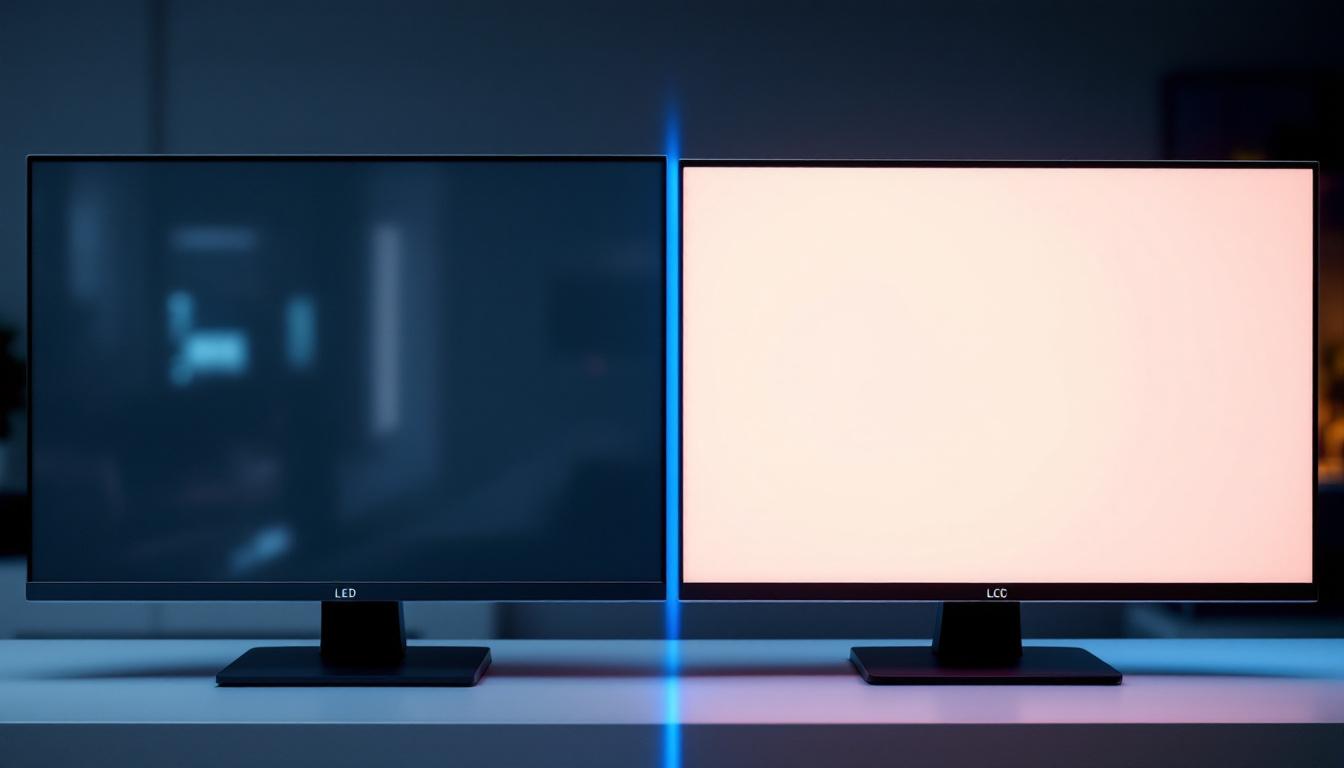
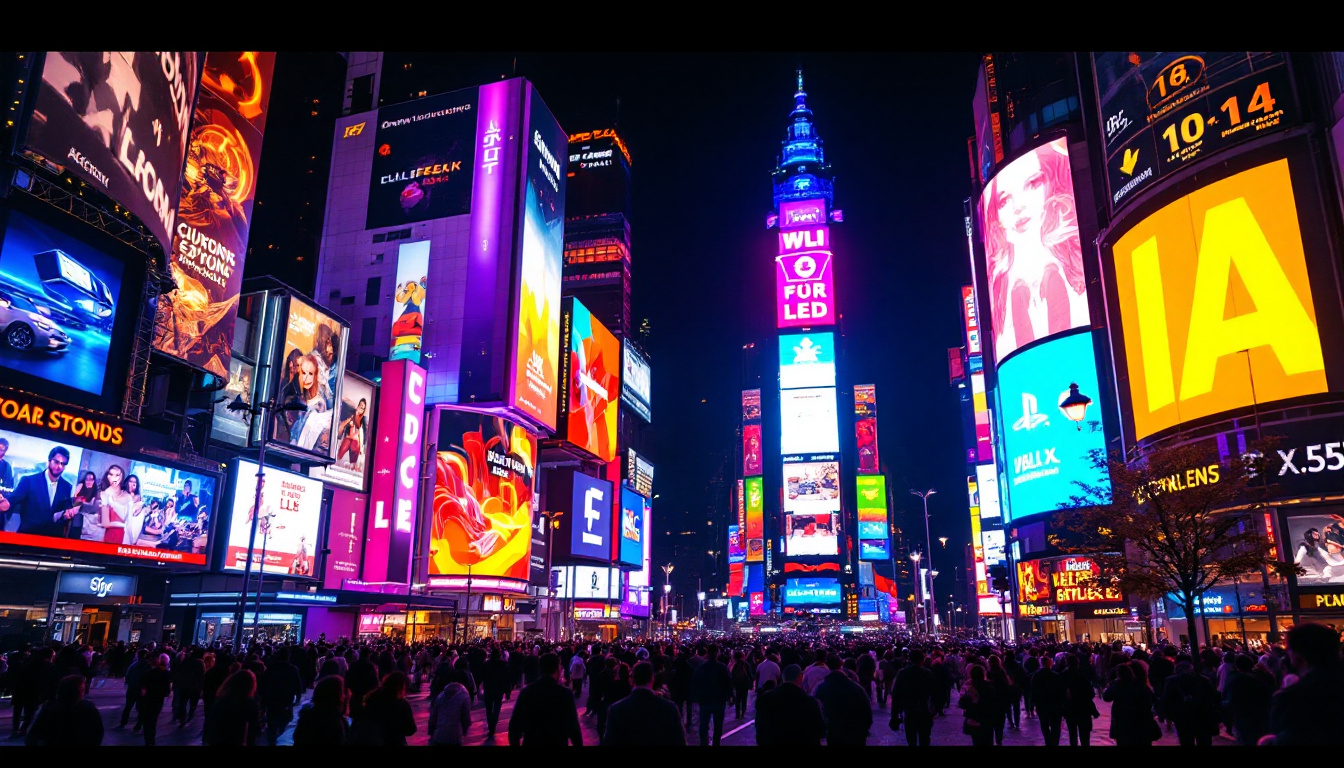
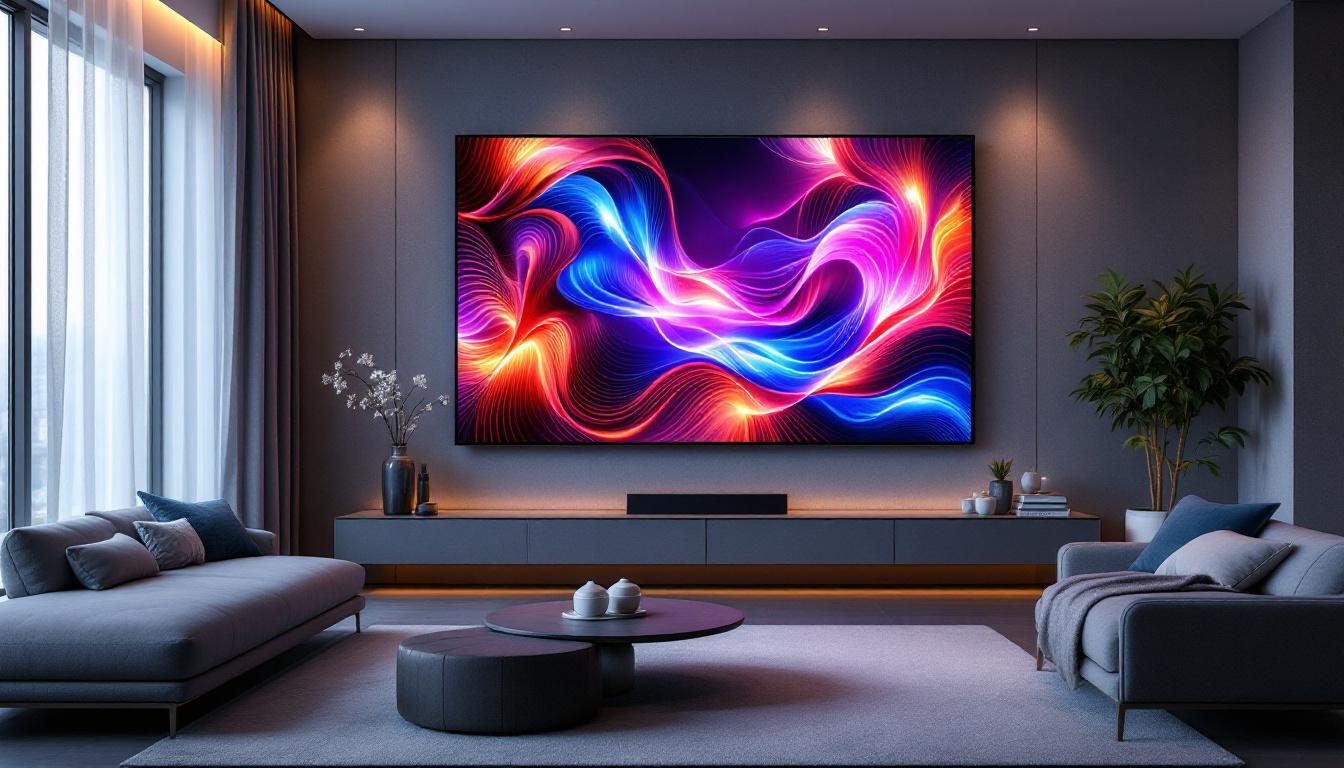
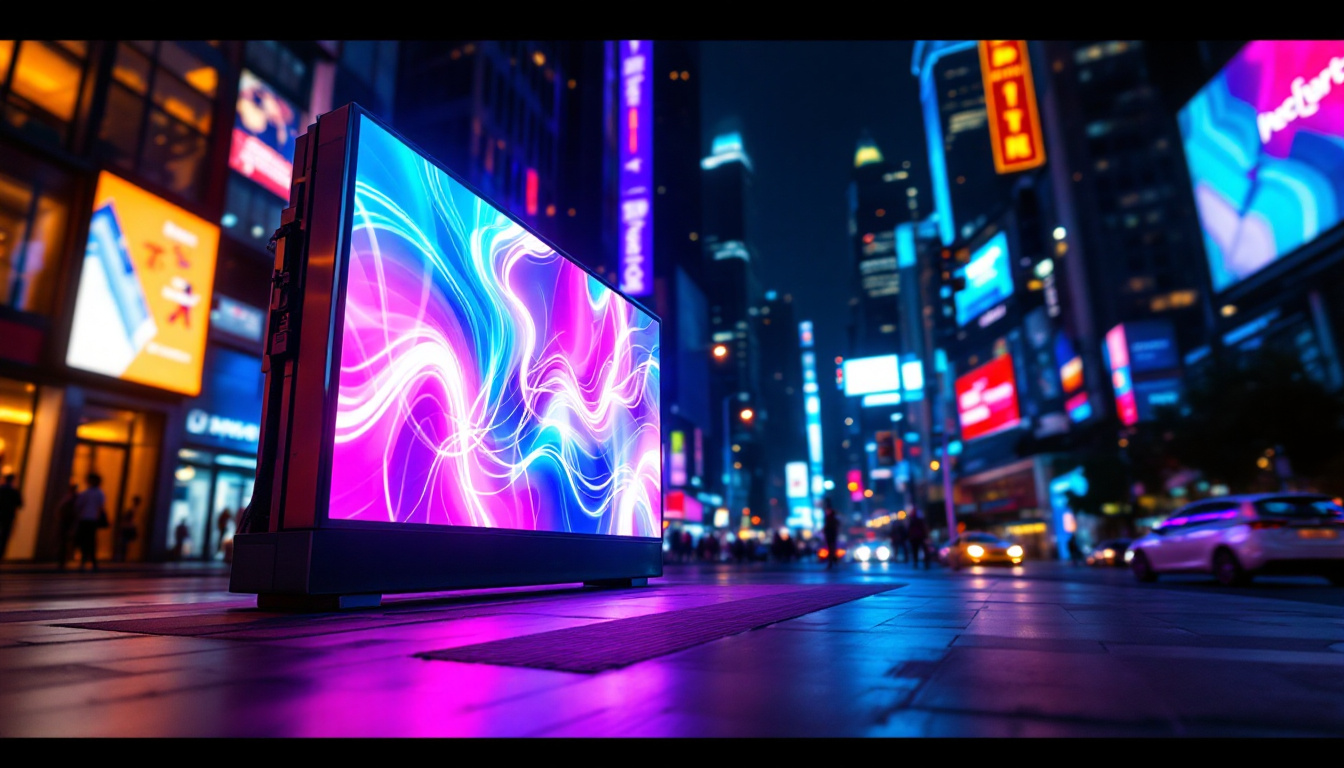
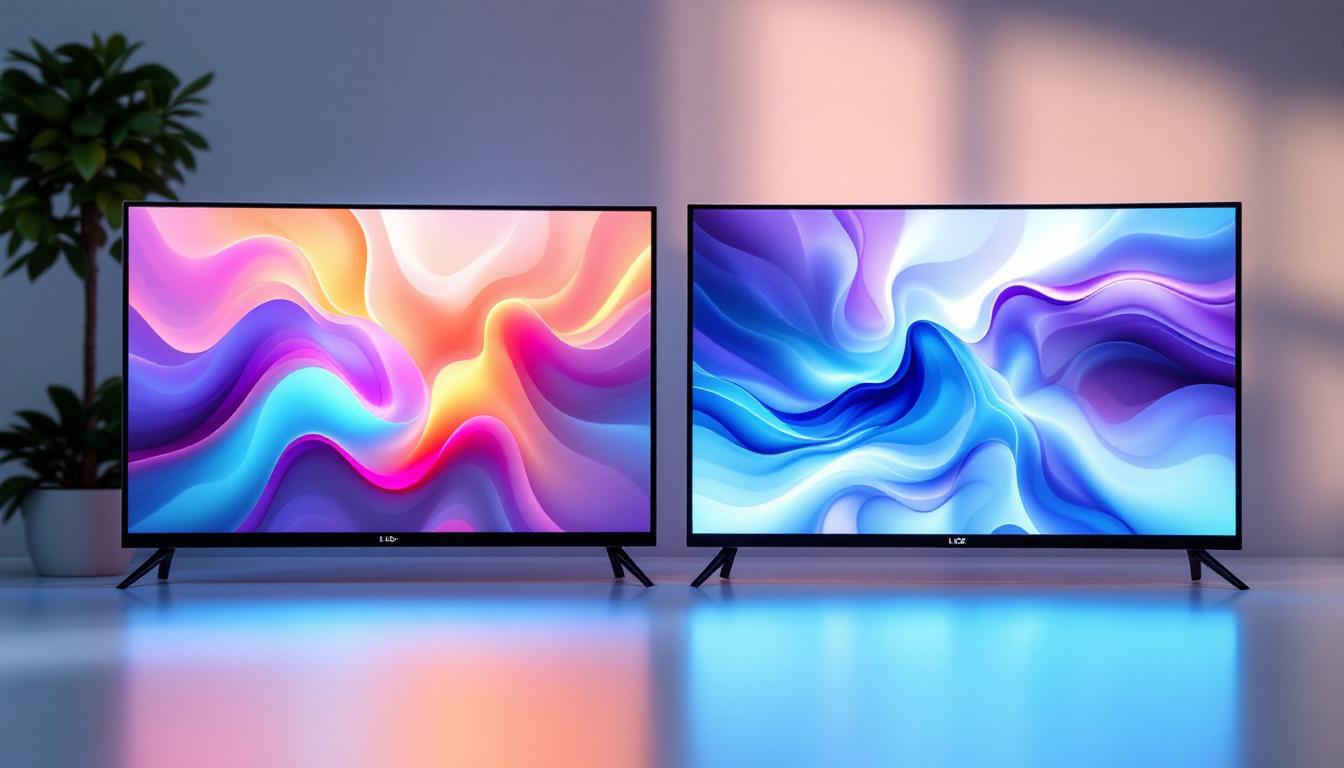
LED stands for Light Emitting Diode, a semiconductor device that emits light when an electric current passes through it. LED displays are composed of thousands of these tiny diodes arranged in a matrix to form images, videos, and text. Unlike traditional LCD screens that rely on backlighting, LED screens produce their own light, resulting in brighter and more vibrant visuals. This unique characteristic allows for a wider color gamut, enabling the display of more vivid and lifelike images, which is particularly advantageous in settings where visual impact is paramount, such as advertising and entertainment.
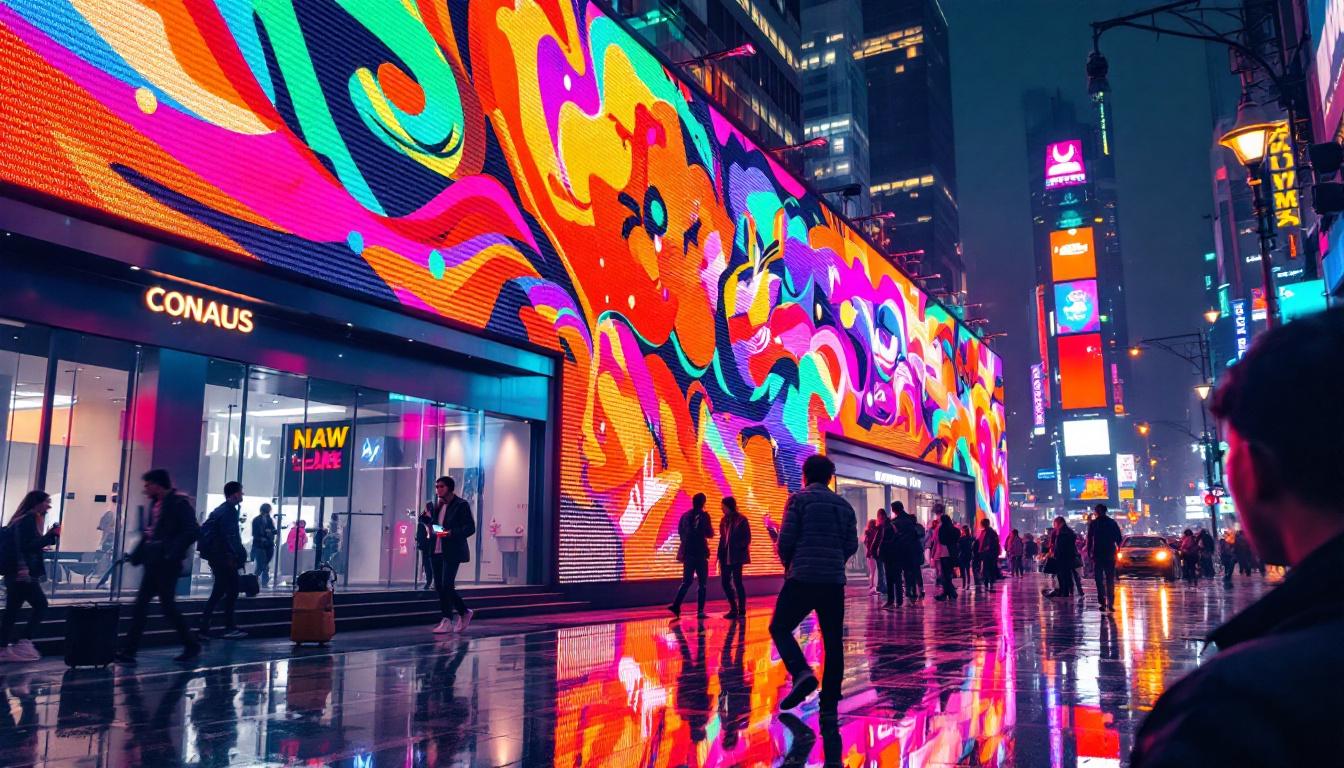
Large LED displays used in offices typically come in two forms: direct view LED and LED-backlit LCD. Direct view LED displays consist of individual LEDs that form the pixels themselves, offering superior brightness and contrast. This makes them ideal for large-scale presentations and digital signage where visibility across a room or even outdoors is critical. Furthermore, the flexibility of LED technology allows for creative installations, such as curved or irregularly shaped screens, which can enhance the aesthetic appeal of a space while delivering dynamic content.
How LED Displays Differ from Other Technologies
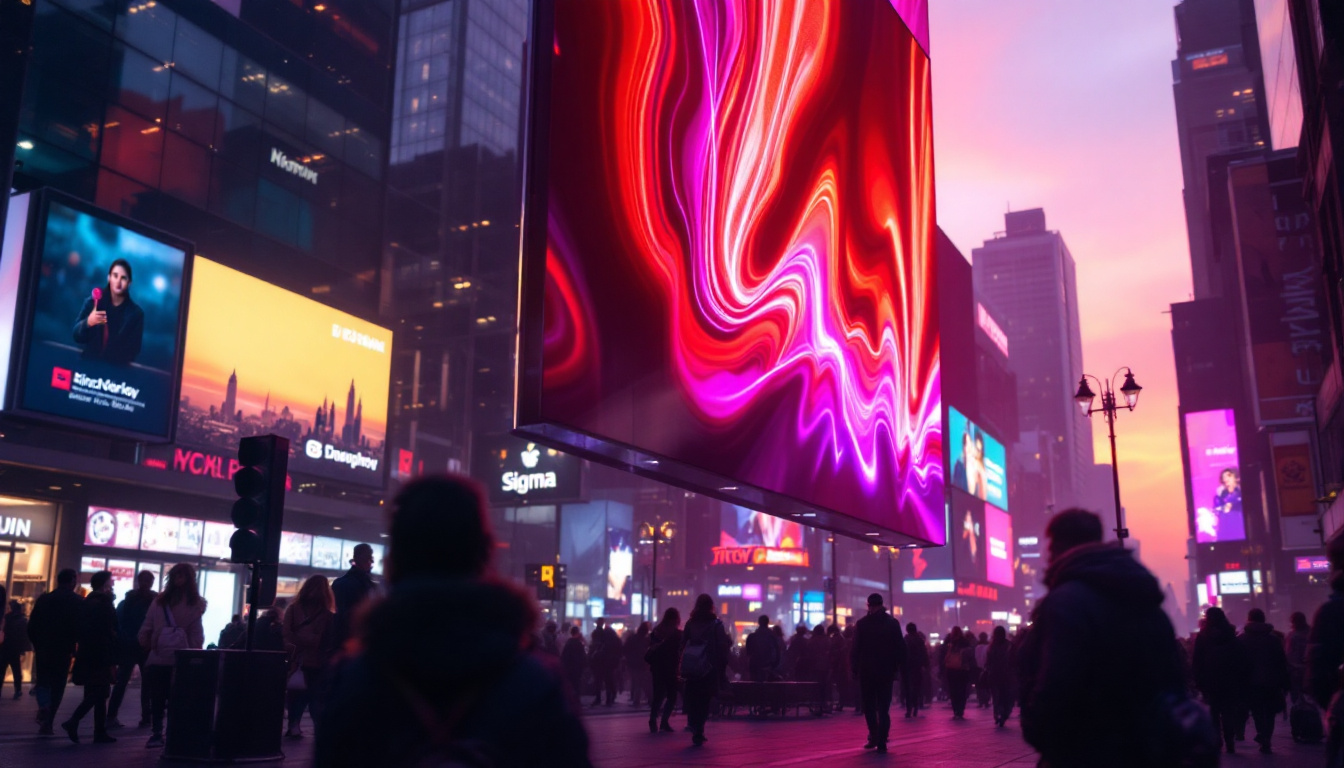
Compared to LCD and OLED screens, LED displays have several distinct advantages. For one, their brightness levels can reach up to 5,000 nits or more, far exceeding the typical 300-500 nits of LCDs. This means LED displays remain clear and readable even in brightly lit rooms or near windows. The high brightness also contributes to improved visibility from various angles, making them suitable for large audiences in auditoriums or public spaces where sightlines can be challenging.
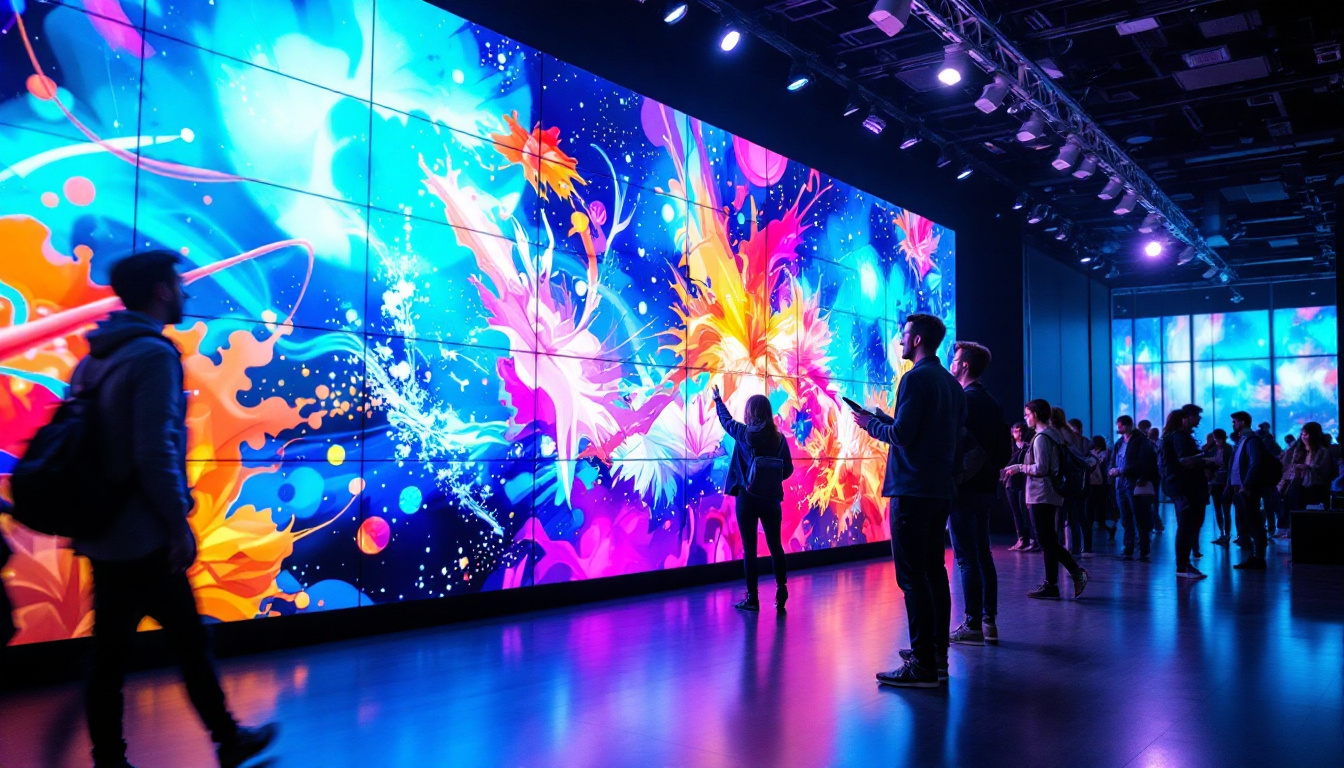
Additionally, LED displays boast longer lifespans, often exceeding 100,000 hours of use, and are more energy-efficient. The modular design of many LED panels also allows for scalable screen sizes, from small conference room displays to massive video walls. This adaptability not only makes LED technology a cost-effective solution over time but also allows businesses to customize their visual setups to meet specific needs. As technology progresses, innovations such as pixel pitch reduction are making it possible to achieve higher resolutions even in large formats, further blurring the lines between LED displays and traditional high-definition screens.
Benefits of Large LED Displays in Office Settings
Enhanced Visual Communication
One of the primary advantages of large LED displays is their ability to convey information clearly and engagingly. Whether it’s a quarterly financial report, a product demo, or a brainstorming session, high-resolution LED screens make content more accessible and easier to understand for all participants.
Studies show that people retain 65% of information presented visually compared to just 10% when only hearing it. By integrating large LED displays into meeting rooms, offices can significantly improve comprehension and engagement during presentations.
Versatility and Customization
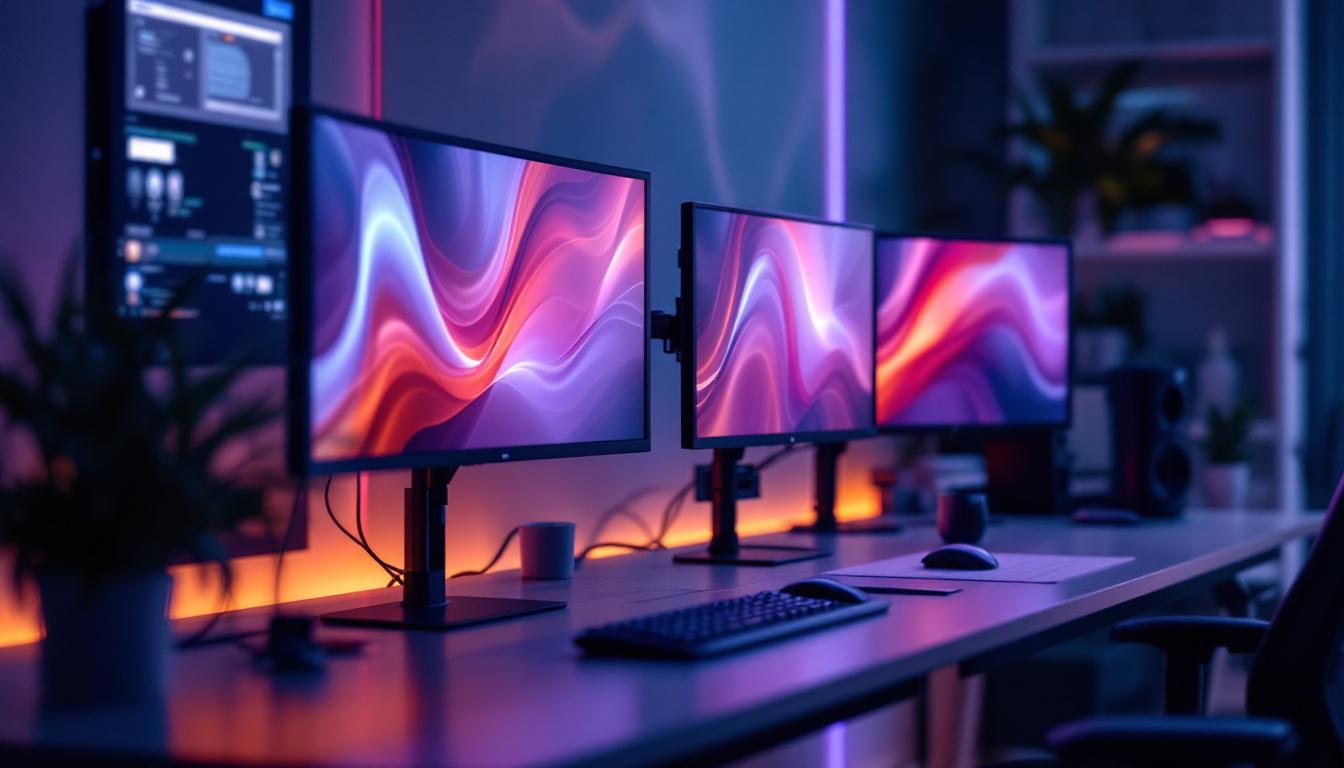
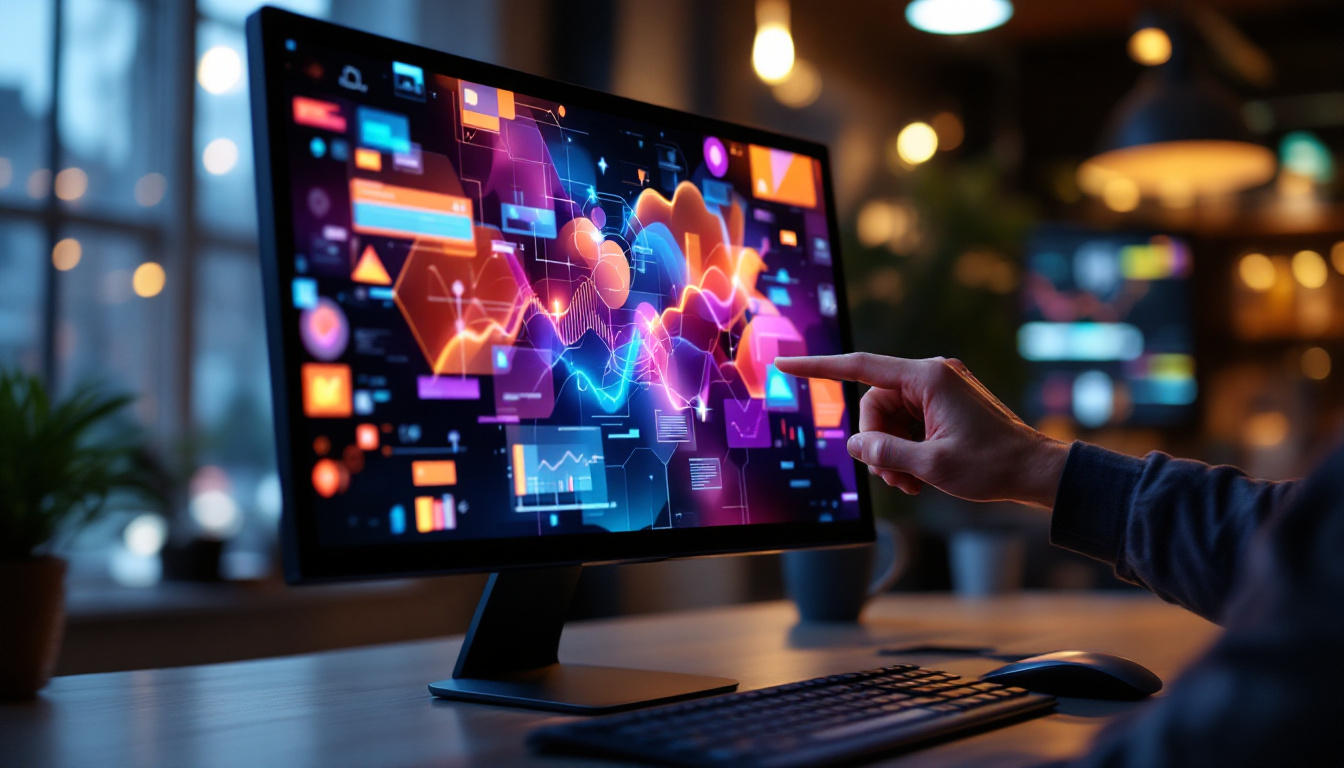
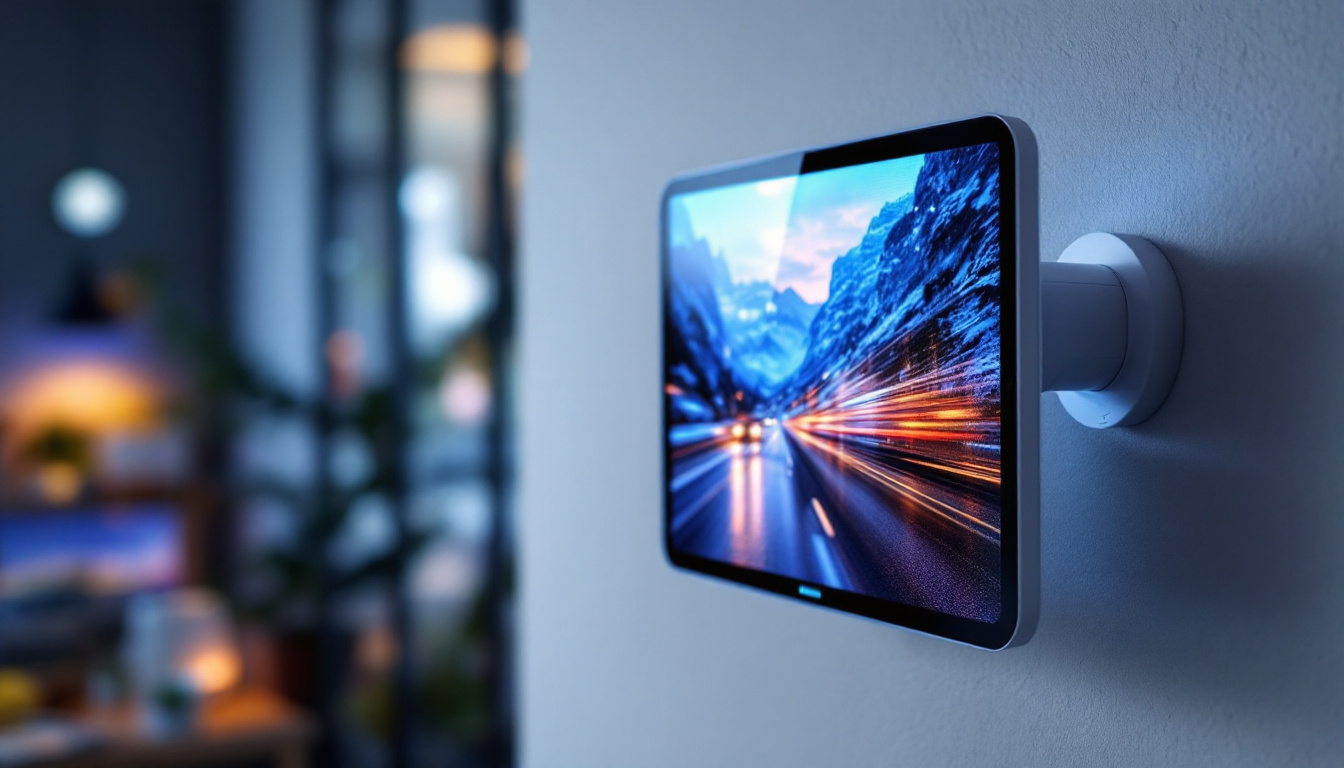
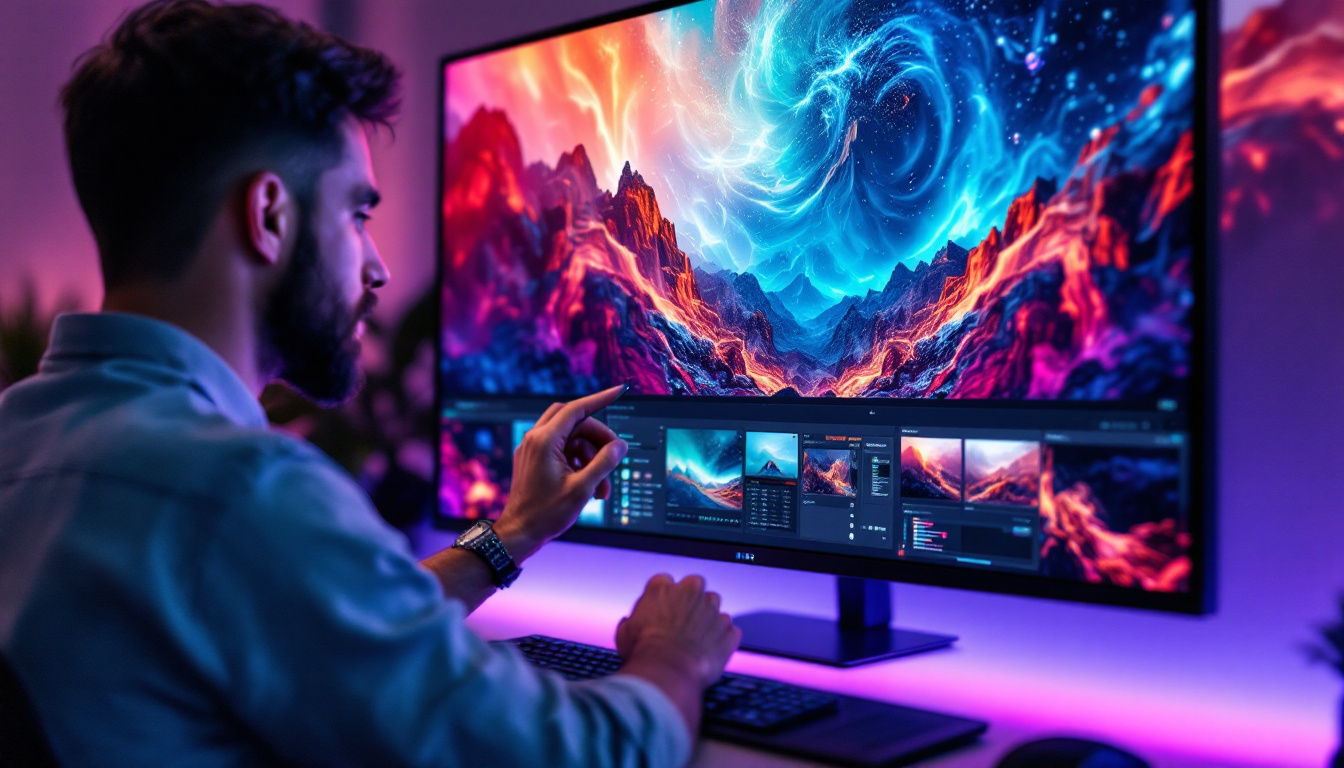
LED displays are highly adaptable to various office needs. They can be used as digital notice boards, video conferencing backdrops, or interactive touchscreens. Many models support 4K resolution and can display multiple content sources simultaneously, allowing teams to multitask effectively.
Moreover, LED video walls can be customized to fit unique office layouts and branding requirements. Companies can choose from different pixel pitches—the distance between individual LEDs—to balance between image clarity and cost. For example, a pixel pitch of 1.5mm to 2.5mm is ideal for close viewing distances typical in conference rooms.
Improved Collaboration and Productivity
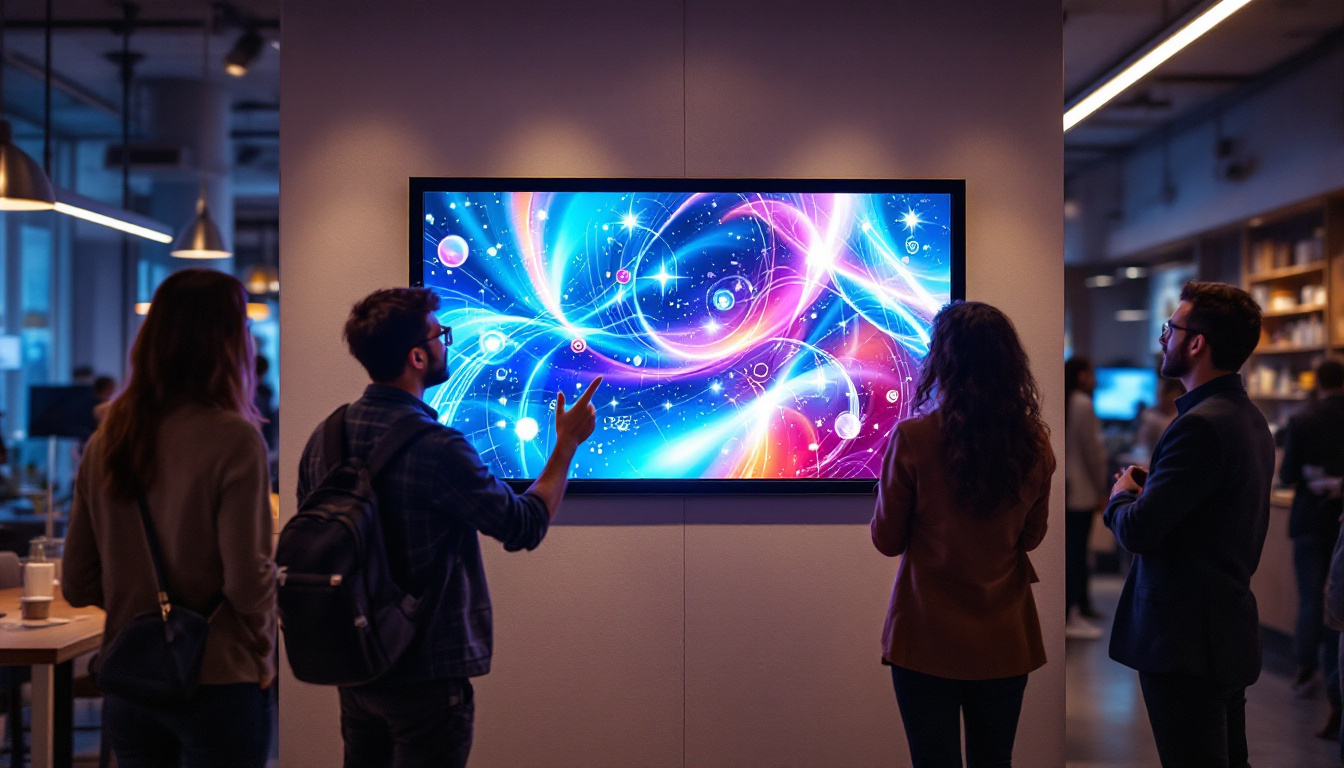
Large LED displays facilitate better collaboration by providing a shared visual workspace. Teams can annotate documents, display live data dashboards, or conduct video calls with crystal-clear visuals. This fosters a more interactive and inclusive meeting environment, encouraging participation from all attendees.
Research from Microsoft found that teams using visual collaboration tools are 20% more productive. By investing in high-quality LED screens, offices can create environments that support creativity, problem-solving, and faster decision-making.
Key Considerations When Choosing an LED Display for Your Office
Screen Size and Resolution
Selecting the right screen size depends on the room dimensions and typical viewing distance. For example, a 75-inch LED display is suitable for small meeting rooms with up to 10 participants, while larger conference halls may require video walls exceeding 150 inches diagonally.
Resolution is equally important. Higher resolutions like 4K (3840 x 2160 pixels) ensure sharp images and text, especially when displaying detailed spreadsheets or fine print. However, higher resolution screens may come at a premium price, so balancing budget and quality is essential.
Pixel Pitch and Viewing Distance
Pixel pitch determines the density of LEDs on the display and directly impacts image clarity. Smaller pixel pitches produce finer images but are more expensive. For office environments, a pixel pitch between 1.5mm and 3mm is typically recommended, as it provides excellent clarity at standard viewing distances of 1 to 3 meters.
For larger spaces or displays viewed from farther away, a higher pixel pitch (3mm to 6mm) may suffice without compromising visual quality.
Brightness and Ambient Light Conditions
Office lighting varies widely, from dimly lit rooms to spaces flooded with natural light. LED displays with adjustable brightness settings allow optimal visibility regardless of ambient conditions. For well-lit rooms, a brightness level of 1,000 to 1,500 nits is advisable to prevent glare and maintain image clarity.
Some LED displays also feature anti-glare coatings and high contrast ratios, enhancing readability and reducing eye strain during extended use.
Connectivity and Integration
Modern LED displays support a range of connectivity options including HDMI, DisplayPort, USB, and wireless casting technologies. This flexibility ensures compatibility with laptops, video conferencing systems, and mobile devices commonly used in offices.
Integration with existing IT infrastructure is another critical factor. Many LED systems offer software platforms for remote content management, scheduling, and real-time updates, making it easy to keep information current and relevant.
Installation and Maintenance
Large LED displays require professional installation to ensure safety, optimal performance, and aesthetic integration into office spaces. Modular LED panels simplify installation and future upgrades, as individual sections can be replaced or serviced without dismantling the entire screen.
Maintenance considerations include cleaning, firmware updates, and monitoring for dead pixels or color inconsistencies. Choosing a reputable manufacturer with strong after-sales support is essential for long-term reliability.
Use Cases: How Offices Are Leveraging Large LED Displays
Corporate Meeting Rooms and Boardrooms
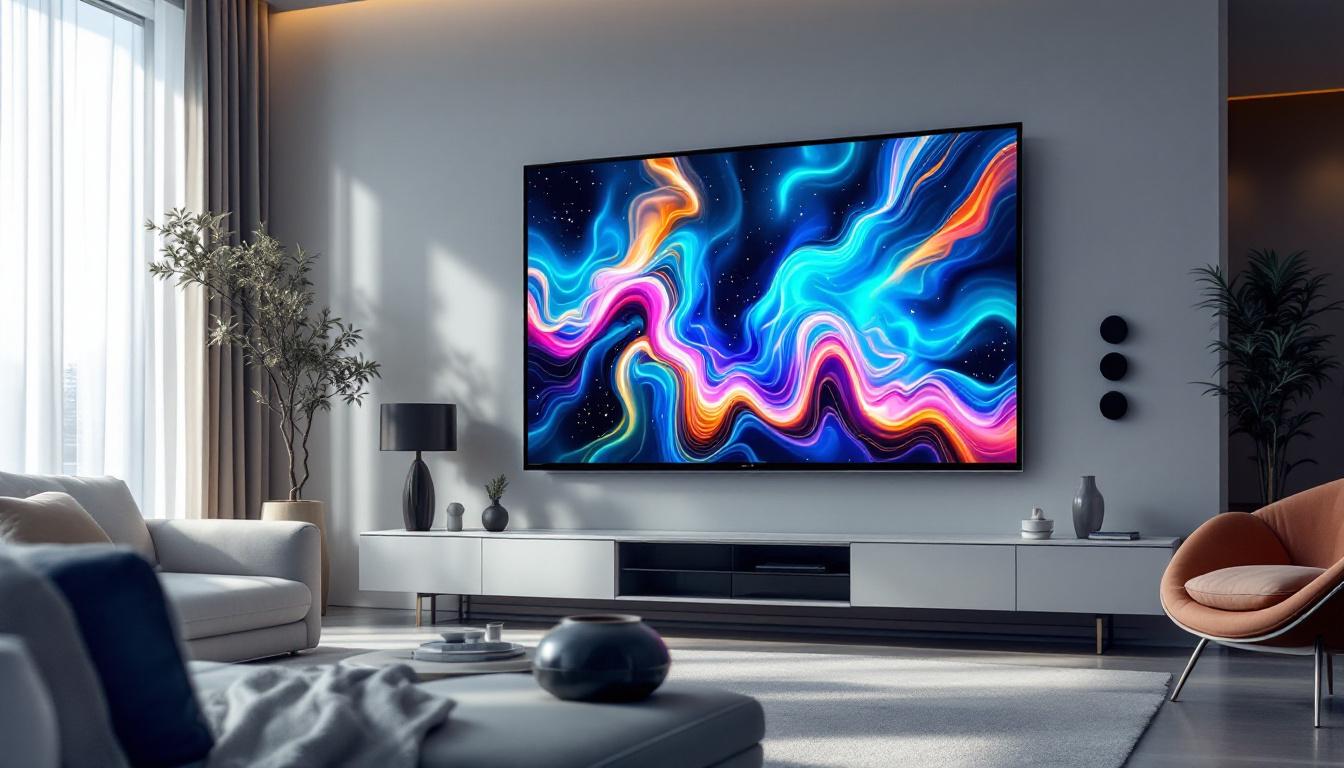
High-resolution LED displays have become standard in executive meeting rooms, enabling seamless presentations and video conferencing. Their large size and clarity help convey complex data and foster interactive discussions.
For instance, a multinational consulting firm equipped its boardroom with a 120-inch LED video wall featuring 4K resolution and multi-source display capabilities. This setup allowed simultaneous viewing of financial reports, live video feeds, and collaborative whiteboarding, enhancing decision-making efficiency.
Digital Signage and Internal Communications
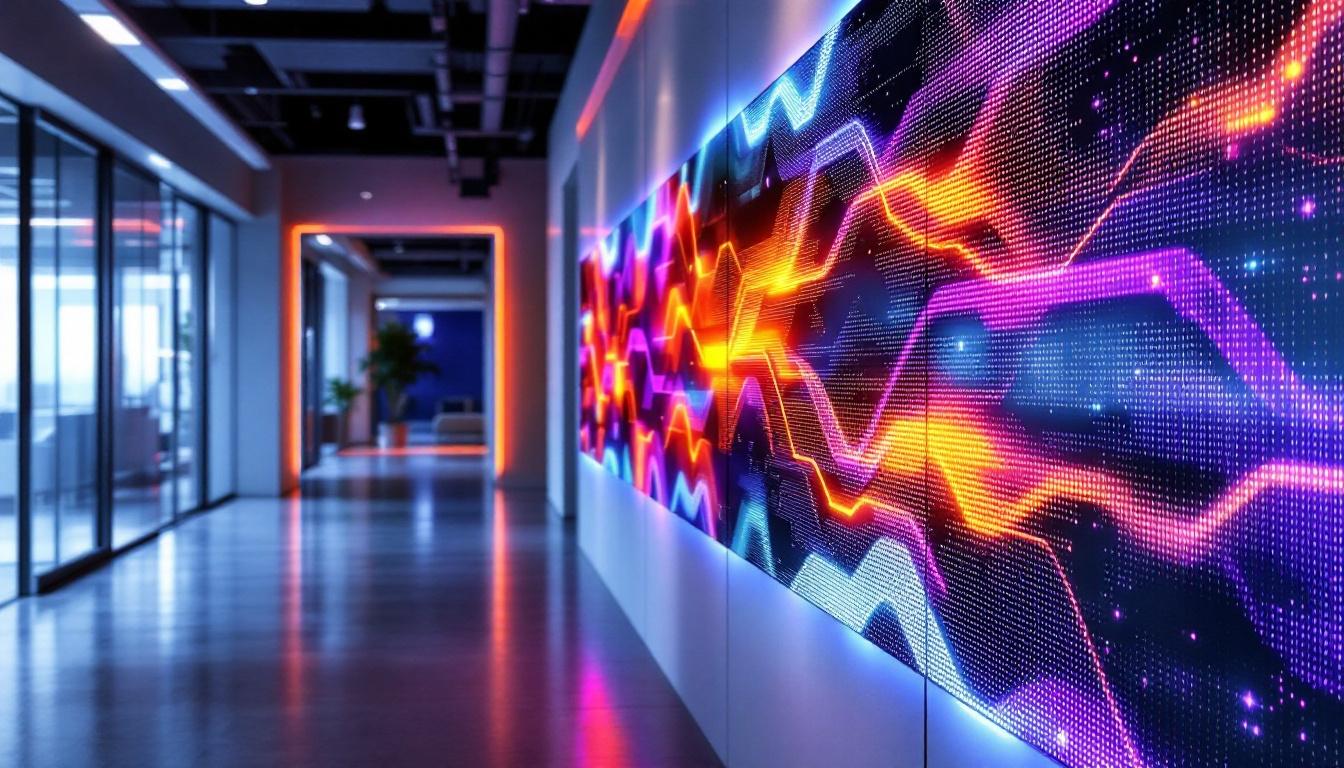
LED displays serve as dynamic digital notice boards in office lobbies, cafeterias, and corridors. They can broadcast company news, event schedules, safety alerts, and motivational messages in real-time, keeping employees informed and engaged.
One technology company installed several LED screens across its campus, which helped reduce email overload by centralizing key announcements visually. Employee feedback indicated a 30% increase in awareness of internal initiatives.
Training and Development Rooms
Training sessions benefit greatly from large LED displays that support multimedia content, interactive quizzes, and live demonstrations. The immersive experience helps participants absorb information more effectively.
Educational institutions and corporate training centers alike are adopting LED video walls to create flexible learning environments that can be adapted for various group sizes and formats.
Future Trends in Office LED Displays
Interactive and Touch-Enabled LED Screens
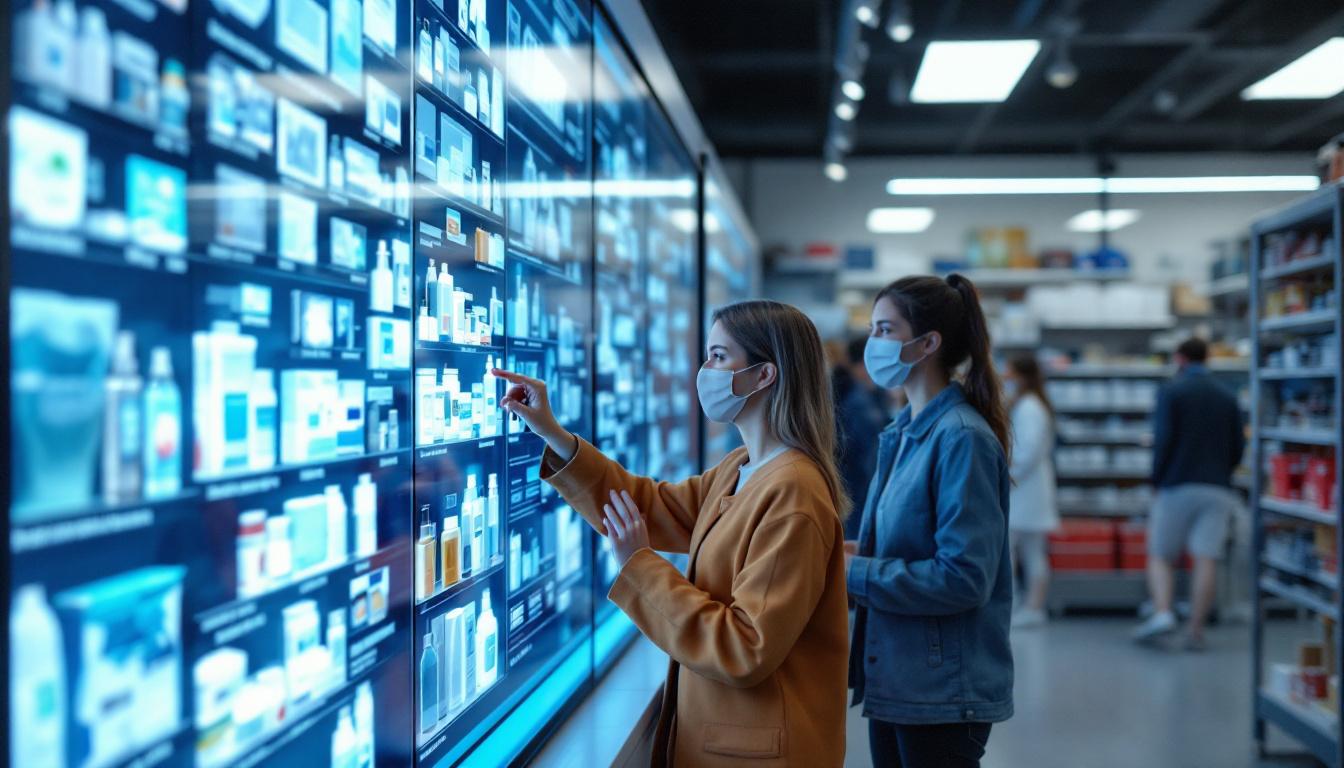
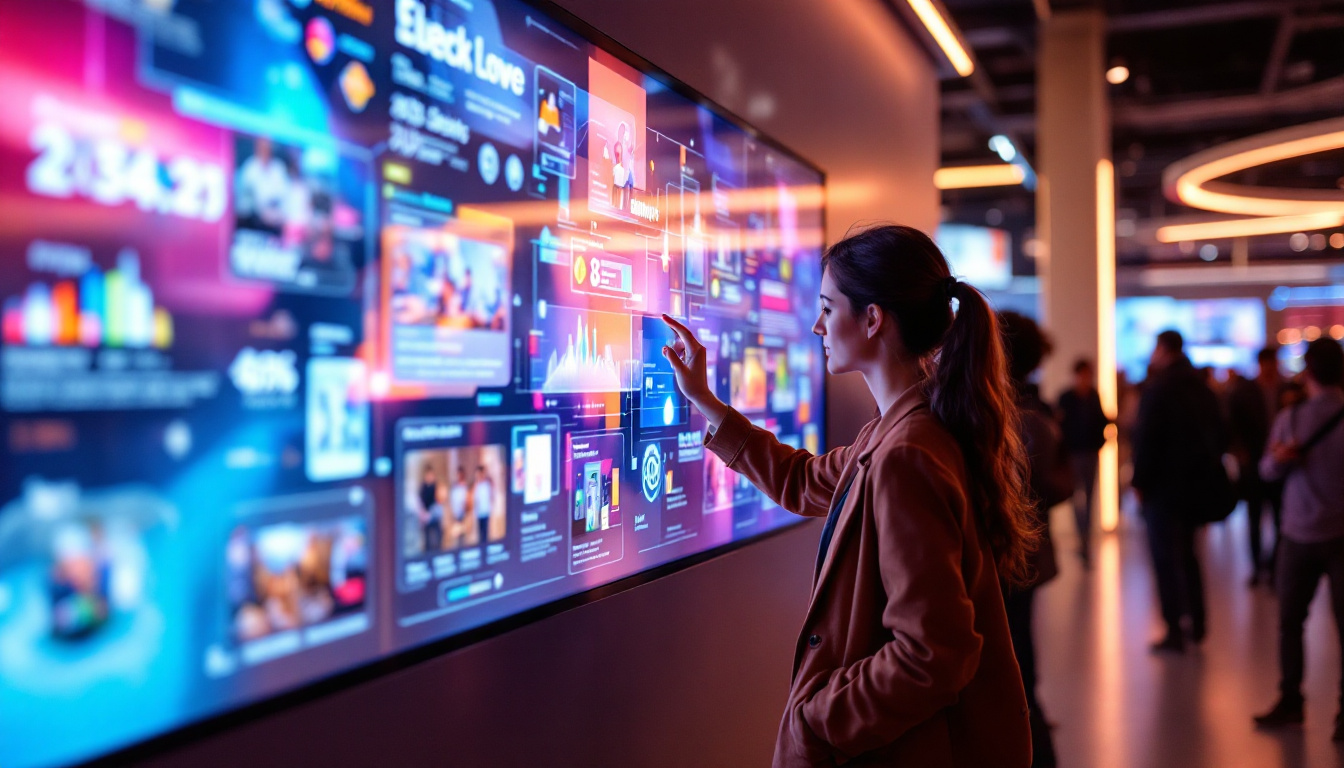
Advancements in touch technology are making interactive LED displays more accessible for office use. These screens allow users to manipulate content directly, annotate presentations, and collaborate intuitively without additional devices.
Such interactivity is expected to become a standard feature, especially in brainstorming and creative spaces where hands-on engagement drives innovation.
Integration with Artificial Intelligence and IoT
Smart LED displays integrated with AI and Internet of Things (IoT) technologies can adapt content based on audience behavior, time of day, or environmental conditions. For example, a display might automatically switch to emergency alerts during a crisis or adjust brightness based on natural light levels.
This level of automation enhances workplace safety and efficiency while reducing the need for manual intervention.
Sustainability and Energy Efficiency
As companies prioritize sustainability, LED displays are evolving to consume less power and use eco-friendly materials. Innovations in semiconductor technology and power management mean future LED screens will have smaller carbon footprints, aligning with corporate social responsibility goals.
Conclusion
Large LED displays are transforming the way offices communicate, collaborate, and engage employees. Their superior brightness, versatility, and scalability make them an ideal choice for diverse workplace applications—from boardrooms to digital signage. By understanding the technology, benefits, and key considerations, businesses can select the right LED display solutions that enhance productivity and create visually compelling environments.
As LED technology continues to advance, offices that invest in these dynamic displays will be better equipped to meet the demands of modern work culture and foster a more connected, informed, and efficient workforce.
Discover LumenMatrix LED Display Solutions
Ready to elevate your office environment with cutting-edge LED display technology? Explore LumenMatrix’s comprehensive range of LED display modules, designed to meet your every visual communication need. From vibrant Indoor LED Walls to captivating Outdoor Displays and beyond, LumenMatrix is committed to enhancing your brand’s visibility and creating immersive experiences. Embrace the future of workplace engagement with our innovative solutions. Check out LumenMatrix LED Display Solutions today and transform your office into a dynamic and efficient space.