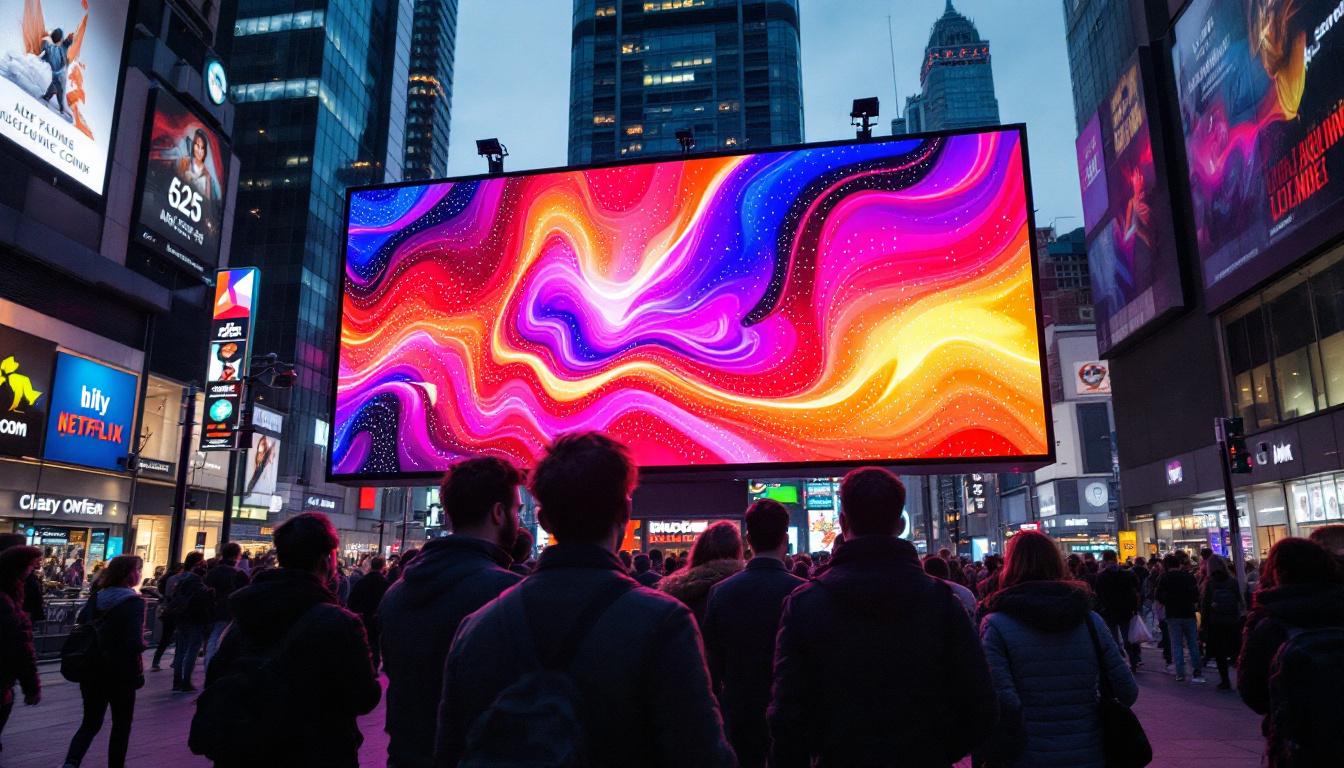
In the rapidly evolving world of digital signage and display technology, LED displays have become a cornerstone for advertising, information dissemination, and entertainment. Among the various types of LED display technologies, Flexpanel stands out for its versatility, durability, and visual performance. This article delves deep into what Flexpanel LED displays are, how they work, their advantages, and their applications across different industries.
Understanding Flexpanel LED Displays
What is a Flexpanel LED Display?
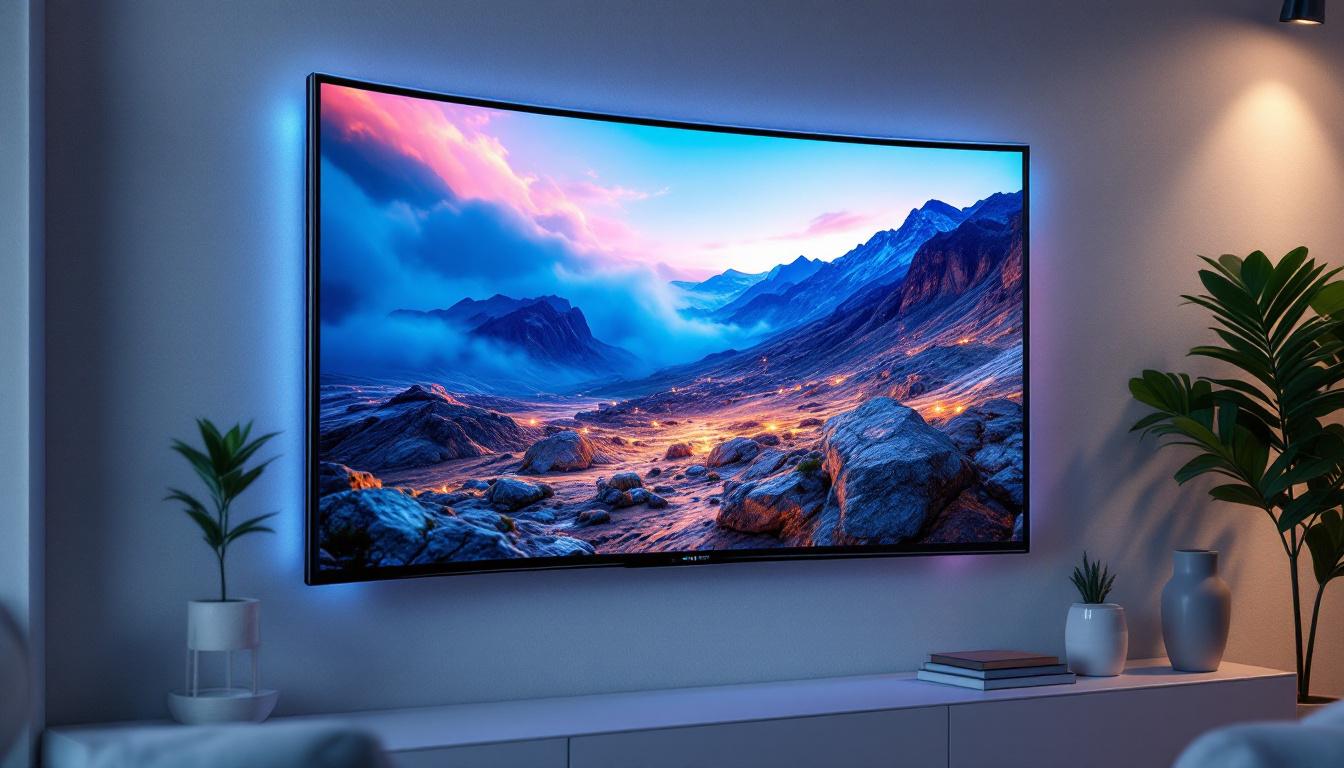
Flexpanel LED displays are a type of modular LED screen that offers flexibility in both physical form and application. Unlike traditional rigid LED panels, Flexpanels are designed to be lightweight, thin, and bendable, allowing them to conform to curved surfaces or irregular shapes. This adaptability opens up a wide range of creative possibilities for designers and advertisers. From immersive installations in art galleries to dynamic advertising displays in retail environments, the versatility of Flexpanel technology can enhance visual storytelling in ways that were previously unimaginable.
These displays are composed of numerous small LED modules arranged on a flexible substrate, which can be made from materials like flexible printed circuit boards (FPCBs) or other pliable materials. The LEDs themselves are typically surface-mounted devices (SMDs) that emit bright, vibrant light with high energy efficiency. The combination of lightweight materials and advanced LED technology not only reduces installation costs but also allows for easier transportation and setup, making them ideal for temporary events or exhibitions.
How Do Flexpanel LED Displays Work?
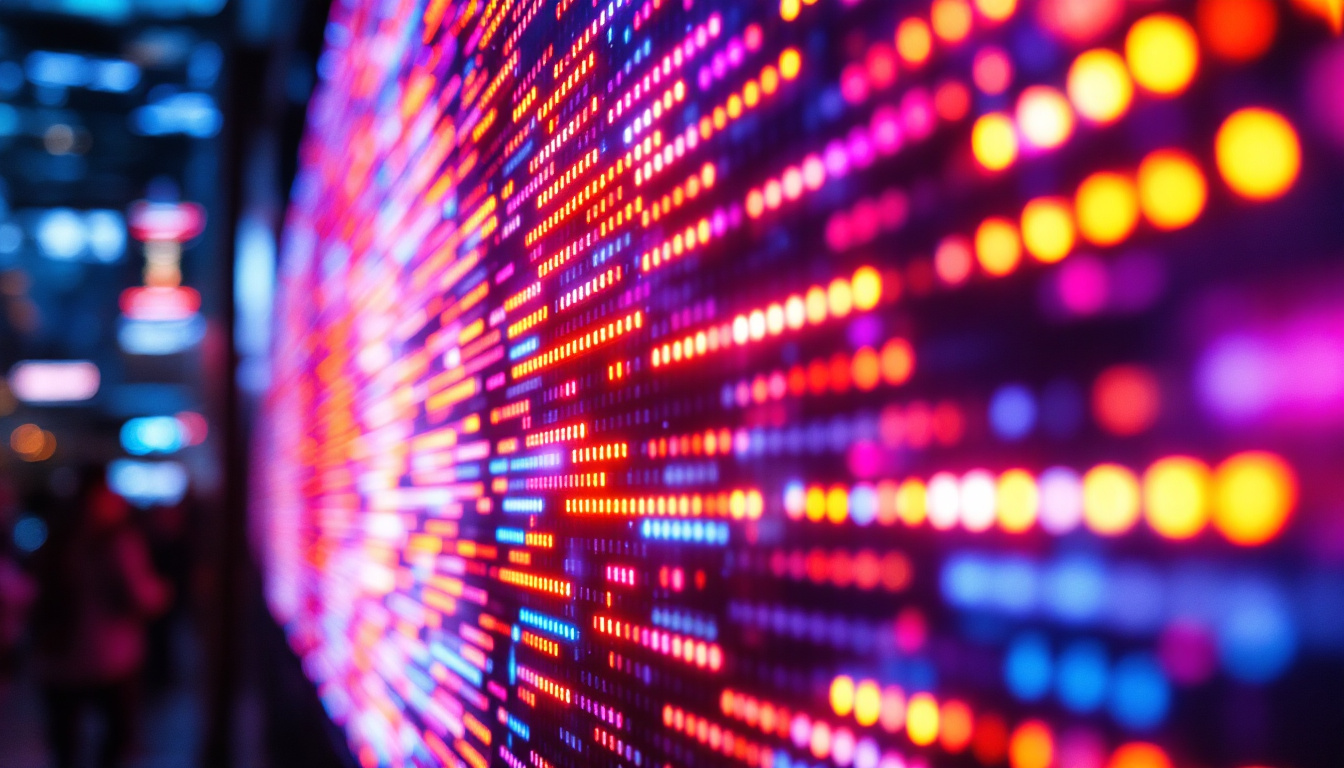
At their core, Flexpanel LED displays operate on the same principles as traditional LED screens. Each pixel on the display consists of red, green, and blue LEDs that combine to produce a full spectrum of colors. The brightness and color of each pixel are controlled by an integrated driver circuit, which receives digital signals from a video processor or controller. This sophisticated control system enables seamless video playback and real-time content updates, ensuring that the display remains engaging and relevant to its audience.
The key difference lies in the panel’s physical structure. The flexible substrate allows the LED modules to bend without breaking the electrical connections, enabling the display to wrap around curved surfaces or be installed in unconventional spaces. This flexibility is achieved through advanced materials engineering and precise manufacturing techniques that ensure durability and consistent performance even when bent. Additionally, the modular nature of Flexpanels means that they can be easily scaled up or down depending on the requirements of the installation, allowing for a customized approach to visual communication that can be tailored to specific environments or themes.
Moreover, the integration of smart technology into Flexpanel LED displays is paving the way for interactive experiences. With the incorporation of sensors and connectivity options, these displays can respond to viewer engagement, providing a dynamic and immersive experience. For example, in a retail setting, a Flexpanel could change its content based on the time of day or the demographics of the audience, creating a personalized shopping experience that captivates customers and drives sales. This level of interactivity not only enhances the aesthetic appeal of the display but also increases its effectiveness as a marketing tool.
Key Features and Benefits of Flexpanel LED Displays
Flexibility and Design Freedom
One of the most significant advantages of Flexpanel LED displays is their ability to conform to various shapes and surfaces. This flexibility allows architects, event organizers, and advertisers to integrate digital displays into environments where traditional rigid screens would be impractical or impossible.
For example, Flexpanels can be wrapped around columns, curved walls, or even spherical structures, creating immersive visual experiences that capture attention and enhance brand messaging. This design freedom is especially valuable in retail spaces, museums, stadiums, and public art installations.
Lightweight and Thin Construction
Flexpanel LED displays are typically much lighter and thinner than conventional LED panels. This makes installation easier and reduces the structural requirements for mounting. Lightweight displays also allow for temporary setups at events, exhibitions, and concerts, where quick assembly and disassembly are essential.
Moreover, the slim profile of Flexpanels enables seamless integration into architectural elements without obstructing sightlines or compromising aesthetics.
High Brightness and Energy Efficiency
Despite their flexible nature, Flexpanel LED displays do not compromise on brightness or image quality. Modern LED technology ensures that these displays deliver vivid colors and high contrast ratios, making them suitable for both indoor and outdoor use.
Energy efficiency is another important benefit. LEDs consume less power compared to traditional display technologies such as LCD or plasma screens. This results in lower operating costs and a reduced environmental footprint, which is increasingly important for businesses aiming to meet sustainability goals.
Durability and Weather Resistance
Flexpanel LED displays are engineered to withstand various environmental conditions. Many models come with protective coatings or encapsulation to guard against moisture, dust, and temperature fluctuations. This makes them ideal for outdoor advertising, transportation hubs, and other high-traffic areas where durability is crucial.
The flexible materials used also tend to be resistant to impact and vibration, reducing the risk of damage during transportation or installation.
Applications of Flexpanel LED Displays
Advertising and Marketing
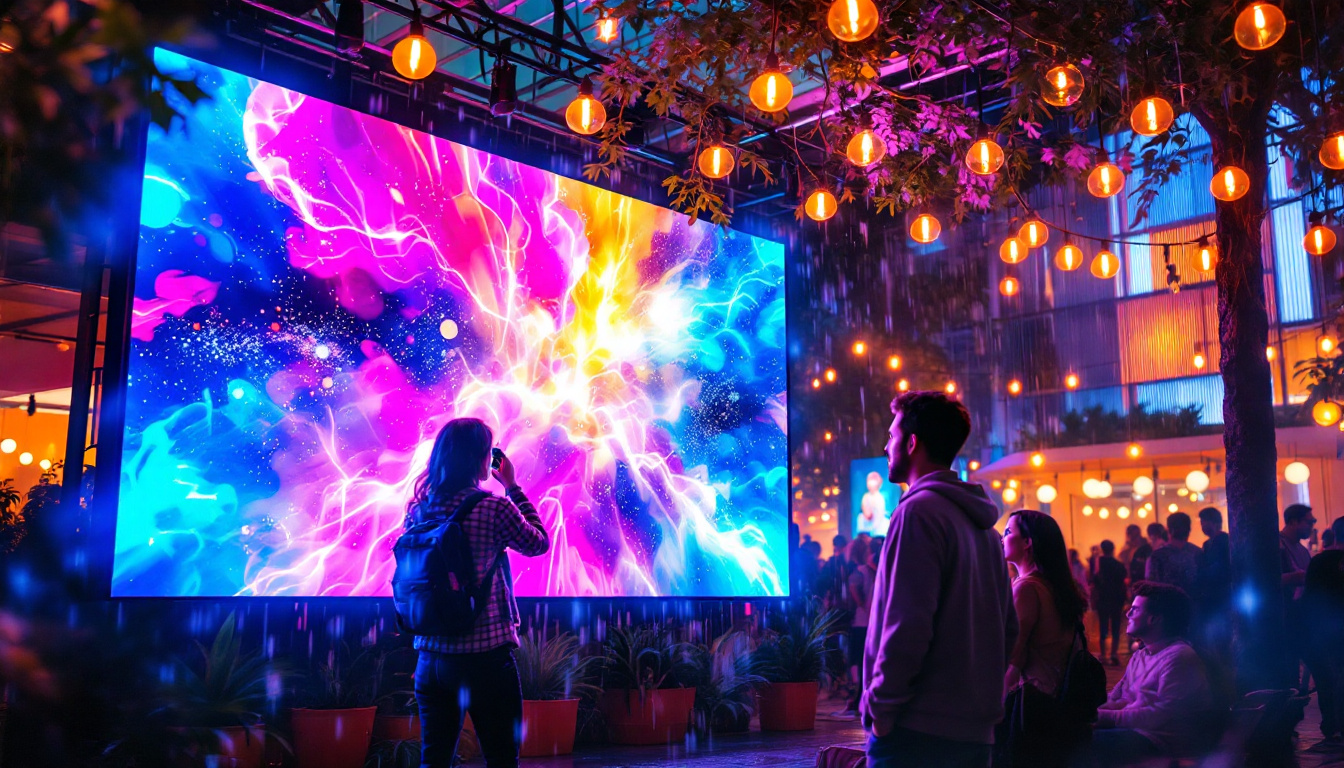
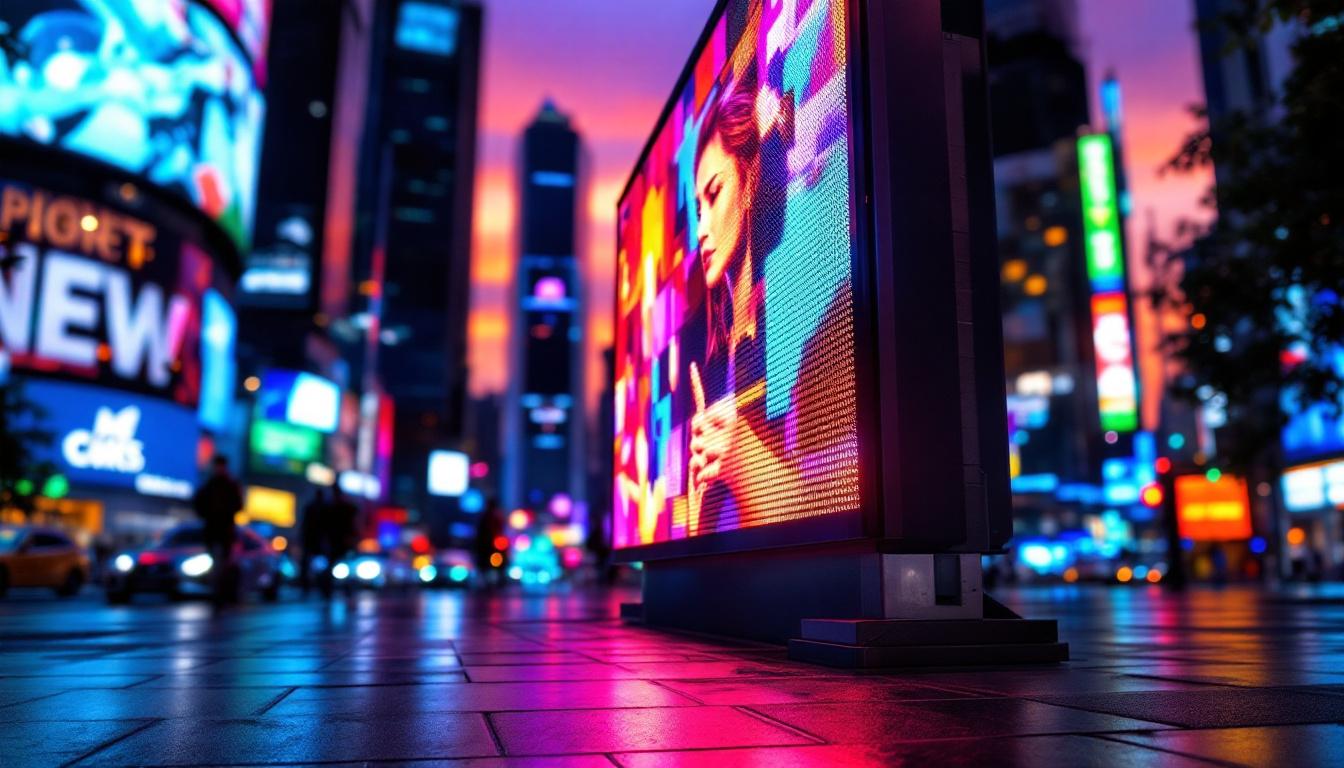
Flexpanel LED displays have revolutionized the advertising industry by enabling dynamic, eye-catching campaigns in previously inaccessible locations. Retailers can use curved displays to highlight products in store windows or create engaging point-of-sale promotions. Outdoor advertisers benefit from the ability to place screens on unconventional surfaces such as building facades or street furniture.
According to a 2023 report by the Digital Signage Federation, digital signage including flexible LED displays can increase customer engagement by up to 30%, making them a powerful tool for brand communication.
Entertainment and Events
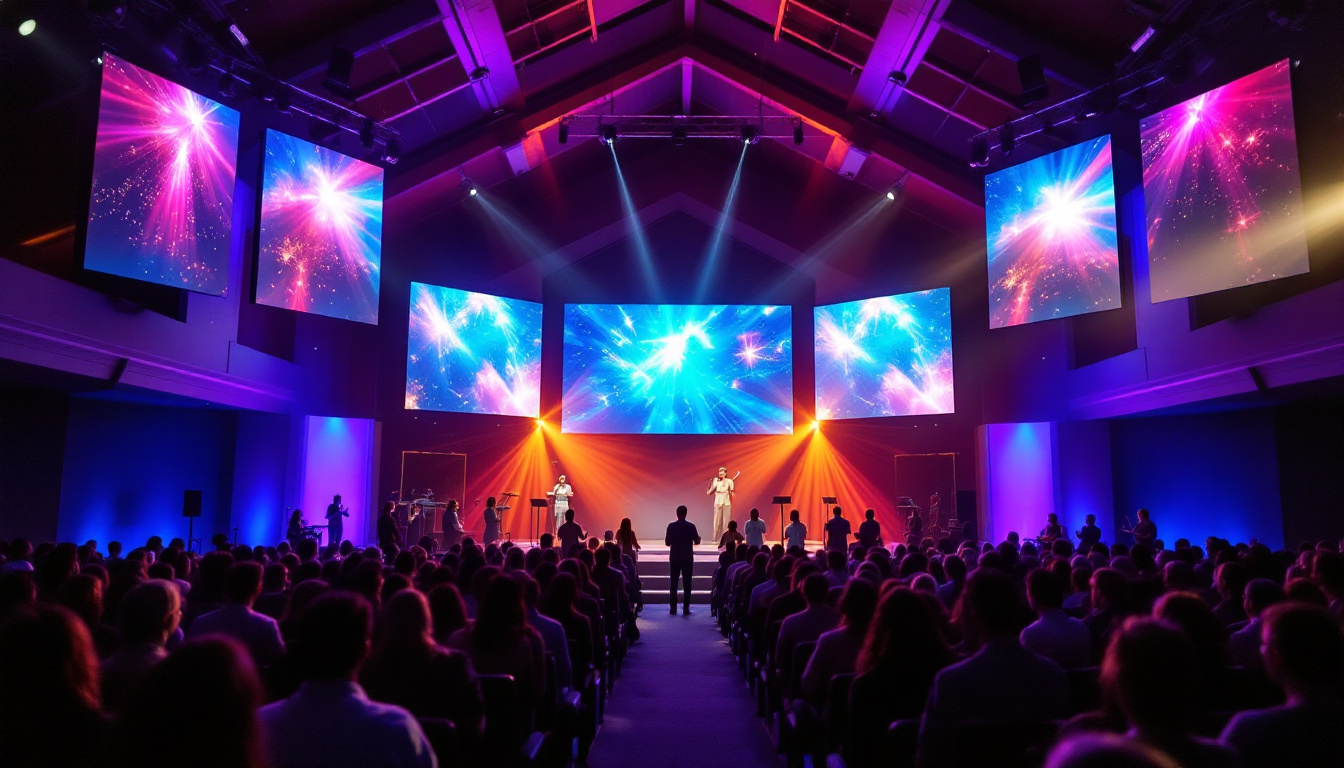
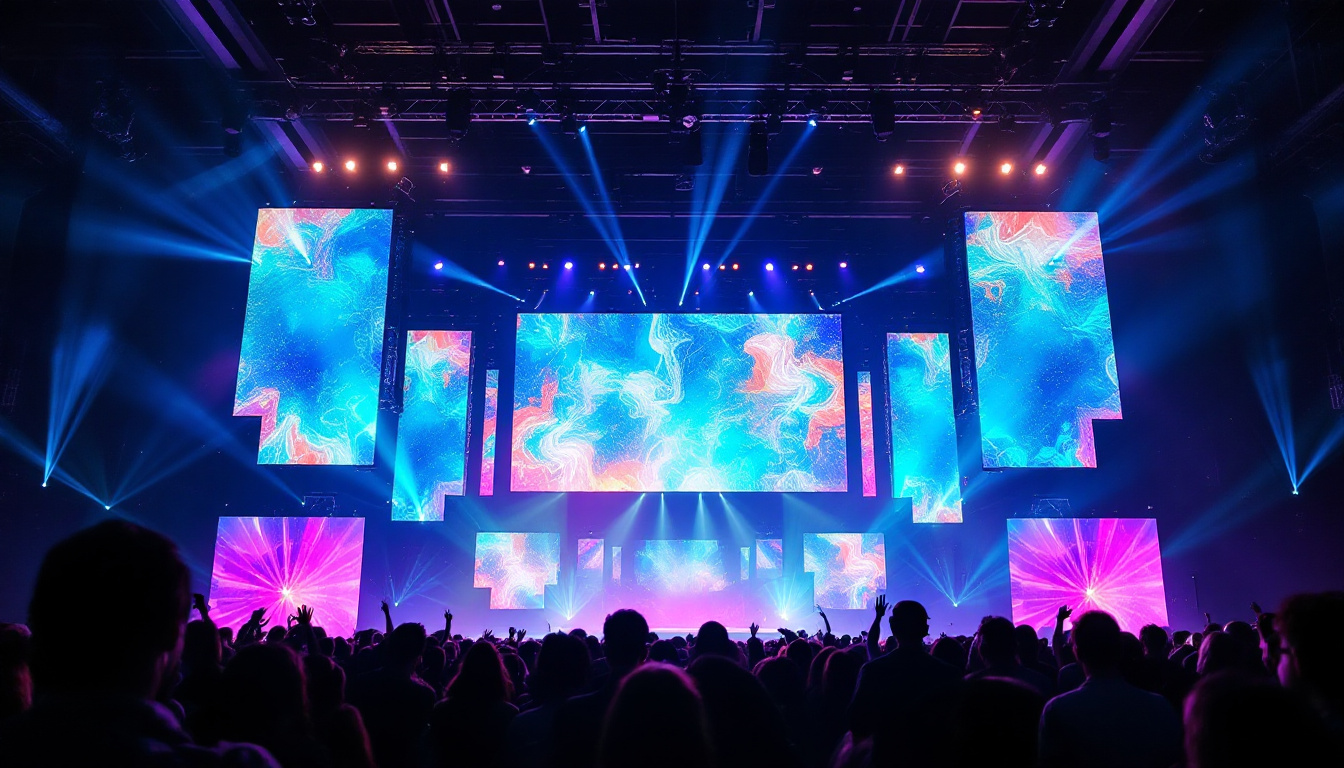
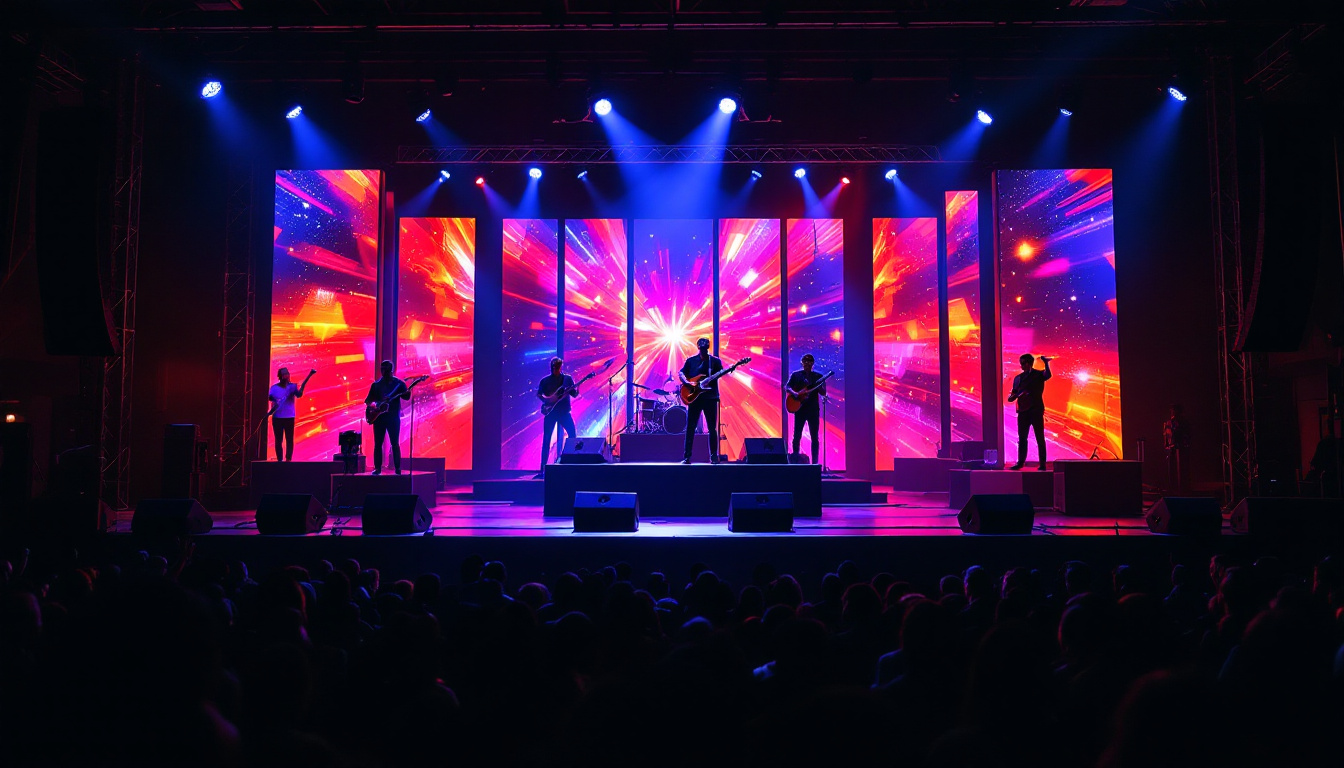
Concerts, festivals, and sporting events increasingly rely on Flexpanel LED displays to create immersive visual environments. Their lightweight and flexible design allow for creative stage setups, including curved backdrops and wrap-around screens, enhancing the audience’s experience.
Event organizers benefit from the ease of installation and transport, enabling rapid deployment across multiple venues or locations.
Architectural Integration
Architects and designers use Flexpanel LED displays to integrate digital elements seamlessly into building designs. This includes dynamic facades that change appearance throughout the day, interactive art installations, and informational displays in public spaces.
The ability to conform to complex shapes allows for innovative design solutions that blend technology and architecture harmoniously.
Transportation and Public Spaces
Transportation hubs such as airports, train stations, and bus terminals utilize Flexpanel LED displays for real-time information, wayfinding, and advertising. Their durability and brightness ensure visibility in challenging environments, while their flexibility allows them to fit into curved or irregular surfaces common in modern infrastructure.
Public spaces also benefit from these displays for community messaging, emergency alerts, and cultural programming.
Technical Considerations When Choosing Flexpanel LED Displays
Pixel Pitch and Resolution
Pixel pitch refers to the distance between the centers of adjacent pixels and is a critical factor in determining the display’s resolution and viewing distance. Flexpanel LED displays come in various pixel pitches, typically ranging from 1.5mm to 10mm or more.
Smaller pixel pitches provide higher resolution and are suitable for close viewing distances, such as indoor retail or control rooms. Larger pixel pitches are more cost-effective for outdoor or large-scale installations where viewers are farther away.
Brightness Levels
Brightness is measured in nits (cd/m²) and varies depending on the intended use. Indoor Flexpanels typically have brightness levels between 800 and 1500 nits, while outdoor models can exceed 5000 nits to remain visible in direct sunlight.
Choosing the appropriate brightness ensures optimal visibility without excessive power consumption or glare.
Viewing Angle
Viewing angle determines how far off-center a viewer can be while still seeing a clear image. Flexpanel LED displays generally offer wide viewing angles, often up to 160 degrees horizontally and vertically, which is essential for public displays where audiences view from multiple directions.
Durability and IP Rating
The Ingress Protection (IP) rating indicates a display’s resistance to dust and water. For outdoor applications, an IP65 rating or higher is recommended to ensure protection against rain and dust. Indoor displays may have lower IP ratings but should still offer sufficient protection against accidental contact and environmental factors.
Control Systems and Connectivity
Modern Flexpanel LED displays support a variety of control systems, including wired and wireless options. Compatibility with standard video inputs (HDMI, DVI, SDI) and network protocols ensures seamless integration with existing content management systems.
Advanced control software allows for real-time content updates, scheduling, and remote diagnostics, enhancing operational efficiency.
Future Trends in Flexpanel LED Technology
Advancements in Flexible Materials
Research into new flexible substrates and encapsulation materials promises to make Flexpanel LED displays even more durable and bendable. Innovations such as stretchable electronics and organic LEDs (OLEDs) may further expand design possibilities and improve energy efficiency.
Higher Resolution and Miniaturization
As manufacturing techniques improve, pixel pitches are expected to decrease, resulting in ultra-high-definition flexible displays. This will enable applications requiring fine detail, such as medical imaging and virtual reality environments.
Integration with Smart Technologies
Future Flexpanel LED displays are likely to incorporate sensors, cameras, and AI-driven content management systems. This integration will enable interactive and personalized experiences, such as targeted advertising and real-time environmental adaptation.
Conclusion
Flexpanel LED displays represent a significant advancement in digital display technology, offering unparalleled flexibility, high performance, and broad applicability. Their ability to conform to diverse surfaces and environments makes them an ideal choice for advertisers, event organizers, architects, and public space managers seeking innovative and impactful visual solutions.
As technology continues to evolve, Flexpanel LED displays are poised to become even more versatile and integral to the way information and entertainment are delivered in the digital age.
Discover the Future of Visual Storytelling with LumenMatrix
Ready to elevate your visual communication with the next generation of LED display technology? LumenMatrix is at the forefront of innovation, offering a wide array of LED display solutions that bring your brand to life. From Indoor and Outdoor LED Wall Displays to specialized options like Vehicle, Sports, and Floor LED Displays, we have the tools to create immersive and engaging experiences. Embrace the future with our Custom, All-in-One, and Transparent LED Displays. Check out LumenMatrix LED Display Solutions today and transform how you connect with your audience.