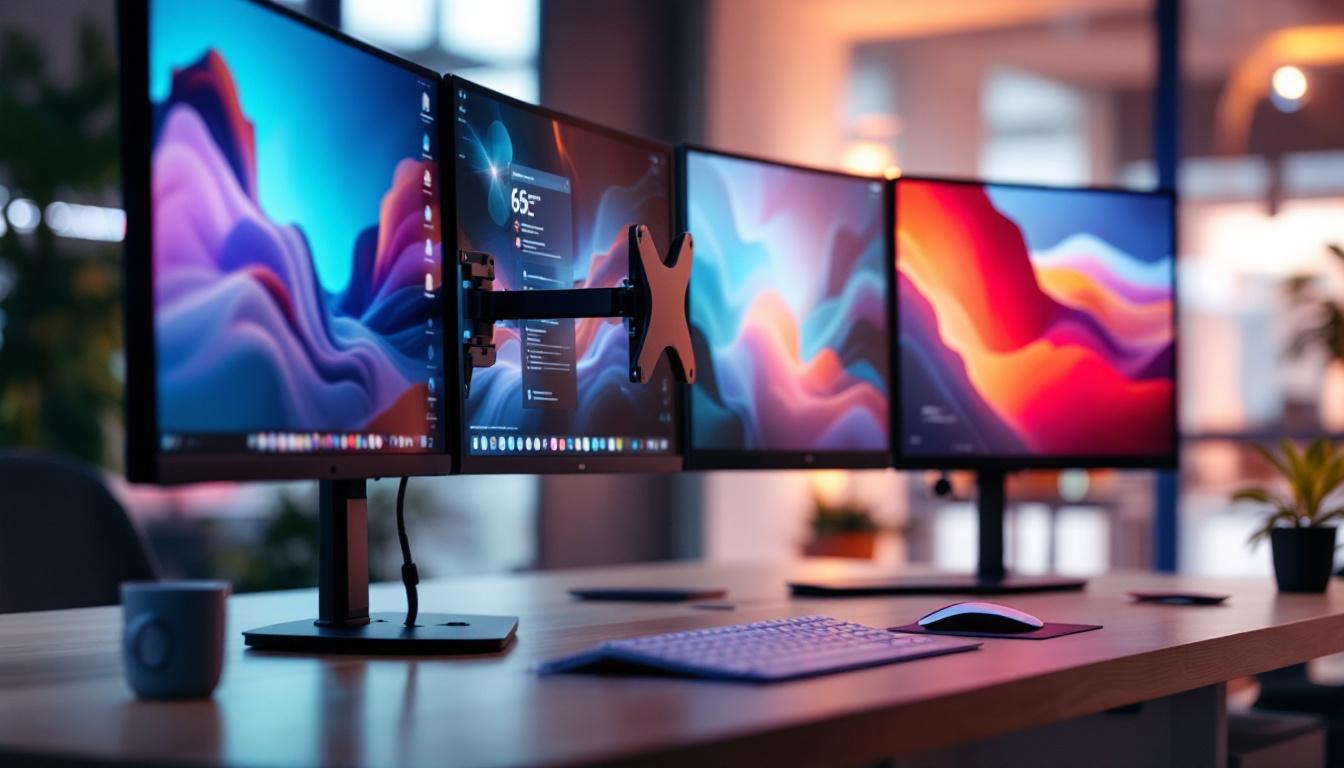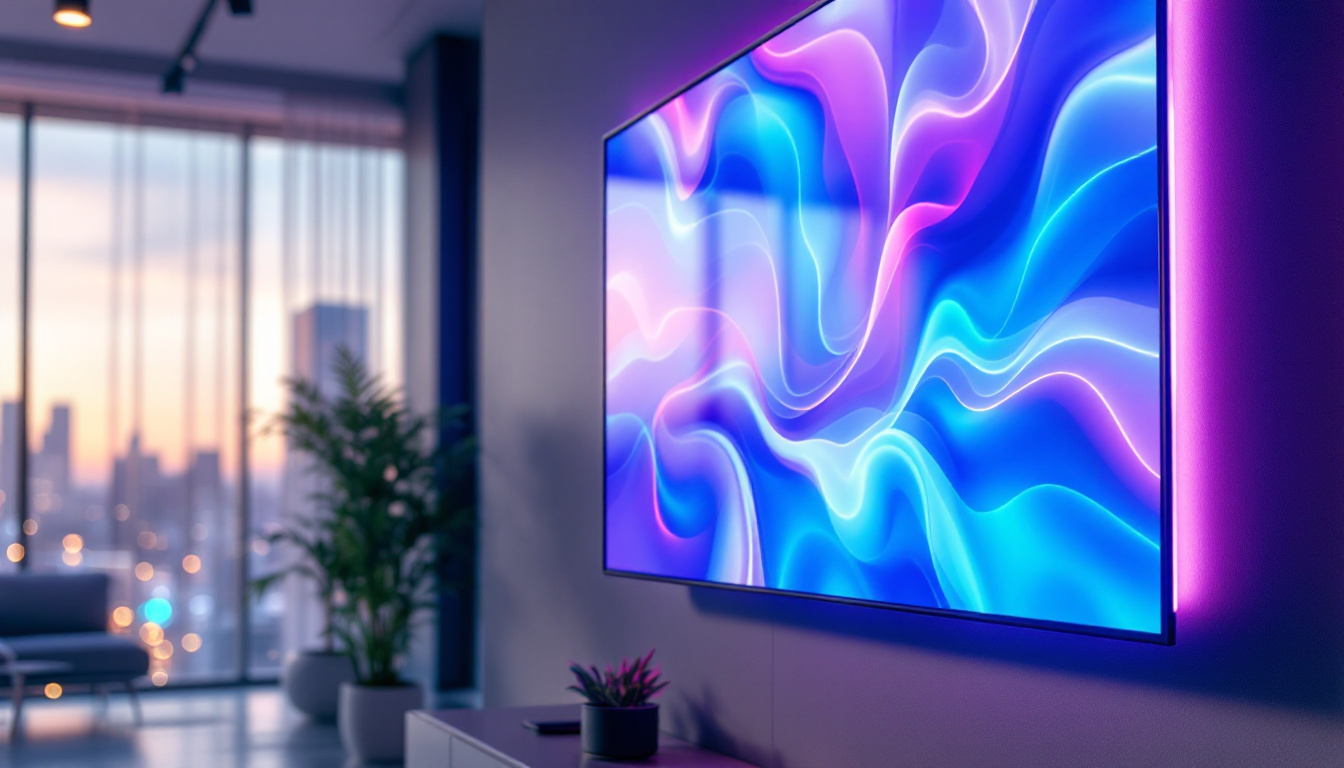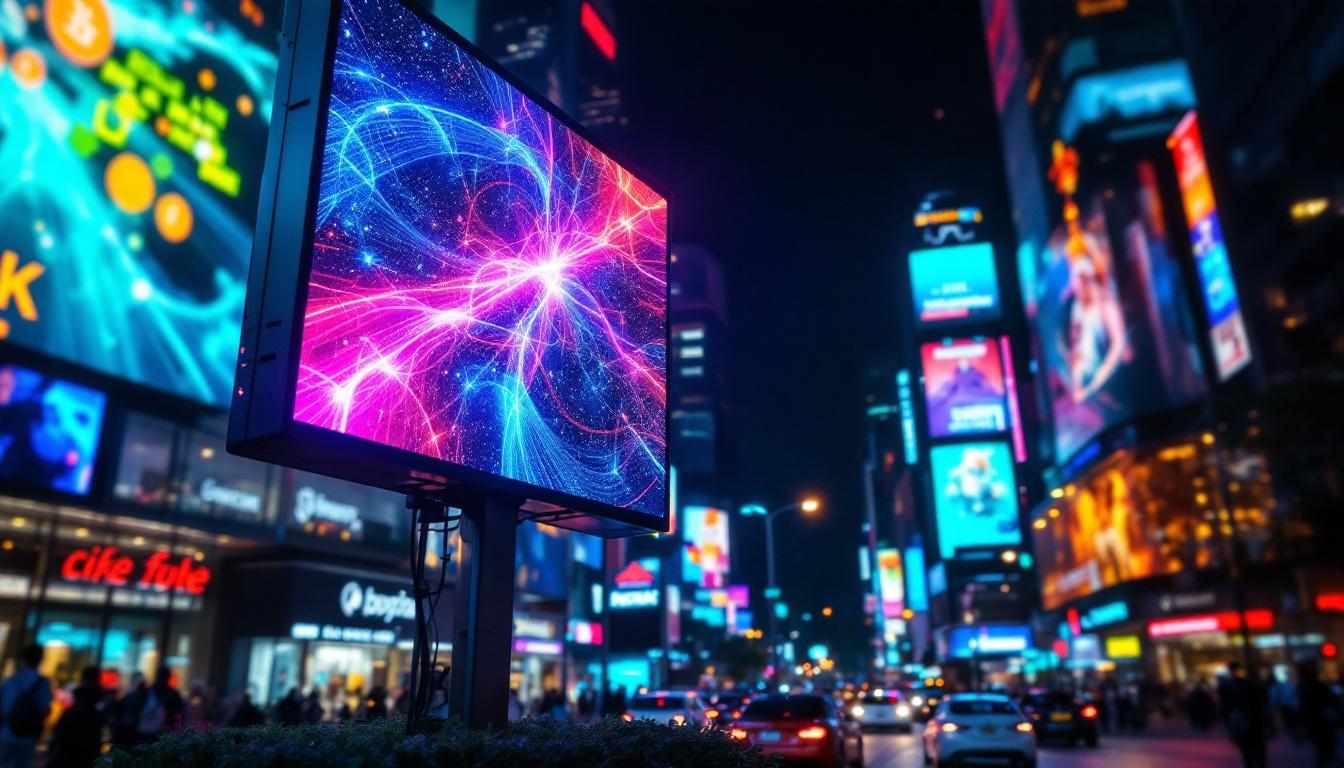
In today’s fast-paced digital world, visual communication plays a crucial role in capturing attention and conveying messages effectively. Among the various display technologies available, LED displays have emerged as a dominant force, revolutionizing the way information is presented in public spaces, advertising, entertainment, and more. This article delves into the world of pantallas digitales (digital screens), focusing specifically on LED displays, their technology, applications, advantages, and future trends.
What is a Pantalla Digital LED?
A pantalla digital LED (LED digital screen) is a type of electronic display that uses light-emitting diodes (LEDs) to produce images, videos, and text. Unlike traditional LCD or plasma screens, LED displays rely on tiny semiconductor devices that emit light when an electric current passes through them. This fundamental difference allows LED screens to offer superior brightness, contrast, and energy efficiency. Additionally, LED technology has evolved significantly, leading to the development of features such as high dynamic range (HDR) and ultra-high-definition (UHD) resolutions, which enhance the viewing experience by providing more vibrant colors and sharper images.
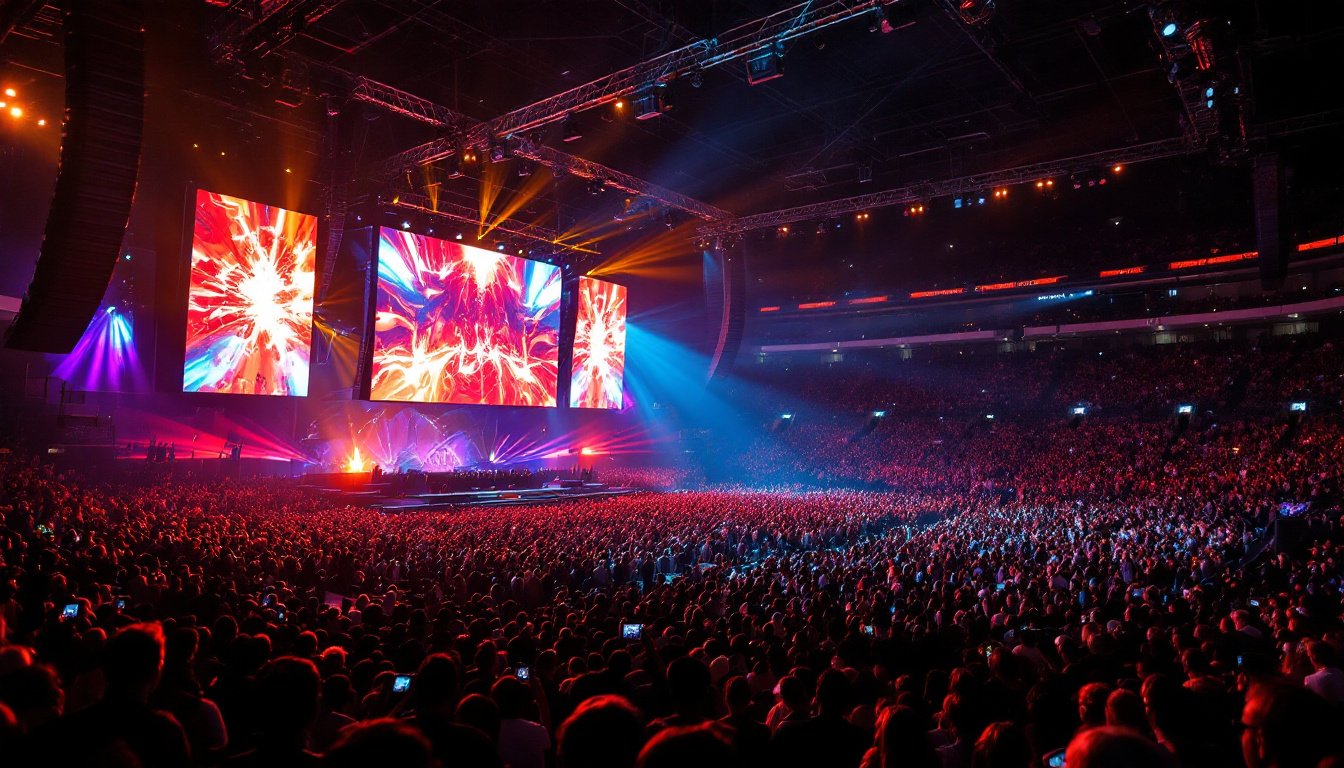
LED displays come in various formats, including indoor and outdoor versions, fixed installations, and portable units. They can range from small-sized panels used in retail environments to massive billboards towering over cityscapes. The versatility and scalability of LED technology make it a preferred choice for many industries. For instance, in sports arenas, large LED screens are utilized to display live game footage, replays, and advertisements, ensuring that every spectator has an optimal viewing experience regardless of their seating position. Furthermore, the ability to customize content in real-time allows businesses to engage their audience dynamically, adapting messages based on current events or promotions.
How LED Displays Work
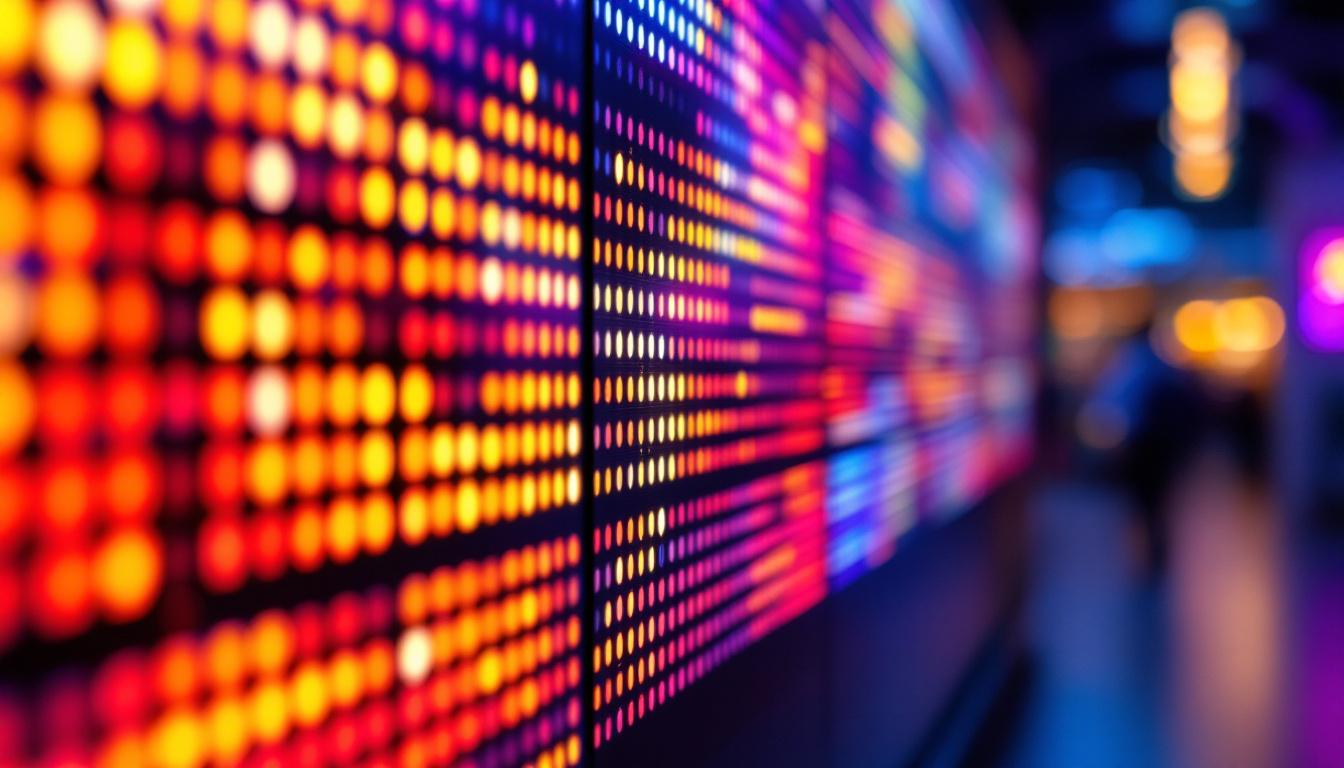
At the heart of an LED display are thousands to millions of individual LEDs arranged in a grid pattern. Each LED acts as a pixel, which can emit red, green, or blue light. By adjusting the intensity of these three colors, the screen can produce a full spectrum of colors. This process is known as additive color mixing. The precision of this mixing is crucial, as it allows for the creation of detailed images and smooth gradients, which are essential for applications ranging from digital signage to cinematic displays.
The LEDs are controlled by a driver circuit and a processing unit that interprets the input signal—whether from a computer, video player, or broadcast feed—and translates it into the corresponding light output. Modern LED displays often use surface-mounted device (SMD) technology, where the LEDs are mounted directly onto the circuit board, allowing for higher pixel density and better image quality. This advancement not only improves the visual clarity of the display but also contributes to a thinner and lighter design, making it easier to install in various environments. Additionally, many LED displays now incorporate smart technology, enabling features such as remote monitoring and automated brightness adjustments based on ambient light conditions, further enhancing their functionality and user experience.
Types of LED Displays
Understanding the different types of LED displays is essential for selecting the right solution for specific applications. The main categories include:
1. Indoor LED Displays
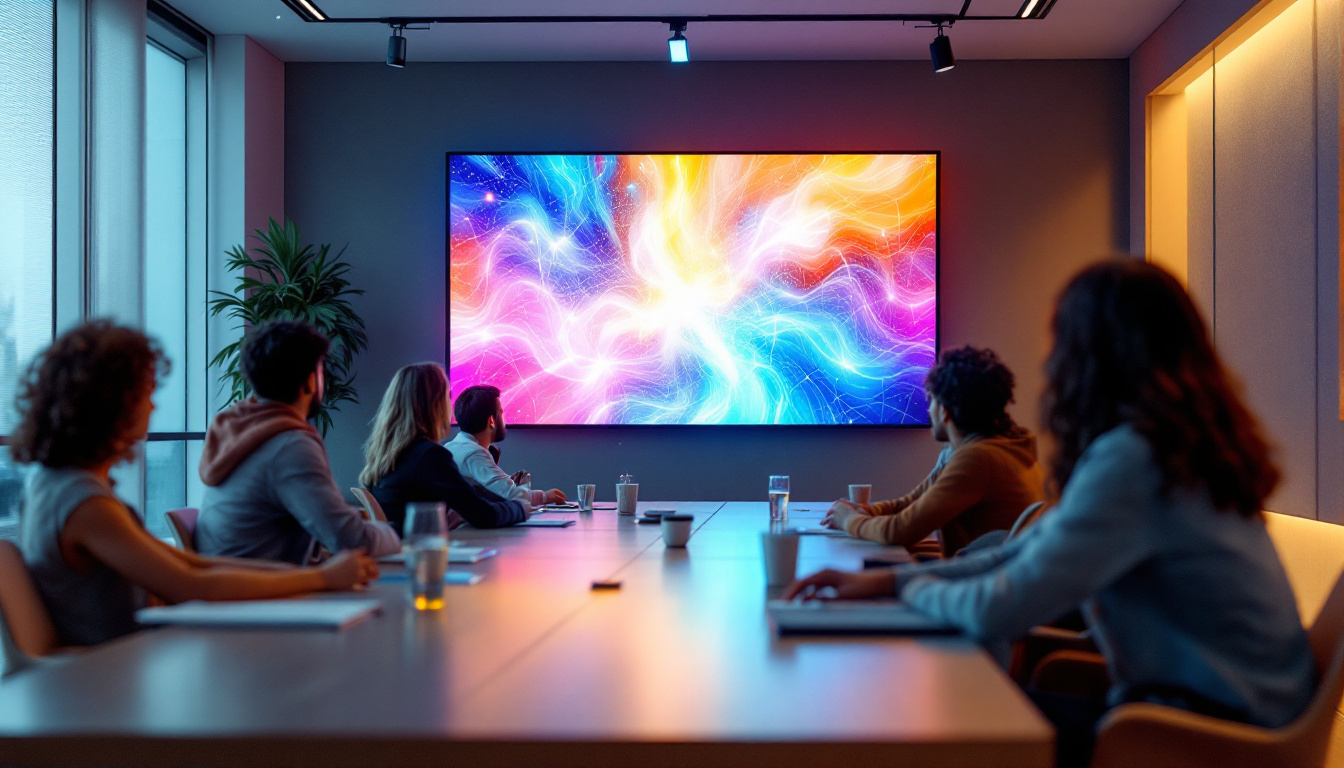
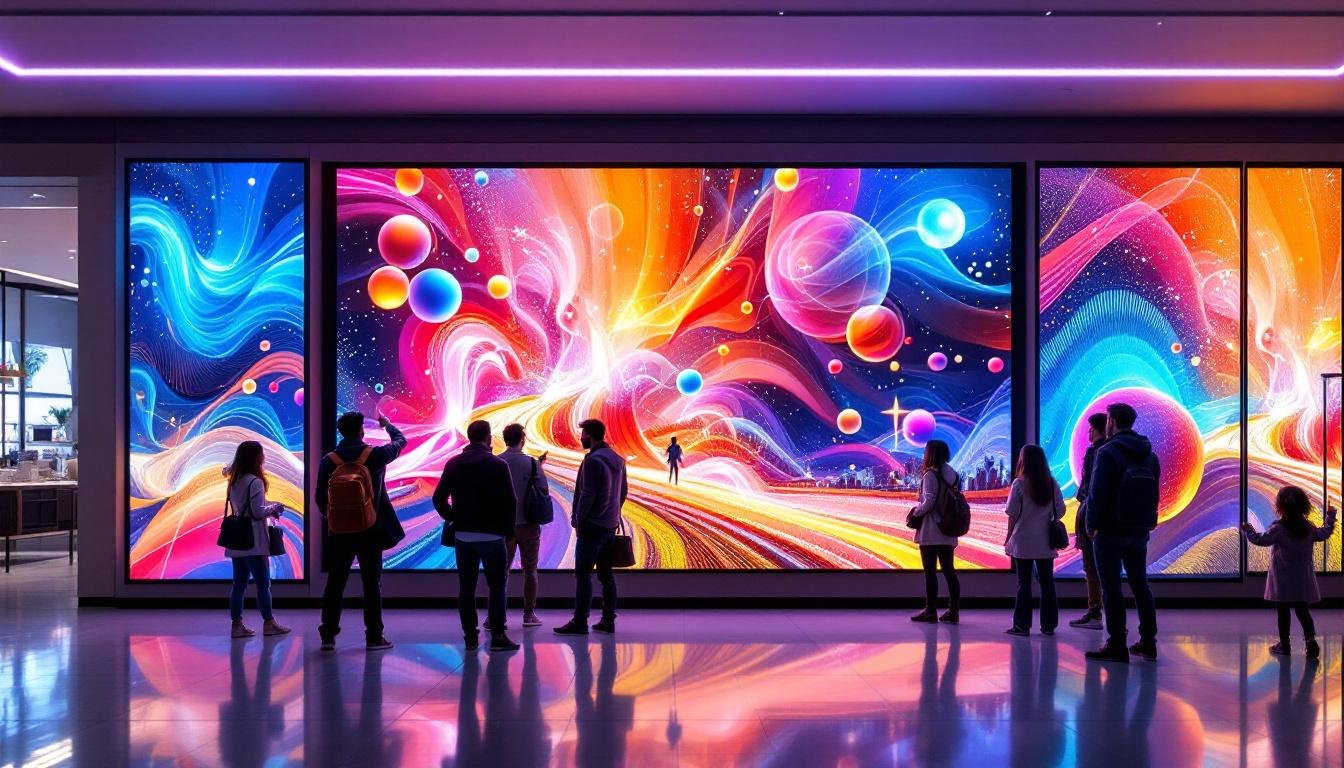
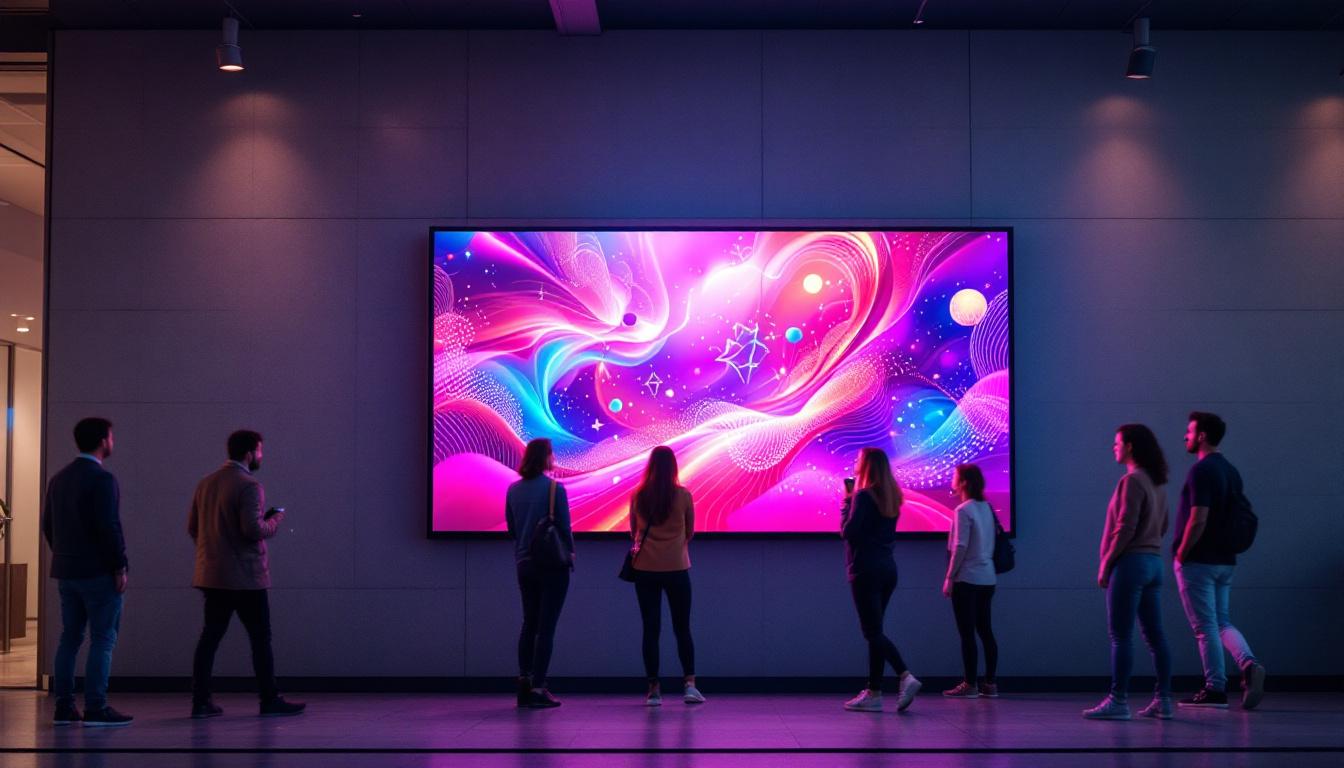
Indoor LED screens are designed for environments with controlled lighting. They typically have a higher pixel density, meaning the LEDs are placed closer together, resulting in sharper images and finer details. These displays are commonly found in conference rooms, shopping malls, airports, and stadiums.
Because indoor environments don’t require extreme brightness, these screens consume less power compared to their outdoor counterparts. Typical pixel pitches (the distance between adjacent LEDs) range from 1.2 mm to 4 mm, enabling close viewing distances without visible pixelation.
2. Outdoor LED Displays
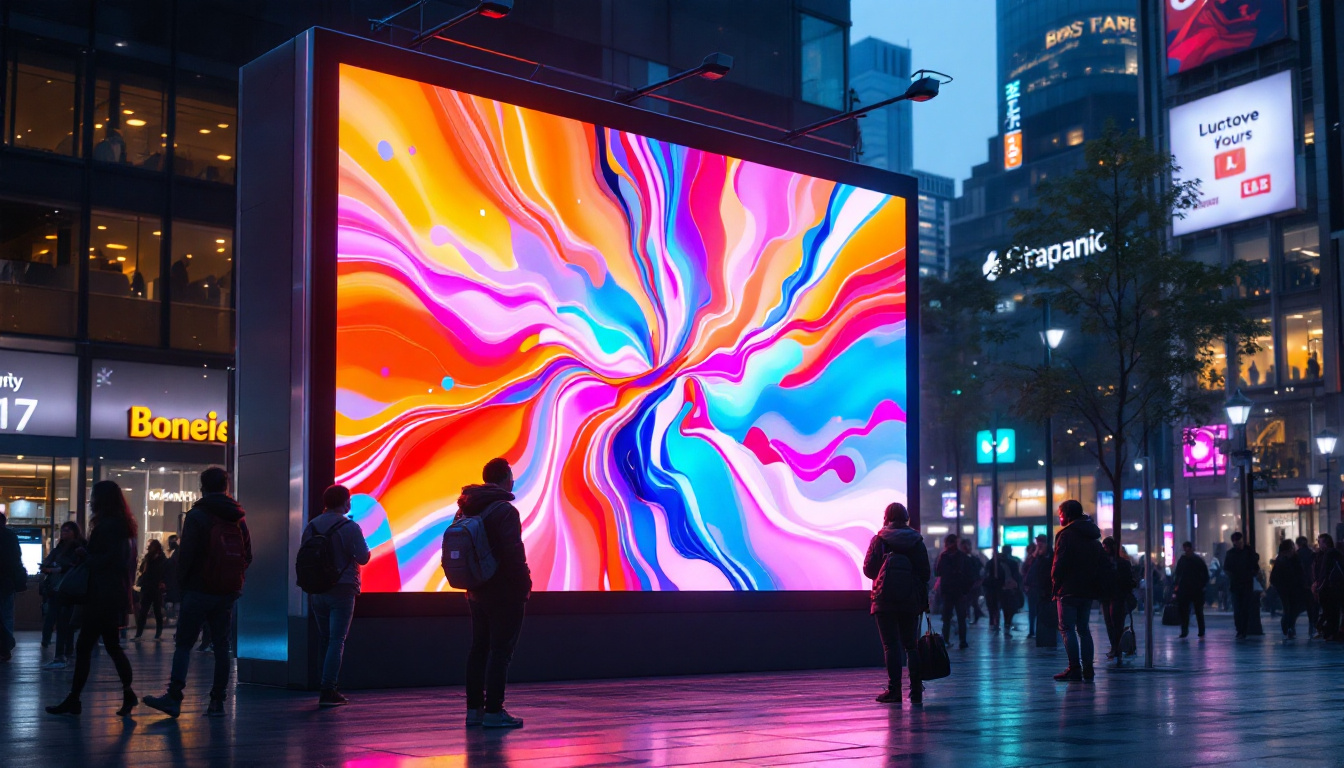
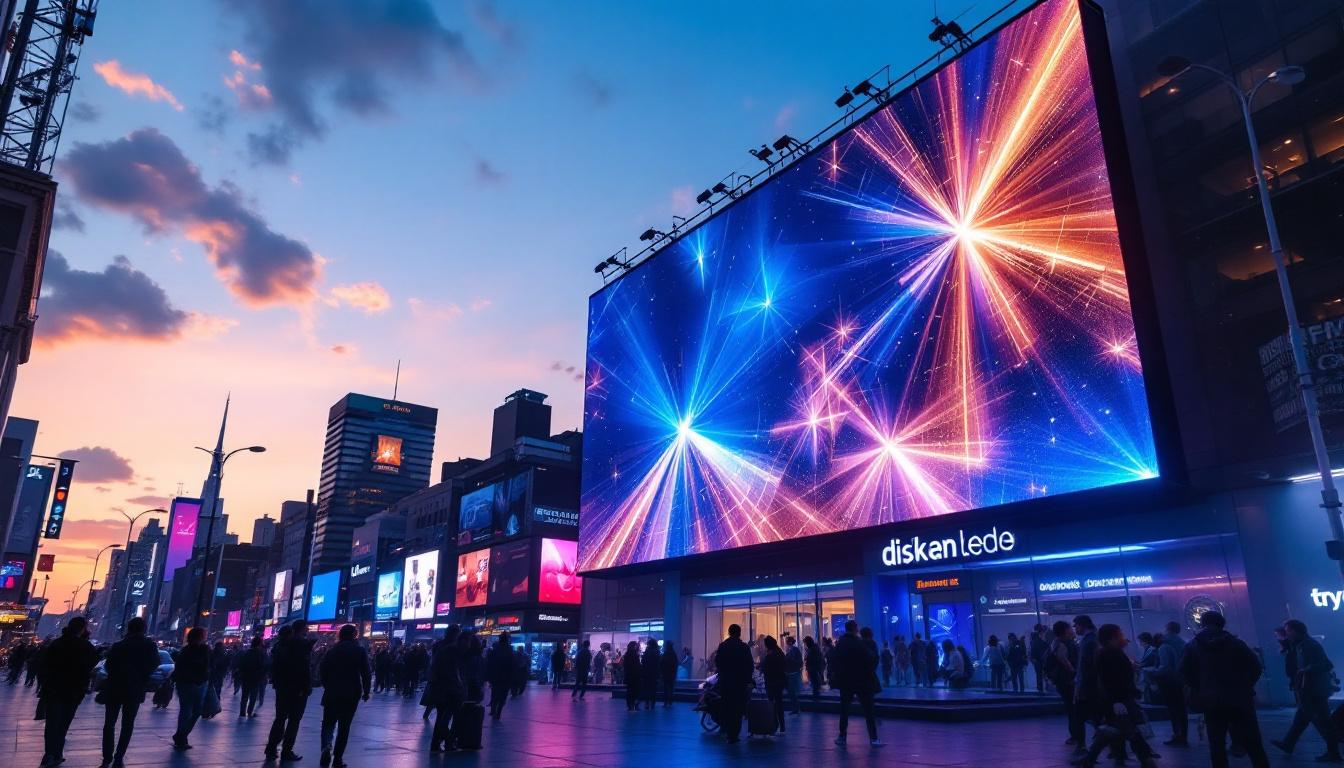
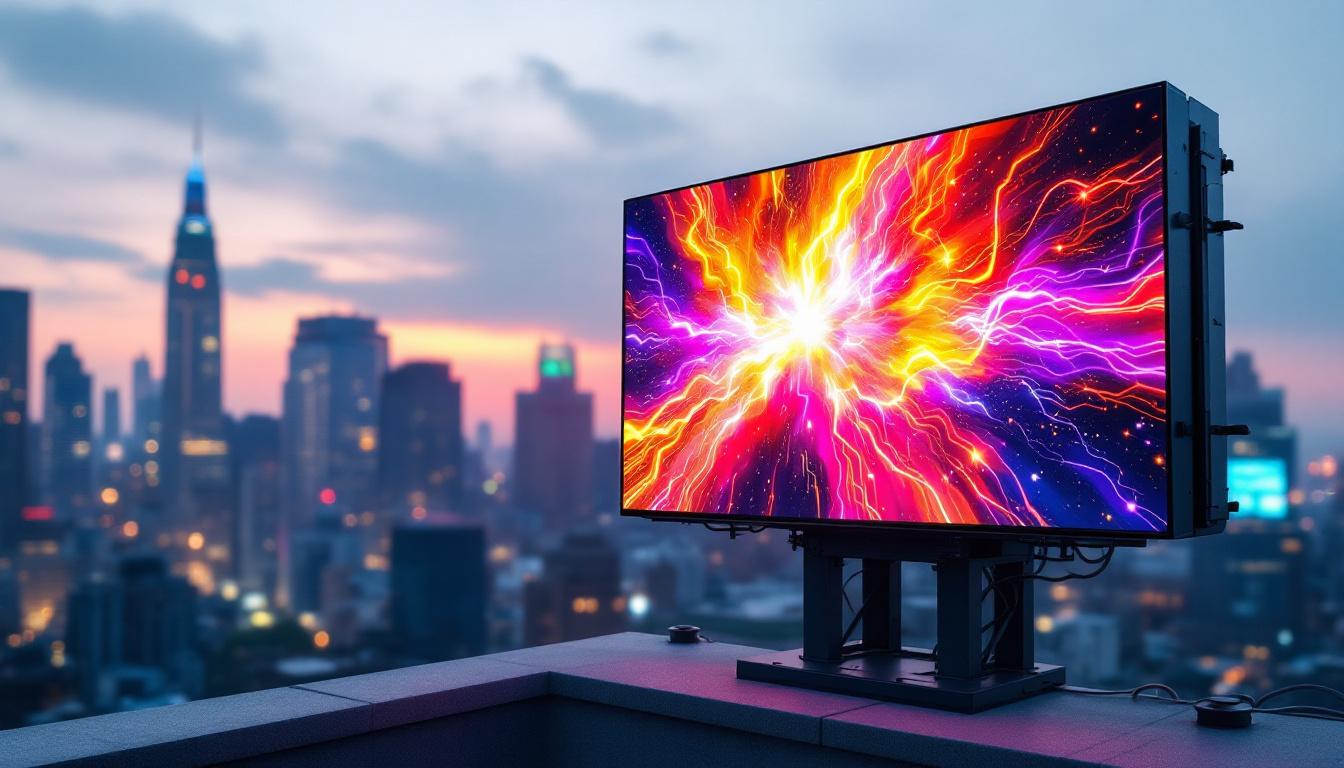
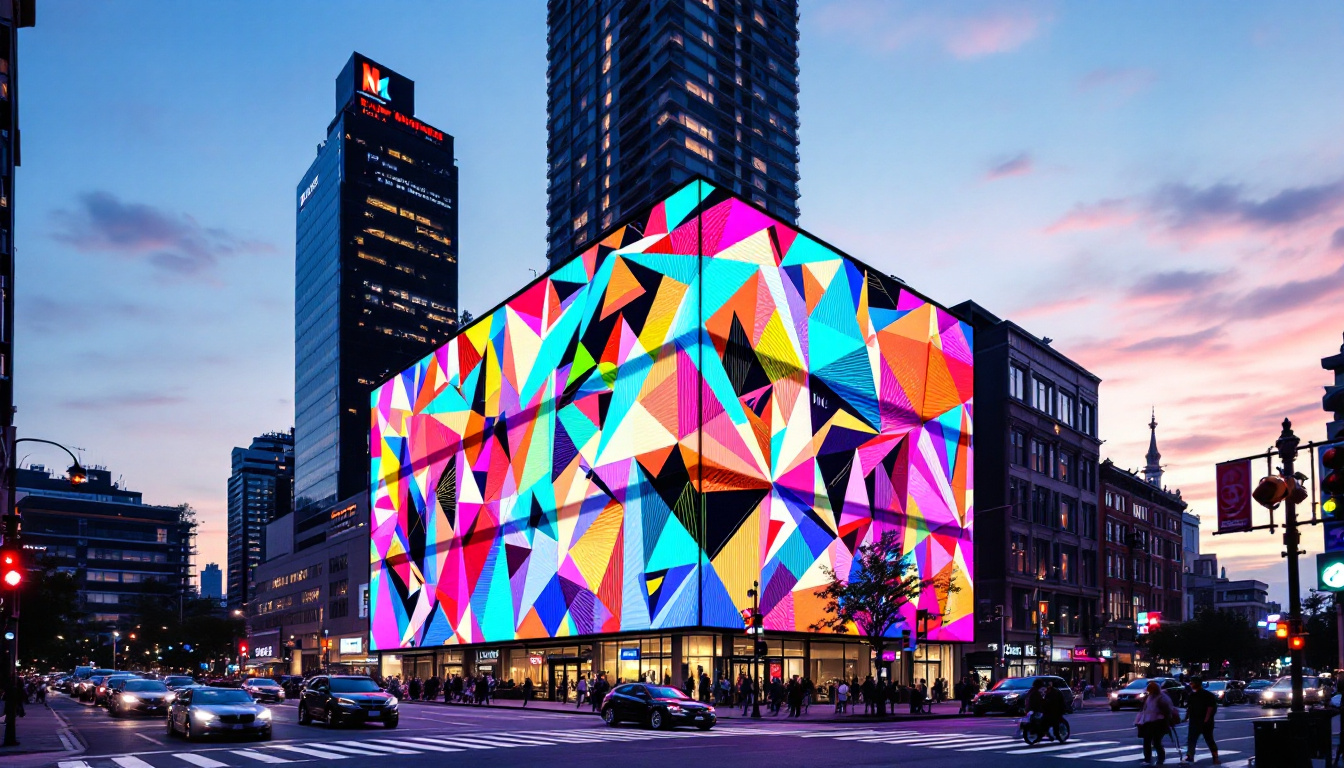
Outdoor LED displays are built to withstand harsh weather conditions such as rain, wind, and extreme temperatures. They feature higher brightness levels—often exceeding 5,000 nits—to ensure visibility even under direct sunlight. The pixel pitch is usually larger, ranging from 4 mm to 20 mm, because viewers tend to observe these screens from greater distances.
These displays are widely used for billboards, digital signage on building facades, sports arenas, and transportation hubs. Their robust construction includes waterproof and dustproof enclosures, often rated IP65 or higher.
3. Transparent LED Displays
Transparent LED displays are an innovative variation that allows light to pass through the screen. This technology is ideal for store windows and architectural applications where maintaining visibility through the glass is important. They provide dynamic content without obstructing natural light or the view outside.
Though still emerging, transparent LED panels offer a unique blend of functionality and aesthetics, blending digital content seamlessly into physical environments.
Advantages of LED Displays Over Other Technologies
LED displays offer several advantages compared to other digital display technologies such as LCD, OLED, and projection systems. These benefits explain their widespread adoption across various sectors.
Brightness and Visibility
One of the most significant advantages of LED displays is their exceptional brightness. With brightness levels ranging from 1,000 nits for indoor screens to over 10,000 nits for outdoor applications, LED displays remain visible in bright ambient conditions, including direct sunlight. This makes them ideal for outdoor advertising and public information displays.
Energy Efficiency
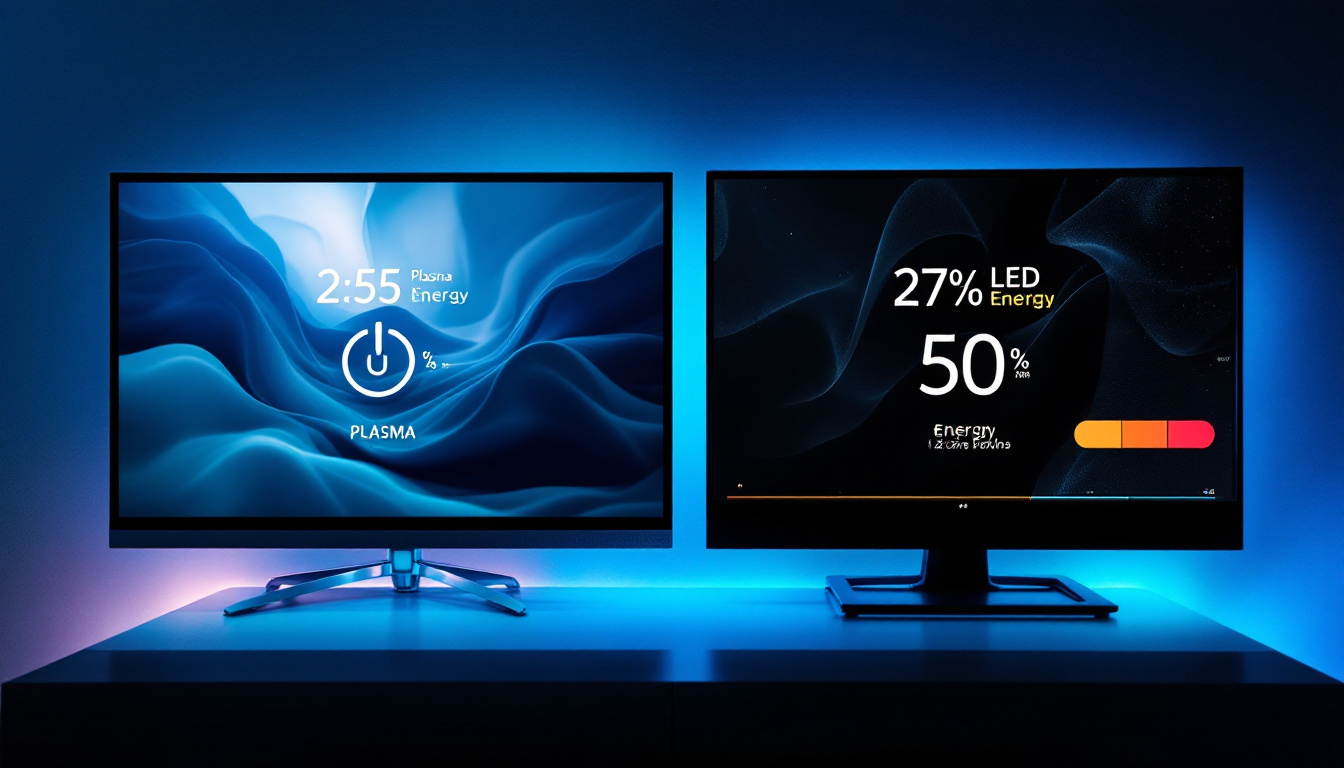
LED technology is inherently energy-efficient because LEDs convert most of the electrical energy into light rather than heat. This efficiency reduces operational costs, especially for large-scale installations that run continuously. Compared to traditional lighting and display systems, LED displays can consume up to 50% less power.
Durability and Longevity
LEDs have a long operational lifespan, often exceeding 50,000 hours of continuous use. They are also more resistant to shock and vibration than LCD or plasma panels. This durability is crucial for outdoor installations exposed to environmental stresses.
Color Accuracy and Contrast
LED displays provide vibrant colors and deep blacks due to their ability to control light emission at the pixel level. High contrast ratios enhance image clarity, making content more engaging and easier to read from a distance.
Scalability and Flexibility
LED panels can be combined in various configurations to create displays of virtually any size and shape. This modularity allows for customized solutions tailored to specific spatial and design requirements.
Common Applications of LED Displays
The versatility of LED displays has led to their adoption in numerous fields. Some of the most prominent applications include:
Advertising and Digital Signage
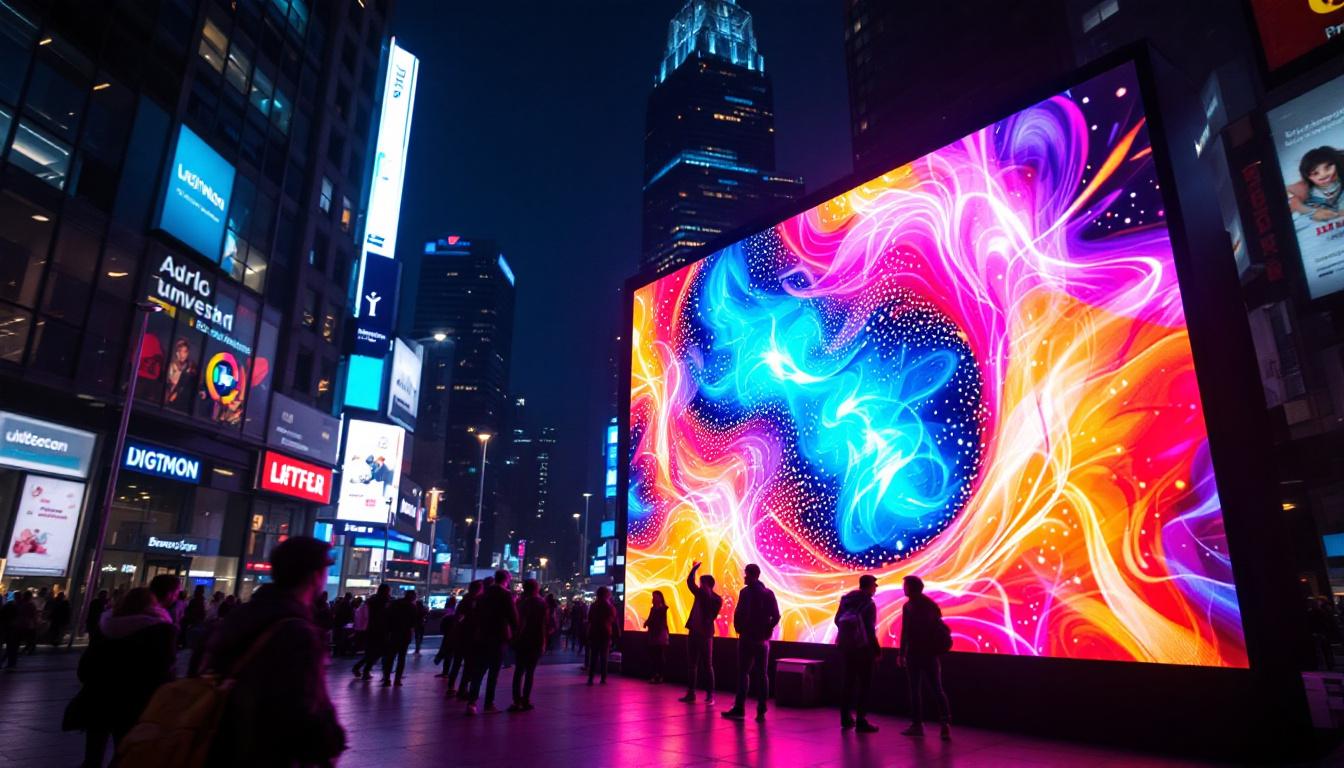
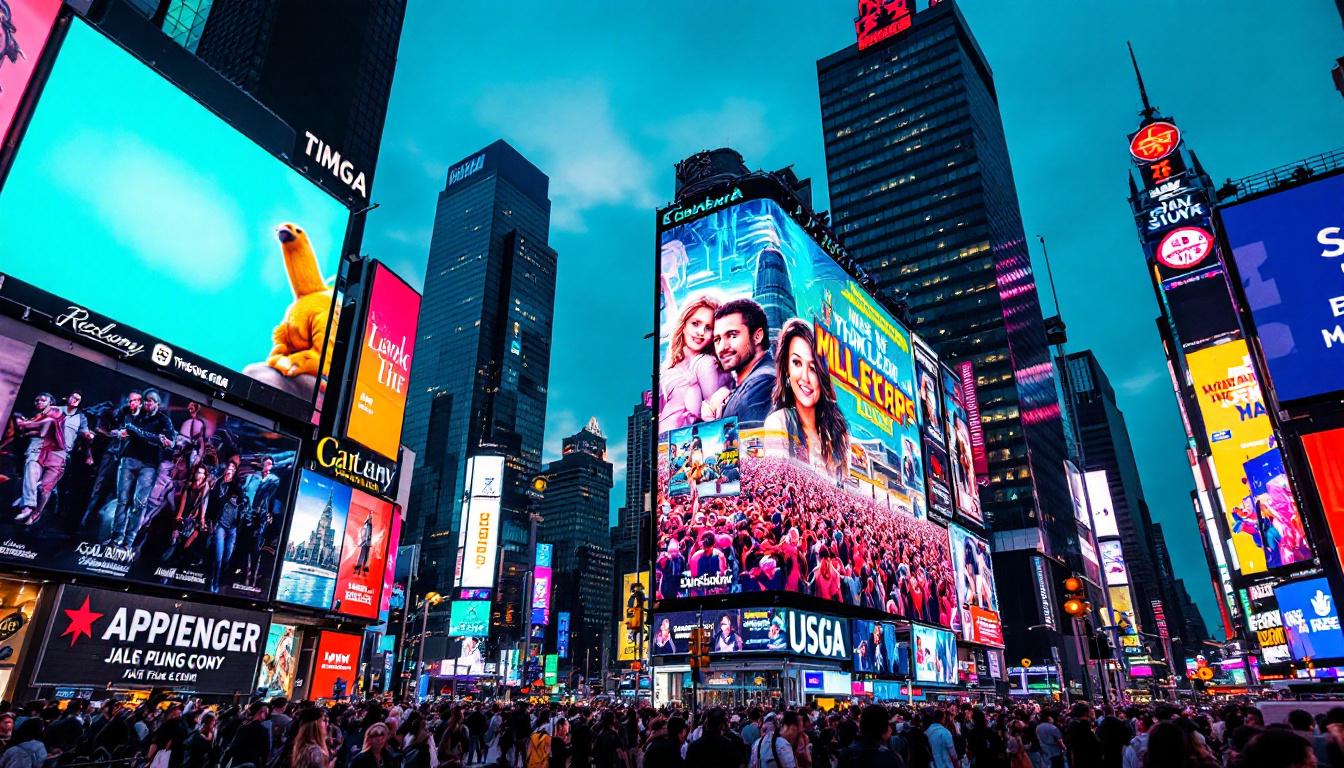
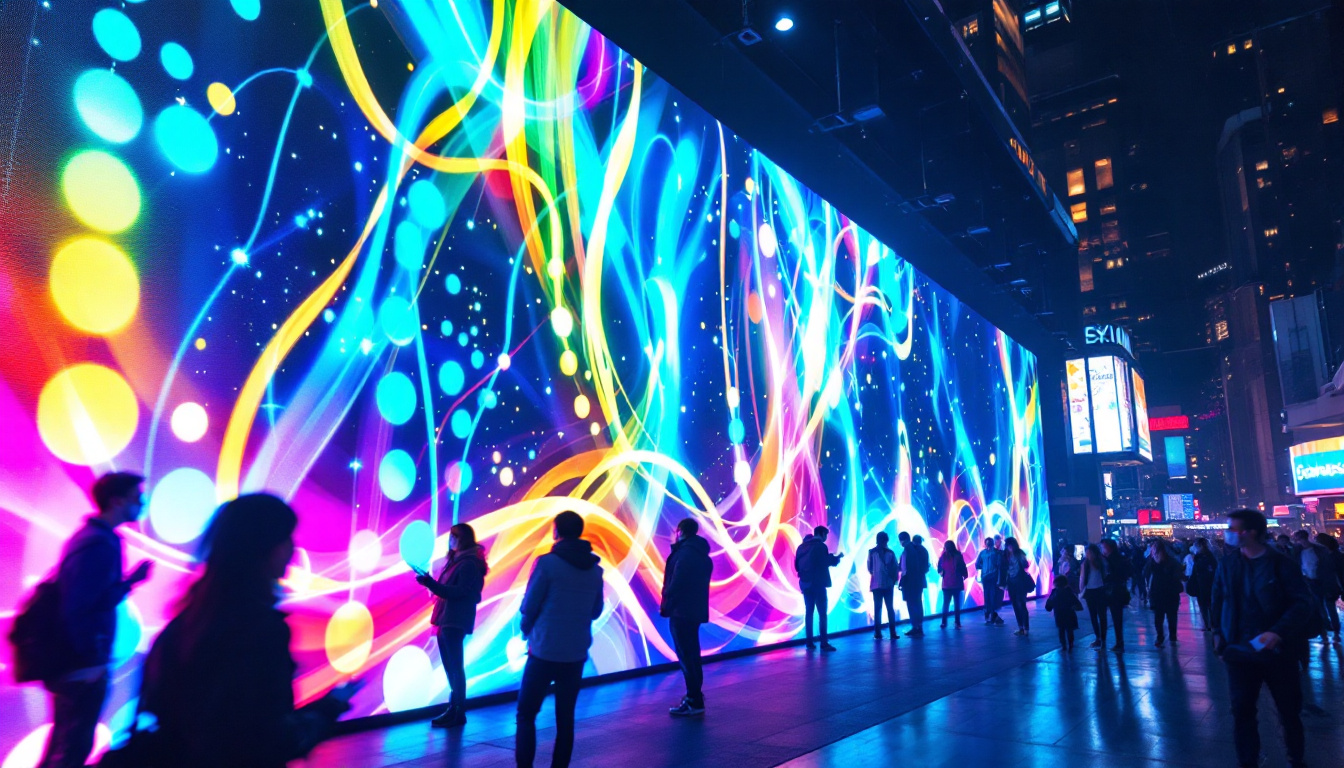
Outdoor LED billboards are now a staple of urban landscapes worldwide. Their ability to display dynamic, eye-catching content attracts more viewers than static signs. Retailers use indoor LED displays to promote products, announce sales, and enhance customer experience.
According to a 2023 report by the Digital Signage Federation, digital signage, predominantly LED-based, has increased advertising engagement rates by up to 30% compared to traditional media.
Sports and Entertainment Venues
LED displays are integral to modern stadiums and arenas, providing real-time scores, replays, and interactive content. Large LED screens enhance the spectator experience by delivering crisp visuals visible from any seat.
Transportation Hubs
Airports, train stations, and bus terminals use LED displays for schedules, alerts, and wayfinding. The high visibility and reliability of LED technology ensure travelers receive timely information.
Corporate and Educational Environments
Businesses and educational institutions utilize LED screens for presentations, digital whiteboards, and event broadcasting. The clarity and responsiveness of LED displays facilitate effective communication and collaboration.
Key Considerations When Choosing an LED Display
Selecting the right LED display requires careful evaluation of several factors to ensure optimal performance and return on investment.
Pixel Pitch and Resolution
The pixel pitch determines the viewing distance and image clarity. Smaller pixel pitches offer higher resolution and are suitable for close-up viewing, while larger pitches are better for distant audiences. Understanding the typical viewing distance is critical for making the right choice.
Brightness and Environmental Conditions
Outdoor displays must have sufficient brightness to overcome ambient light, while indoor screens can operate at lower brightness levels. Additionally, environmental factors such as humidity, temperature, and exposure to elements influence the display’s durability requirements.
Content Management and Connectivity
Modern LED displays often integrate with content management systems (CMS) that allow remote control, scheduling, and updating of displayed content. Ensuring compatibility with existing infrastructure and ease of use is essential for efficient operation.
Installation and Maintenance
Consider the complexity of installation, including mounting, power supply, and ventilation. Maintenance accessibility is also important to minimize downtime and service costs.
Future Trends in LED Display Technology
As technology advances, LED displays continue to evolve, delivering enhanced capabilities and new possibilities.
MicroLED and MiniLED Innovations
MicroLED and MiniLED technologies represent the next generation of LED displays, offering even higher resolution, improved color accuracy, and better energy efficiency. MicroLEDs, with their microscopic size, enable ultra-thin displays with superior performance, poised to compete with OLED technology.
Integration with Augmented Reality (AR)
Emerging applications combine LED displays with AR to create immersive experiences in retail, entertainment, and education. These hybrid solutions allow interactive and context-aware content delivery.
Flexible and Curved LED Screens
Advances in flexible LED panels enable curved, bendable, and even rollable displays. This flexibility opens new design opportunities for architects, advertisers, and event organizers.
Energy Harvesting and Sustainability
Future LED displays are expected to incorporate energy-harvesting technologies and sustainable materials, reducing environmental impact and operational costs.
Conclusion
LED displays have transformed the landscape of digital communication, offering unmatched brightness, durability, and versatility. Whether used for advertising, entertainment, or information dissemination, pantallas digitales LED provide dynamic and engaging visual experiences that capture attention and convey messages effectively.
Understanding the technology behind LED displays, their types, advantages, and applications is essential for businesses and organizations looking to leverage this powerful medium. As innovations continue to emerge, LED displays will remain at the forefront of digital signage and visual communication, shaping the future of how we interact with information and media.
Discover Cutting-Edge LED Display Solutions with LumenMatrix
Ready to elevate your visual communication strategy with the latest in LED display technology? Look no further than LumenMatrix, a pioneer in crafting immersive and vibrant LED display modules tailored to your unique needs. From Indoor and Outdoor LED Wall Displays to specialized solutions like Vehicle, Sports, and Floor LED Displays, LumenMatrix offers an extensive range of products designed to captivate your audience and amplify your brand’s message. Embrace the future of digital signage with our innovative LED Transparent Displays and All-in-One solutions. Check out LumenMatrix LED Display Solutions today and transform the way you connect with your audience.