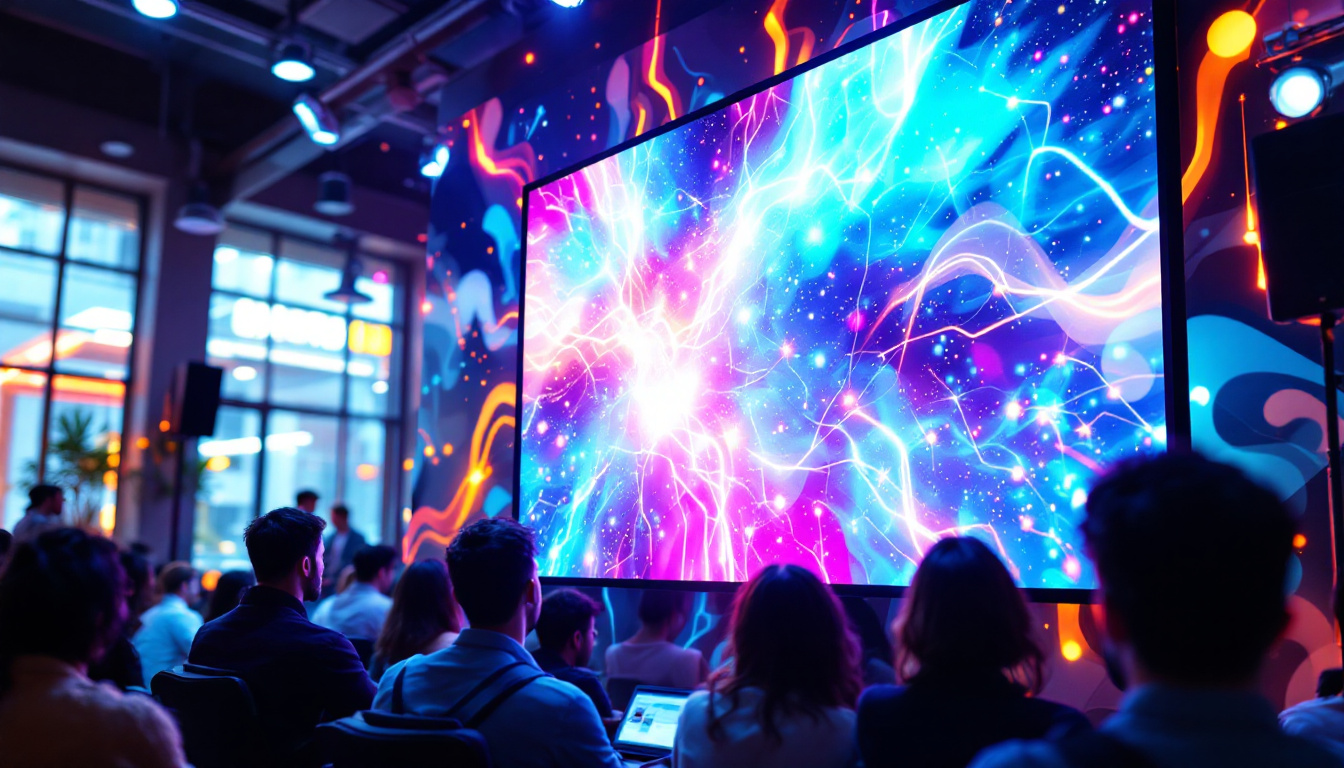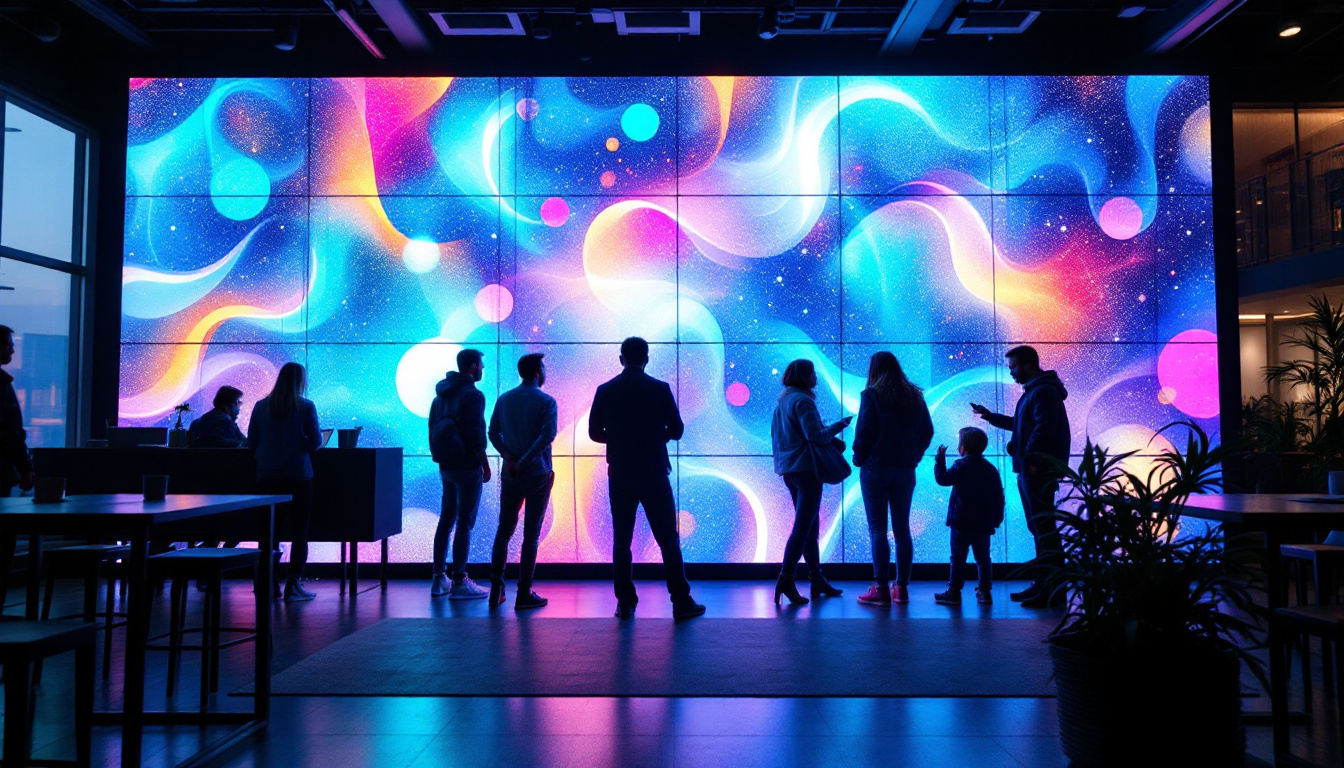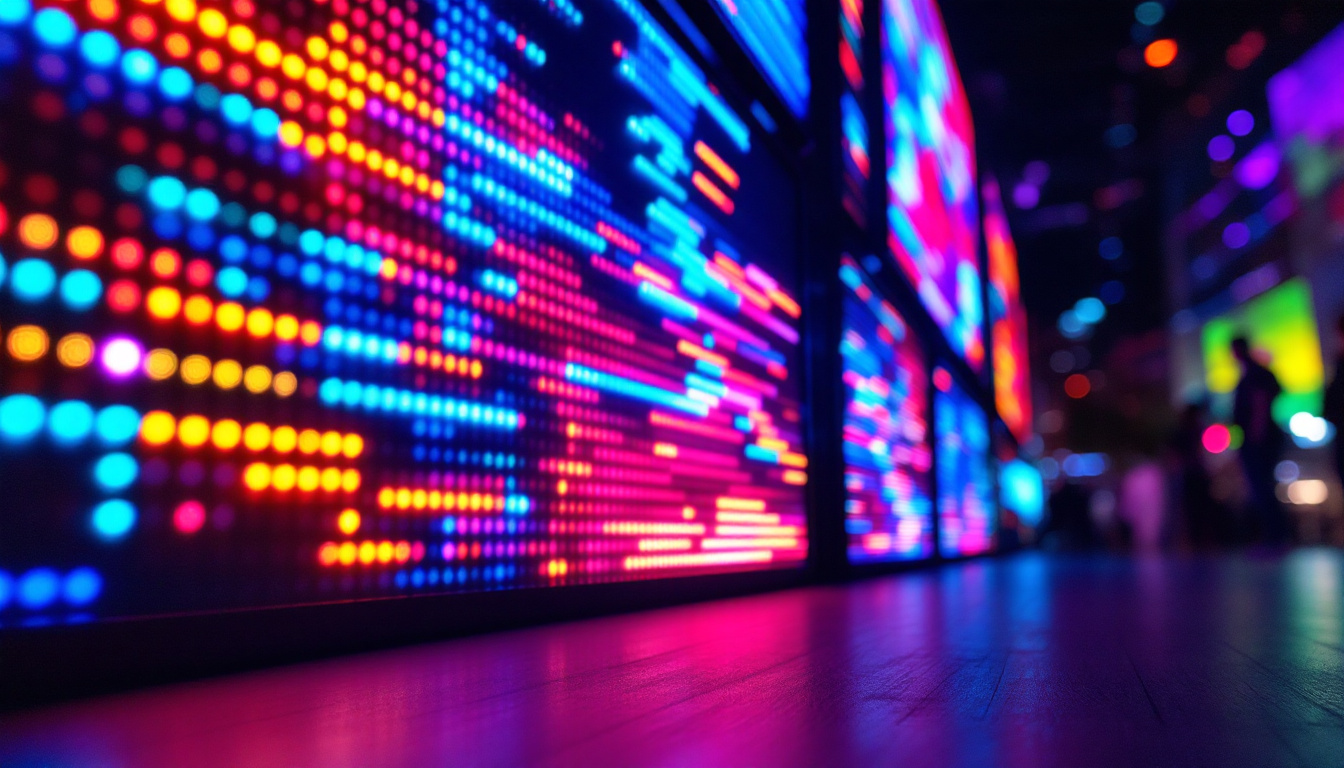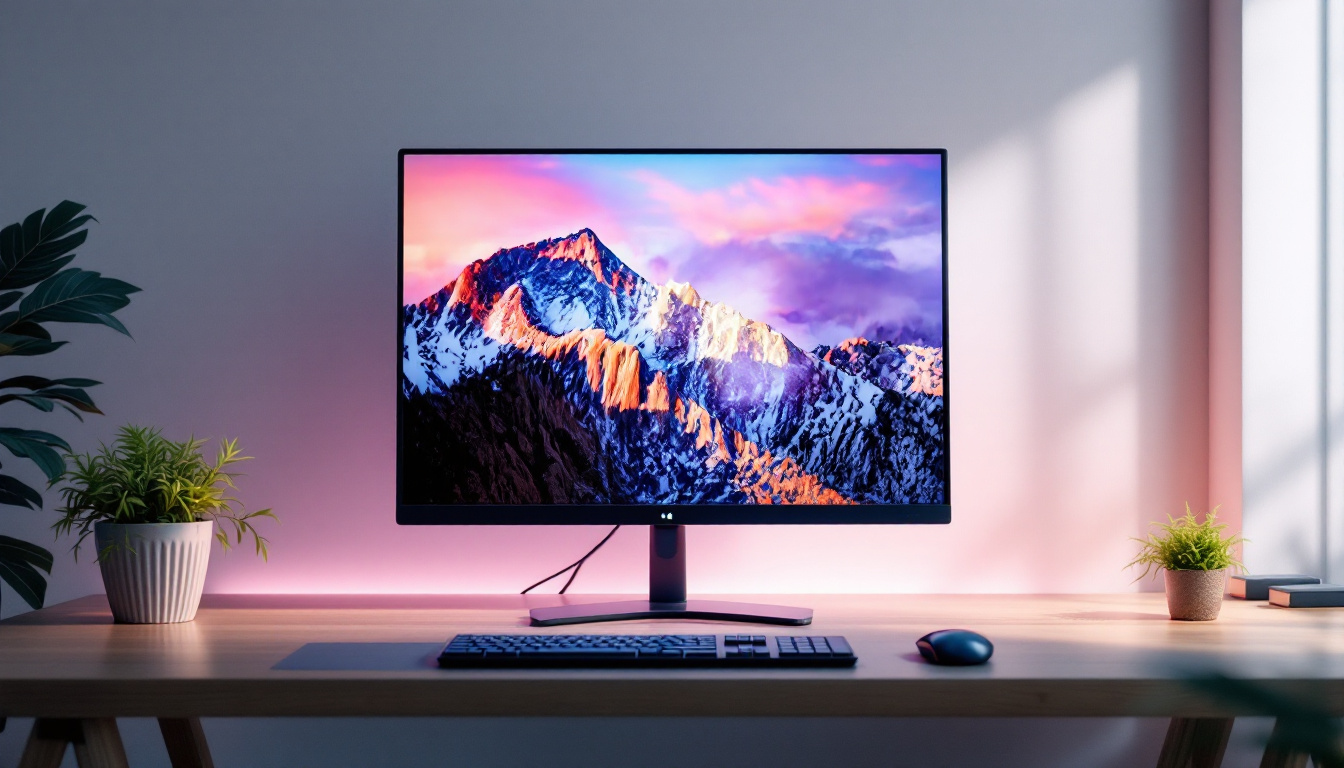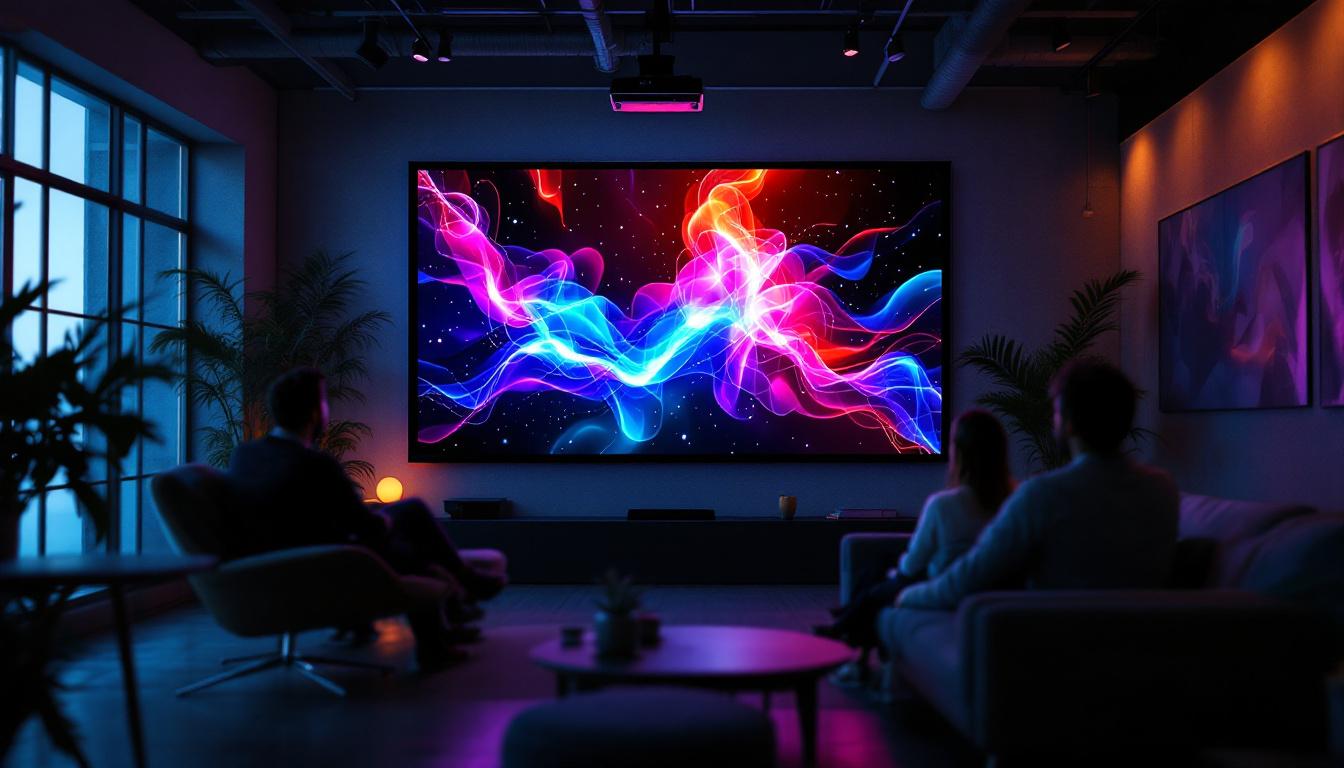
In the realm of large-scale visual displays, the technology behind projector screens has evolved dramatically. Among the most significant advancements is the rise of LED displays, which are increasingly replacing traditional projector screens in various settings, from corporate events and stadiums to outdoor cinemas and digital billboards. This article explores the fundamentals of large projector screens and delves deeply into LED display technology, explaining why it has become a preferred choice for large-format visual presentations.
Understanding Large Projector Screens
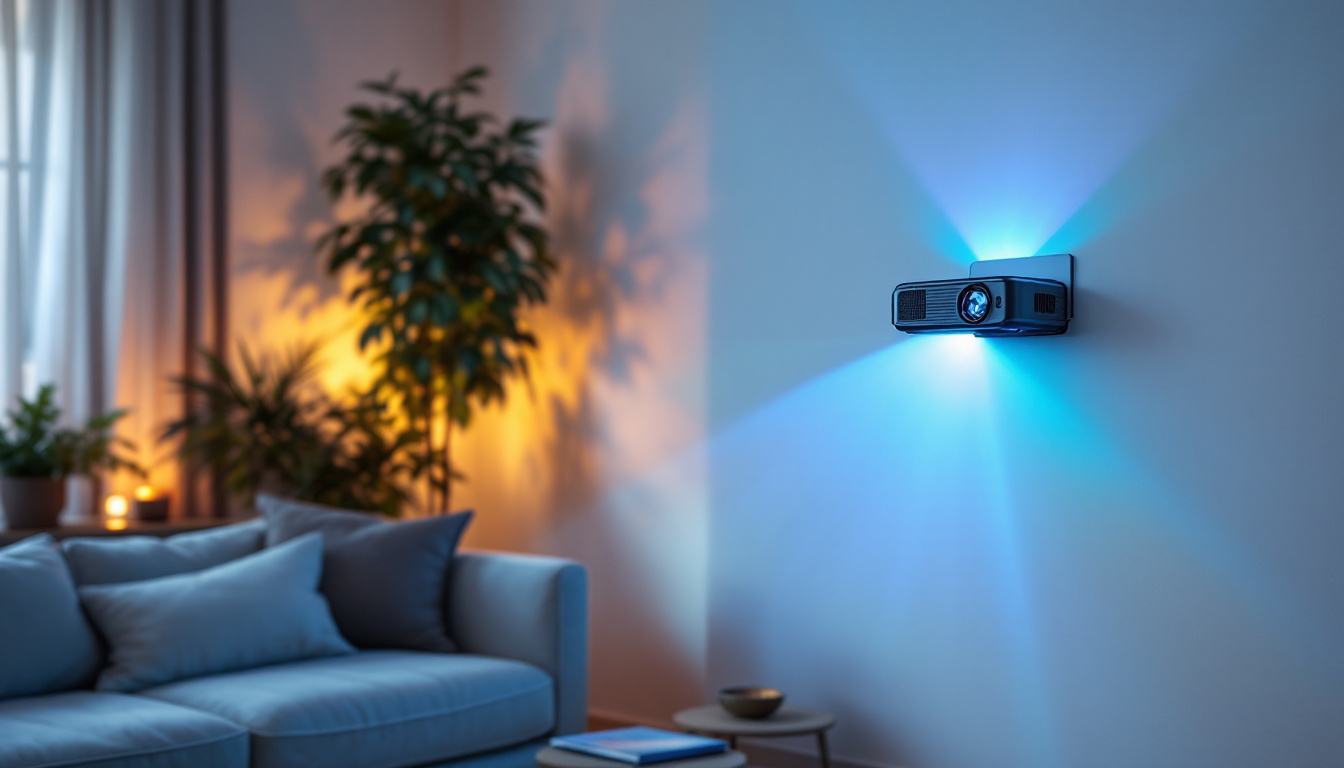
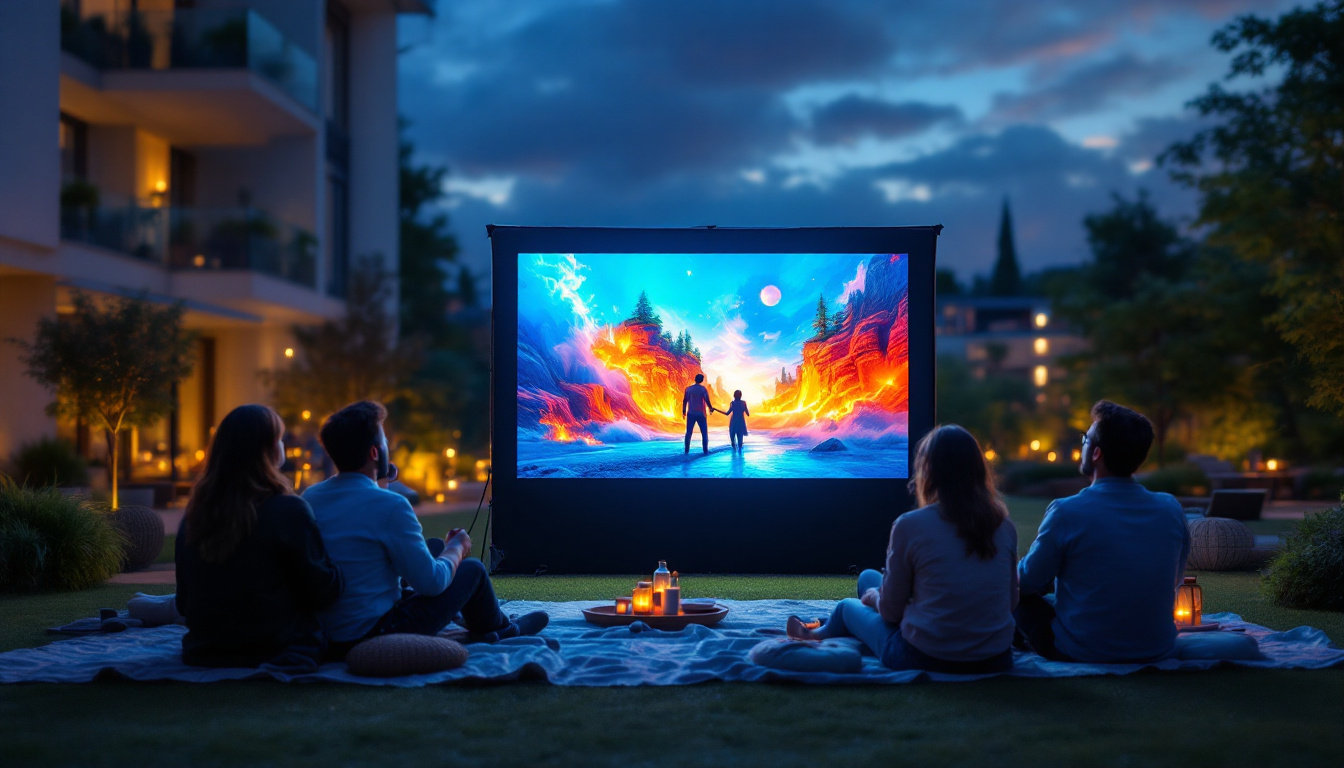
Large projector screens have long been a staple for delivering impactful visual content to sizable audiences. Whether in conference halls, theaters, or outdoor venues, these screens serve as a canvas for projecting images, videos, and presentations. Traditionally, these screens rely on a projector that casts light onto a surface, which then reflects the image to the viewers.
However, the effectiveness of a large projector screen depends on several factors, including screen size, resolution, ambient lighting conditions, and the quality of the projector itself. Larger screens require more powerful projectors to maintain image clarity and brightness, especially in environments with high ambient light.
Despite their widespread use, traditional projector setups have limitations, such as lower brightness levels, potential image distortion, and maintenance challenges like lamp replacements. These factors have paved the way for alternative technologies, with LED displays emerging as a strong contender.
Traditional Projector Screen Challenges
One of the main challenges with traditional projector screens is brightness. Projectors emit light that must be strong enough to overcome ambient light, especially in large or outdoor venues. Even the most powerful projectors can struggle in brightly lit environments, leading to washed-out images and reduced visibility.
Additionally, projector bulbs have a finite lifespan, often requiring replacement after 2,000 to 4,000 hours of use. This adds to maintenance costs and potential downtime. Moreover, the setup can be bulky, requiring precise alignment and calibration to avoid image distortion or keystone effects.
What is an LED Display?
LED stands for Light Emitting Diode, a semiconductor device that emits light when an electric current passes through it. An LED display is a flat panel display that uses an array of LEDs as pixels to create images. Unlike projector screens, which rely on external light sources, LED displays generate their own light, making them self-illuminating.
LED displays can be configured in various sizes and resolutions, making them highly versatile for different applications. From small indoor screens to massive outdoor billboards, LED technology scales effectively without significant loss in image quality.
How LED Displays Work
Each pixel on an LED display consists of one or more LEDs that emit red, green, and blue light. By adjusting the intensity of each color, the display produces a full spectrum of colors, creating vibrant and dynamic images. The pixels are arranged in a grid, and the display’s resolution depends on the density of these pixels, often referred to as pixel pitch.
Pixel pitch is the distance between the centers of two adjacent pixels, measured in millimeters. A smaller pixel pitch means higher pixel density, resulting in sharper images, especially at close viewing distances. For large displays viewed from afar, a larger pixel pitch is acceptable without compromising visual quality.
Advantages of LED Displays Over Traditional Projector Screens
LED displays offer several advantages that make them increasingly popular for large-format visual presentations. These benefits address many of the limitations associated with traditional projector screens and enhance the overall viewing experience.
Brightness and Visibility
One of the most significant advantages of LED displays is their superior brightness. LED panels can achieve brightness levels exceeding 5,000 nits, making them clearly visible even in direct sunlight. In comparison, traditional projectors typically offer brightness levels measured in lumens, which are often insufficient for outdoor or brightly lit environments.
This high brightness ensures that images remain vivid and clear regardless of ambient lighting conditions, making LED displays ideal for outdoor events, stadiums, and digital signage.
Image Quality and Color Accuracy
LED displays provide exceptional color accuracy and contrast ratios. Because each pixel emits its own light, LED screens can achieve true blacks by turning off individual LEDs, resulting in higher contrast and richer colors. This capability is difficult to replicate with projector screens, which rely on reflected light and often suffer from lower contrast.
Furthermore, LED technology supports high dynamic range (HDR) content, enhancing the depth and realism of images. This is particularly beneficial for applications requiring detailed visuals, such as live sports broadcasts, concerts, and immersive presentations.
Durability and Maintenance
LED displays are known for their durability and long lifespan. High-quality LED panels can operate for 50,000 to 100,000 hours before significant brightness degradation occurs. This longevity far exceeds that of projector bulbs, reducing maintenance costs and downtime.
Additionally, LED displays are less susceptible to environmental factors such as dust, temperature fluctuations, and humidity, especially when designed for outdoor use. Their modular construction allows for easy repairs and upgrades, as individual panels can be replaced without dismantling the entire screen.
Flexibility and Installation
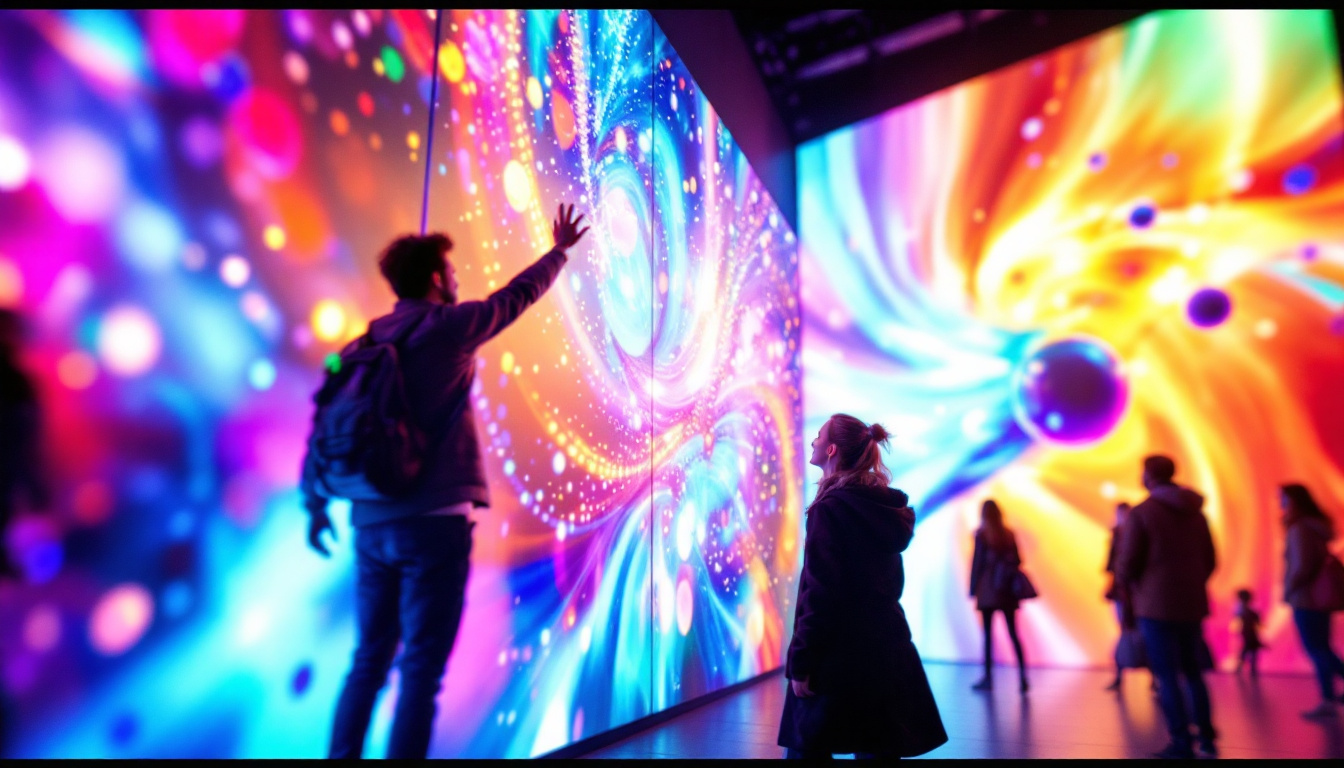
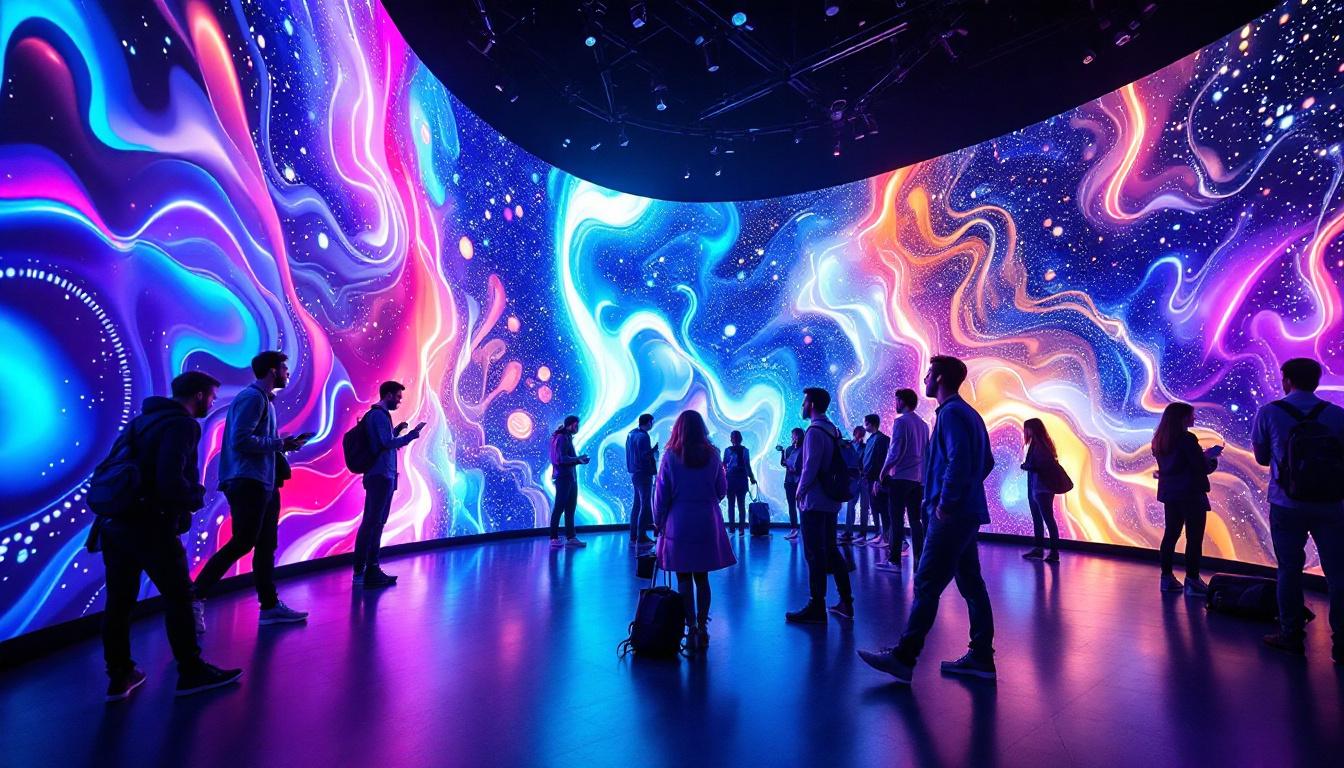
LED displays offer remarkable flexibility in terms of size and shape. They can be configured as seamless video walls, curved screens, or even irregular shapes to fit architectural designs. This adaptability is challenging to achieve with traditional projector screens, which are typically flat and require a projection surface.
Installation is often simpler with LED displays, as they do not require a separate projector or complex alignment. The self-illuminating nature of LEDs means fewer components and less space are needed, making them suitable for venues with limited room.
Applications of Large LED Displays
The versatility of LED displays has led to their adoption across a wide range of industries and settings. Their ability to deliver bright, high-quality images on a large scale makes them indispensable for many applications.
Entertainment and Events
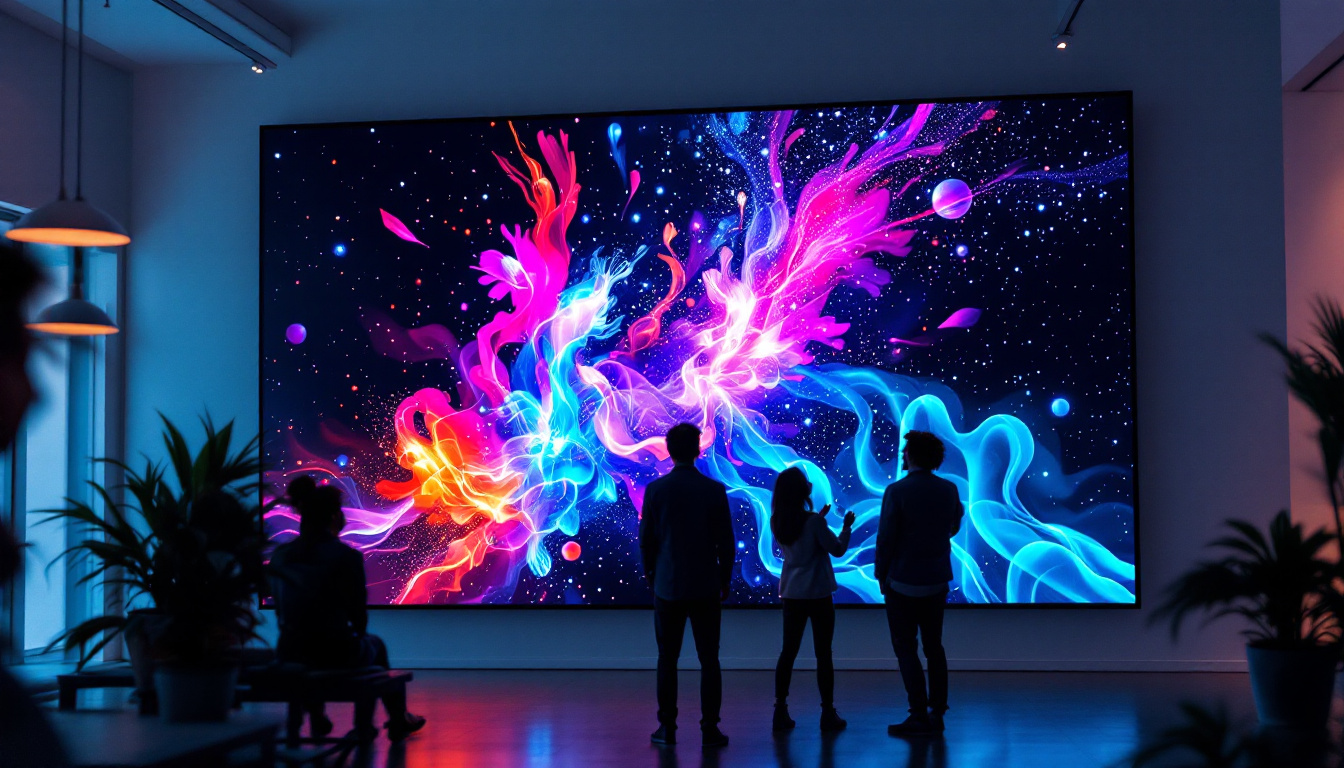
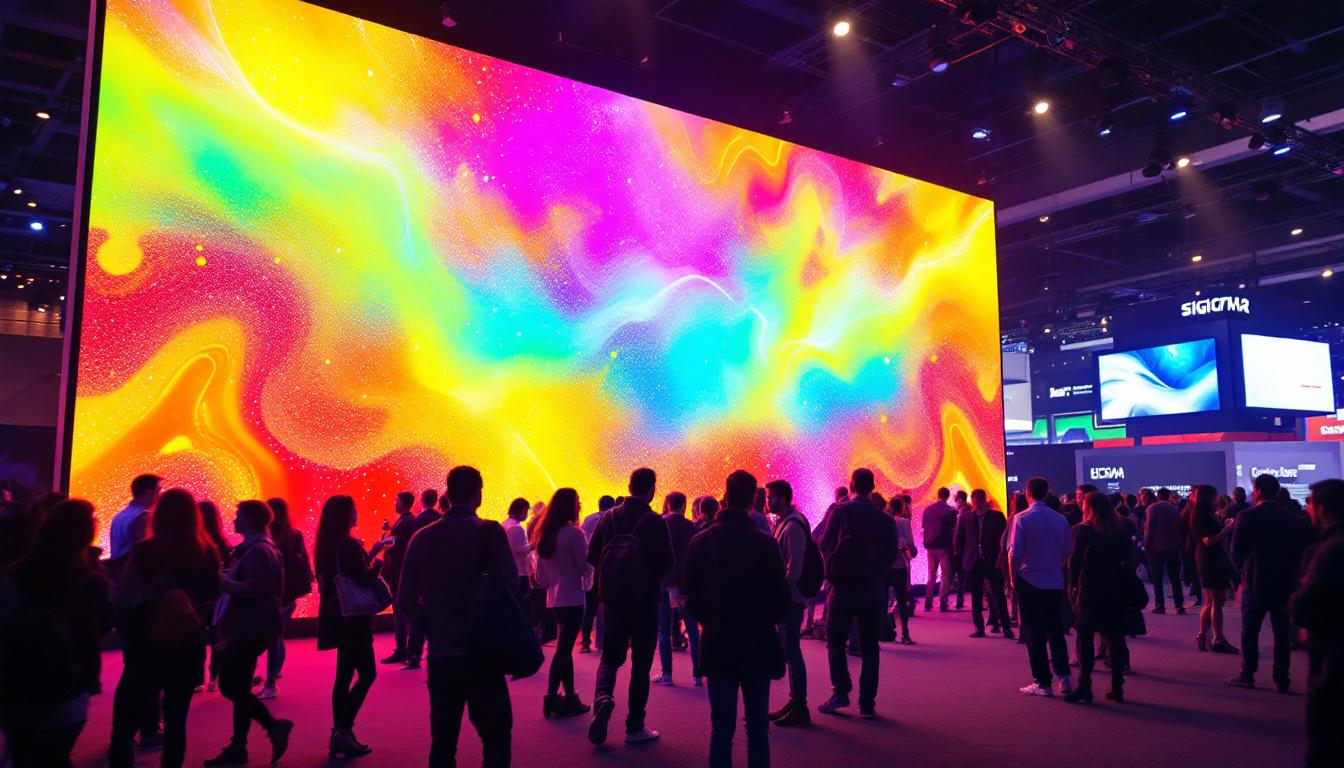
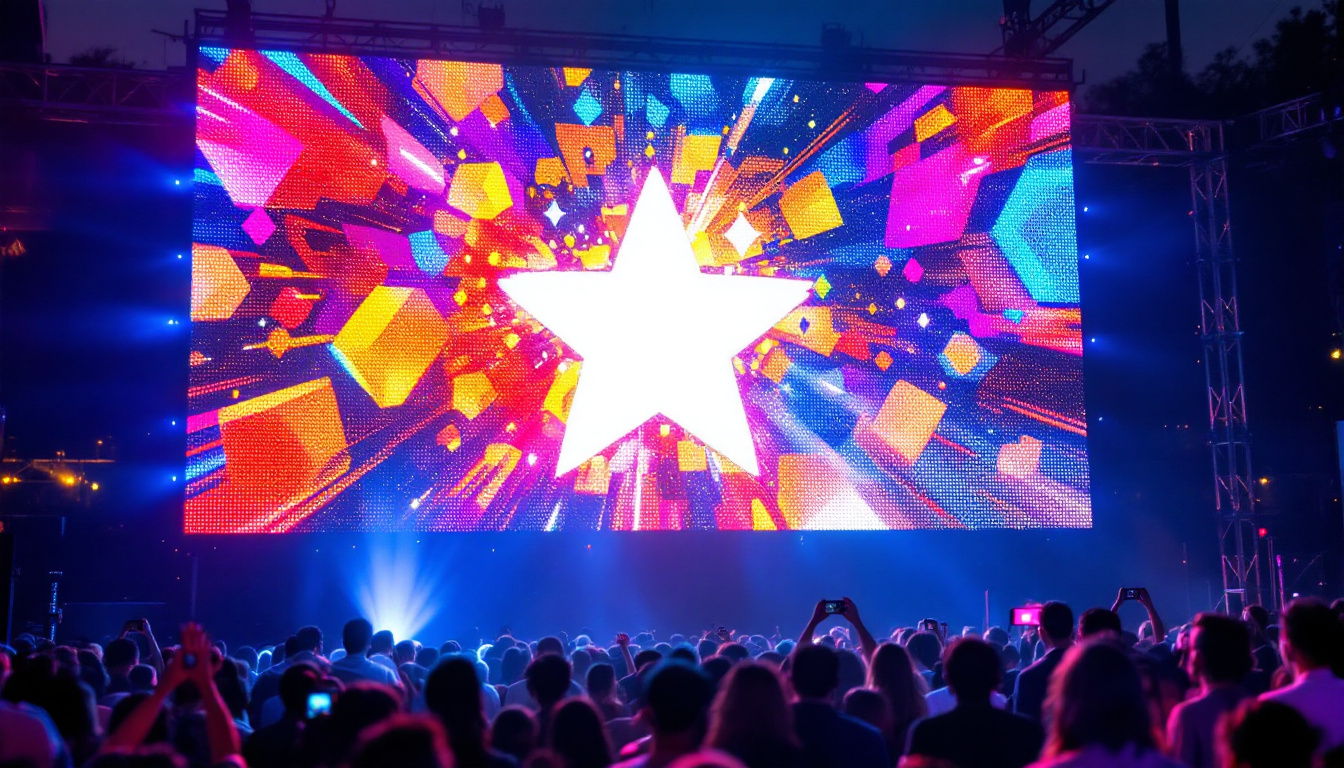
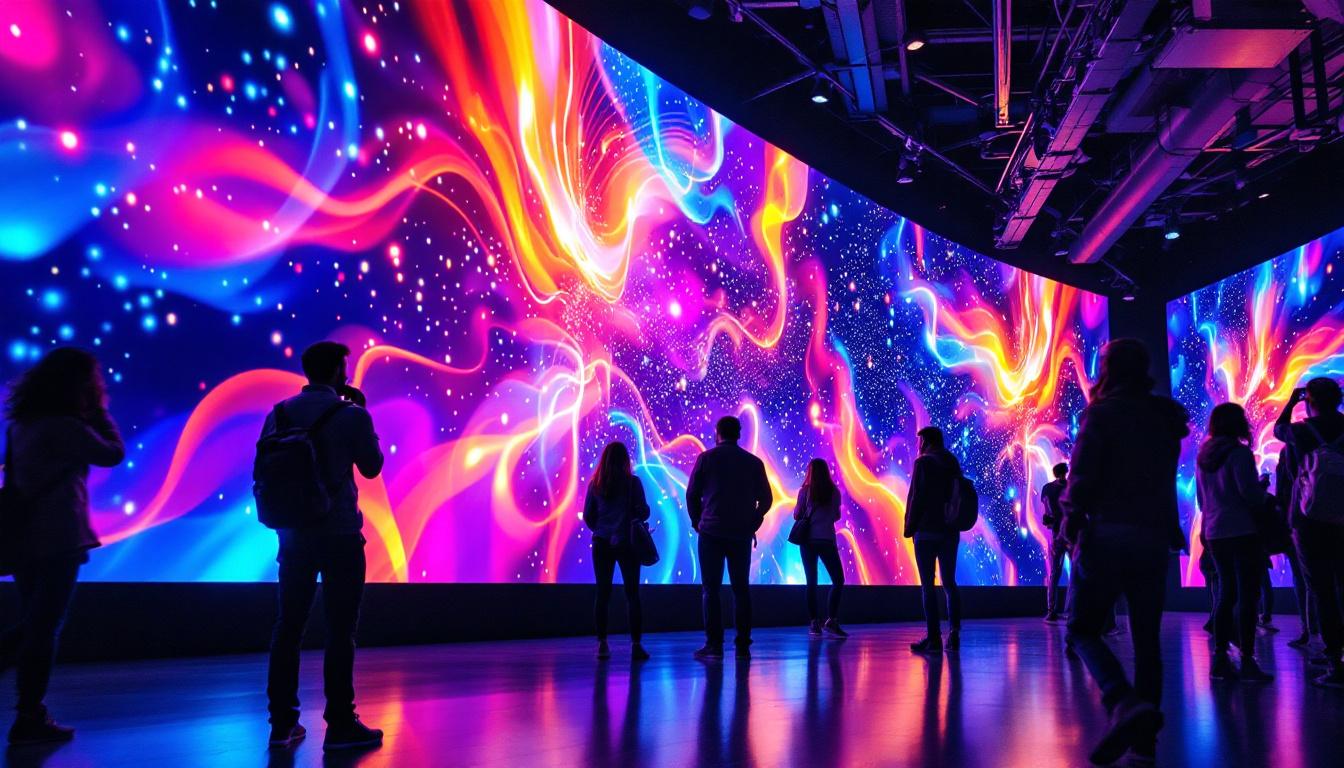
Concerts, festivals, and live events frequently use large LED screens to enhance the audience experience. These displays provide clear visuals of performers, graphics, and live feeds, even in vast outdoor arenas. For example, the Coachella Valley Music and Arts Festival employs massive LED walls to ensure attendees can see the stage from any vantage point.
Similarly, theaters and cinemas are experimenting with LED screens to replace traditional projection systems, offering brighter and more immersive viewing experiences.
Sports Venues
Stadiums and arenas utilize large LED displays for scoreboards, instant replays, and advertising. The high brightness and durability of LED screens make them ideal for outdoor sports venues exposed to sunlight and weather. The Dallas Cowboys’ AT&T Stadium features one of the largest indoor LED video boards, measuring 160 feet wide and 72 feet tall, showcasing the potential scale of LED technology.
Corporate and Educational Settings
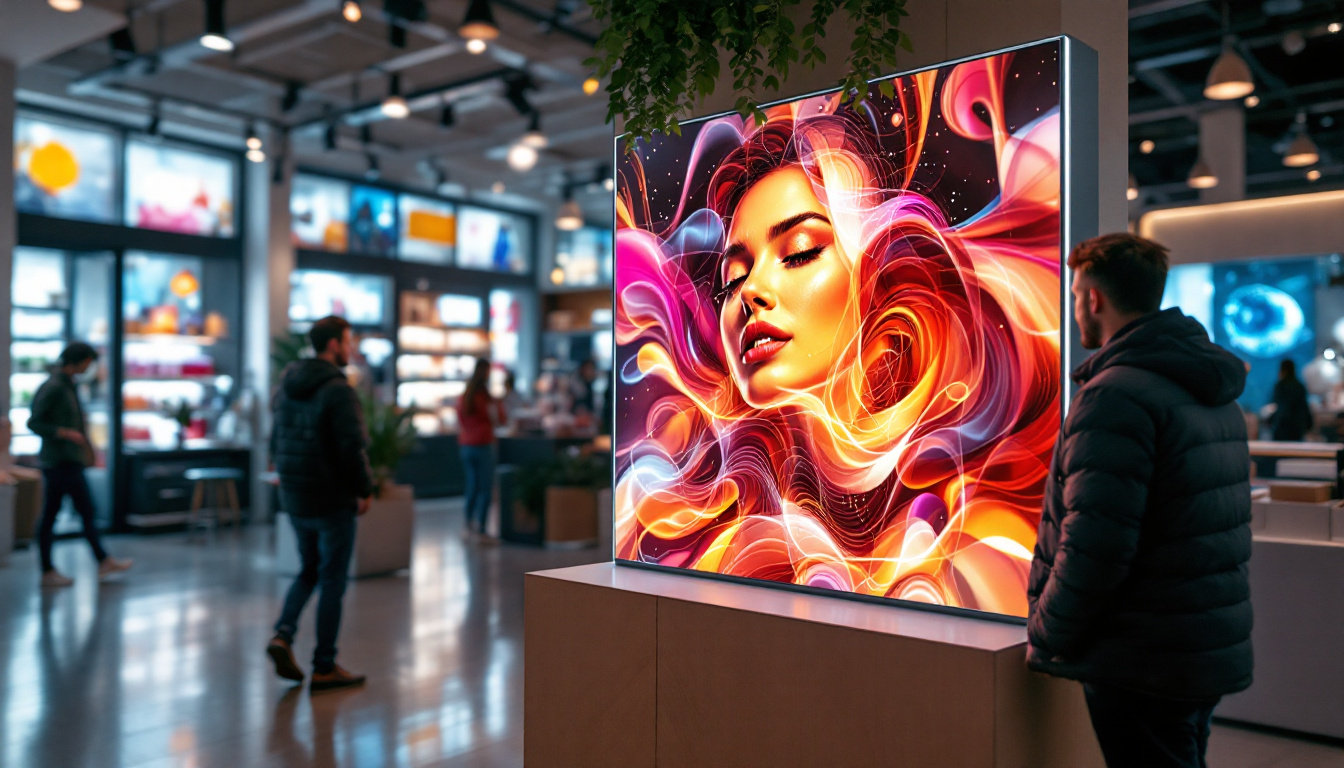
In corporate environments, LED displays are used for presentations, digital signage, and video conferencing. Their clarity and flexibility improve communication and engagement during meetings and conferences. Educational institutions also benefit from LED screens in auditoriums and lecture halls, providing clear visuals for large audiences.
Advertising and Digital Signage
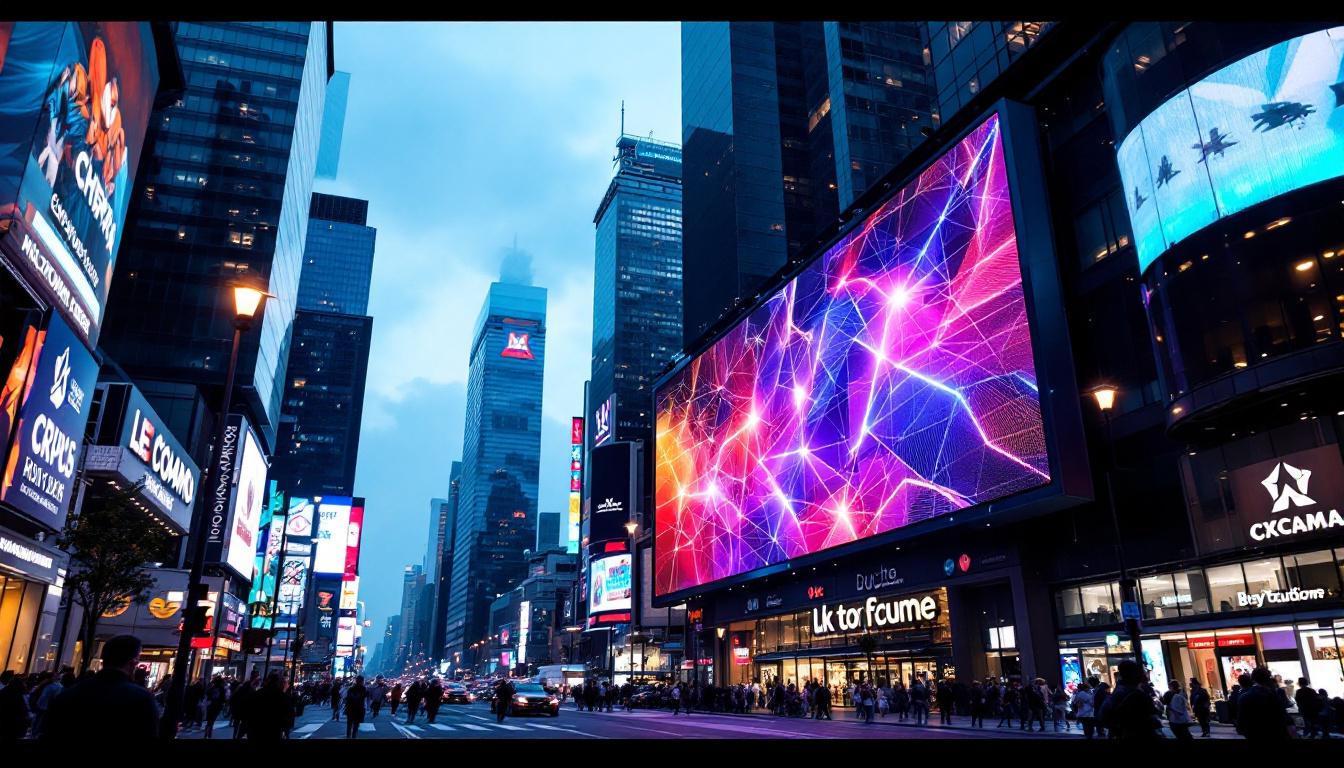
Digital billboards and signage are among the fastest-growing applications for LED displays. Their ability to display dynamic content attracts more attention than static signs. According to a 2023 report by Grand View Research, the global digital signage market is expected to reach $32 billion by 2028, driven largely by LED technology adoption.
Considerations When Choosing Between LED Displays and Projector Screens
While LED displays offer many advantages, selecting the right technology depends on specific needs, budget, and environmental factors. Understanding these considerations helps organizations make informed decisions.
Cost Factors
LED displays generally have a higher upfront cost than traditional projector setups, especially for very large screens with high resolution. However, the total cost of ownership can be lower over time due to reduced maintenance and longer lifespan.
Projectors and screens can be more affordable initially, but replacement bulbs, calibration, and potential downtime add to operational expenses. Budget constraints and usage frequency should guide the investment decision.
Viewing Environment
The ambient lighting conditions play a crucial role in determining the suitable display technology. For indoor environments with controlled lighting, projectors can still provide excellent image quality at a lower cost. Conversely, outdoor or brightly lit venues benefit significantly from the high brightness and durability of LED displays.
Installation and Space Requirements
Projector systems require space for the projector itself, often positioned at a distance from the screen, and need careful alignment. LED displays are more compact and can be installed closer to the audience, offering more flexibility in venue design.
Content and Resolution Needs
For applications demanding ultra-high resolution and fine detail, such as detailed presentations or close-up viewing, LED displays with a small pixel pitch are preferable. Projectors may struggle to deliver the same sharpness on very large screens.
The Future of Large Projector Screens and LED Displays
As LED technology continues to advance, its dominance in large-format displays is expected to grow. Innovations such as microLED and miniLED promise even higher brightness, better energy efficiency, and thinner, lighter panels.
Moreover, the integration of smart technologies and AI-driven content management systems enhances the interactivity and customization of LED displays. These developments open new possibilities for immersive experiences in entertainment, advertising, education, and beyond.
While traditional projector screens remain relevant in certain contexts, the trend toward LED displays reflects a broader shift toward more vibrant, durable, and versatile visual solutions.
Conclusion
Large projector screens have been essential tools for delivering visual content to broad audiences, but the emergence of LED display technology has transformed the landscape. Offering superior brightness, image quality, durability, and flexibility, LED displays address many limitations of traditional projector systems.
From entertainment venues and sports stadiums to corporate settings and digital advertising, LED displays provide compelling advantages that justify their growing adoption. When choosing between projector screens and LED displays, factors such as budget, environment, and content requirements must be carefully weighed.
As technology evolves, LED displays are poised to become the standard for large-scale visual presentations, delivering immersive and impactful experiences that captivate audiences worldwide.
Discover LumenMatrix’s Advanced LED Display Solutions
Ready to elevate your visual presentations with the latest in LED display technology? LumenMatrix offers a comprehensive range of innovative solutions tailored to your needs. Whether you’re looking for Indoor LED Wall Displays, Outdoor LED Wall Displays, or specialized options like Vehicle LED Displays and LED Sports Displays, LumenMatrix has you covered. Experience the future of visual communication with our Floor LED Displays, Custom LED Displays, All-in-One LED Displays, and LED Transparent Displays. Check out LumenMatrix LED Display Solutions today and transform how you engage with your audience.