In today’s fast-paced digital world, audiovisual technology plays a crucial role in communication, advertising, and entertainment. Among the many display technologies available, LED displays have emerged as a popular choice for their vibrant visuals, energy efficiency, and versatility. This article delves into the fundamentals of LED displays, explores why they have become an affordable audiovisual solution, and highlights their applications across various industries.
Understanding LED Display Technology
What Is an LED Display?
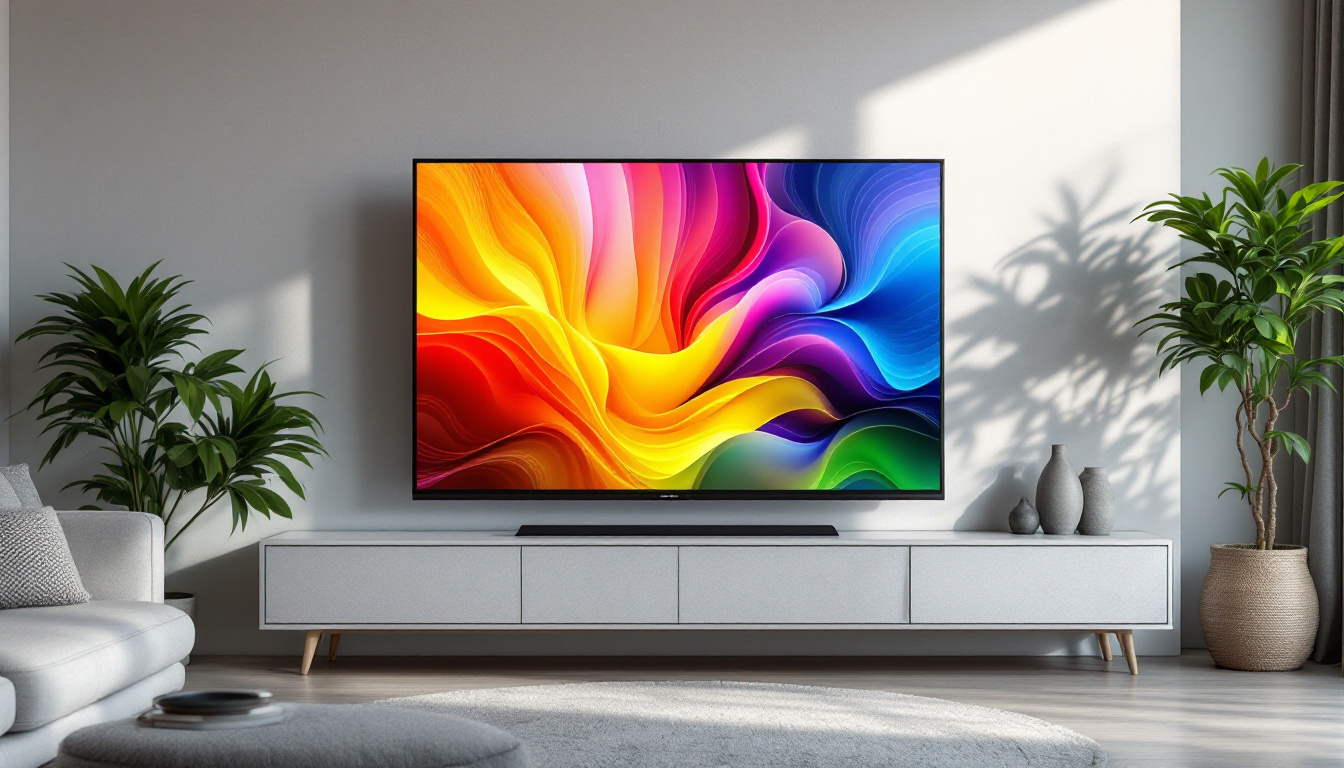
LED, or Light Emitting Diode, displays are screens composed of numerous tiny light sources called diodes. These diodes emit light when an electric current passes through them, creating images and videos visible to the human eye. Unlike traditional LCD or plasma screens, LED displays use these diodes directly as the light source, which results in brighter images and better contrast. This technology allows for deeper blacks and more vivid colors, enhancing the overall viewing experience.
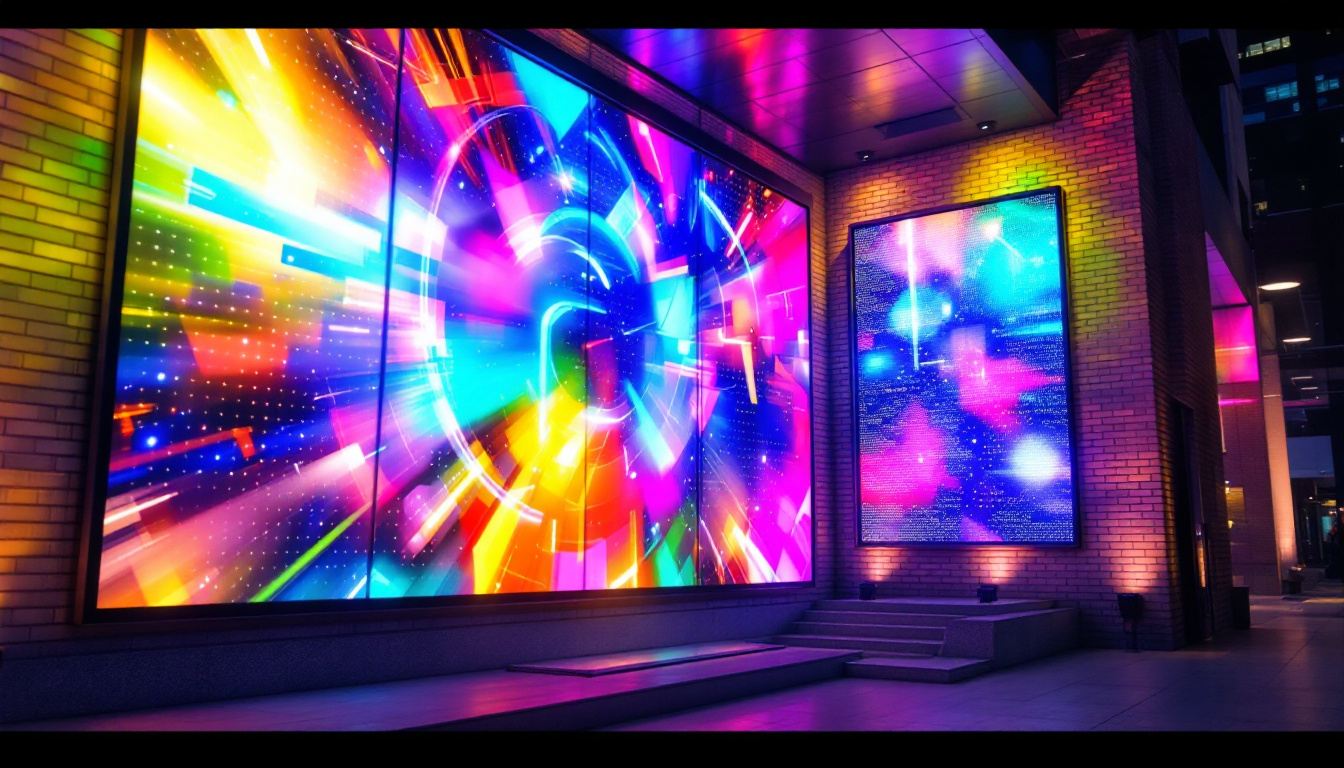
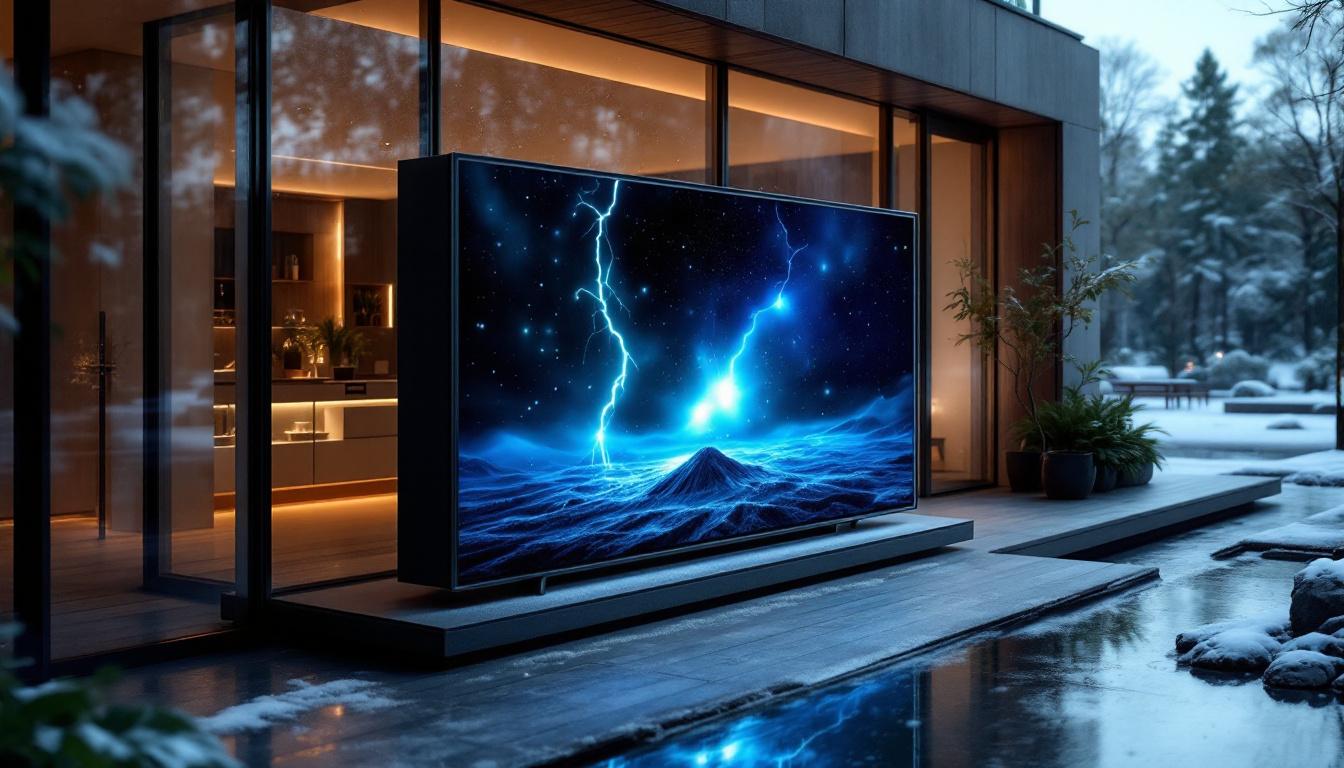
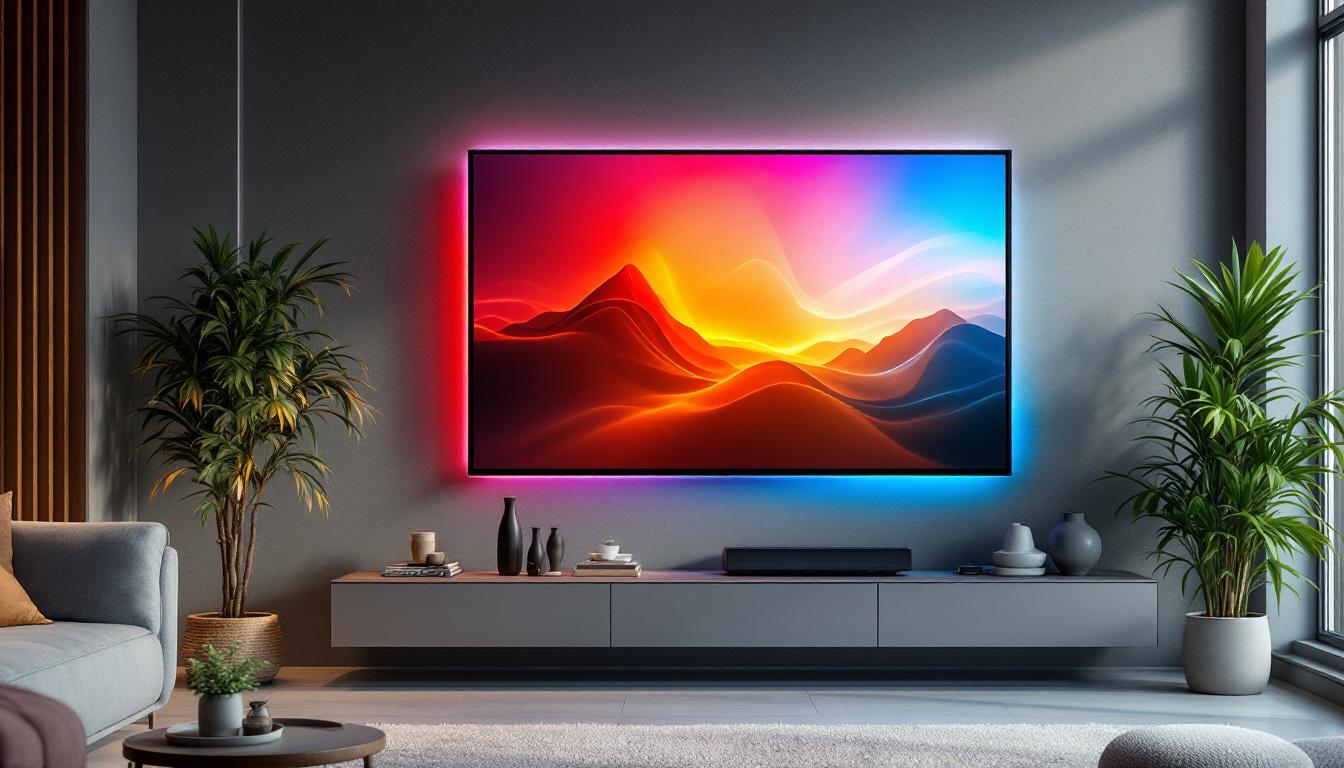
LED displays come in various forms, including indoor and outdoor panels, flexible screens, and even transparent displays. Their modular construction allows for customization in size and shape, making them suitable for a wide range of environments. For instance, outdoor LED displays are designed to withstand harsh weather conditions, featuring protective coatings and enhanced brightness to combat sunlight glare. In contrast, indoor displays focus on high resolution and color accuracy to deliver stunning visuals in retail spaces, conference rooms, and entertainment venues.
How Do LED Displays Work?
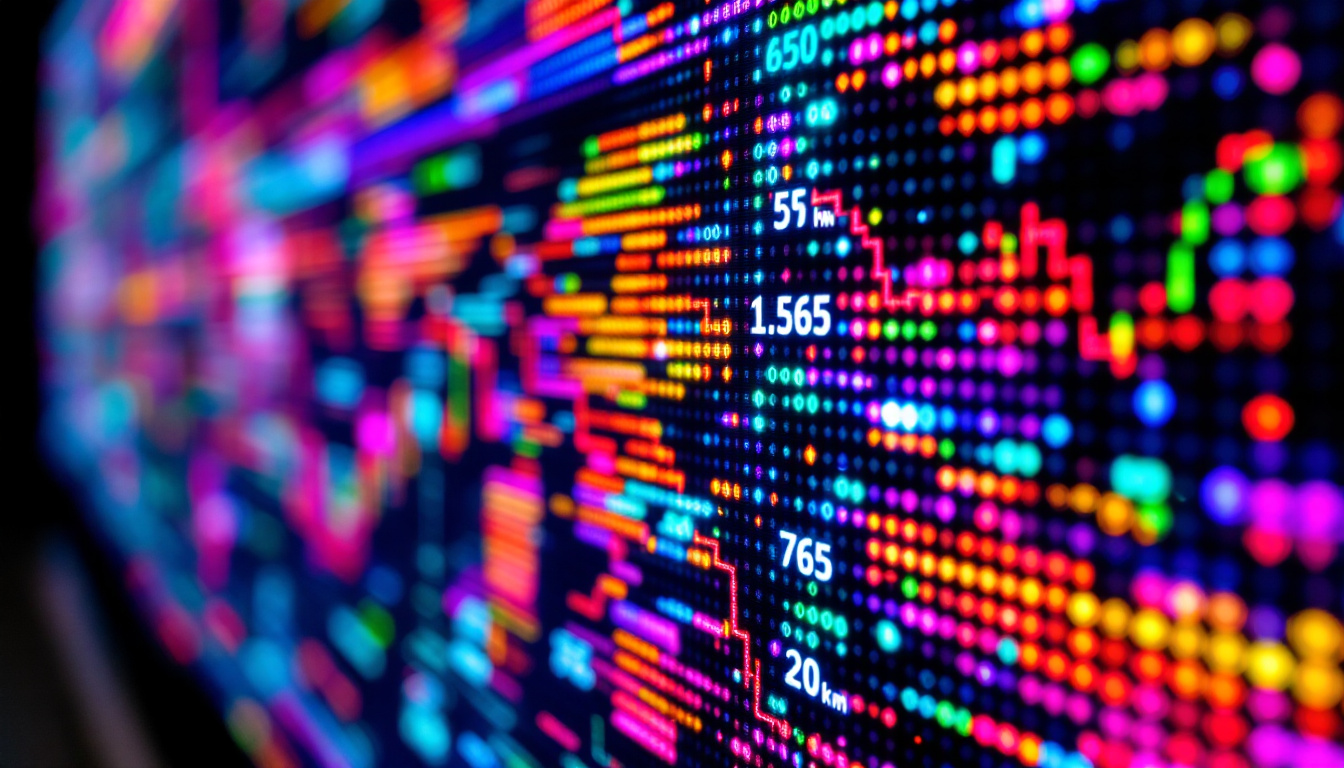
Each LED display consists of pixels made up of red, green, and blue diodes. By adjusting the intensity of each diode, the display can produce a full spectrum of colors. The combination of these colors at different brightness levels creates the images and videos seen on the screen. This additive color mixing is fundamental to how LED displays generate the vibrant visuals that captivate audiences.
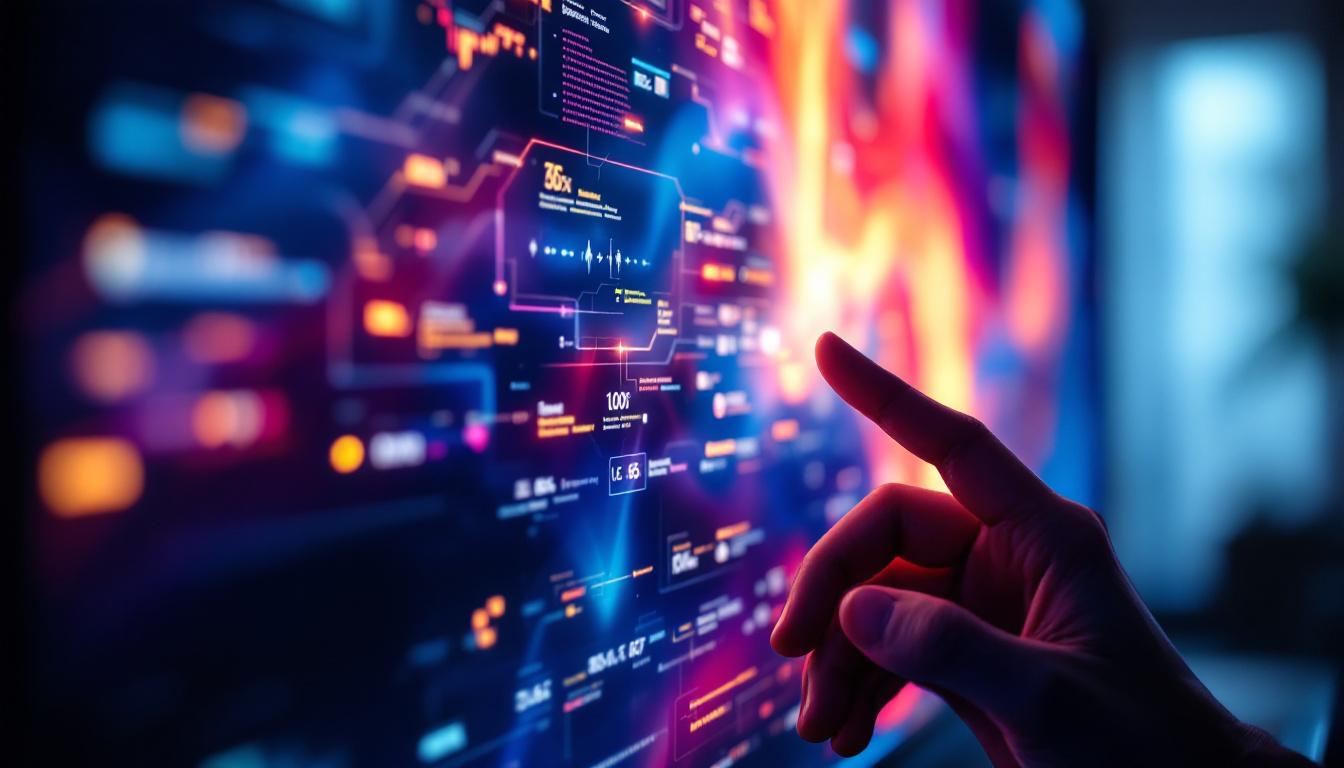
Modern LED displays use advanced control systems to manage pixel brightness and color accuracy. These systems ensure smooth image transitions and high refresh rates, which are essential for dynamic content such as videos and animations. Additionally, many LED displays incorporate technologies like HDR (High Dynamic Range) to enhance the contrast and color range even further, providing a more lifelike viewing experience. Furthermore, with the rise of smart LED displays, features such as wireless connectivity and integrated sensors are becoming commonplace, allowing for interactive applications and real-time content updates, which are particularly beneficial in advertising and information dissemination.
Why LED Displays Are an Affordable Audiovisual Solution
Cost Efficiency Over Time
While the initial investment in LED displays can be higher compared to some other technologies, their long-term cost efficiency makes them an affordable option. LED displays consume less power than traditional lighting and display systems, which significantly reduces electricity bills, especially for large-scale installations.
Moreover, LEDs have a longer lifespan, often exceeding 50,000 hours of operation. This durability means fewer replacements and lower maintenance costs, contributing to overall savings. In addition to their longevity, LED displays are resistant to shock and vibration, making them ideal for environments where durability is paramount, such as outdoor venues or high-traffic areas. This resilience further enhances their cost-effectiveness, as businesses can avoid the frequent repairs and replacements that other display technologies might require.
Scalability and Customization
One of the most compelling reasons for the affordability of LED displays is their modular design. Businesses can start with a smaller setup and expand as needed without replacing the entire system. This scalability allows for budget-friendly upgrades and adjustments based on evolving needs. For instance, a company might begin with a modest display for internal communications and later expand to a larger, more complex setup for public advertising or event broadcasting, all while maintaining budget control.
Customization also extends to pixel pitch—the distance between individual LEDs—which affects resolution and viewing distance. Choosing the right pixel pitch enables users to balance cost and image quality according to their specific application, avoiding unnecessary expenses. Furthermore, many manufacturers offer a range of configurations and sizes, allowing businesses to tailor their displays to fit unique spaces and branding requirements, ensuring that the investment aligns perfectly with their vision and operational goals.
Reduced Installation and Operational Costs
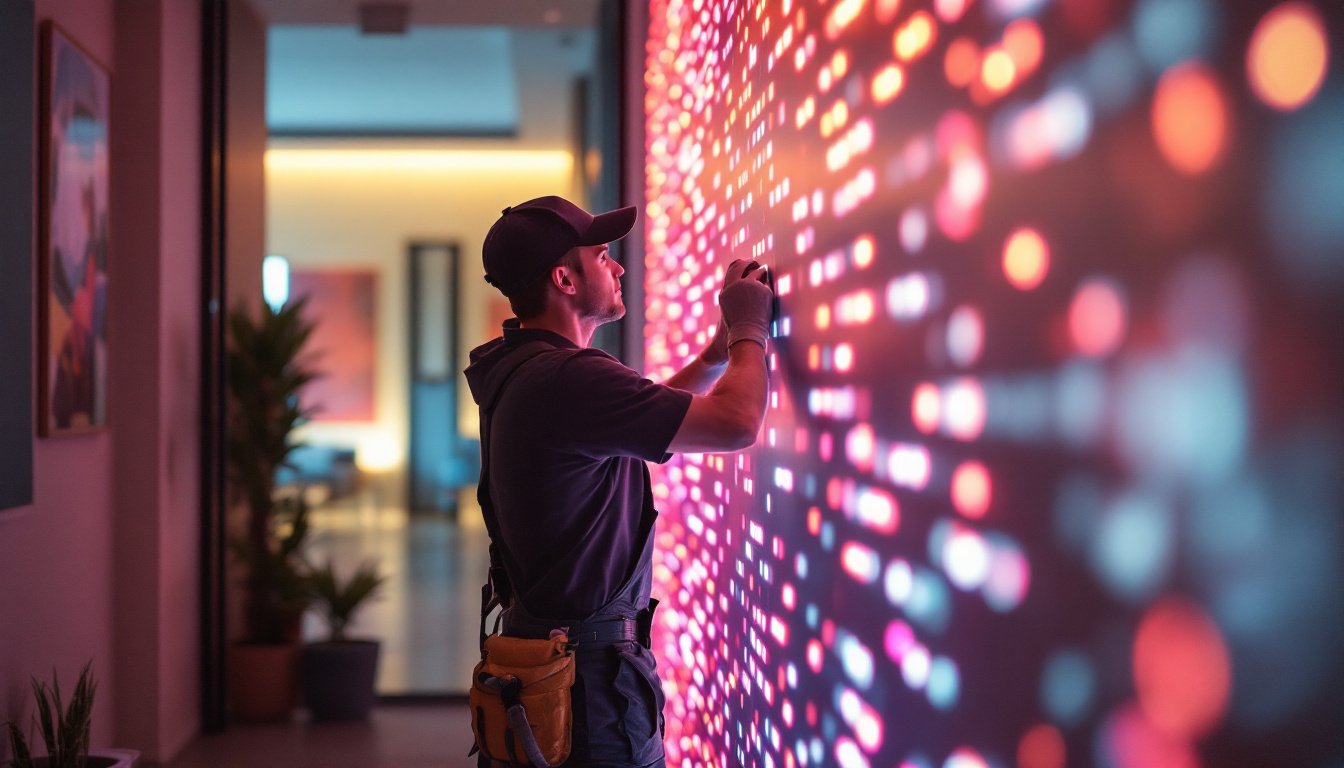
LED displays are lightweight and relatively easy to install compared to older technologies like projection systems or bulky LCD panels. This ease of installation reduces labor costs and downtime. The modular nature of LED displays also means that if one section needs to be replaced or upgraded, it can be done without disrupting the entire system, further enhancing operational efficiency.
Additionally, LED displays generate less heat, which minimizes the need for extensive cooling systems. This factor not only lowers installation complexity but also contributes to energy savings during operation. The lower thermal output of LEDs can lead to a more comfortable environment, particularly in venues where large displays are used, such as concert halls or sports arenas. This can enhance the overall experience for both the audience and the staff, as they benefit from a more stable climate and reduced energy demands, reinforcing the financial advantages of choosing LED technology.
Applications of LED Displays Across Industries
Retail and Advertising
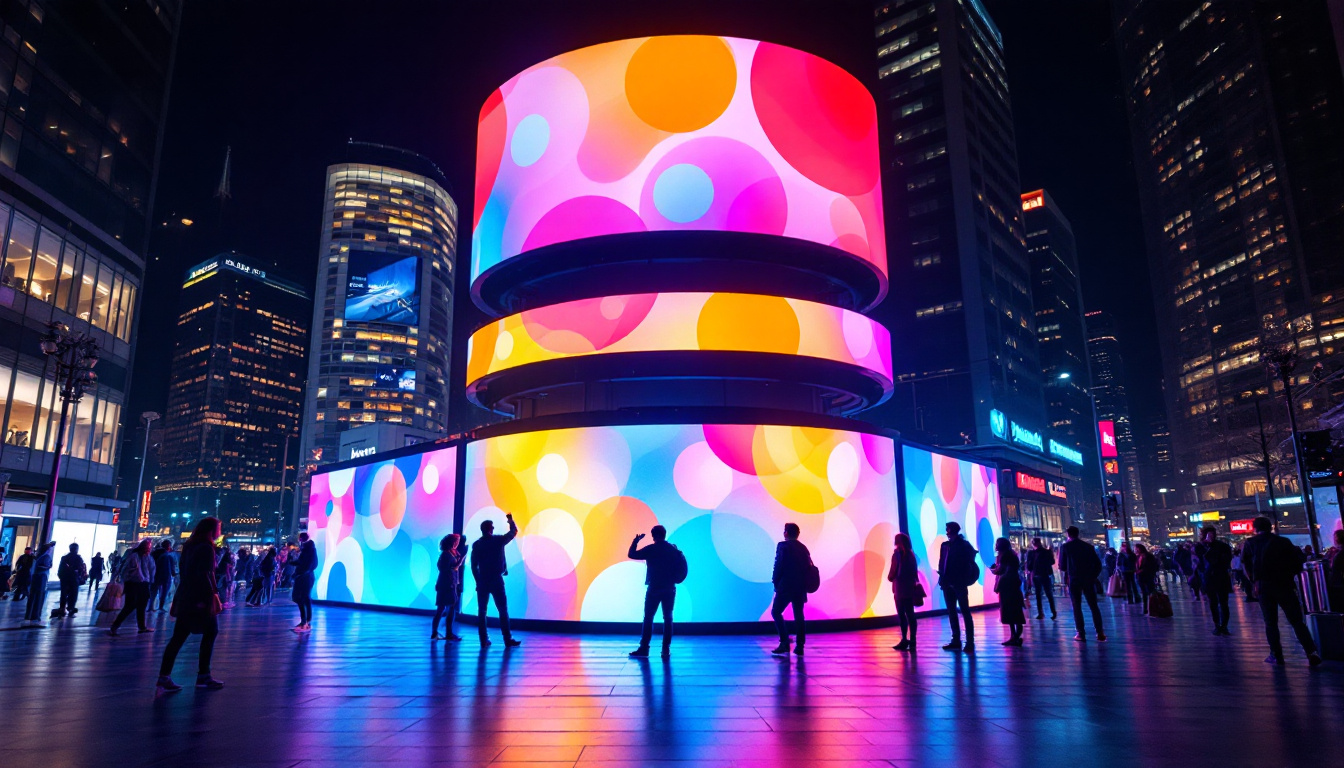
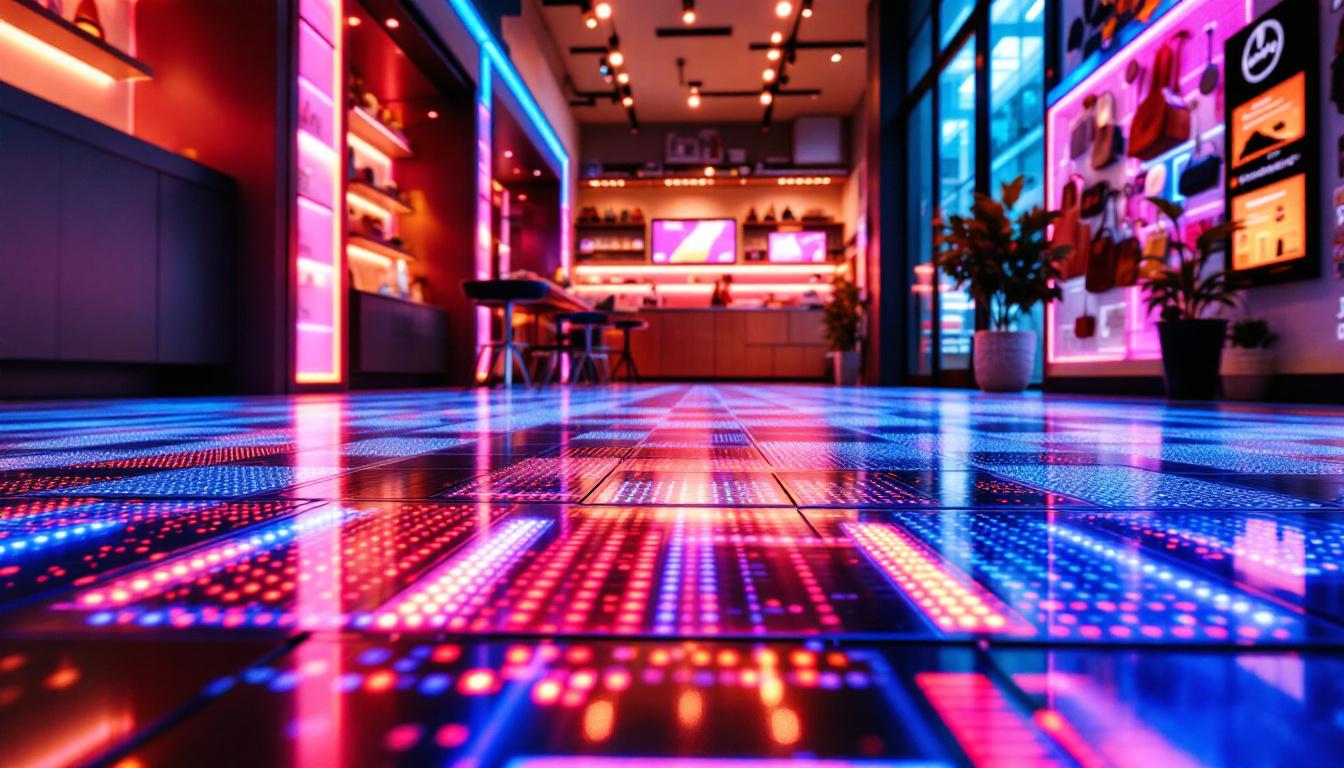
In retail environments, LED displays are transforming the way brands engage with customers. Their bright, eye-catching visuals attract attention and enhance the shopping experience. Digital signage powered by LED technology allows retailers to update promotions in real-time, tailor content to different audiences, and create immersive brand experiences.
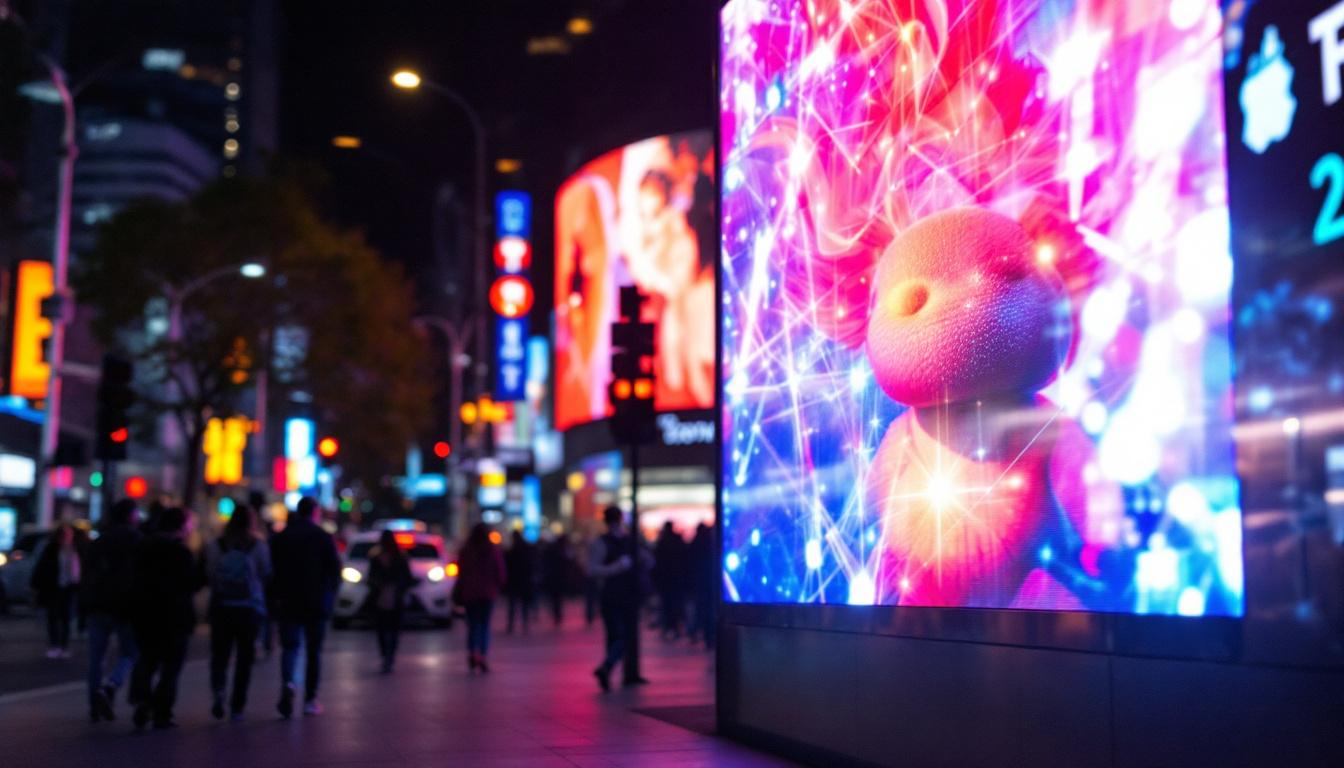
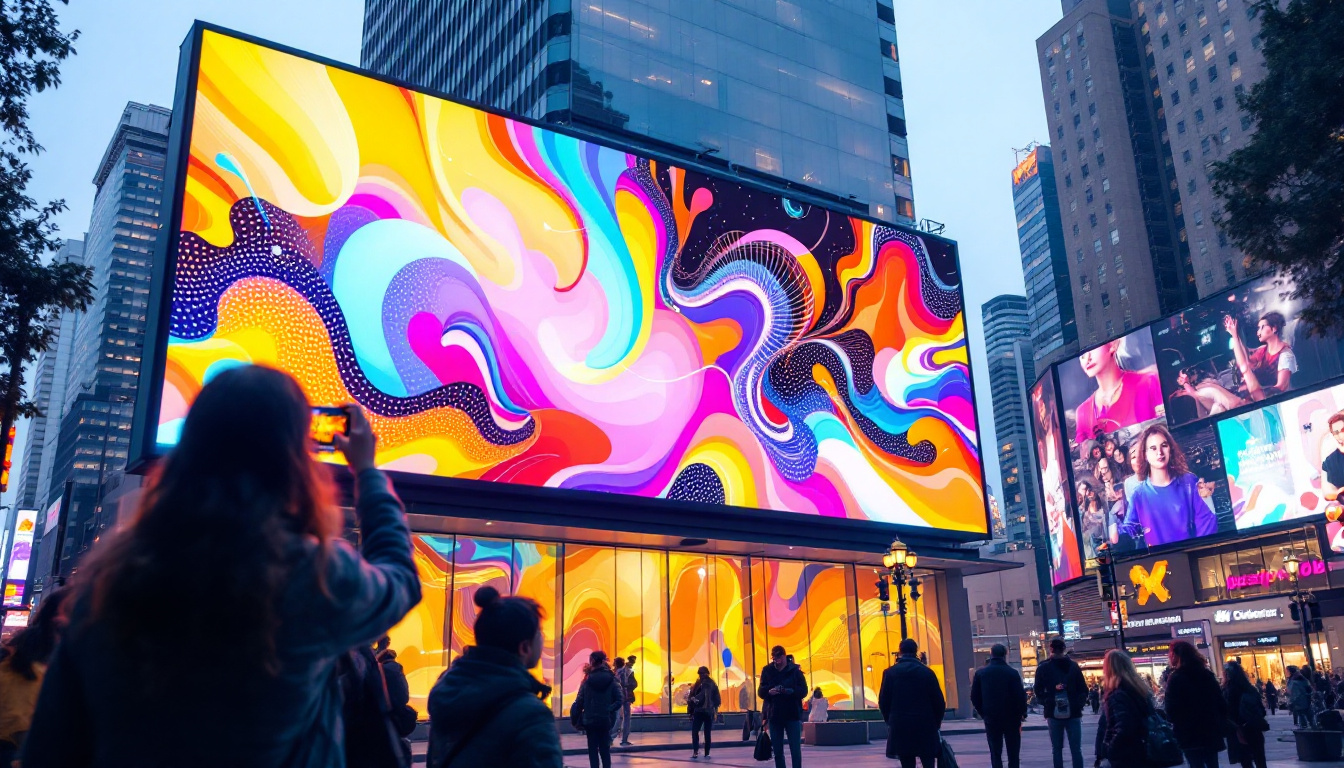
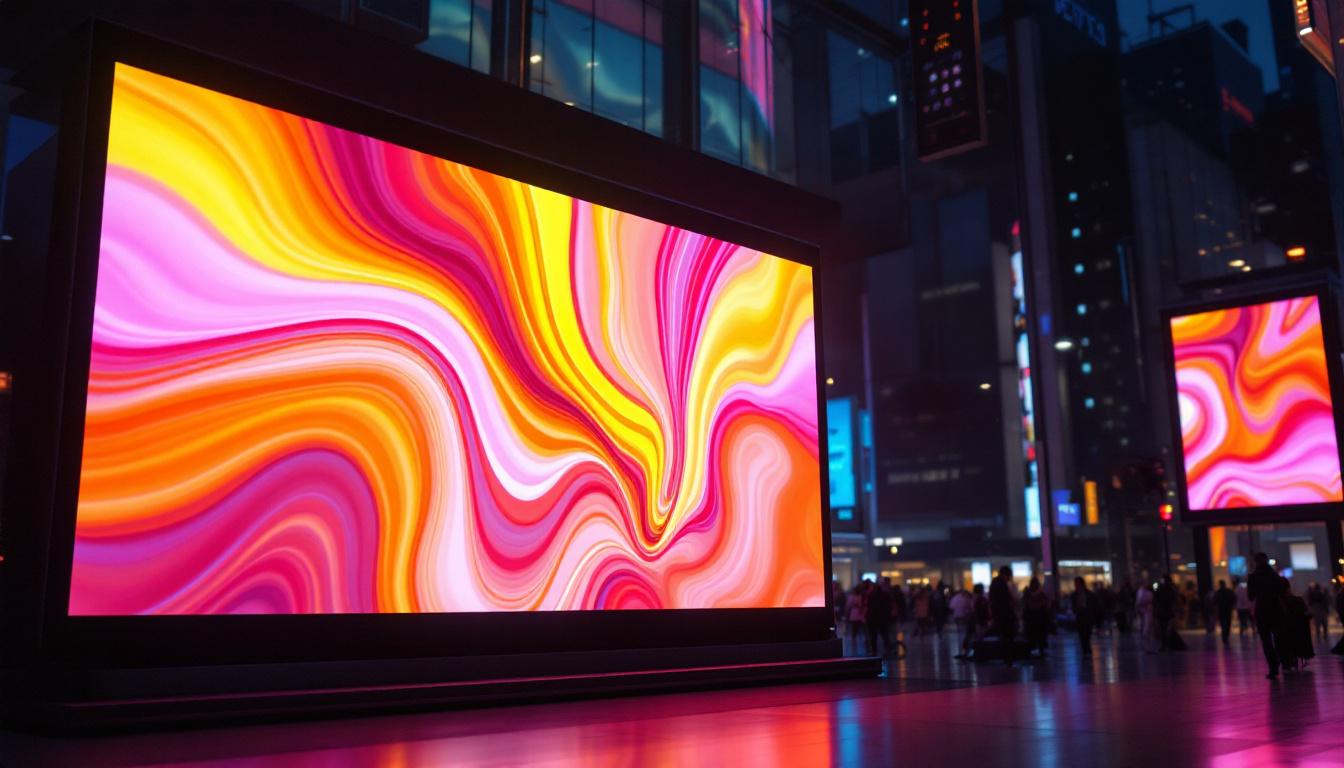
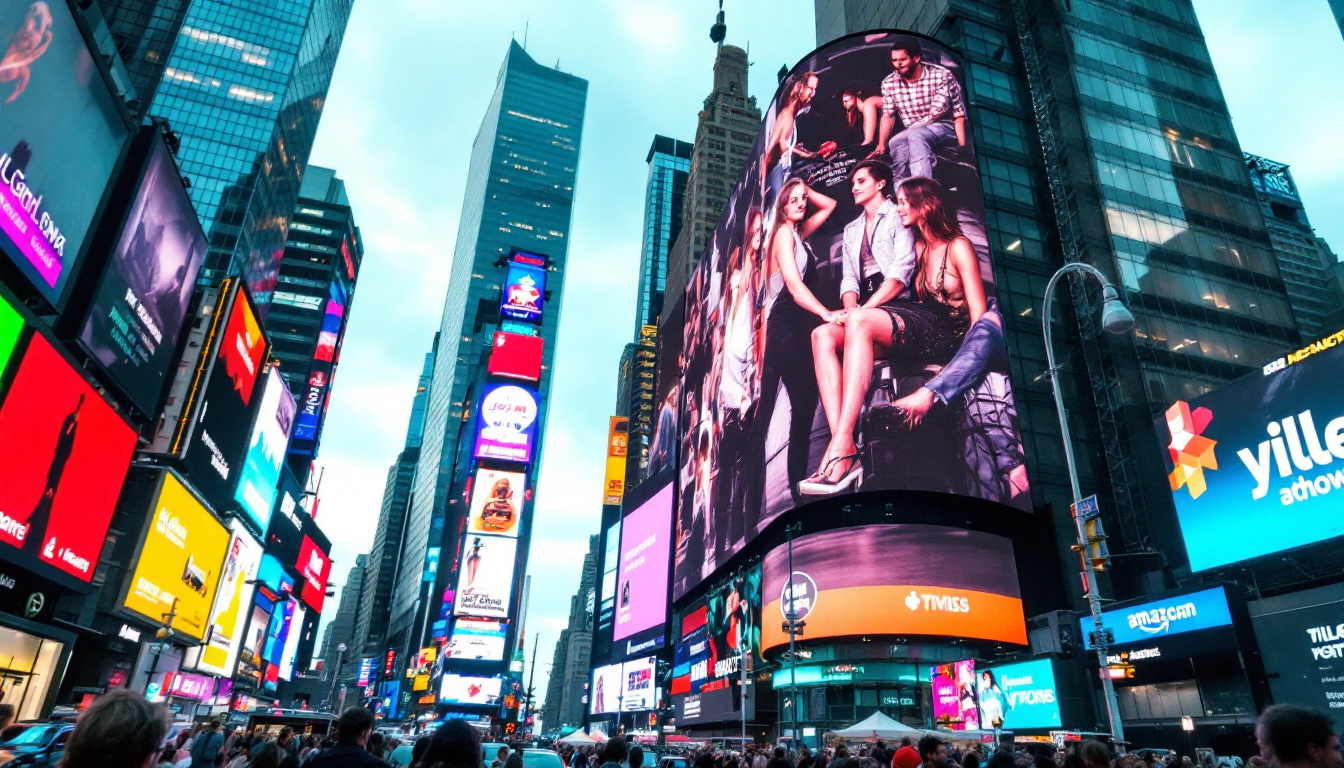
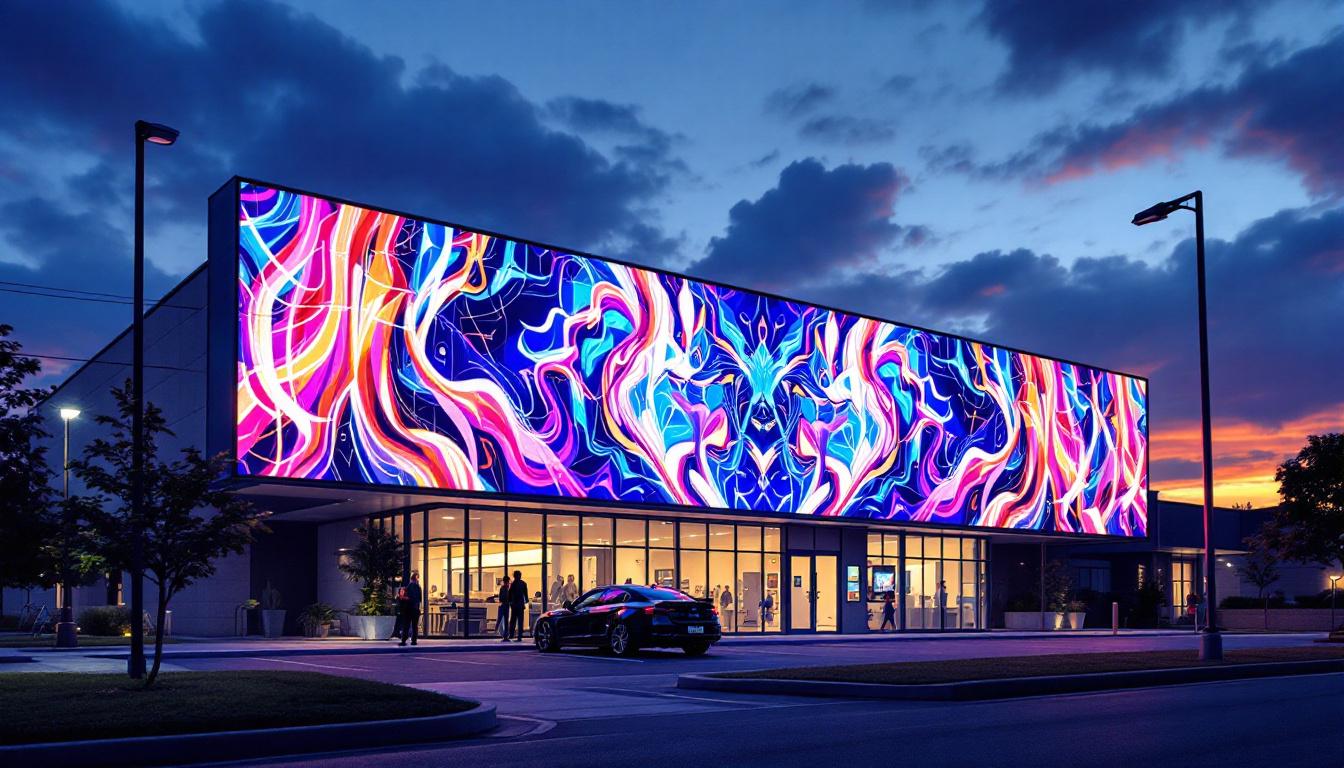
Outdoor LED billboards have become a staple in urban advertising, offering high visibility even in direct sunlight. According to a 2023 report by Grand View Research, the global digital signage market is expected to grow at a compound annual growth rate (CAGR) of 8.4% through 2030, driven largely by advancements in LED technology.
Corporate and Educational Settings
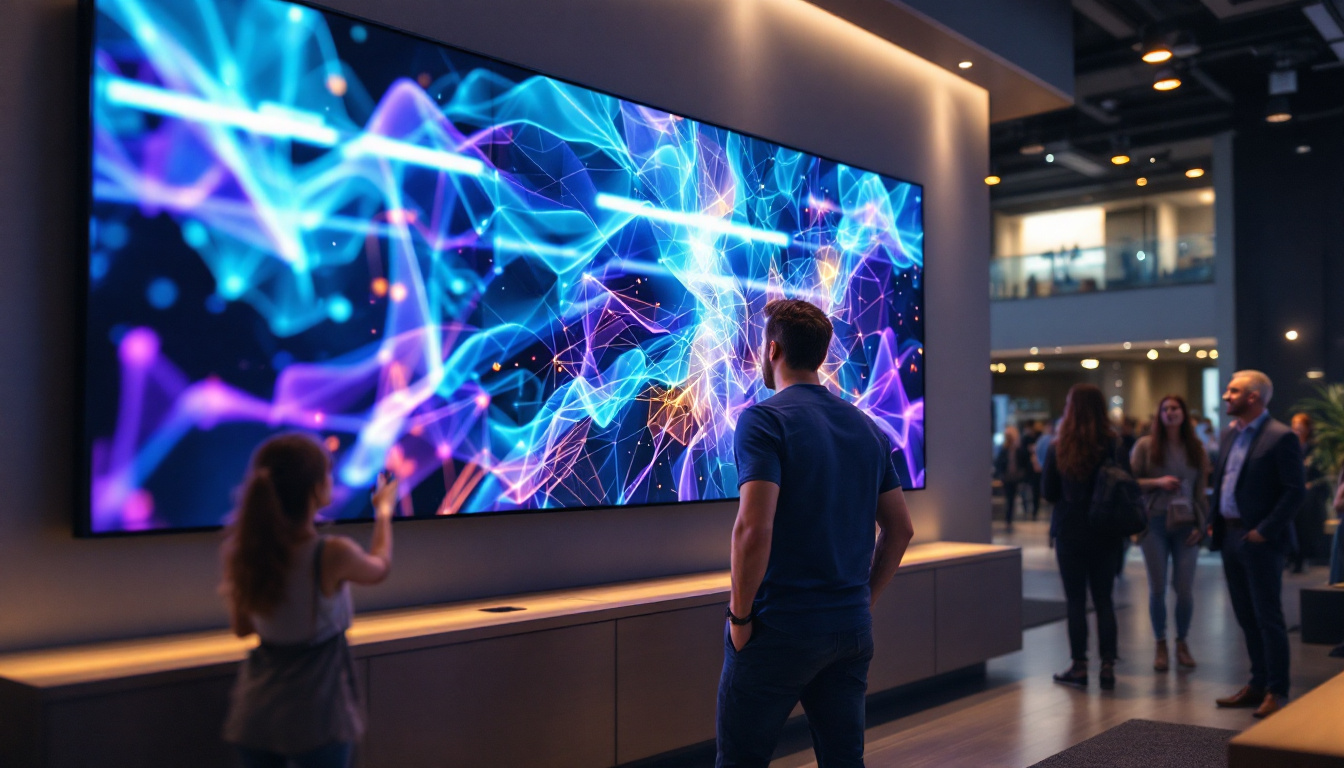
LED displays are increasingly common in conference rooms, auditoriums, and classrooms. Their ability to deliver clear, vibrant images enhances presentations, video conferencing, and interactive learning. The flexibility of LED panels allows for seamless integration into various room sizes and layouts.
Educational institutions benefit from LED displays by creating engaging visual content that can improve information retention and participation. Corporate environments use these displays for dynamic presentations, digital whiteboards, and real-time data visualization.
Entertainment and Events
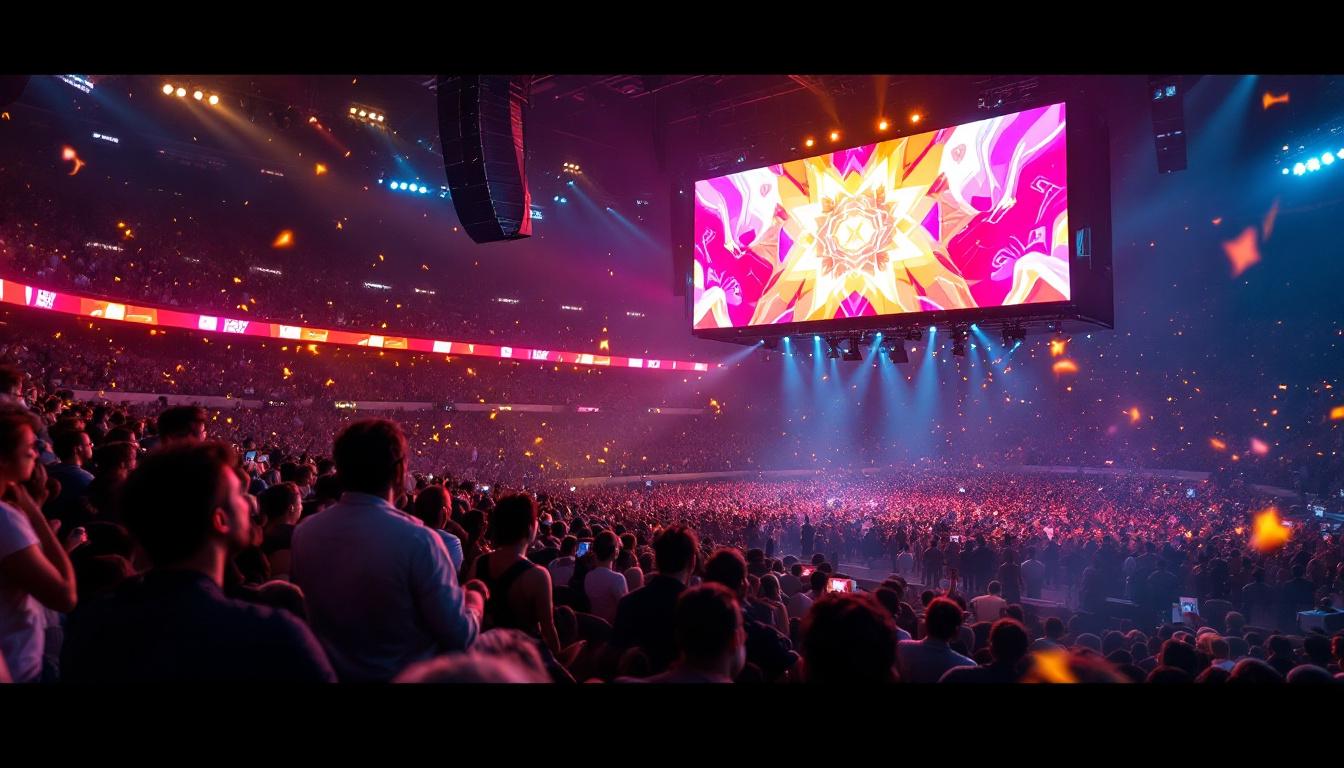
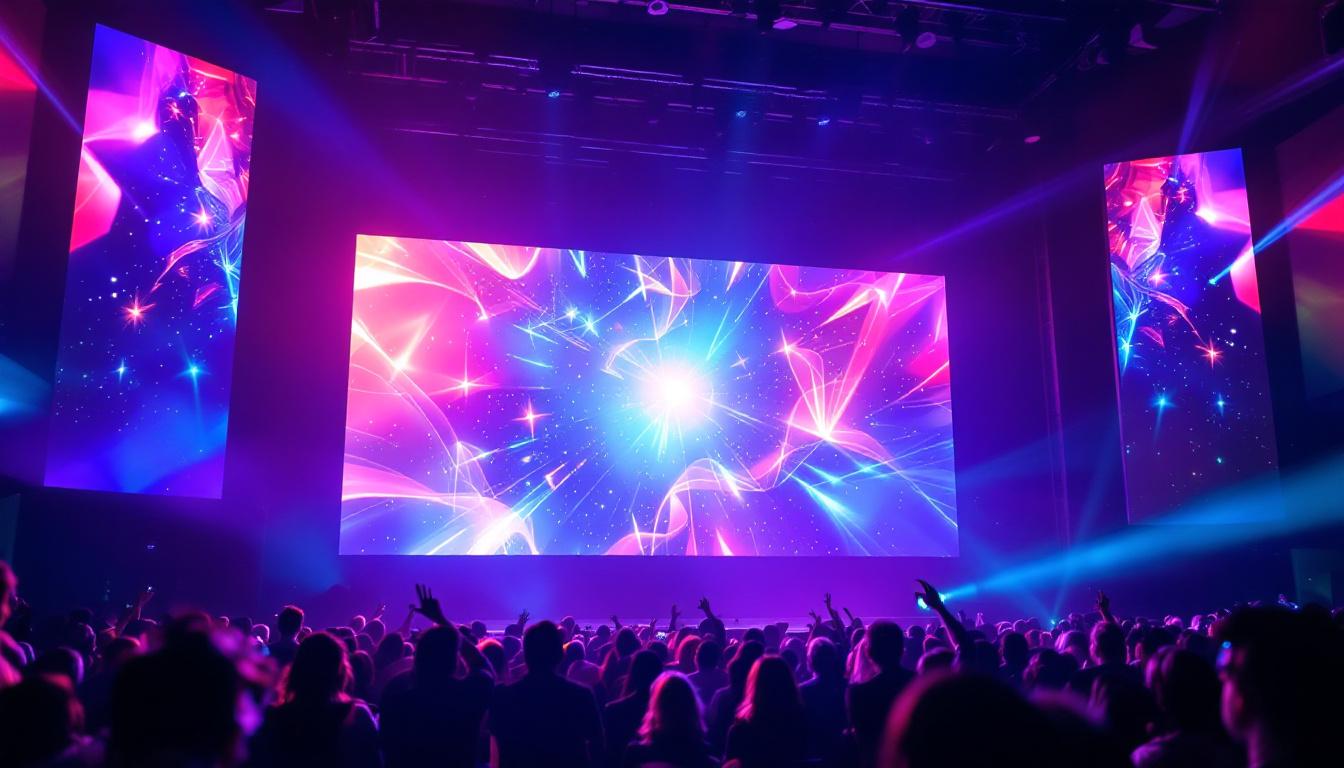
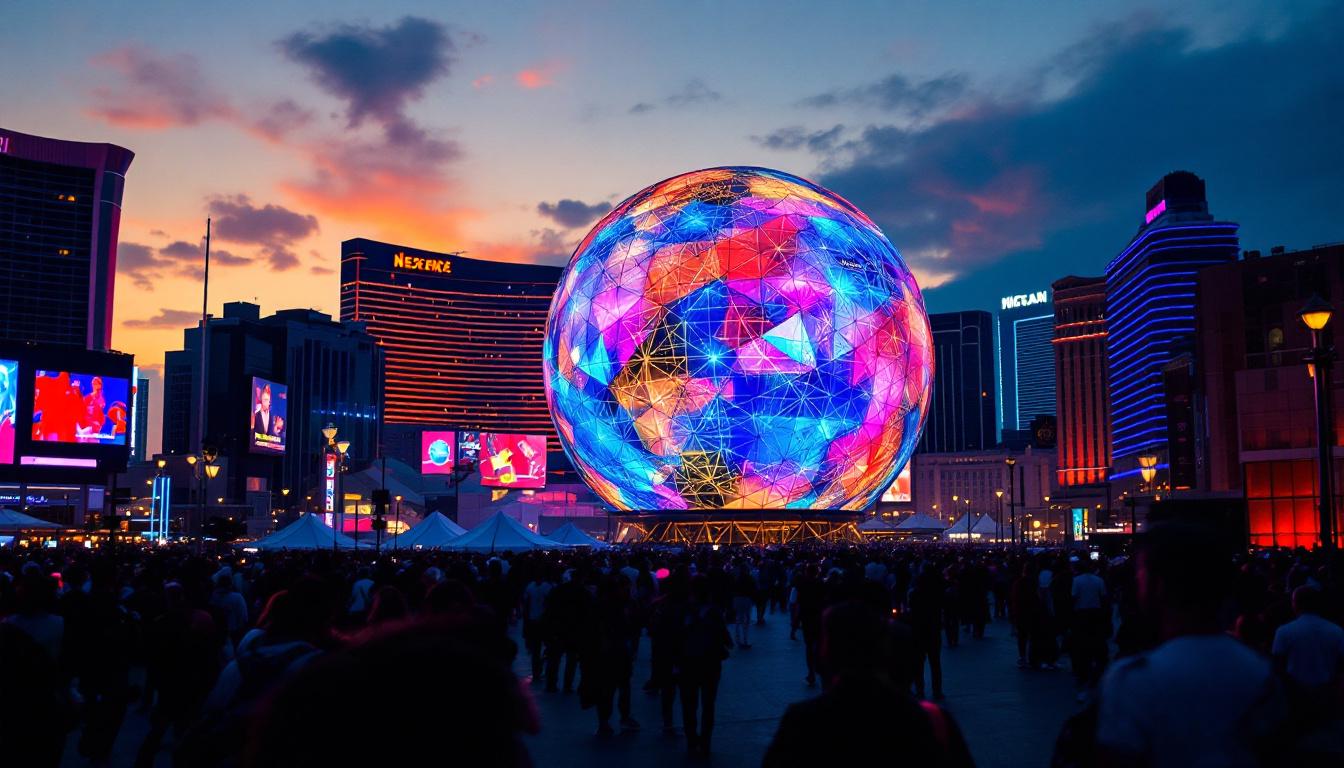
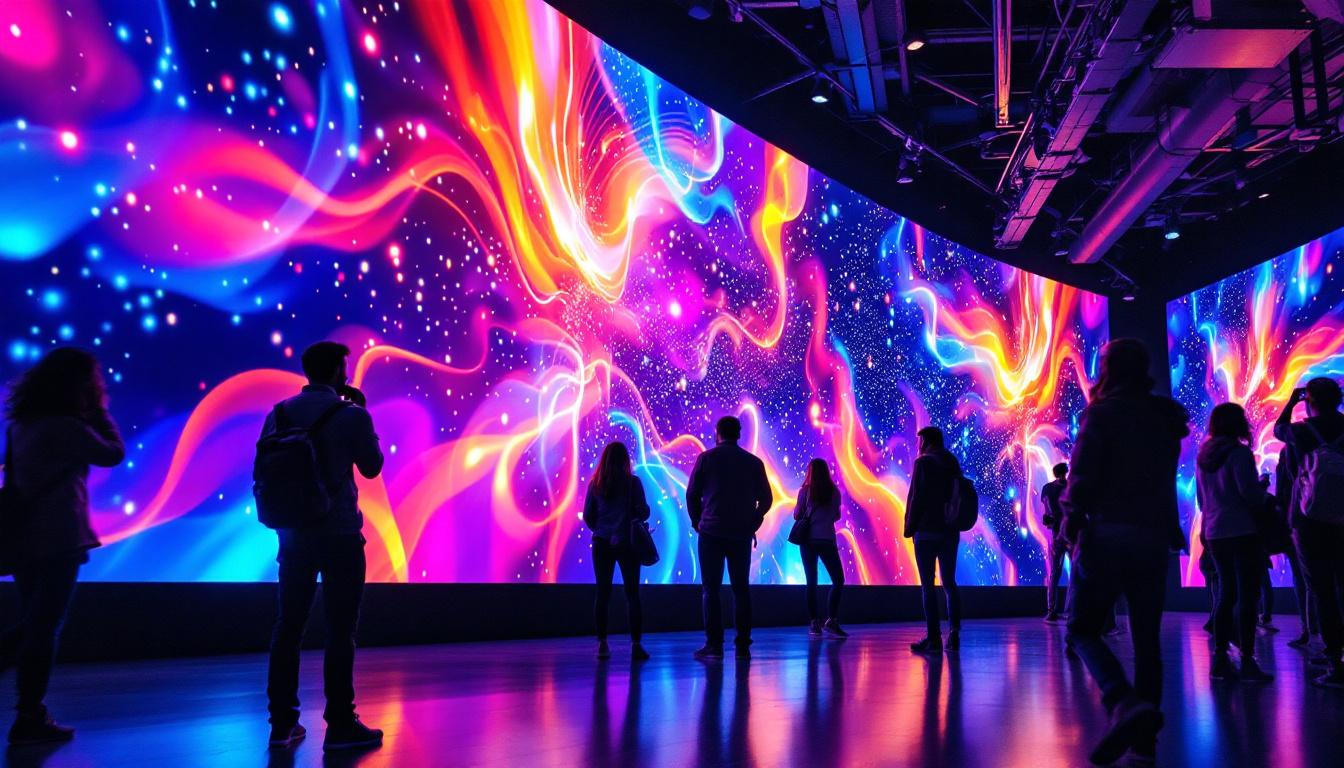
The entertainment industry relies heavily on LED displays for concerts, theater productions, and sports events. Large-scale LED walls provide immersive backdrops and dynamic stage designs that captivate audiences. Their high brightness and color accuracy ensure visibility even in outdoor venues or brightly lit arenas.
Event organizers appreciate the portability and quick setup of LED panels, which streamline logistics and reduce costs. The ability to customize screen size and shape allows for creative freedom in event production.
Choosing the Right LED Display for Your Needs
Consider Pixel Pitch and Resolution
Pixel pitch is a critical factor when selecting an LED display. Smaller pixel pitches offer higher resolution and are ideal for close viewing distances, such as indoor retail displays or control rooms. Larger pixel pitches are more cost-effective for outdoor advertising or large venues where viewers are farther away.
Balancing resolution and budget is essential to ensure the display meets both visual quality requirements and financial constraints.
Assess Brightness and Viewing Environment
Brightness levels vary significantly between indoor and outdoor LED displays. Outdoor screens require higher brightness (often exceeding 5,000 nits) to remain visible under direct sunlight. Indoor displays typically operate at lower brightness levels, which helps reduce power consumption and eye strain.
Understanding the lighting conditions of the installation site will guide the selection of an appropriate LED display to maximize visibility and impact.
Evaluate Durability and Maintenance Needs
For outdoor installations, weather resistance and durability are paramount. Look for LED displays with protective coatings and IP ratings that indicate resistance to dust and water. These features ensure longevity and reduce maintenance frequency.
Indoor displays should also be easy to maintain, with accessible modules for quick repairs or upgrades. Choosing reputable manufacturers with strong customer support can further enhance the lifespan and reliability of the display.
The Future of LED Display Technology
Emerging Trends and Innovations
Advancements in LED technology continue to push the boundaries of what is possible. MicroLED displays, which use even smaller diodes, promise higher resolution, better color accuracy, and improved energy efficiency. These innovations are expected to become more affordable and widespread in the coming years.
Flexible and transparent LED displays are also gaining traction, enabling new applications such as curved screens, wearable displays, and see-through advertising panels. These developments open up creative possibilities for designers and marketers alike.
Sustainability and Energy Efficiency
As environmental concerns grow, the sustainability of audiovisual technology becomes increasingly important. LED displays are already more energy-efficient than many alternatives, but manufacturers are working to reduce power consumption further and use eco-friendly materials.
Recycling programs and modular designs that facilitate component replacement rather than full device disposal contribute to reducing electronic waste associated with LED displays.
Conclusion
LED displays represent a versatile, cost-effective, and visually striking audiovisual solution suitable for a wide range of applications. Their energy efficiency, long lifespan, and scalability make them an affordable choice for businesses and organizations looking to enhance communication and engagement.
By understanding the technology behind LED displays and carefully considering factors such as pixel pitch, brightness, and durability, users can select the right product to meet their needs and budgets. With ongoing innovations and a focus on sustainability, LED displays are poised to remain at the forefront of audiovisual technology for years to come.
Discover LumenMatrix’s Innovative LED Solutions
Ready to elevate your audiovisual capabilities with cutting-edge LED technology? Look no further than LumenMatrix, a pioneer in the field, committed to bringing your brand to life through vibrant and energy-efficient LED displays. From Indoor and Outdoor LED Wall Displays to specialized solutions like Vehicle, Sports, and Floor LED Displays, LumenMatrix offers a comprehensive range of products designed to captivate your audience and communicate your message with unparalleled clarity. Embrace the future of visual engagement with our Custom, All-in-One, and Transparent LED Displays. Check out LumenMatrix LED Display Solutions today and transform your space into a dynamic visual experience.