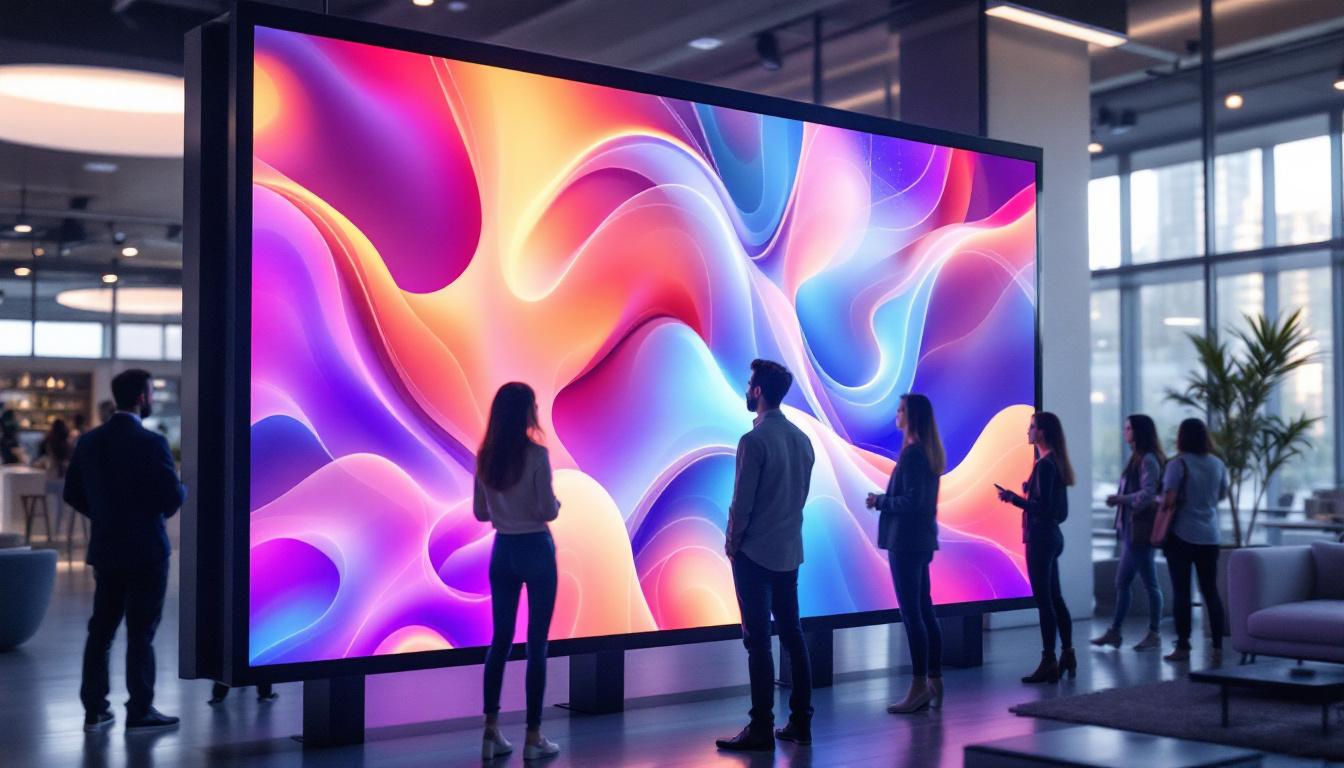
In today’s fast-evolving digital landscape, large touch displays have become a cornerstone technology across numerous industries. From retail environments and corporate boardrooms to public information kiosks and interactive museums, these displays offer an engaging, intuitive interface that enhances user experience. Among the various types of large displays, LED (Light Emitting Diode) technology stands out for its brightness, durability, and scalability. This article delves into the fundamentals of large touch LED displays, exploring their technology, applications, benefits, and future trends.
Understanding LED Display Technology
What Is an LED Display?
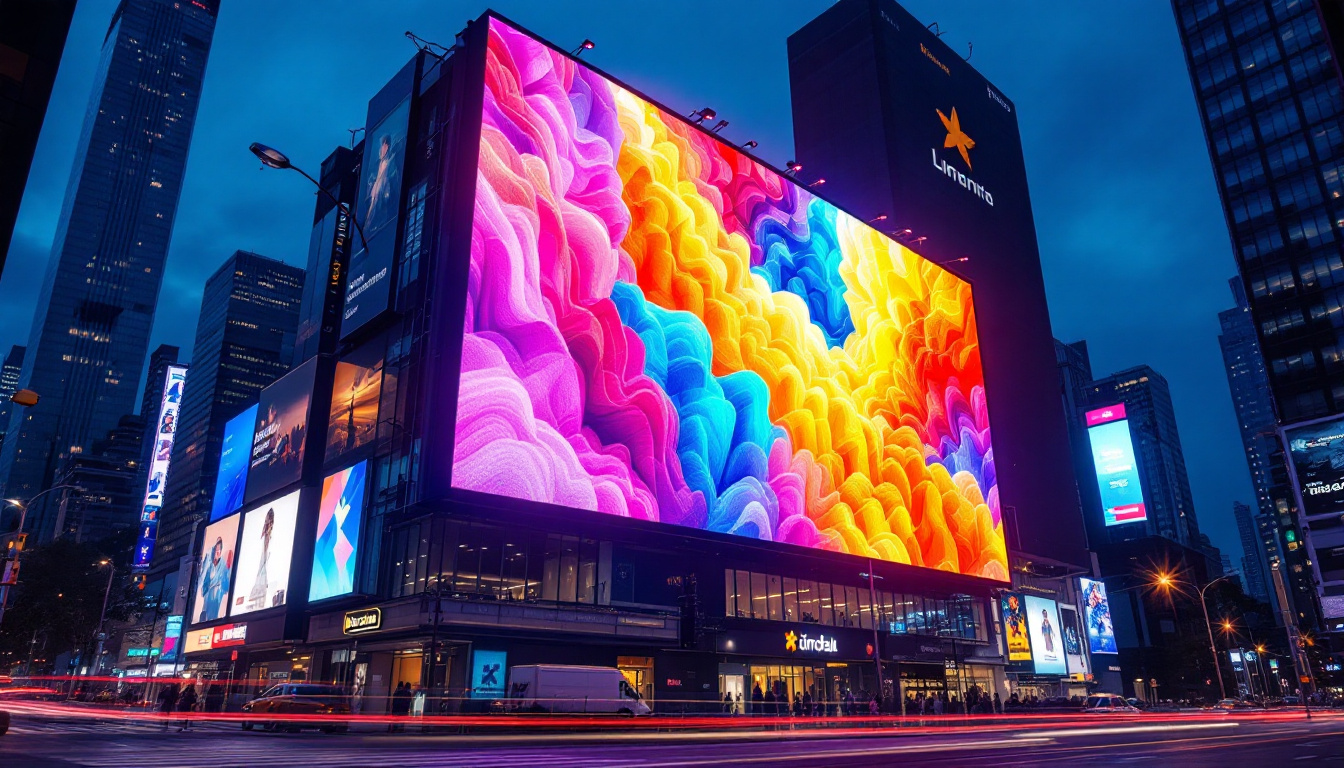
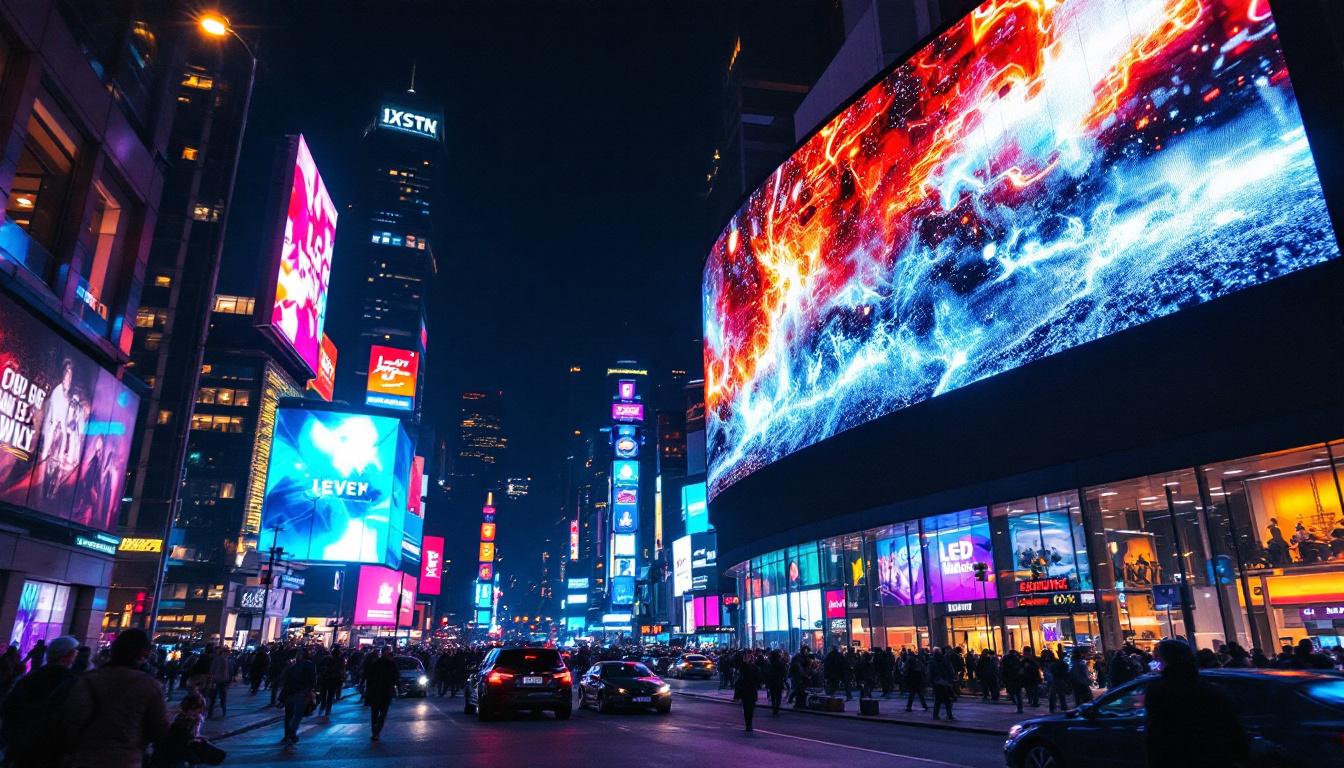
At its core, an LED display is a flat panel display that uses an array of light-emitting diodes as pixels to produce images. Unlike traditional LCD screens that rely on backlighting, LED displays generate their own light, resulting in higher brightness and contrast ratios. This self-illumination capability makes LED displays particularly effective in environments with high ambient light, such as outdoor advertising billboards and large indoor venues. Moreover, LED technology has evolved significantly, allowing for thinner and lighter designs that can be easily mounted or integrated into various settings, from retail spaces to art installations.
LED displays come in two primary categories: direct-view LED and LED-backlit LCD. Direct-view LED displays use individual LEDs as pixels, which can be arranged in various densities to create vivid, large-scale images. These displays can be configured in various shapes and sizes, making them highly versatile for creative applications. LED-backlit LCDs, on the other hand, are LCD panels illuminated by LEDs behind the screen, offering improved color accuracy and energy efficiency compared to older CCFL backlighting. This combination of technologies allows for a broader range of applications, from high-definition televisions to digital signage in corporate environments.
How Do Large Touch LED Displays Work?
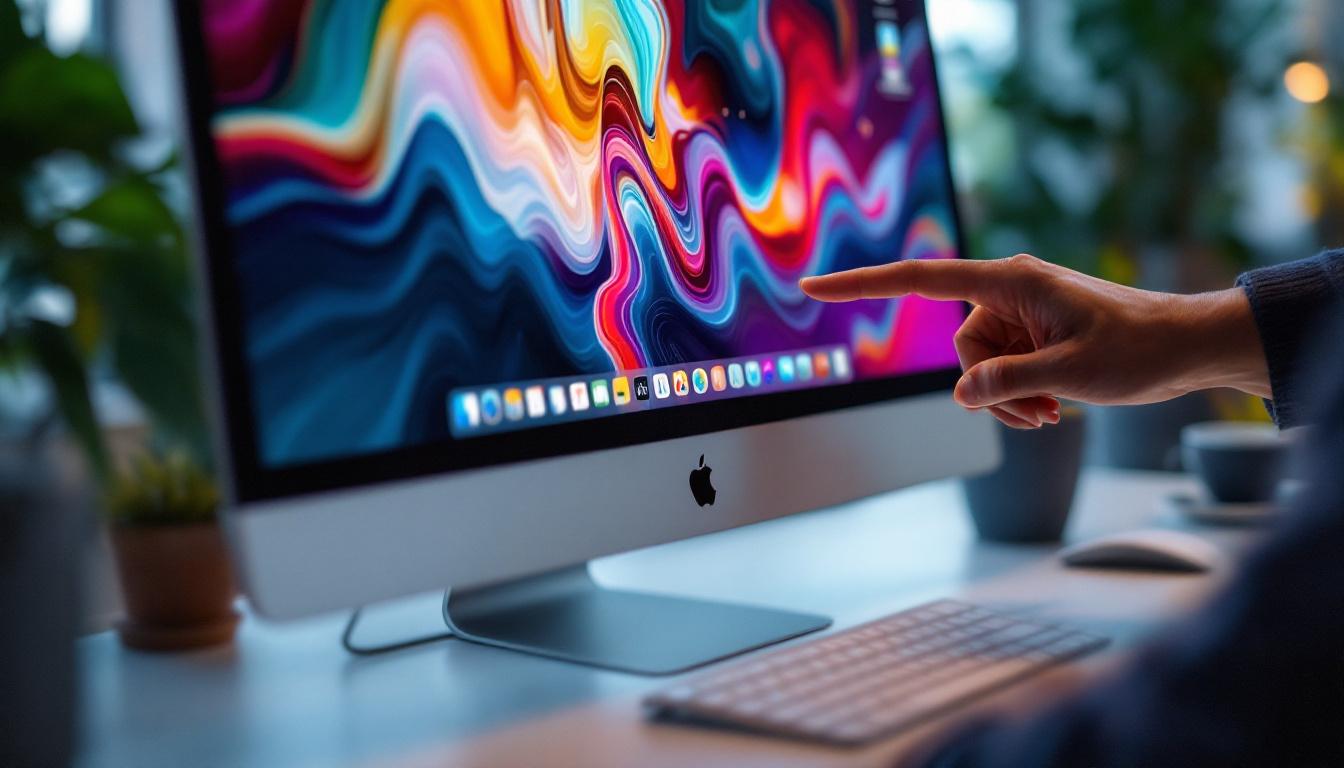
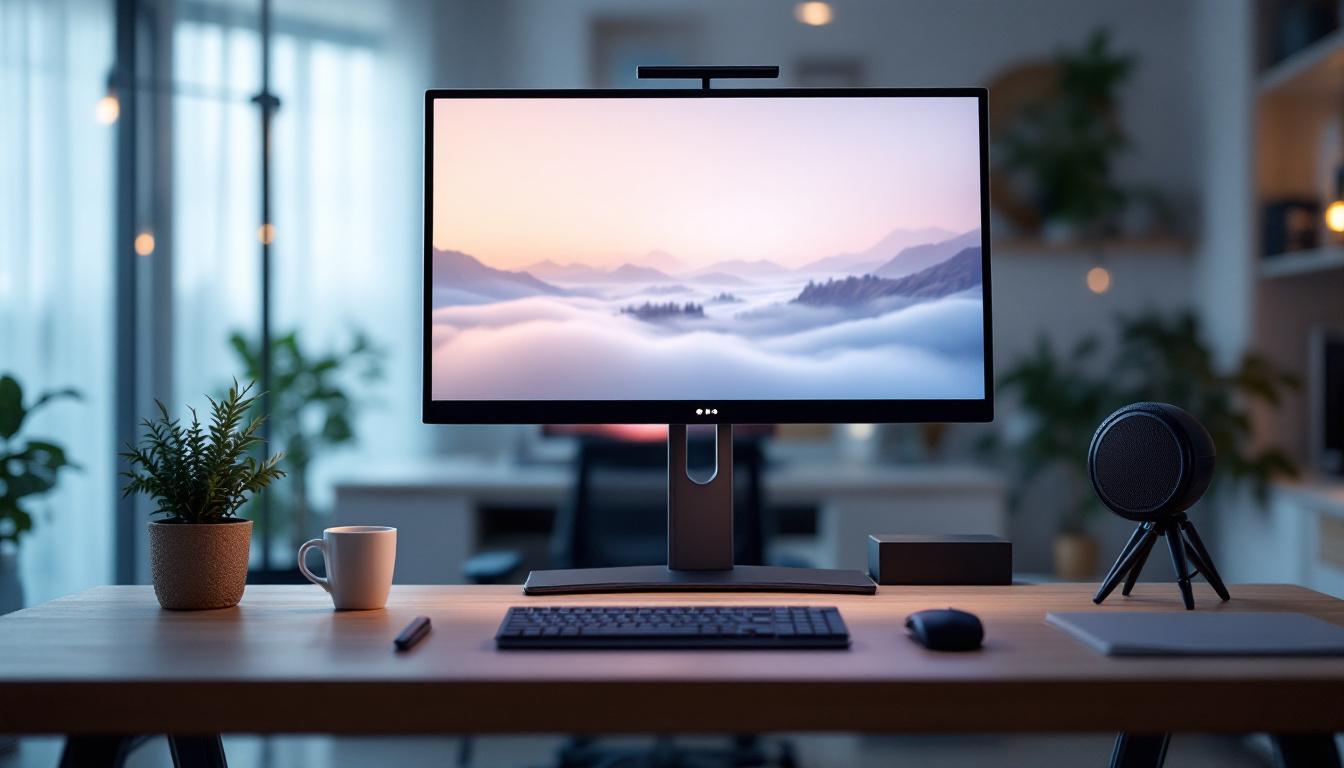
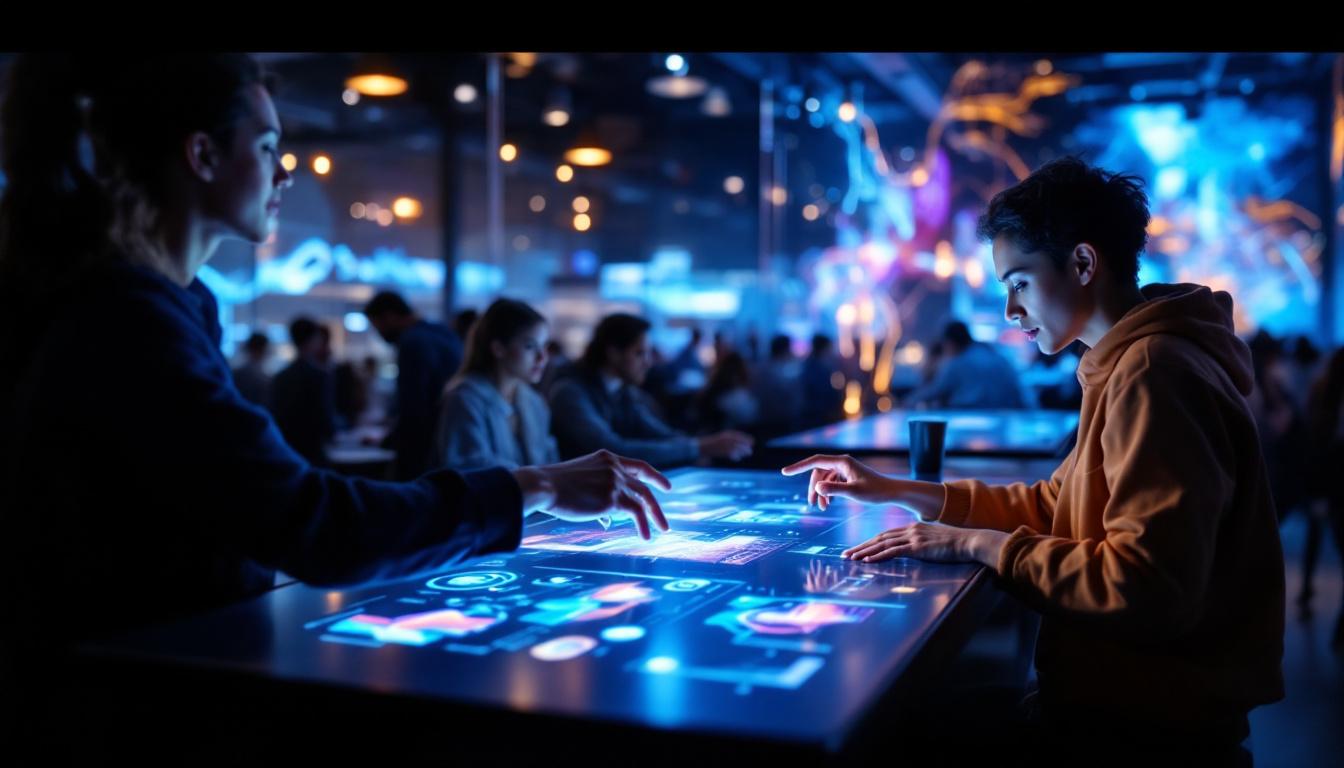
Large touch LED displays combine the visual advantages of LED technology with interactive touch capabilities. The touch interface is typically enabled through capacitive or infrared touch technology. Capacitive touchscreens detect changes in the electrical field when a finger touches the surface, allowing for multi-touch gestures and precise input. Infrared touchscreens use a grid of invisible light beams to detect touch points, which is advantageous for larger screens and when users wear gloves. These technologies not only enhance user interaction but also open up new possibilities for collaborative work, making them ideal for educational settings and business presentations.
Integrating touch functionality with LED displays involves careful engineering to maintain image quality while ensuring responsiveness. Modern large touch LED displays often feature ultra-thin glass panels and advanced sensor arrays that deliver smooth, lag-free interaction even on screens measuring several feet across. Additionally, many of these displays come equipped with software that supports various applications, from simple presentations to complex interactive experiences. This adaptability makes them a popular choice for museums, trade shows, and interactive kiosks, where engaging the audience is key. As technology continues to advance, we can expect even more innovative features, such as gesture recognition and voice control, further enhancing the interactivity of these displays.
Key Advantages of Large Touch LED Displays
Exceptional Brightness and Visibility
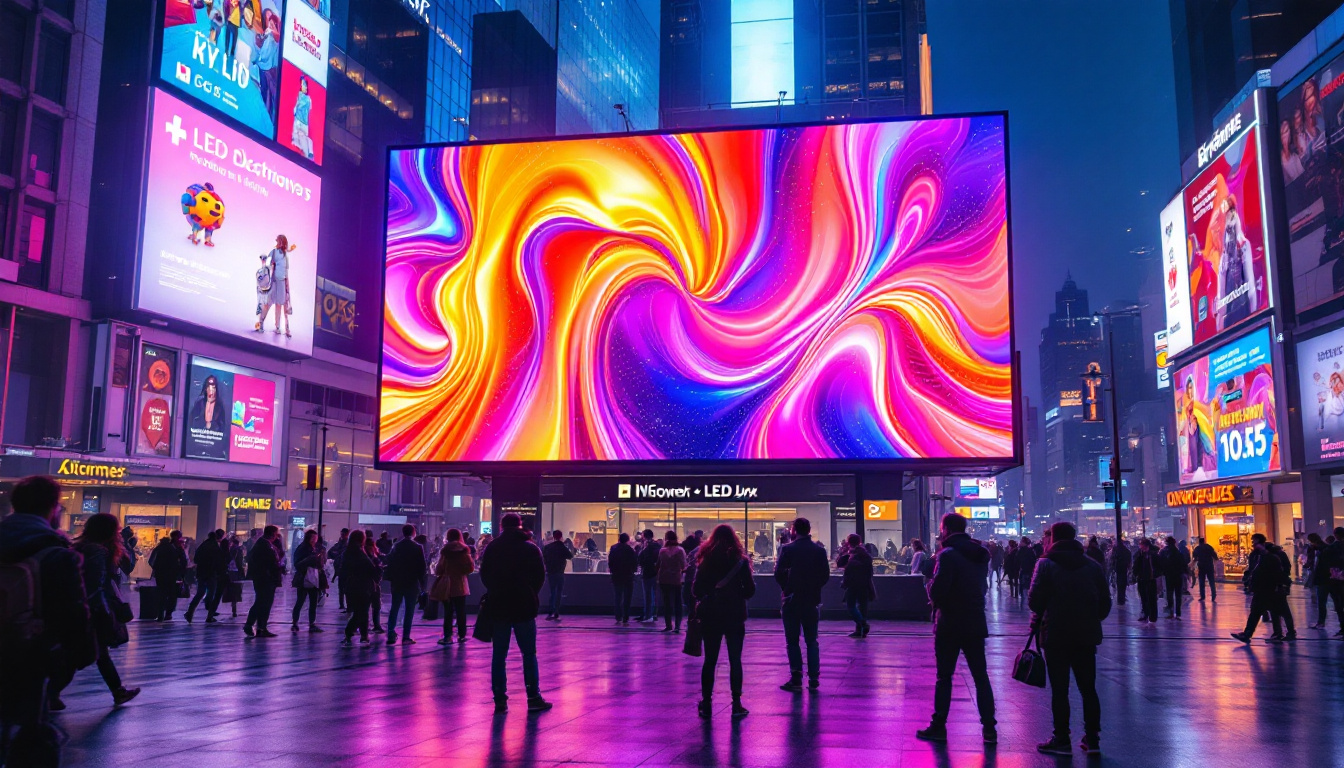
One of the most significant benefits of LED technology is its superior brightness. LED displays can achieve luminance levels upwards of 1,000 nits or more, far exceeding typical LCD screens. This high brightness ensures that content remains visible and vibrant even under direct sunlight or brightly lit indoor conditions.
For example, outdoor digital signage often requires displays that can maintain clarity during daylight hours. Large touch LED displays meet this demand by delivering crisp, colorful images that attract attention and improve user engagement.
Durability and Longevity
LED displays are known for their robustness and long operational life. The LEDs themselves can last upwards of 50,000 to 100,000 hours, which translates to many years of continuous use. Additionally, LED displays are less prone to issues such as screen burn-in compared to OLED technology, making them ideal for applications where static images or logos are displayed for extended periods.
Moreover, large touch LED displays are often built with ruggedized materials and protective coatings to withstand physical impact, dust, and moisture. This durability is crucial for public-facing installations like interactive kiosks and outdoor information boards.
Scalability and Customization
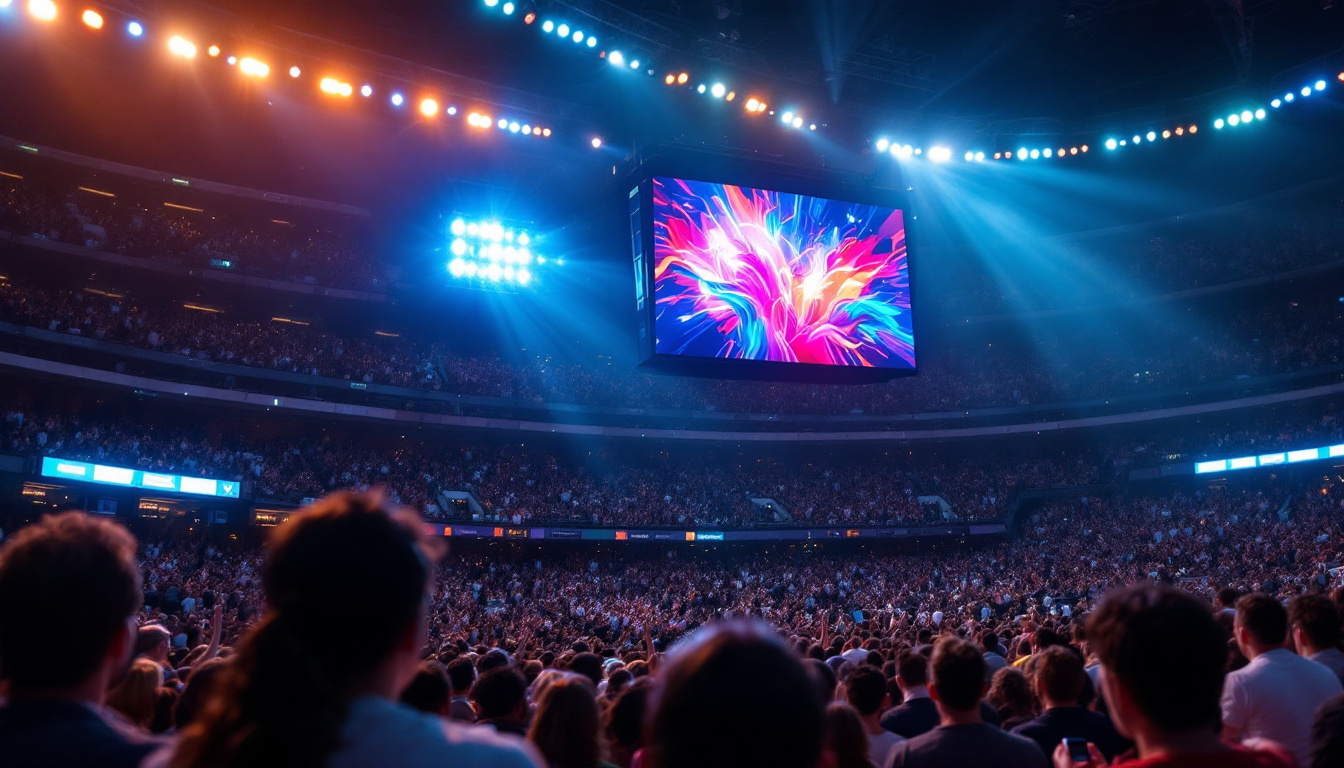
Another advantage of LED technology is its modular nature. Large LED displays are typically constructed from smaller panels or tiles, which can be combined to create virtually any size or shape. This flexibility allows designers and engineers to tailor displays to specific environments and use cases, whether it’s a massive video wall in a stadium or a sleek interactive table in a corporate lobby.
Touch functionality can also be customized to suit different applications. For instance, multi-touch support enables collaborative workspaces where several users can interact simultaneously, while single-touch modes might be preferred for straightforward kiosk interfaces.
Applications of Large Touch LED Displays
Retail and Advertising
Retailers increasingly rely on large touch LED displays to create immersive shopping experiences. Interactive digital signage allows customers to browse products, access detailed information, and even customize items in real time. For example, fashion retailers use large touch displays to showcase entire collections, enabling shoppers to mix and match outfits virtually.
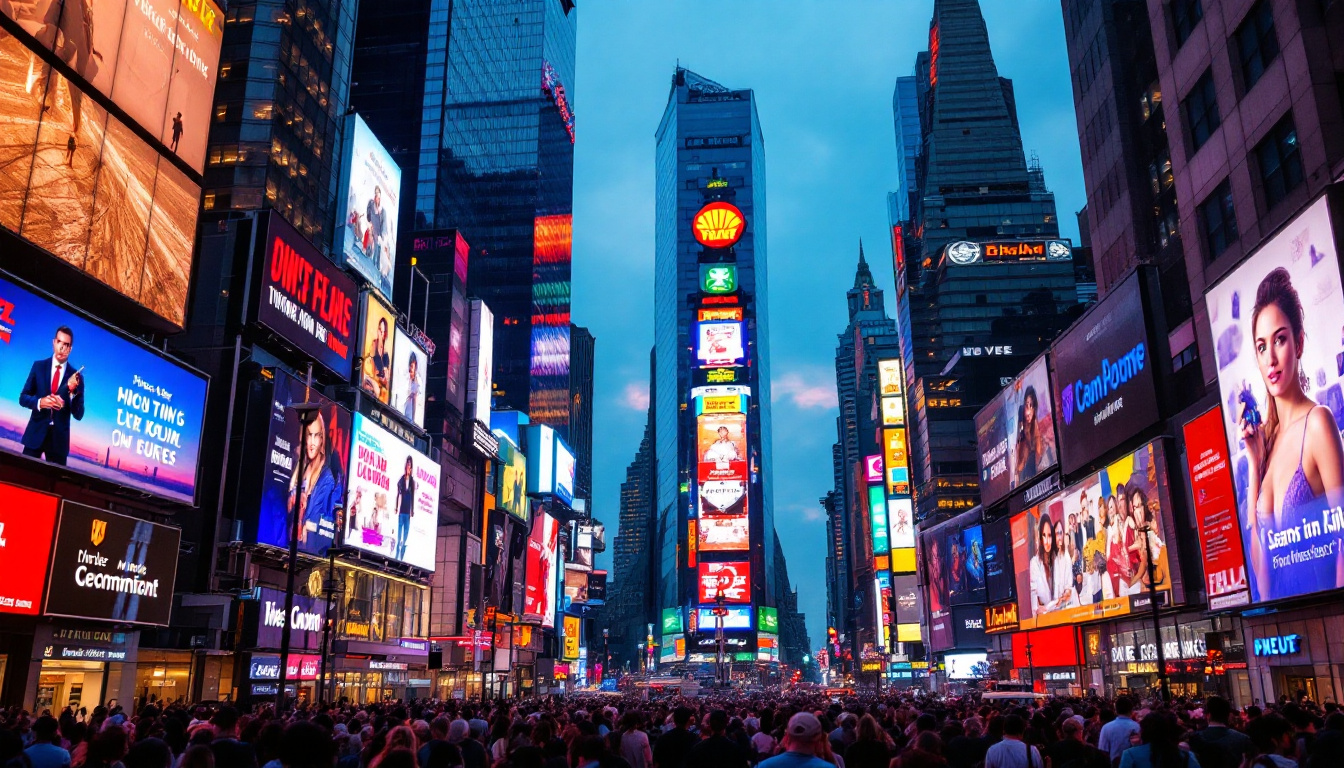
From an advertising perspective, LED displays offer dynamic content capabilities that static billboards cannot match. Brands can update promotions instantly, tailor messages based on time of day or audience demographics, and incorporate interactive elements that boost engagement and conversion rates.
Corporate and Educational Environments
In corporate settings, large touch LED displays facilitate collaboration and communication. Conference rooms equipped with interactive video walls enable teams to brainstorm, annotate documents, and present multimedia content seamlessly. This technology supports hybrid work models by integrating with video conferencing tools and digital whiteboards.
Educational institutions also benefit from large touch LED displays, which enhance learning through interactive lessons and multimedia presentations. These displays support group activities, foster engagement, and accommodate diverse learning styles, making classrooms more dynamic and inclusive.
Public Spaces and Transportation Hubs
Airports, train stations, and other transportation hubs use large touch LED displays to provide real-time information, wayfinding assistance, and ticketing services. The combination of high visibility and touch interactivity ensures travelers can quickly access schedules, maps, and updates, improving overall user experience and operational efficiency.
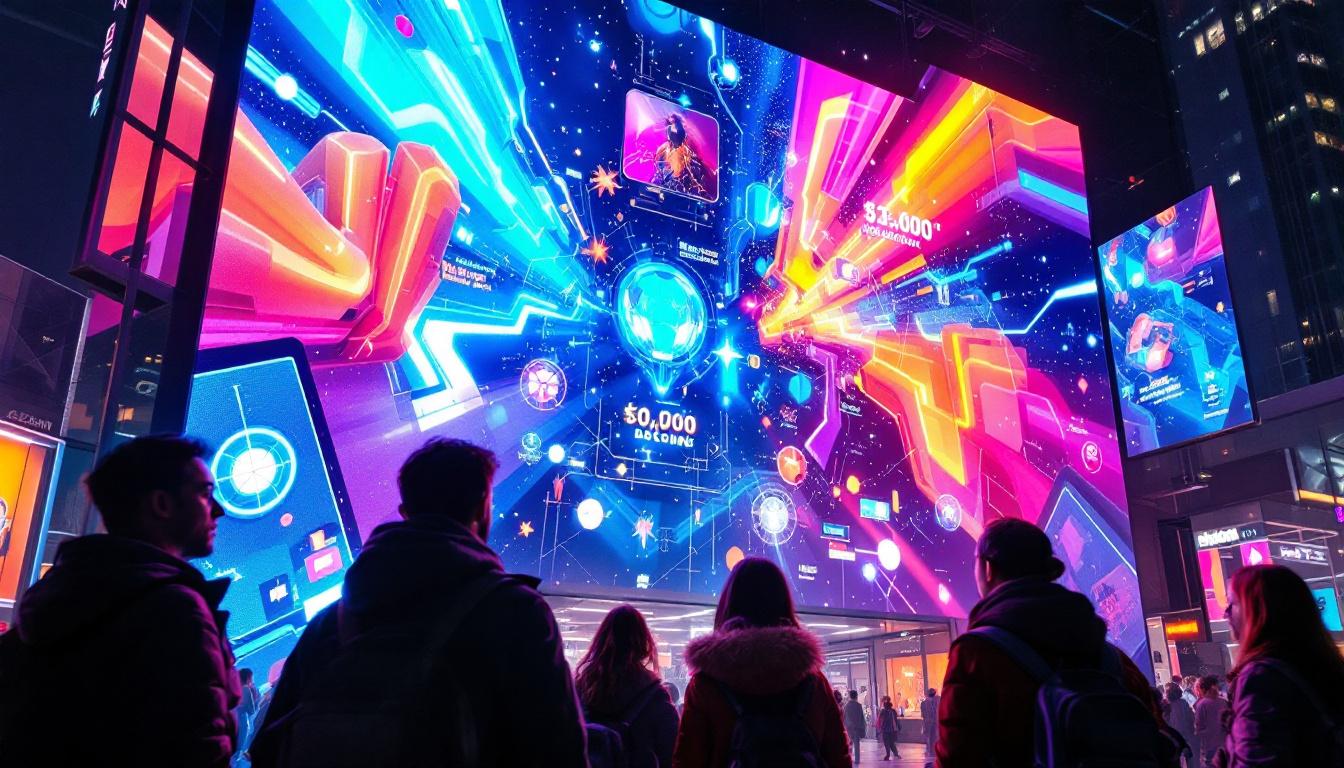
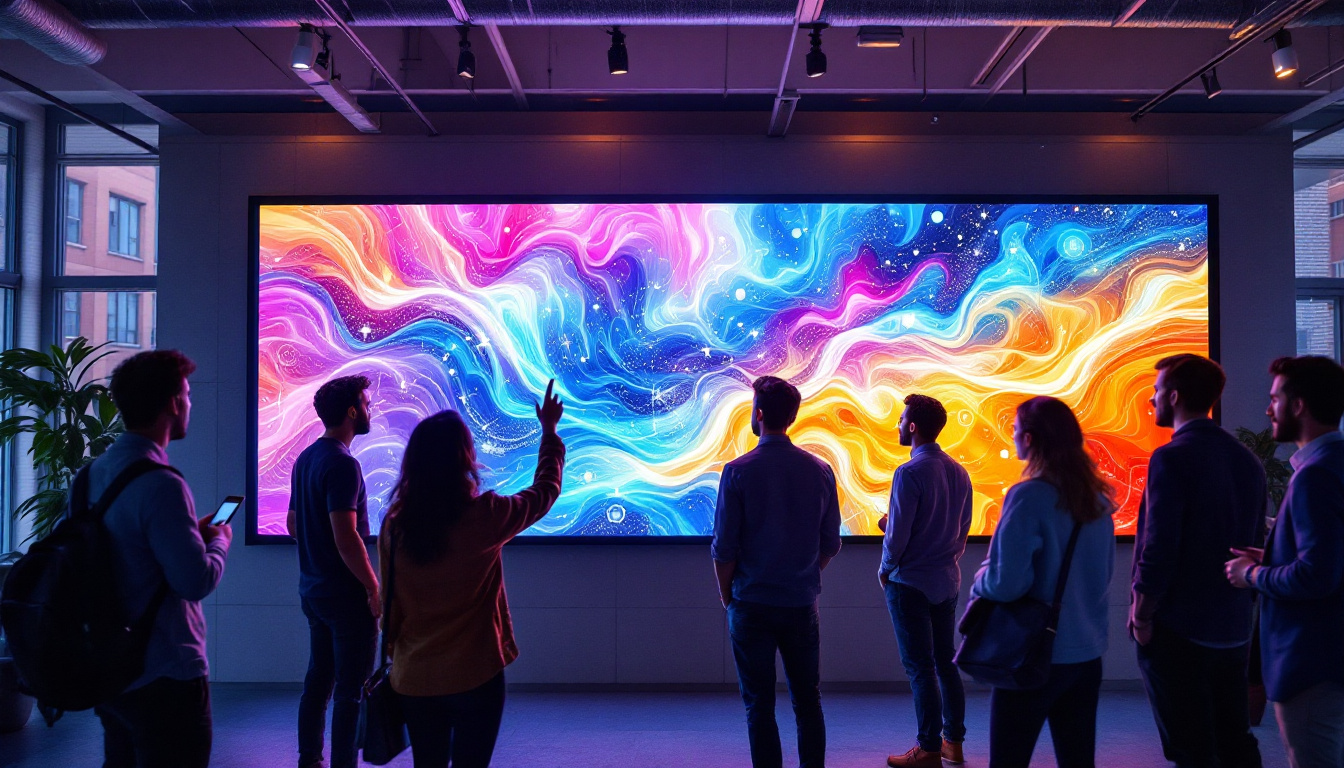
Similarly, museums and cultural centers deploy large touch LED displays to offer interactive exhibits that captivate visitors. These displays enable users to explore content at their own pace, access multimedia resources, and engage with educational materials in innovative ways.
Choosing the Right Large Touch LED Display
Resolution and Pixel Pitch
When selecting a large touch LED display, resolution and pixel pitch are critical factors. Pixel pitch refers to the distance between individual LEDs, typically measured in millimeters. A smaller pixel pitch means higher resolution and sharper images, which is essential for displays viewed up close.
For example, a display with a 1.5mm pixel pitch is suitable for indoor environments where viewers are close to the screen, such as conference rooms or retail stores. Conversely, larger pixel pitches (e.g., 4mm or more) are appropriate for outdoor billboards or stadium screens where viewers are farther away.
Touch Technology Considerations
The choice between capacitive, infrared, or other touch technologies depends on the specific use case. Capacitive touchscreens offer excellent responsiveness and support for multi-touch gestures but may be less effective when users wear gloves or use styluses. Infrared touchscreens excel in such scenarios and can be scaled to very large sizes but might be more susceptible to environmental interference.
Additionally, factors such as touch accuracy, latency, and durability should be evaluated. High-precision touch sensors are crucial for applications requiring detailed input, such as design collaboration or interactive kiosks.
Connectivity and Integration
Modern large touch LED displays often include a range of connectivity options, including HDMI, DisplayPort, USB, and wireless interfaces. This versatility allows seamless integration with computers, media players, and network systems.
For enterprise and public installations, compatibility with content management systems (CMS) and remote monitoring tools is also important. These features enable centralized control, scheduling, and troubleshooting, reducing maintenance costs and downtime.
Future Trends in Large Touch LED Displays
Advancements in Mini-LED and Micro-LED Technology
Emerging LED technologies like mini-LED and micro-LED promise to revolutionize large touch displays further. Mini-LEDs use thousands of tiny LEDs as backlighting elements, offering improved contrast and color accuracy compared to traditional LED-backlit LCDs. Micro-LEDs, meanwhile, consist of microscopic LEDs that function as individual pixels, delivering exceptional brightness, energy efficiency, and lifespan without the burn-in issues associated with OLED.
These advancements will enable even larger, thinner, and more vibrant touch displays, expanding possibilities for commercial and consumer applications.
Integration of AI and Gesture Recognition
The integration of artificial intelligence (AI) and advanced sensors is enhancing the interactivity of large touch LED displays. AI-powered gesture recognition allows users to interact without physical contact, which is especially valuable in public spaces where hygiene is a concern.
Moreover, AI can personalize content based on user behavior and preferences, making interactions more intuitive and relevant. For example, digital signage can adapt advertisements dynamically to the demographics of nearby viewers, increasing engagement and effectiveness.
Sustainability and Energy Efficiency
As environmental concerns grow, manufacturers are focusing on making large touch LED displays more energy efficient and sustainable. Innovations in LED materials and power management reduce energy consumption, while recyclable components and longer product lifecycles minimize environmental impact.
Organizations adopting these displays can benefit from lower operating costs and contribute to corporate social responsibility goals.
Conclusion
Large touch LED displays represent a powerful convergence of visual technology and interactive design. Their exceptional brightness, durability, and scalability make them ideal for a wide range of applications, from retail and corporate environments to public spaces and transportation hubs. By understanding the underlying technology, key advantages, and future trends, businesses and institutions can make informed decisions to leverage these displays effectively.
As LED technology continues to evolve, incorporating innovations like mini-LED, micro-LED, AI integration, and enhanced sustainability, large touch LED displays will remain at the forefront of digital interaction. Their ability to captivate audiences and facilitate seamless communication ensures they will play a vital role in shaping the future of visual engagement.
Discover LumenMatrix’s Innovative LED Display Solutions
Ready to elevate your visual engagement to the next level? Explore LumenMatrix’s comprehensive range of LED display solutions tailored to meet your needs. Whether you’re looking to enhance your retail space, captivate your corporate audience, or make a public statement, LumenMatrix offers Indoor LED Wall Displays, Outdoor LED Wall Displays, and specialized solutions like Vehicle LED Displays, LED Sports Displays, and more. Experience the future of visual communication with our cutting-edge technology designed to make your brand stand out. Check out LumenMatrix LED Display Solutions today and transform your space into an immersive visual experience.