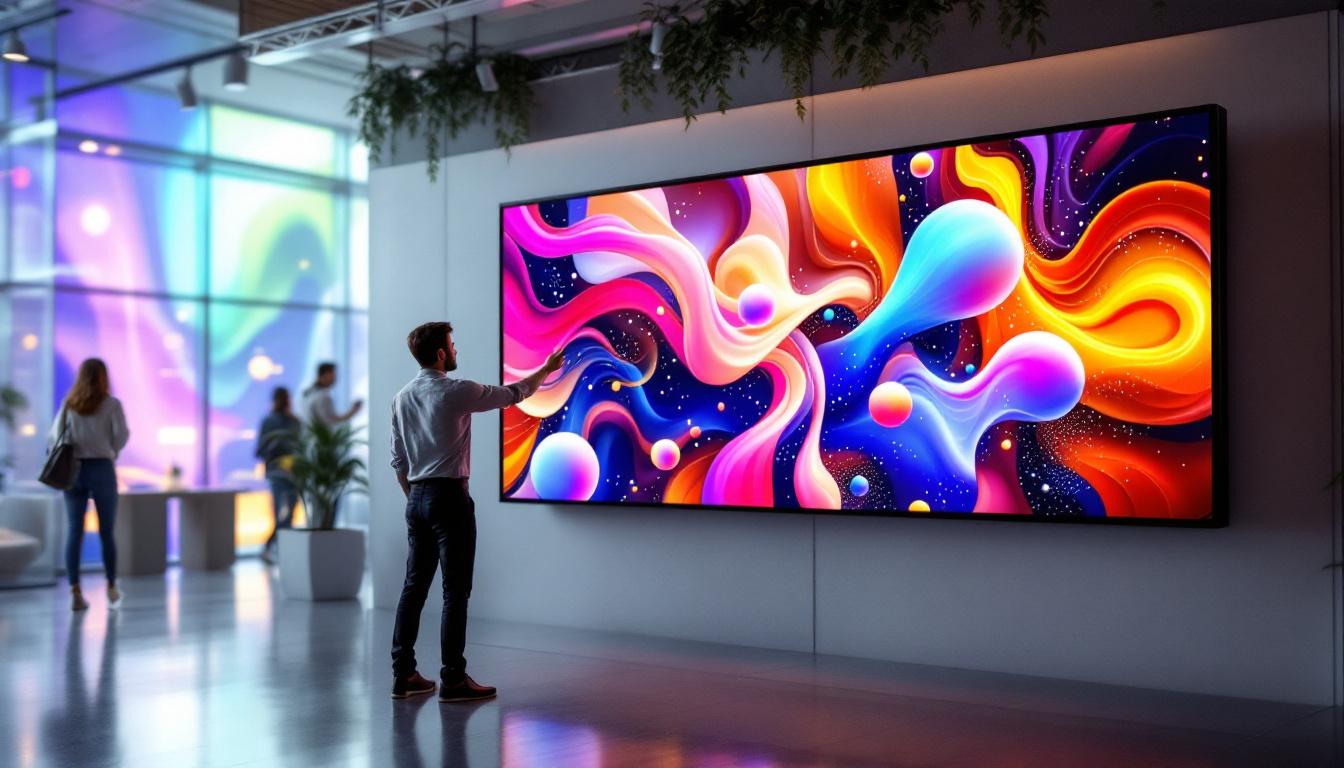
In today’s rapidly evolving digital landscape, large touchscreen displays have become an integral part of various industries, from retail and education to corporate environments and public spaces. Among the technologies powering these interactive displays, LED (Light Emitting Diode) displays stand out for their brightness, durability, and versatility. This article delves into the world of large touchscreen LED displays, explaining their technology, applications, benefits, and considerations for choosing the right display for your needs.
Understanding LED Display Technology
What is an LED Display?
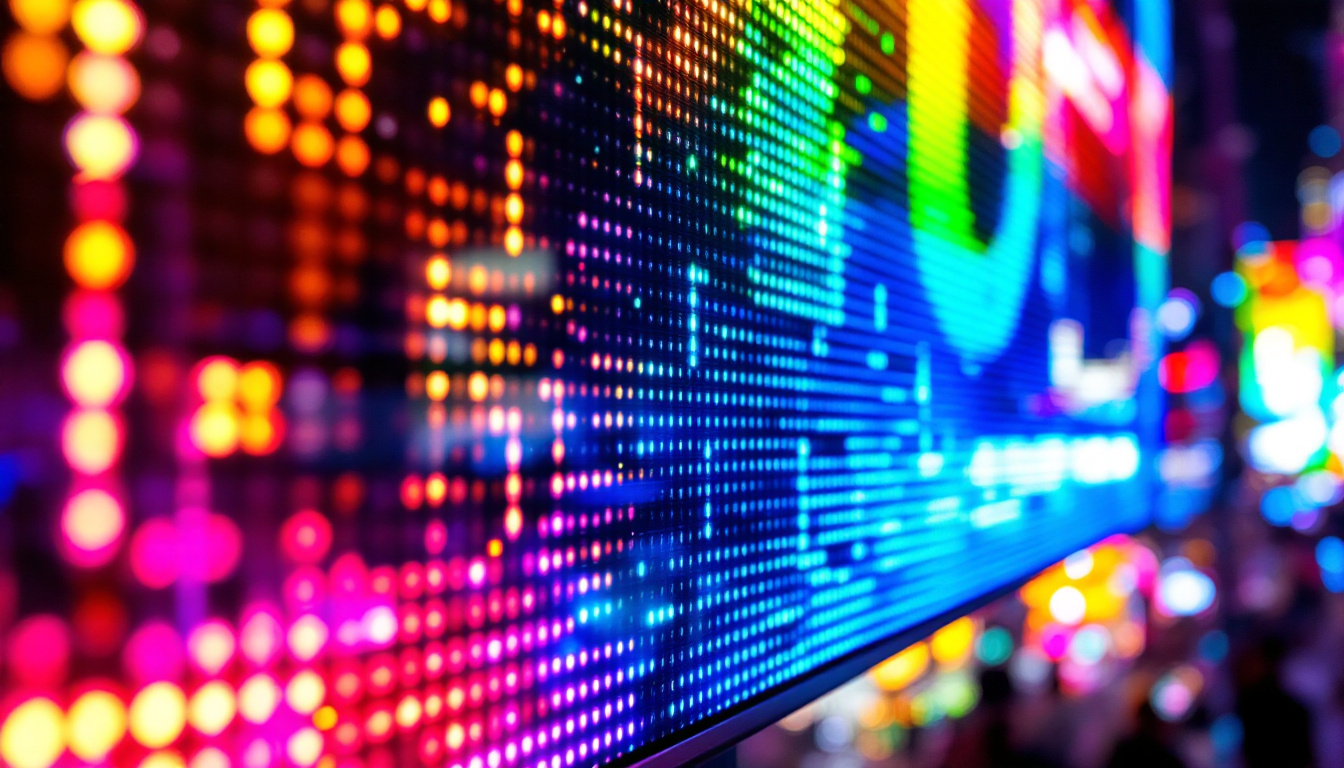
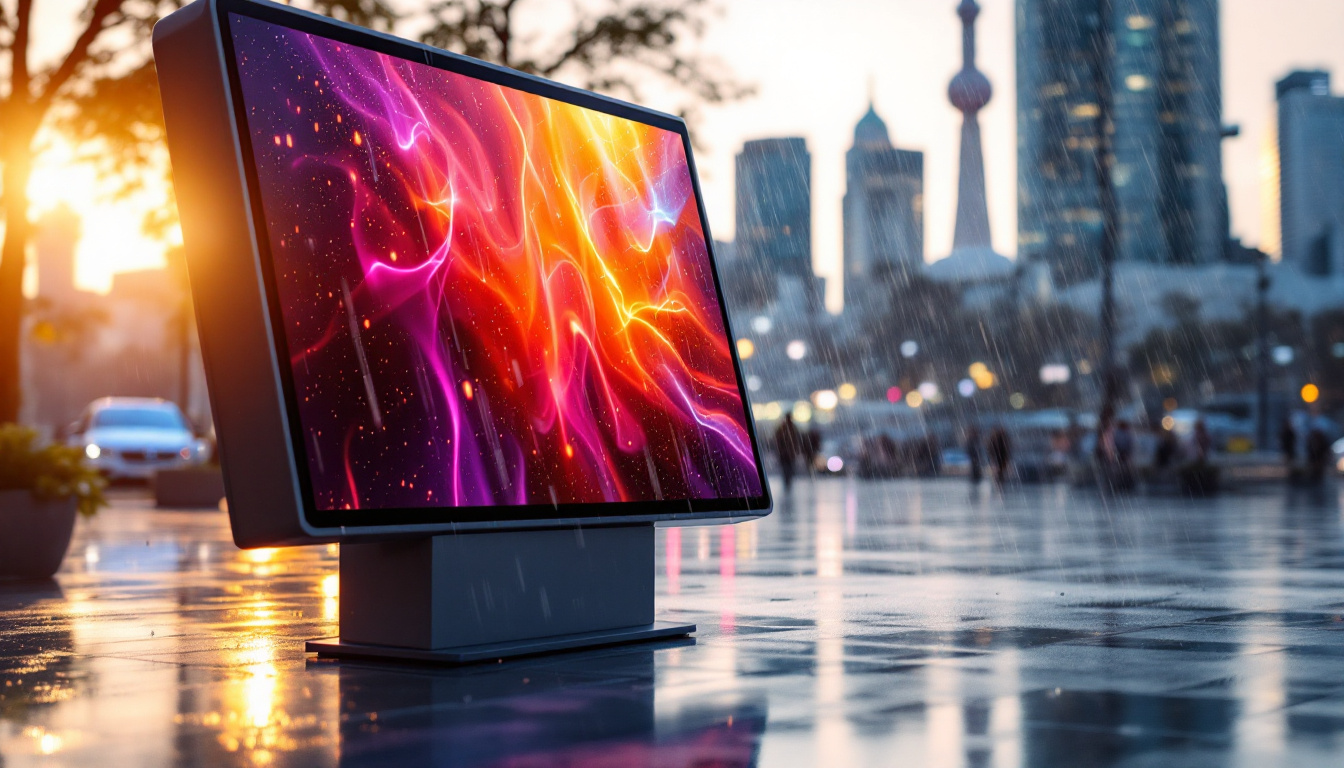
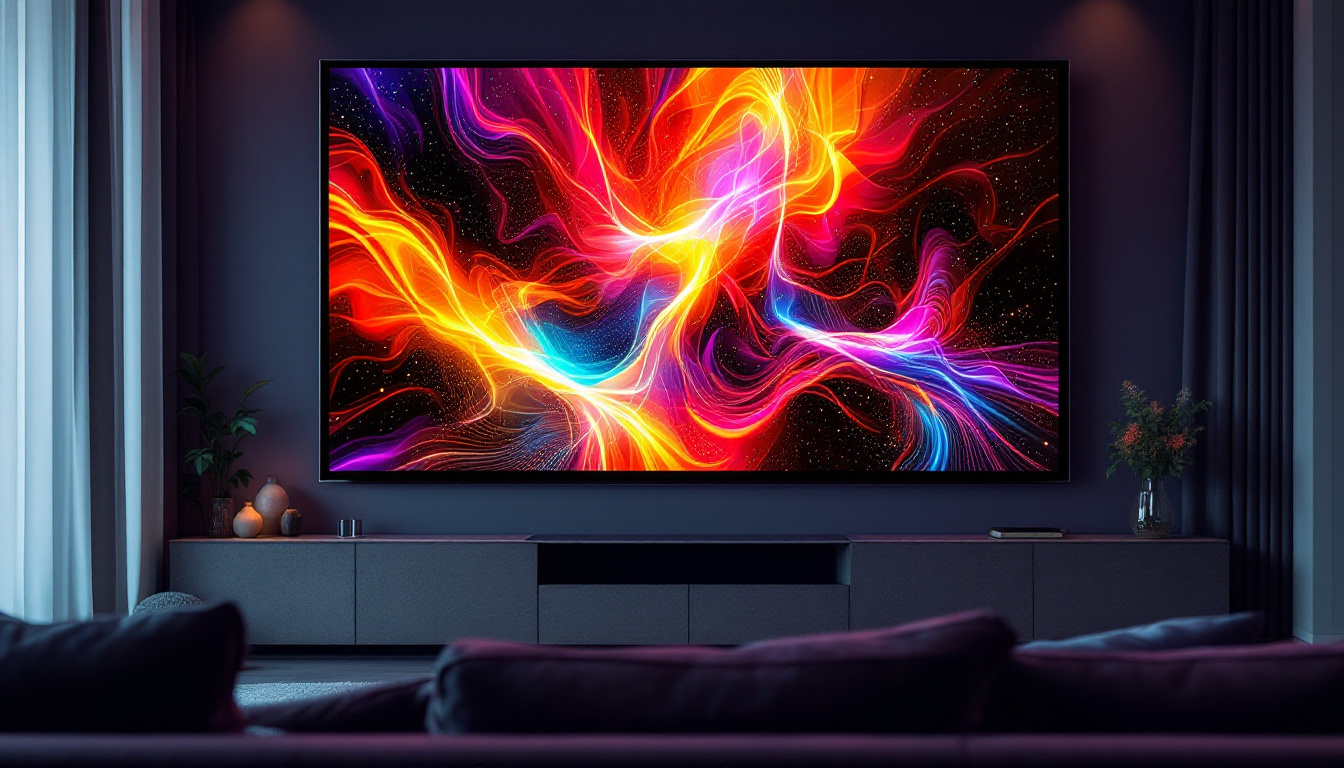
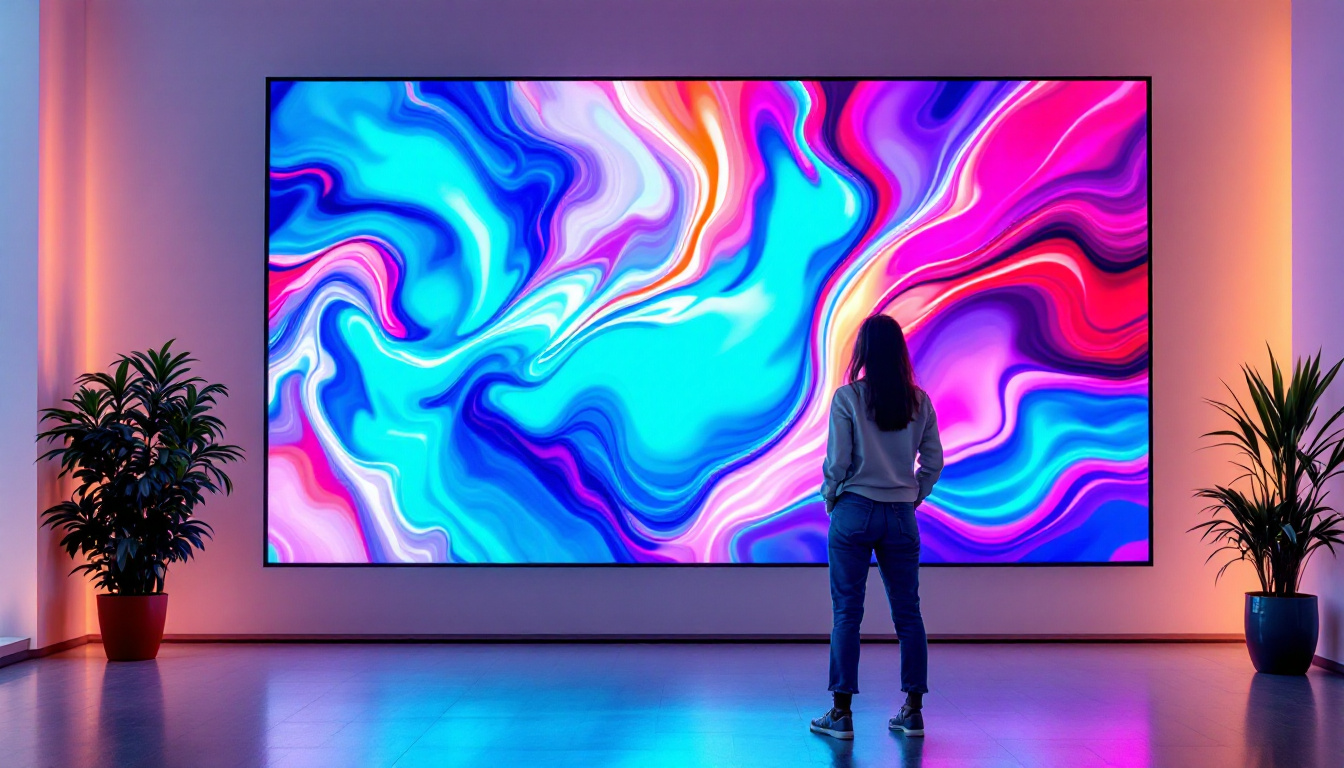
LED displays are composed of an array of light-emitting diodes that create images by illuminating pixels in different colors and intensities. Unlike traditional LCD screens that rely on backlighting, LED displays produce their own light, resulting in higher brightness and better contrast ratios. This self-illumination capability makes LED displays particularly suitable for large-format screens, especially in environments with high ambient light.
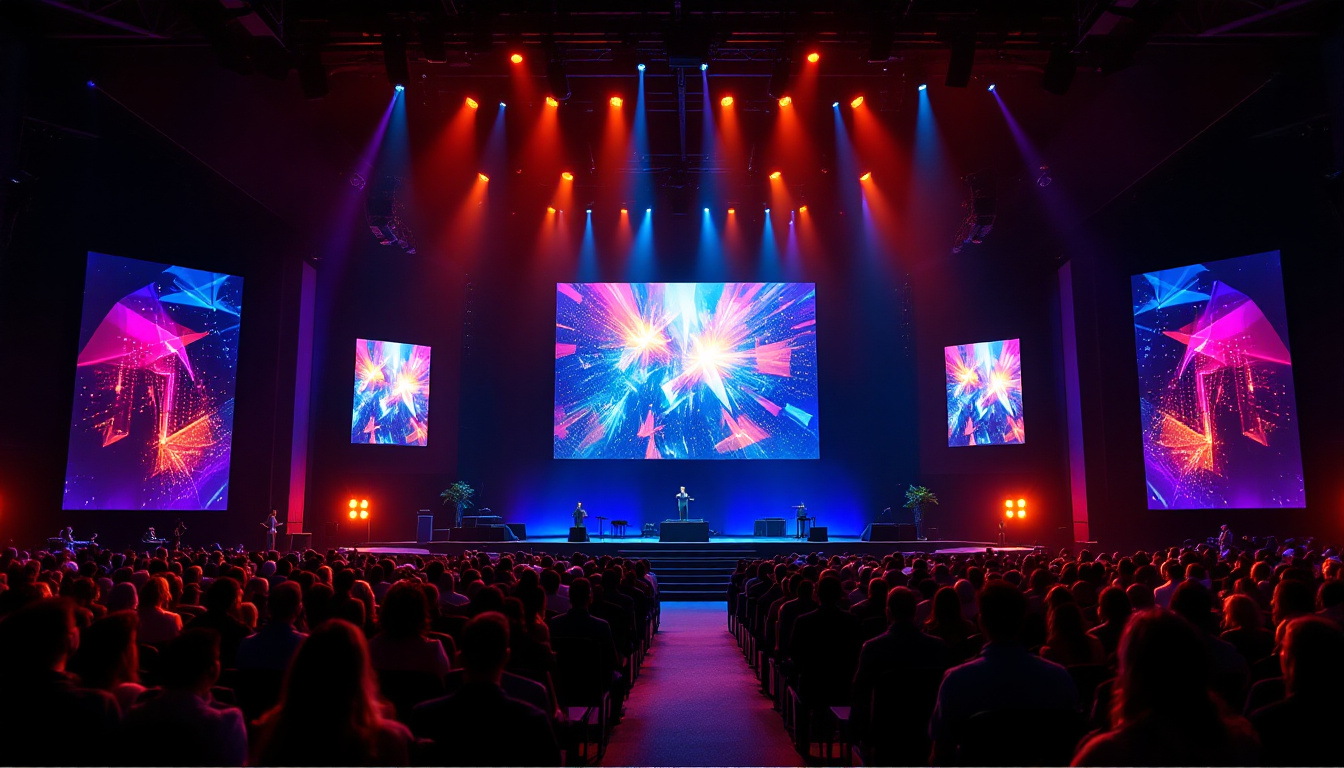
Large LED displays are often modular, built from smaller panels that fit together seamlessly to form a single expansive screen. This modularity allows for customization in size and shape, which is essential for applications requiring unique display dimensions or curved surfaces. Furthermore, the lightweight nature of LED technology facilitates easier installation and maintenance, making it a preferred choice for venues such as stadiums, concert halls, and outdoor advertising. The durability of LED displays also contributes to their long lifespan, reducing the need for frequent replacements and making them a cost-effective solution in the long run.
How Touchscreen Integration Works with LED Displays
Integrating touch functionality into large LED displays involves overlaying a touch-sensitive layer on the screen’s surface. Common touchscreen technologies include capacitive, infrared, and optical touch systems. Capacitive touchscreens, similar to those used in smartphones, detect the electrical properties of the human finger, offering high precision and multi-touch capabilities.
Infrared and optical touch technologies use a grid of light beams or cameras to detect touch points, which can be advantageous for very large displays where capacitive technology may be less practical or more expensive. The choice of touchscreen technology impacts responsiveness, accuracy, durability, and cost. Additionally, the integration of touch technology can transform the user experience, allowing for interactive applications such as wayfinding in malls, educational tools in classrooms, and engaging advertisements in public spaces. As more industries adopt interactive displays, the demand for advanced touchscreen capabilities continues to grow, pushing manufacturers to innovate and enhance the functionality of LED displays even further.
Key Advantages of Large Touchscreen LED Displays
Exceptional Brightness and Visibility
One of the standout features of LED displays is their superior brightness, often exceeding 1,000 nits and sometimes reaching over 5,000 nits in outdoor models. This brightness ensures that content remains clear and vibrant even under direct sunlight or in brightly lit indoor environments. For public information displays, digital signage, or interactive kiosks, this visibility is crucial to capturing and retaining viewer attention. Furthermore, the high contrast ratios of LED displays enhance the viewing experience, making colors pop and text legible from various angles. This is particularly beneficial in retail environments where attracting customers’ eyes to promotions and advertisements can significantly impact sales.
Durability and Longevity
LED displays are known for their robustness. The diodes themselves have a long operational life, often rated at 50,000 to 100,000 hours, which translates to many years of continuous use. Additionally, LED panels are more resistant to temperature fluctuations and physical impacts compared to LCDs. This durability makes them ideal for high-traffic areas and outdoor installations where environmental conditions can be challenging. In fact, many manufacturers offer warranties that reflect the confidence in their products’ longevity, often covering several years of use. This reliability not only minimizes maintenance costs but also ensures that businesses can maintain a consistent visual presence without the need for frequent replacements or repairs.
Energy Efficiency
Compared to traditional display technologies, LEDs consume less power while delivering higher brightness. This energy efficiency not only reduces operational costs but also supports sustainability goals, an increasingly important consideration for businesses and public institutions alike. Moreover, the lower heat output of LED displays means that they require less energy for cooling systems, further enhancing their eco-friendly profile. As energy costs continue to rise, the adoption of LED technology can lead to significant savings over time, making it a financially sound investment for organizations looking to upgrade their display systems. Additionally, many LED displays are designed with smart technology that allows for automated brightness adjustments based on ambient light, optimizing energy use even further.
Applications of Large Touchscreen LED Displays
Retail and Advertising
In retail environments, large touchscreen LED displays serve as dynamic digital signage and interactive kiosks. They enable customers to browse products, access promotions, and even customize orders in real-time. According to a 2023 study by Digital Signage Today, interactive digital displays can increase customer engagement by up to 30%, leading to higher sales conversions. Retailers can also leverage these displays to showcase customer testimonials, product videos, and even live social media feeds, creating a more immersive shopping experience that captures attention and drives foot traffic.
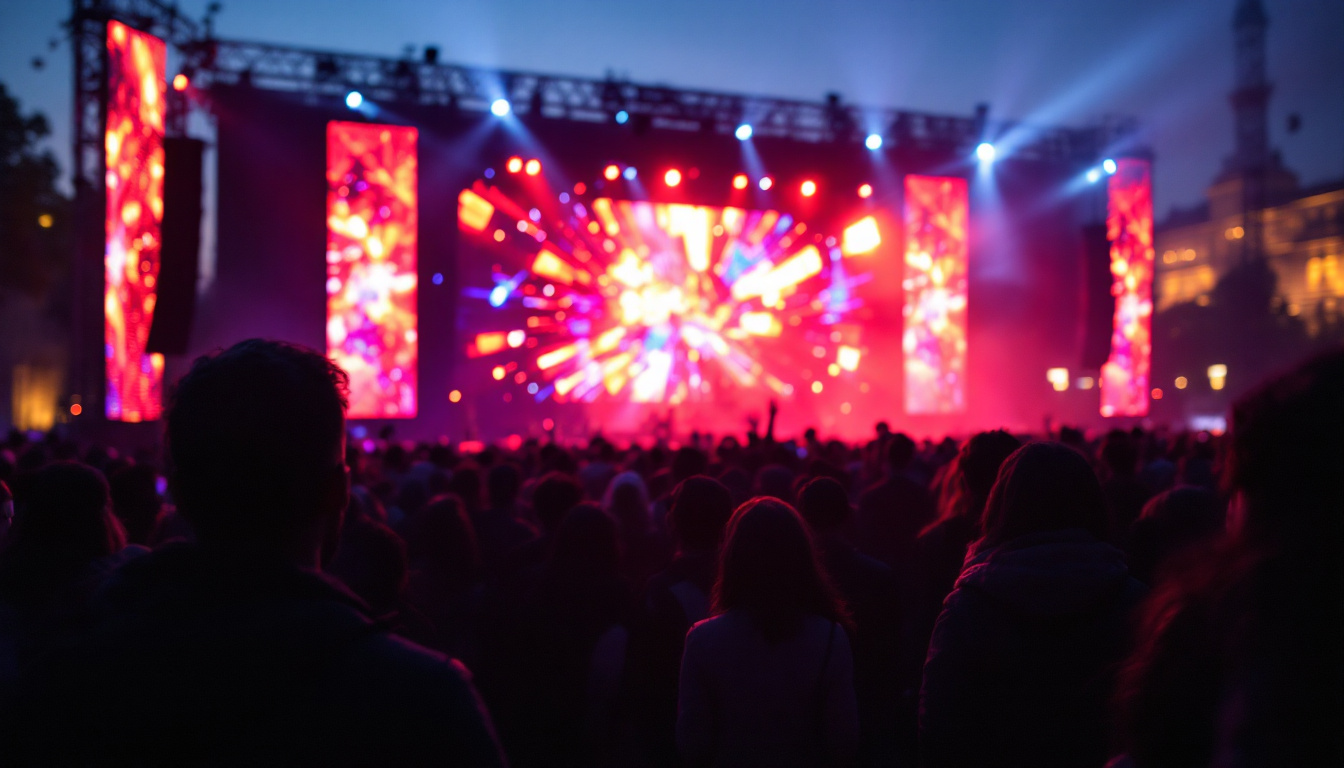
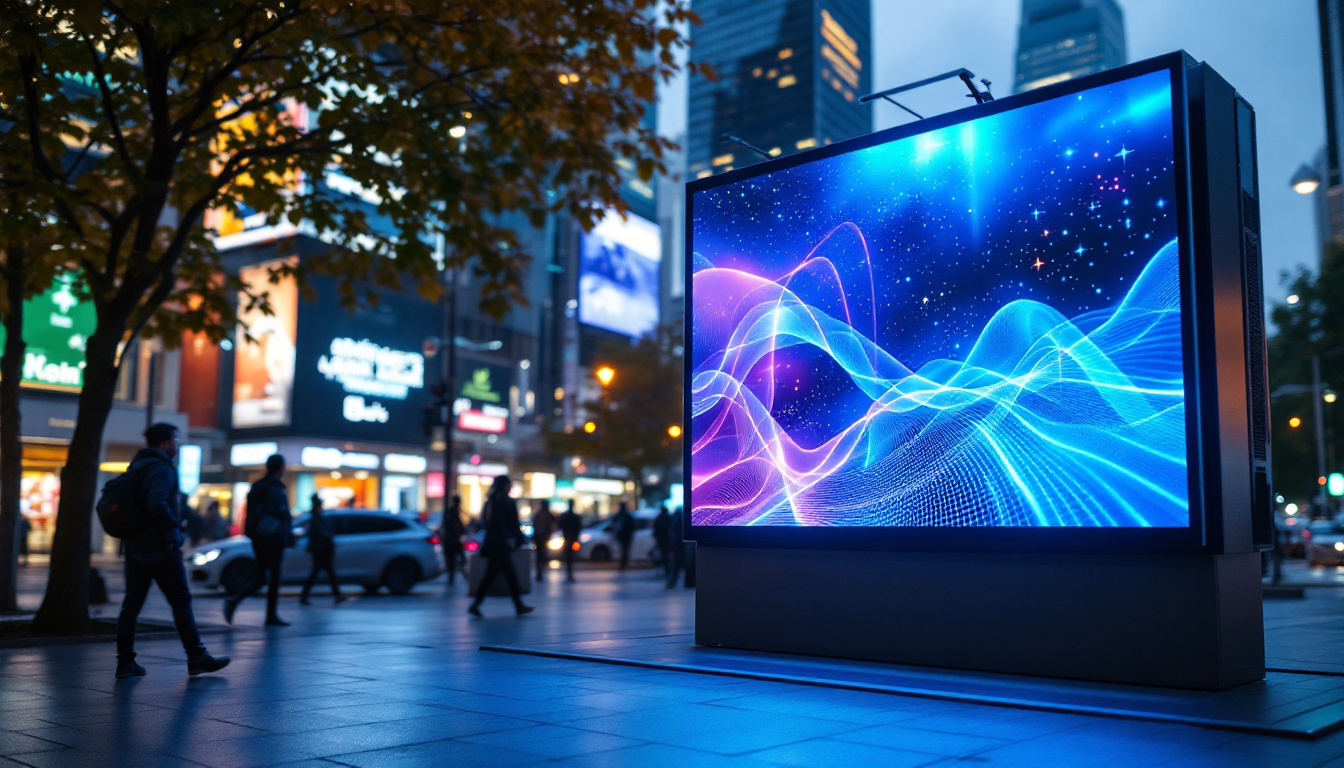
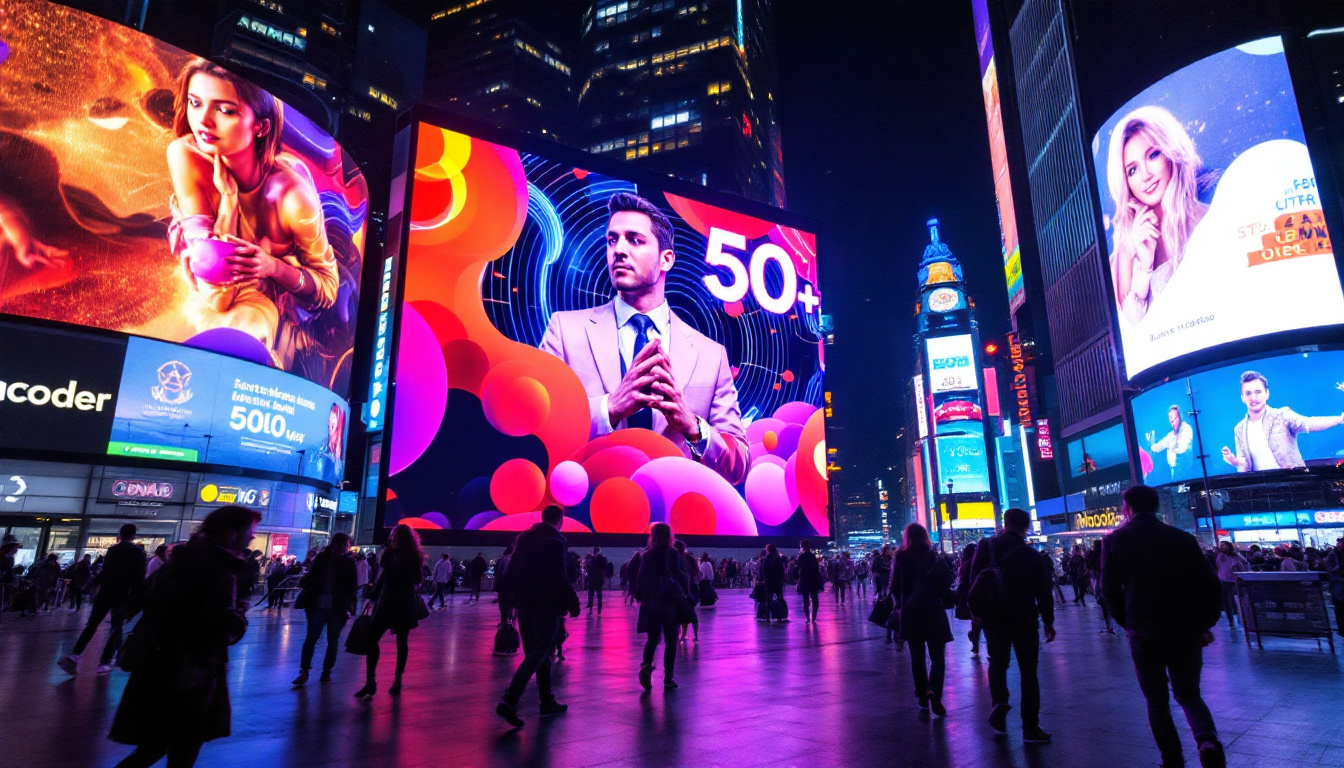
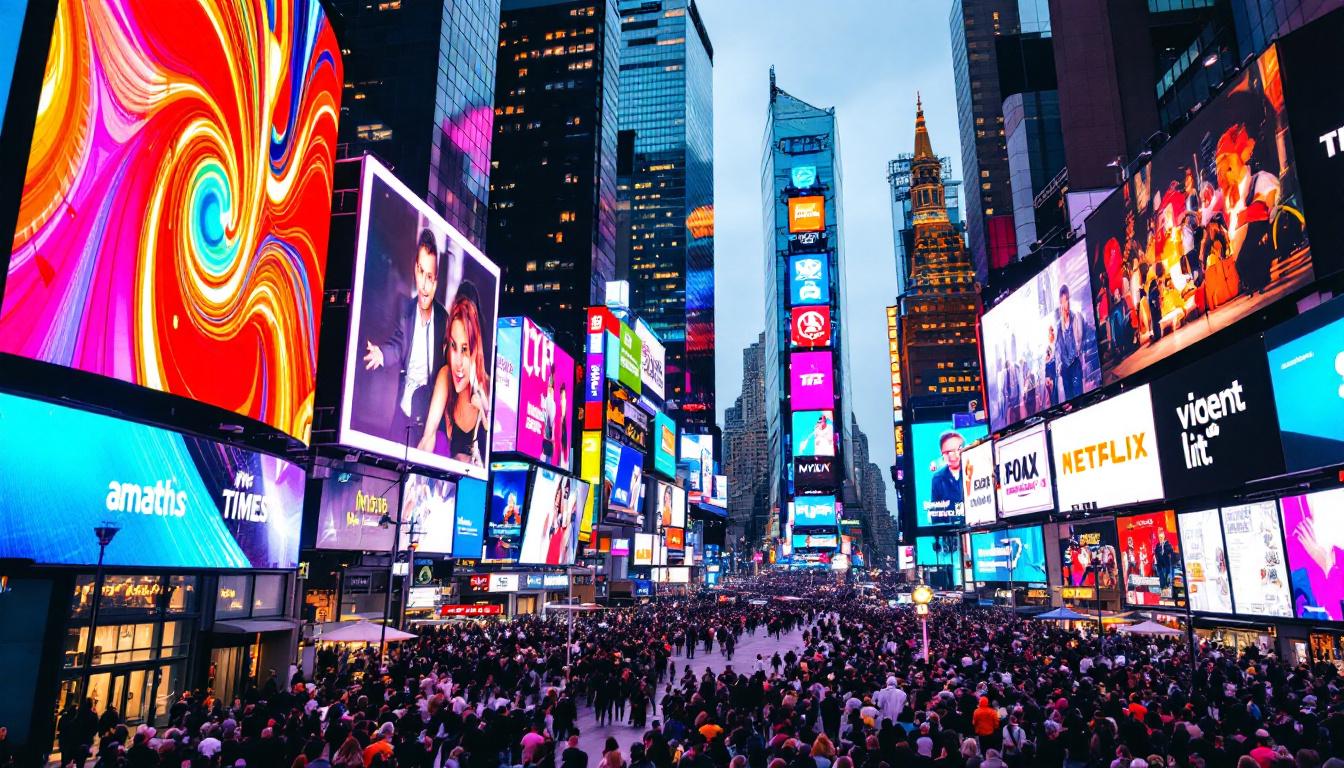
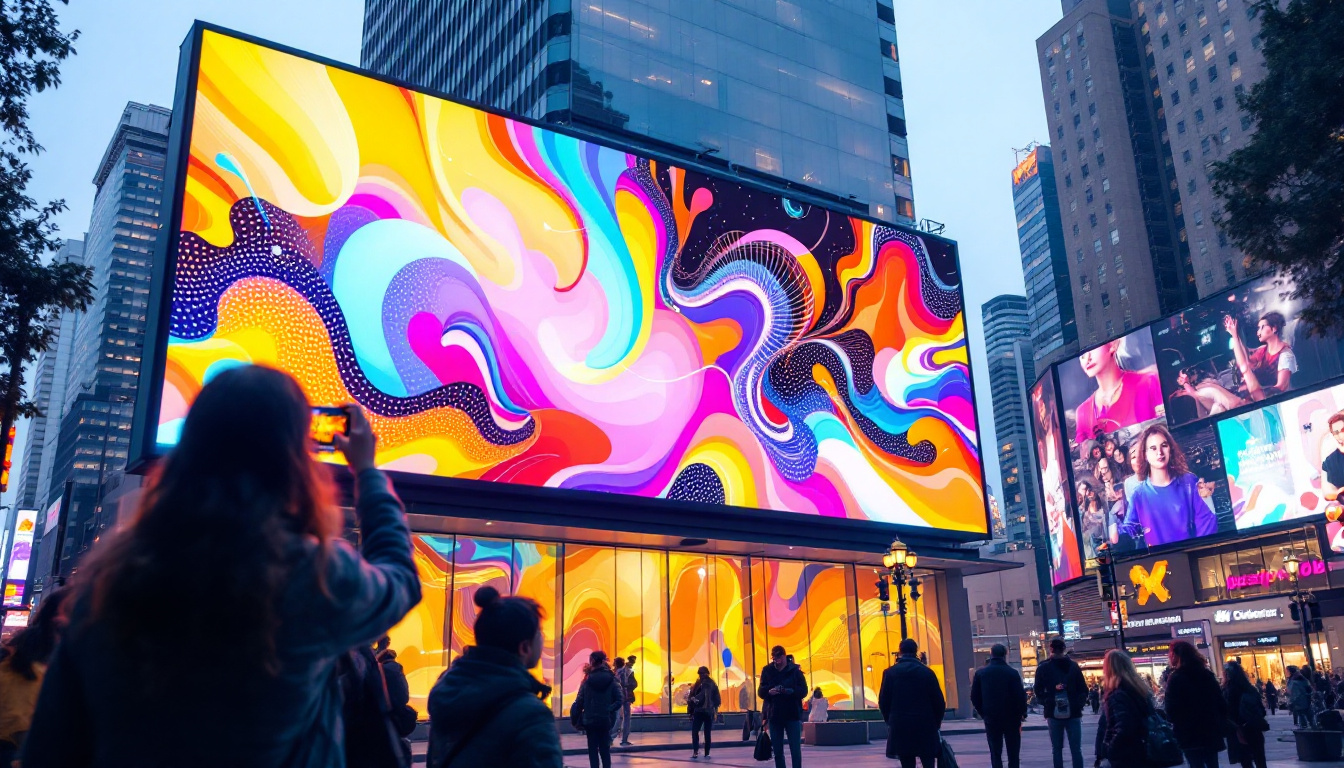
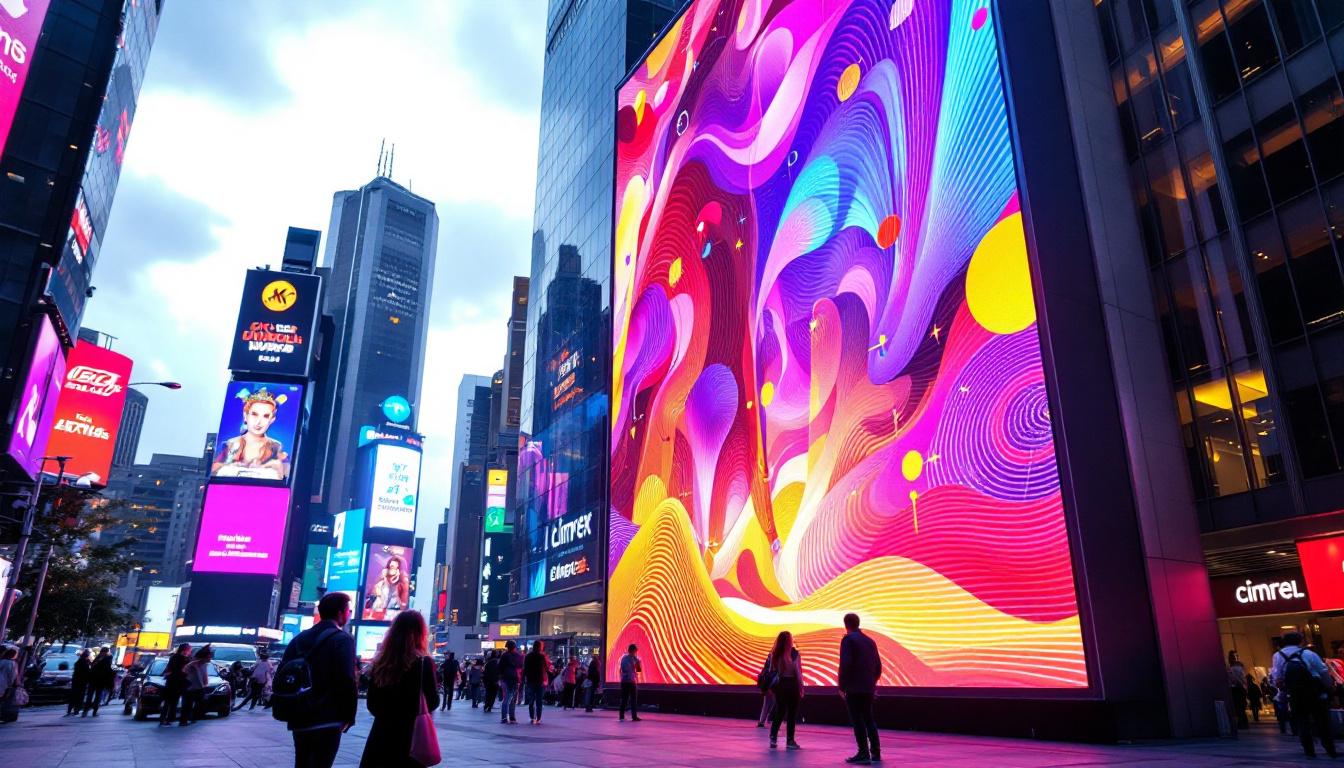
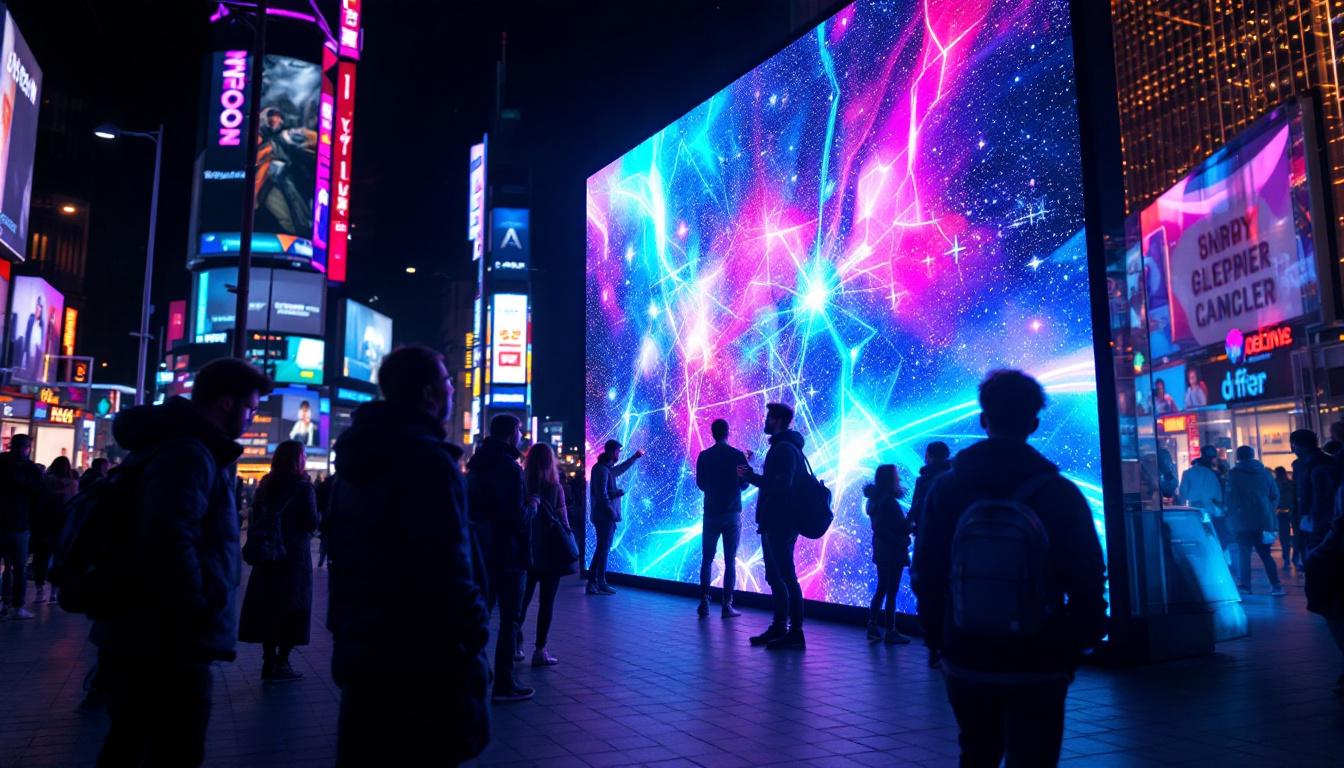
Outdoor LED displays are also widely used for advertising on billboards and building facades, where their brightness and weather resistance make them highly effective. The ability to update content remotely and instantly adds flexibility for marketing campaigns. Brands can run time-sensitive promotions or tailor messages based on real-time data, such as weather conditions or local events, ensuring their advertising remains relevant and impactful. Furthermore, the integration of QR codes or NFC technology allows customers to engage with the content directly, bridging the gap between digital and physical shopping experiences.
Education and Corporate Use
Educational institutions leverage large touchscreen LED displays for interactive learning, enabling teachers to present multimedia content, annotate in real-time, and engage students more effectively. The large size and clarity of LED displays facilitate collaborative learning in classrooms and lecture halls. These displays can also support various educational tools and software, allowing for interactive quizzes and gamified learning experiences that keep students motivated and involved. Additionally, the use of touchscreen technology can help accommodate diverse learning styles, making education more inclusive.
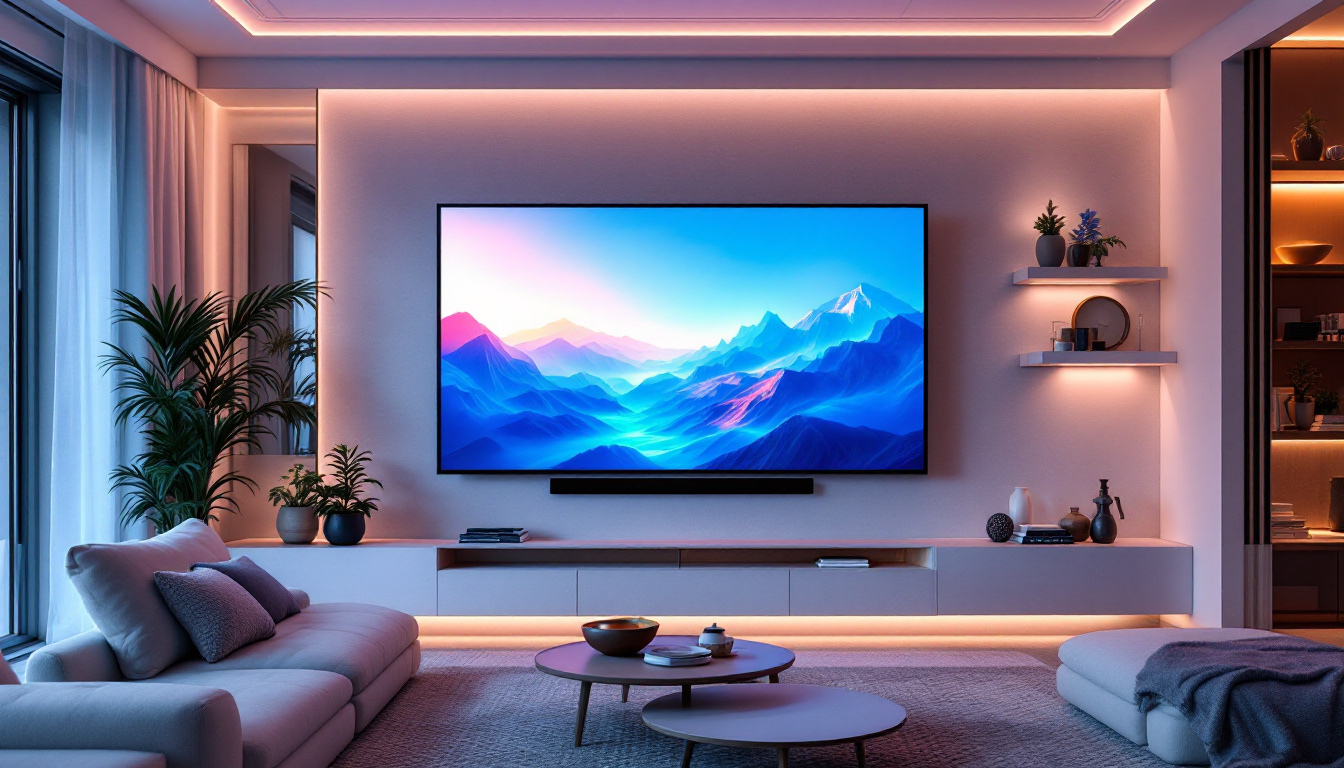
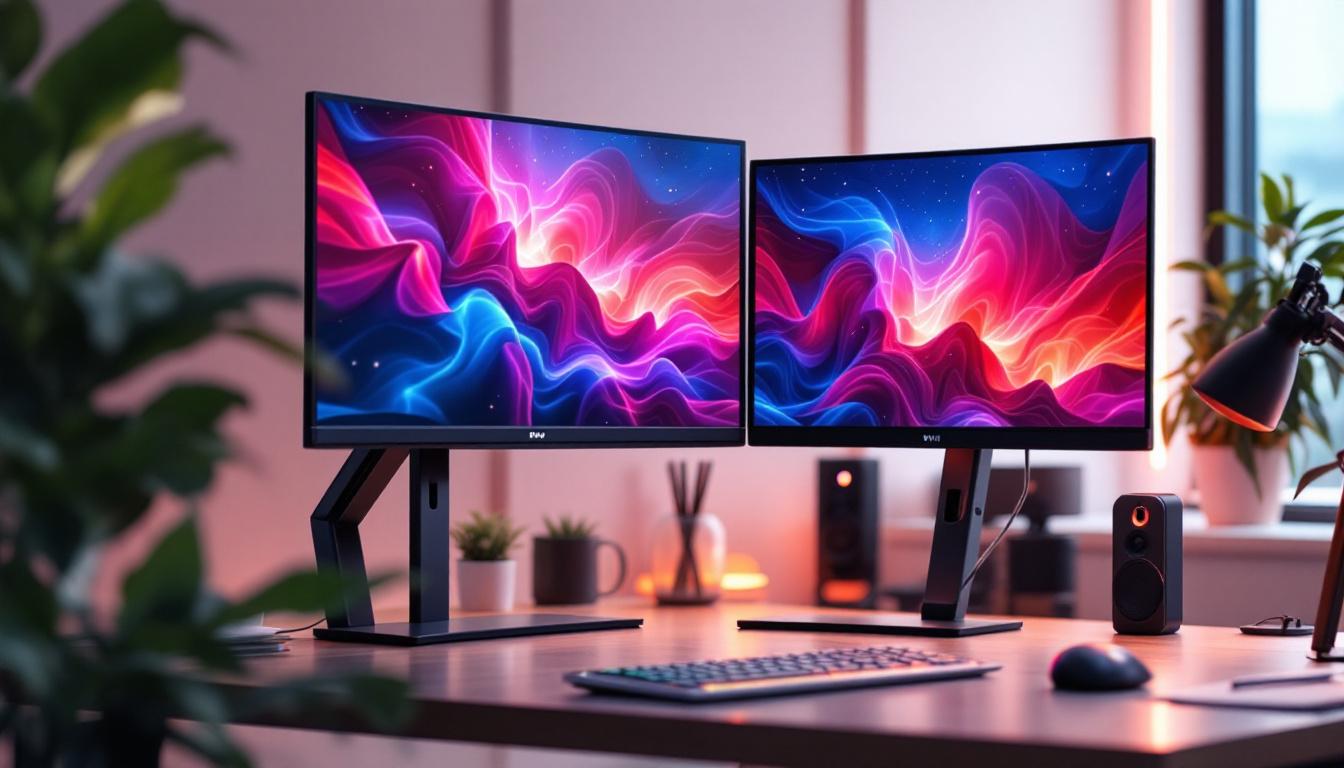
In corporate settings, these displays are used in conference rooms and lobbies for presentations, video conferencing, and digital wayfinding. Their interactivity enhances meetings by allowing participants to manipulate data and visuals directly on the screen. Beyond meetings, companies can utilize these displays for internal communications, showcasing important announcements, performance metrics, or employee recognition programs. This not only keeps employees informed but also fosters a sense of community and engagement within the workplace, contributing to a more cohesive corporate culture.
Public Spaces and Transportation Hubs
Airports, train stations, and other transportation hubs utilize large touchscreen LED displays for wayfinding, ticket purchasing, and real-time information updates. The combination of touch interactivity and high visibility ensures travelers can easily access essential information, improving overall user experience and operational efficiency. These displays can also feature multilingual support, catering to a diverse range of passengers and enhancing accessibility for international travelers.
Moreover, the integration of augmented reality (AR) features into these displays can provide users with an even more engaging experience. For example, travelers could use the touchscreen to overlay navigation paths onto their surroundings, helping them find their gates or nearby amenities more intuitively. Additionally, these displays can serve as platforms for advertising local attractions, dining options, or services, creating a seamless blend of information and promotion that benefits both travelers and local businesses alike.
Choosing the Right Large Touchscreen LED Display
Resolution and Pixel Pitch
The resolution of an LED display is determined by its pixel pitch—the distance between the centers of adjacent pixels. Smaller pixel pitches mean higher resolution and sharper images, which is particularly important for displays viewed up close. For large touchscreen displays intended for interactive use, a pixel pitch of 1.5mm to 2.5mm is common, balancing clarity and cost.
Size and Aspect Ratio
Choosing the appropriate size depends on the intended viewing distance and application. For example, a retail kiosk may require a 55-inch display, while a conference room might benefit from a 100-inch or larger screen. Aspect ratio also matters; widescreen formats (16:9 or 16:10) are standard, but custom ratios can be designed for specific use cases.
Touch Technology and Responsiveness
Consider the environment and usage patterns when selecting the touch technology. Capacitive touchscreens offer high accuracy and multi-touch support but may be more sensitive to environmental factors. Infrared or optical touchscreens can handle larger screen sizes and are less affected by dirt or gloves, making them suitable for public or outdoor use.
Installation and Maintenance
Large LED displays require careful planning for installation, including structural support, power supply, and connectivity. Modular designs facilitate easier maintenance and repair, as individual panels can be replaced without dismantling the entire display. Additionally, consider the availability of technical support and warranty services from the manufacturer or vendor.
Future Trends in Large Touchscreen LED Displays
Advancements in Mini-LED and Micro-LED Technologies
Emerging technologies like mini-LED and micro-LED are poised to revolutionize large displays. These innovations offer even higher brightness, improved contrast ratios, and better energy efficiency by using smaller diodes packed more densely. Micro-LED displays, in particular, promise near-perfect color accuracy and longer lifespans, although they are currently more expensive and less widely available.
Integration with AI and IoT
Smart displays integrated with artificial intelligence (AI) and Internet of Things (IoT) technologies are becoming more prevalent. These systems can personalize content based on user interaction, optimize display settings automatically, and provide analytics on user engagement. Such capabilities enhance the value of large touchscreen LED displays in retail, education, and public information sectors.
Flexible and Transparent LED Displays
Innovations in flexible and transparent LED panels are opening new possibilities for design and functionality. Flexible displays can be curved or wrapped around surfaces, enabling creative architectural integrations. Transparent LED displays allow for see-through applications like storefront windows or augmented reality experiences, blending digital content with the physical environment.
Conclusion
Large touchscreen LED displays represent a powerful convergence of display technology and interactive functionality, offering unparalleled brightness, durability, and versatility. Their applications span numerous industries, enhancing customer engagement, improving communication, and enabling innovative user experiences.
When selecting a large touchscreen LED display, it is essential to consider factors such as resolution, size, touch technology, and environmental conditions to ensure optimal performance. As technology advances, these displays will continue to evolve, incorporating smarter features and more flexible designs that will shape the future of digital interaction.
Understanding the fundamentals of LED display technology and its integration with touch capabilities empowers businesses and institutions to make informed decisions, maximizing the impact of their digital investments.
Discover LumenMatrix’s Innovative LED Solutions
Ready to elevate your space with the latest in LED display technology? LumenMatrix is at the forefront of creating immersive visual experiences with a comprehensive range of LED display solutions. From vibrant Indoor and Outdoor LED Wall Displays to dynamic Vehicle and Sports LED Displays, our offerings are designed to captivate and engage. Whether you’re looking for a Floor LED Display, a Custom solution, an All-in-One LED Display, or a cutting-edge LED Transparent Display, LumenMatrix has the expertise to bring your vision to life. Embrace the future of visual communication and check out LumenMatrix LED Display Solutions today to share your message with unparalleled impact and clarity.