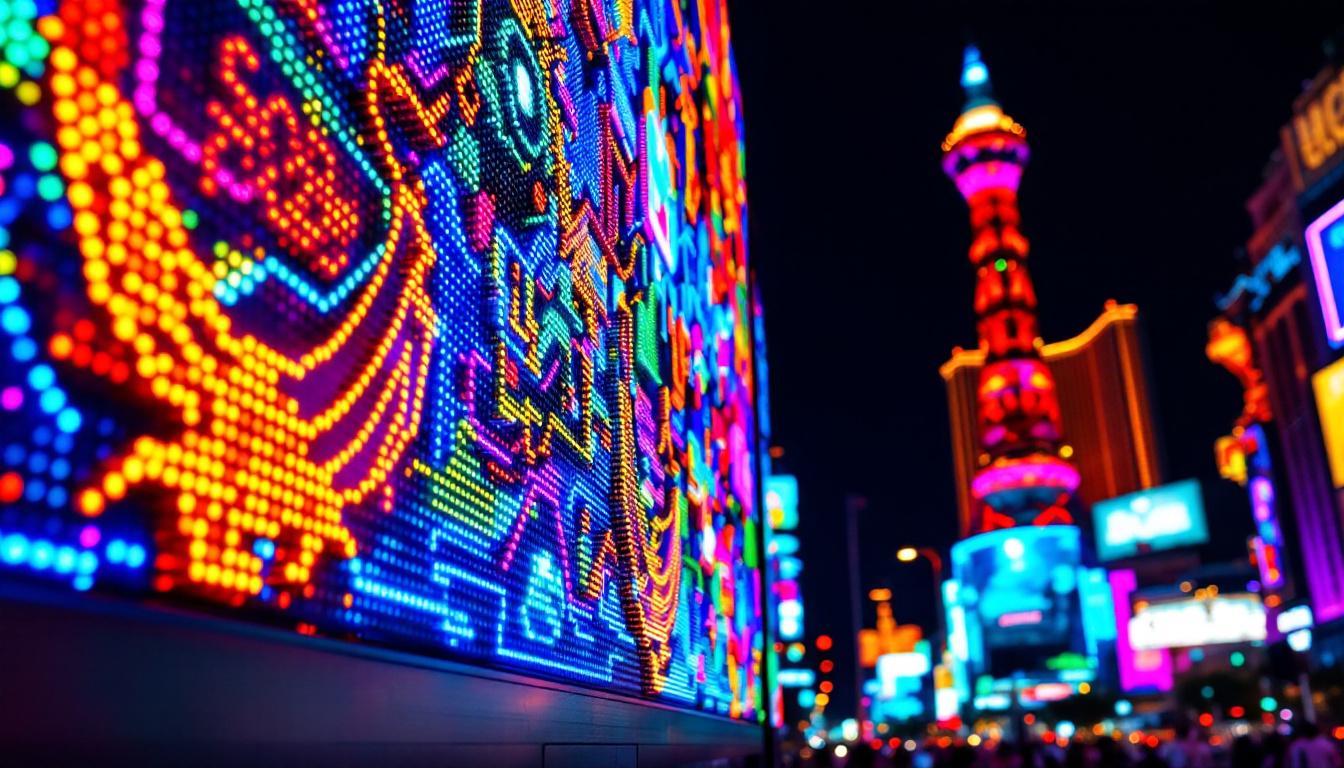
In the heart of the Las Vegas Strip, the iconic spherical LED display known as the “Las Vegas Globe” captivates millions of visitors each year. This impressive structure is not only a marvel of modern engineering but also a testament to the power of LED technology in creating immersive visual experiences. Understanding how this globe works, the technology behind it, and its impact on advertising and entertainment provides valuable insight into one of Las Vegas’s most recognizable landmarks.
The Evolution of LED Displays in Las Vegas
Las Vegas has long been synonymous with dazzling lights and eye-catching displays. From neon signs to massive billboards, the city’s visual landscape has evolved dramatically over the decades. The introduction of LED (Light Emitting Diode) technology revolutionized how messages and images are presented in public spaces, offering brighter, more energy-efficient, and versatile options compared to traditional lighting.
The Las Vegas Globe represents a pinnacle of this evolution. Unlike flat LED screens, the globe’s spherical shape presents unique challenges and opportunities, pushing the boundaries of display technology. This shift from conventional rectangular displays to a 3D spherical canvas allows for dynamic content that can be viewed from multiple angles, enhancing engagement and visibility.
From Neon to LEDs: A Technological Leap
Neon signs were once the hallmark of Las Vegas’s visual identity, offering vibrant colors and a distinctive glow. However, neon is fragile, energy-intensive, and limited in the complexity of images it can display. LEDs, by contrast, are more durable, consume less power, and can produce a full spectrum of colors with remarkable brightness.
By the early 2000s, LED technology had matured enough to be deployed on large scales, leading to the development of massive LED billboards and eventually the spherical LED globe. This transition reflects broader trends in digital signage and urban aesthetics, where interactivity and high-definition visuals are increasingly valued. The ability to display high-resolution video content has transformed advertising strategies, allowing businesses to create immersive experiences that captivate audiences. As a result, Las Vegas has become a living canvas where brands can tell their stories in innovative ways, utilizing the latest advancements in display technology.
Moreover, the integration of smart technology into LED displays has opened new avenues for engagement. Many of these displays are now equipped with sensors and connectivity features that allow for real-time interaction with viewers. For instance, some billboards can change their content based on the time of day or the demographics of the audience, creating a personalized experience. This level of adaptability not only enhances the viewer’s experience but also maximizes the effectiveness of advertising campaigns. As Las Vegas continues to embrace these cutting-edge technologies, it solidifies its reputation as a leader in visual innovation, setting trends that other cities may aspire to follow.
Technical Anatomy of the Las Vegas Globe
The Las Vegas Globe is a complex assembly of thousands of LED modules arranged meticulously to form a perfect sphere. Understanding its technical components sheds light on how it achieves its stunning visual effects.
LED Modules and Pixel Density
The globe’s surface is covered with over 40,000 individual LED panels, each containing hundreds of tiny LEDs called pixels. These pixels are the fundamental units that emit light and color, collectively forming the images and animations displayed.
Pixel density—the number of pixels per square meter—is a critical factor determining image clarity and resolution. The Las Vegas Globe boasts a high pixel density, enabling it to display detailed graphics even when viewed from a distance. This is particularly important given the globe’s size and the fact that it is viewed from multiple angles and distances. The careful arrangement of these pixels not only enhances visual fidelity but also allows for dynamic content that can shift and change, captivating audiences with a variety of displays ranging from artistic visuals to informational graphics.
Curved Surface Challenges and Solutions
Creating a seamless image on a spherical surface poses significant engineering challenges. Unlike flat screens, the globe’s curvature can distort images if not properly accounted for. To address this, each LED module is custom-shaped and positioned to maintain consistent pixel spacing and alignment.
Advanced software algorithms correct for geometric distortion, ensuring that images appear natural and proportionate regardless of the viewer’s perspective. This combination of hardware precision and software calibration is essential for the globe’s immersive visual experience. Moreover, the integration of real-time data feeds allows the globe to showcase live events, weather updates, and social media interactions, making it not just a static display but a dynamic canvas that reflects the pulse of the city.
Brightness and Color Calibration
Las Vegas’s bright ambient lighting conditions demand that the globe’s LEDs be exceptionally bright to stand out. The globe uses high-intensity LEDs capable of producing vivid colors visible even in direct sunlight or under the city’s neon glow.
Color calibration is performed regularly to maintain uniformity across the globe’s surface. This process involves adjusting the color output of individual LEDs so that the entire display presents a cohesive and vibrant image. Proper calibration ensures that the globe’s visuals remain striking and true to the intended design. Additionally, the technology behind the globe incorporates adaptive brightness control, which automatically adjusts the intensity of the LEDs based on surrounding light conditions. This ensures that the visuals are always eye-catching, whether during the bright midday sun or the enchanting glow of the Las Vegas nightlife, further enhancing the viewer’s experience and engagement with the display.
Content and Programming: Bringing the Globe to Life
The technical brilliance of the Las Vegas Globe would be meaningless without compelling content. The globe’s programming is a blend of art, marketing, and technology, designed to captivate audiences and convey messages effectively.
Dynamic Visual Storytelling
The globe features dynamic animations, video clips, and interactive visuals that tell stories or promote events. Content creators leverage the globe’s 3D format to craft experiences that wrap around the sphere, creating a sense of depth and movement impossible on flat screens.
This storytelling approach enhances visitor engagement, making the globe not just a billboard but a landmark that entertains and informs. Seasonal themes, special event promotions, and artistic displays are regularly rotated to keep the experience fresh and relevant.
Advertising Impact and Reach
For advertisers, the Las Vegas Globe offers unparalleled visibility. Positioned in a high-traffic area, it reaches millions of tourists and locals annually. The globe’s unique shape and brightness attract attention, increasing the likelihood of message retention.
Studies show that digital signage with dynamic content can improve brand recall by up to 47% compared to static signs. The globe’s ability to display vibrant, moving content magnifies this effect, making it a valuable asset for marketing campaigns targeting diverse audiences.
Technical Infrastructure Behind Content Delivery
Delivering content to the globe requires a robust backend infrastructure. High-speed data connections, powerful servers, and specialized software ensure that content is uploaded, scheduled, and displayed seamlessly. Real-time monitoring systems detect and address any technical issues promptly, minimizing downtime.
Content updates can be made remotely, allowing for quick changes to reflect current events or advertising needs. This flexibility is crucial in a fast-paced environment like Las Vegas, where timely messaging can make a significant difference.
The Environmental and Economic Impact
The Las Vegas Globe is more than a technological spectacle; it also represents a shift towards sustainable and economically beneficial urban installations.
Energy Efficiency of LED Technology
LEDs are known for their energy efficiency, consuming up to 80% less power than traditional incandescent or neon lighting. Given the globe’s size and operating hours, this efficiency translates into substantial energy savings and reduced environmental impact.
Moreover, LEDs have a longer lifespan, reducing maintenance frequency and waste. The globe’s design incorporates energy management systems that optimize brightness based on ambient light conditions, further conserving power.
Economic Benefits for Las Vegas
The globe contributes to Las Vegas’s economy by enhancing the city’s visual appeal and drawing tourists. Its presence supports local businesses by increasing foot traffic and serves as a platform for advertising that generates revenue for the city and private stakeholders.
Additionally, the installation and maintenance of the globe create jobs in engineering, content creation, and technical support. This multifaceted economic impact underscores the value of investing in innovative urban displays.
Future Trends and Innovations
The success of the Las Vegas Globe points to exciting future possibilities for LED display technology and urban visual experiences.
Integration with Augmented Reality and Interactivity
Emerging technologies such as augmented reality (AR) offer opportunities to enhance the globe’s interactivity. Visitors could use smartphones or AR glasses to interact with the globe’s content, unlocking additional layers of information or personalized experiences.
Such integration would deepen engagement and open new avenues for advertisers and artists to connect with audiences in innovative ways.
Advancements in LED Materials and Design
Research into new LED materials promises even greater brightness, color accuracy, and energy efficiency. Flexible and transparent LEDs may enable future displays that blend more seamlessly with architectural elements or offer new shapes and forms beyond the sphere.
These advancements will likely influence the next generation of public displays, continuing Las Vegas’s tradition of pushing the boundaries of visual technology.
Conclusion
The Las Vegas Globe stands as a shining example of how LED technology can transform urban spaces into vibrant, interactive canvases. Its sophisticated engineering, captivating content, and sustainable design make it a landmark that embodies both the spirit of Las Vegas and the future of digital displays.
As LED technology continues to evolve, the globe will remain a beacon of innovation, inspiring cities worldwide to reimagine how public art and advertising can coexist in harmony.
Illuminate Your Brand with LumenMatrix
Ready to elevate your visual presence and captivate audiences like the Las Vegas Globe? LumenMatrix is at the forefront of LED display innovation, offering a wide array of solutions that bring your brand to life. From Indoor and Outdoor LED Wall Displays to specialized options like Vehicle, Sports, and Floor LED Displays, our technology is designed to make an impact. Discover how our Custom, All-in-One, and Transparent LED Displays can transform your message into an unforgettable visual experience. Check out LumenMatrix LED Display Solutions and join the revolution in visual communication.