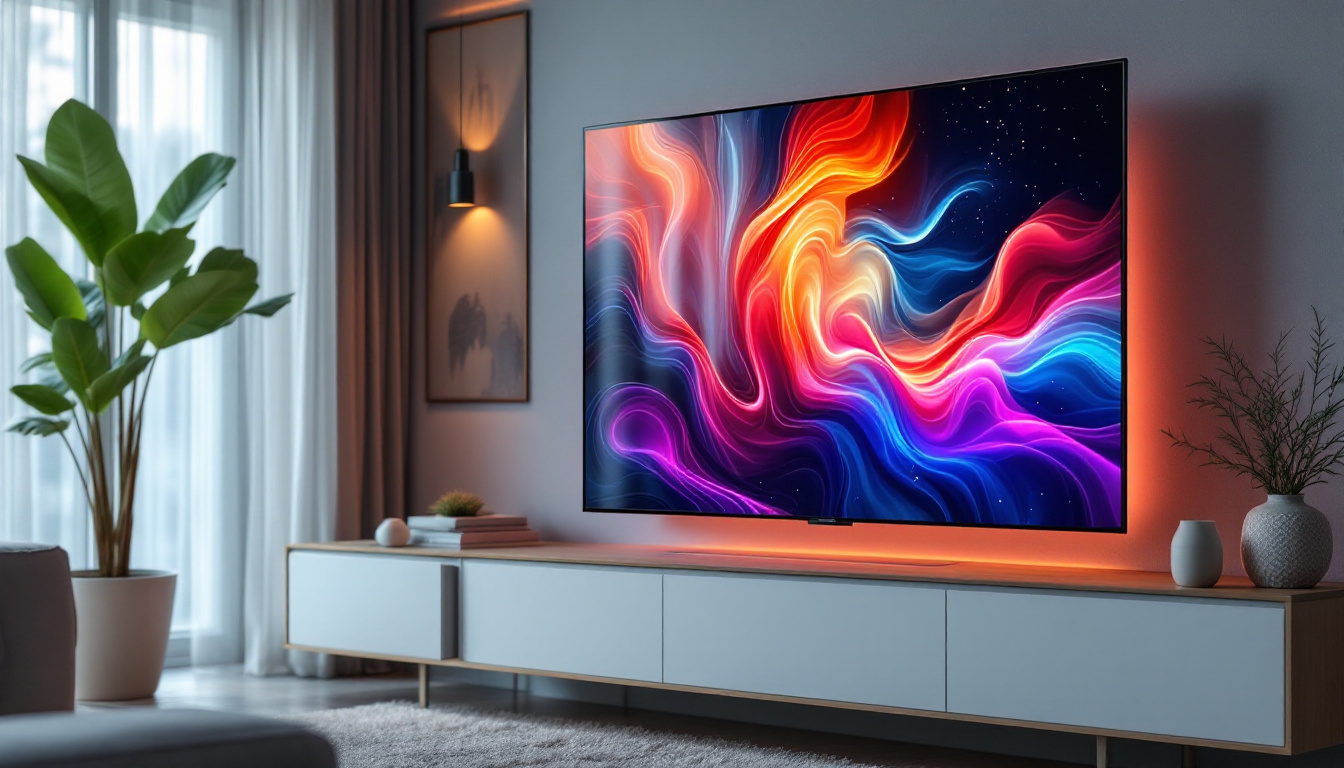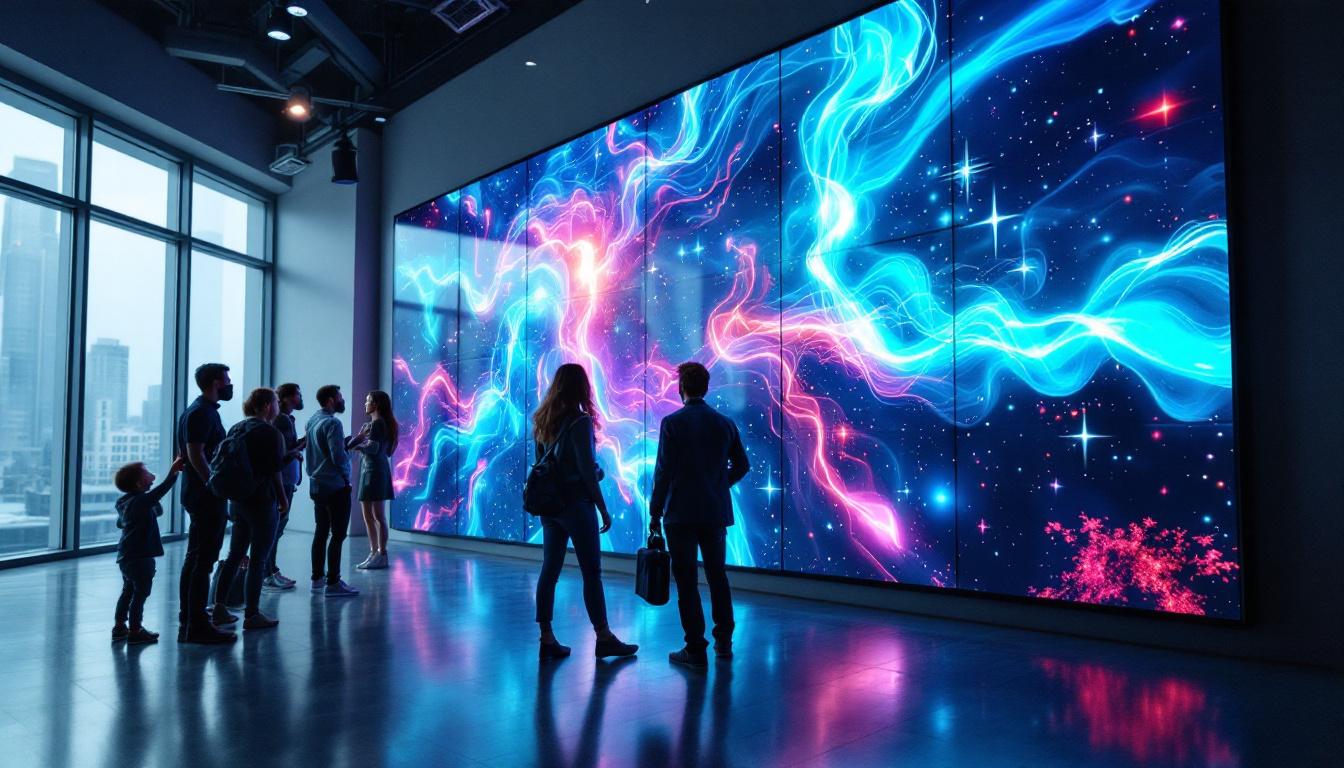
In the rapidly evolving world of digital signage and large-scale display technology, video walls have become an essential tool for businesses, event organizers, and public spaces. Among the various technologies available, LCD and LED displays dominate the market, each offering unique advantages and applications. This article provides a comprehensive explanation of LCD technology for video walls while contrasting it with LED displays, helping readers make informed decisions based on their specific needs.
Understanding Video Walls: An Overview
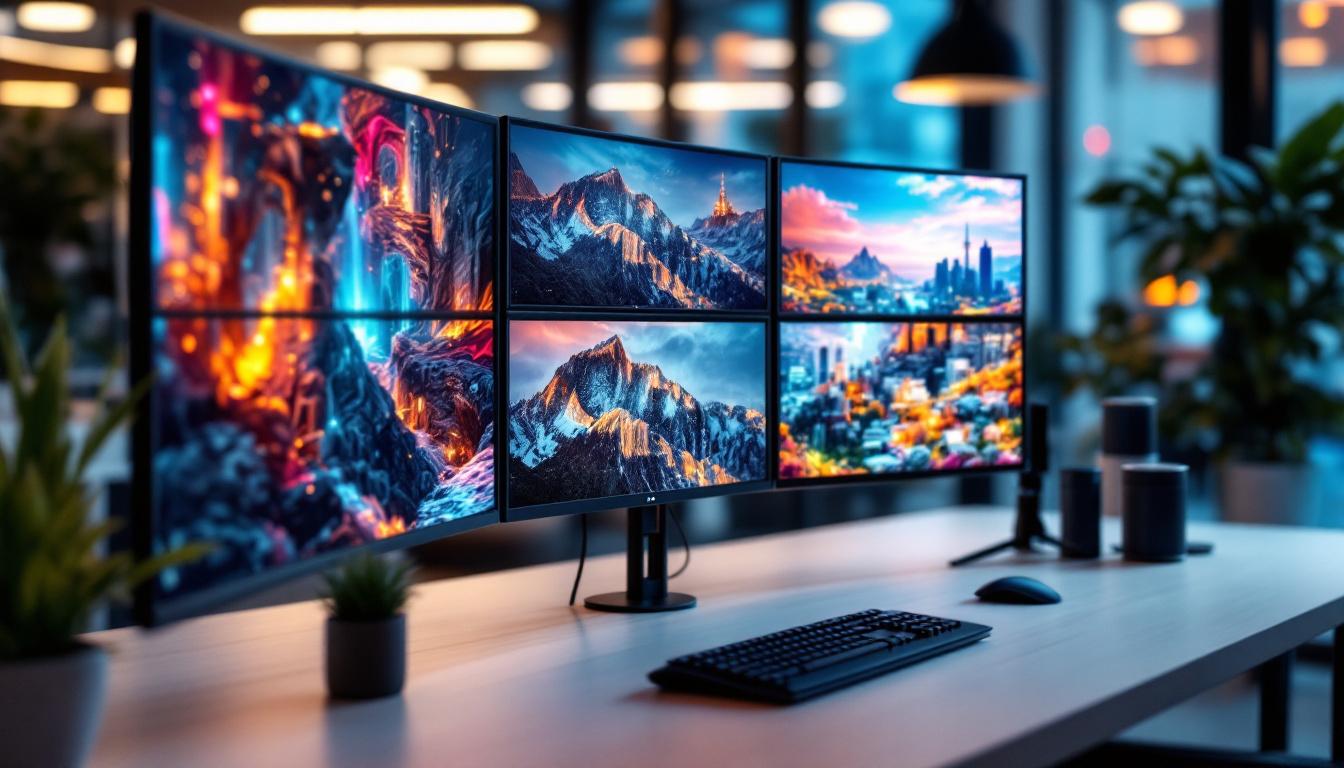
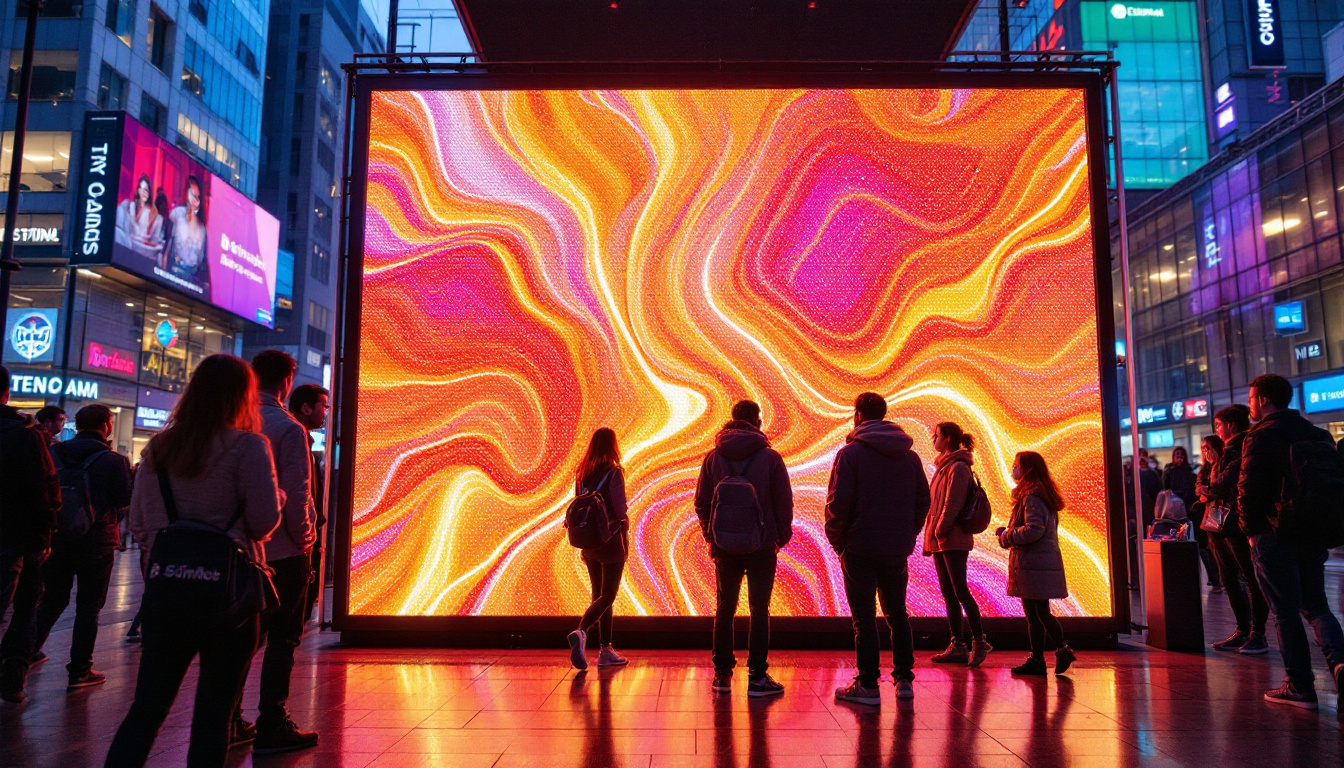
A video wall is a large visualization surface made up of multiple display panels tiled together to create one seamless image or a dynamic set of images. These walls are commonly used in control rooms, advertising, retail environments, stadiums, and conference venues. The goal is to deliver high-impact visuals that capture attention and convey information clearly and effectively.
Video walls can be constructed using different technologies, but the two most prevalent are LCD (Liquid Crystal Display) and LED (Light Emitting Diode) panels. Each technology has its own set of characteristics that influence image quality, installation complexity, maintenance, and cost.
In addition to the primary technologies, video walls can also vary in size, shape, and resolution, allowing for a wide range of applications tailored to specific needs. For instance, a retail store might opt for a curved video wall to create an immersive shopping experience, while a corporate office might choose a traditional rectangular layout for presentations and data visualization. The resolution of the panels is another critical factor; higher resolution panels provide sharper images and are particularly beneficial in environments where viewers are close to the display, such as in trade shows or interactive exhibits.
Moreover, the versatility of video walls extends beyond mere display capabilities. They can be integrated with advanced software solutions that allow for real-time content management, enabling users to switch between different media types, such as videos, images, and live feeds. This feature is especially valuable in control rooms where operators need to monitor multiple data sources simultaneously. Additionally, video walls can be synchronized with audio systems, creating a multi-sensory experience that enhances engagement and retention of information. As technology continues to evolve, we can expect even more innovative applications and enhancements in the functionality of video walls, further solidifying their role as a powerful communication tool in various industries.
What is LCD Technology in Video Walls?
The Basics of LCD Panels
LCD technology relies on liquid crystals that modulate light to produce images. These crystals do not emit light themselves; instead, an external backlight shines through the crystals, which adjust to block or allow light to pass, creating the desired image. In video walls, multiple LCD panels are arranged in a grid to form one large display. This modular approach allows for flexibility in design and size, making it possible to create video walls that fit various environments, from corporate settings to public displays.
Modern LCD video walls use LED backlighting, which enhances brightness and energy efficiency compared to older fluorescent backlights. This combination is sometimes referred to as LED-backlit LCD, which can cause some confusion when comparing LCD and LED displays. The LED backlighting not only improves color accuracy but also extends the lifespan of the panels, making them a cost-effective choice for long-term installations. Additionally, advancements in technology have led to the development of local dimming features, which further enhance contrast ratios by allowing specific areas of the screen to be dimmed or brightened independently.
Key Features of LCD Video Walls
One of the most significant advantages of LCD video walls is their high resolution. Because each panel has a fixed number of pixels, when combined, the overall resolution can be extremely high, allowing for sharp and detailed images. This makes LCD video walls ideal for applications where image clarity is paramount, such as control rooms or digital art installations. Furthermore, many modern LCD video walls support 4K and even 8K resolutions, providing an unparalleled level of detail that is particularly beneficial for large-scale presentations or immersive environments.
Another important feature is the relatively narrow bezels (the borders around each panel). Advances in manufacturing have reduced bezel sizes to as little as 0.9 mm, minimizing the visual breaks between panels and creating a more cohesive image. However, some bezel is still present, which can be a consideration depending on the application. The design of the bezels can also impact the overall aesthetic of the video wall; manufacturers are increasingly focusing on creating ultra-slim bezels that blend seamlessly into the display, enhancing the visual experience. Additionally, many LCD video walls come equipped with advanced calibration tools that allow for precise color matching across all panels, ensuring a uniform look that is essential for professional-grade installations.
LED Displays: A Different Approach to Video Walls
How LED Video Walls Work
Unlike LCD panels, LED video walls are composed of individual light-emitting diodes that serve as both the light source and the image pixel. These LEDs can be arranged in various configurations, including direct-view LED panels, where each pixel is a cluster of red, green, and blue LEDs.
Because LEDs emit their own light, LED video walls do not require backlighting, which allows for thinner panels and often better contrast ratios. The ability to control each LED individually results in vibrant colors and deep blacks, enhancing overall image quality.
Advantages of LED Video Walls
LED video walls excel in brightness, often reaching 1,500 to 5,000 nits or more, making them highly visible in bright environments such as outdoor advertising or stadiums. Their modular design allows for virtually unlimited sizes and aspect ratios, offering flexibility for creative installations.
Additionally, LED panels typically have a longer lifespan and lower maintenance requirements compared to LCD panels. They are also more durable, making them suitable for environments where physical impact or weather exposure is a concern.
Comparing LCD and LED Video Walls: What You Need to Know
Image Quality and Resolution
LCD video walls generally provide higher pixel density and sharper images due to the fixed pixel structure of the panels. This makes them ideal for applications requiring detailed visuals, such as command centers or medical imaging.
Conversely, LED video walls offer superior contrast ratios and brightness, creating more vivid and dynamic images, especially in large-scale or outdoor settings. However, their pixel pitch (distance between LEDs) can be larger, which may reduce image sharpness at close viewing distances.
Installation and Maintenance
LCD video walls require precise alignment and calibration to ensure uniform color and brightness across all panels. The presence of bezels can complicate the installation, especially for ultra-narrow bezel models. Maintenance often involves replacing individual panels or backlighting components, which can be costly and time-consuming.
LED video walls, being modular, are easier to scale and maintain. Individual modules can be swapped out without disrupting the entire display. Their durability reduces the frequency of repairs, and their lightweight design simplifies installation.
Cost Considerations
Initial costs for LCD video walls tend to be lower than LED, particularly for indoor applications with standard brightness requirements. However, the total cost of ownership should factor in maintenance, energy consumption, and potential downtime.
LED video walls typically have higher upfront costs but offer energy savings and longer operational life, which can offset the initial investment over time. For outdoor or high-brightness applications, LED displays are often the more cost-effective choice in the long run.
Applications: Choosing the Right Technology for Your Video Wall
Indoor Environments
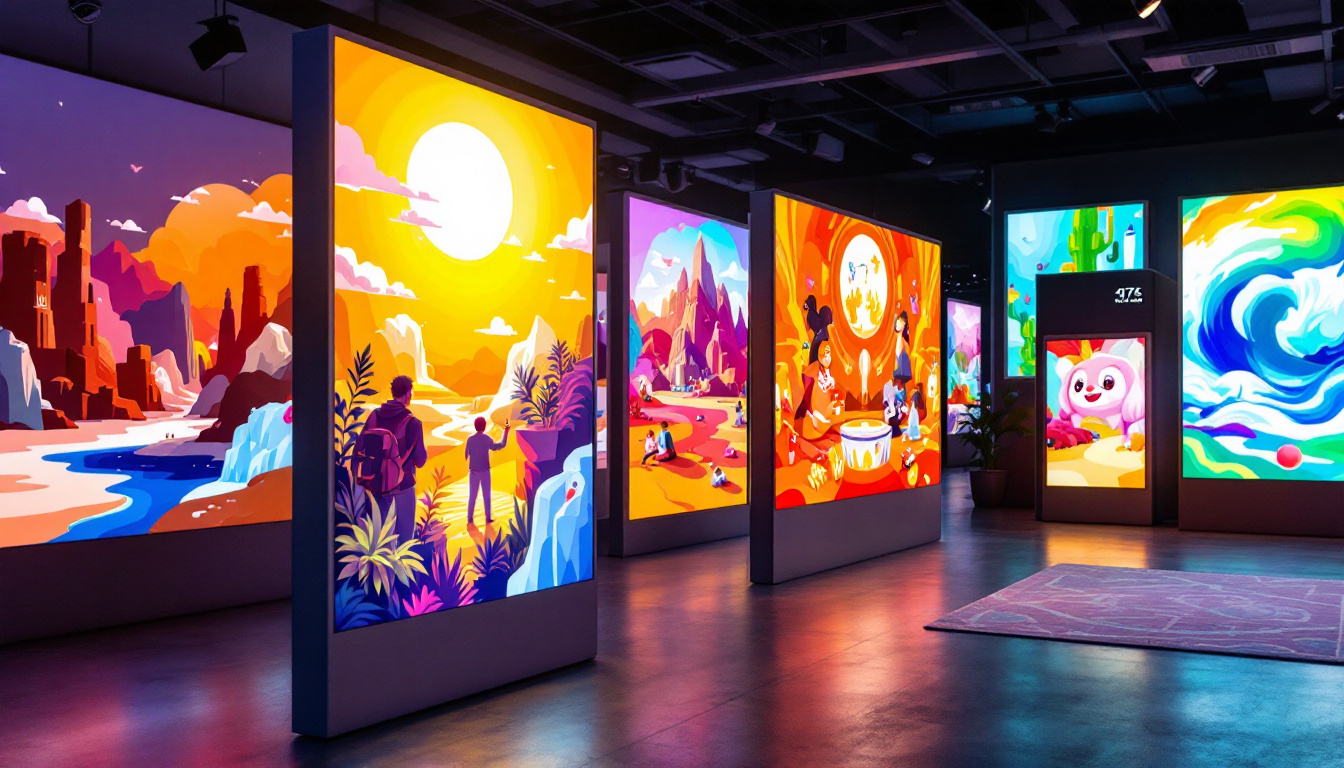
For indoor environments such as corporate lobbies, retail stores, and control rooms, LCD video walls are often preferred due to their high resolution and color accuracy. Their brightness levels are sufficient for controlled lighting conditions, and the ultra-narrow bezels provide a seamless viewing experience.
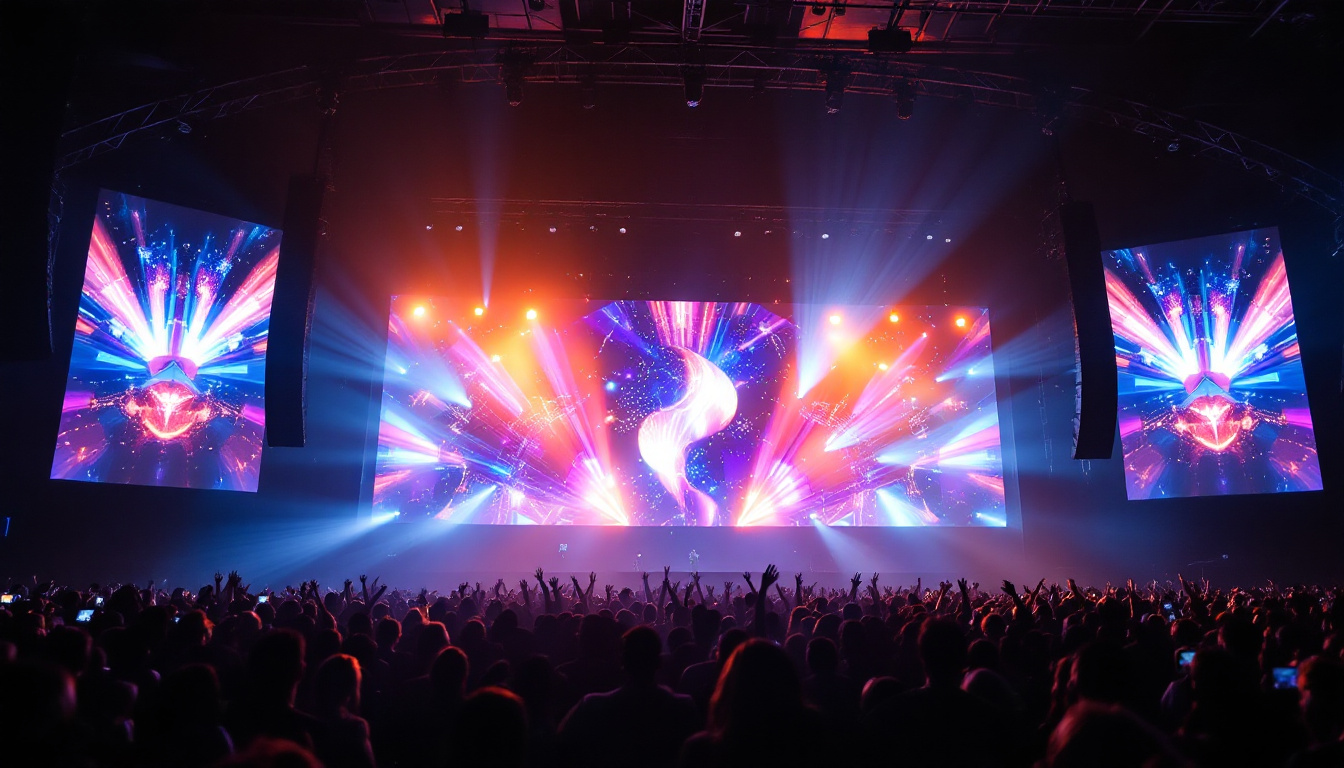
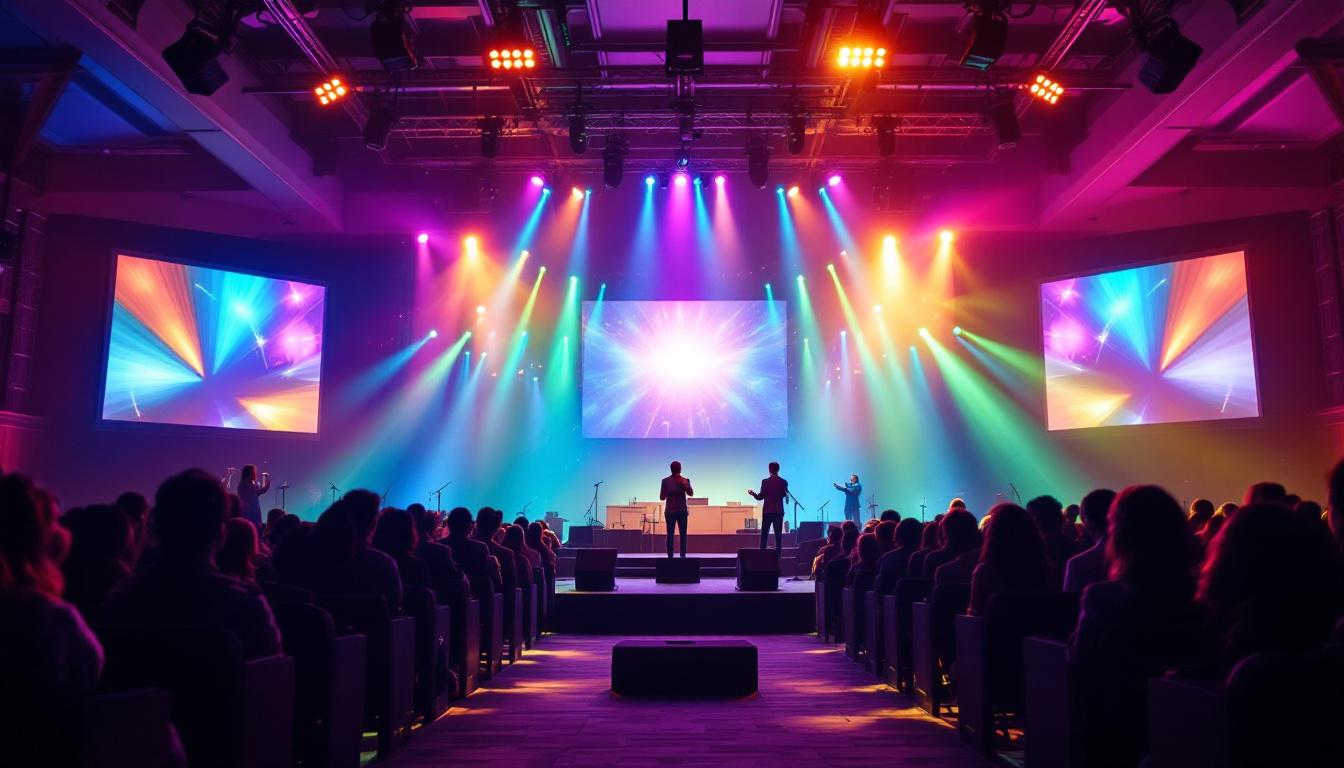
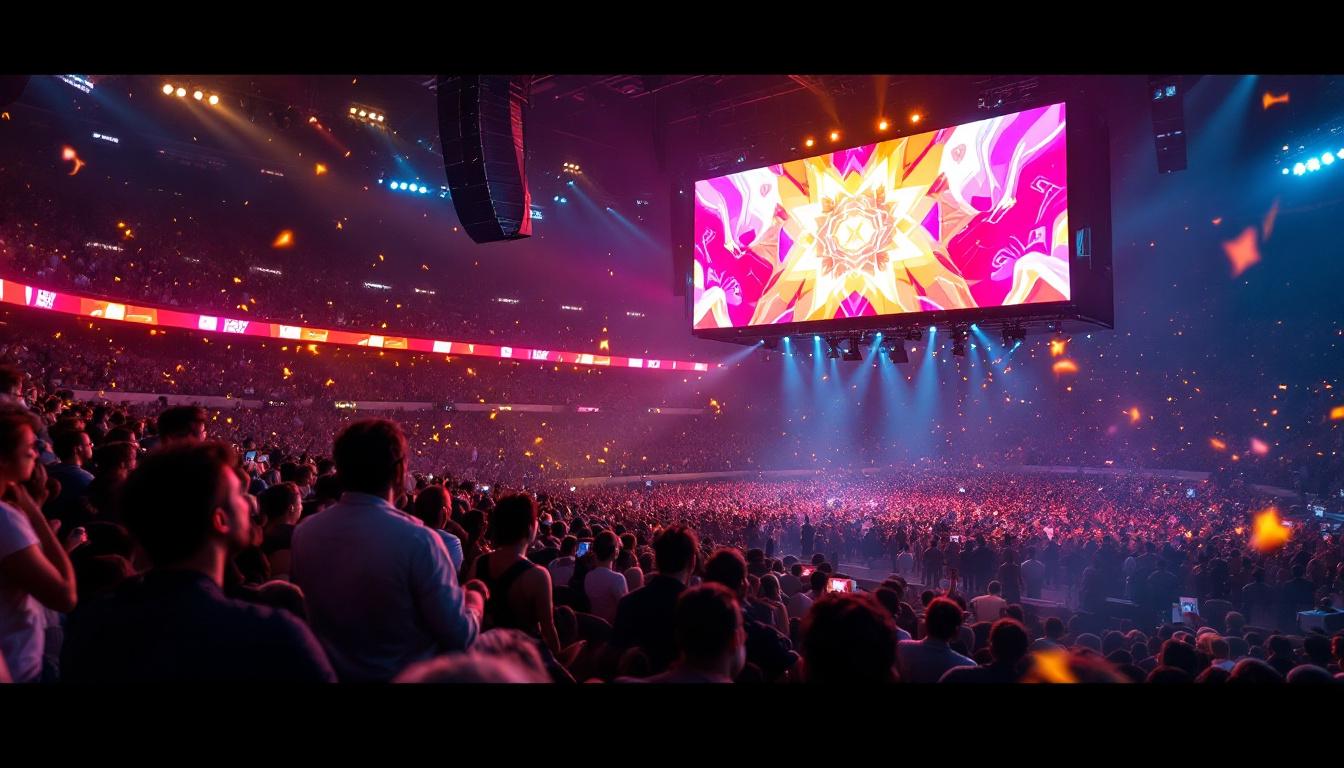
LED video walls can also be used indoors, especially in venues like concert halls or large auditoriums where brightness and viewing distance are critical. However, the cost and pixel pitch should be carefully evaluated for close-up viewing scenarios.
Outdoor and Large Venue Installations
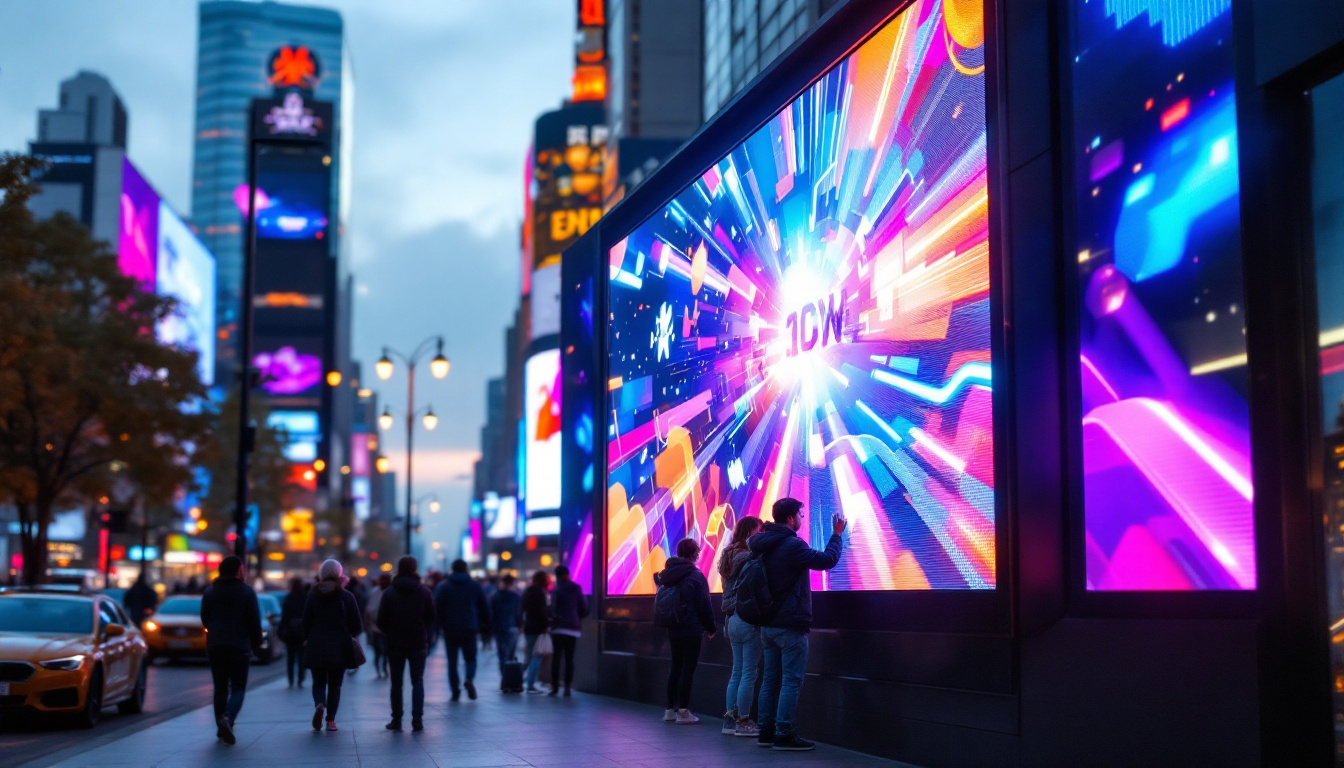
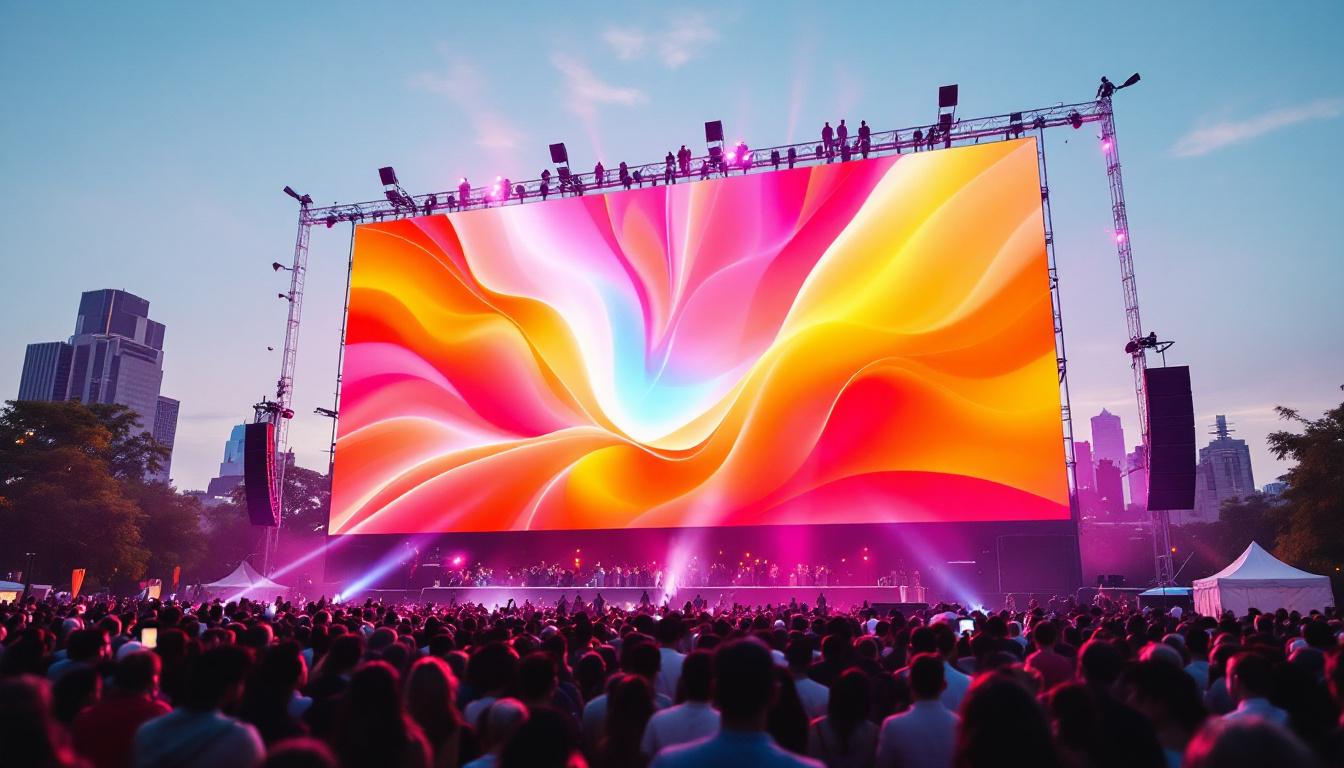
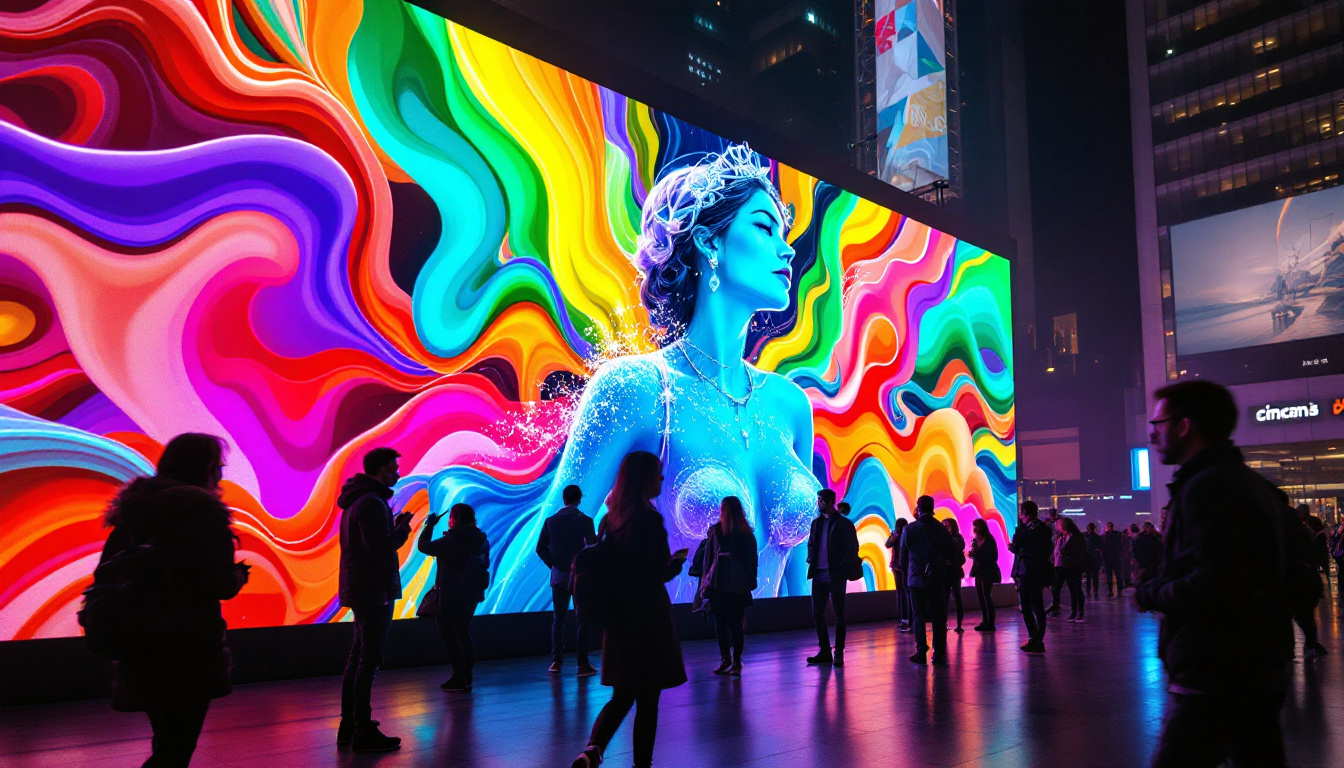
Outdoor advertising, sports arenas, and public squares demand displays that can withstand weather conditions and ambient light. LED video walls dominate these applications due to their high brightness, weather resistance, and scalability.
LCD video walls are generally unsuitable for outdoor use unless housed in specialized enclosures, which can add to the cost and complexity.
Emerging Trends and Innovations in Video Wall Technology
MicroLED and MiniLED Technologies
Recent advancements in display technology have introduced MicroLED and MiniLED solutions that blend the benefits of LCD and LED. MicroLED offers self-emissive pixels like traditional LEDs but with much smaller pixel sizes, enabling ultra-high resolution and brightness with excellent contrast.
MiniLED backlighting enhances LCD panels by increasing the number of LEDs used for backlighting, improving contrast and brightness control. These technologies are gradually making their way into video wall applications, promising improved performance and flexibility.
Software and Content Management
Beyond hardware, the software that drives video walls has become increasingly sophisticated. Modern video wall controllers support multi-source inputs, real-time content management, and interactive features. Integration with AI and data analytics allows for dynamic content that adapts to audience behavior or environmental conditions.
This evolution enhances the effectiveness of video walls as communication tools, making the choice of display technology just one part of a broader ecosystem.
Conclusion: Making the Right Choice for Your Video Wall
Choosing between LCD and LED video walls depends on a variety of factors including viewing distance, ambient lighting, resolution requirements, budget, and installation environment. LCD video walls offer exceptional resolution and color accuracy for indoor applications where image detail is critical. LED video walls provide unmatched brightness, durability, and scalability, making them ideal for outdoor and large-scale installations.
As display technology continues to advance, hybrid solutions and emerging innovations like MicroLED will further blur the lines between LCD and LED advantages. Evaluating current needs alongside future scalability and maintenance considerations will ensure that your video wall investment delivers maximum value and impact.
Whether upgrading an existing installation or planning a new video wall, understanding the fundamental differences and capabilities of LCD and LED displays is essential for achieving the desired visual experience and operational efficiency.
Discover LumenMatrix’s Advanced LED Display Solutions
Ready to elevate your visual communication with a video wall that truly stands out? LumenMatrix, a pioneer in LED display technology, offers a comprehensive range of products tailored to your unique needs. From stunning Indoor LED Wall Displays to robust Outdoor LED Wall Displays, and from versatile Vehicle LED Displays to innovative Custom LED solutions, LumenMatrix has the expertise to bring your vision to life. Experience the future of digital signage with our All-in-One LED Displays, LED Transparent Displays, and more. Check out LumenMatrix LED Display Solutions today and transform your space with captivating visuals that engage and inspire.