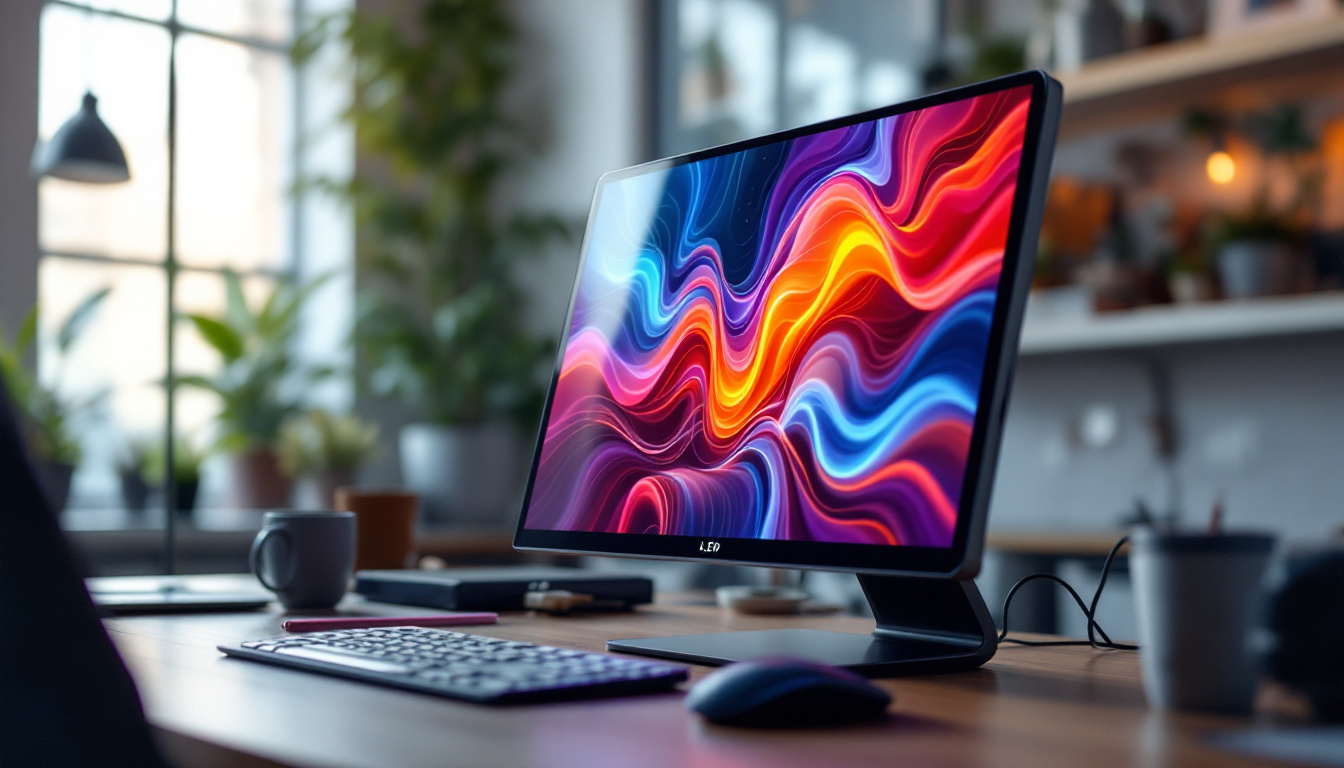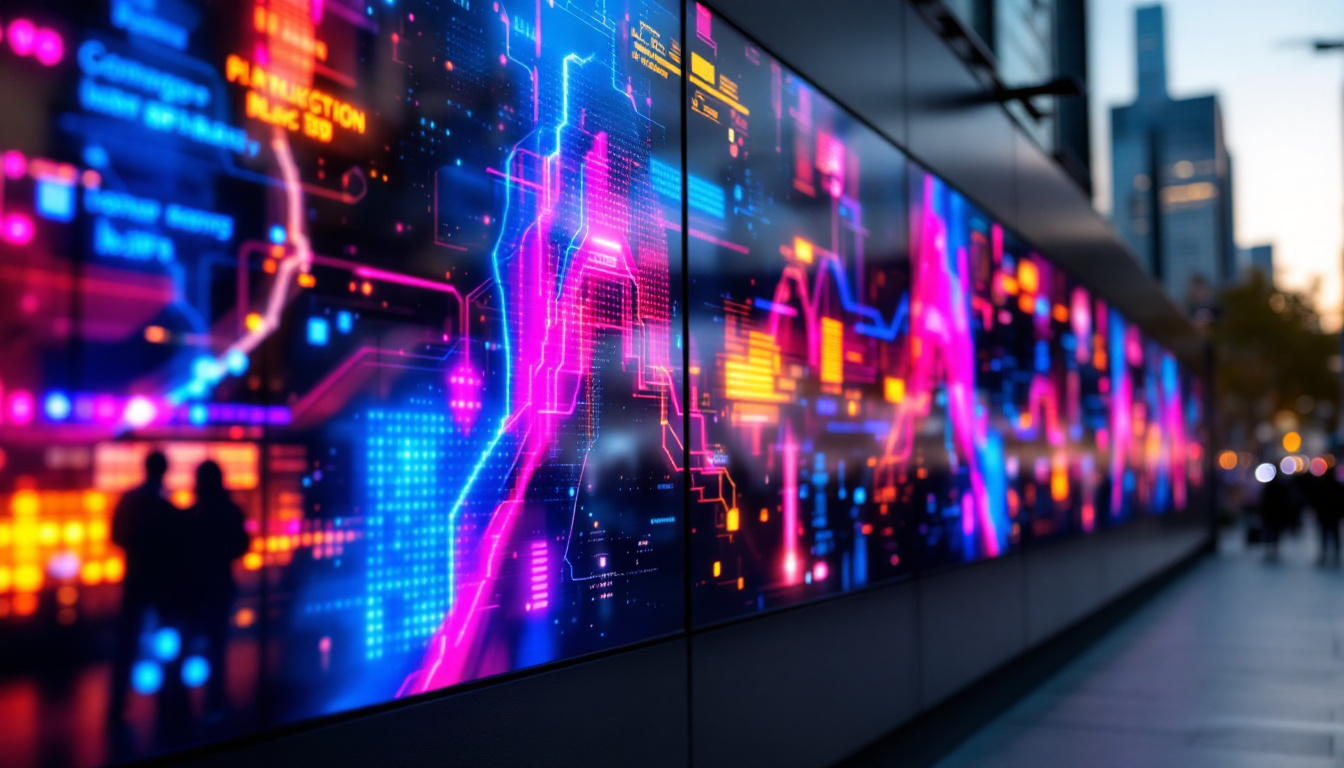
In today’s visually driven world, LED displays have become integral to advertising, entertainment, and information dissemination. From massive outdoor billboards to indoor video walls, LED screens captivate audiences with their brightness, clarity, and dynamic content capabilities. However, achieving and maintaining optimal visual performance requires precise calibration. This article delves into the fundamentals of LED display technology, the importance of calibration, and the methods and tools used to ensure every LED screen delivers stunning, accurate visuals.
Understanding LED Display Technology
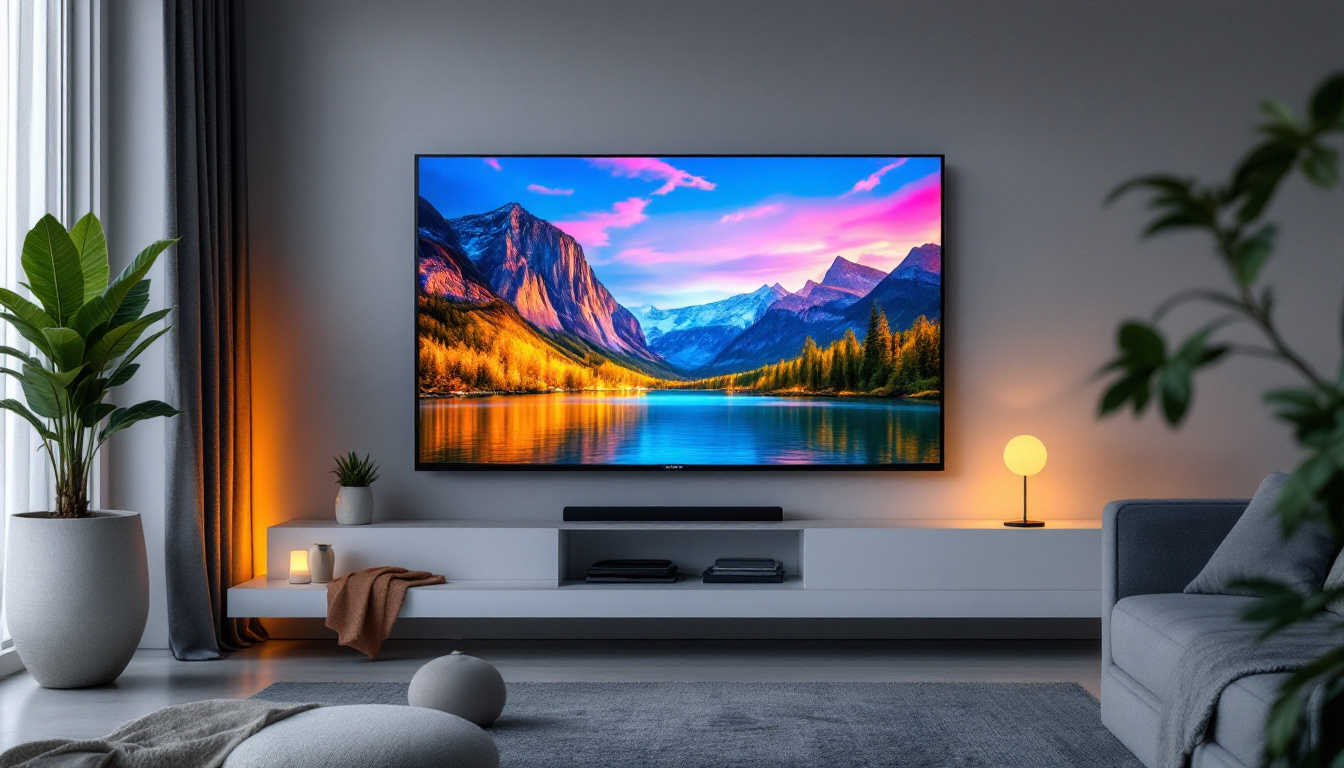
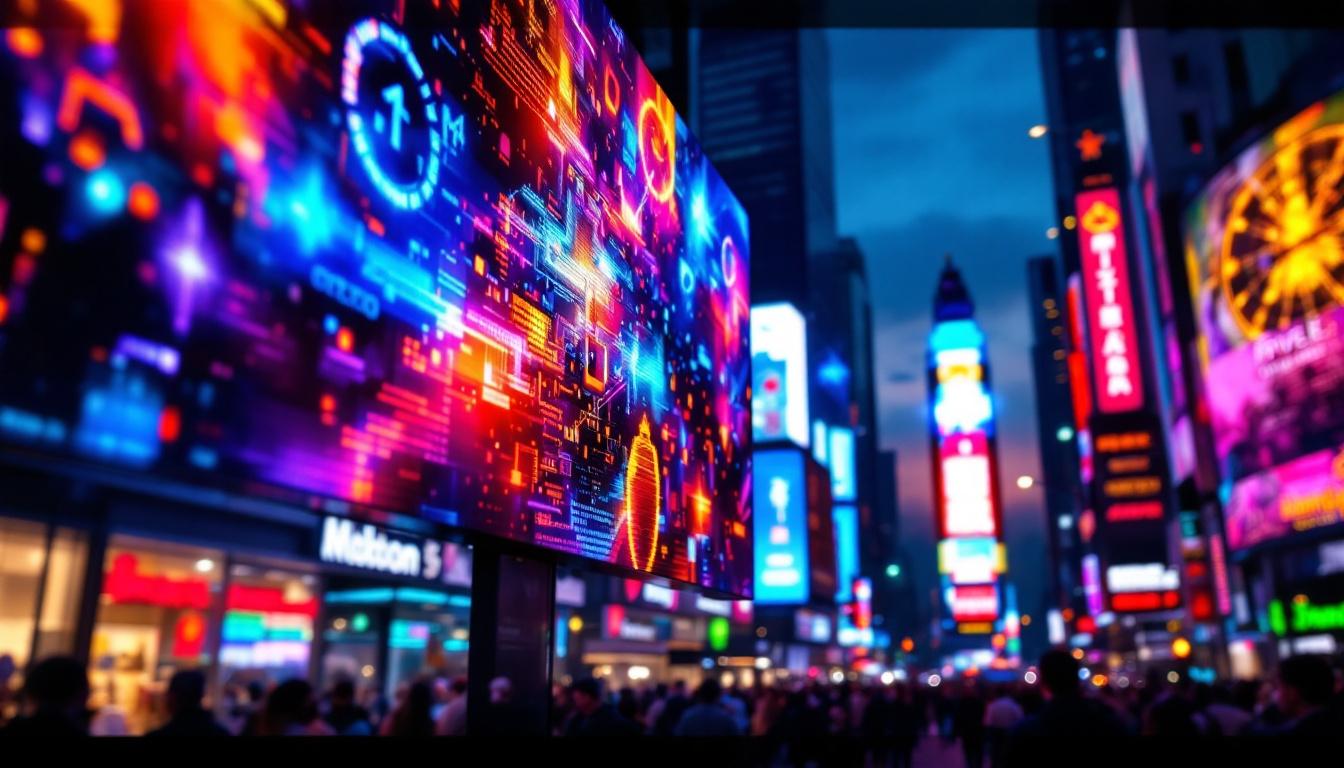
LED, or Light Emitting Diode, displays utilize tiny semiconductor devices that emit light when an electric current passes through them. Unlike traditional LCD screens that rely on backlighting, LEDs produce their own light, resulting in higher brightness levels and better contrast ratios. This makes LED displays especially suitable for environments with high ambient light, such as outdoor advertising or stadium screens. The ability to maintain visibility in bright conditions is a significant advantage, allowing for vibrant and eye-catching displays that can attract attention even in the most challenging lighting situations.
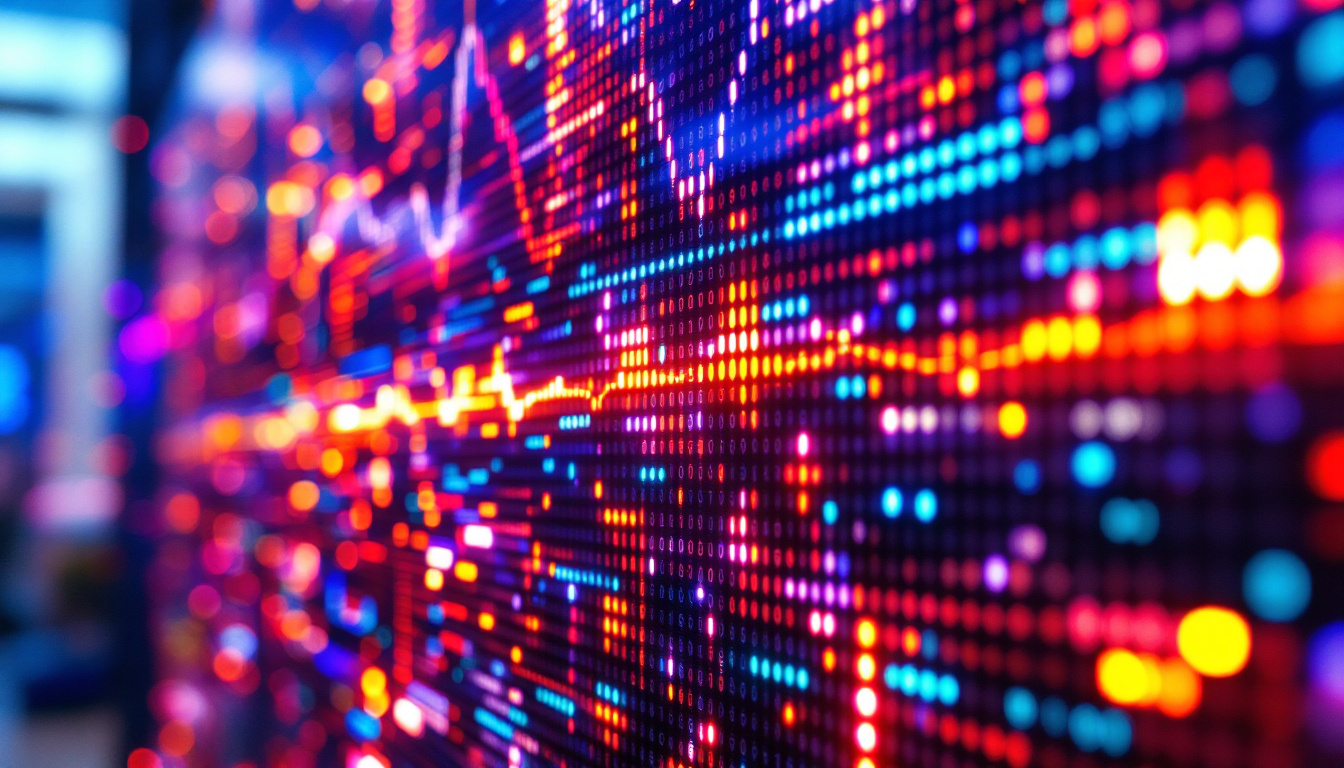
Modern LED displays are composed of thousands to millions of individual LEDs arranged in modules. Each LED can emit red, green, or blue light, and by varying the intensity of these primary colors, the display can render a full spectrum of colors. The quality of an LED display depends on factors such as pixel pitch (the distance between LEDs), refresh rate, brightness, and color accuracy. Additionally, advancements in technology have led to the development of high dynamic range (HDR) capabilities, which enhance the overall viewing experience by providing deeper blacks and more vivid colors, further bridging the gap between digital displays and real-life imagery.
Types of LED Displays
LED displays come in various forms, including:
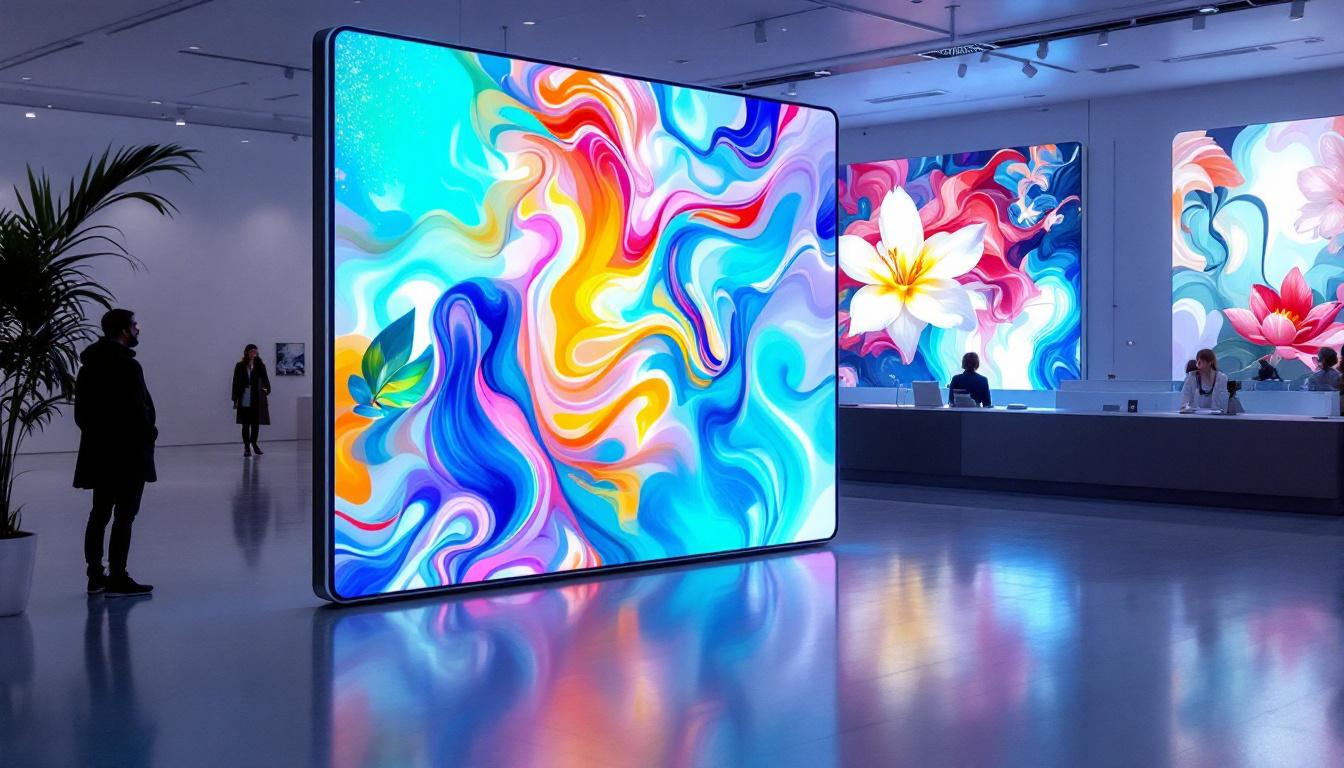
- Indoor LED Screens: Designed for close viewing distances, these screens have a smaller pixel pitch, often less than 2mm, providing sharp images suitable for conference rooms, retail spaces, and control rooms. Their ability to display detailed graphics and text makes them ideal for presentations and advertising, where clarity is paramount.
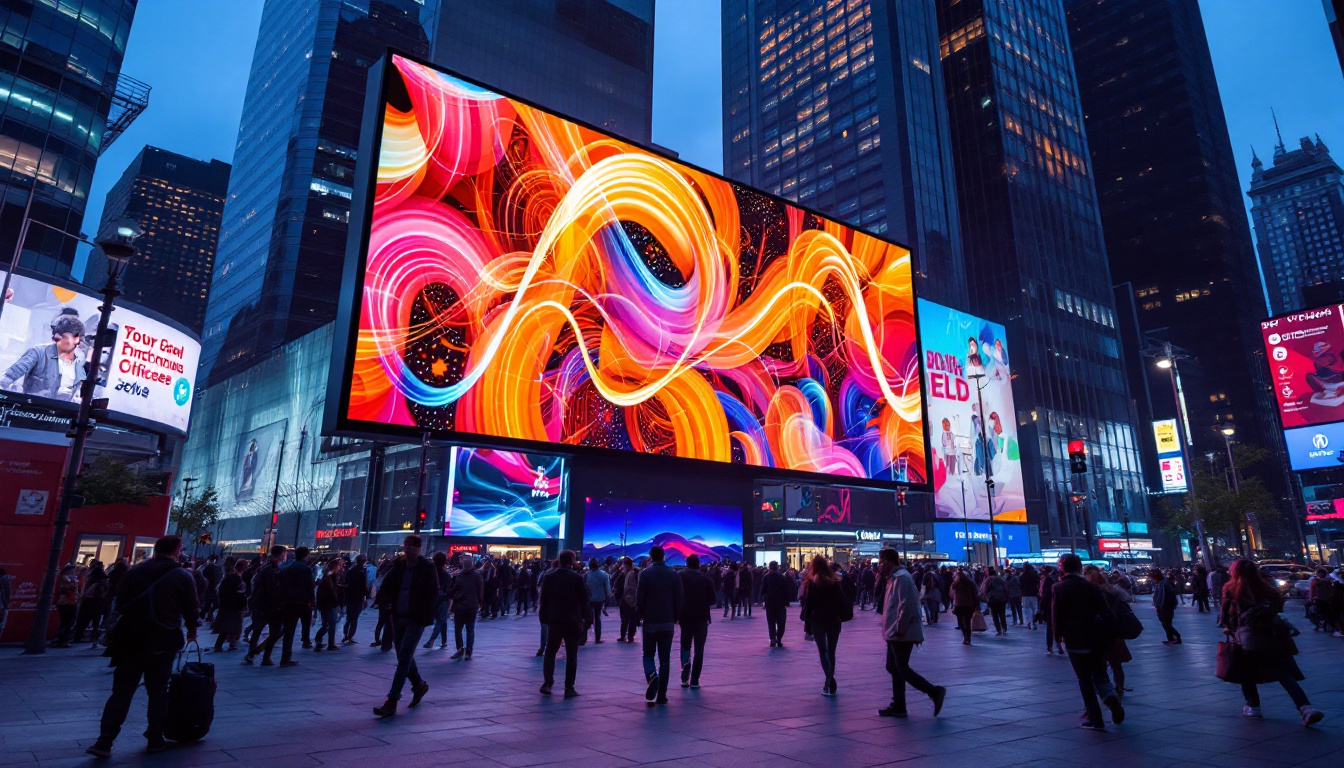
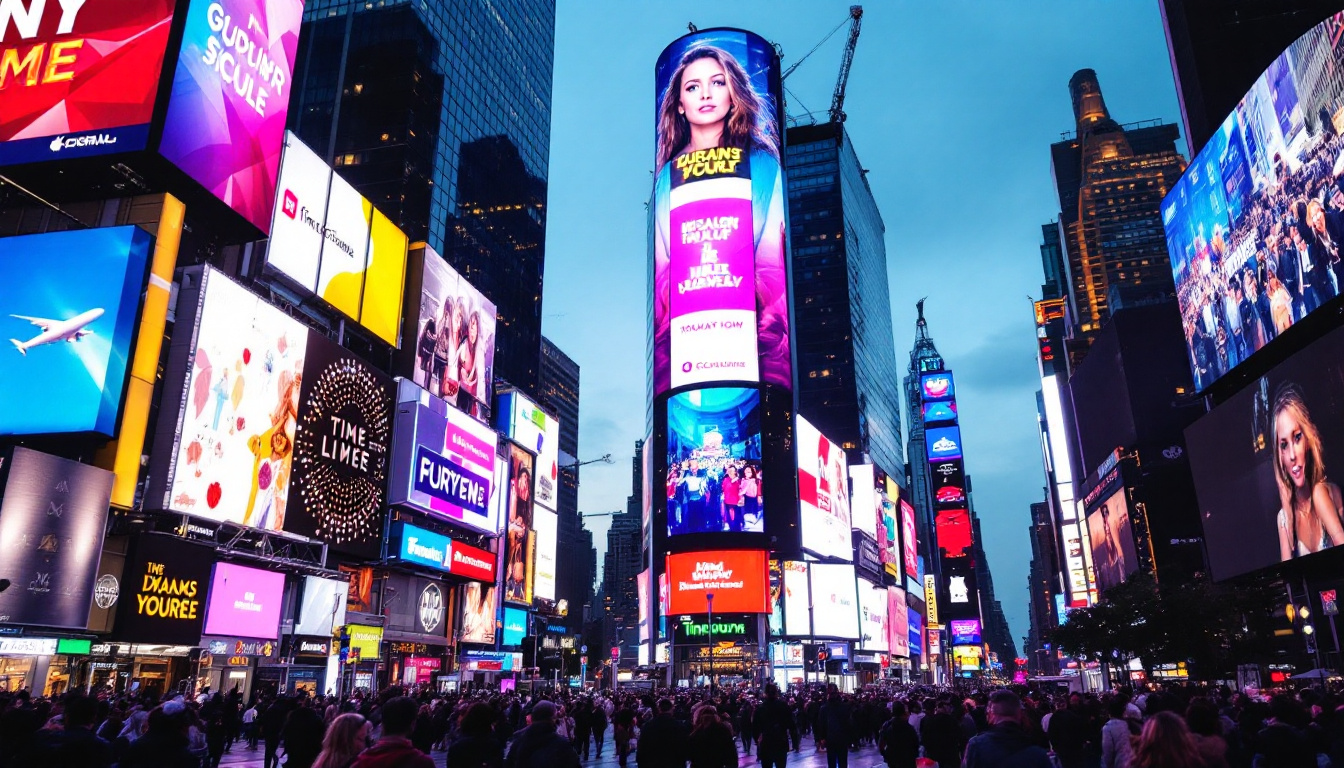
- Outdoor LED Screens: Built to withstand weather conditions, these have larger pixel pitches (typically 4mm or more) and higher brightness levels, often exceeding 5,000 nits, to remain visible under direct sunlight. Many outdoor displays also incorporate protective features such as waterproofing and UV resistance, ensuring longevity and durability in various environmental conditions.
- Flexible and Transparent LED Displays: Emerging technologies allow for curved, flexible, or see-through LED panels, expanding creative possibilities in architectural and advertising applications. These innovative displays can be integrated into building facades or used in retail environments to create immersive experiences without obstructing views, allowing for a seamless blend of digital content and the physical world.
Moreover, LED technology is continuously evolving, with advancements in energy efficiency and sustainability becoming increasingly important. Modern LED displays consume significantly less power compared to their predecessors, contributing to lower operational costs and a reduced carbon footprint. As the demand for high-quality visual content grows, manufacturers are also focusing on developing displays that are not only visually stunning but also environmentally friendly, utilizing recyclable materials and energy-efficient designs. This commitment to sustainability is reshaping the industry, making LED technology a more responsible choice for businesses and consumers alike.
The Critical Role of LED Screen Calibration
While LED displays are inherently bright and vibrant, their performance can degrade over time or vary due to manufacturing inconsistencies. Calibration is the process of adjusting the display’s settings to ensure uniform brightness, color accuracy, and contrast across the entire screen. Without proper calibration, viewers may experience color shifts, uneven brightness, or image distortion, which can undermine the effectiveness of the content.
Calibration is especially vital for large-scale LED installations, where multiple modules must work seamlessly together to produce a cohesive image. Even minor discrepancies between modules can be noticeable and distracting.
Why Calibration Matters
Several factors underscore the importance of LED screen calibration:
- Color Consistency: Ensures that colors appear as intended, which is crucial for brand identity and content fidelity.
- Brightness Uniformity: Prevents hotspots or dim areas, maintaining a balanced visual experience.
- Extended Display Lifespan: Proper calibration can reduce stress on LEDs, potentially extending their operational life.
- Viewer Comfort: Balanced brightness and color reduce eye strain and improve content readability.
Key Parameters in LED Screen Calibration
Calibration involves fine-tuning several parameters to achieve optimal display performance. Understanding these parameters helps in diagnosing issues and applying the correct adjustments.
Brightness and Luminance
Brightness refers to the amount of light emitted by the screen, measured in nits (candelas per square meter). Outdoor LED screens often require brightness levels above 5,000 nits to remain visible in daylight, while indoor screens typically operate between 300 and 1,000 nits.
Luminance uniformity is critical; uneven brightness can distract viewers and reduce image quality. Calibration tools measure brightness across the screen and adjust individual modules to match a target luminance level.
Color Calibration and Gamma Correction
Color calibration ensures that the LED display reproduces colors accurately according to a defined color space, such as sRGB or Rec. 709. This involves adjusting the red, green, and blue LEDs’ intensity to achieve the correct chromaticity coordinates.
Gamma correction adjusts the nonlinear relationship between input signal and displayed brightness, ensuring that gradients and shadows render smoothly without banding or clipping.
White Balance and Color Temperature
White balance calibration sets the color temperature of the display, typically measured in Kelvin (K). Standard color temperatures range from 5,500K to 6,500K for natural daylight appearance. Incorrect white balance can cause images to appear too warm (yellow/red) or too cool (blue), affecting visual fidelity.
Refresh Rate and Frame Synchronization
LED displays must refresh images rapidly to avoid flicker and motion artifacts. Calibration includes verifying that the refresh rate matches the content source and that all modules synchronize correctly to prevent tearing or ghosting effects.
Calibration Tools and Techniques
Accurate calibration requires specialized tools and software designed for LED technology. These tools measure luminance, color, and other parameters, providing data that technicians use to adjust the display settings.
Photometers and Colorimeters
Photometers measure brightness, while colorimeters assess color accuracy by detecting the intensity of red, green, and blue light emitted by the display. High-end models provide precise readings essential for professional calibration.
Calibration Software
Modern LED display manufacturers often provide proprietary calibration software that interfaces with hardware tools. These programs automate many calibration steps, such as mapping brightness and color variations across modules, and applying correction curves.
Manual vs. Automated Calibration
Manual calibration involves technicians making adjustments based on measurements and visual inspection. While effective, it can be time-consuming and subject to human error.
Automated calibration systems use sensors embedded within the LED modules or external devices combined with software algorithms to continuously monitor and adjust the display in real-time. This approach ensures consistent performance with minimal downtime.
Maintaining Calibration Over Time
LED displays are subject to aging, environmental influences, and usage patterns that can alter their performance. Regular recalibration is necessary to maintain image quality and prevent degradation.
Factors Affecting Calibration Stability
Environmental conditions such as temperature fluctuations, humidity, and exposure to dust or moisture can impact LED performance. Additionally, LEDs gradually lose brightness and color purity over thousands of operating hours.
Recommended Calibration Schedule
Industry best practices suggest performing a full calibration during installation and then scheduling periodic recalibrations every 6 to 12 months, depending on usage intensity and environmental conditions. Critical applications, such as broadcast studios or control rooms, may require more frequent checks.
Remote Monitoring and Predictive Maintenance
Advanced LED display systems incorporate remote monitoring capabilities that track performance metrics continuously. Predictive maintenance algorithms analyze this data to forecast potential calibration drift or hardware failures, allowing proactive interventions before issues impact display quality.
Real-World Applications and Case Studies
Understanding LED screen calibration’s practical impact is best illustrated through real-world examples where precise calibration has enhanced visual communication effectiveness.
Outdoor Advertising Billboards
One leading outdoor advertising company reported a 20% increase in audience engagement after implementing a rigorous calibration program across its LED billboard network. Uniform brightness and accurate colors ensured that advertisements were vibrant and legible even under harsh sunlight, directly contributing to improved brand recall.
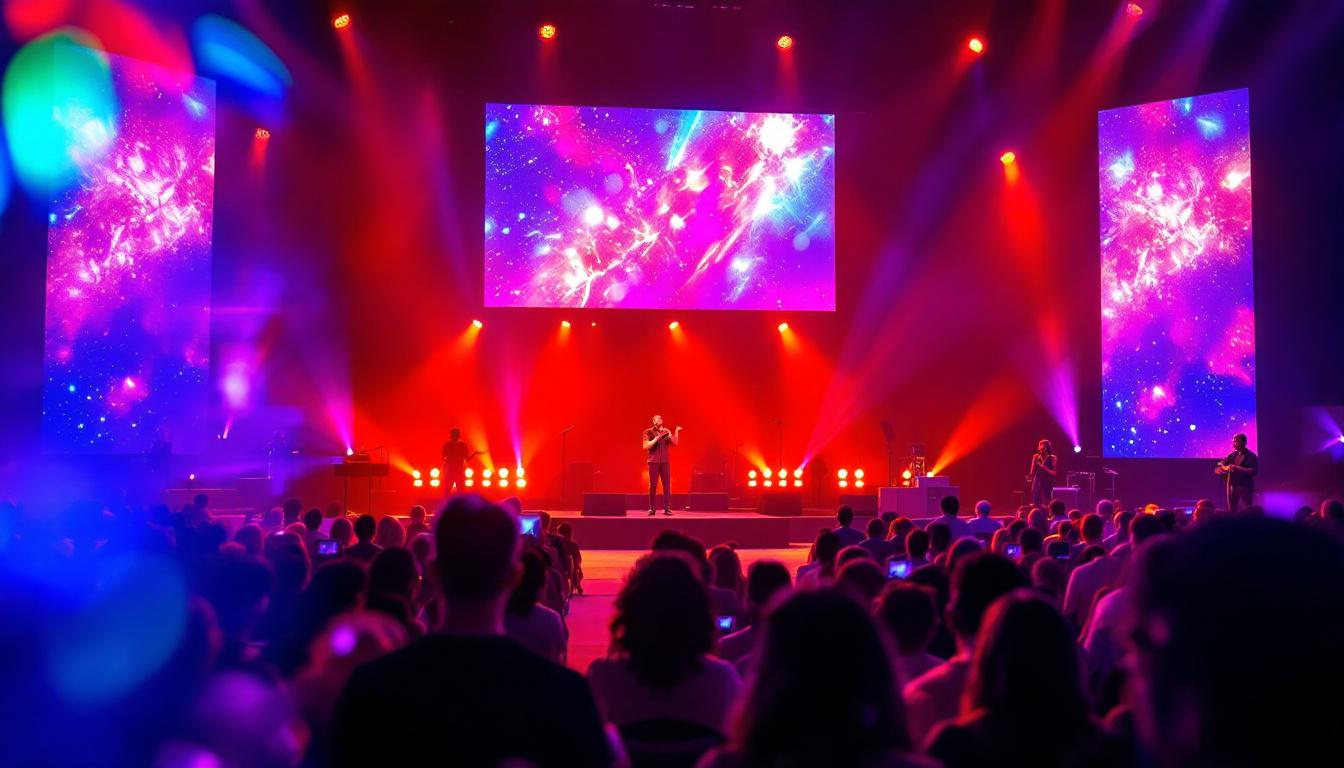
Sports Arenas and Event Venues
In a major sports arena, LED video walls underwent automated calibration with embedded sensors. This approach eliminated flickering and color inconsistencies during live broadcasts, enhancing viewer experience both in the stadium and on television.
Retail and Corporate Environments
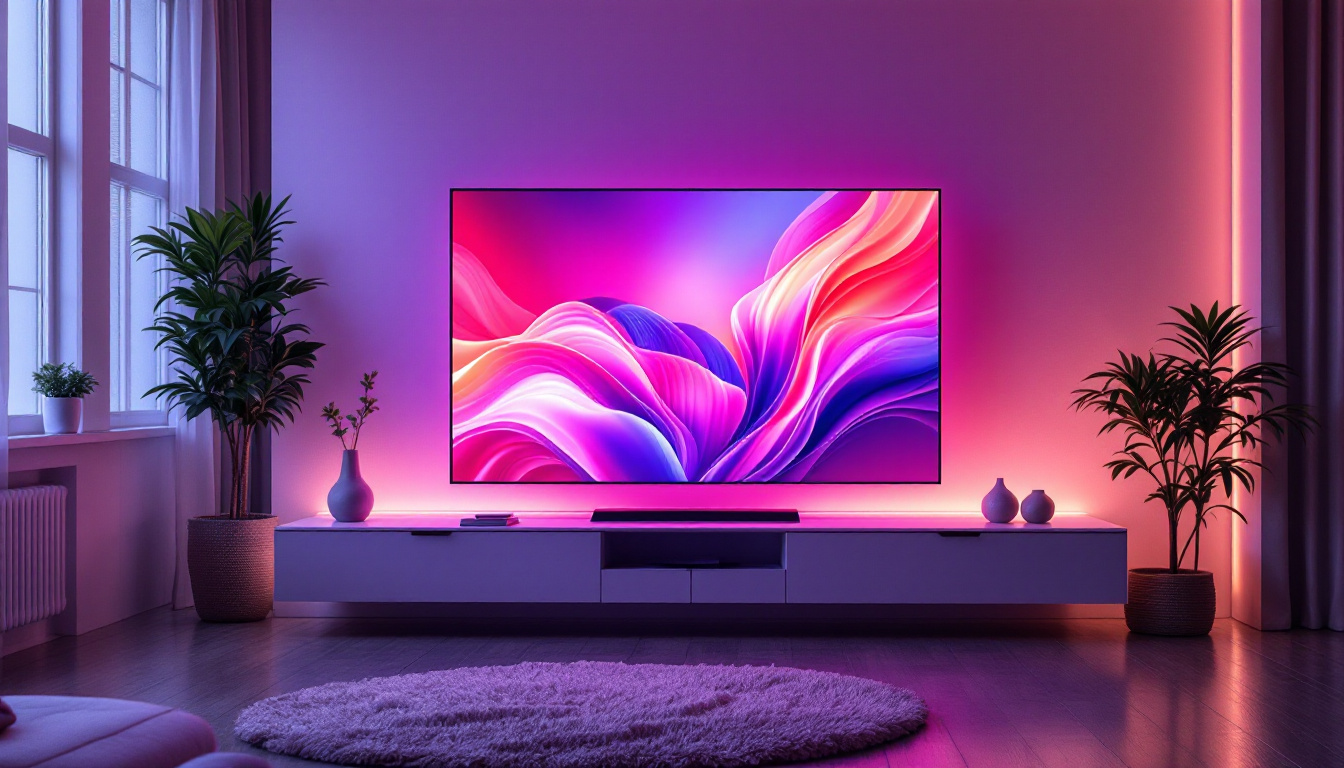
Retailers using indoor LED displays for digital signage have found that consistent color reproduction aligned with brand guidelines reinforces customer trust and recognition. Calibration also reduces eye fatigue for shoppers, encouraging longer engagement times.
Future Trends in LED Screen Calibration
As LED technology evolves, calibration techniques are advancing to meet new challenges and opportunities.
Artificial Intelligence and Machine Learning
AI-driven calibration systems are emerging, capable of learning from historical data to optimize adjustments dynamically. These systems can adapt to changing environmental conditions and content types, delivering consistently superior image quality with minimal human intervention.
Mini-LED and Micro-LED Displays
The rise of mini-LED and micro-LED technologies, with smaller pixel sizes and higher pixel densities, demands even more precise calibration methods. These displays offer improved contrast and color gamut but require sophisticated calibration to harness their full potential.
Integration with Augmented Reality (AR) and Virtual Reality (VR)
As LED displays become components in AR and VR environments, calibration will extend beyond color and brightness to include spatial accuracy and synchronization with immersive content, further enhancing realism and user experience.
Conclusion
LED screen calibration is a vital process that ensures LED displays perform at their best, delivering accurate colors, uniform brightness, and seamless visuals. Whether for outdoor advertising, entertainment venues, or corporate environments, proper calibration enhances viewer engagement, protects investment, and extends display lifespan. By leveraging advanced tools, software, and emerging technologies, display operators can maintain high-quality visuals that meet the demands of today’s dynamic content landscape.
Understanding the technical aspects and practical importance of LED calibration empowers businesses and technicians to optimize their LED installations, ensuring every pixel shines with precision.
Discover LumenMatrix’s Advanced LED Solutions
Ready to elevate your visual displays to the next level? LumenMatrix is at the forefront of LED display technology, offering a wide array of innovative solutions tailored to your needs. From vibrant Indoor LED Walls to dynamic Outdoor LED Displays, and from sleek LED Posters to immersive LED Sports and Floor Displays, our products are designed to captivate and engage. Embrace the future of visual communication with LumenMatrix’s Custom, All-in-One, and Transparent LED Displays. Check out LumenMatrix LED Display Solutions today and transform your space into a mesmerizing visual experience.