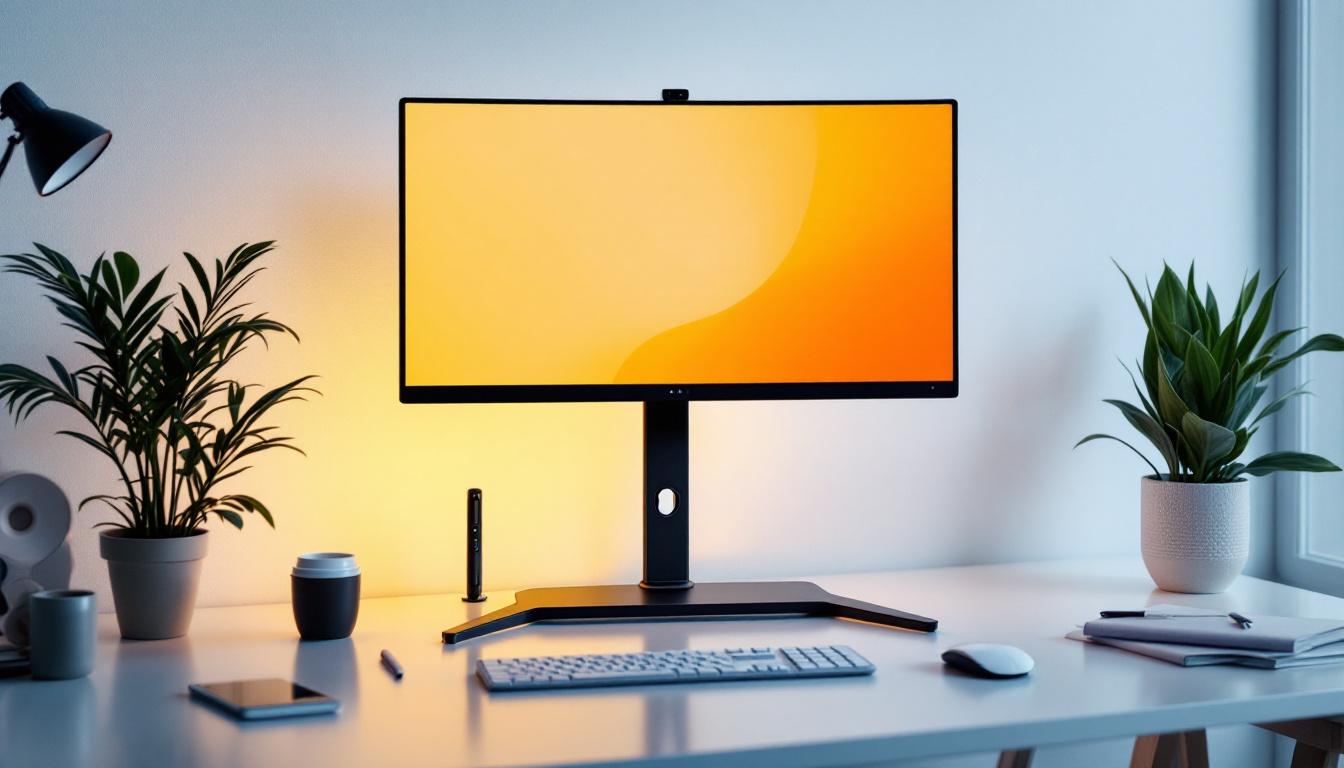
In today’s rapidly evolving technology landscape, display screens have become an integral part of everyday life, from smartphones and laptops to televisions and all-in-one (AIO) computers. Among the various display technologies, LCD screens with LED backlighting stand out for their widespread use and impressive performance. This article delves into the intricacies of LCD Screen AIO devices, focusing on the LED display technology that powers them. Understanding these displays not only helps consumers make informed purchasing decisions but also sheds light on the engineering marvels behind modern visual experiences.
Understanding LCD and LED Technologies
What is an LCD Screen?
LCD stands for Liquid Crystal Display. It is a flat-panel display technology that uses liquid crystals sandwiched between two layers of glass or plastic. These liquid crystals do not emit light directly; instead, they manipulate light passing through them to create images. The crystals align in different ways when an electric current is applied, controlling the amount of light that passes through each pixel.
The key advantage of LCD technology is its ability to produce sharp images with good color accuracy while consuming relatively low power. This makes it ideal for devices like all-in-one computers, where screen quality and energy efficiency are both critical. Additionally, LCD screens are known for their thin profile, which allows for sleek designs that fit seamlessly into modern aesthetics. This has led to their widespread adoption in various applications, from televisions to smartphones and even digital signage in public spaces.
Moreover, LCD technology has evolved significantly over the years, with advancements such as IPS (In-Plane Switching) and VA (Vertical Alignment) panels offering improved viewing angles and contrast ratios. These enhancements have made LCDs more versatile, catering to the needs of gamers, graphic designers, and everyday users alike, all of whom require different levels of performance from their displays.
How Does LED Fit Into LCD Displays?
While LCDs control the image formation, they require a light source to illuminate the screen. This is where LED, or Light Emitting Diode, technology comes into play. LED backlighting has largely replaced older cold cathode fluorescent lamps (CCFL) because LEDs are more energy-efficient, provide better brightness, and allow for thinner screen designs.
In an LCD Screen AIO, the LED backlight shines through the liquid crystal layer, making the image visible to the user. The combination of LCD with LED backlighting is often referred to as an LED display, though technically it is an LCD screen illuminated by LEDs. This hybrid technology delivers vibrant colors, high contrast ratios, and excellent energy efficiency. Furthermore, the ability to control the brightness of individual LEDs has led to innovations such as local dimming, which enhances the black levels and overall dynamic range of the display, making it particularly appealing for watching movies or playing video games.
Additionally, LED technology has paved the way for advancements in display types, such as OLED (Organic Light Emitting Diode) and QLED (Quantum Dot LED), which further push the boundaries of color accuracy and contrast. These technologies build upon the foundation laid by LCD and LED, offering consumers even more choices in terms of display quality and performance. As the market continues to evolve, the integration of these technologies is likely to lead to even more exciting developments in visual displays.
Types of LED Backlighting in LCD Screens
Edge-Lit LED Displays
Edge-lit LED displays position the LEDs along the edges of the screen. Light is then spread across the display using light guides and diffusers. This design allows manufacturers to create ultra-thin screens, which is a significant advantage for AIO computers aiming to save desk space and maintain sleek aesthetics.
However, edge-lit displays sometimes struggle with uniform brightness and contrast, especially in larger screens. Users might notice slight variations in brightness near the edges compared to the center. This can be particularly noticeable in darker scenes or when viewing content with high contrast, leading to a less immersive experience. Additionally, the limited control over local dimming means that these displays may not perform as well in terms of deep blacks and vibrant colors when compared to other technologies.
Despite these drawbacks, edge-lit displays are popular for their lightweight design and energy efficiency. They consume less power than traditional CCFL backlit screens, making them an eco-friendlier option. Furthermore, their slim profile allows for innovative designs in modern electronics, enabling manufacturers to create devices that are not only functional but also visually appealing. As technology advances, edge-lit displays continue to improve, with newer models incorporating better diffusers and enhanced LED arrangements to mitigate previous limitations.
Direct-Lit and Full-Array LED Displays
Direct-lit LED displays place the LEDs directly behind the LCD panel, providing more uniform lighting across the screen. Full-array LED displays take this a step further by arranging LEDs in a grid behind the screen, often with local dimming capabilities. Local dimming allows specific areas of the screen to dim or brighten independently, enhancing contrast and black levels.
This technology is less common in AIO computers due to cost and thickness but is prevalent in high-end monitors and televisions where superior image quality is paramount. The ability to control lighting in specific zones means that full-array displays can produce deeper blacks and more vibrant colors, making them ideal for watching movies or playing video games. Additionally, advancements in HDR (High Dynamic Range) content have made full-array displays even more desirable, as they can better reproduce the wide range of brightness levels that HDR offers.
Moreover, full-array LED displays are increasingly being integrated into professional environments, such as graphic design and video editing, where color accuracy and detail are critical. The technology also supports wider viewing angles, ensuring that the image remains consistent and clear from various perspectives. As the demand for high-quality visuals continues to rise, full-array LED technology is likely to become more accessible, paving the way for enhanced user experiences across a variety of devices.
Advantages of LCD Screen AIO with LED Displays
Energy Efficiency and Environmental Impact
One of the most significant benefits of LED backlighting is its energy efficiency. Compared to CCFL backlights, LEDs consume up to 40% less power, which translates into longer device battery life for portable devices and reduced electricity bills for desktop systems. Furthermore, LEDs do not contain mercury, making them more environmentally friendly and easier to recycle.
Improved Image Quality
LED backlighting enhances the brightness and color gamut of LCD screens. Modern LED displays can achieve brightness levels exceeding 400 nits, making them suitable for use in brightly lit environments. Additionally, LED technology supports a wider color spectrum, enabling displays to reproduce more vivid and accurate colors, which is crucial for graphic design, video editing, and other professional applications.
Design Flexibility
The slim profile of LED backlighting allows manufacturers to design sleek and compact AIO computers. This design flexibility not only improves aesthetics but also reduces the overall footprint of the device, making it ideal for small office spaces or home setups.
Common Challenges and Limitations
Viewing Angles and Color Shifts
Despite advancements, LCD screens with LED backlighting can suffer from limited viewing angles. When viewed from extreme angles, colors may shift or appear washed out. This is particularly noticeable in AIO computers where the screen is fixed and users may not always be positioned directly in front of it.
To mitigate this, manufacturers often use In-Plane Switching (IPS) panels, which offer better viewing angles and color consistency compared to Twisted Nematic (TN) panels, though at a higher cost.
Backlight Bleeding and Uniformity Issues
Backlight bleeding occurs when light from the LEDs leaks around the edges or corners of the screen, creating uneven brightness. This can be distracting, especially when viewing dark scenes or working with black backgrounds. While better manufacturing techniques and quality control have reduced this issue, it remains a concern for some users.
Applications of LCD Screen AIO with LED Displays
Office and Productivity Use
All-in-one computers equipped with LCD LED displays are popular in office environments due to their space-saving design and reliable performance. The sharp image quality and adequate brightness levels support tasks such as document editing, video conferencing, and data analysis efficiently.
Creative and Multimedia Work
Professionals in graphic design, video production, and photography benefit from the improved color accuracy and brightness of LED-backlit LCD screens. Many AIO computers now come with high-resolution displays (such as 4K) and support for wide color gamuts like Adobe RGB, catering to the demands of creative workflows.
Home Entertainment and Gaming
While dedicated gaming monitors often use alternative technologies like OLED or high-refresh-rate panels, many casual gamers and home users find LCD LED AIO screens adequate for their needs. The combination of decent refresh rates, good color reproduction, and integrated design makes these devices versatile for streaming, gaming, and general multimedia consumption.
Future Trends in LCD and LED Display Technologies
Mini-LED and Micro-LED Innovations
Emerging technologies such as Mini-LED and Micro-LED are poised to revolutionize LCD displays. Mini-LED uses thousands of tiny LEDs for backlighting, offering better local dimming and improved contrast ratios without the high cost of OLED. Micro-LED, on the other hand, consists of microscopic LEDs that emit their own light, potentially combining the best features of LCD and OLED with superior brightness and longevity.
These advancements are expected to gradually enter the AIO market, providing users with even better visual experiences.
Integration with Touch and Flexible Displays
The integration of touch capabilities into LCD LED screens is becoming standard in many AIO computers, enhancing interactivity and productivity. Additionally, research into flexible and foldable LCD displays could lead to innovative form factors, expanding the possibilities for AIO designs in the future.
Conclusion: Making Sense of LCD Screen AIO LED Displays
LCD Screen AIO devices with LED backlighting represent a mature and widely adopted display technology that balances performance, energy efficiency, and cost. By understanding the underlying principles of LCD and LED technologies, consumers and professionals alike can appreciate the strengths and limitations of these displays.
Whether for work, creative pursuits, or entertainment, the combination of LCD and LED continues to deliver reliable and vibrant visual experiences. As display technologies evolve, the future promises even more impressive innovations that will redefine how users interact with their all-in-one computers.
Discover LumenMatrix’s Advanced LED Display Solutions
As you consider the future of vibrant and energy-efficient visual displays for your personal or professional needs, LumenMatrix stands at the forefront of LED display innovation. With a comprehensive range of products including Indoor and Outdoor LED Wall Displays, Vehicle LED Displays, and specialized solutions like LED Sports and Floor Displays, LumenMatrix is committed to transforming your visual communication. Experience the pinnacle of LED technology with our All-in-One LED Displays and LED Transparent Displays, designed to captivate and engage. Check out LumenMatrix LED Display Solutions today and see how we can enhance your brand visibility and create unforgettable visual experiences.