In today’s fast-paced digital world, businesses are constantly seeking innovative ways to capture consumer attention. One of the most dynamic and effective advertising mediums is the LED billboard. These vibrant, eye-catching displays have transformed traditional outdoor advertising, offering unparalleled visibility and engagement. However, understanding the cost structure behind LED billboard advertising is crucial for marketers and business owners aiming to maximize their return on investment. This article delves into the intricacies of LED billboard advertising costs, explains how LED displays work, and provides insights to help you make informed decisions.
Understanding LED Billboard Advertising
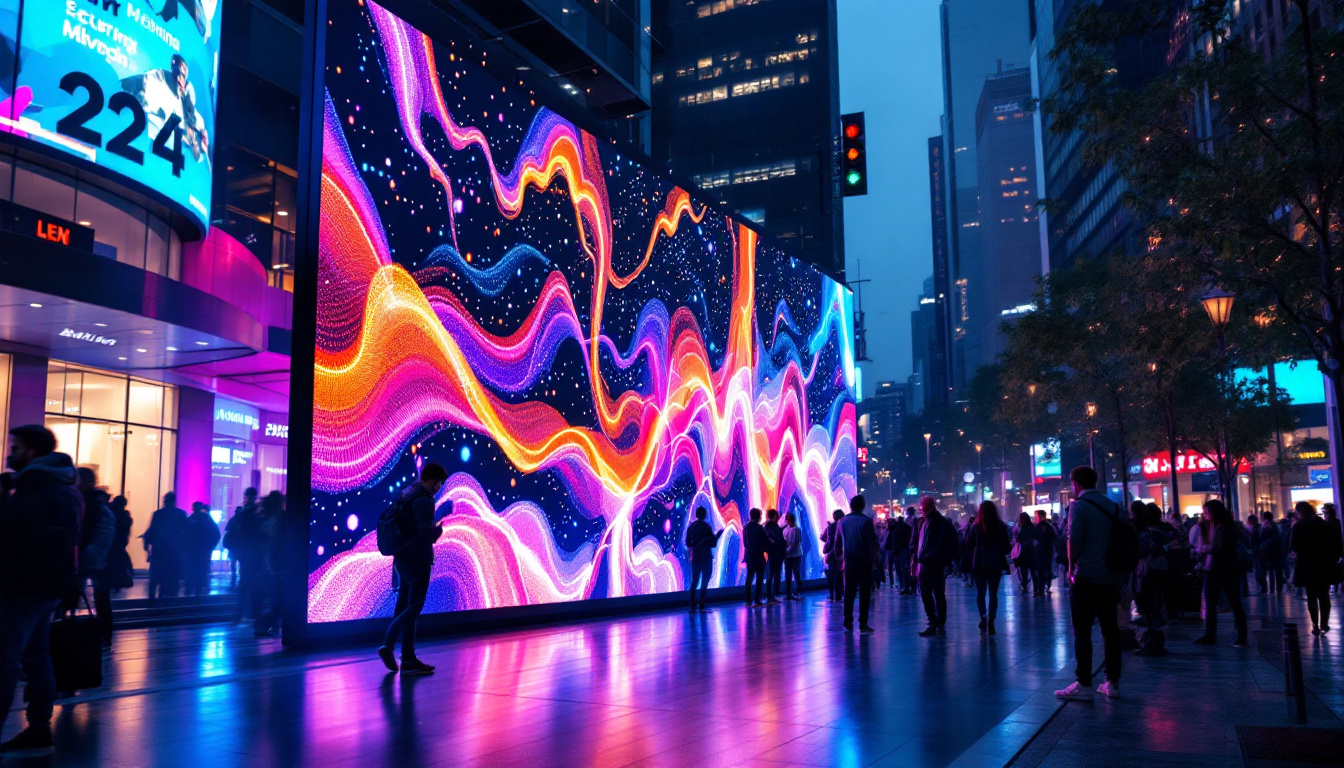
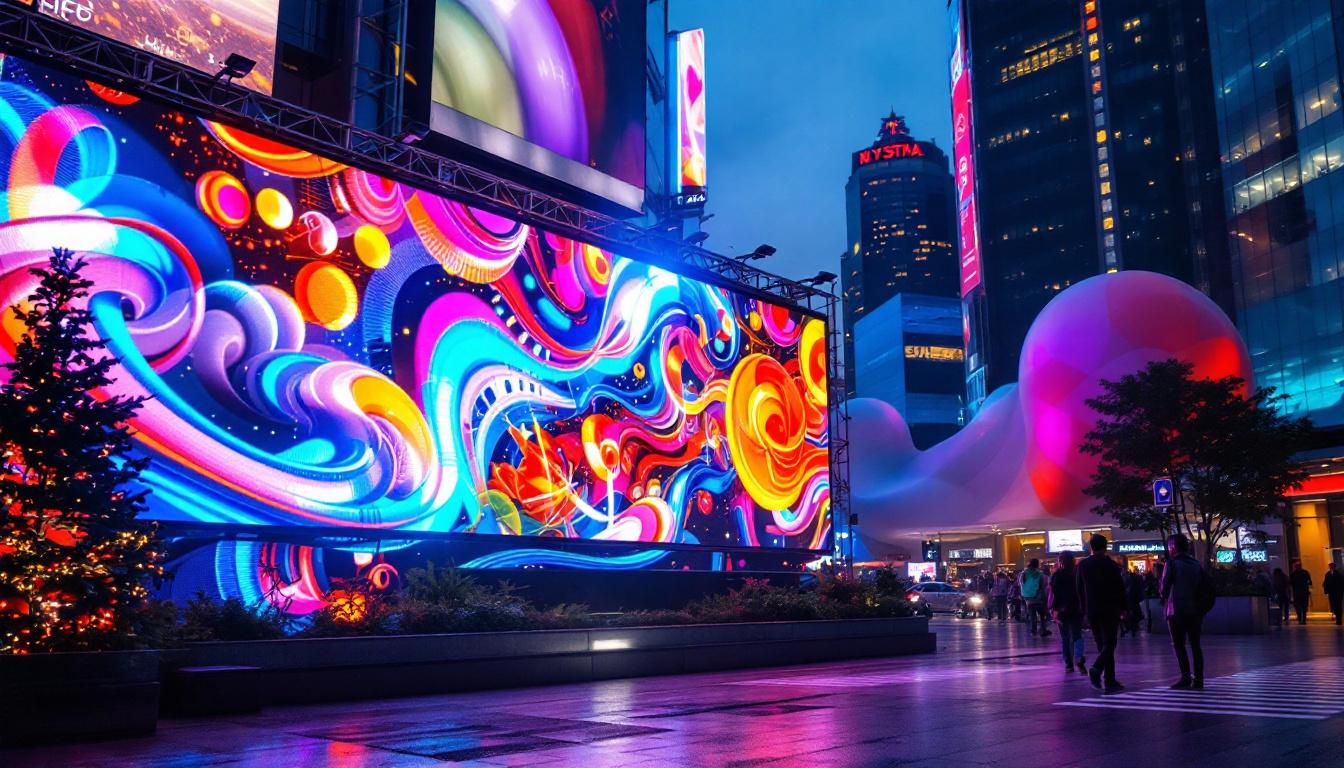
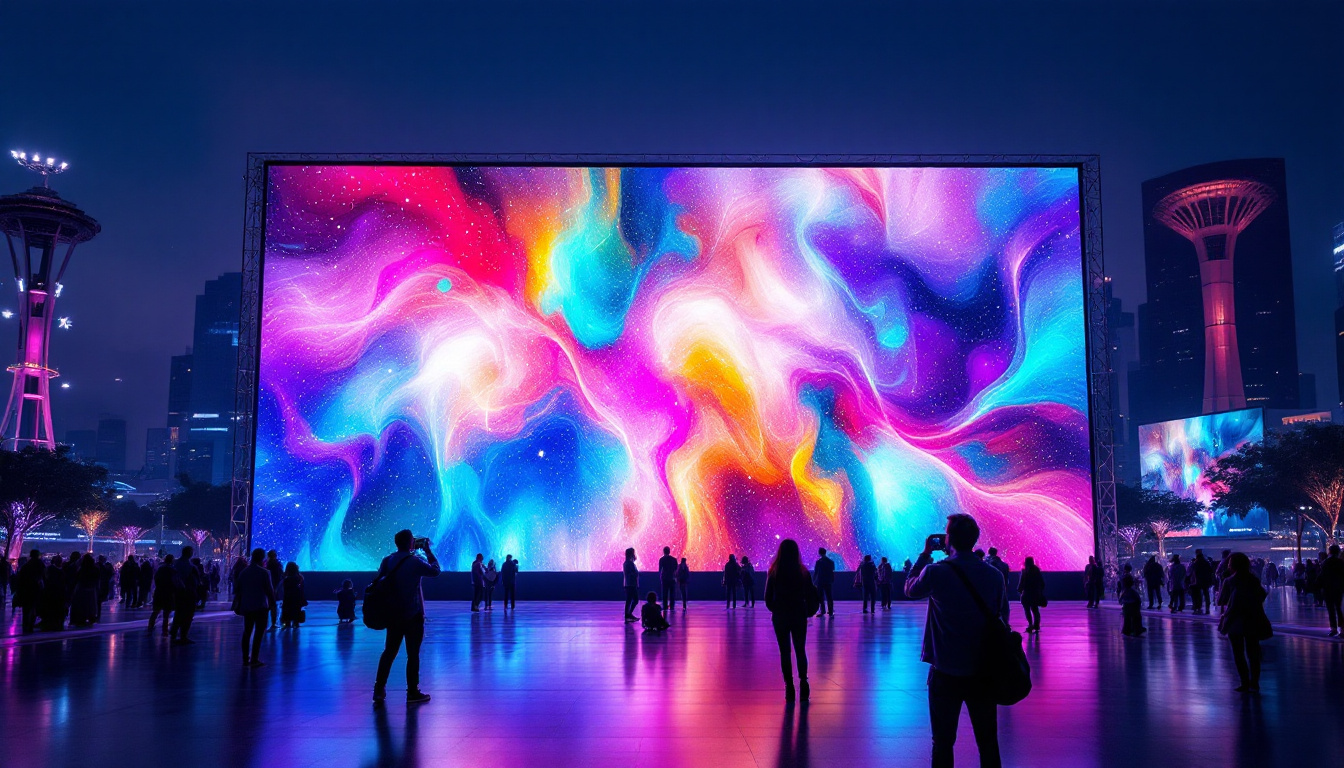
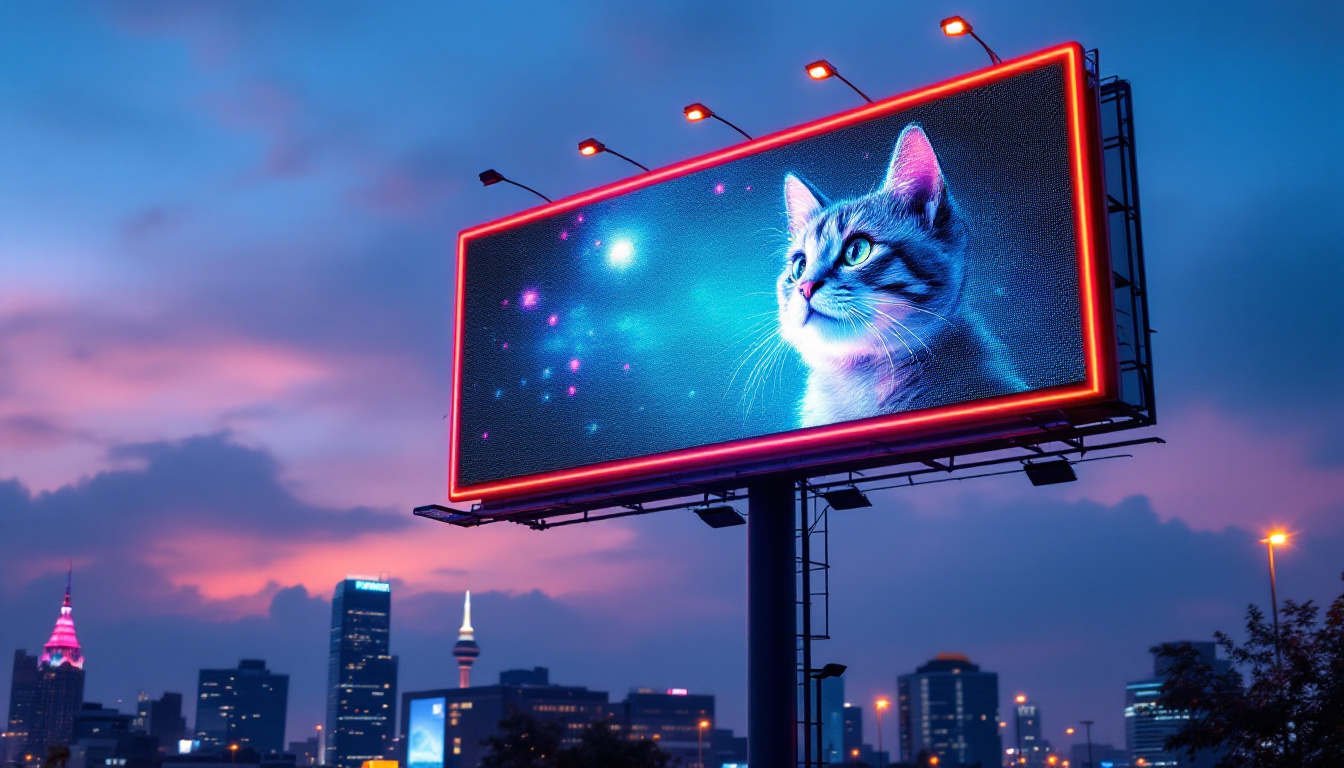
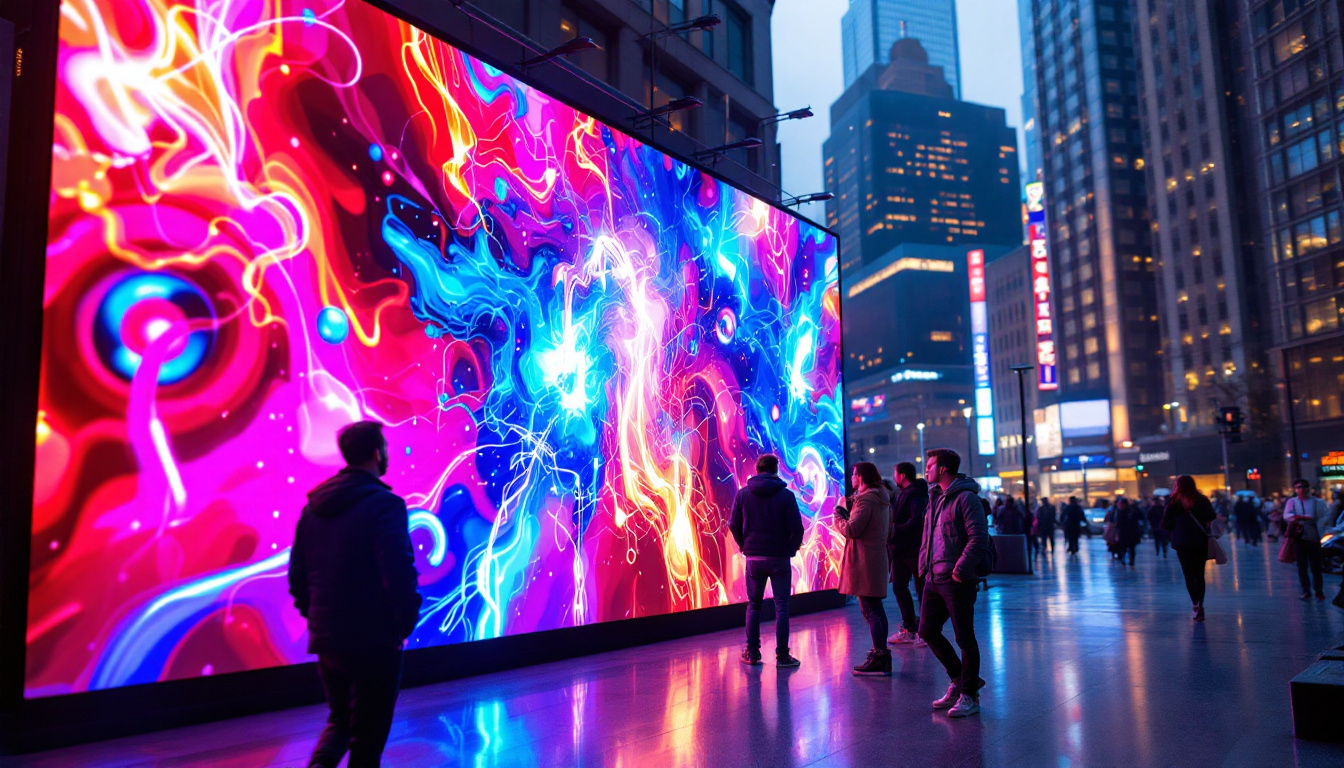
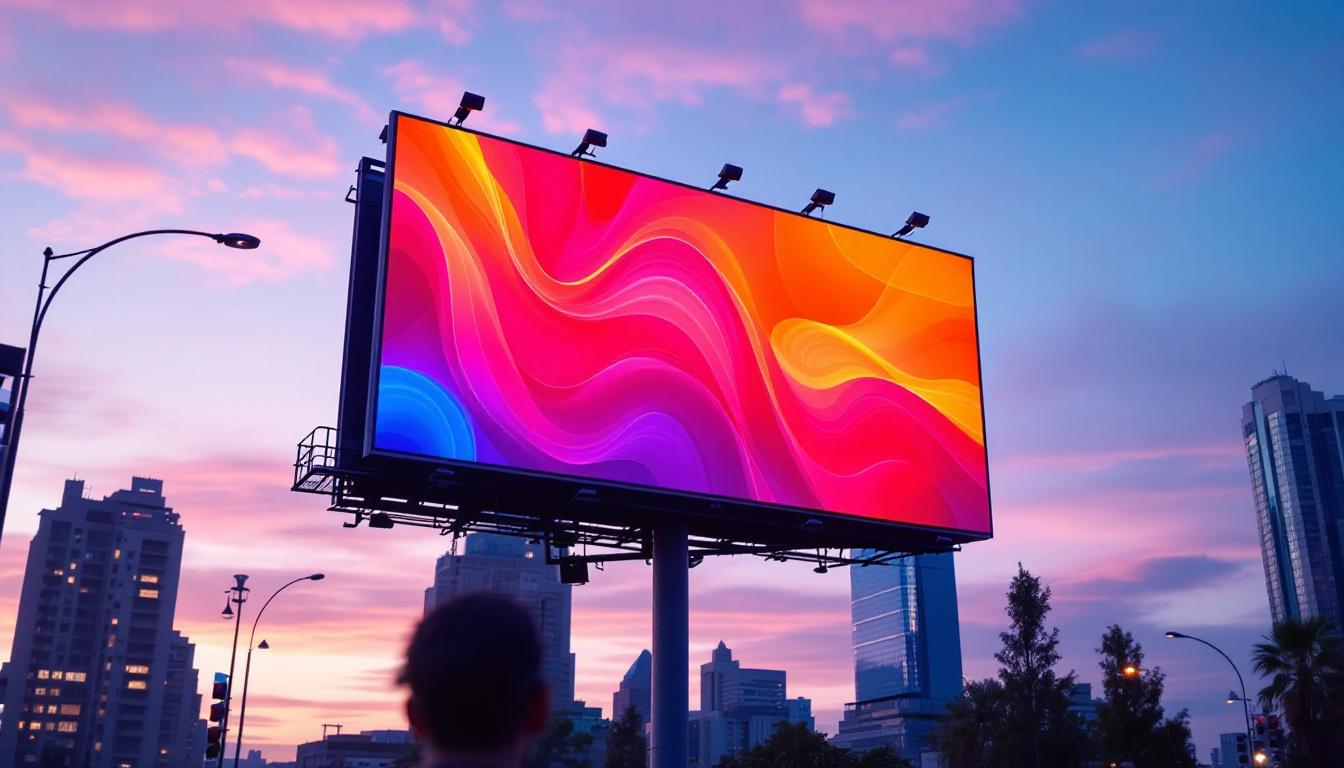
LED billboards are large-scale digital displays that use light-emitting diodes (LEDs) to present images, videos, and animations. Unlike static billboards, LED billboards can change content dynamically, allowing advertisers to run multiple campaigns on the same screen throughout the day. This flexibility makes LED billboards highly attractive for brands looking to engage diverse audiences in real-time. With the ability to showcase vibrant colors and sharp images, these billboards can capture the attention of passersby more effectively than traditional advertising methods, making them a powerful tool in any marketing strategy.
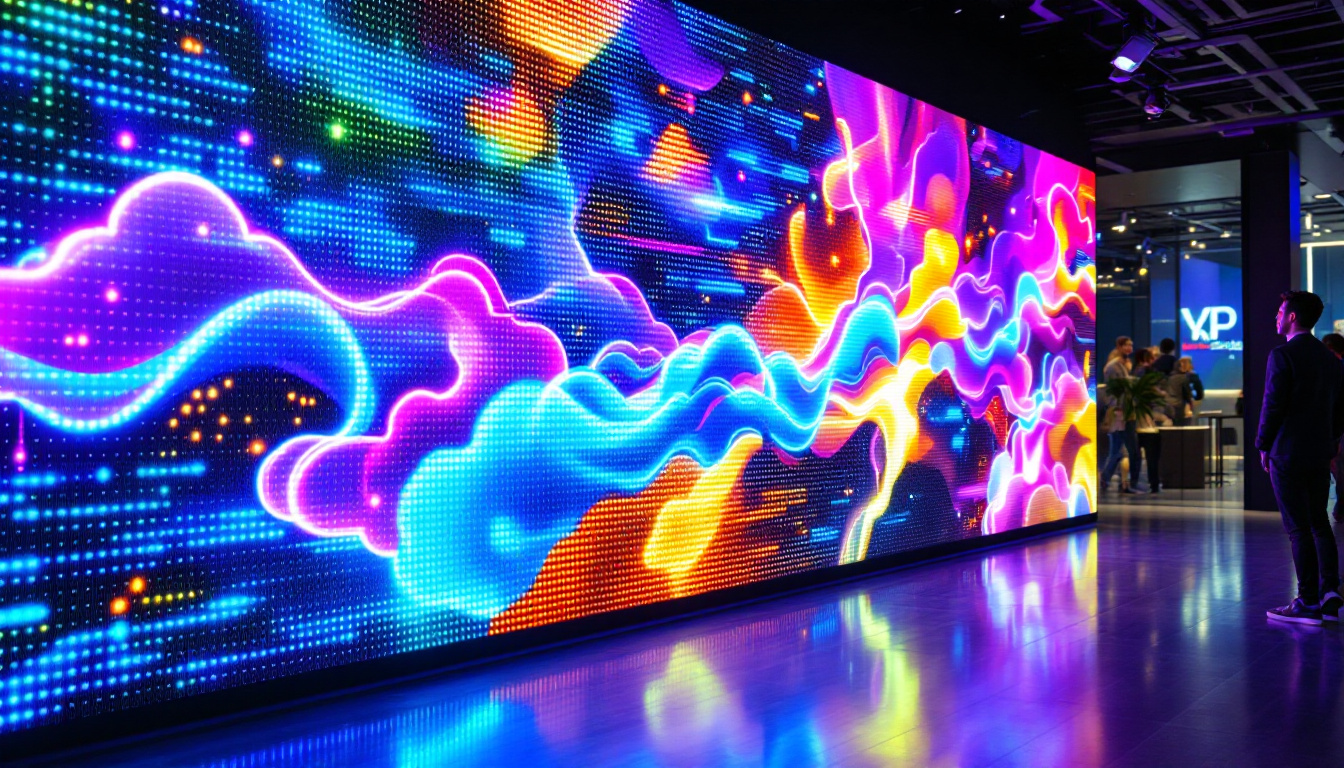
The technology behind LED billboards involves thousands of tiny LEDs arranged in a grid. Each LED acts as a pixel, illuminating in different colors and intensities to create vivid images. The brightness and clarity of these displays make them visible even in direct sunlight, which is a significant advantage over traditional printed billboards. Furthermore, advancements in technology have led to the development of high-resolution displays that can produce stunning visuals, enhancing the overall viewer experience. This capability allows brands to tell more compelling stories and convey their messages with greater impact, fostering a deeper connection with their audience.
Why Choose LED Billboards?
LED billboards offer several benefits compared to traditional advertising formats:
- Dynamic Content: Advertisers can update messages instantly, tailoring campaigns to specific times, events, or audiences.
- High Visibility: Brightness levels can reach up to 10,000 nits, ensuring visibility in all lighting conditions.
- Cost Efficiency Over Time: Although initial costs may be higher, digital content eliminates printing and installation expenses.
- Environmental Impact: Reduced paper waste and energy-efficient LEDs make these displays more eco-friendly.
Moreover, LED billboards enable advertisers to implement innovative strategies such as real-time data integration. For instance, brands can display content that responds to current weather conditions or trending social media topics, creating a sense of immediacy and relevance. This capability not only enhances viewer engagement but also allows for more personalized advertising experiences. Additionally, the interactive potential of LED billboards is on the rise, with some displays incorporating touch technology or QR codes that encourage audience participation, further bridging the gap between digital and physical advertising.
As urban landscapes become increasingly crowded with advertisements, the competition for consumer attention intensifies. LED billboards stand out not just because of their size and brightness, but also due to their ability to create memorable experiences. By using animations, short videos, and eye-catching graphics, advertisers can craft messages that resonate with viewers on an emotional level. This emotional connection can lead to higher brand recall and loyalty, making LED billboards a vital component of modern advertising campaigns that aim to leave a lasting impression.
Breaking Down LED Billboard Advertising Costs
When evaluating LED billboard advertising, it’s essential to understand the various cost components involved. These costs can vary widely based on location, size, resolution, and campaign duration. Below is a detailed breakdown of the primary factors influencing LED billboard advertising expenses.
1. Location and Market Demand
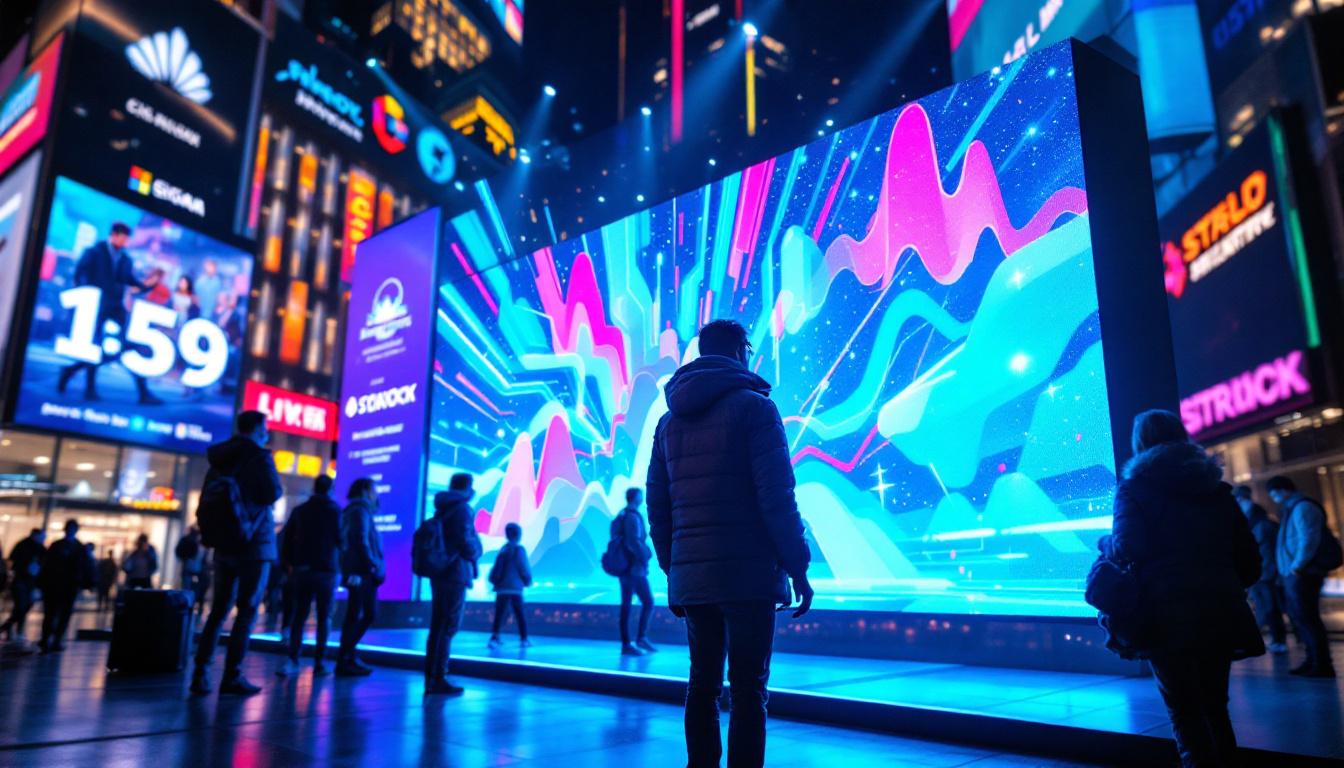
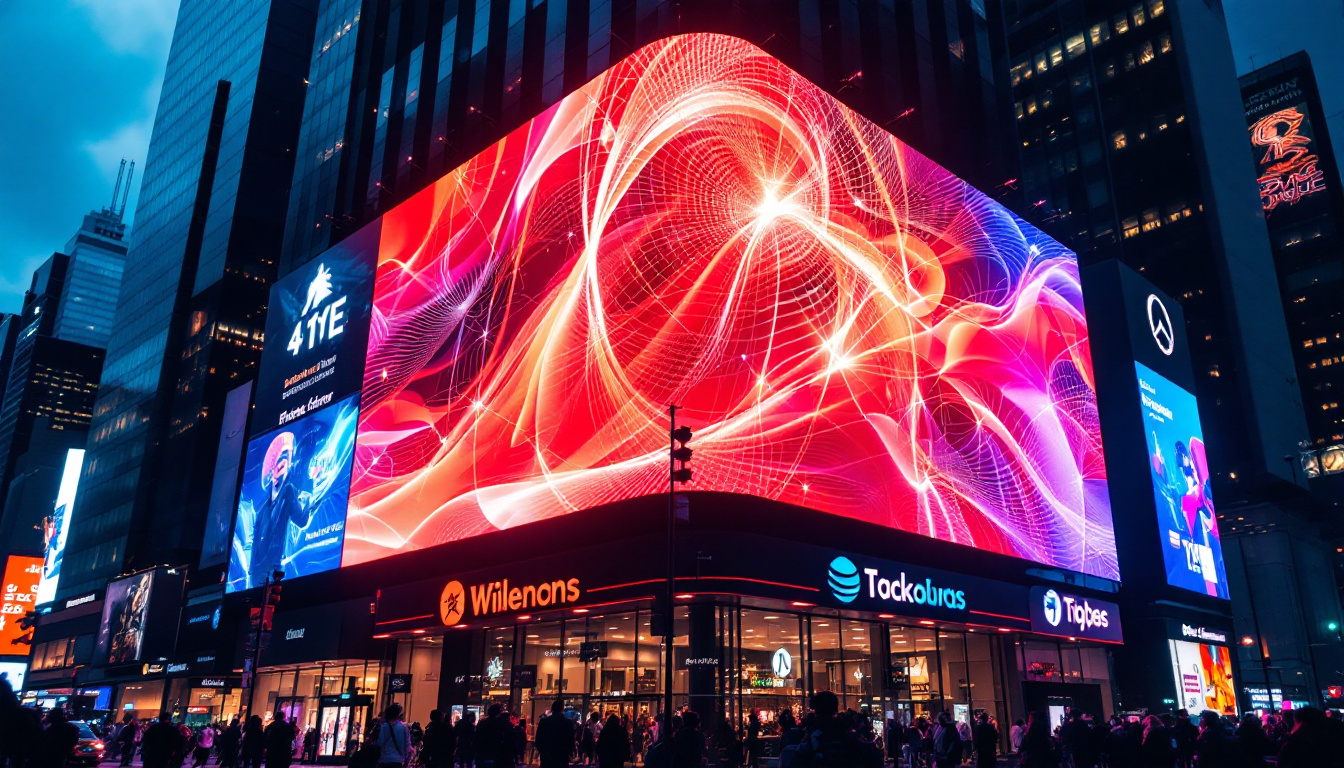
Location is the most significant determinant of LED billboard advertising cost. Billboards placed in high-traffic urban areas or along major highways command premium prices due to their exposure to large audiences. For example, advertising on a Times Square LED billboard in New York City can cost upwards of $1 million per month, reflecting its unparalleled visibility and prestige.
In contrast, LED billboards in smaller cities or suburban areas may cost significantly less, ranging from $1,500 to $15,000 per month depending on traffic volume and demographic reach. Advertisers must weigh the benefits of high-visibility locations against budget constraints and campaign goals.
2. Billboard Size and Resolution
The physical dimensions of an LED billboard directly impact the cost. Larger billboards require more LEDs, increasing manufacturing and installation expenses. Additionally, resolution—the density of LEDs per square foot—affects image quality and price. Higher resolution displays offer sharper images, making them ideal for close viewing distances, but they also come with higher costs.
For example, a standard 14 feet by 48 feet LED billboard with a pixel pitch of 16mm (distance between LEDs) may cost between $100,000 and $250,000 to install. Increasing resolution to a 10mm pixel pitch can raise costs by 30-50%, reflecting the enhanced visual clarity.
3. Installation and Maintenance
Installation costs for LED billboards include site preparation, structural supports, electrical wiring, and labor. These can range from $20,000 to over $100,000 depending on complexity and location. Maintenance is another ongoing expense, covering repairs, software updates, and cleaning to ensure optimal performance.
LED billboards typically have a lifespan of 75,000 to 100,000 hours, but factors such as weather exposure and usage intensity influence maintenance frequency. Budgeting for regular upkeep is crucial to avoid downtime and preserve display quality.
4. Content Creation and Management
While some advertisers produce their own digital content, many hire specialized agencies to design compelling visuals and animations optimized for LED screens. Content creation costs vary based on complexity, ranging from a few hundred dollars for simple static ads to several thousand for high-end video production.
Additionally, content management systems (CMS) enable remote scheduling and updating of advertisements. Some LED billboard providers include CMS access in rental fees, while others charge separately. Understanding these costs helps advertisers maintain fresh, engaging campaigns without unexpected expenses.
5. Advertising Rental Fees
Most LED billboard advertising operates on a rental basis, where advertisers pay to display their content for a specified duration. Rental fees depend on the factors above and the length of the campaign. Short-term rentals (days or weeks) typically cost more per day than long-term contracts due to setup and turnover costs.
On average, LED billboard rental fees range from $2,000 to $15,000 per month in mid-sized markets. Premium locations and large formats can push monthly rates above $50,000. Negotiating longer contracts or off-peak time slots can sometimes yield cost savings.
Case Studies: LED Billboard Advertising Costs in Action
Examining real-world examples provides valuable context for understanding LED billboard advertising costs and their impact.
Case Study 1: Local Retail Chain in a Mid-Sized City
A regional retail chain in Columbus, Ohio, opted for a 12 feet by 36 feet LED billboard with a 16mm pixel pitch along a busy highway. The monthly rental fee was approximately $4,500, with an initial installation cost of $120,000 covered by the billboard owner. The retailer invested an additional $3,000 in content creation and used the provider’s CMS for scheduling.
The campaign ran for six months, resulting in a 15% increase in store visits and a measurable boost in brand awareness. The advertiser found the cost-effective location and moderate resolution ideal for reaching local consumers.
Case Study 2: National Brand Launch in a Major Market
A global beverage company launched a new product in Los Angeles using a Times Square-style 20 feet by 60 feet LED billboard with a 10mm pixel pitch. The monthly rental fee was $75,000, with content creation and management costs totaling $50,000. Installation was handled by the billboard owner.
The campaign lasted three months, featuring dynamic video ads and interactive social media integrations. Despite the high cost, the brand achieved significant media coverage and social engagement, validating the investment in a premium location and high-resolution display.
How to Optimize Your LED Billboard Advertising Budget
Maximizing the effectiveness of LED billboard advertising requires strategic planning and budget management. Here are key tips to optimize your investment:
1. Choose the Right Location for Your Target Audience
Analyze traffic patterns, demographics, and competitor presence to select billboard locations that align with your marketing objectives. Sometimes, a less expensive but well-targeted location can deliver better results than a high-profile but broad-reaching site.
2. Balance Size and Resolution with Viewing Distance
Consider how far your audience will be from the billboard. Larger pixel pitches are suitable for billboards viewed from highways, while higher resolutions are necessary for urban areas with closer viewing distances. This balance helps control costs without sacrificing impact.
3. Plan Content Strategically
Dynamic content can increase engagement, but it also requires investment in design and management. Use data-driven insights to schedule ads during peak hours and tailor messages to specific times or events. Refresh content regularly to maintain audience interest.
4. Negotiate Rental Terms
Longer contracts often come with discounts. Additionally, consider off-peak advertising slots or shared billboard campaigns to reduce costs. Building relationships with billboard providers can open opportunities for favorable terms.
5. Monitor and Measure Performance
Use tracking tools and analytics to evaluate campaign effectiveness. Adjust strategies based on performance data to improve ROI over time. Many LED billboard providers offer integrated analytics to support this process.
The Future of LED Billboard Advertising
Advancements in LED technology and digital marketing continue to shape the future of billboard advertising. Innovations such as 3D LED displays, augmented reality integration, and AI-driven content personalization promise to enhance engagement further.
Moreover, the rise of programmatic advertising allows brands to automate the buying and scheduling of billboard space, making campaigns more efficient and data-driven. These trends suggest that LED billboard advertising will remain a vital and evolving channel for marketers.
Sustainability and Energy Efficiency
Environmental concerns are driving improvements in LED technology, focusing on reducing energy consumption and extending product lifespans. Solar-powered LED billboards and recyclable materials are gaining traction, aligning advertising practices with corporate social responsibility goals.
Conclusion
LED billboard advertising offers a powerful platform for brands to capture attention and communicate messages dynamically. While the costs can be significant, understanding the factors that influence pricing—from location and size to content and maintenance—enables advertisers to make strategic decisions that maximize impact and budget efficiency.
By carefully selecting locations, balancing technical specifications, and leveraging creative content, businesses of all sizes can harness the potential of LED billboards. As technology advances and market options expand, staying informed about cost structures and industry trends will be essential for successful outdoor advertising campaigns.
Discover LumenMatrix’s Innovative LED Solutions
Ready to elevate your advertising strategy with the latest in LED technology? Look no further than LumenMatrix, a pioneer in crafting LED display modules that not only boost brand visibility but also captivate and engage your audience like never before. From the bustling streets with Outdoor LED Wall Displays to the dynamic environment of sports arenas with LED Sports Displays, our comprehensive range of solutions, including custom and specialized LED displays, is designed to meet your unique needs. Experience the future of visual communication and make a lasting impression with LumenMatrix. Check out LumenMatrix LED Display Solutions today and transform your brand’s presence in the digital landscape.