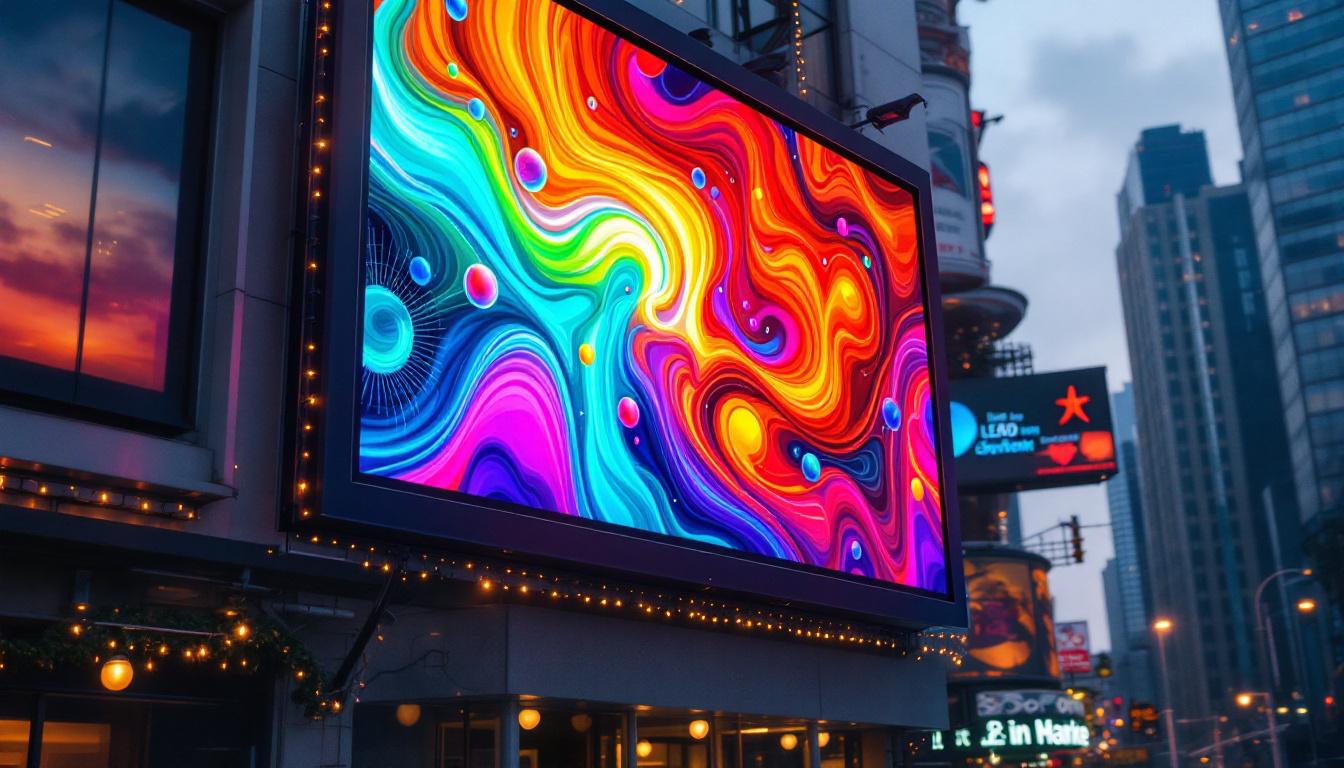
In an era where digital advertising dominates, LED billboards have become a cornerstone of outdoor marketing strategies. Their vibrant displays, dynamic content capabilities, and high visibility make them a preferred choice for businesses aiming to capture attention in busy urban environments. However, understanding the cost of LED billboards requires more than just looking at a price tag. It involves a deep dive into the technology, installation factors, maintenance, and long-term value.
What Is an LED Billboard?
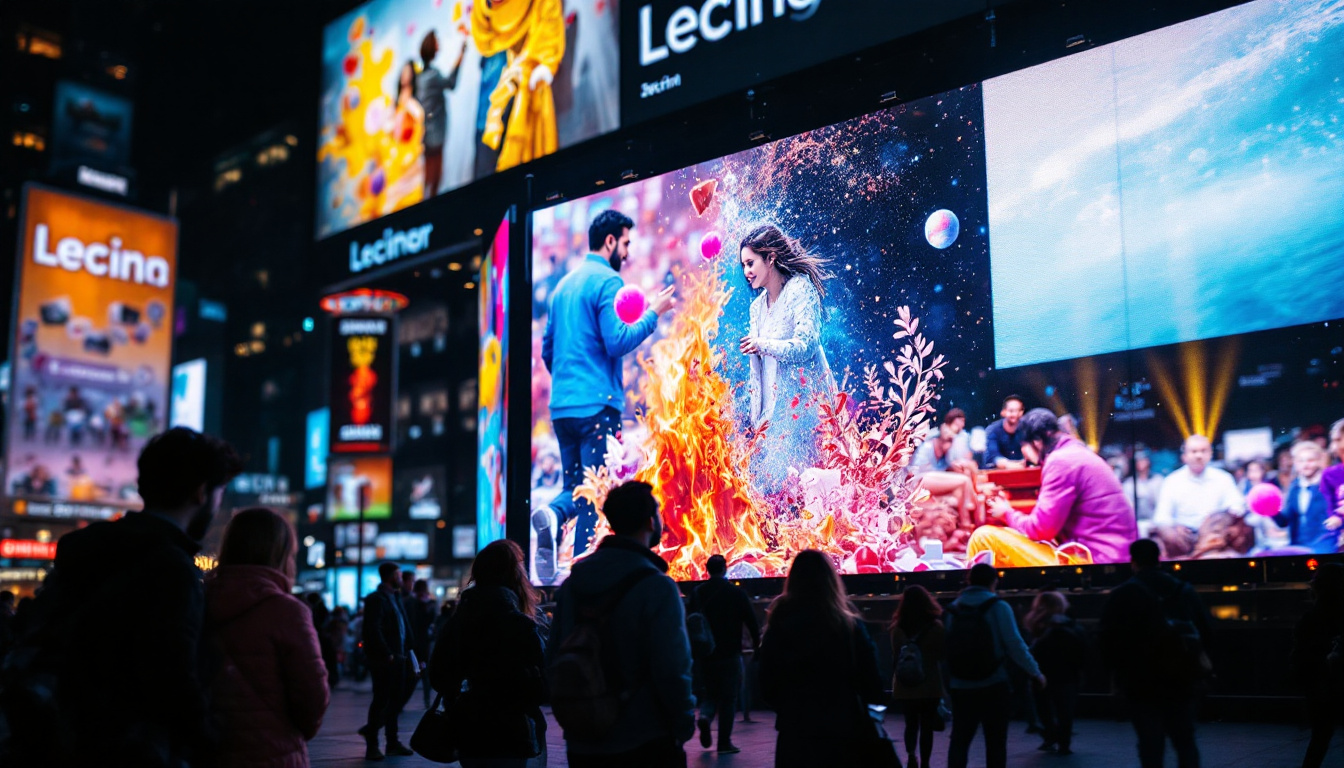
LED billboards are large-scale digital displays that use light-emitting diodes (LEDs) to present images, videos, and text. Unlike traditional static billboards, LED billboards can change content in real-time, offering advertisers flexibility and creativity in their messaging. This dynamic capability allows for the showcasing of multiple advertisements throughout the day, maximizing exposure and engagement with potential customers.
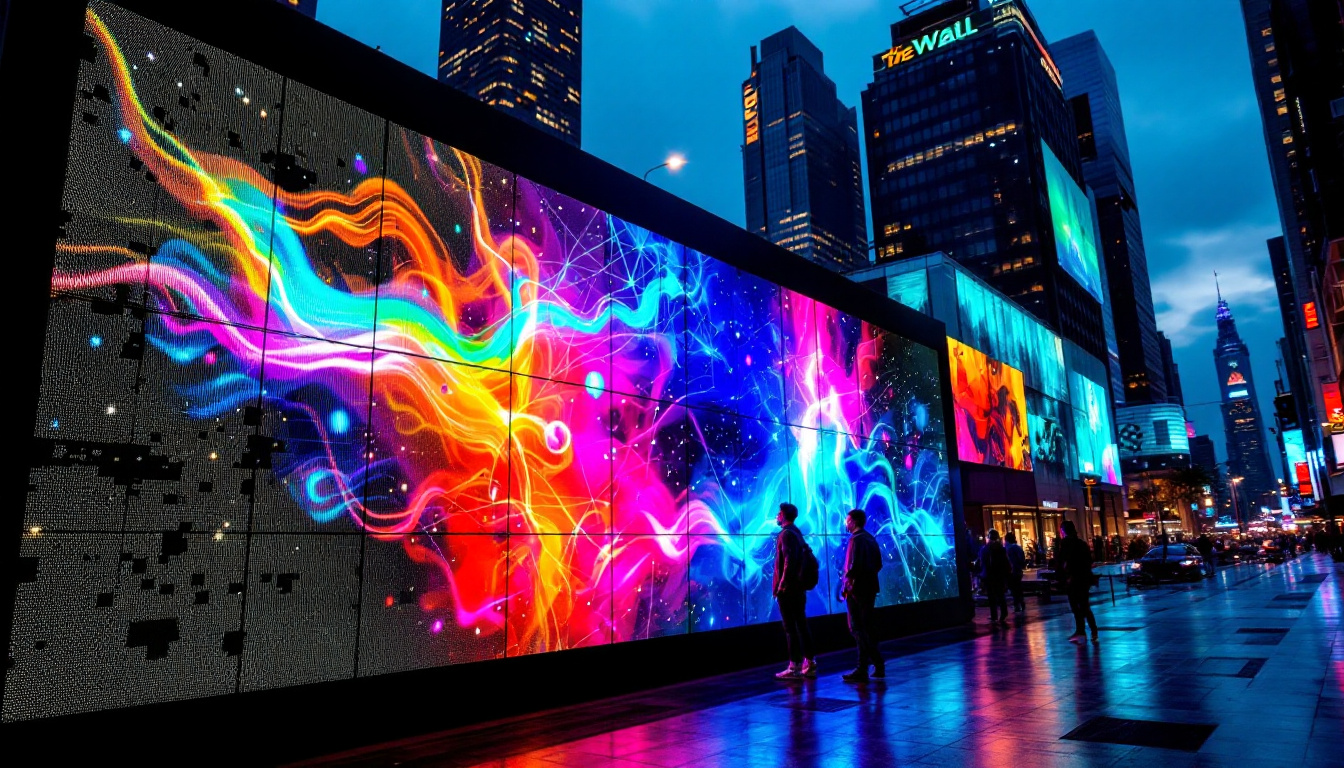
These displays are composed of thousands of tiny LEDs arranged in a grid. Each LED acts as a pixel, illuminating in various colors to form vibrant, high-resolution images visible even in direct sunlight. This technology ensures that LED billboards are not only eye-catching but also energy-efficient compared to older display methods like neon or fluorescent lighting. Furthermore, the lifespan of LED technology is significantly longer, reducing the need for frequent replacements and maintenance, which can be a considerable cost-saving for advertisers.
Types of LED Billboards
There are primarily two types of LED billboards:
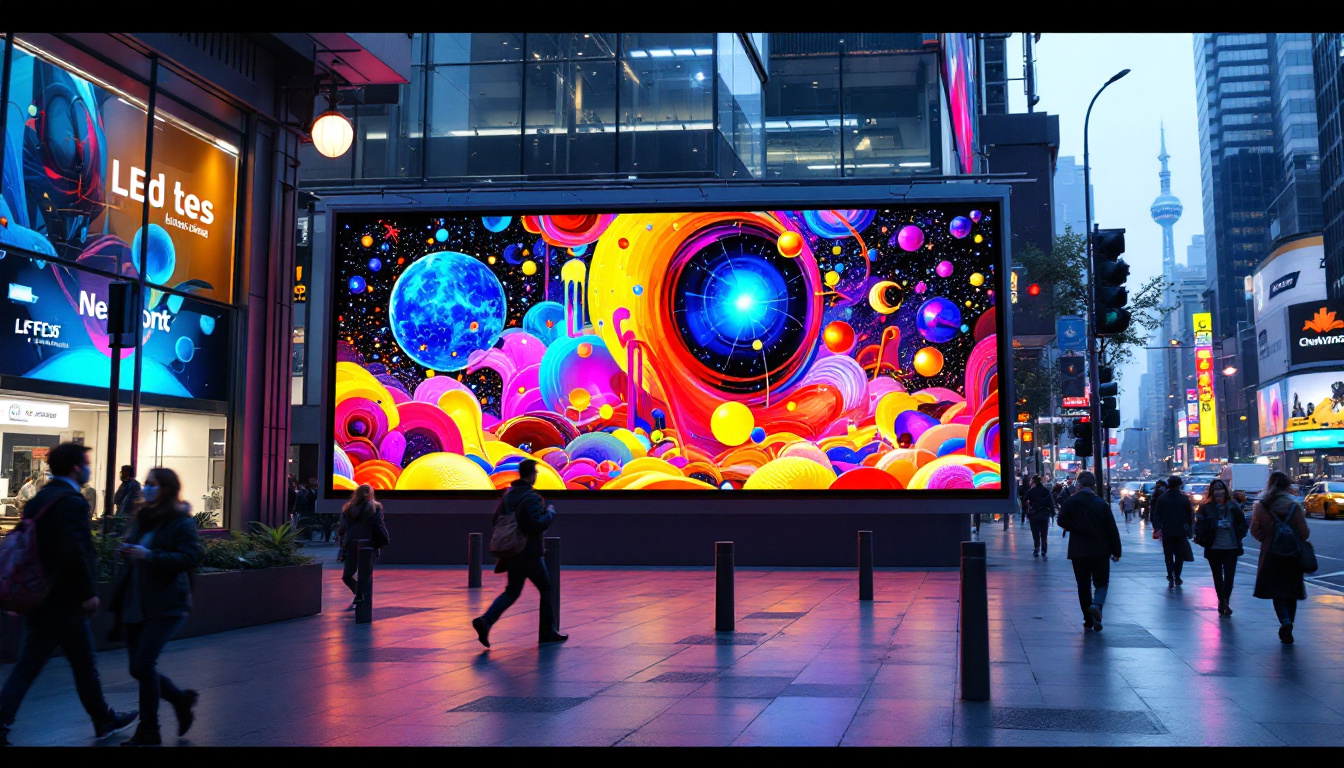
- Outdoor LED Billboards: Designed to withstand harsh weather conditions, these are typically larger and brighter to ensure visibility from long distances. They often feature advanced technology to adjust brightness based on ambient light, ensuring optimal visibility at all times.
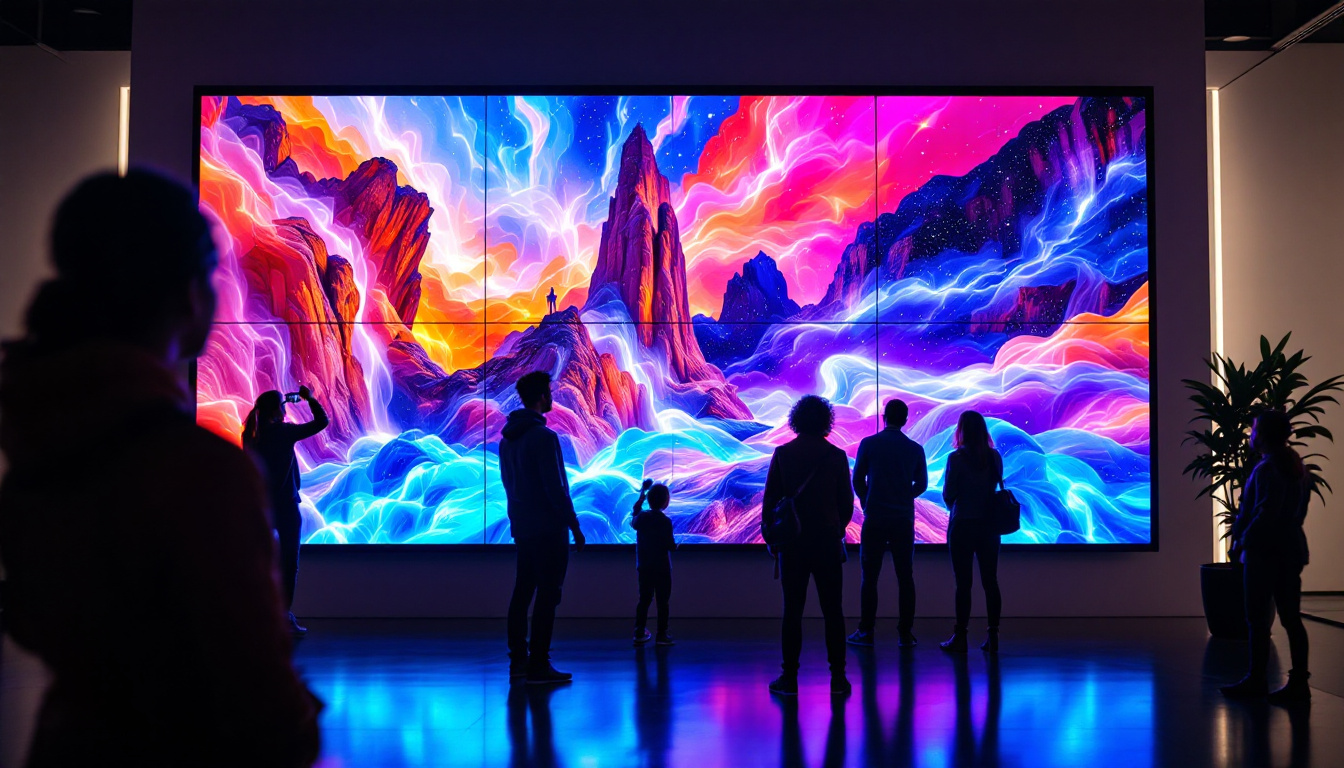
- Indoor LED Displays: Used in malls, airports, and event venues, these billboards have higher resolution but lower brightness since they operate in controlled lighting environments. Indoor displays are often used for advertising products, promoting events, or providing information to enhance the customer experience.
Choosing the right type depends on the intended location and purpose, which directly influences the overall cost. Additionally, factors such as audience demographics, viewing distance, and the frequency of content updates play a crucial role in determining the most effective LED billboard strategy. Advertisers can leverage data analytics to track engagement and optimize their campaigns, ensuring that their messages resonate with the target audience. This adaptability makes LED billboards a powerful tool in the ever-evolving landscape of digital advertising.
Factors Influencing LED Billboard Cost
The cost of an LED billboard varies widely based on multiple factors. Understanding these can help businesses make informed decisions and budget effectively.
1. Size and Resolution
The size of the LED billboard is one of the most significant cost drivers. Larger billboards require more LEDs, increasing both material and manufacturing expenses. For example, a 10×20 feet billboard will cost substantially less than a 20×40 feet display.
Resolution, measured in pixel pitch (the distance between individual LEDs), also affects cost. A smaller pixel pitch means higher resolution and sharper images but comes at a premium price. High-resolution billboards are essential for locations with close viewing distances, such as city centers, while lower resolution is acceptable for highway billboards viewed from afar.
2. Brightness and Weatherproofing
Outdoor LED billboards must be bright enough to remain visible in direct sunlight, often requiring brightness levels between 5,000 to 10,000 nits. Higher brightness LEDs consume more power and cost more upfront. Additionally, weatherproofing features like waterproof casings, UV protection, and temperature regulation systems add to the expense but are critical for durability and performance.
3. Installation and Location
The complexity of installation depends on the billboard’s location and mounting structure. Urban areas with strict regulations may require additional permits and safety measures, increasing labor costs. Installing a billboard on a rooftop or a high pole involves specialized equipment and expertise, further driving up expenses.
4. Content Management System (CMS)
Modern LED billboards are controlled by sophisticated CMS software that enables remote content updates, scheduling, and analytics. Licensing, customization, and integration of these systems can add to the initial investment but greatly enhance operational efficiency.
5. Maintenance and Operating Costs
While LED billboards are known for their longevity, ongoing maintenance is essential to ensure optimal performance. This includes regular cleaning, software updates, and occasional repairs. Energy consumption also contributes to operating costs, although advances in LED technology have significantly improved energy efficiency over the past decade.
Typical LED Billboard Cost Breakdown
To provide a clearer picture, here is an approximate cost breakdown for a standard outdoor LED billboard measuring 14×48 feet, which is a common size for highway advertising:
| Cost Component | Estimated Cost (USD) | Notes |
|---|---|---|
| LED Display Panel | $75,000 – $150,000 | Depends on resolution and brightness |
| Structural Frame and Mounting | $20,000 – $40,000 | Includes steel framework and installation hardware |
| Installation Labor | $10,000 – $25,000 | Varies by location and complexity |
| Content Management System (CMS) | $5,000 – $15,000 | Software license and setup |
| Permits and Regulatory Fees | $2,000 – $10,000 | Depends on local laws |
| Annual Maintenance | $3,000 – $7,000 | Includes cleaning and minor repairs |
Overall, the initial investment for a high-quality LED billboard can range from approximately $110,000 to $250,000, with annual maintenance and operating costs adding to the total expenditure.
Comparing LED Billboards to Traditional Billboards
Traditional billboards, typically printed vinyl or painted, have lower upfront costs, often between $1,500 and $10,000 depending on size and location. However, they lack the dynamic capabilities of LED displays and require physical labor for content changes, which can add recurring expenses.
LED billboards offer several advantages that justify their higher cost:
- Dynamic Content: Advertisers can update messages instantly, allowing for time-sensitive promotions and multiple campaigns on a single billboard.
- Higher Engagement: Bright, moving images attract more attention, improving brand recall and advertising effectiveness.
- Long-Term Savings: Reduced printing and installation costs for new ads over time.
- Environmental Impact: Lower waste generation compared to disposable vinyl posters.
For businesses with ongoing advertising needs and a desire for flexibility, LED billboards often provide a superior return on investment despite the higher initial cost.
Emerging Trends Affecting LED Billboard Costs
The LED billboard industry is evolving rapidly, with several trends influencing both pricing and performance:
1. Advancements in LED Technology
Recent developments have led to more energy-efficient LEDs with longer lifespans and better color accuracy. These improvements reduce operating costs and maintenance frequency, making LED billboards more affordable over time.
2. Integration with Smart Technologies
Smart billboards equipped with sensors and AI can tailor content based on audience demographics, weather, or traffic conditions. While this technology increases initial costs, it enhances advertising effectiveness and can attract premium ad rates.
3. Modular and Scalable Designs
Modular LED panels allow for easier upgrades and repairs, reducing downtime and maintenance expenses. This flexibility can lower long-term costs by extending the billboard’s useful life.
4. Regulatory Changes
Local governments are increasingly imposing restrictions on digital billboards related to brightness, content, and placement to address concerns about driver distraction and light pollution. Compliance with these regulations may require additional investment in dimming technology or content management controls.
How to Budget for an LED Billboard
Businesses considering an LED billboard should approach budgeting with a comprehensive perspective. Here are key steps to ensure financial planning aligns with marketing goals:
1. Define Advertising Objectives
Clarify the purpose of the billboard—brand awareness, product promotion, event advertising—and the expected duration of campaigns. This will influence size, resolution, and content complexity.
2. Research Locations and Regulations
Location impacts visibility, cost, and regulatory requirements. Conduct thorough research on zoning laws, permit fees, and local advertising restrictions to avoid unexpected expenses.
3. Evaluate Total Cost of Ownership
Consider not only the initial purchase and installation costs but also ongoing maintenance, electricity consumption, software licensing, and potential upgrades.
4. Obtain Multiple Quotes
Consult with several reputable LED billboard manufacturers and installers to compare pricing and services. Look for companies with proven track records and strong customer support.
5. Plan for Content Creation
Budget for professional content design and management to maximize the impact of the billboard. Dynamic content requires creative resources and potentially additional software tools.
Conclusion: Is an LED Billboard Worth the Investment?
LED billboards represent a significant investment, but for many businesses, the benefits outweigh the costs. Their ability to deliver vibrant, flexible, and engaging advertising content can dramatically increase brand visibility and customer engagement.
By understanding the factors that influence LED billboard cost and carefully planning the project, companies can leverage this powerful marketing tool to achieve long-term success. As technology advances and prices continue to become more competitive, LED billboards are poised to remain a dominant force in outdoor advertising for years to come.
Discover Cutting-Edge LED Solutions with LumenMatrix
Ready to elevate your advertising strategy with the dynamic power of LED billboards? LumenMatrix is at the forefront of LED display technology, offering an extensive range of solutions tailored to your unique needs. From Indoor and Outdoor LED Wall Displays to innovative LED Sports and Floor Displays, our products are designed to captivate your audience and amplify your message. Experience the future of visual communication and transform your brand’s presence with our advanced LED display modules. Check out LumenMatrix LED Display Solutions today and make a lasting impression in the world of digital advertising.