In the rapidly evolving world of automotive technology, LED displays have become a cornerstone of modern vehicle interfaces. From dashboard indicators to infotainment screens and exterior lighting, LED (Light Emitting Diode) technology enhances both functionality and aesthetics in cars. This article delves into the intricacies of LED car displays, exploring their technology, applications, benefits, and future trends.
Understanding LED Technology in Automotive Displays
What is an LED Display?
An LED display consists of an array of light-emitting diodes that produce bright, clear images or information by illuminating pixels in various colors. Unlike traditional LCDs that rely on backlighting, LED displays generate their own light, resulting in better contrast and visibility. This self-illuminating feature allows for vibrant colors and deeper blacks, enhancing the overall viewing experience.
In automotive contexts, LED displays can range from simple indicator lights on dashboards to complex full-color screens used for navigation and entertainment. The versatility and efficiency of LEDs make them ideal for the demanding environment of vehicles. Furthermore, LED technology is energy-efficient, which is crucial for modern vehicles that prioritize fuel economy and battery life, especially in electric and hybrid models. As a result, manufacturers are increasingly adopting LED displays to meet consumer expectations for both performance and sustainability.
Types of LED Displays Used in Cars
There are several types of LED displays commonly integrated into vehicles:
- Segmented LED Displays: These are simple numeric or alphanumeric displays used for speedometers, fuel gauges, and other basic readouts. Their straightforward design allows for quick readability, which is essential for drivers needing instant information while on the road.
- Matrix LED Displays: Composed of a grid of LEDs, these displays can show more complex information, including text and simple graphics. They are often used in vehicles for notifications, such as alerts for maintenance or safety warnings, providing drivers with critical information at a glance.
- OLED Displays: Although technically different, Organic LEDs are increasingly used in automotive displays for their superior contrast and flexibility. Their ability to be made in various shapes and sizes allows for innovative dashboard designs that can enhance the aesthetic appeal of the vehicle interior.
- Full-Color LED Screens: Used in infotainment systems and head-up displays, these screens can render high-resolution images and videos. They offer a dynamic interface for navigation, music, and vehicle settings, making driving more enjoyable and interactive.
In addition to these types, advancements in LED technology have led to the development of adaptive displays that can adjust their brightness based on ambient light conditions. This feature not only enhances visibility during day and night driving but also reduces glare, improving safety. Moreover, manufacturers are exploring the integration of augmented reality (AR) into full-color LED screens, allowing for enhanced navigation experiences that overlay digital information onto the real-world view, guiding drivers more intuitively to their destinations.
Applications of LED Displays in Modern Vehicles
Dashboard and Instrument Clusters
Traditional analog gauges are progressively being replaced by LED-based digital instrument clusters. These displays provide drivers with customizable, high-resolution information including speed, RPM, fuel levels, and navigation prompts. The brightness and clarity of LEDs ensure visibility in various lighting conditions, from bright sunlight to nighttime driving.
For example, luxury brands like Audi and Mercedes-Benz have pioneered fully digital instrument panels that use LED technology to enhance the driving experience. These displays can adapt dynamically, showing only the most relevant information based on driving mode or driver preferences. Furthermore, the integration of augmented reality into these instrument clusters is becoming a reality, allowing critical data to be projected directly onto the windshield, thus minimizing the need for drivers to look away from the road.
Infotainment and Control Panels
LED displays form the backbone of modern car infotainment systems. Touchscreen interfaces with LED backlighting allow for intuitive control of music, climate settings, navigation, and smartphone integration. The responsiveness and vividness of LED screens contribute to safer, more enjoyable interactions while driving.
Moreover, LED displays enable advanced features such as gesture control and voice command feedback, providing drivers with multiple ways to interact with their vehicle’s systems without distraction. Some systems now utilize artificial intelligence to learn driver preferences over time, adjusting settings automatically for optimal comfort and convenience. This level of personalization not only enhances the driving experience but also fosters a deeper connection between the driver and their vehicle.
Exterior Lighting and Displays
Beyond interior displays, LED technology is revolutionizing exterior vehicle lighting. LED headlights, taillights, and turn signals offer superior brightness, energy efficiency, and longevity compared to traditional bulbs. Some manufacturers have integrated LED matrix headlights that can selectively dim or brighten sections of the beam to avoid dazzling other drivers.
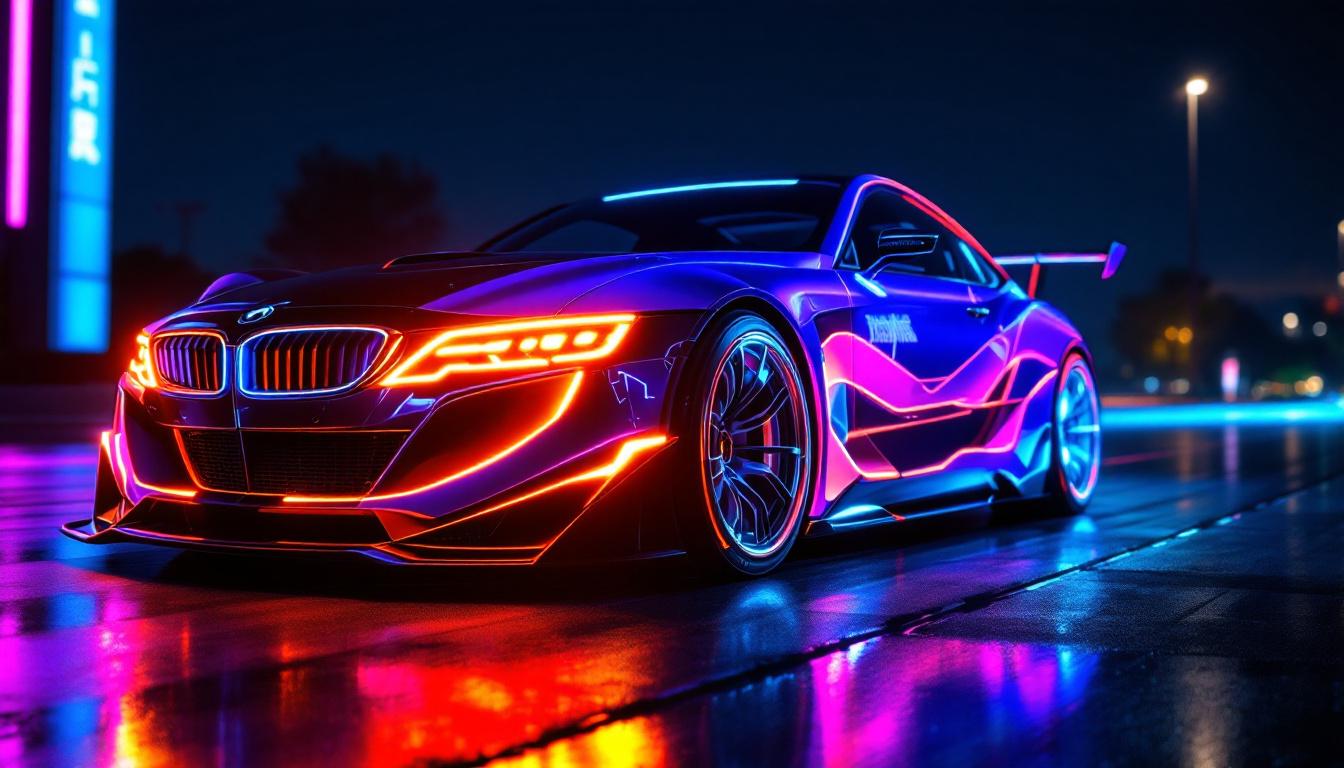
Additionally, some futuristic vehicles incorporate LED displays on exterior surfaces for communication purposes, such as displaying messages or warnings to pedestrians and other drivers. This emerging trend enhances road safety and vehicle-to-environment interaction. For instance, vehicles can now signal their intentions to turn or stop using animated LED displays, making interactions with pedestrians clearer and more intuitive. Furthermore, the use of programmable LED displays allows for customizable vehicle branding or personal messages, adding a unique touch to vehicle aesthetics while promoting safety on the roads.
Benefits of LED Displays in Automotive Use
Energy Efficiency and Longevity
One of the most significant advantages of LED technology is its low power consumption. LEDs use up to 80% less energy than incandescent bulbs, which helps improve overall vehicle fuel efficiency and reduce battery drain in electric vehicles (EVs). This efficiency translates into longer battery life and fewer replacements.
Moreover, LEDs have a much longer lifespan, often exceeding 25,000 hours of operation. This durability is particularly important in automotive applications where reliability and maintenance costs are critical considerations.
Enhanced Visibility and Safety
LED displays provide superior brightness and contrast, making information easier to read at a glance. This clarity is crucial for driver safety, as it reduces the time needed to interpret dashboard data or navigate infotainment menus.
In exterior lighting, LEDs improve nighttime visibility and reaction times for both drivers and pedestrians. Advanced LED headlight systems can adapt to changing road conditions, further enhancing safety.
Design Flexibility and Customization
LEDs are incredibly small and can be arranged in various configurations, enabling automotive designers to create sleek, innovative display layouts. This flexibility supports the trend toward minimalist, futuristic interiors with seamless digital interfaces.
Customizable LED displays allow drivers to personalize their vehicle’s interface, selecting preferred themes, colors, and information layouts. This personalization improves user experience and brand differentiation.
Challenges and Considerations in LED Car Display Integration
Cost and Manufacturing Complexity
While LED technology has become more affordable over time, high-resolution, full-color LED displays can still be costly to produce and integrate. The complexity of embedding these displays into automotive-grade hardware that withstands temperature extremes, vibrations, and humidity adds to manufacturing challenges.
Automakers must balance the benefits of advanced LED displays with cost constraints, especially in mass-market vehicles where price sensitivity is high.
Glare and Nighttime Use
Excessive brightness or improper calibration of LED displays can cause glare, potentially distracting drivers. Manufacturers need to implement adaptive brightness controls and anti-reflective coatings to ensure displays remain readable without impairing night vision.
Regulatory standards also govern the brightness and color of automotive displays to minimize distractions and ensure safety.
Integration with Vehicle Electronics
Modern vehicles rely on complex electronic architectures where LED displays must interface seamlessly with sensors, control units, and communication networks. Ensuring compatibility and cybersecurity in these systems is an ongoing challenge as vehicles become increasingly connected and autonomous.
The Future of LED Displays in Automotive Technology
Advances in MicroLED and Transparent Displays
Emerging technologies such as MicroLED promise even higher resolution, efficiency, and durability than current LED displays. MicroLEDs are smaller and can be packed more densely, enabling ultra-high-definition screens with exceptional brightness and color accuracy.
Transparent LED displays are also gaining traction, allowing for heads-up displays (HUDs) that project information directly onto windshields without obstructing the driver’s view. This technology enhances situational awareness and reduces the need to look away from the road.
Integration with Autonomous and Connected Vehicles
As autonomous driving systems become more prevalent, LED displays will play a critical role in communicating vehicle status, intentions, and environmental data to passengers and other road users. Exterior LED displays could signal when a vehicle is in autonomous mode or alert pedestrians of upcoming maneuvers.
Inside the cabin, LED displays will likely evolve into multi-functional hubs that integrate augmented reality (AR), real-time traffic updates, and personalized entertainment, creating a seamless digital ecosystem.
Sustainability and Environmental Impact
LED technology aligns well with the automotive industry’s push toward sustainability. Their energy efficiency contributes to lower emissions in internal combustion engine vehicles and extends range in electric vehicles. Additionally, LEDs contain no hazardous materials like mercury, making them easier to recycle.
Future developments aim to further reduce the environmental footprint of LED manufacturing and disposal, supporting the broader goals of green mobility.
Conclusion
LED displays have transformed the automotive landscape by enhancing safety, efficiency, and user experience. Their adaptability allows for continuous innovation, from digital dashboards to intelligent exterior lighting. While challenges remain in cost and integration, ongoing technological advancements promise even greater capabilities and applications.
For manufacturers and consumers alike, understanding the role and potential of LED displays is essential as vehicles become smarter, more connected, and environmentally friendly. The future of automotive displays is bright—quite literally—thanks to LED technology.
Discover LumenMatrix’s Innovative LED Display Solutions
As vehicles evolve with smarter and more sustainable technologies, the integration of advanced LED displays becomes increasingly crucial. LumenMatrix stands at the forefront of this transformation, offering a wide array of LED display modules that cater to the diverse needs of the automotive industry. From captivating vehicle LED displays to dynamic digital signage, our solutions are designed to elevate brand presence and create immersive visual experiences. To explore how LumenMatrix can enhance your automotive display capabilities and bring your visual communication to the next level, check out LumenMatrix LED Display Solutions today.