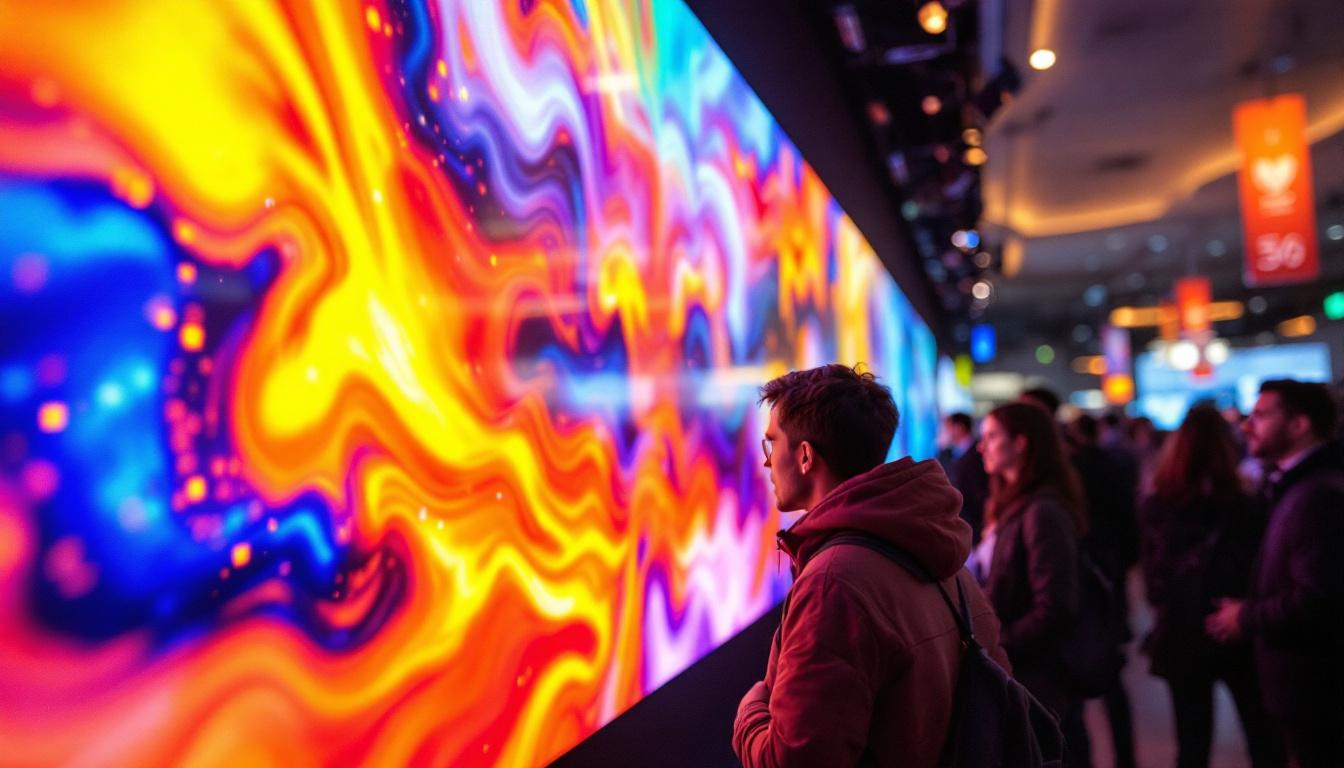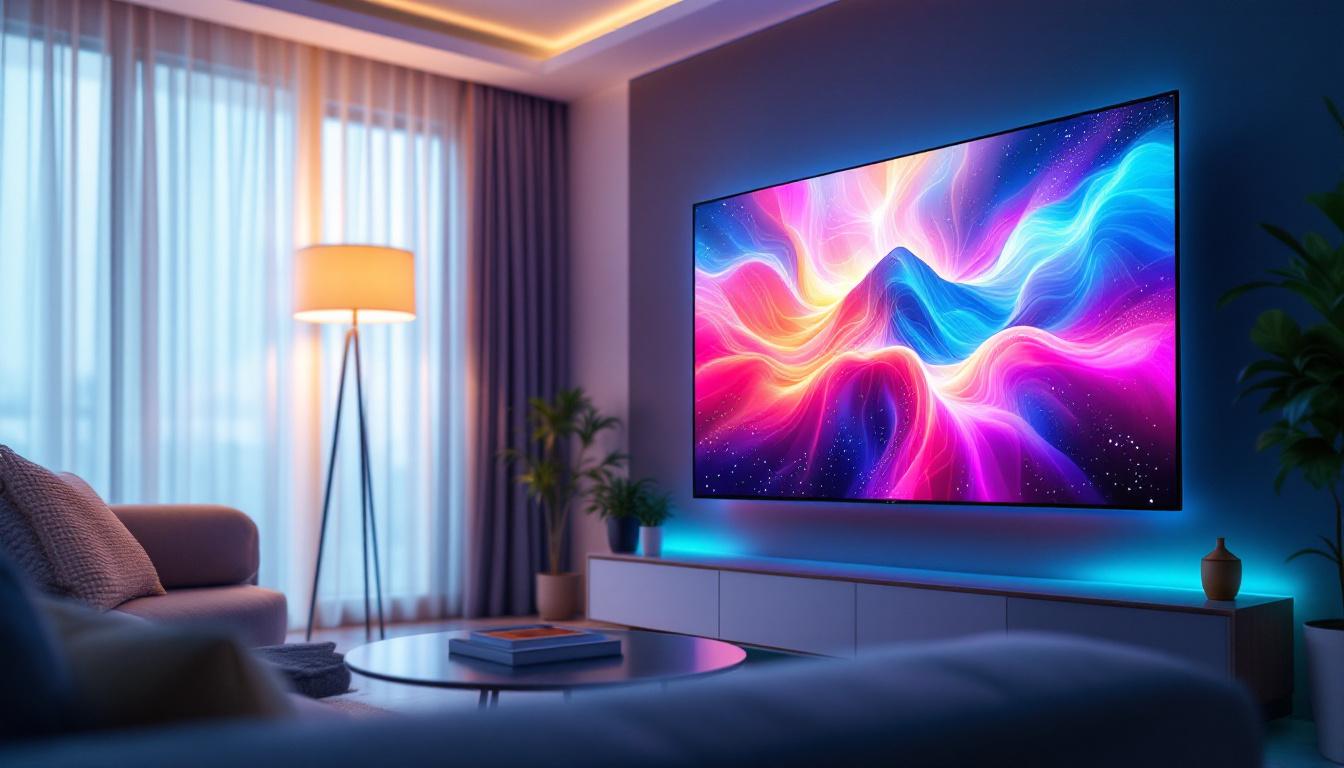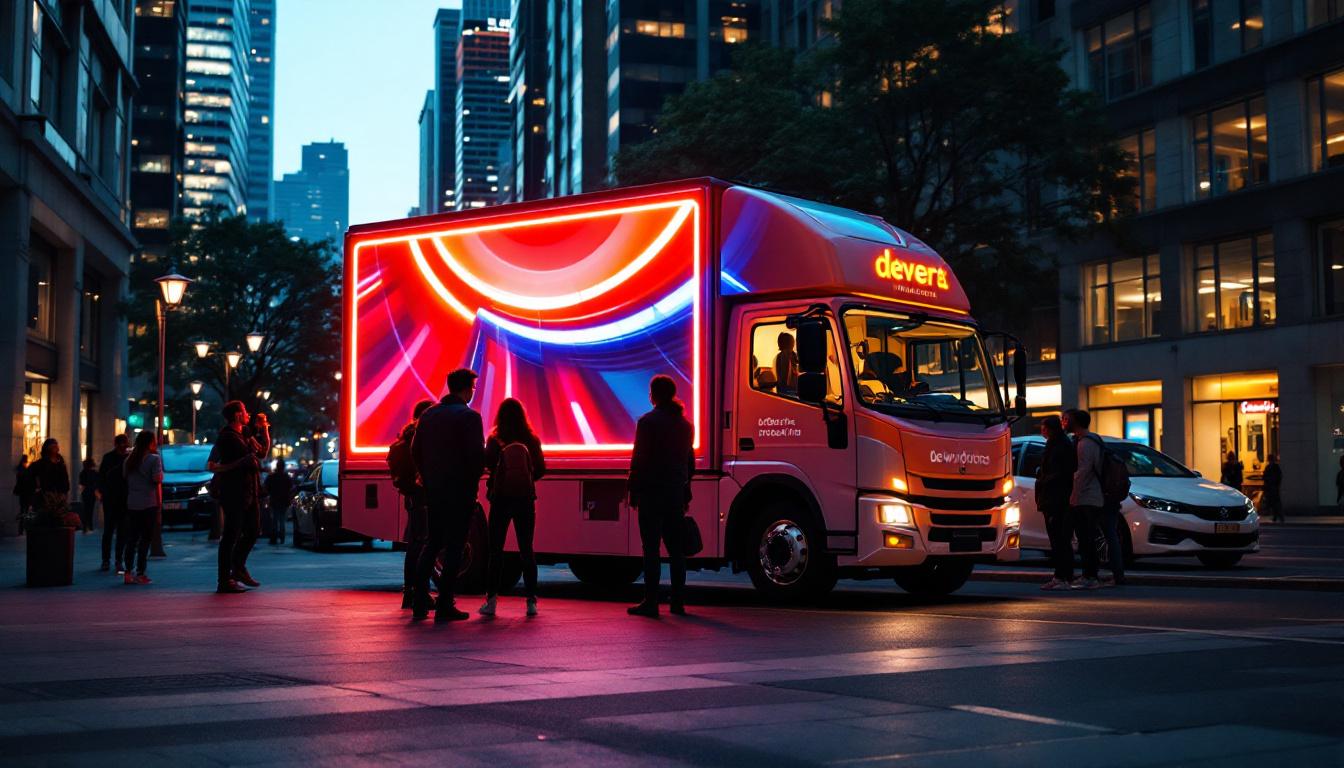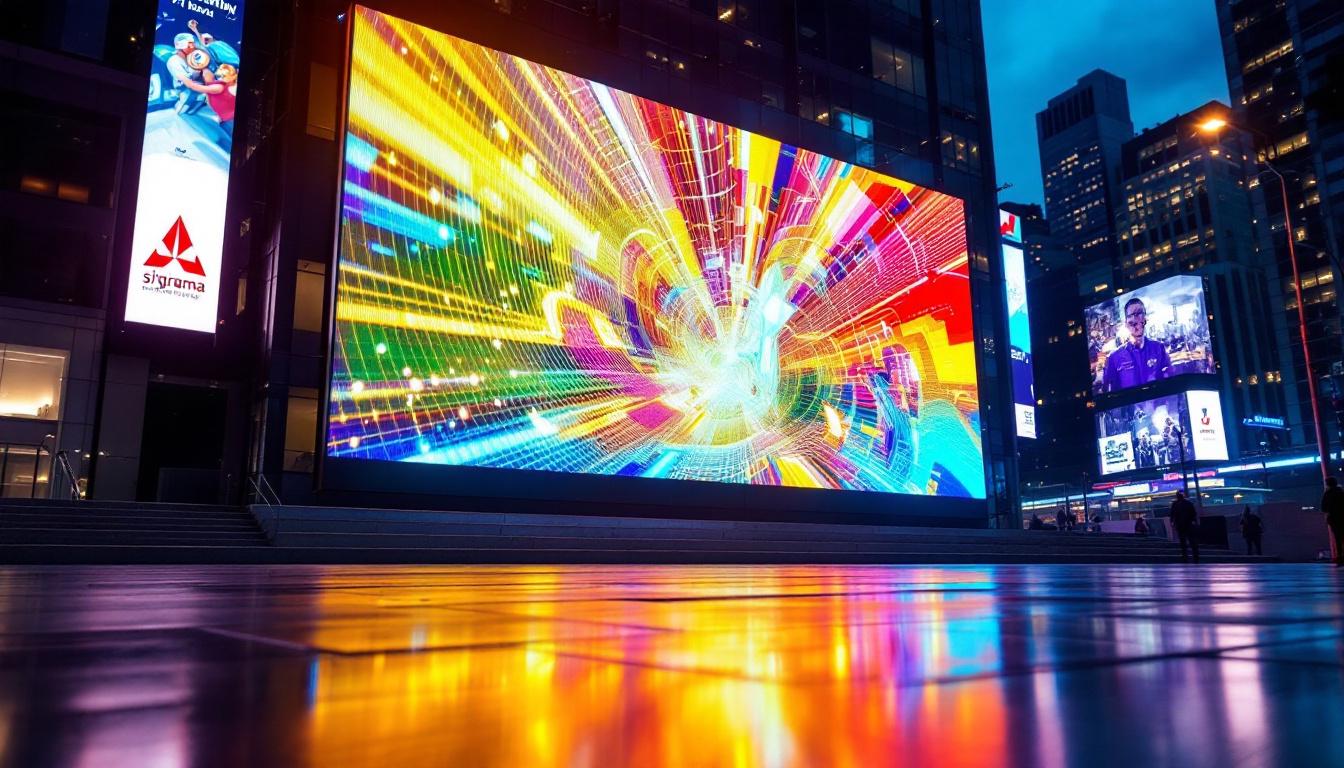
In today’s fast-paced digital world, advertising has evolved beyond traditional billboards and printed posters. One of the most dynamic and effective mediums gaining traction is the Advertisement LED Panel. These LED displays have revolutionized the way brands communicate with audiences, offering vibrant visuals, flexibility, and high visibility. This article delves into the world of LED advertising panels, explaining their technology, benefits, applications, and considerations for businesses aiming to harness their potential.
Understanding LED Display Technology
What is an LED Display?
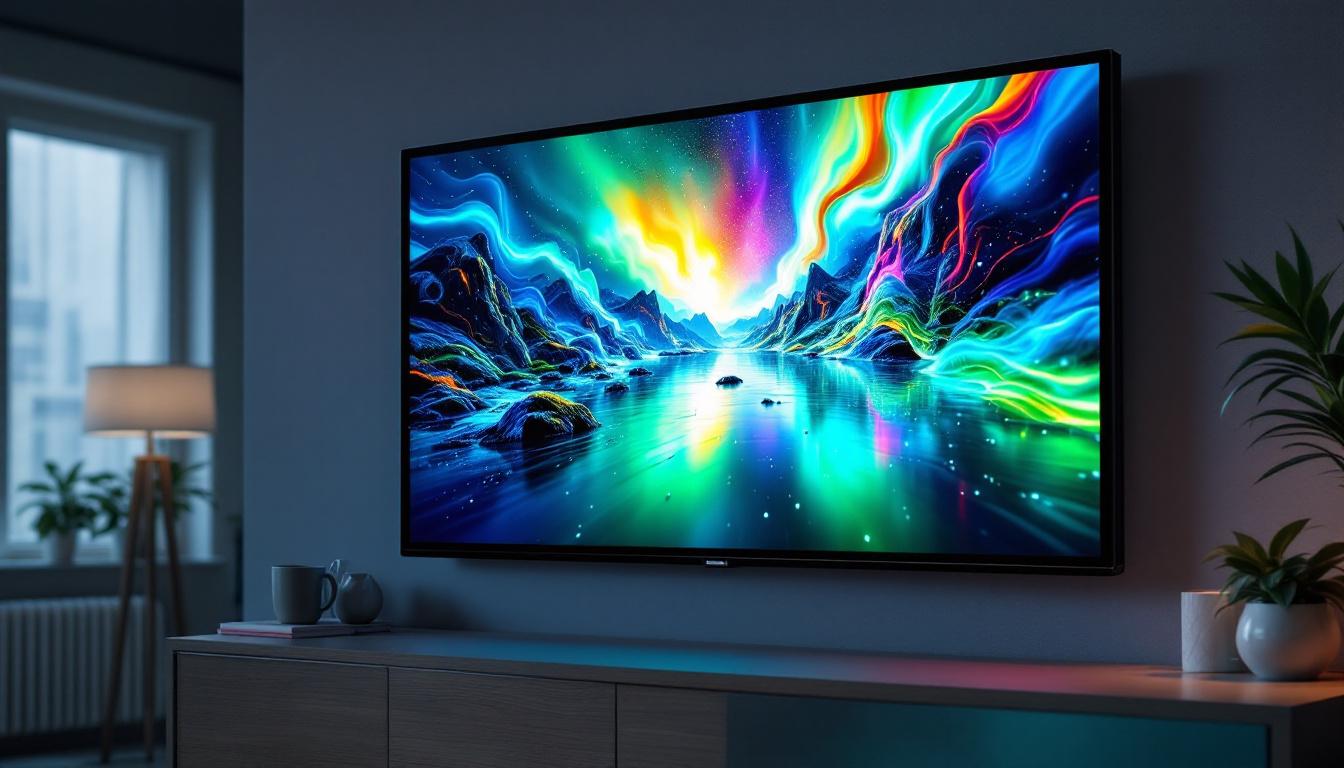
LED stands for Light Emitting Diode, a semiconductor device that emits light when an electric current passes through it. An LED display is a flat panel that uses an array of these tiny LEDs to create images, videos, and animations. Unlike traditional LCD or plasma screens, LED displays can be much larger, brighter, and more energy-efficient, making them ideal for outdoor and indoor advertising.
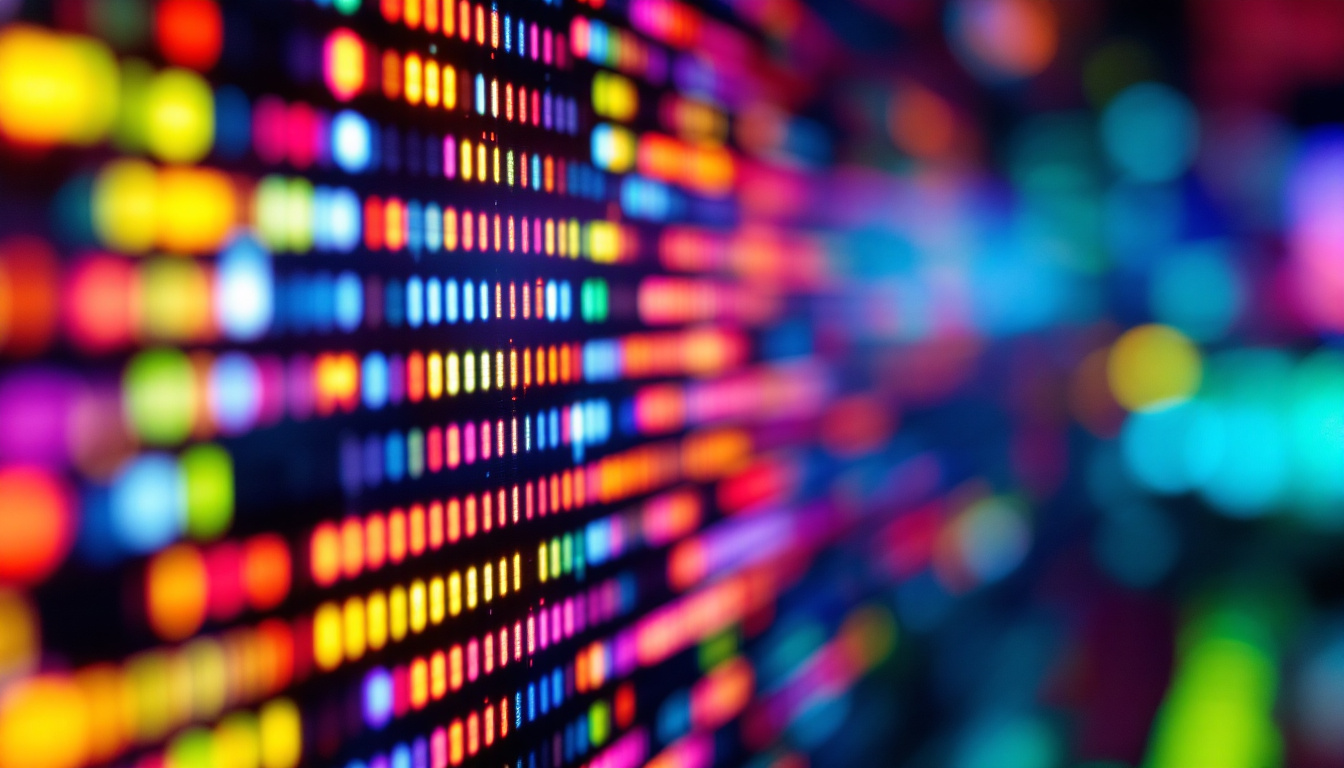
Advertisement LED panels typically consist of thousands to millions of these tiny diodes arranged in a grid. Each diode can emit red, green, or blue light, and by combining these colors at different intensities, the panel can produce a full spectrum of colors. This technology enables vivid, eye-catching visuals that can be seen clearly even in direct sunlight. The ability to adjust brightness and color dynamically allows for a wide range of applications, from simple text displays to complex, high-definition video presentations that can captivate audiences and enhance brand messaging.
Types of LED Panels Used in Advertising
There are several types of LED panels tailored for advertising purposes, each with unique characteristics suited for different environments:
- Indoor LED Panels: These are designed for controlled lighting environments such as shopping malls, airports, and conference centers. They offer high resolution and fine pixel pitch for close viewing distances. Their ability to produce sharp images makes them perfect for showcasing products and engaging customers in a retail setting.
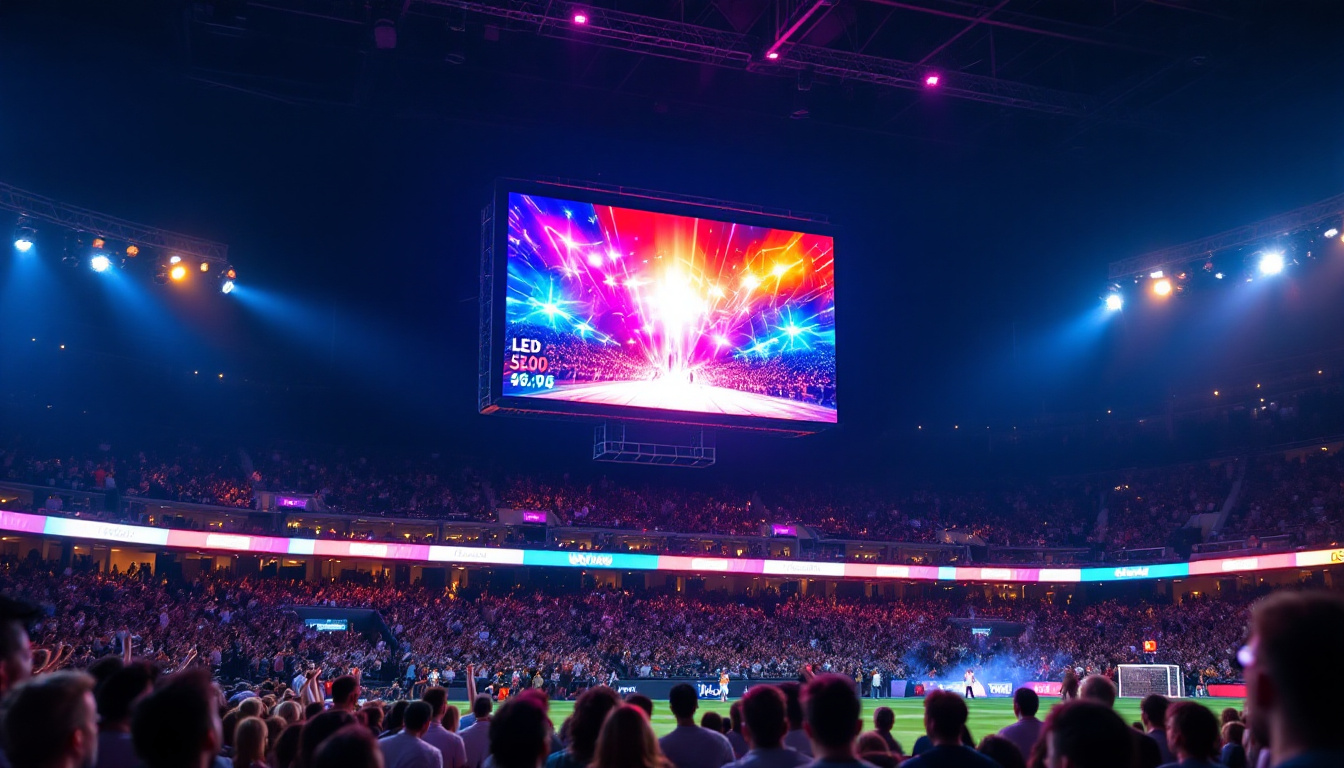
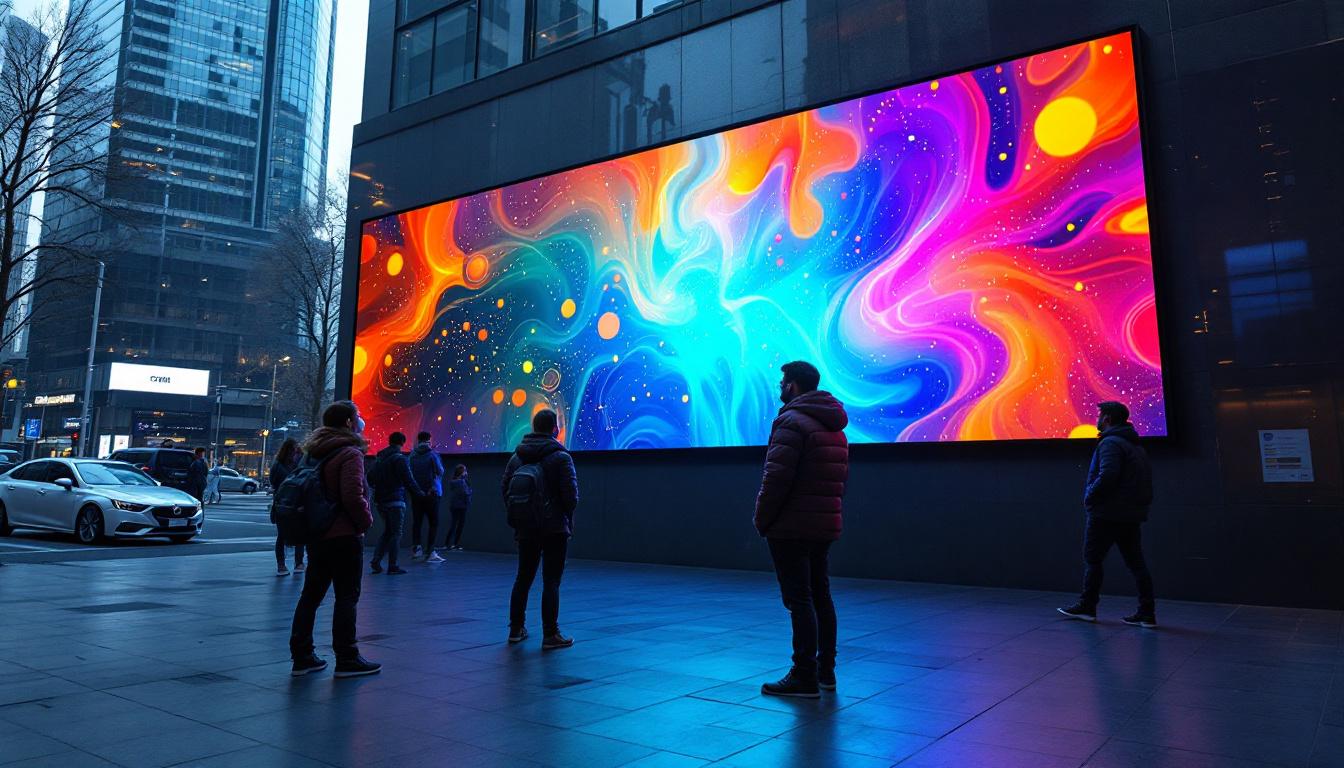
- Outdoor LED Panels: Built to withstand weather conditions, these panels are brighter (often exceeding 5,000 nits) to remain visible in direct sunlight. They are commonly used on billboards, building facades, and stadiums. The durability of outdoor LED panels ensures that they can operate effectively in various climates, from scorching heat to heavy rain, making them a reliable choice for long-term advertising campaigns.
- Transparent LED Panels: These innovative displays allow light to pass through, making them ideal for glass walls and windows without obstructing the view. This feature not only maintains the aesthetic appeal of a building but also transforms ordinary glass surfaces into dynamic advertising platforms that can engage passersby without compromising visibility.
- Flexible LED Panels: These can bend or curve around surfaces, enabling creative advertising shapes and installations. Their versatility allows for unique designs that can fit into unconventional spaces, such as curved walls or ceilings, providing advertisers with the opportunity to think outside the box and create immersive experiences.
In addition to these types, LED technology continues to evolve, with advancements such as high-definition (HD) and ultra-high-definition (UHD) displays that offer even greater clarity and detail. This progression not only enhances the visual experience but also allows advertisers to deliver more intricate and engaging content. Furthermore, the integration of smart technology into LED displays enables real-time data analytics, allowing businesses to track viewer engagement and optimize their advertising strategies based on audience behavior.
Moreover, the environmental impact of LED technology cannot be overlooked. With their energy-efficient design, LED displays consume significantly less power compared to traditional lighting solutions, contributing to reduced carbon footprints. Many manufacturers are now focusing on sustainable practices, including the use of recyclable materials and energy-efficient production methods, aligning with the growing demand for eco-friendly advertising solutions. This commitment to sustainability not only appeals to environmentally conscious consumers but also enhances brand reputation in a competitive market.
The Benefits of Advertisement LED Panels
High Visibility and Impact
One of the most significant advantages of LED advertising panels is their ability to capture attention. Studies show that digital billboards and LED displays can increase brand recall by up to 47% compared to static advertisements. The brightness, motion, and color vibrancy of LED panels make them hard to ignore, even in busy urban settings.
Moreover, LED displays can operate 24/7, providing continuous exposure to audiences. Their brightness levels can be adjusted automatically based on ambient light, ensuring optimal visibility day and night without causing glare or light pollution.
Dynamic Content and Flexibility
Unlike traditional print ads, LED panels allow advertisers to change content instantly. This flexibility enables real-time updates, targeted messaging, and interactive campaigns. For example, a retail store can display promotions during the day and switch to event announcements in the evening without any physical replacement of the display.
Additionally, LED panels support video, animations, and live feeds, enabling brands to create engaging storytelling experiences. This dynamic capability can significantly enhance audience engagement and conversion rates.
Cost Efficiency Over Time
While the initial investment in LED advertising panels can be higher than traditional signage, the long-term benefits often outweigh the costs. LED panels consume less power compared to other lighting technologies, reducing operational expenses. Their durability and low maintenance requirements also contribute to cost savings.
Furthermore, the ability to update content digitally eliminates printing and installation costs associated with static advertisements. This makes LED panels a smart investment for businesses aiming for sustainable and scalable advertising solutions.
Applications of Advertisement LED Panels
Outdoor Advertising and Digital Billboards
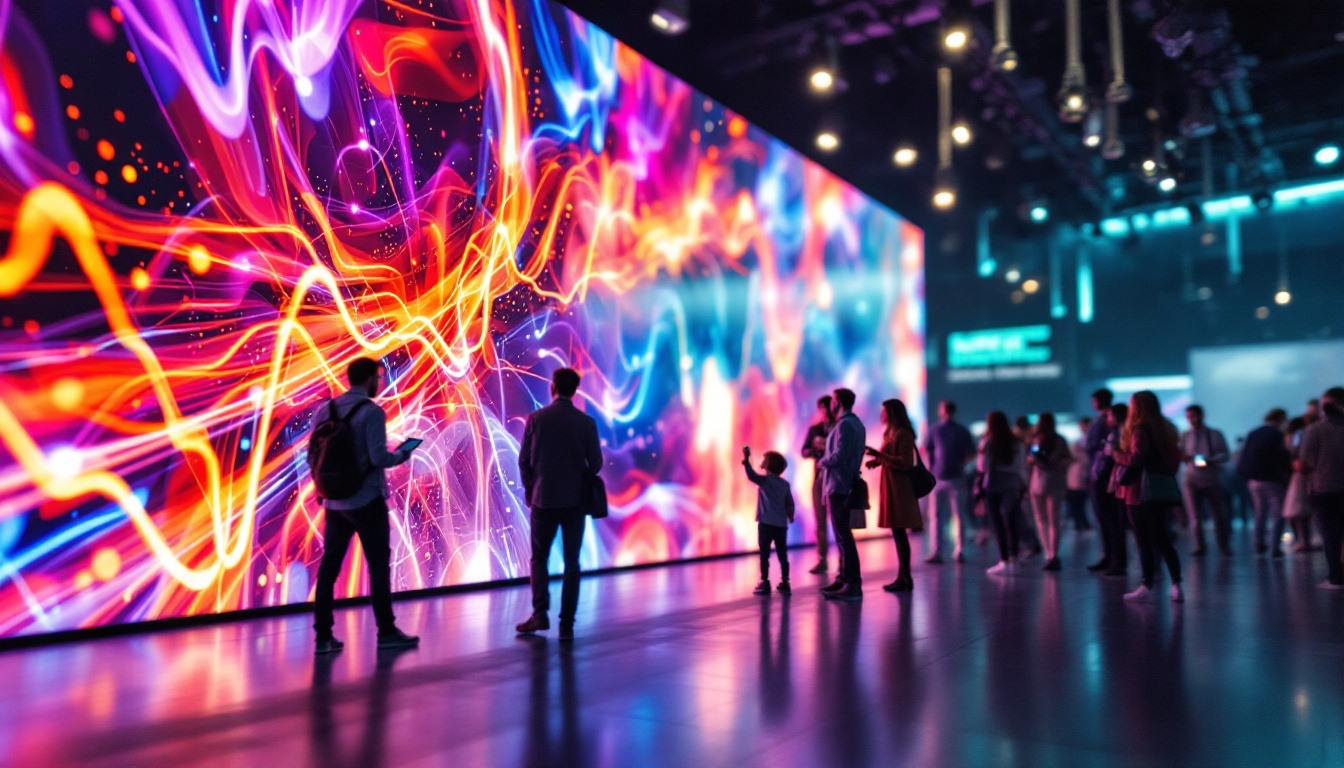
Outdoor LED panels are a staple in urban advertising landscapes. They are prominently placed on highways, city squares, and building exteriors, delivering high-impact visuals to thousands of commuters and pedestrians daily. For instance, Times Square in New York City is famous for its massive LED billboards that create an immersive advertising environment.
These panels are also used for event promotions, public service announcements, and live broadcasts, offering versatility beyond commercial advertising.
Retail and Shopping Centers
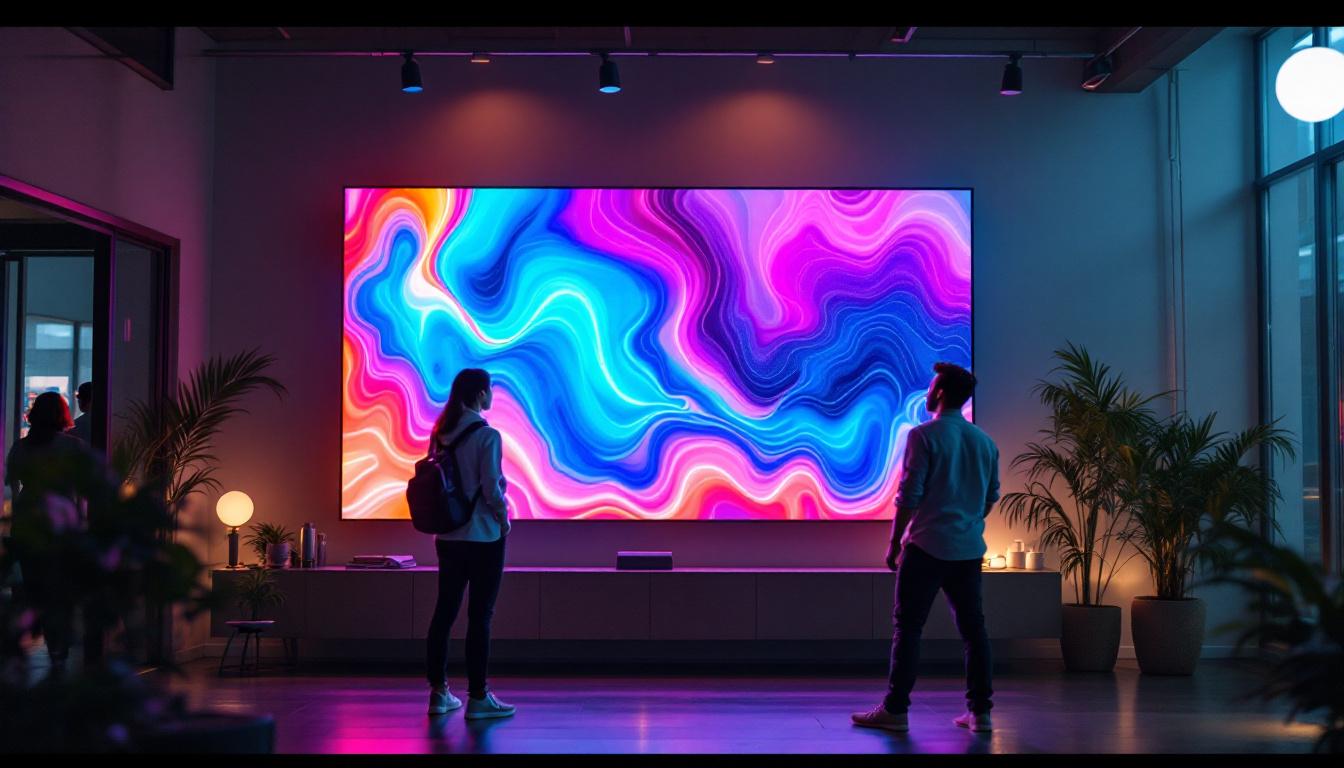
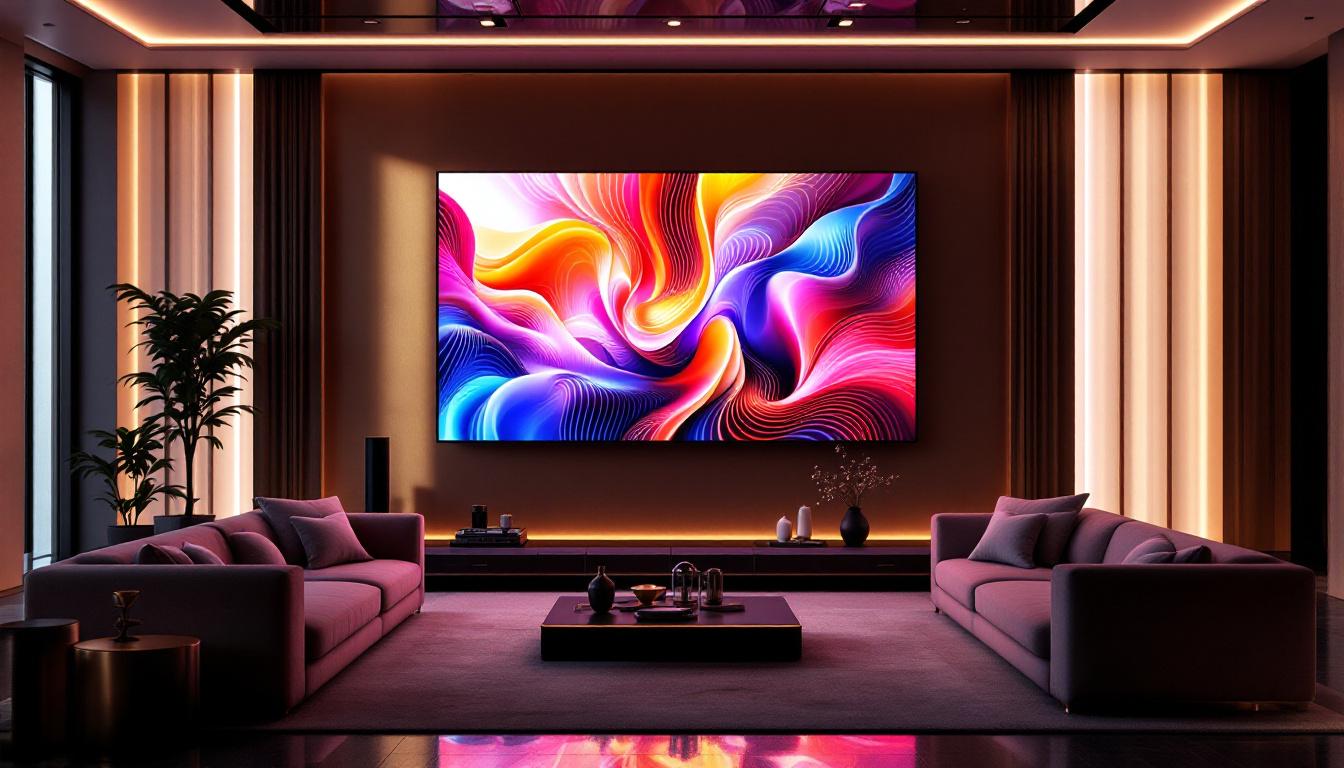
Indoor LED displays are increasingly common in retail environments. They attract shoppers’ attention, promote products, and enhance the overall shopping experience. Retailers use LED panels for digital signage, interactive kiosks, and window displays to boost foot traffic and sales.
Moreover, LED panels can be integrated with sensors and cameras to deliver personalized content based on customer demographics and behavior, enhancing marketing effectiveness.
Transportation Hubs and Public Spaces
Airports, train stations, and bus terminals utilize LED displays for wayfinding, advertising, and real-time information dissemination. The high visibility and adaptability of LED panels make them ideal for these busy environments where clear communication is crucial.
In public spaces, LED panels are also used for cultural events, art installations, and community engagement, demonstrating their multifunctional potential.
Key Considerations When Choosing an Advertisement LED Panel
Resolution and Pixel Pitch
The resolution of an LED panel is determined by its pixel pitch—the distance between the centers of two adjacent pixels. A smaller pixel pitch means higher resolution and better image clarity, especially at close viewing distances.
For indoor advertising, pixel pitches can be as low as 1.2mm to 2.5mm, providing crisp visuals. Outdoor panels typically have larger pixel pitches (4mm to 20mm) since viewers are farther away. Selecting the appropriate pixel pitch is essential to ensure the message is clear and visually appealing.
Brightness and Viewing Angle
Brightness is measured in nits, and outdoor LED panels require higher brightness levels to combat sunlight glare. Panels with brightness above 5,000 nits are common for outdoor use, while indoor panels usually range from 800 to 1,500 nits.
The viewing angle also impacts visibility. A wider viewing angle ensures that the content is visible from various positions, increasing the reach of the advertisement.
Durability and Weather Resistance
For outdoor installations, LED panels must be weatherproof and resistant to dust, moisture, and temperature fluctuations. Look for panels with an IP65 or higher rating, indicating protection against water jets and dust ingress.
Durability extends the lifespan of the display and reduces maintenance costs, making it a critical factor in panel selection.
Content Management and Software Integration
Effective advertising with LED panels requires robust content management systems (CMS) that allow easy scheduling, updating, and monitoring of content. Many modern LED displays come with cloud-based CMS platforms, enabling remote control and analytics.
Integration with social media, live feeds, and interactive elements can further enhance campaign effectiveness, making software capabilities a vital consideration.
Future Trends in Advertisement LED Panels
Smart and Interactive LED Displays
The future of LED advertising is moving toward interactivity and personalization. Touch-enabled LED panels, motion sensors, and AI-driven content adaptation are becoming more prevalent. These technologies allow advertisers to engage audiences in real-time, creating immersive brand experiences.
Energy Efficiency and Sustainability
As environmental concerns grow, manufacturers are developing LED panels with improved energy efficiency and recyclable materials. Solar-powered LED displays and panels with adaptive brightness controls contribute to reducing carbon footprints, aligning advertising with sustainability goals.
Integration with Augmented Reality (AR)
Augmented reality combined with LED displays offers exciting possibilities for advertising. By overlaying digital content onto physical environments, brands can create unique, memorable interactions that blend the physical and digital worlds.
Conclusion
Advertisement LED panels represent a powerful tool for modern marketing, combining technological innovation with creative flexibility. Their ability to deliver vibrant, dynamic content in diverse environments makes them indispensable for brands seeking to capture attention and engage audiences effectively.
Understanding the technology, benefits, and key considerations of LED displays enables businesses to make informed decisions and maximize their advertising impact. As LED technology continues to advance, its role in shaping the future of advertising will only grow stronger, offering endless opportunities for innovation and connection.
Discover LumenMatrix’s Innovative LED Solutions
Ready to elevate your advertising strategy with high-impact LED displays? LumenMatrix is at the forefront of LED display technology, offering a wide array of solutions tailored to your needs. From Indoor and Outdoor LED Walls to specialized displays for vehicles, sports, and even customizable options, our products are designed to captivate and engage. Experience the future of visual communication with LumenMatrix and transform your brand’s presence. Check out LumenMatrix LED Display Solutions today and start creating unforgettable visual experiences.