In today’s fast-evolving digital landscape, LED displays have become a cornerstone technology for businesses, advertisers, event organizers, and public spaces worldwide. Their vibrant visuals, energy efficiency, and versatility make them an indispensable tool for communication and engagement. This article delves into the world of LED displays, exploring how they work, their applications, and the leading companies driving innovation in the field.
Understanding LED Display Technology
What is an LED Display?
LED stands for Light Emitting Diode, a semiconductor device that emits light when an electric current passes through it. An LED display is a flat panel that uses an array of these tiny diodes to create images, videos, and text. Unlike traditional LCD or plasma screens, LED displays produce their own light, resulting in higher brightness, better contrast, and superior color accuracy.
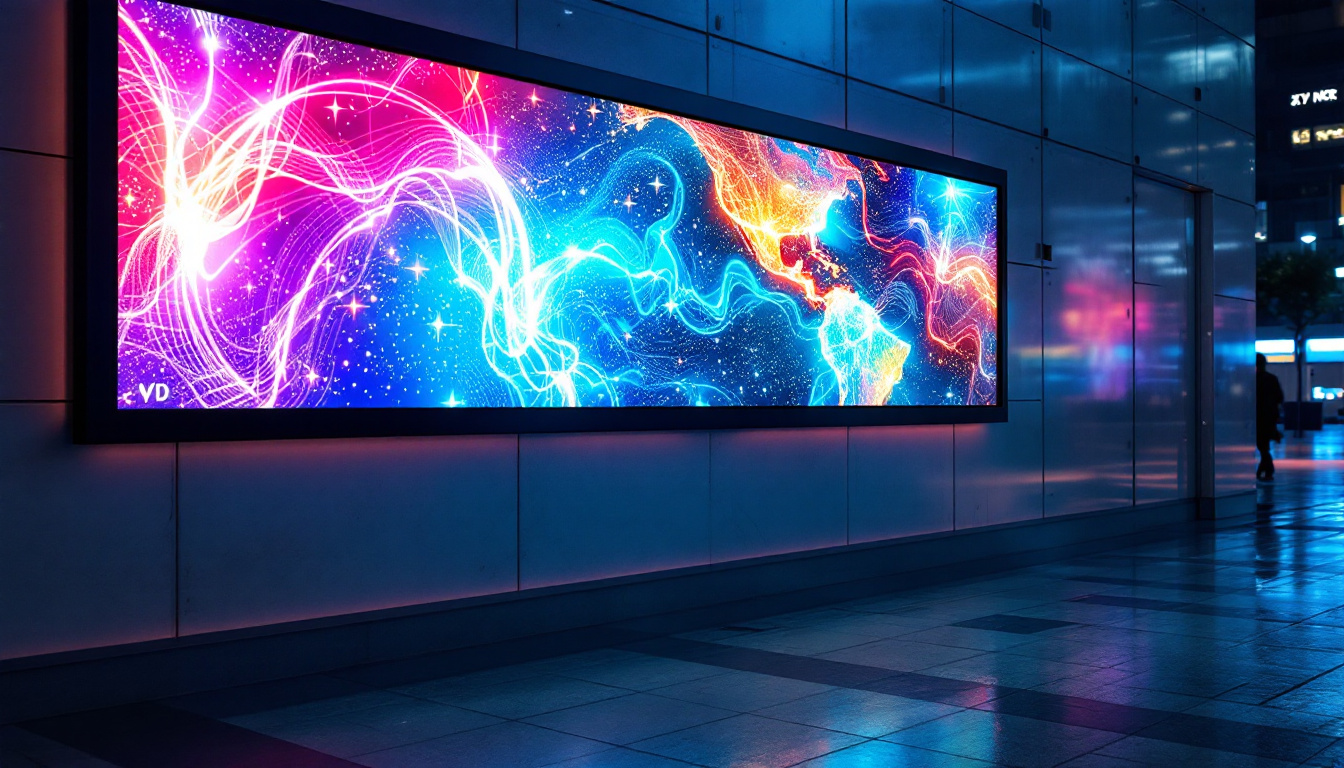
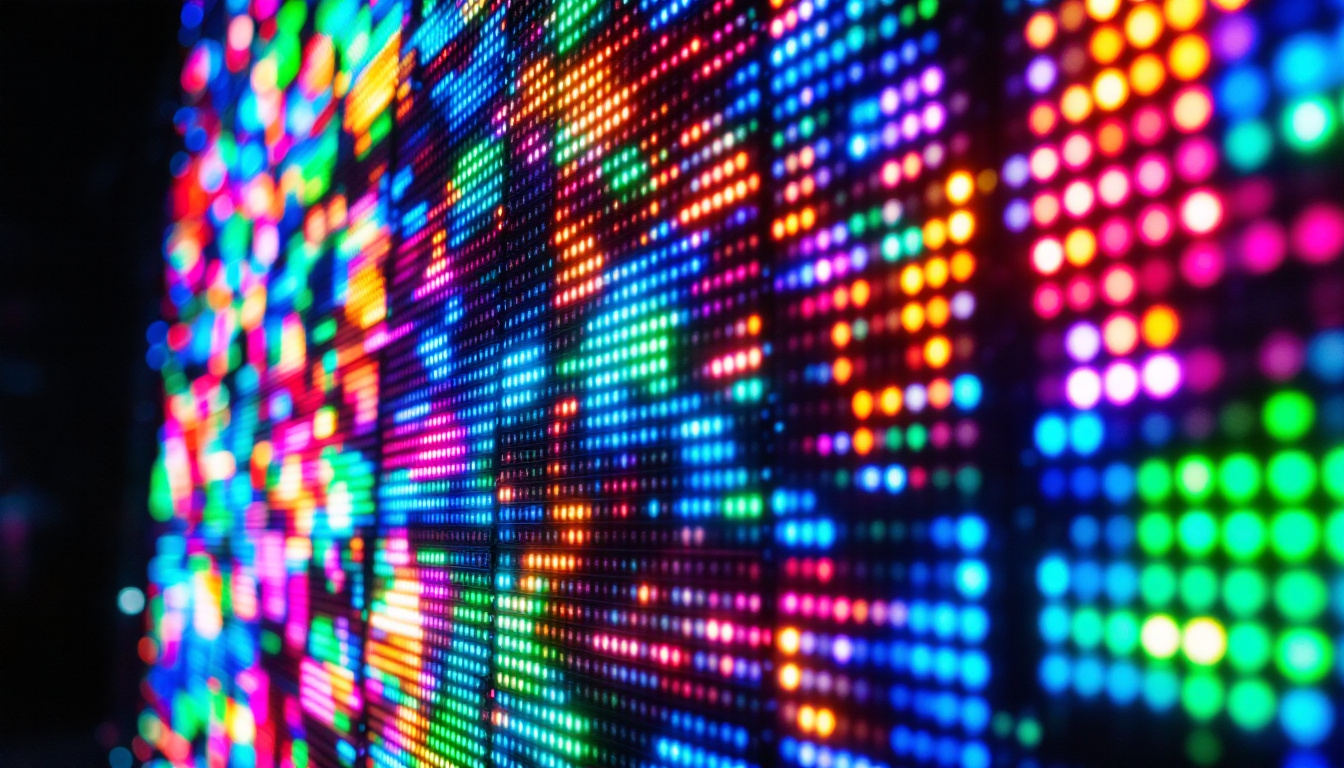
LED displays are composed of thousands to millions of individual LEDs arranged in a grid, each acting as a pixel. By controlling the intensity and color of each LED, the display can render complex visuals with remarkable clarity. This technology allows for both indoor and outdoor applications, with screens ranging from small retail signs to massive stadium displays. The versatility of LED technology has made it a popular choice for a variety of industries, including entertainment, advertising, and information dissemination, where visual impact is crucial.
Types of LED Displays
LED displays come in various forms, each suited to different environments and purposes:
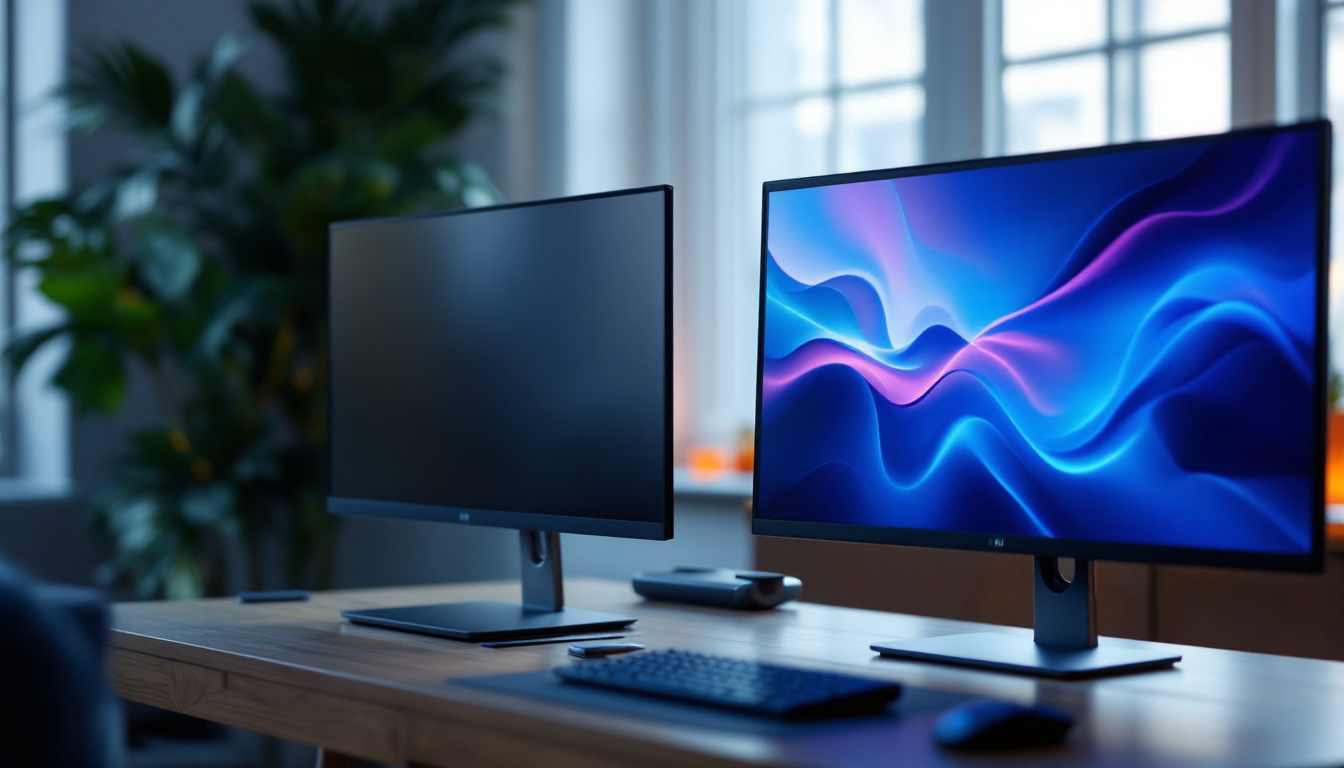
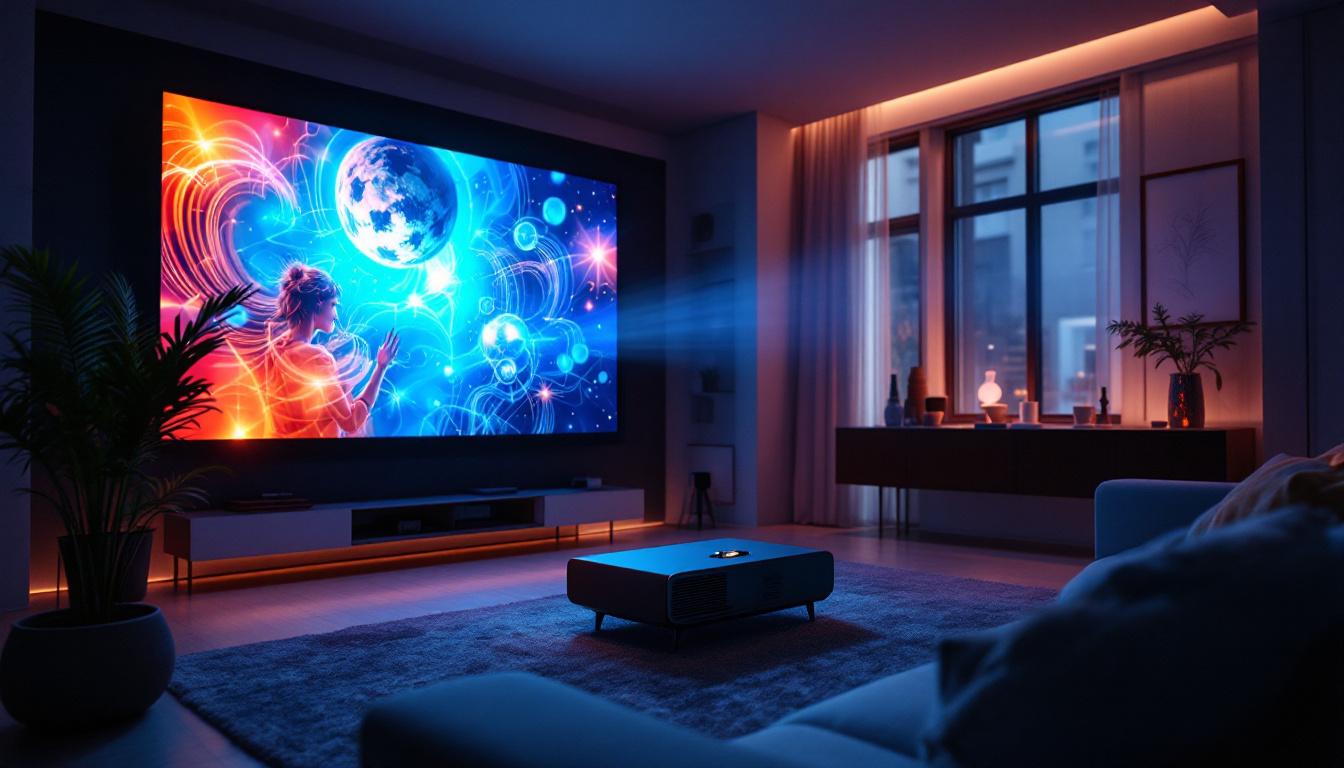
- Indoor LED Displays: Designed for close-range viewing, these displays have a high pixel density (small pixel pitch) to ensure sharp images. They are commonly used in retail stores, conference rooms, and broadcast studios. The vibrant colors and high resolution make them ideal for showcasing products and presentations, enhancing the overall customer experience.
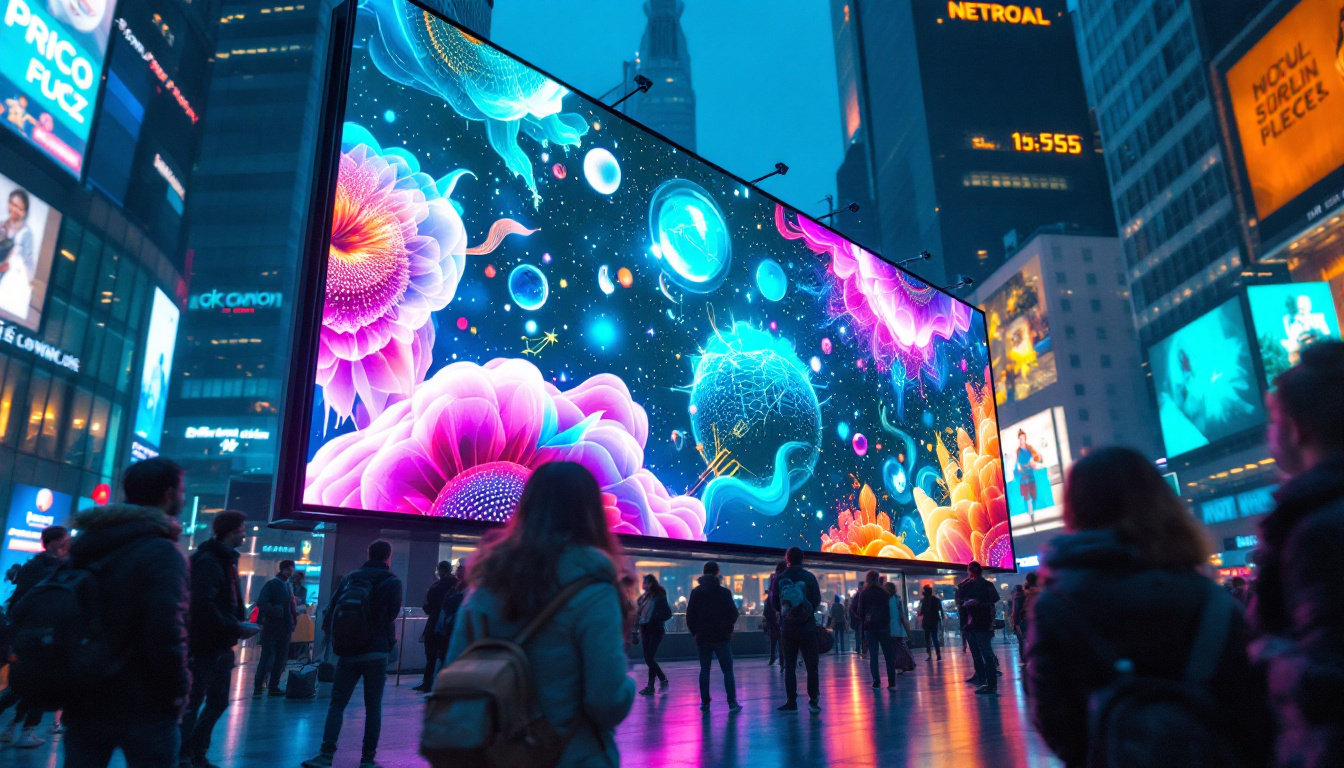
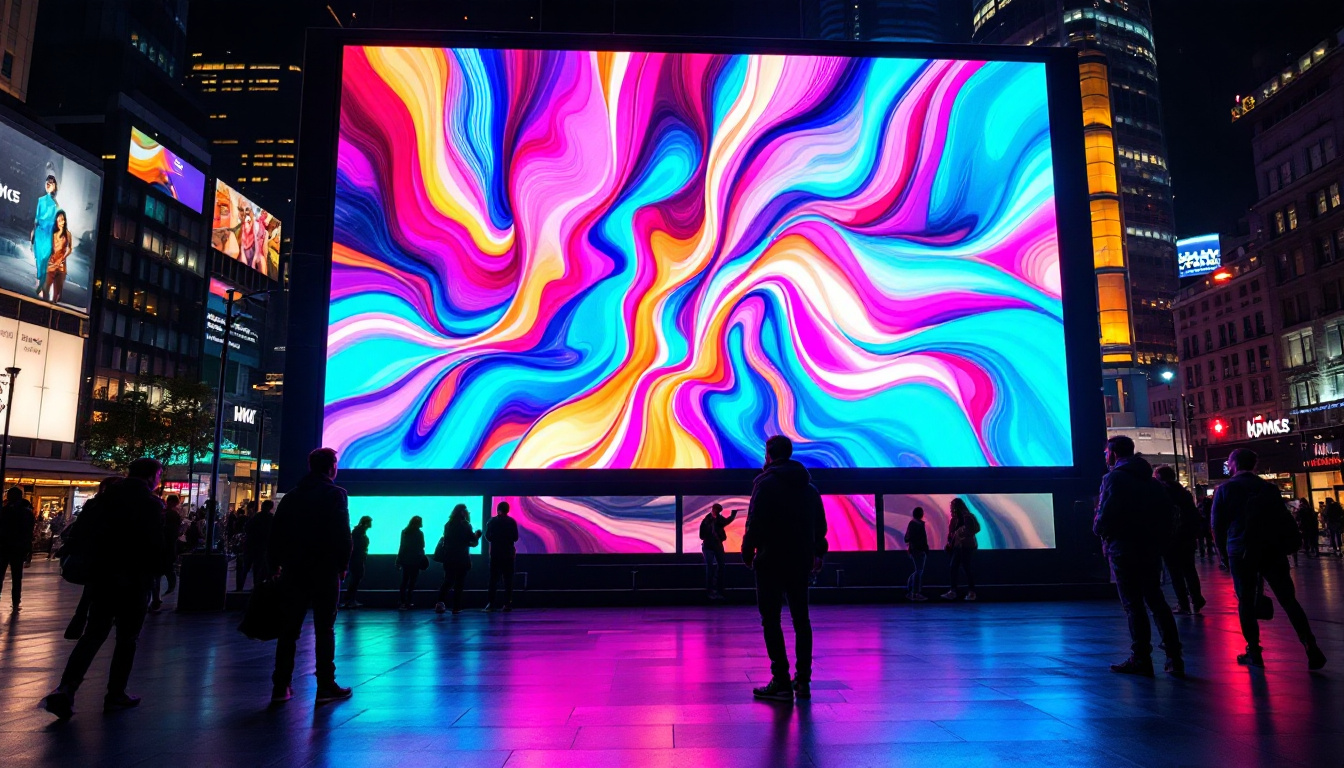
- Outdoor LED Displays: Built to withstand harsh weather conditions, these displays have higher brightness levels to combat sunlight glare. They are often found in billboards, sports arenas, and public information boards. The durability and visibility of outdoor LED displays make them effective for advertising and public announcements, capturing the attention of passersby even in bright daylight.
- Flexible and Transparent LED Displays: Innovations in LED technology have led to flexible panels that can curve around surfaces and transparent displays that allow light to pass through, enabling creative architectural integrations. These displays open up new possibilities for designers and architects, allowing for unique installations that blend technology with aesthetics, such as in modern storefronts or art installations.
Moreover, the advancements in LED technology have paved the way for high-definition and 4K resolution displays, which provide even greater detail and clarity. These high-resolution displays are particularly beneficial in environments where precision is key, such as in medical imaging or high-end video production. As the technology continues to evolve, we can expect to see even more innovative applications of LED displays, including interactive screens that engage users in dynamic ways, further enhancing the versatility and functionality of this remarkable technology.
Applications of LED Displays Across Industries
Advertising and Marketing
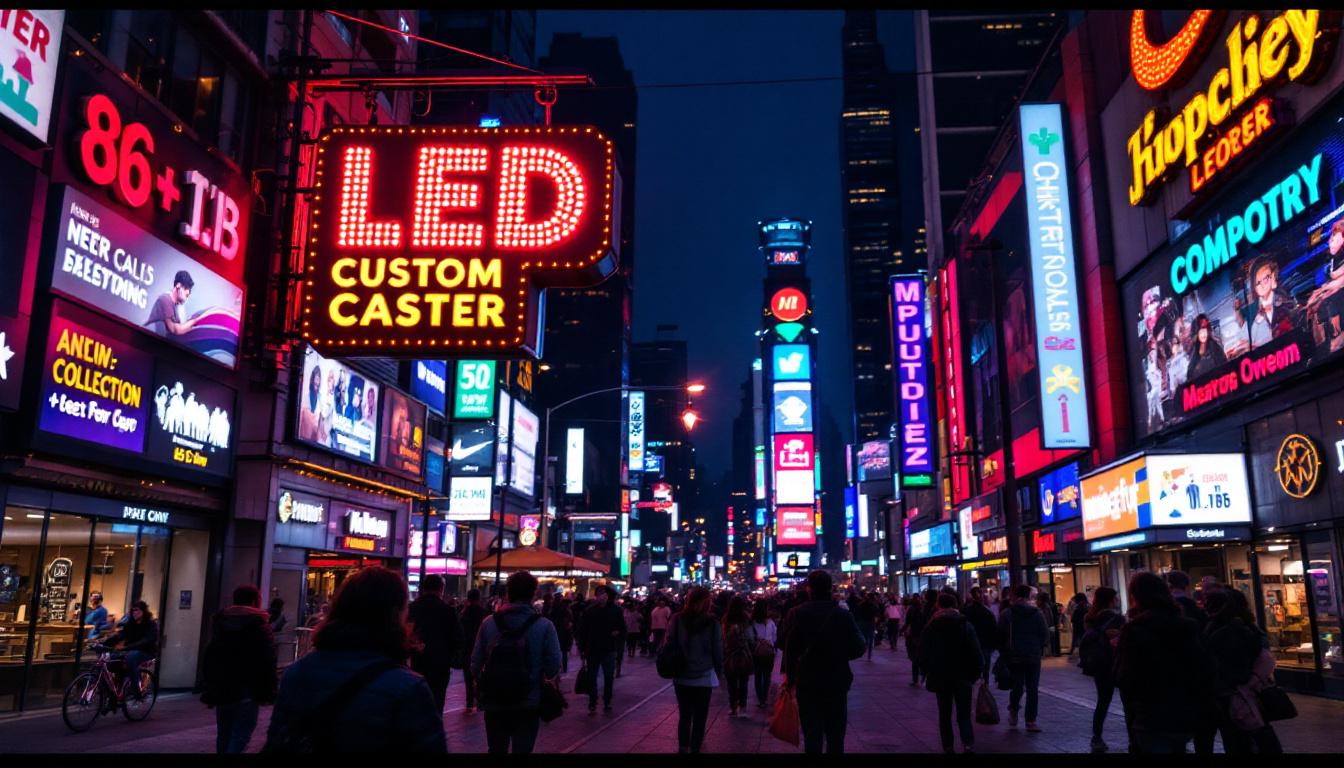
One of the most prominent uses of LED displays is in advertising. Digital billboards and signage have revolutionized how brands reach consumers. According to a 2023 report by Grand View Research, the global digital signage market is expected to reach $32.84 billion by 2028, with LED displays accounting for a significant share due to their visibility and dynamic content capabilities.
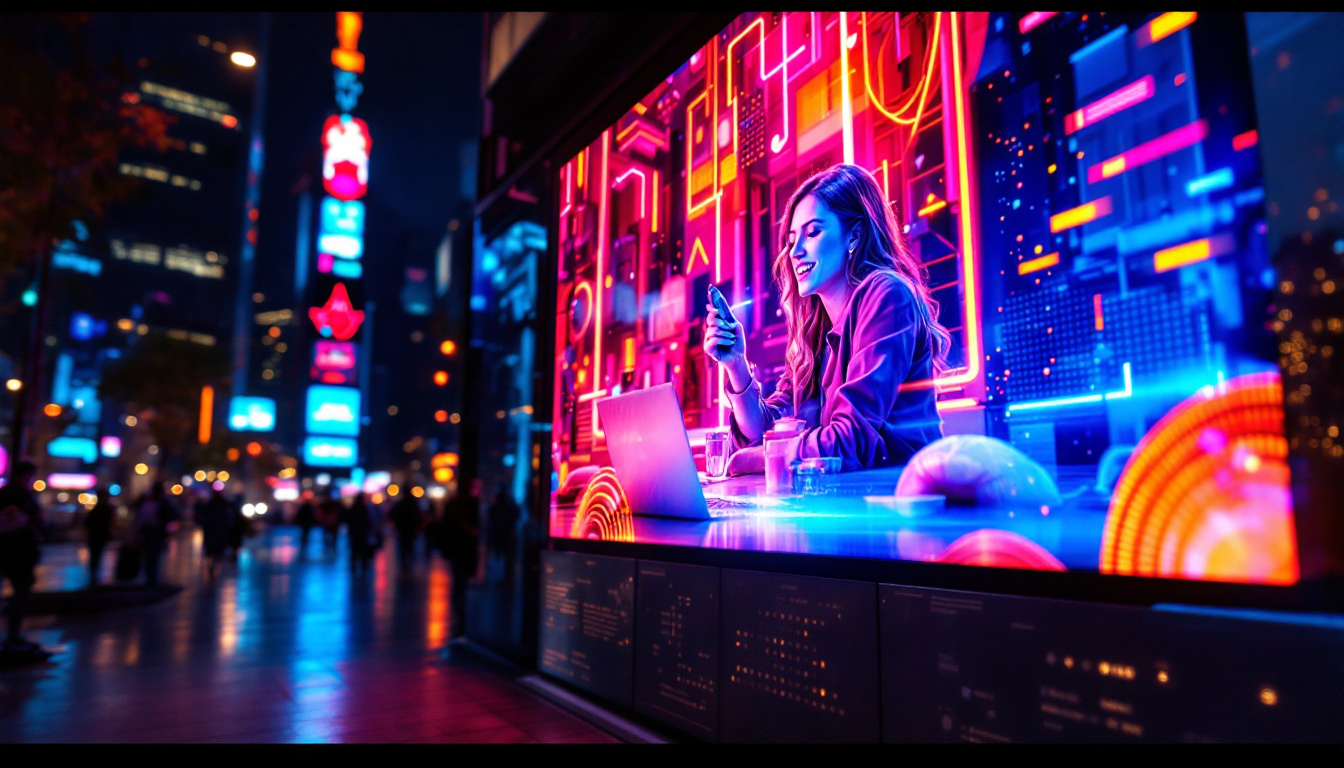
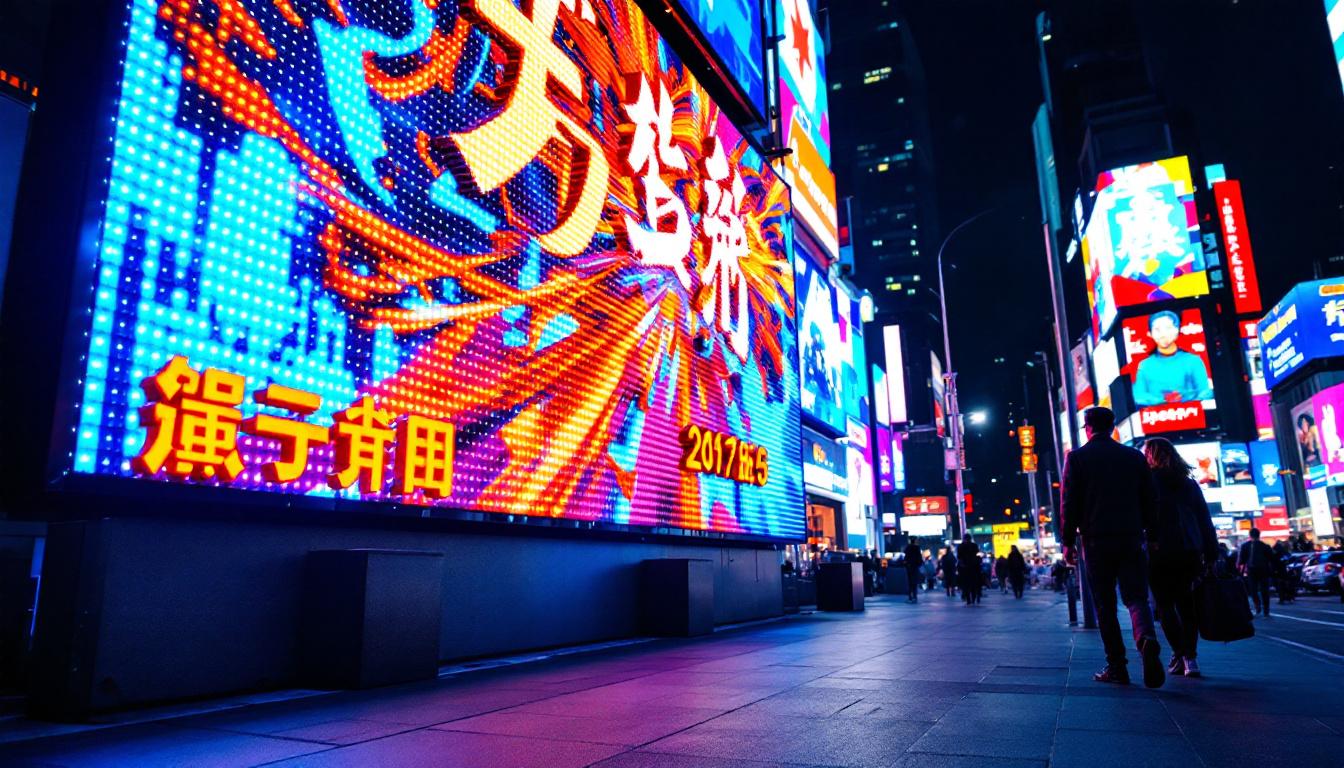
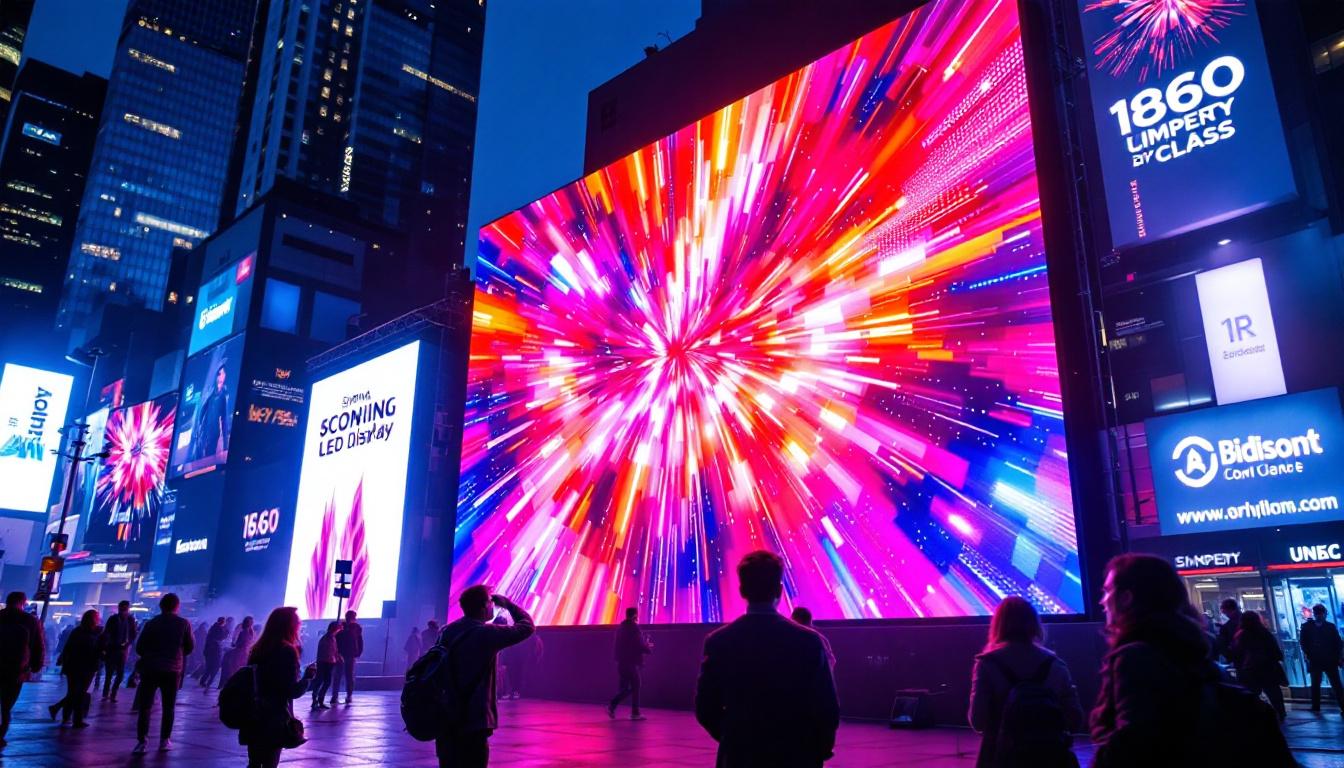
LED displays enable advertisers to deliver real-time, targeted messages that can be updated instantly. For example, Times Square in New York City is renowned for its massive LED billboards that captivate millions of visitors daily with vibrant, animated advertisements.
Sports and Entertainment Venues
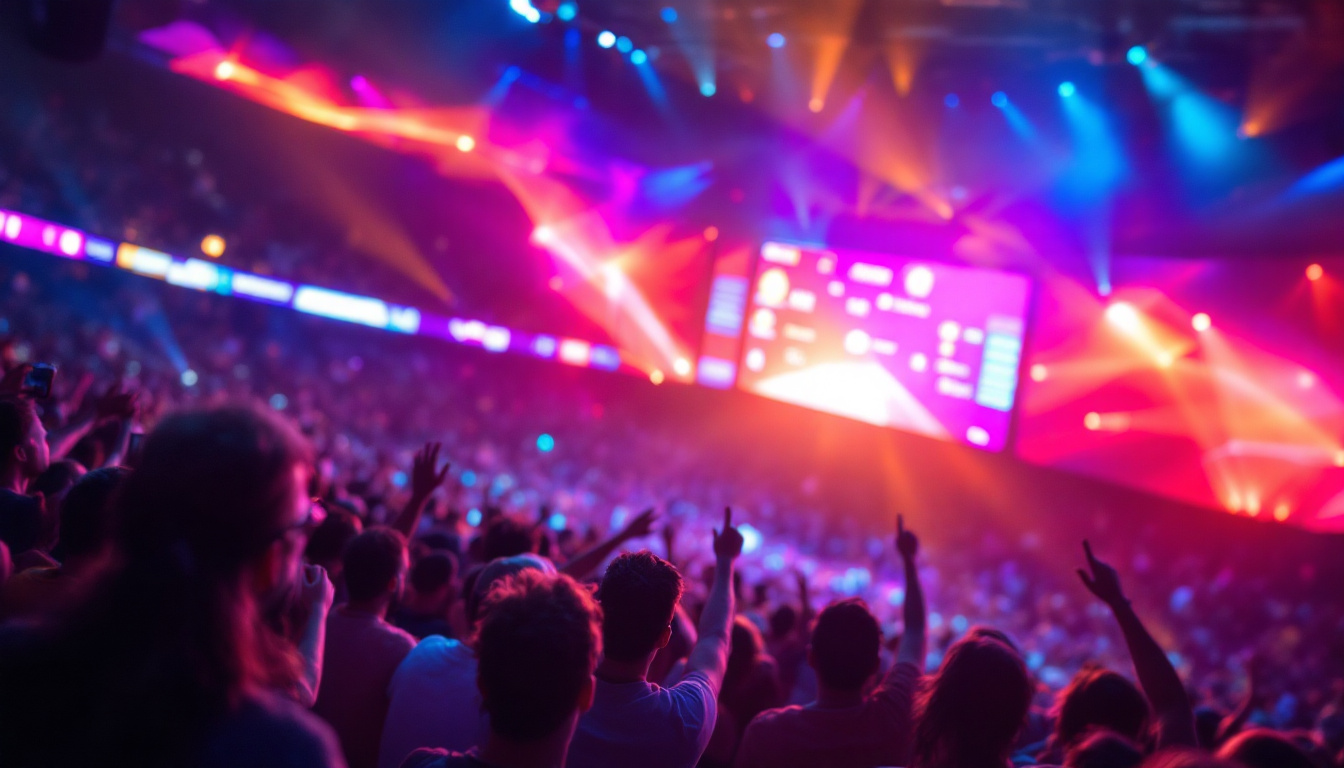
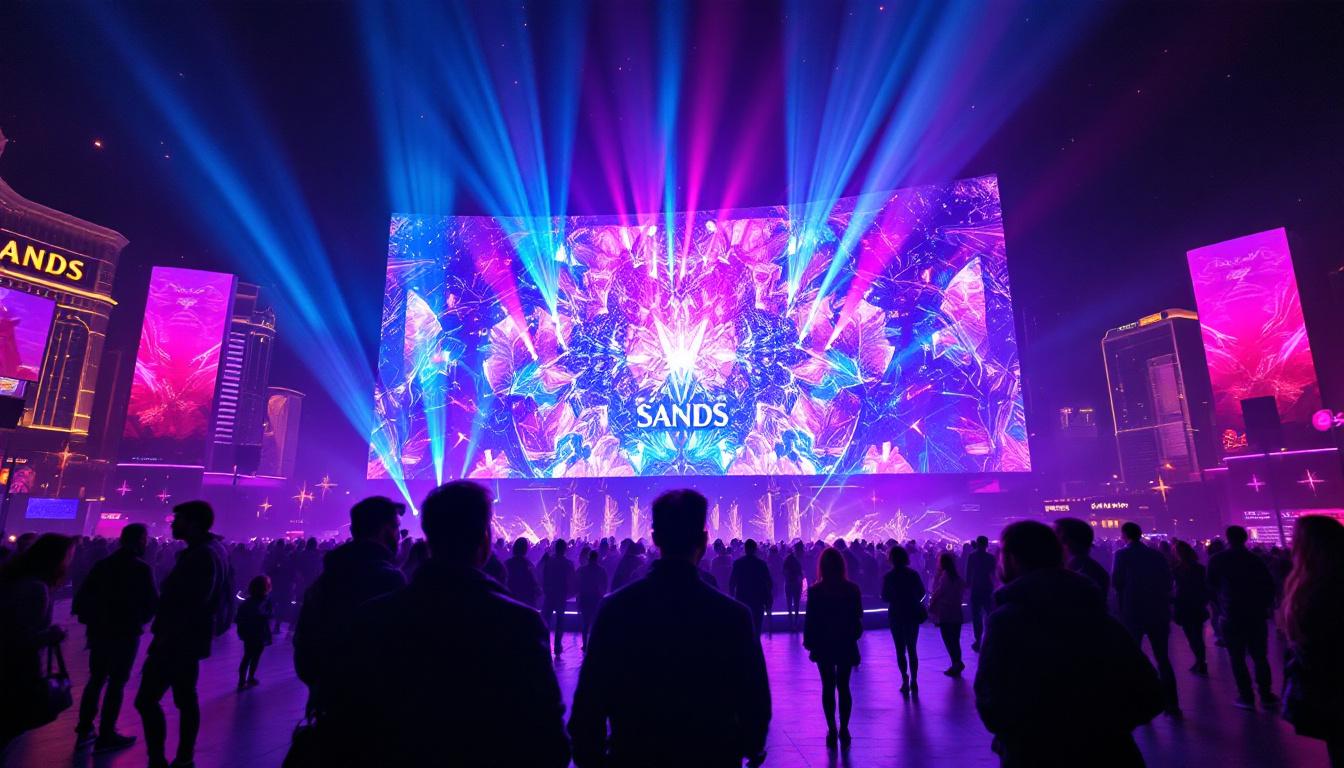
Sports arenas and concert venues rely heavily on LED displays to enhance spectator experience. High-resolution LED screens provide live feeds, instant replays, and interactive content that engage audiences. The 2022 FIFA World Cup in Qatar showcased some of the most advanced LED installations, including perimeter advertising boards and giant video walls inside stadiums.
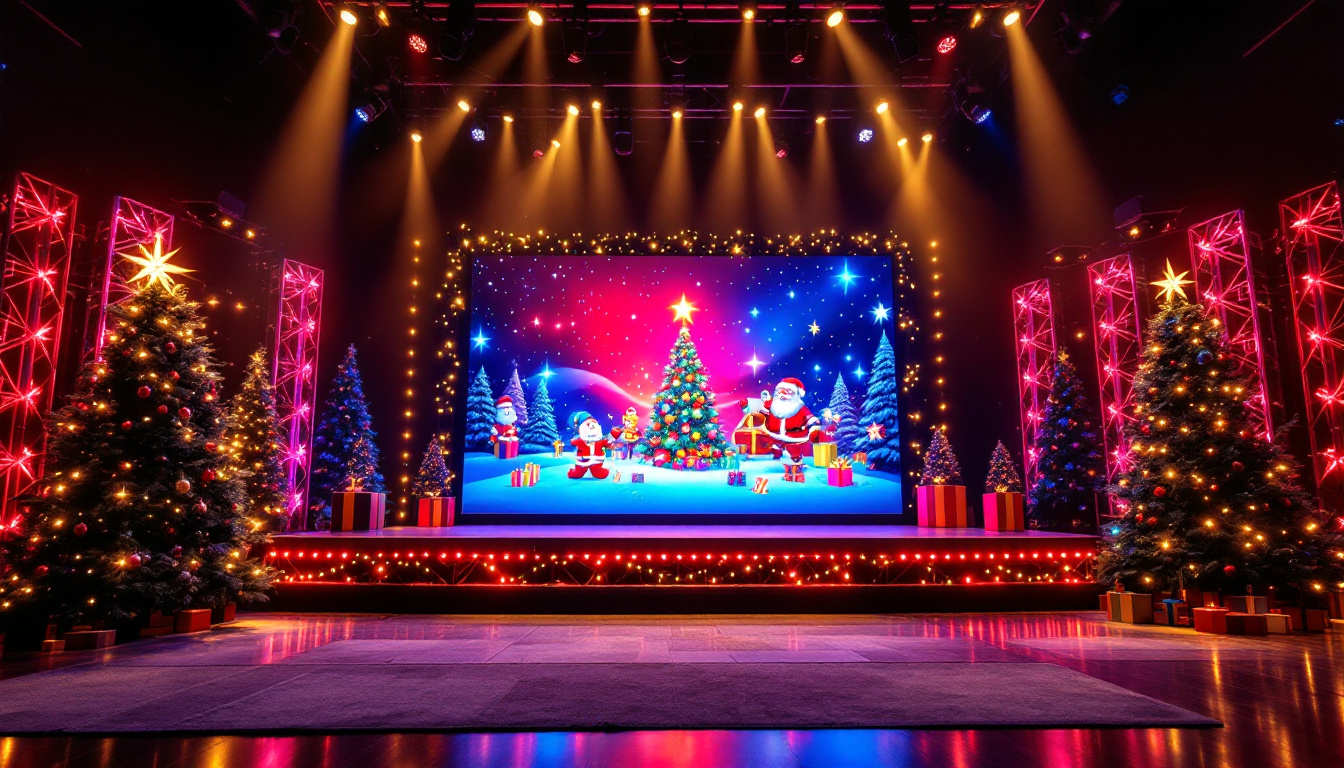
These displays are also used in stage productions and festivals, where their brightness and flexibility allow for immersive visual effects that complement performances.
Corporate and Public Spaces
In corporate environments, LED displays serve as communication hubs for presentations, digital dashboards, and video conferencing. Their ability to display crisp visuals in well-lit conference rooms makes them preferable over traditional projectors.
Public spaces such as airports, train stations, and shopping malls utilize LED displays to provide real-time information, navigation assistance, and emergency alerts. The dynamic nature of LED technology allows for quick updates, which is crucial in fast-paced environments.
Leading LED Display Companies Driving Innovation
Samsung Electronics
Samsung is a global leader in LED display technology, known for its cutting-edge MicroLED and QLED displays. The company’s modular LED video walls, such as the “The Wall” series, offer ultra-high resolution and seamless scalability, making them popular in luxury retail and corporate installations.
Samsung continues to invest heavily in research and development, pushing the boundaries of LED brightness, color accuracy, and energy efficiency. Their displays are also integrated with smart features, allowing for remote management and content customization.
LG Electronics
LG is another major player renowned for its innovative LED solutions. Their OLED and LED hybrid displays combine the best of both technologies to deliver exceptional image quality. LG’s transparent and flexible LED panels have opened new possibilities in architectural design and retail environments.
In 2024, LG launched a new line of outdoor LED displays with enhanced weather resistance and AI-powered content optimization, demonstrating their commitment to meeting diverse customer needs.
Unilumin
Unilumin is a Chinese company specializing in high-performance LED display products. They offer a wide range of indoor and outdoor LED solutions, including fine-pitch displays for broadcast studios and large-scale outdoor billboards. Unilumin’s focus on innovation has earned them a strong presence in the global market, especially in Asia and Europe.
The company emphasizes sustainability, incorporating energy-saving technologies and recyclable materials into their products, aligning with growing environmental concerns.
Barco
Barco, headquartered in Belgium, is known for its professional visualization solutions, including LED displays tailored for control rooms, simulation, and live events. Their LED panels are praised for their reliability, color uniformity, and ease of installation.
Barco’s LED technology is widely used in critical environments such as air traffic control centers and broadcast studios, where precision and uptime are paramount.
Key Factors to Consider When Choosing an LED Display
Resolution and Pixel Pitch
The resolution of an LED display is determined by its pixel pitch—the distance between the centers of two adjacent pixels. A smaller pixel pitch means higher resolution and sharper images, which is essential for close viewing distances.
For example, indoor LED displays often feature pixel pitches as small as 0.9mm, while outdoor displays typically have larger pitches ranging from 3mm to 10mm to accommodate longer viewing distances.
Brightness and Contrast
Brightness is a critical factor, especially for outdoor displays exposed to direct sunlight. Measured in nits, LED displays can range from 800 nits for indoor use to over 5,000 nits for outdoor applications. High brightness ensures visibility in various lighting conditions.
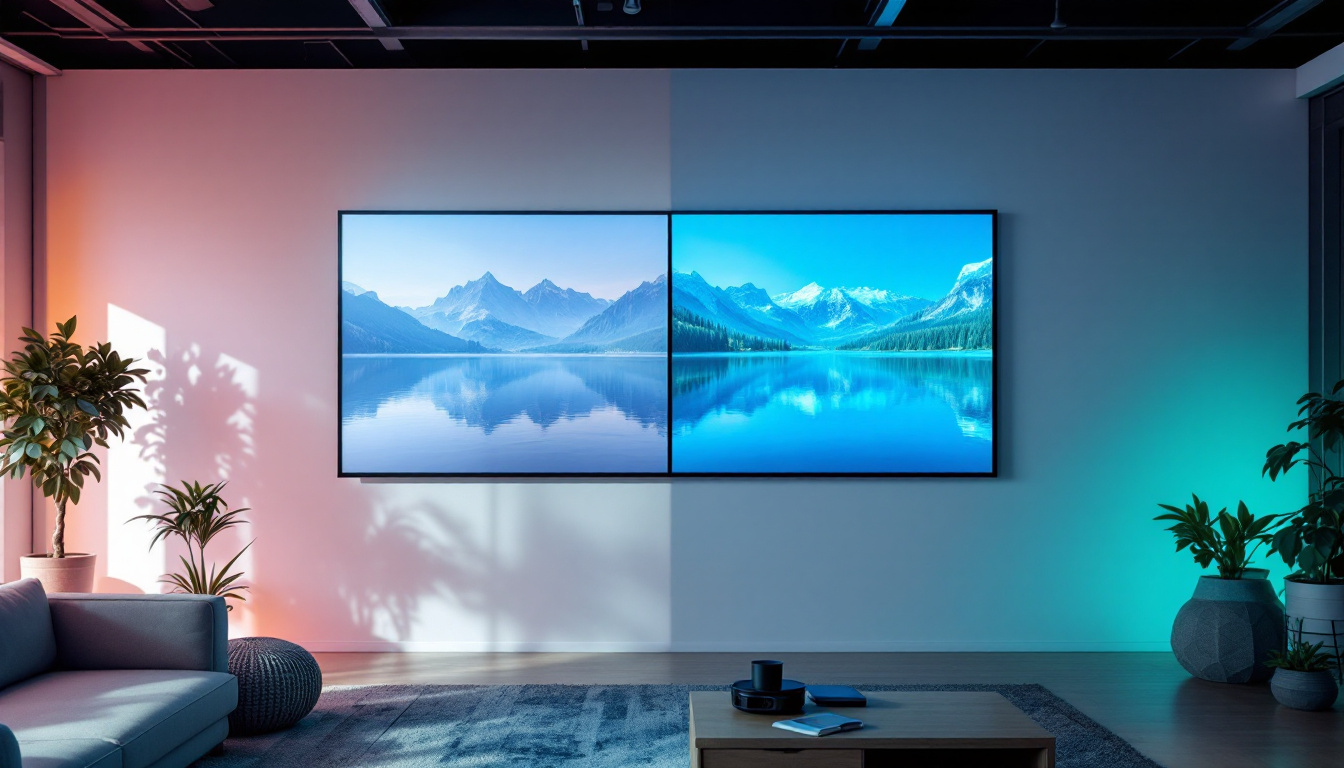
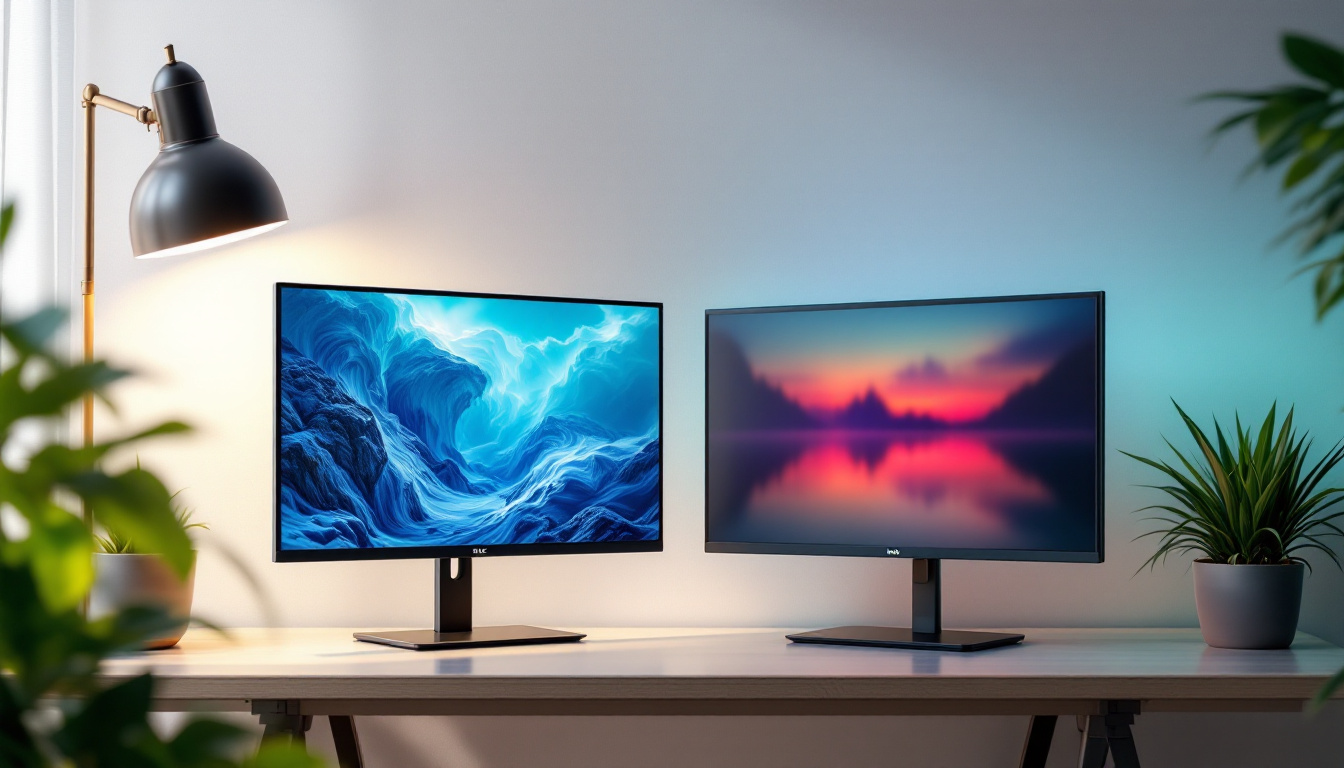
Contrast ratio—the difference between the darkest black and brightest white—also affects image quality. LED displays generally offer superior contrast compared to LCDs, enhancing the viewing experience.
Durability and Weather Resistance
For outdoor installations, durability is paramount. LED displays must withstand rain, wind, dust, and temperature fluctuations. Look for displays with an IP65 or higher rating, indicating protection against water and dust ingress.
Additionally, features like anti-glare coatings and temperature control systems help maintain performance and longevity.
Energy Efficiency
Energy consumption is a growing concern for businesses aiming to reduce operational costs and environmental impact. Modern LED displays are designed to be energy-efficient, using technologies such as dynamic brightness adjustment and power-saving modes.
Choosing an energy-efficient display can result in significant savings over time, especially for large-scale installations running 24/7.
The Future of LED Display Technology
MicroLED and MiniLED Innovations
MicroLED and MiniLED technologies represent the next frontier in LED displays. MicroLEDs are tiny LEDs that can be individually controlled, offering unparalleled brightness, contrast, and color accuracy without the burn-in issues associated with OLEDs.
These advancements promise thinner, lighter, and more flexible displays that can be used in everything from smartphones to massive video walls. Companies like Samsung and Sony are already showcasing MicroLED prototypes, signaling a shift toward this technology in the coming years.
Integration with AI and IoT
Artificial Intelligence (AI) and the Internet of Things (IoT) are transforming how LED displays are managed and utilized. AI-driven content optimization can tailor advertisements based on audience demographics and environmental conditions, maximizing engagement and ROI.
IoT connectivity enables remote monitoring and maintenance, reducing downtime and operational costs. Smart LED displays can also interact with other devices and sensors, creating immersive and interactive experiences in retail and public spaces.
Sustainability and Eco-Friendly Designs
As environmental awareness grows, LED display manufacturers are prioritizing sustainability. This includes using recyclable materials, designing for easy disassembly, and improving energy efficiency. Some companies are exploring solar-powered LED displays for off-grid applications, further reducing carbon footprints.
These efforts align with global sustainability goals and appeal to environmentally conscious consumers and businesses.
Conclusion
LED displays have revolutionized visual communication across multiple industries, offering vibrant, flexible, and energy-efficient solutions for a wide range of applications. Understanding the technology behind LED displays and the key factors to consider when selecting a product is essential for businesses aiming to leverage this powerful medium.
Leading companies like Samsung, LG, Unilumin, and Barco continue to innovate, pushing the boundaries of what LED technology can achieve. With emerging trends such as MicroLED, AI integration, and sustainable design, the future of LED displays promises even greater impact and versatility.
Whether for advertising, entertainment, corporate communication, or public information, LED displays remain a dynamic and evolving technology that shapes how we see and interact with the world around us.
Discover LumenMatrix’s Innovative LED Display Solutions
As you consider the vast potential and applications of LED display technology, we invite you to explore LumenMatrix’s comprehensive range of products. With a commitment to innovation and quality, LumenMatrix offers an array of LED display modules, from Indoor and Outdoor LED Wall Displays to specialized solutions like Vehicle LED Displays and LED Sports Displays. Each product is designed to maximize brand visibility and create immersive visual experiences that captivate and engage. Embrace the future of visual communication with LumenMatrix’s cutting-edge solutions that promise to elevate your message and leave a lasting impression. Check out LumenMatrix LED Display Solutions today and see how they can transform your space into a dynamic visual showcase.