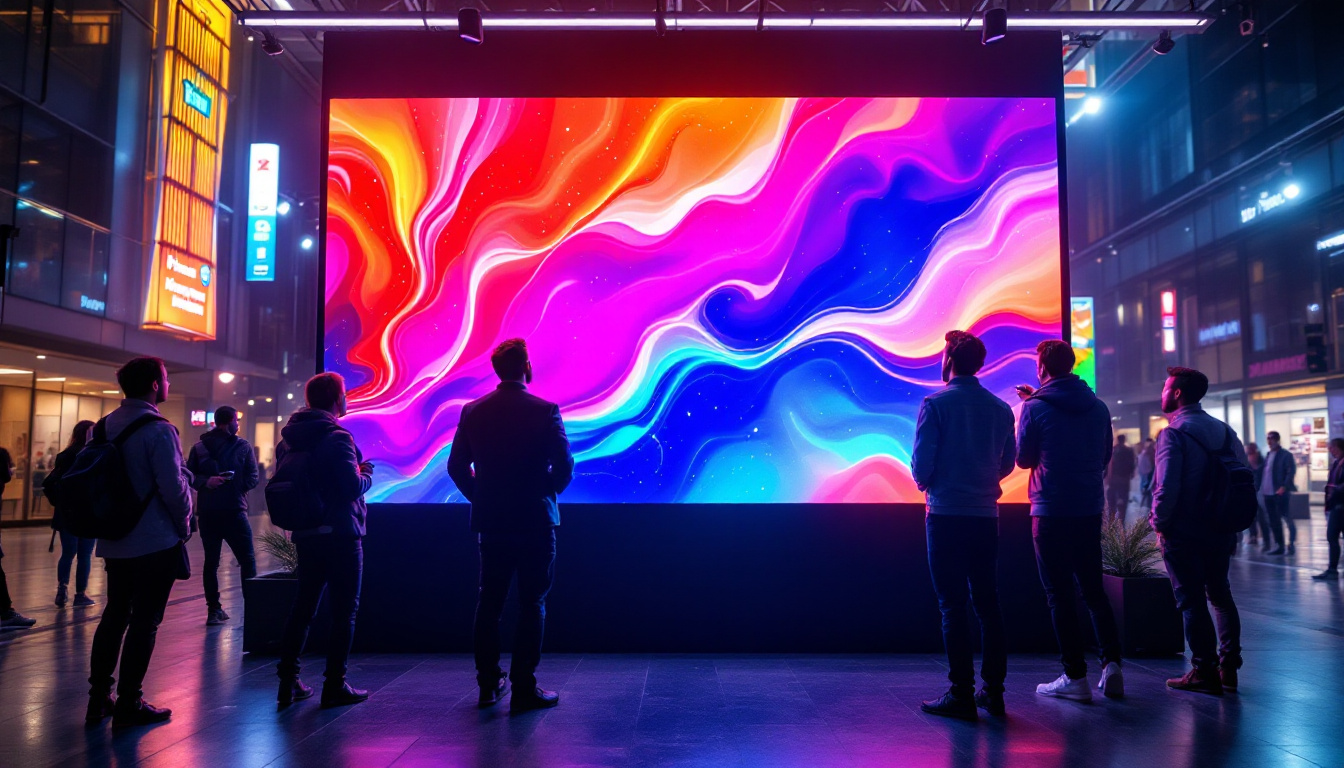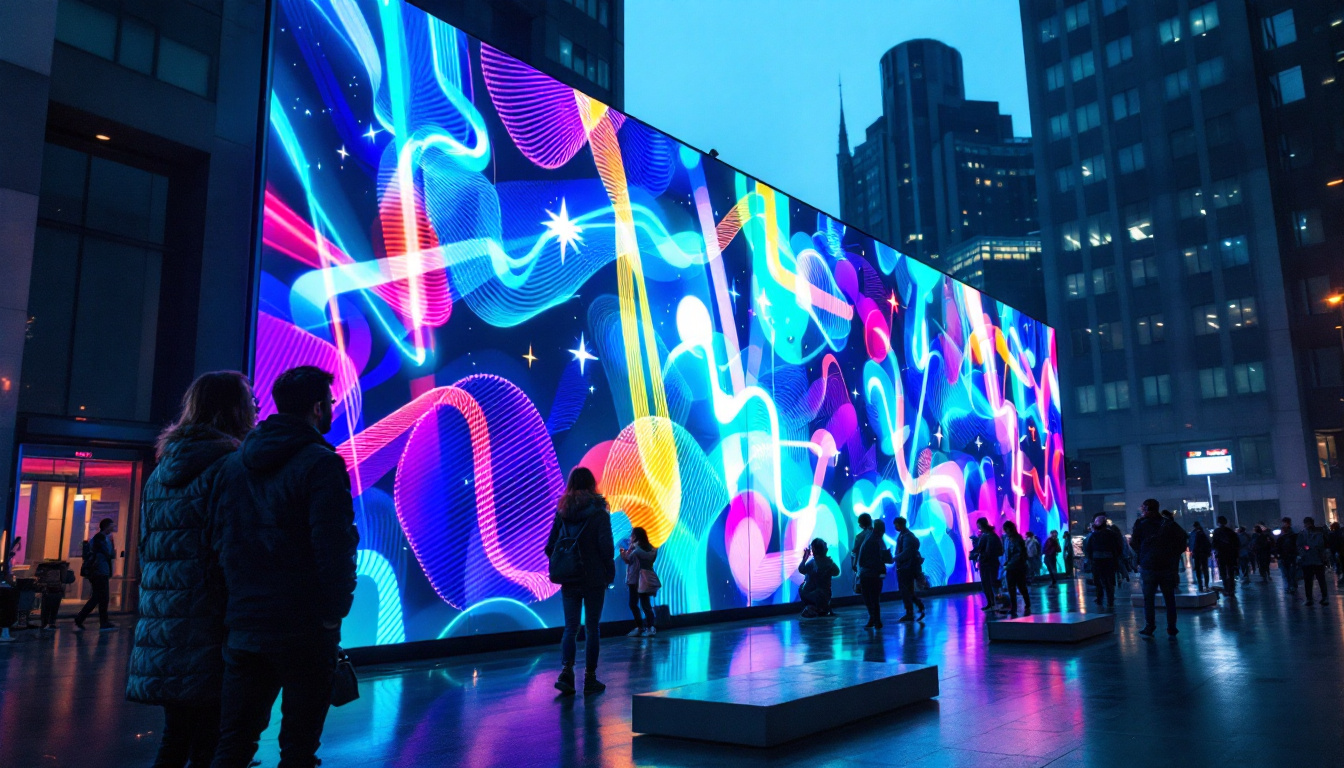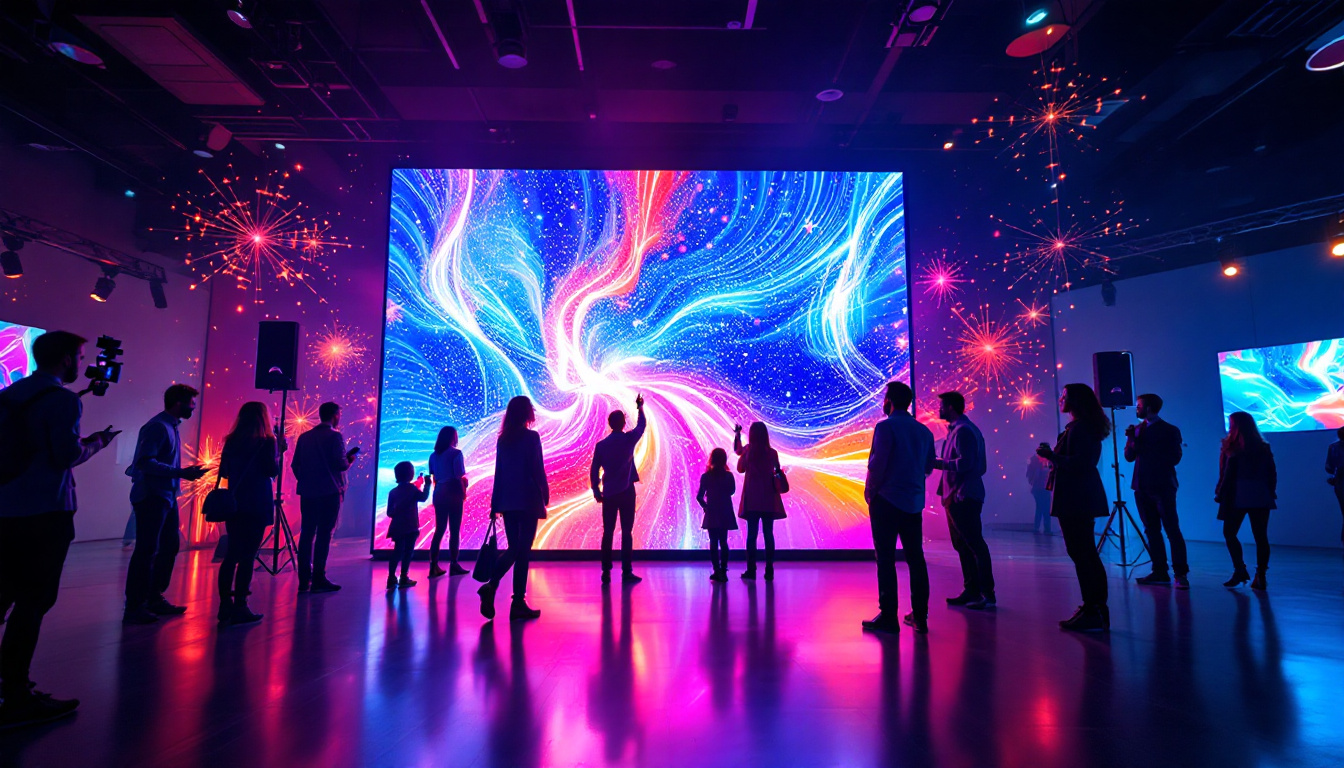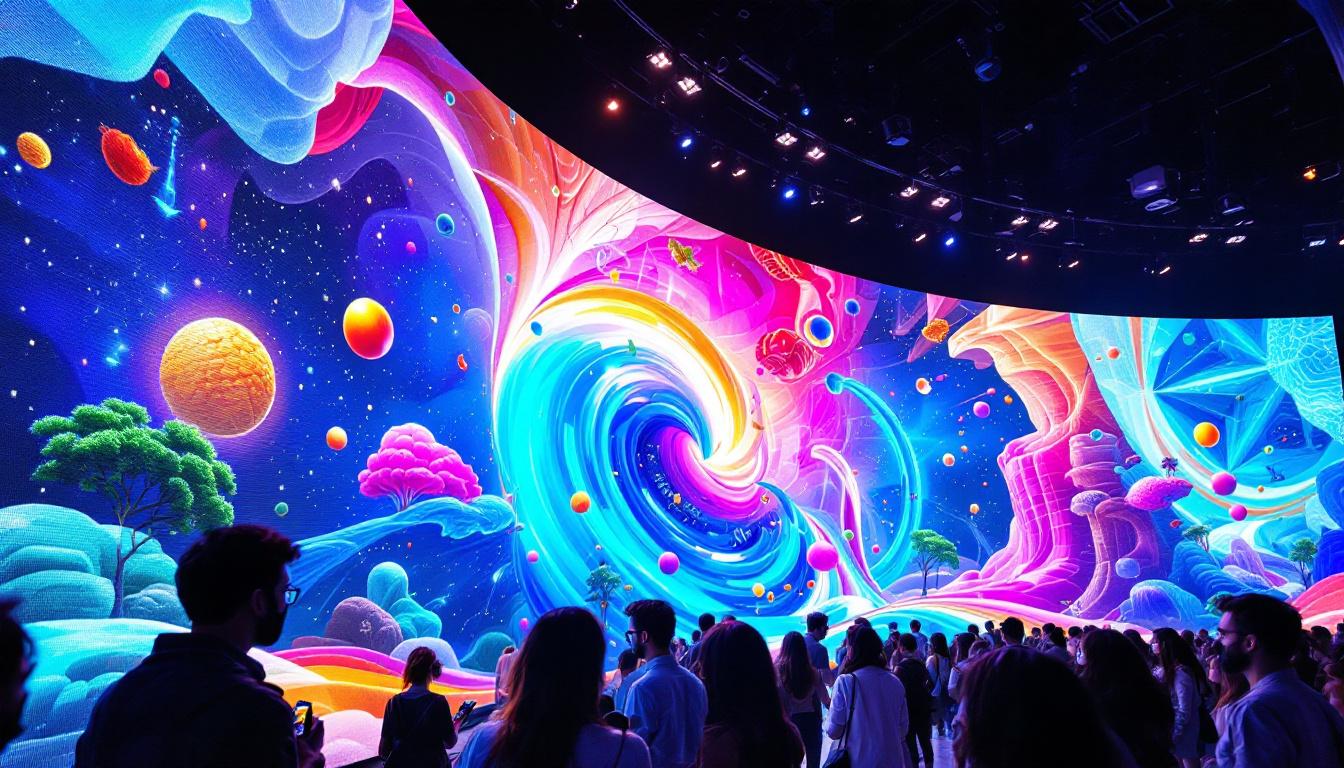
In the ever-evolving landscape of television technology, the term “5D Television” has recently emerged as a buzzword promising a revolutionary viewing experience. While traditional TVs have evolved from CRT to LCD, LED, OLED, and QLED, the concept of 5D Television aims to transcend these advancements by integrating multiple sensory dimensions into the viewing experience. Central to this innovation is the LED display technology, which serves as the foundation for delivering vivid visuals and immersive content. This article delves into what 5D Television entails, the role of LED displays within it, and why this technology could redefine how audiences engage with visual media.
Understanding 5D Television: Beyond Traditional Viewing
The term “5D Television” is not just a marketing gimmick but rather a conceptual leap in how content is produced and consumed. Unlike conventional 2D or even 3D TVs that focus primarily on visual depth and clarity, 5D Television incorporates additional sensory dimensions such as tactile feedback, environmental effects, and interactive elements that engage multiple senses simultaneously.
To break it down, the “5D” in 5D Television generally refers to:
- 3D Visuals: Depth perception through stereoscopic imaging.
- Time Dimension: Real-time or dynamic content changes that respond to user input or environmental factors.
- Sensory Feedback: Integration of haptic technology to simulate touch or motion.
- Environmental Effects: Incorporation of ambient effects such as wind, scent, or temperature changes.
- Interactive Engagement: User interaction that influences the content or experience.
These combined elements create a multi-dimensional experience that goes far beyond simply watching a screen. The LED display technology plays a crucial role in this setup by providing the high-quality, adaptable visual platform needed to support these advanced features. Moreover, the integration of artificial intelligence in 5D Television enhances the personalization of viewing experiences. AI can analyze user preferences and adapt content delivery to ensure that each viewer feels uniquely engaged, whether they are watching a thrilling action movie or an immersive nature documentary.
Furthermore, the potential applications of 5D Television extend beyond entertainment. In educational settings, for instance, 5D technology can transform traditional learning environments into interactive classrooms where students can virtually explore historical events or scientific phenomena. Imagine a history lesson where students not only read about ancient civilizations but also feel the temperature of the environment, hear the sounds of the era, and even experience simulated interactions with historical figures. This level of engagement can significantly enhance retention and understanding, making learning a truly immersive experience.
The Role of LED Displays in 5D Television
At the heart of 5D Television is the LED display, a technology that has become the backbone of modern television screens due to its superior brightness, contrast, and energy efficiency. LED, which stands for Light Emitting Diode, refers to the tiny diodes that emit light when an electric current passes through them. These diodes form the pixels that create the images on the screen. The evolution of LED technology has not only transformed the television industry but has also paved the way for new forms of entertainment that engage viewers in unprecedented ways.
Why LED Technology Is Essential for 5D TV
LED displays offer several advantages that make them ideal for 5D Television:
- Brightness and Contrast: LED panels can achieve higher brightness levels and deeper blacks compared to older LCD technologies, which is critical for delivering vivid 3D and dynamic visuals.
- Color Accuracy: Advanced LED displays, particularly those using quantum dot technology (QLED), provide a wider color gamut and more accurate color reproduction, enhancing the realism of 3D and immersive content.
- Thin and Flexible Panels: LED technology allows for thinner screens and even flexible or curved displays, which can be integrated into immersive environments or wearable devices used for 5D experiences.
- Energy Efficiency: LEDs consume less power than traditional display technologies, making them more sustainable for prolonged interactive sessions typical of 5D TV usage.
These characteristics enable LED displays to serve as the visual foundation upon which the additional sensory and interactive layers of 5D Television are built. Furthermore, the rapid advancements in LED technology continue to push the boundaries of what is possible in visual entertainment. Innovations such as local dimming and HDR (High Dynamic Range) have further enhanced the viewing experience, allowing for more nuanced lighting and a broader range of colors that can be displayed simultaneously. This level of detail is crucial for creating immersive environments where viewers feel as though they are part of the action.
Types of LED Displays Used in 5D Television
Not all LED displays are created equal. The development of 5D Television leverages several advanced LED display types to optimize the viewing experience:
- OLED (Organic LED): OLED displays use organic compounds that emit light when electrically stimulated, offering superior contrast ratios and faster response times. Their ability to produce true blacks enhances 3D depth perception.
- MicroLED: A newer technology featuring microscopic LEDs that provide higher brightness and longevity than OLED, with excellent color accuracy and no burn-in issues, making it ideal for long-term 5D applications.
- QLED (Quantum Dot LED): QLED displays use quantum dots to improve color and brightness. They are particularly effective in brightly lit environments and can deliver the vivid imagery required for immersive content.
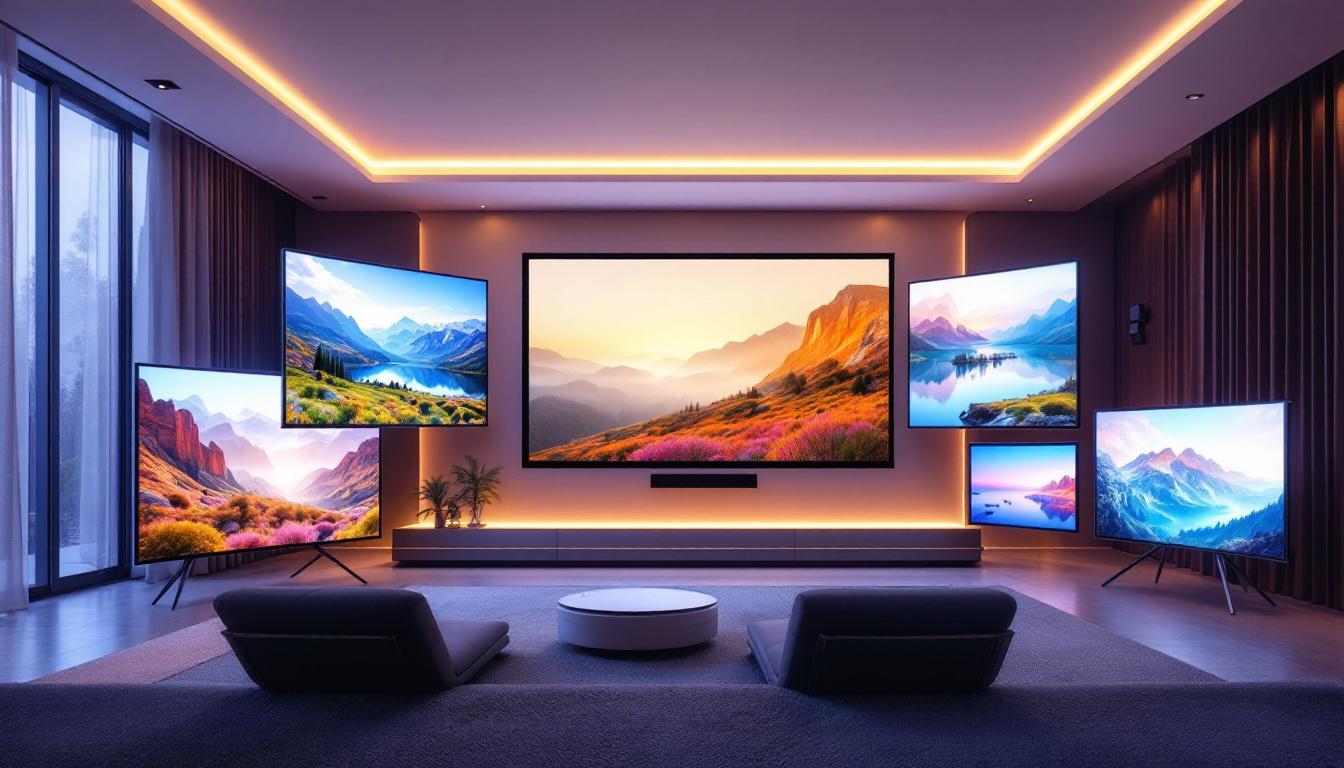
Each of these LED display technologies contributes unique benefits to the 5D Television ecosystem, enabling manufacturers to tailor devices to specific use cases and environments. For instance, while OLED is often favored for its superior contrast and color depth in home theaters, MicroLED is gaining traction in commercial applications due to its scalability and durability. Additionally, the integration of LED displays with other technologies, such as augmented reality (AR) and virtual reality (VR), is opening new avenues for storytelling and viewer engagement, making the 5D experience even more compelling and interactive.
How 5D Television Enhances the Viewing Experience
Traditional television viewing is largely passive, limited to visual and auditory stimuli. 5D Television transforms this experience by engaging multiple senses and allowing viewers to interact with the content in real-time. This section explores how LED displays integrate with other technologies to create this immersive environment.
Visual Immersion Through Advanced LED Displays
The foundation of 5D Television is the visual experience, which is dramatically enhanced by state-of-the-art LED displays. High dynamic range (HDR) capabilities and ultra-high-definition (UHD) resolutions provide crystal-clear images with stunning detail. When combined with stereoscopic 3D technology, these visuals create a convincing illusion of depth and space.
For example, a nature documentary viewed on a 5D TV might not only show a 3D image of a rainforest but also simulate the changing light patterns of the canopy and the movement of leaves in the wind, all rendered with remarkable clarity thanks to LED technology.
Multi-Sensory Integration
Beyond sight and sound, 5D Television incorporates sensory feedback mechanisms such as haptic vibrations, temperature modulation, and even scent emission. These features are synchronized with the LED display content to create a coherent, immersive narrative. For instance, during a racing game, viewers might feel the rumble of the engine through a haptic seat while the LED screen displays the high-speed visuals in vivid detail.
Interactive Content and Real-Time Adaptation
Interactivity is a cornerstone of 5D Television. Viewers can influence the storyline, camera angles, or environmental conditions through gestures, voice commands, or connected devices. The LED display responds instantly to these inputs, adjusting the visuals to reflect changes in real time. This dynamic adaptability makes the viewing experience highly personalized and engaging.
Current Applications and Future Prospects of 5D Television
While 5D Television is still in its nascent stages, several industries are already exploring its potential applications. The combination of LED display technology with multi-sensory and interactive features opens new avenues for entertainment, education, and professional training.
Entertainment and Gaming
The entertainment industry stands to benefit enormously from 5D Television. Movie studios and streaming platforms are experimenting with immersive content that leverages 5D capabilities to create more engaging narratives. Similarly, the gaming sector is adopting 5D TVs to provide players with fully immersive environments that blend realistic visuals with tactile feedback and environmental effects.
Education and Training
In education, 5D Television can transform traditional learning by offering immersive simulations. Medical students, for example, can practice surgeries in a controlled 5D environment where visual detail and haptic feedback combine to mimic real-life conditions. Similarly, pilots and military personnel can train using realistic 5D scenarios that enhance situational awareness and decision-making skills.
Retail and Marketing
Retailers and marketers are exploring 5D Television to create interactive advertisements and virtual showrooms. Customers can experience products in a multi-sensory environment before making a purchase, increasing engagement and potentially boosting sales.
Challenges and Technological Hurdles
Despite its promise, 5D Television faces several challenges. The complexity and cost of integrating multiple sensory technologies with high-quality LED displays remain significant barriers to widespread adoption. Content creation for 5D environments is also resource-intensive, requiring new production techniques and standards.
Moreover, ensuring user comfort and preventing sensory overload is critical. Designers must balance immersive features with usability to avoid fatigue or discomfort during extended viewing sessions.
Conclusion: The Future of Visual Media with 5D Television
5D Television represents a bold step forward in the evolution of visual media, combining cutting-edge LED display technology with multi-sensory and interactive elements to create deeply immersive experiences. While still emerging, this technology has the potential to revolutionize entertainment, education, and professional training by engaging viewers in ways previously unimaginable.
As LED displays continue to advance—becoming brighter, more efficient, and more adaptable—the foundation for 5D Television strengthens. Coupled with innovations in haptics, environmental simulation, and interactivity, the future of television promises to be not just seen and heard, but truly felt and experienced.
For consumers and industry professionals alike, staying informed about these developments is essential as 5D Television moves from concept to reality, redefining the boundaries of how stories are told and experienced.
Discover the Future with LumenMatrix LED Displays
Ready to step into the future of immersive viewing with 5D Television? LumenMatrix is at the forefront of this transformative technology, offering a wide array of LED display solutions that bring your visual experiences to life. From Indoor and Outdoor LED Walls to innovative Transparent Displays, our products are designed to captivate and engage. Elevate your brand visibility, create dynamic visual narratives, and deliver messages with unparalleled clarity. Check out LumenMatrix LED Display Solutions today and be a part of the revolution in visual communication.