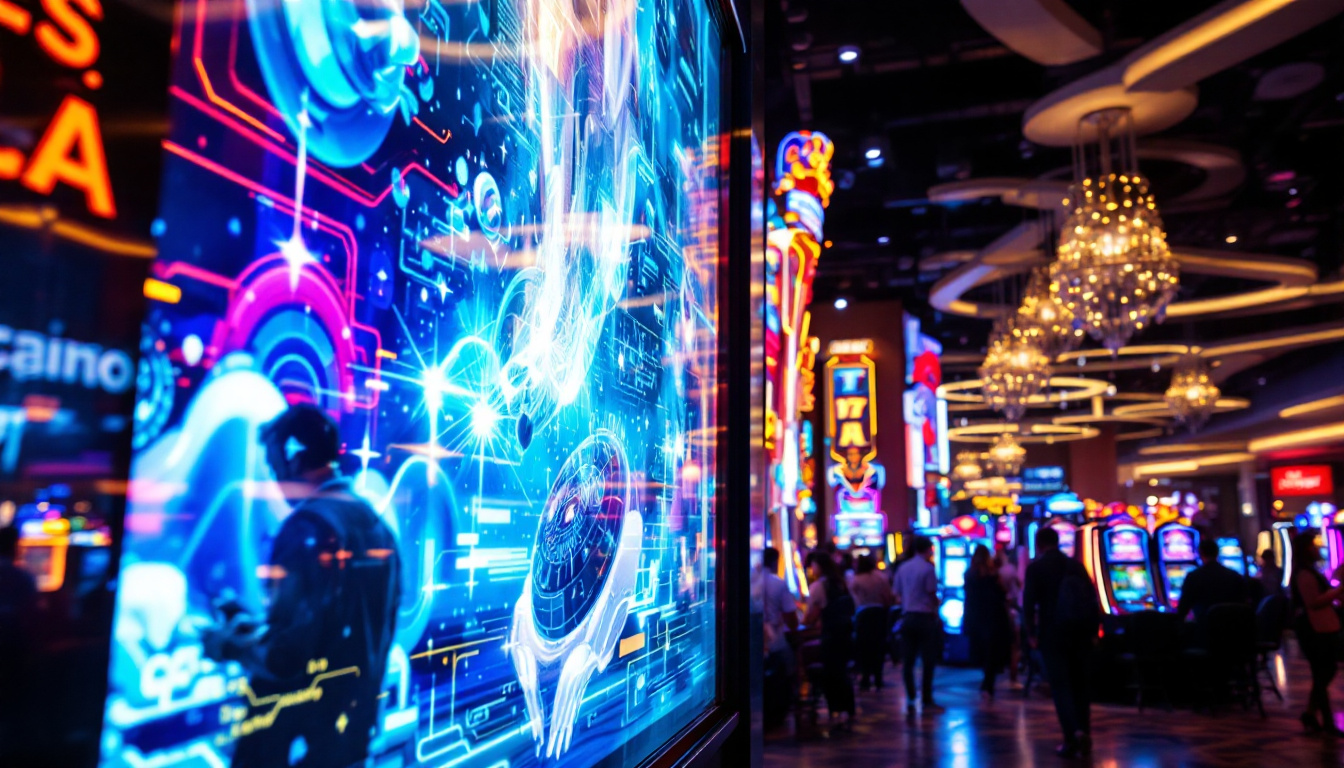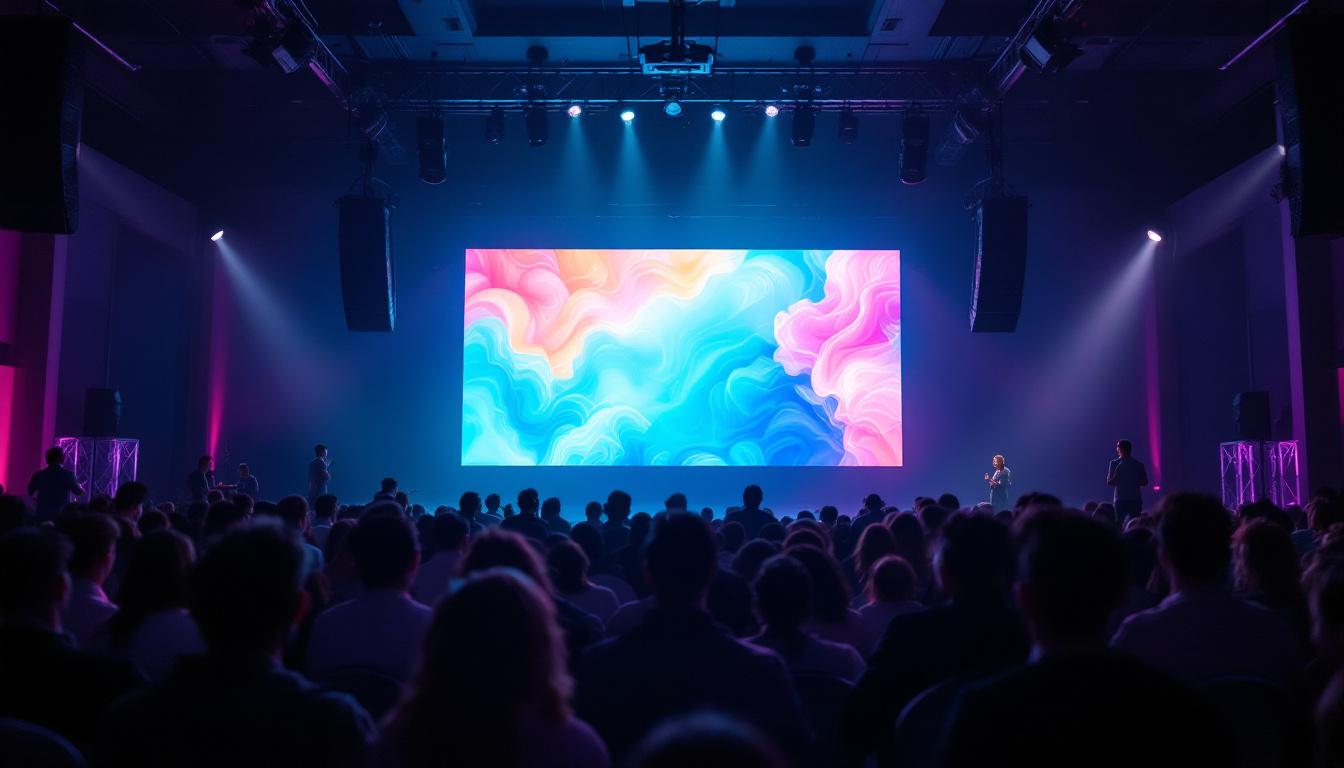
In the world of large-scale events, presentations, and outdoor screenings, the demand for high-quality visual displays continues to grow. Whether it’s a corporate conference, a music festival, or a sports event, having a clear, bright, and impactful screen can make all the difference. Traditionally, projector screens have been the go-to solution, but LED displays are rapidly becoming the preferred choice for many organizers. This article explores the benefits of LED displays in the context of large projector screen rentals, explaining what LED technology is, why it matters, and how it compares to traditional projection systems.
Understanding LED Displays: What Are They?
The Basics of LED Technology
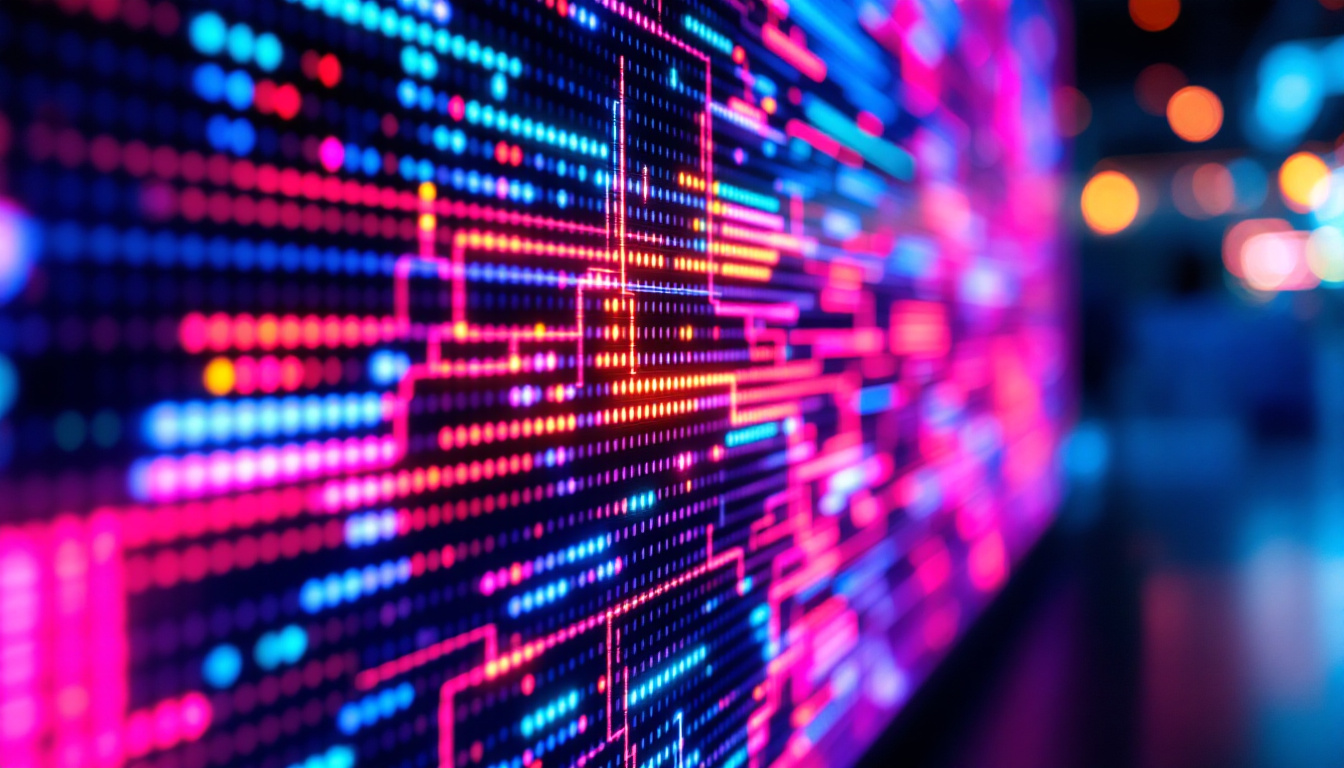
LED stands for Light Emitting Diode, a semiconductor device that emits light when an electric current passes through it. Unlike traditional projection systems that rely on a projector to cast an image onto a screen, LED displays are made up of thousands of tiny LEDs arranged in a grid. Each LED acts as an individual pixel, emitting its own light and color.
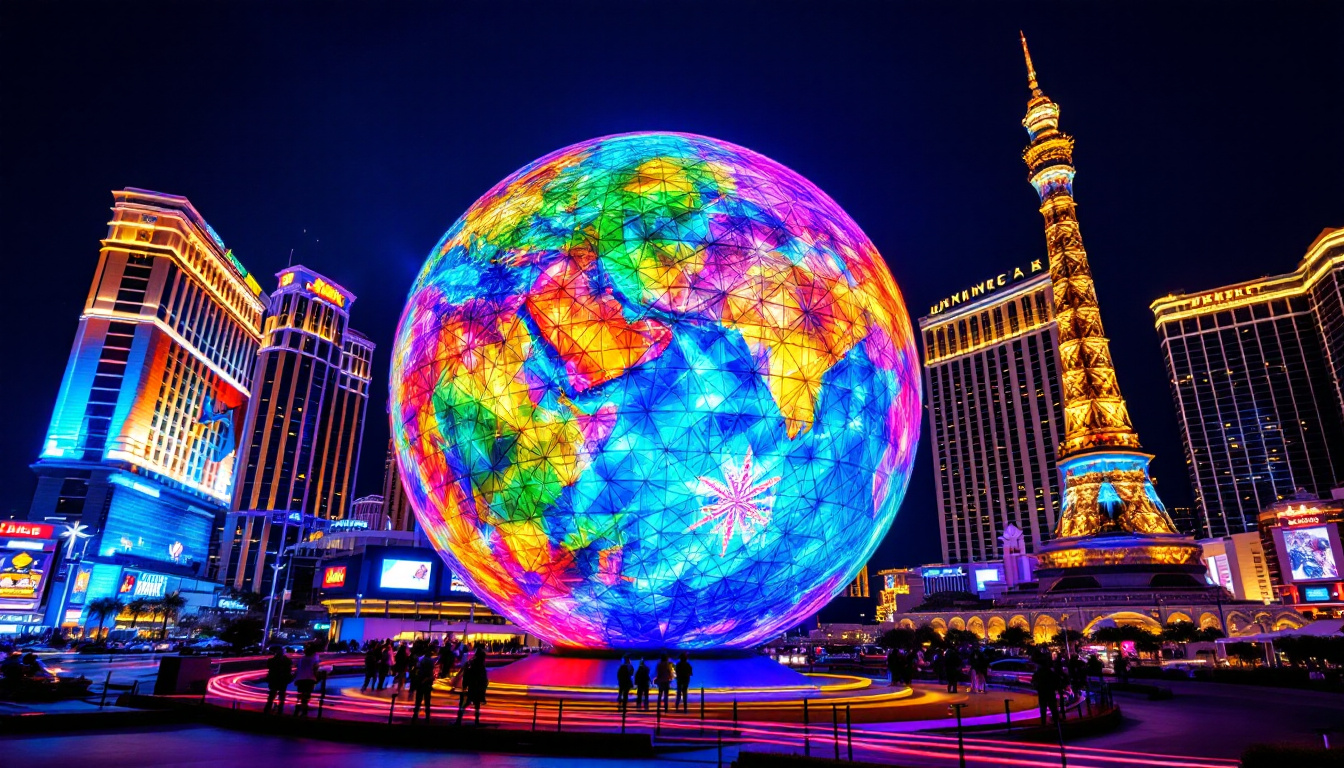
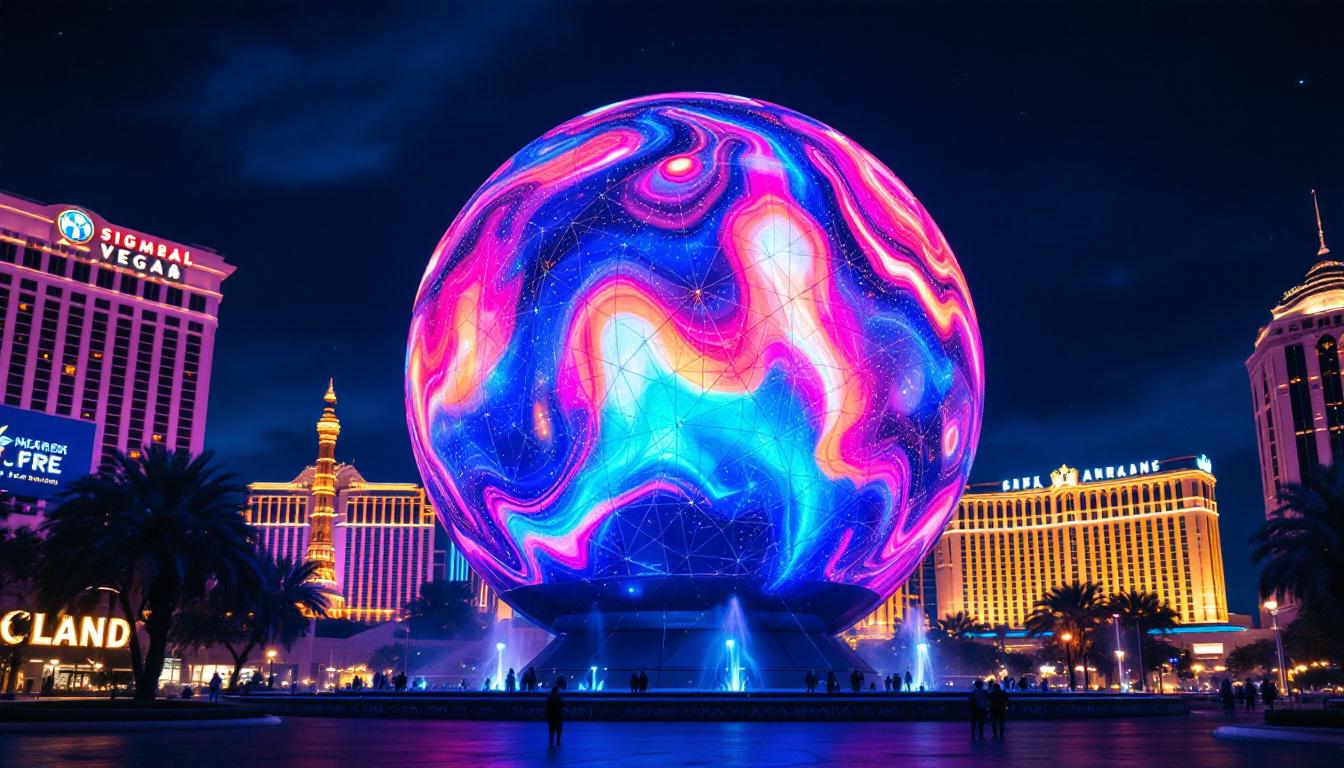
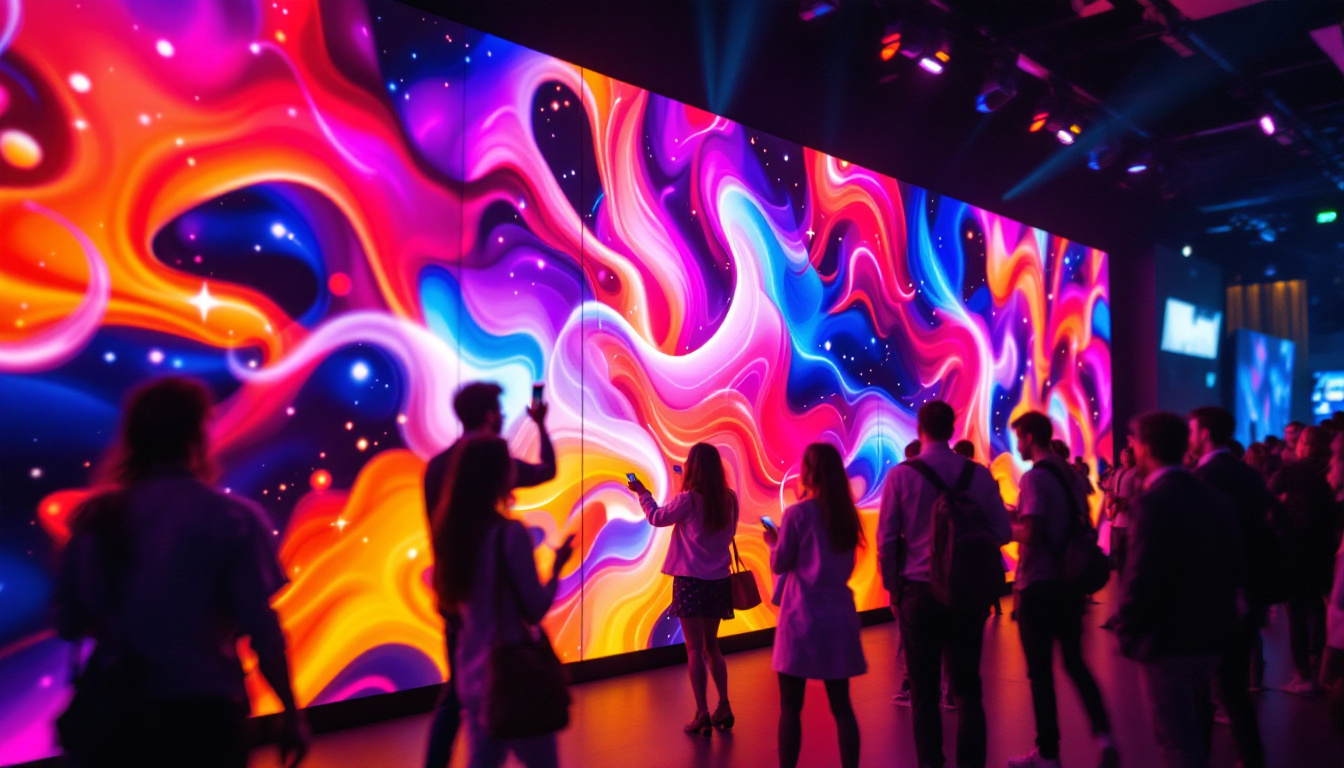
This self-illumination property allows LED screens to produce incredibly vibrant and bright images, even in well-lit environments or direct sunlight. The modular nature of LED panels also means that screens can be assembled in virtually any size or shape, making them highly versatile for large-scale applications. Furthermore, advancements in LED technology have led to the development of various types of LEDs, such as RGB (Red, Green, Blue) LEDs, which can create a wide spectrum of colors by mixing these three primary colors. This capability enhances the visual experience, making LED displays suitable for everything from digital billboards to intricate art installations.
How LED Displays Work in Large Screen Rentals
When renting a large LED display, the screen is typically composed of multiple LED panels seamlessly connected to form a single, continuous display surface. These panels are controlled by sophisticated hardware and software to ensure color accuracy, brightness uniformity, and smooth video playback. The technology behind these displays often includes advanced image processing capabilities that can upscale lower-resolution content to fit the high-resolution display, ensuring that every detail is crisp and clear.
Because the LEDs emit their own light, there is no need for external projection equipment or a darkened environment. This makes LED displays ideal for outdoor events, trade shows, and venues where controlling ambient light is challenging. Additionally, many modern LED displays are designed with energy efficiency in mind, consuming less power than traditional lighting systems while still delivering high-quality visuals. This energy efficiency not only reduces operational costs but also aligns with growing environmental sustainability efforts, making LED technology a preferred choice for event organizers and businesses alike. The ease of setup and dismantling of these modular panels further enhances their appeal, allowing for quick transitions between events without compromising on quality or performance.
Advantages of LED Displays Over Traditional Projector Screens
Brightness and Visibility
One of the most significant advantages of LED displays is their superior brightness. Traditional projectors struggle to compete with ambient light, often requiring dim or dark settings to produce a clear image. In contrast, LED screens can achieve brightness levels exceeding 5,000 nits, making them easily visible even under direct sunlight.
This brightness advantage is crucial for outdoor events, daytime presentations, and venues with large windows or strong lighting. It ensures that the audience can see the content clearly without straining their eyes or losing detail. Additionally, the high brightness levels of LED displays enhance the overall viewing experience, making colors pop and details stand out, which is particularly beneficial for dynamic content such as videos and animations. This capability allows event organizers to create more engaging and visually striking presentations that capture the audience’s attention effectively.
Image Quality and Color Accuracy
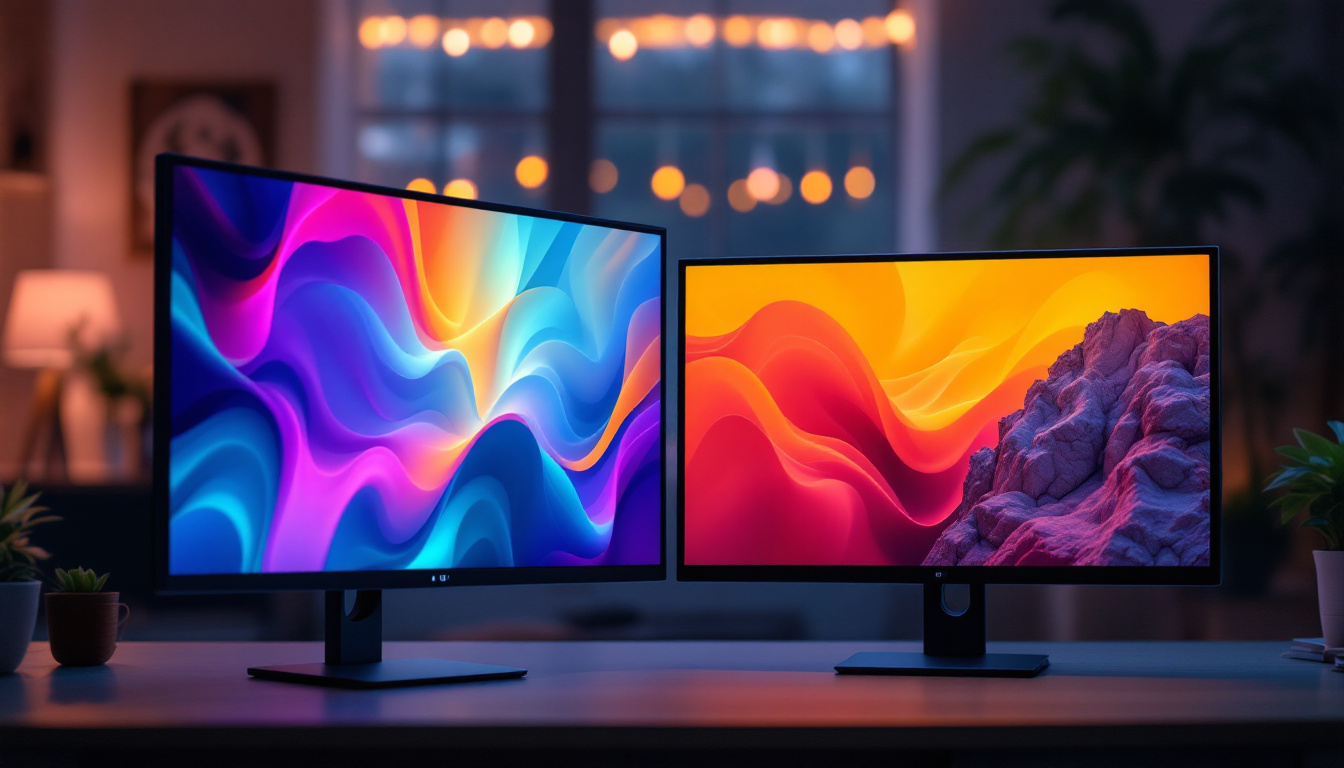
LED displays offer exceptional image quality with high contrast ratios, vibrant colors, and deep blacks. Each pixel’s ability to emit light independently allows for precise control over color and brightness, resulting in sharp, lifelike visuals.
Moreover, LED technology supports high refresh rates and wide viewing angles, making it easier for large audiences to enjoy the content from different perspectives without distortion or color washout. The ability to display a broader color gamut means that LED screens can reproduce colors more accurately, which is essential for applications such as digital art exhibitions, fashion shows, and product launches where color fidelity is paramount. This level of detail and vibrancy not only enhances the aesthetic appeal but also ensures that the intended message is conveyed effectively, leaving a lasting impression on viewers.
Durability and Reliability
LED screens are built to withstand harsh conditions, including rain, wind, and temperature fluctuations, making them ideal for outdoor use. Many rental companies offer weatherproof LED displays with IP65 or higher ratings, ensuring protection against dust and water ingress.
In addition, LED displays have a longer lifespan compared to projector lamps, which typically need replacement after a few thousand hours of use. This durability translates to lower maintenance costs and fewer interruptions during events. The robust construction of LED panels also means they are less susceptible to damage from accidental impacts or environmental factors, making them a reliable choice for high-traffic areas or events where equipment might be subject to wear and tear. This reliability not only enhances the confidence of event organizers but also contributes to a smoother execution of events, allowing for a focus on content rather than technical issues.
Flexibility and Customization
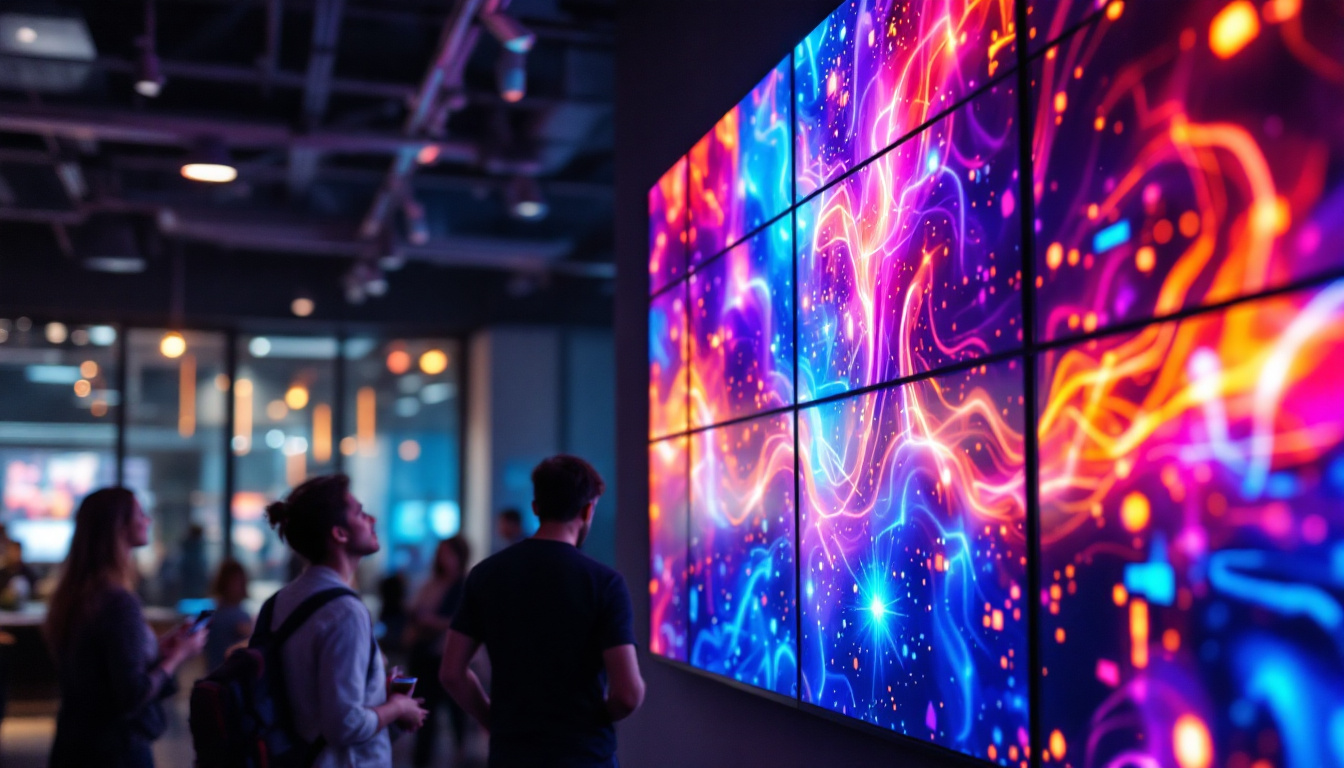
Because LED screens are modular, they can be customized to fit specific event requirements. Whether it’s a massive video wall spanning hundreds of square feet or a curved display wrapping around a stage, LED technology allows for creative and flexible setups.
This adaptability is especially valuable for rental companies and event planners who need to tailor the visual experience to different venues and audience sizes. The modular nature of LED displays enables quick assembly and disassembly, which is a significant advantage for events with tight schedules. Furthermore, the ability to create unique shapes and configurations means that LED displays can be integrated seamlessly into the overall design of an event, enhancing the thematic elements and contributing to a cohesive visual narrative. This level of customization not only elevates the aesthetic appeal but also allows for innovative storytelling techniques that engage audiences on multiple levels.
When to Choose LED Display Rental Over Traditional Projectors
Outdoor and Daytime Events
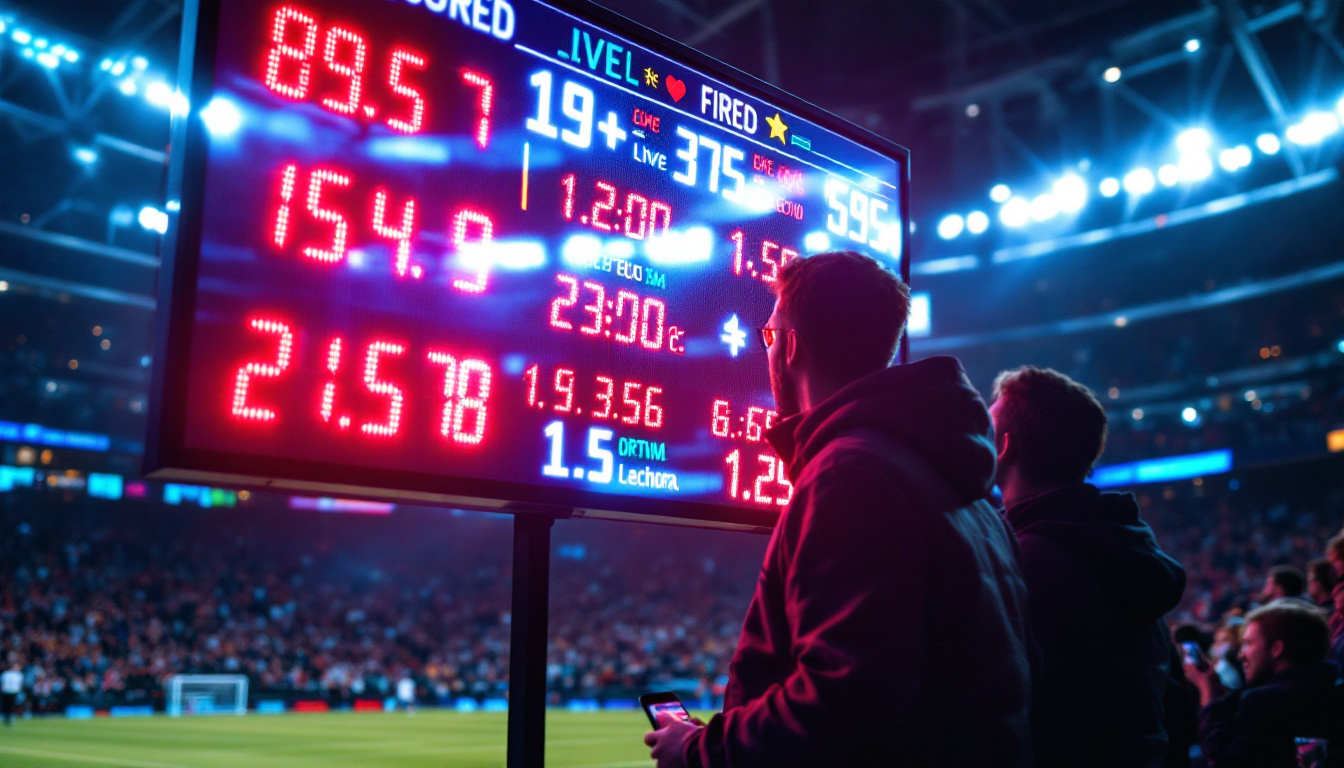
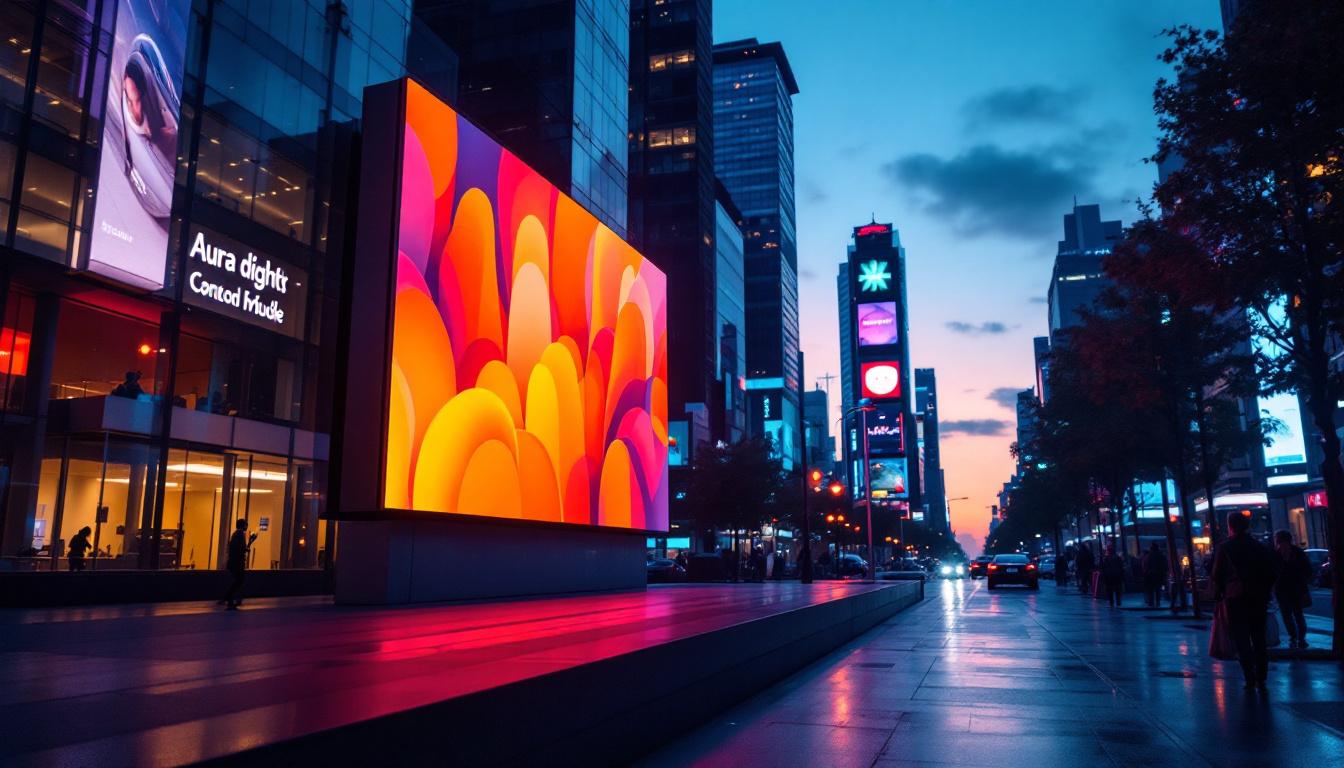
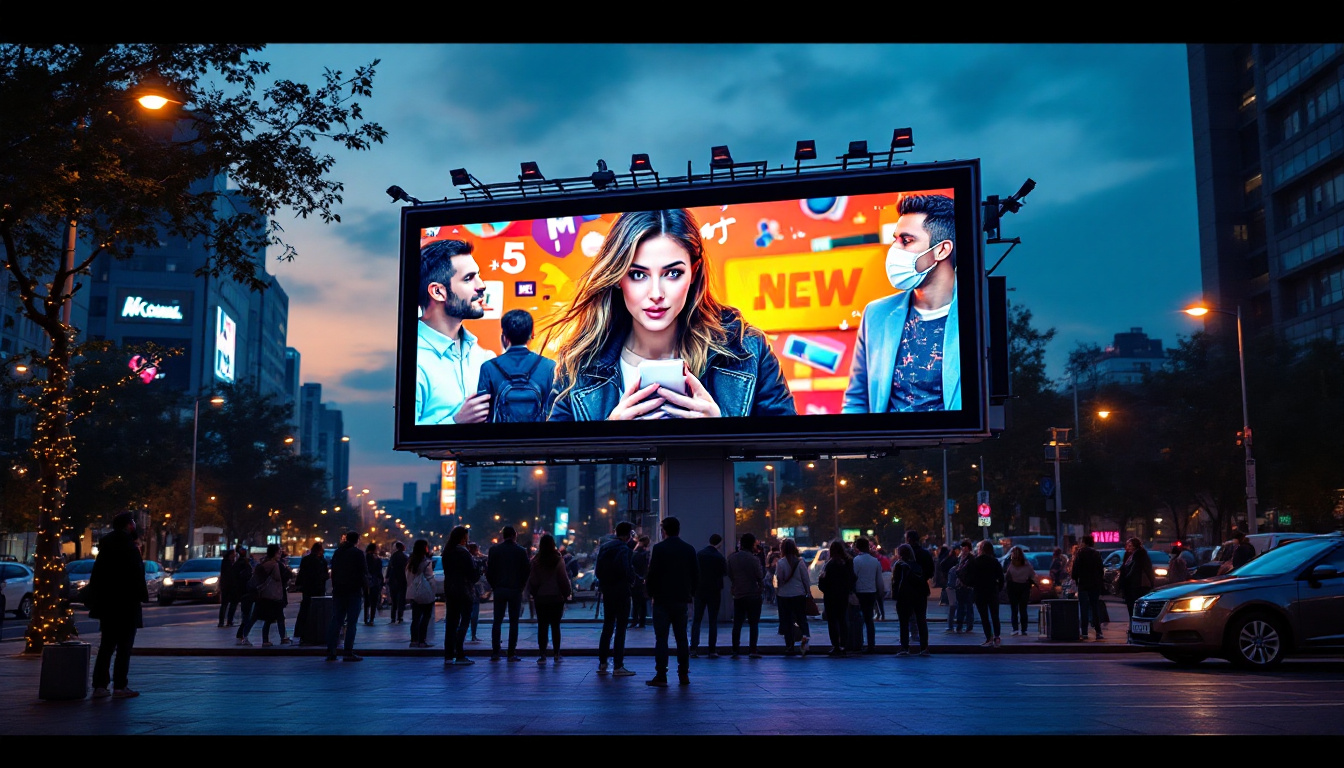
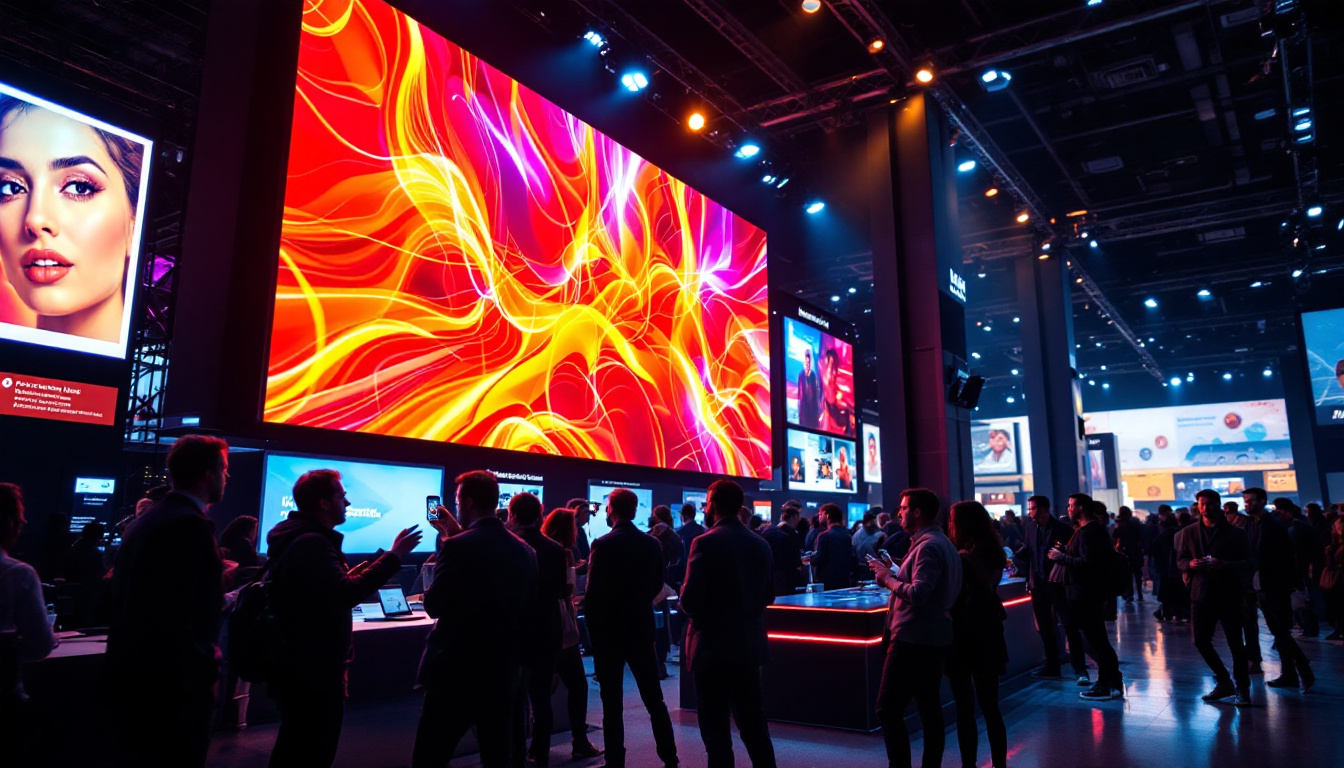
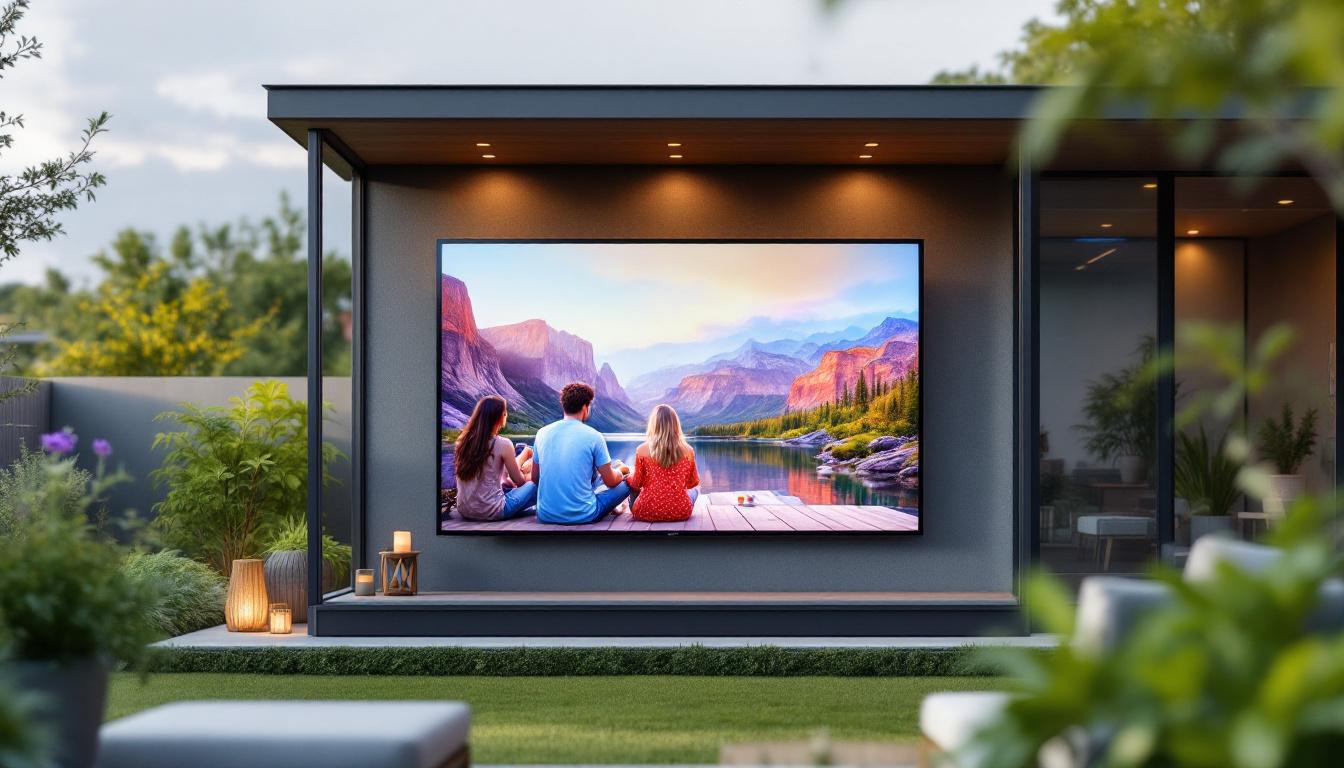
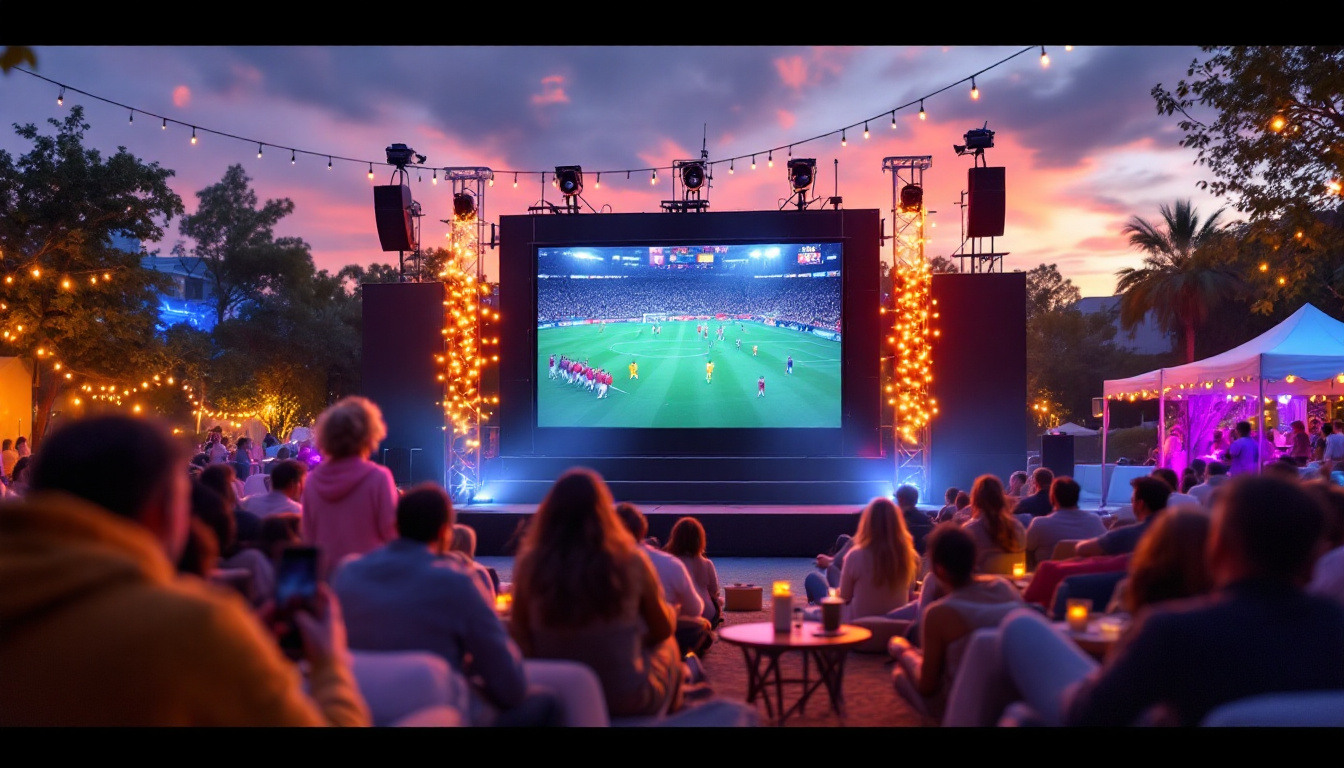
For events held outdoors or during the day, LED displays are generally the better option due to their brightness and visibility. Concerts, sports games, festivals, and public screenings benefit greatly from LED technology, as it ensures the content remains vibrant and clear regardless of lighting conditions.
Large Audiences and Wide Viewing Areas
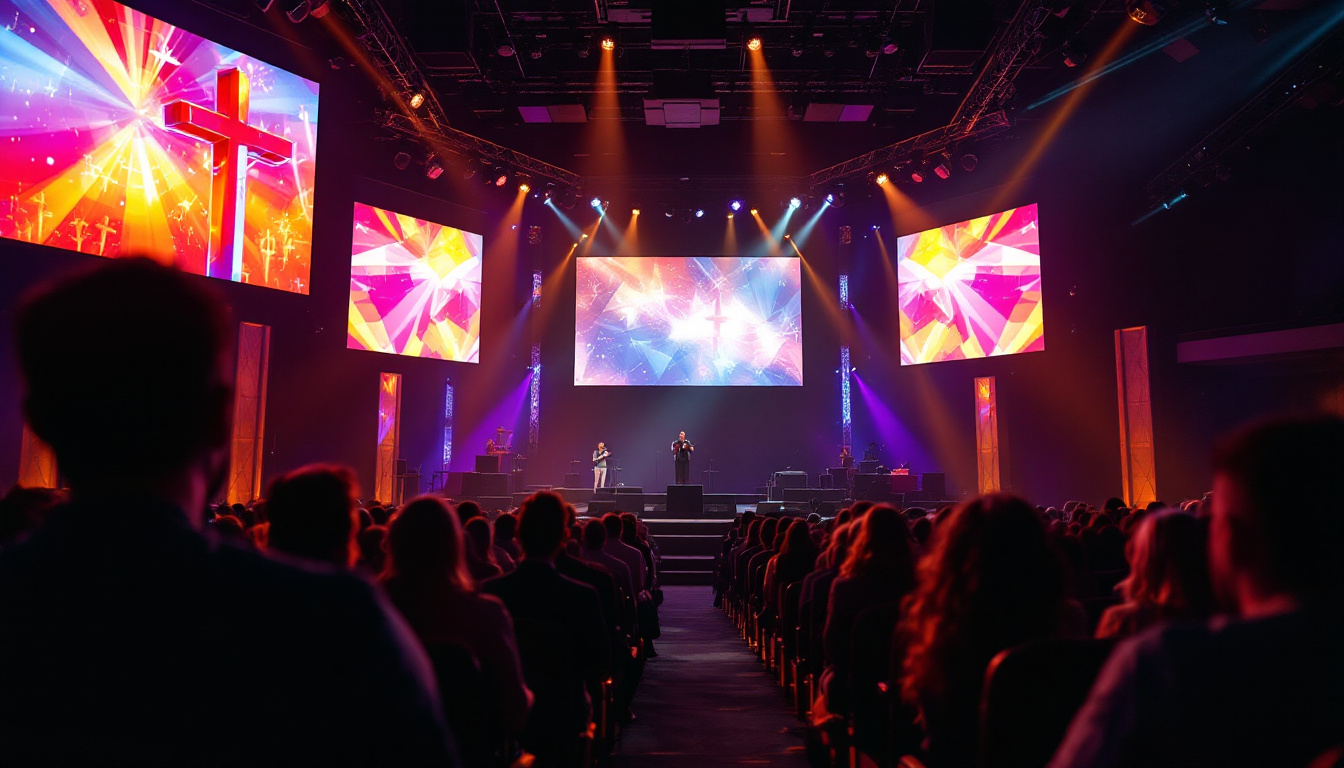
When catering to large crowds spread over wide areas, LED displays provide consistent image quality across all viewing angles. This is essential for conferences, trade shows, and stadium events where attendees may be positioned far from the screen or at various angles.
Complex Visual Content and Branding
LED screens excel at showcasing dynamic content such as videos, animations, and live feeds. They also support high resolutions, allowing for detailed branding, graphics, and interactive elements that engage audiences more effectively than static projection.
Considerations When Renting Large LED Displays
Cost Factors
While LED display rentals offer many benefits, they tend to be more expensive than traditional projector screen rentals. The initial setup, transportation, and technical support can add to the overall cost. However, the enhanced visual impact and reliability often justify the investment for high-profile events.
It’s important to discuss budget constraints and event goals with the rental provider to find the most suitable LED display solution.
Technical Requirements and Setup
LED displays require specialized knowledge for installation and operation. Rental companies typically provide technicians to handle setup, calibration, and troubleshooting, ensuring optimal performance.
Event organizers should plan for adequate time and space for installation, as well as power supply and data connectivity to support the display.
Resolution and Pixel Pitch
Pixel pitch, the distance between individual LEDs, affects the screen’s resolution and viewing distance. Smaller pixel pitches offer higher resolution and are better suited for close-up viewing, while larger pixel pitches are acceptable for distant audiences.
When renting, consider the venue size and audience proximity to select the appropriate pixel pitch for the best viewing experience.
Future Trends in Large Screen Technology
Advancements in LED Technology
LED displays continue to evolve with innovations such as MicroLED and MiniLED, which promise even higher brightness, better energy efficiency, and improved color accuracy. These advancements will further enhance the capabilities of large screen rentals in the coming years.
Integration with Interactive and Immersive Experiences
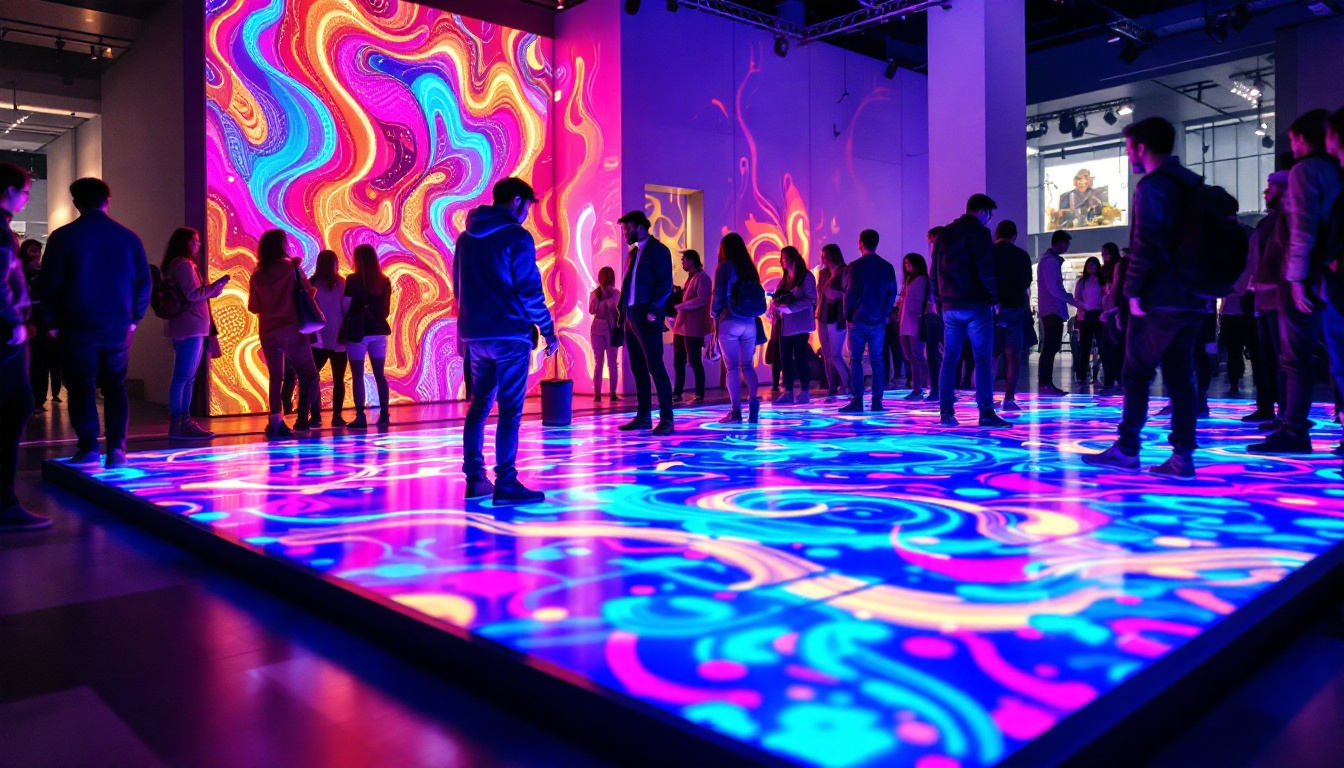
Combining LED displays with interactive technologies like touch sensors, augmented reality, and real-time data integration is becoming more common. This trend allows event organizers to create immersive environments that captivate audiences and provide unique engagement opportunities.
Sustainability and Energy Efficiency
As environmental concerns grow, LED technology is being optimized for lower power consumption and recyclable materials. Rental companies are increasingly adopting sustainable practices, making LED displays a greener choice compared to traditional projection systems.
Conclusion
Large projector screen rental has transformed significantly with the rise of LED display technology. Offering unmatched brightness, superior image quality, durability, and flexibility, LED screens have become the preferred choice for many large-scale events, especially those held outdoors or in challenging lighting conditions.
While cost and technical requirements are important considerations, the benefits of LED displays in delivering a memorable visual experience are clear. As technology advances and rental options expand, LED displays will continue to set the standard for impactful, high-quality event visuals.
For event organizers seeking to elevate their presentations or entertainment, understanding the capabilities and advantages of LED displays is essential. Partnering with experienced rental providers ensures access to the right equipment and expertise to make any large-scale event a visual success.
Discover LumenMatrix’s Innovative LED Solutions
Ready to take your event’s visual experience to the next level? Explore LumenMatrix’s comprehensive range of LED display solutions, crafted to meet the diverse needs of any large-scale event. From Indoor and Outdoor LED Walls to dynamic Vehicle and Sports Displays, our cutting-edge technology is designed to captivate your audience and amplify your message. Embrace the future of visual communication with our Custom, Floor, All-in-One, and Transparent LED Displays. Check out LumenMatrix LED Display Solutions today and see how we can transform your event into a memorable spectacle.