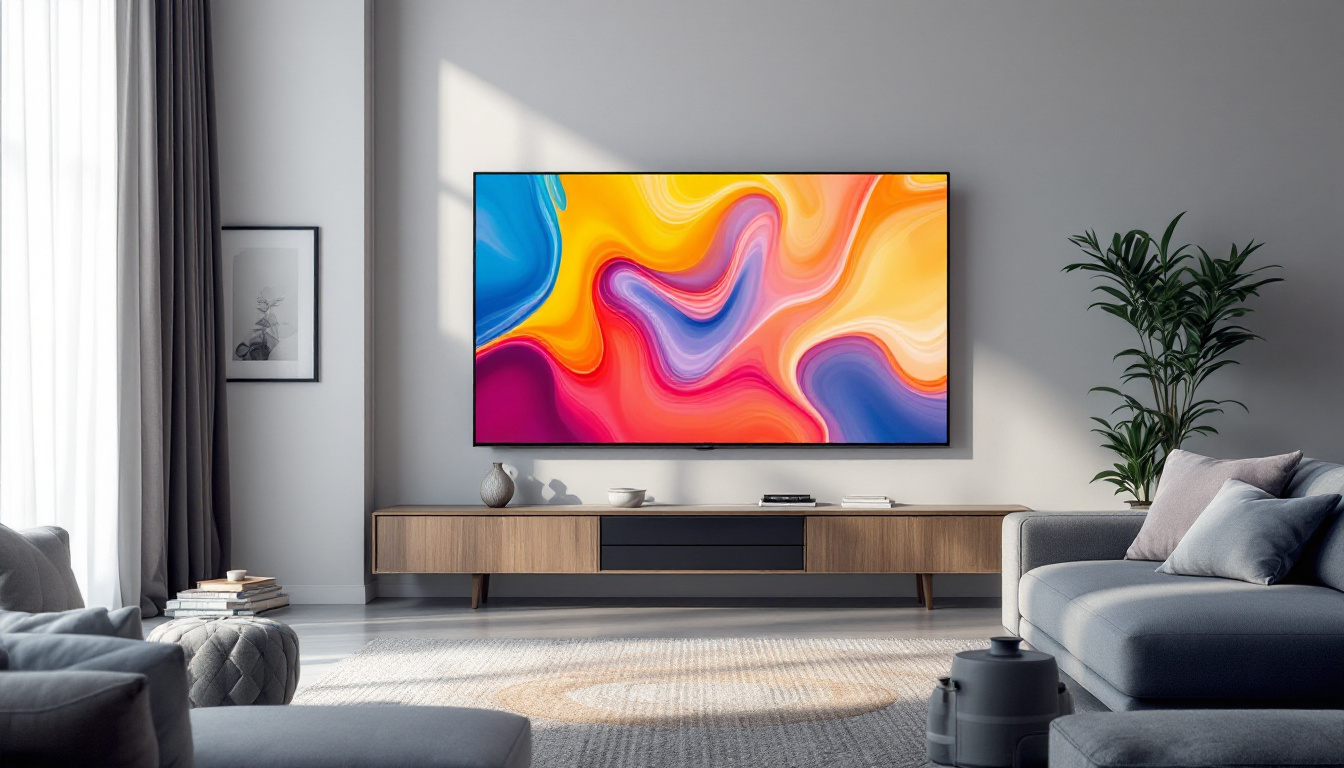
In the world of modern television technology, the term “LED” is everywhere. From store advertisements to product specifications, LED TVs have become the standard in home entertainment. But what does “LED” really mean in the context of TVs? How do LED displays work, and why have they largely replaced older technologies like LCD and plasma? This comprehensive guide will explore the meaning of LED in TV technology, explain how LED displays function, and discuss their advantages and limitations.
Understanding the Basics: What Does LED Mean in TV?
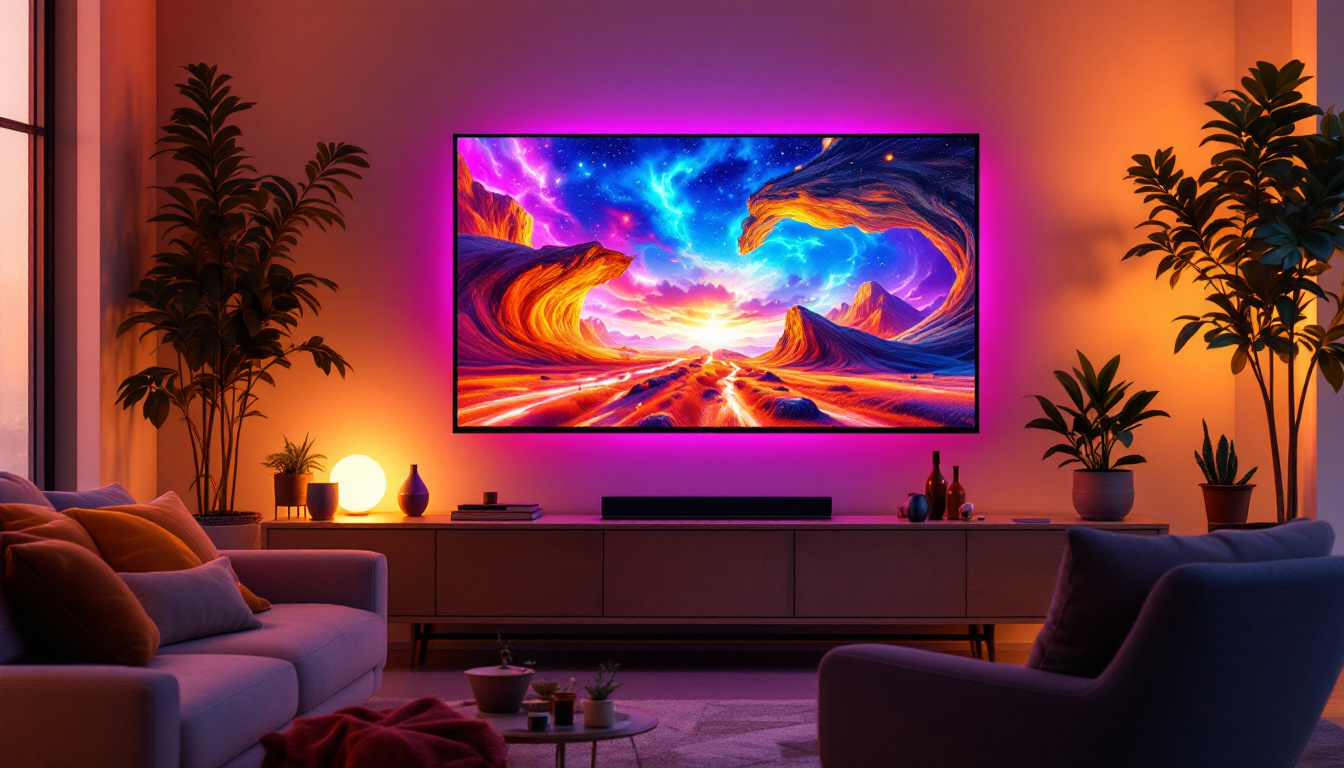
LED stands for Light Emitting Diode, a semiconductor device that emits light when an electric current passes through it. In the context of televisions, LED refers to the type of backlighting used in the display panel. While the screen itself is still an LCD (Liquid Crystal Display), LEDs are used as the light source behind the screen, illuminating the pixels to create the images viewers see.
Originally, LCD TVs used cold cathode fluorescent lamps (CCFLs) for backlighting. These lamps were bulkier, less energy efficient, and offered lower contrast ratios compared to LED backlights. The introduction of LED backlighting revolutionized LCD technology, leading to thinner, brighter, and more energy-efficient TVs. This shift not only improved the overall viewing experience but also allowed manufacturers to create sleeker designs that fit seamlessly into modern living spaces.
Moreover, LED technology has continued to evolve, with advancements such as edge-lit and full-array backlighting. Edge-lit LED TVs use LEDs positioned along the edges of the screen, while full-array models have a grid of LEDs behind the entire panel. Full-array backlighting can provide better local dimming capabilities, enhancing contrast and allowing for more vibrant colors, particularly in scenes with both bright and dark elements.
The Difference Between LED and OLED
It’s important to distinguish between LED TVs and OLED TVs, as these terms are sometimes confused. LED TVs are essentially LCD panels with LED backlighting. OLED, which stands for Organic Light Emitting Diode, is a different technology where each pixel emits its own light independently without the need for a backlight.
While LED TVs rely on a backlight shining through liquid crystals to produce images, OLED TVs produce light at the pixel level, offering deeper blacks, better contrast, and wider viewing angles. However, OLED TVs tend to be more expensive and can have longevity concerns related to organic materials. The risk of burn-in, where static images can leave a permanent mark on the screen, is a consideration for users who may watch content with static logos or HUD elements frequently.
In addition to these differences, the color accuracy and response times of OLED displays are often superior to those of LED TVs. This makes OLED a popular choice among filmmakers and gamers who prioritize visual fidelity. As technology progresses, both LED and OLED continue to improve, with manufacturers constantly innovating to enhance picture quality, energy efficiency, and overall performance, making the choice between them more nuanced than ever.
How LED Displays Work in TVs
To understand LED displays in TVs, it’s helpful to break down the components and processes involved in creating the images on the screen.
LCD Panel and Liquid Crystals
The core of an LED TV is still an LCD panel. This panel contains millions of liquid crystal cells that can twist and untwist to control the passage of light. These crystals don’t emit light themselves; instead, they act as shutters that modulate the light coming from the backlight.
LED Backlighting: Types and Technologies
The LED backlighting provides the illumination necessary for the LCD panel to display images. There are two primary types of LED backlighting used in TVs:
- Edge-lit LED: LEDs are placed along the edges of the screen, and light is spread across the panel using light guides. This design allows for thinner TVs but can sometimes result in uneven brightness or less precise local dimming.
- Direct-lit (or Full-array) LED: LEDs are positioned directly behind the LCD panel in a grid layout. This allows for better control of brightness and contrast through local dimming, where specific zones of LEDs can be dimmed or brightened independently.
More advanced models use mini-LED technology, which involves thousands of tiny LEDs for even more precise lighting control, enhancing contrast and reducing blooming effects around bright objects.
Color Filters and Image Formation
After the backlight passes through the liquid crystal layer, it goes through color filters that separate the light into red, green, and blue components. By controlling the intensity of light passing through each pixel’s liquid crystal and color filter, the TV creates the full range of colors that make up the image.
Advantages of LED TVs Over Other Display Technologies
LED TVs have become the dominant technology in the television market for several compelling reasons. Understanding these advantages helps explain why consumers and manufacturers favor LED displays.
Energy Efficiency
Compared to CCFL-backlit LCDs and plasma TVs, LED TVs consume significantly less power. According to the U.S. Department of Energy, LED TVs can be up to 30-40% more energy efficient than older LCD models using fluorescent backlights. This reduction in energy consumption not only lowers electricity bills but also reduces environmental impact.
Improved Picture Quality
LED backlighting allows for higher brightness levels and better contrast ratios, especially with full-array local dimming. This means deeper blacks and more vibrant colors, which translate into a more immersive viewing experience. Additionally, LED TVs generally have faster response times than plasma TVs, reducing motion blur in fast-moving scenes such as sports or action movies.
Thinner and Lighter Design
Because LEDs are smaller and more efficient light sources than fluorescent tubes, LED TVs can be made much thinner and lighter. This has enabled the sleek, modern designs that dominate today’s TV market and has made wall mounting and portability easier for consumers.
Longer Lifespan and Reliability
LEDs have a longer operational life compared to CCFLs and plasma displays. Most LED TVs have an expected lifespan of around 60,000 to 100,000 hours of use, which can translate to over a decade of regular viewing. This durability makes LED TVs a cost-effective choice over time.
Limitations and Considerations of LED TVs
While LED technology offers many benefits, it’s important to understand its limitations to make informed purchasing decisions.
Black Levels and Contrast Compared to OLED
Despite improvements in local dimming, LED TVs cannot achieve the perfect black levels that OLED TVs provide. Because LED TVs rely on a backlight, some light leakage can occur, causing blacks to appear slightly grayish in very dark scenes. This can affect contrast and overall picture depth.
Viewing Angles
LED TVs, especially those with VA (Vertical Alignment) panels, can suffer from color shifting and reduced brightness when viewed from wide angles. IPS (In-Plane Switching) panels improve viewing angles but often at the expense of contrast. OLED TVs generally perform better in this regard.
Potential for Blooming and Halo Effects
In scenes with bright objects on dark backgrounds, LED TVs with local dimming can sometimes exhibit “blooming,” where light from bright areas bleeds into surrounding dark areas. Mini-LED technology has helped reduce this issue, but it can still be noticeable on some models.
Current Trends and Innovations in LED TV Technology
The LED TV market continues to evolve rapidly, with manufacturers introducing new technologies to enhance performance and user experience.
Mini-LED and Micro-LED Backlighting
Mini-LED technology uses thousands of tiny LEDs as a backlight, allowing for extremely fine local dimming zones and improved contrast. This technology bridges the gap between traditional LED and OLED displays by offering better black levels without the organic material limitations of OLED.
Micro-LED, still in early commercial stages, uses microscopic LEDs that act as individual pixels, similar to OLED but with inorganic materials. This promises exceptional brightness, contrast, and durability, potentially revolutionizing future TV designs.
Quantum Dot Enhancement
Many LED TVs now incorporate quantum dot technology, which uses semiconductor nanocrystals to enhance color accuracy and brightness. Quantum Dot LEDs (QLEDs) produce a wider color gamut and higher peak brightness, making them ideal for HDR (High Dynamic Range) content.
Integration with Smart TV Features
Modern LED TVs are often equipped with powerful processors and smart operating systems, enabling streaming, voice control, and integration with smart home devices. These features have become essential as consumers increasingly rely on internet-connected TVs for entertainment.
How to Choose the Right LED TV for Your Needs
With so many options available, selecting the right LED TV can be overwhelming. Here are some key factors to consider:
Screen Size and Resolution
Choose a screen size that fits your viewing space and distance. Larger screens (55 inches and above) are popular for living rooms, while smaller sizes suit bedrooms or kitchens. For resolution, 4K UHD is now standard and offers excellent detail, with 8K models emerging for future-proofing.
Backlighting Type and Local Dimming
Full-array LED TVs with local dimming generally provide better contrast and picture quality than edge-lit models. If budget allows, look for TVs with advanced local dimming zones or mini-LED technology for improved performance.
Panel Type and Refresh Rate
IPS panels offer better viewing angles, while VA panels provide higher contrast. For fast-paced content like sports or gaming, a higher refresh rate (120Hz or more) reduces motion blur and improves smoothness.
Smart Features and Connectivity
Ensure the TV supports your preferred streaming apps and has sufficient HDMI ports for devices like gaming consoles and soundbars. Voice assistant compatibility and screen mirroring can enhance usability.
Conclusion: The Role of LED in Modern Television
LED technology has fundamentally transformed the television industry by enabling thinner, brighter, and more energy-efficient displays. While the term “LED TV” refers to LCD panels illuminated by LED backlights rather than self-emissive LEDs, this innovation has significantly improved picture quality and user experience over previous technologies.
As LED technology continues to advance with mini-LED and quantum dot enhancements, consumers benefit from increasingly vibrant images and better contrast. Although OLED and emerging micro-LED technologies offer compelling alternatives, LED TVs remain the most popular and accessible choice for most viewers worldwide.
Understanding the meaning and function of LED in TVs empowers consumers to make informed decisions and appreciate the technology behind their favorite entertainment devices.
Discover the Future of Visual Experience with LumenMatrix
Ready to elevate your viewing experience with the latest in LED display technology? LumenMatrix is at the forefront of innovation, offering a wide array of LED display solutions tailored to your needs. From captivating Indoor LED Wall Displays to dynamic Outdoor LED Wall Displays, and from versatile Vehicle LED Displays to sleek LED Poster Displays, our products are designed to transform your visual communication. Embrace the revolution in digital signage with LumenMatrix and create unforgettable visual experiences that engage and inspire. Check out LumenMatrix LED Display Solutions today and see the difference cutting-edge technology can make.