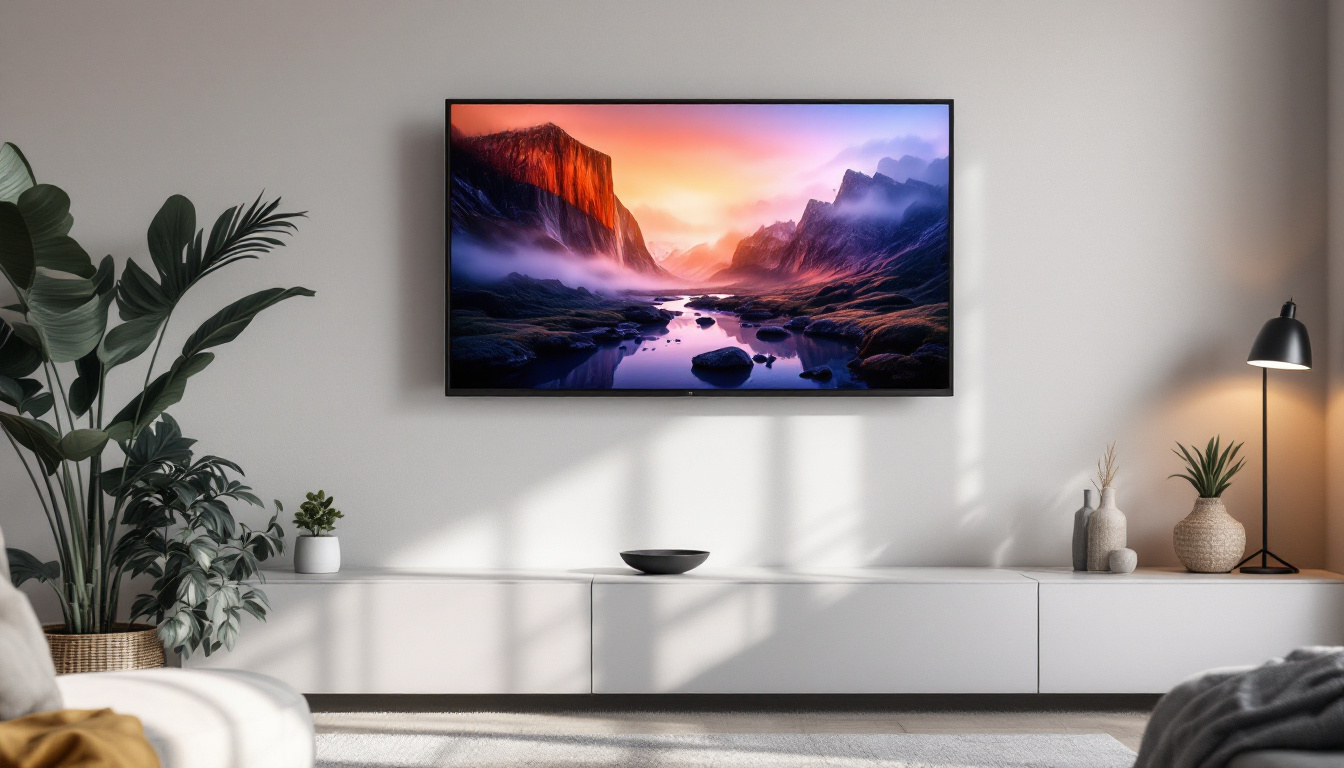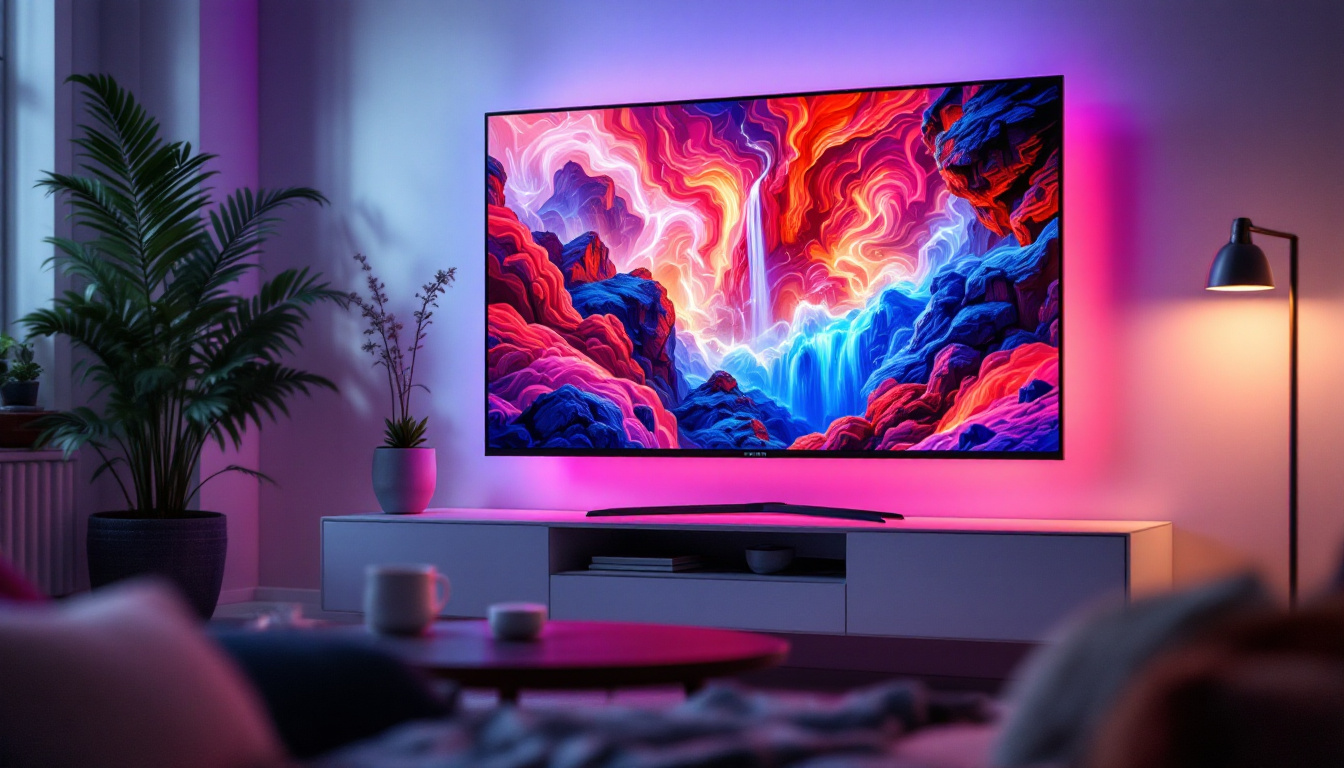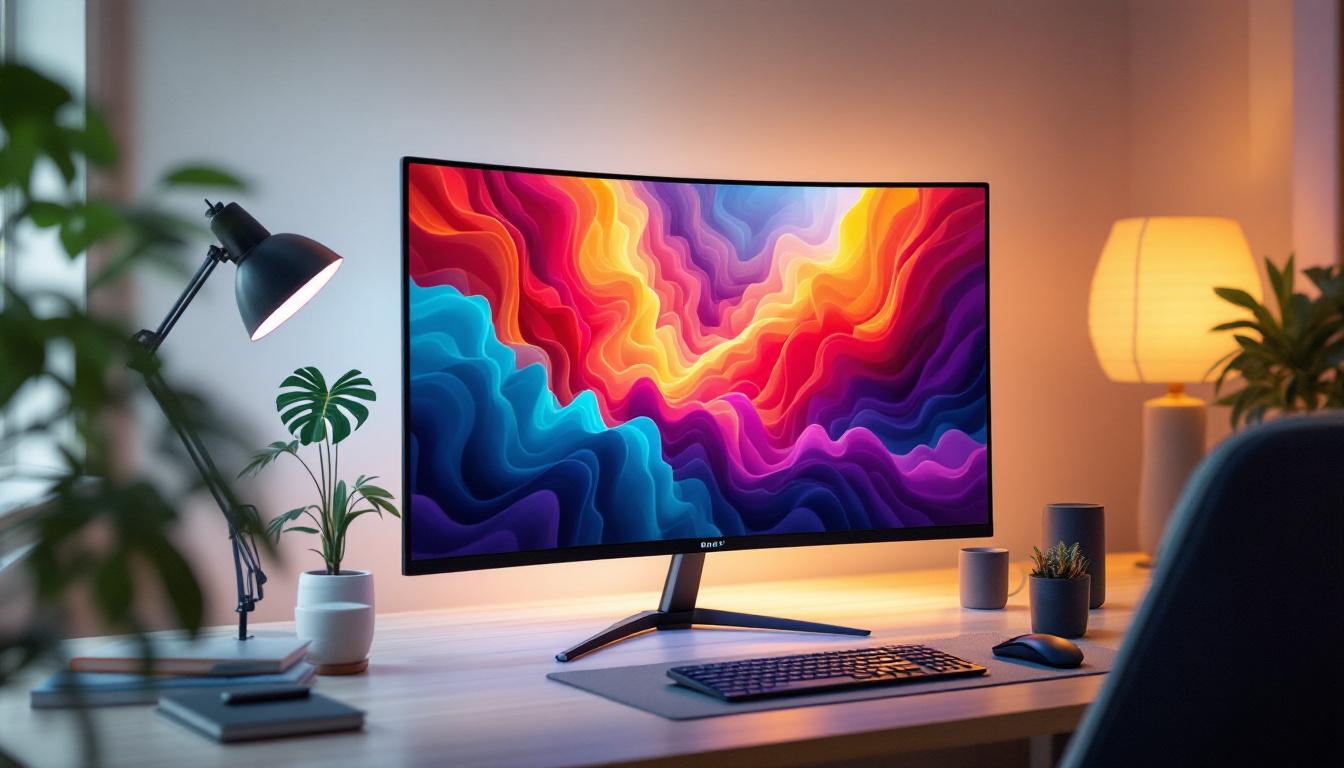
In recent years, the landscape of PC monitors has undergone significant transformations, driven by advances in display technology and evolving user demands. Among the most striking developments is the emergence of large-format monitors, including the 65-inch LED display. While traditionally reserved for televisions, 65-inch screens are now making their way into the realm of desktop computing, offering a unique blend of immersive visuals and productivity potential. This article explores the intricacies of 65-inch PC monitors with LED displays, highlighting their technology, advantages, challenges, and practical applications.
Understanding LED Display Technology
What is an LED Display?
LED, or Light Emitting Diode, displays have become the standard for modern screens, replacing older LCD and plasma technologies. An LED display is essentially an LCD screen that uses LEDs as its backlight source. These LEDs illuminate the liquid crystals, enabling the display to produce images with vibrant colors and sharp contrast.
There are two primary types of LED backlighting: edge-lit and full-array. Edge-lit LED displays position LEDs along the edges of the screen, allowing for thinner panels but sometimes compromising uniform brightness. Full-array LED displays place LEDs directly behind the screen in a grid pattern, enabling better local dimming and improved contrast ratios. This technology allows for more precise control over the brightness of individual areas of the screen, enhancing the viewing experience, especially in scenes with high dynamic range.
How LED Displays Differ from Other Technologies
Compared to older CCFL (Cold Cathode Fluorescent Lamp) backlit LCDs, LED displays consume less power, offer higher brightness, and provide a wider color gamut. When contrasted with OLED (Organic Light Emitting Diode) displays, LED screens generally have longer lifespans and are less susceptible to burn-in, although OLEDs excel in contrast and viewing angles. The longevity of LED technology makes it particularly appealing for commercial applications, where screens are often in use for extended periods.
For large-format PC monitors, LED technology strikes a balance between cost, durability, and image quality, making it the preferred choice for 65-inch displays. The scalability of LED backlighting also allows manufacturers to produce larger screens without significant compromises in performance. Additionally, advancements in LED technology have led to the development of mini-LED and micro-LED displays, which promise even greater improvements in color accuracy and energy efficiency. These innovations are paving the way for future applications in virtual reality and augmented reality, where display quality is paramount for an immersive experience.
Why Choose a 65-Inch PC Monitor?
The Appeal of Large Displays in Computing
Traditionally, PC monitors ranged between 21 to 32 inches, catering to most professional and gaming needs. However, larger displays like 65 inches offer a different experience altogether. The sheer size provides an expansive workspace, allowing users to multitask efficiently by displaying multiple windows side-by-side without the need for multiple monitors. This is particularly beneficial for professionals who rely on extensive data analysis, as they can view spreadsheets, presentations, and research materials simultaneously, enhancing productivity and reducing the time spent switching between tabs.
For creative professionals such as video editors, graphic designers, and CAD engineers, a 65-inch monitor can serve as a digital canvas, offering precise detail and ample screen real estate. The high resolution available in many 65-inch models ensures that every pixel is sharp, making it easier to spot imperfections in designs or edits. Gamers and entertainment enthusiasts also benefit from immersive visuals that rival home theater setups. With the ability to support high refresh rates and advanced color accuracy, these monitors can elevate the gaming experience, making it feel more lifelike and engaging. The larger screen also allows for a more cinematic experience when watching movies or streaming content, drawing viewers into the action like never before.
Comparing 65-Inch Monitors to Multi-Monitor Setups
Many users traditionally opt for dual or triple monitor setups to increase screen space. While effective, these configurations come with bezels interrupting the visual flow and require more desk space and cable management. A single 65-inch monitor eliminates bezel distractions and simplifies connectivity. Furthermore, the unified display allows for a more cohesive workflow, as users can seamlessly drag and drop applications or files across the vast screen without the interruption of physical barriers. This can significantly enhance the user experience, especially for those involved in tasks that require a high level of focus and organization.
However, the physical size of a 65-inch display demands adequate desk depth and viewing distance to avoid neck strain and eye fatigue. Ergonomic considerations become critical when integrating such a large monitor into a workspace. Users should consider adjustable monitor stands or wall mounts to achieve the optimal height and angle for viewing. Additionally, investing in blue light filtering technology can help reduce eye strain during extended use, making it easier to work or play for longer periods without discomfort. As the trend toward larger displays continues to grow, understanding how to set up and utilize a 65-inch monitor effectively becomes essential for maximizing its potential in both professional and recreational environments.
Key Features of 65-Inch LED PC Monitors
Resolution and Image Quality
Resolution is a pivotal factor in large monitors. A 65-inch screen with a low resolution can appear pixelated when viewed up close. For optimal clarity, 4K UHD (3840 x 2160 pixels) resolution is the standard for 65-inch PC monitors, delivering sharp images and crisp text.
Some models even offer 5K or 8K resolutions, though these are less common and come at a premium price. Higher resolutions enhance productivity by allowing more content to fit on the screen without scaling, which can be crucial for detailed work.
Refresh Rate and Response Time
While refresh rates above 60Hz are essential for smooth gaming experiences, many 65-inch monitors prioritize image quality and color accuracy over high refresh rates. Typical refresh rates range from 60Hz to 120Hz, with response times varying between 4ms to 8ms.
Gamers should look for models with higher refresh rates and lower response times to reduce motion blur and input lag. Conversely, professionals focused on color precision may prioritize features like wide color gamut and factory calibration.
Connectivity Options
Given the size and use cases, 65-inch monitors usually come equipped with multiple connectivity ports, including HDMI 2.1, DisplayPort 1.4, USB-C, and USB hubs. HDMI 2.1 supports higher bandwidth, enabling 4K at 120Hz or even 8K at 60Hz, making it future-proof for various applications.
USB-C ports facilitate single-cable connections for video, data, and power delivery, which is especially useful for laptop users seeking a clean setup. Additional features like built-in speakers, remote controls, and smart TV functionalities may also be included, blurring the line between monitors and televisions.
Practical Considerations for Using a 65-Inch PC Monitor
Workspace and Ergonomics
Integrating a 65-inch monitor into a typical desk setup requires careful planning. The ideal viewing distance for a 65-inch 4K display is approximately 5 to 8 feet to avoid eye strain and to appreciate the full resolution without excessive head movement.
Adjustable monitor stands or wall mounts can help position the screen at eye level, ensuring comfortable posture. Additionally, ambient lighting should be optimized to reduce glare and reflections, which can be more pronounced on larger screens.
Use Cases: Who Benefits Most?
Large-format monitors are well-suited for professionals in video production, 3D modeling, and software development, where multiple applications and toolbars need to be visible simultaneously. Financial analysts and traders can also take advantage of the expansive display for monitoring numerous data streams.
In the gaming community, while 65-inch monitors are less common due to space and cost constraints, they offer an unparalleled immersive experience for simulation and racing games. Home office users seeking an all-in-one entertainment and productivity solution may also find these monitors appealing.
Challenges and Limitations
Price and Availability
65-inch PC monitors with LED displays tend to be more expensive than standard-sized monitors, often ranging from $1,000 to $3,000 depending on features and brand. Availability can also be limited, as many manufacturers focus on televisions in this size category rather than dedicated PC monitors.
Consumers should carefully evaluate whether the investment aligns with their specific needs and workspace constraints.
Potential Drawbacks
One of the main challenges with 65-inch monitors is managing the physical size. Not all desks can accommodate such a large screen, and improper setup can lead to neck and eye strain. Additionally, some users may find the pixel density insufficient if the resolution is not high enough, resulting in less sharp images.
Another consideration is the input lag and color accuracy, which may not always meet the standards of professional-grade monitors, especially if the device is primarily designed as a television rather than a PC display.
Future Trends in Large-Format PC Monitors
Advancements in Display Technology
Emerging technologies like Mini-LED and Micro-LED promise to enhance brightness, contrast, and energy efficiency in large displays. These innovations could address some limitations of traditional LED backlighting, offering better local dimming and color fidelity.
Moreover, the integration of HDR (High Dynamic Range) standards is becoming more prevalent, enabling more vivid and lifelike images on 65-inch monitors.
Increasing Demand for Immersive Workspaces
As remote work and digital collaboration continue to rise, demand for expansive and versatile monitors is expected to grow. Large-format displays can facilitate multitasking and virtual meetings, making them valuable tools in modern work environments.
Manufacturers are likely to develop more ergonomic and user-friendly designs tailored specifically for PC use, bridging the gap between traditional monitors and smart TVs.
Conclusion
The 65-inch LED PC monitor represents a bold step in redefining desktop computing, blending the immersive qualities of large-screen TVs with the functionality required by professionals and enthusiasts. While not without challenges, these monitors offer unparalleled screen real estate, high resolution, and versatile connectivity options that can transform productivity and entertainment experiences.
Choosing a 65-inch monitor requires careful consideration of workspace, budget, and intended use. However, for those who can accommodate and leverage its capabilities, it offers a compelling alternative to traditional multi-monitor setups and smaller displays.
As technology continues to evolve, large-format LED monitors are poised to become an increasingly prominent feature in the future of computing.
Discover the Future of Visual Display with LumenMatrix
Ready to elevate your visual experience and transform your workspace or entertainment area with cutting-edge LED technology? LumenMatrix is at the forefront of LED display innovation, offering a wide array of solutions that cater to your every need. From immersive Indoor LED Wall Displays to dynamic Outdoor LED Wall Displays, and from versatile All-in-One LED Displays to stunning LED Transparent Displays, LumenMatrix has the perfect solution to bring your vision to life. Embrace the future of desktop computing and create impactful visual communications with LumenMatrix. Check out LumenMatrix LED Display Solutions today and see the difference for yourself.