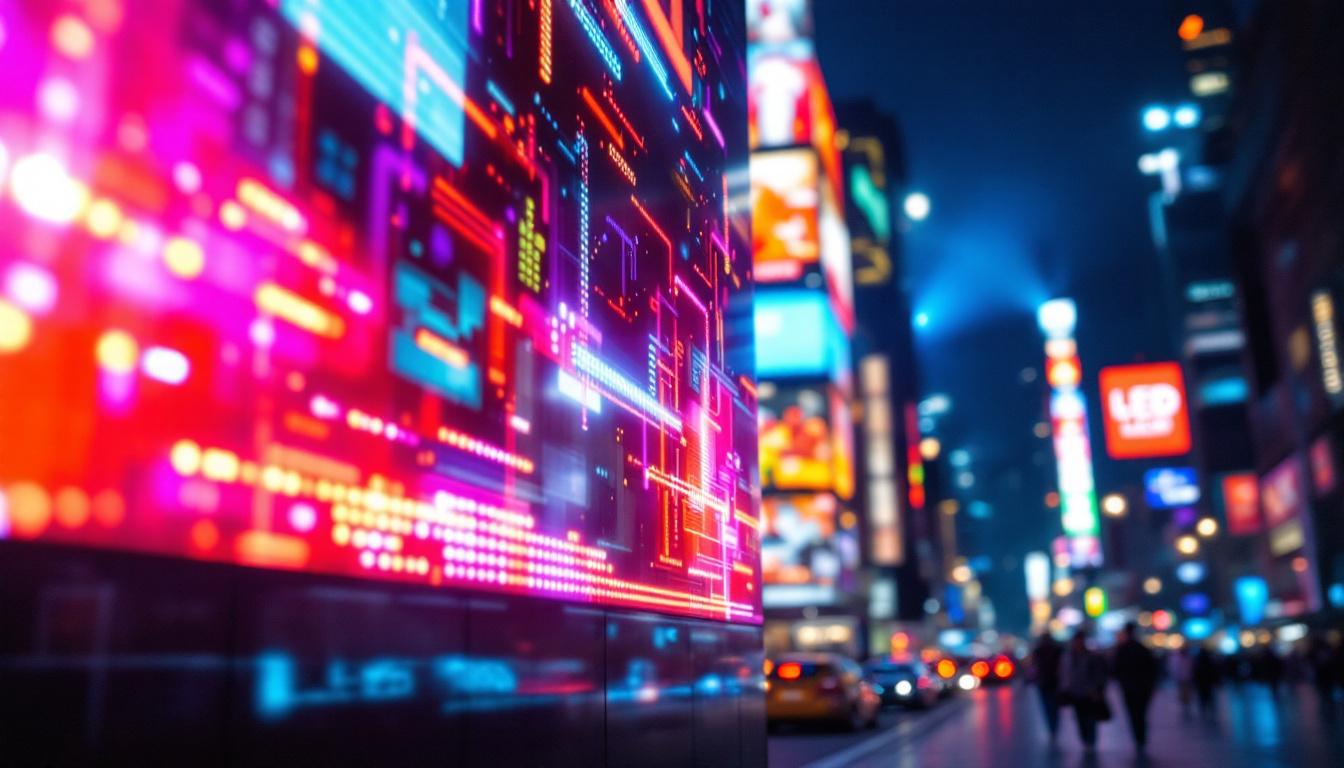
In today’s digital age, LED displays have become ubiquitous, from the smartphones in our pockets to massive billboards lighting up cityscapes. But what exactly does LED mean, and how do these displays work? This article delves into the meaning of LED, the technology behind LED displays, their applications, benefits, and future trends. Whether you’re a tech enthusiast, a business owner considering digital signage, or simply curious about the screens you encounter daily, this comprehensive guide will illuminate the world of LED displays.
What Does LED Mean?
LED stands for Light Emitting Diode. It is a semiconductor device that emits light when an electric current passes through it. Unlike traditional incandescent bulbs that produce light by heating a filament, LEDs generate light through electroluminescence, a process where electrons recombine with electron holes within the device, releasing energy in the form of photons.
The invention of the LED dates back to the early 1960s, with the first visible-spectrum LED developed in 1962 by Nick Holonyak Jr., often called the “father of the LED.” Since then, LED technology has evolved dramatically, becoming more efficient, brighter, and available in a wide spectrum of colors. Today, LEDs are not just limited to lighting; they have found applications in various fields, including automotive lighting, backlighting for screens, and even horticulture, where they are used to optimize plant growth by providing specific wavelengths of light.
How LEDs Work
At the heart of an LED is a chip of semiconducting material doped with impurities to create a p-n junction. When voltage is applied, electrons move across the junction and release energy as light. The color of the light depends on the materials used in the semiconductor and the energy band gap. For instance, using gallium nitride can produce blue light, while gallium phosphide can emit green light. This versatility in color production has made LEDs popular for decorative lighting and displays, allowing for vibrant and dynamic visual experiences.
Because LEDs emit light in a specific direction, they are more efficient than incandescent and fluorescent lights, which emit light and heat in all directions. This directional light emission is one reason why LEDs are ideal for display technologies. Furthermore, the compact size of LEDs allows for innovative designs in lighting fixtures, enabling slim profiles and unique shapes that were not possible with traditional bulbs. As a result, LEDs have transformed everything from architectural lighting to consumer electronics, paving the way for energy-efficient solutions in a wide range of applications.
Understanding LED Displays
LED displays are electronic visual displays that use light-emitting diodes as pixels to create images, videos, or text. These displays are widely used in various applications, from small indicator lights to large outdoor advertising screens.
Types of LED Displays
There are several types of LED displays, each suited for different purposes:
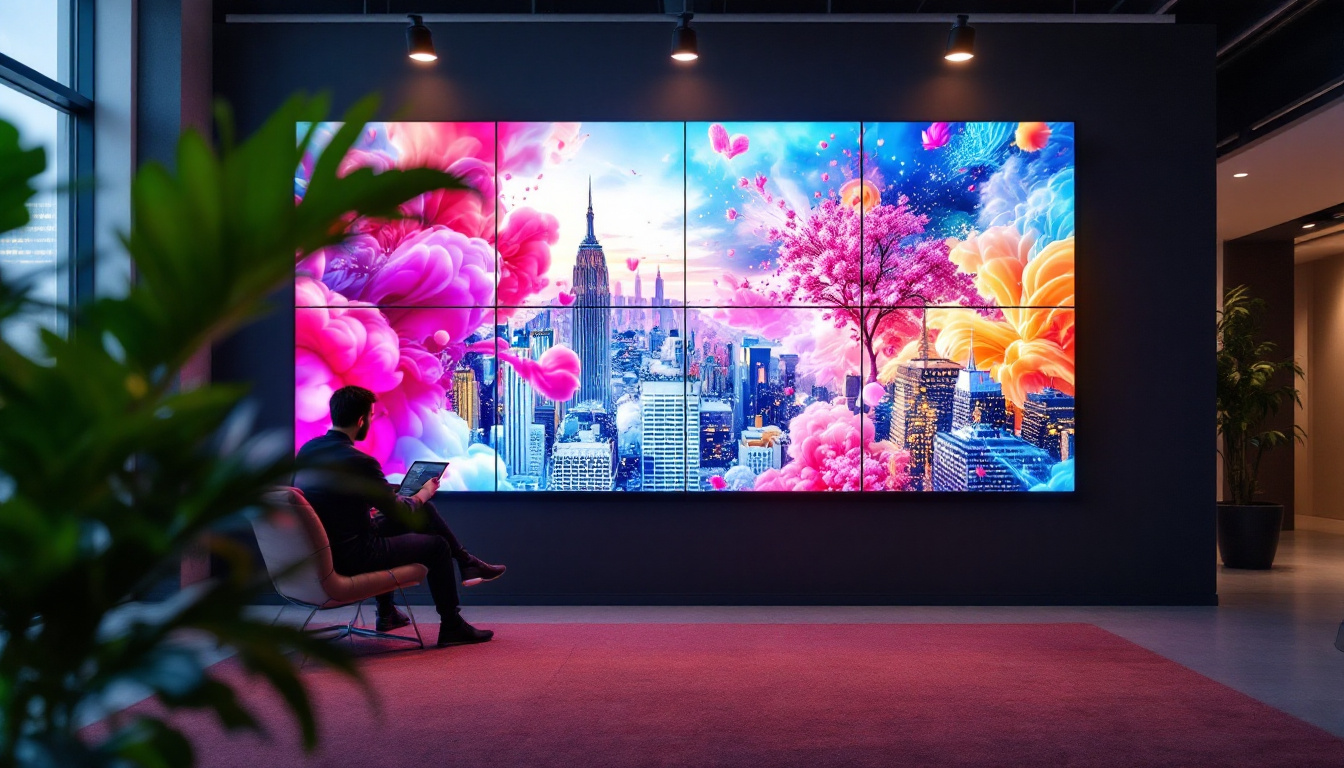
- Direct View LED Displays: These are composed of individual LEDs arranged in a matrix to form images. They are typically used for large-scale outdoor screens, stadium displays, and digital billboards.
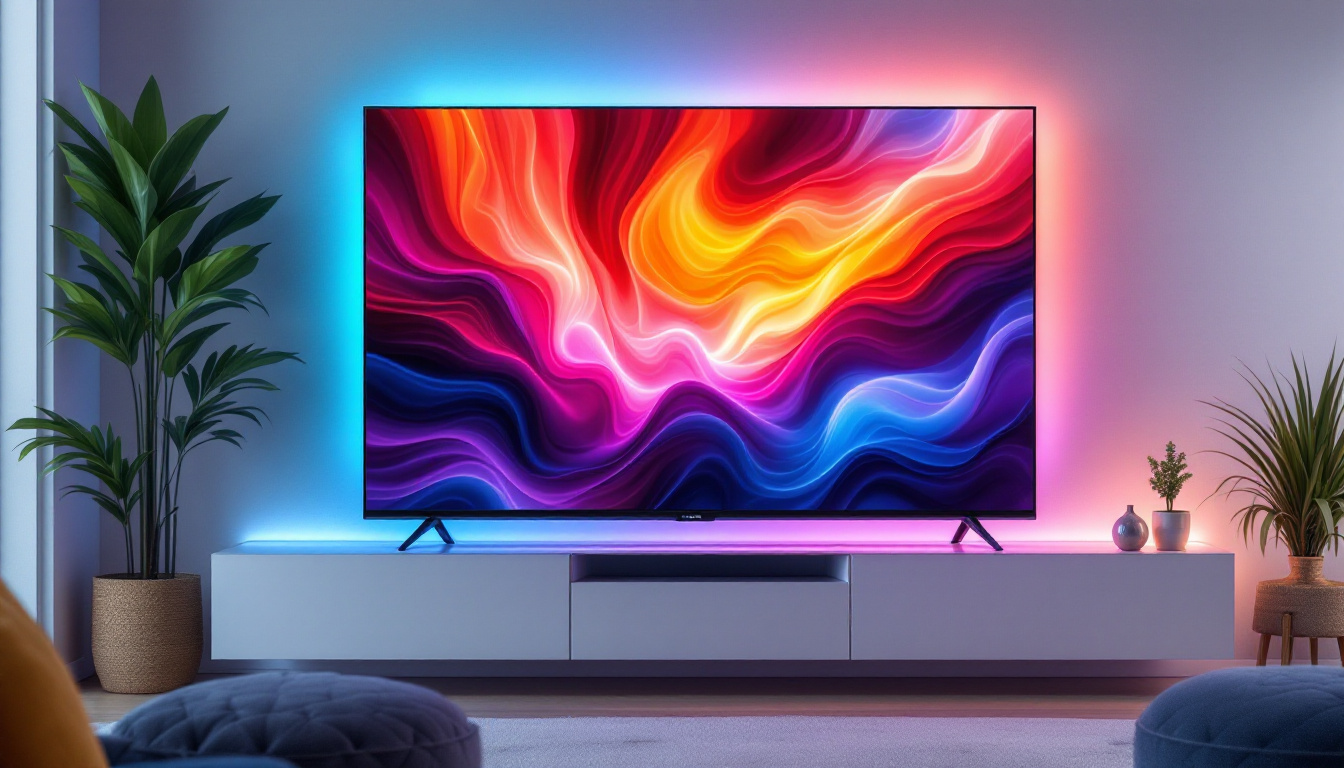
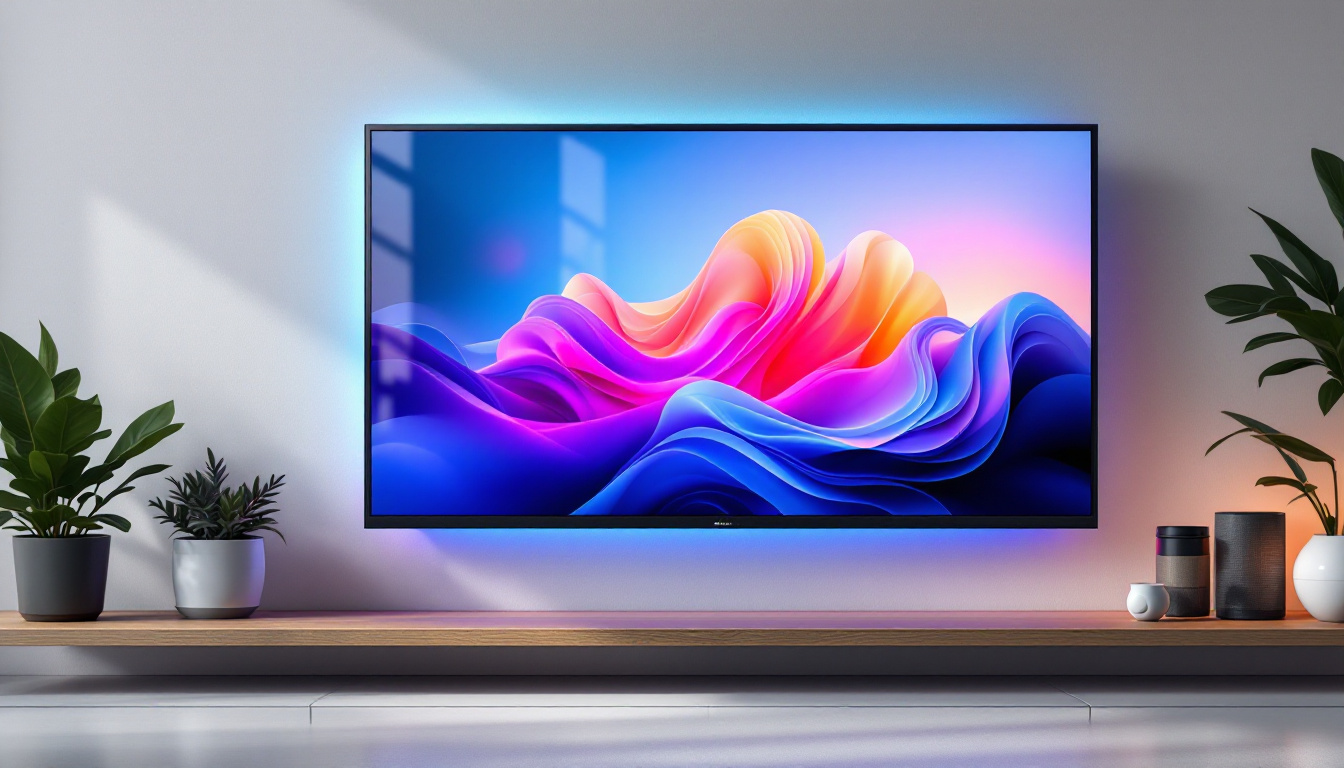
- LED-backlit LCD Displays: These combine liquid crystal display (LCD) technology with LED backlighting to improve brightness and color accuracy. This technology is common in televisions, monitors, and smartphones.
- OLED Displays: Organic LEDs use organic compounds that emit light when electricity is applied. OLEDs offer better contrast and flexibility but differ from traditional LEDs in structure and use.
For the purpose of this article, the focus will be on direct view LED displays, as they are most closely associated with the term “LED display.”
How Direct View LED Displays Work
Direct view LED displays consist of thousands to millions of tiny LEDs arranged in a grid. Each LED acts as a single pixel or part of a pixel. By controlling the brightness and color of each LED, the display can render images and videos with high brightness and contrast.
Modern LED displays often use red, green, and blue (RGB) LEDs grouped together to create full-color pixels. By adjusting the intensity of each color, a wide range of colors can be produced. This RGB approach enables vibrant and dynamic visuals, making LED displays ideal for advertising, entertainment, and information dissemination.
Applications of LED Displays
LED displays have transformed many industries due to their versatility, durability, and visual impact. Here are some of the most common applications:
Advertising and Digital Signage
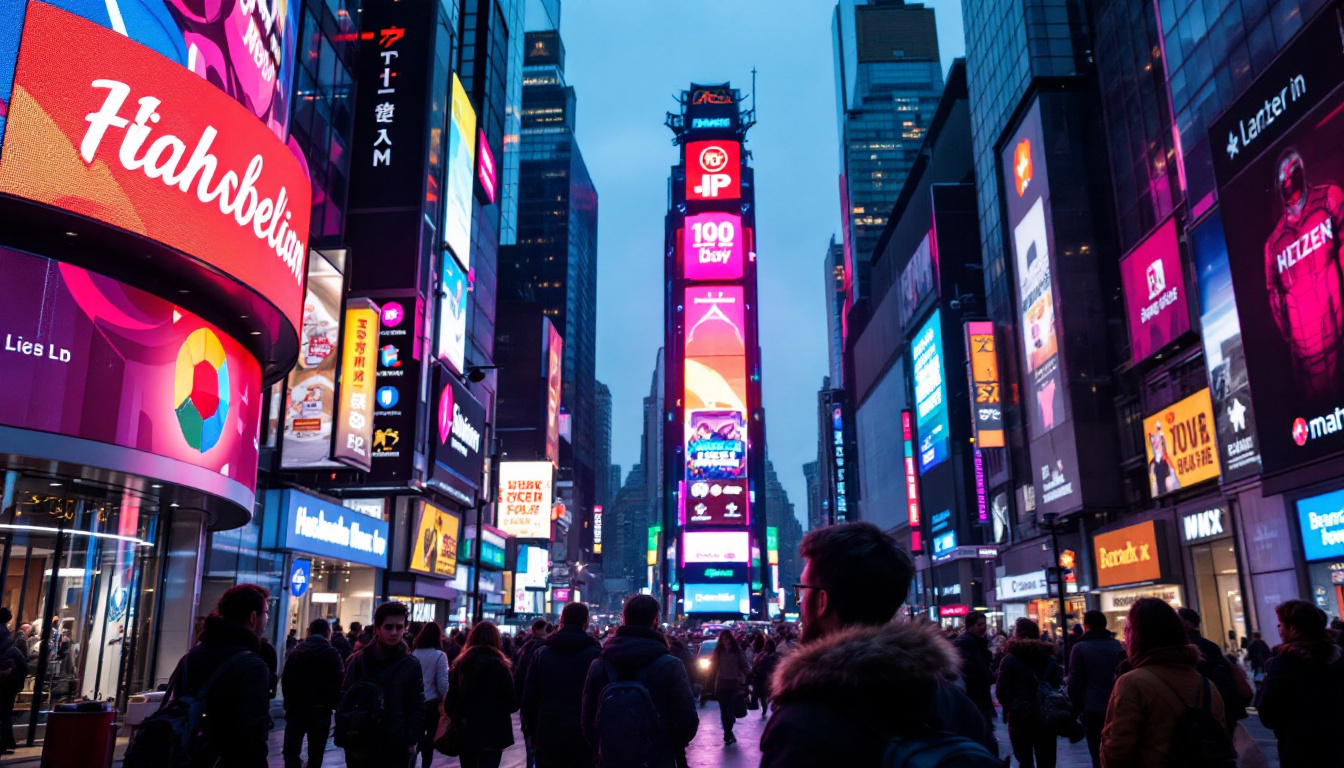
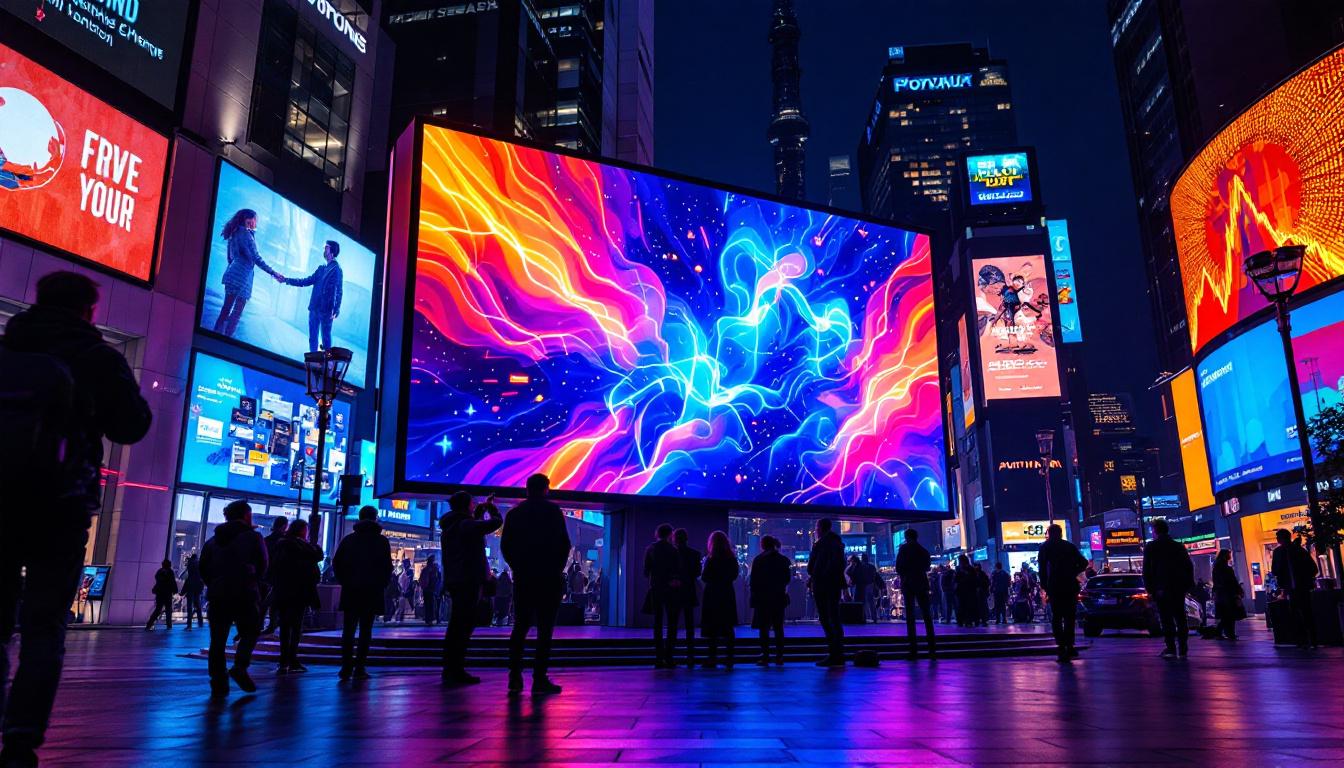
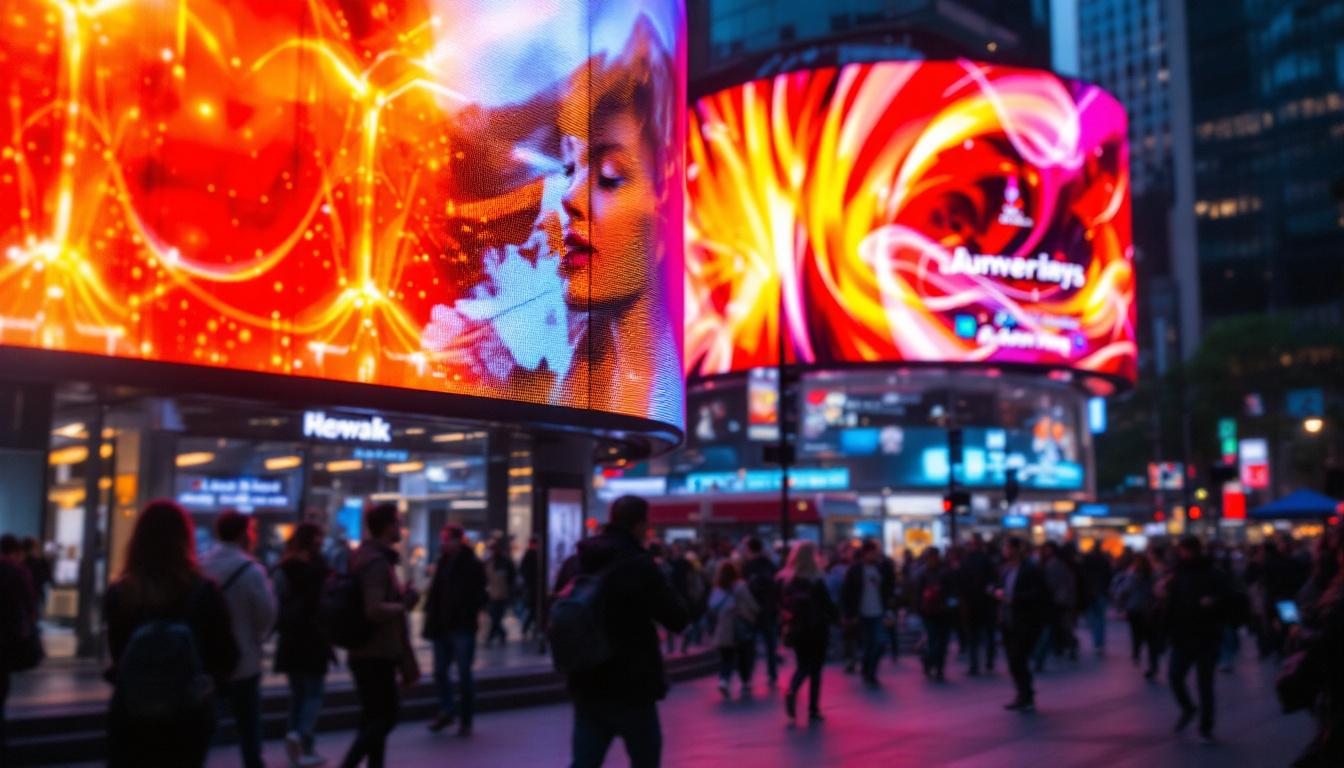
One of the most visible uses of LED displays is in outdoor advertising. LED billboards and signage offer bright, eye-catching visuals that can be updated in real-time. According to a 2023 report by Grand View Research, the global digital signage market is expected to reach $32.84 billion by 2030, with LED technology playing a significant role in this growth.
LED displays enable advertisers to deliver dynamic content, including animations and videos, which are more engaging than static signs. Additionally, their high brightness ensures visibility even in direct sunlight, making them ideal for outdoor environments.
Sports and Entertainment Venues
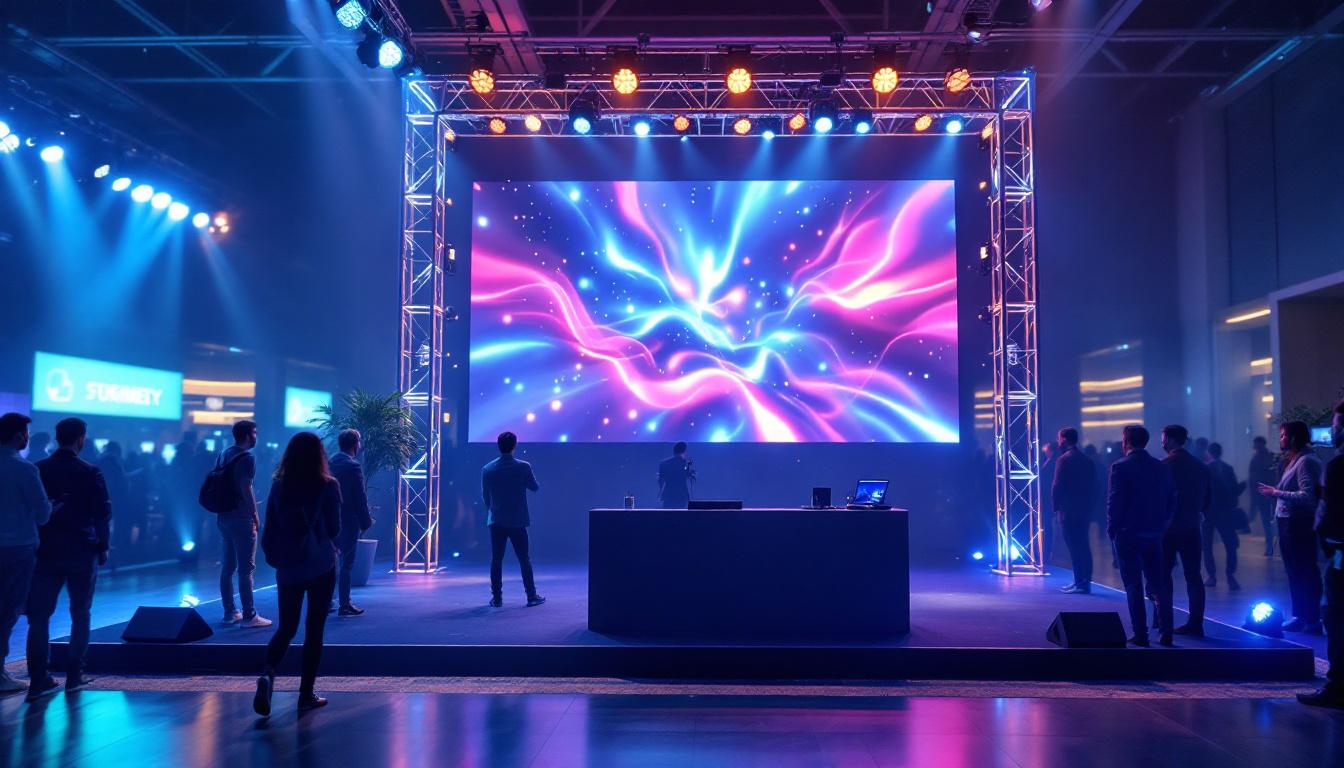
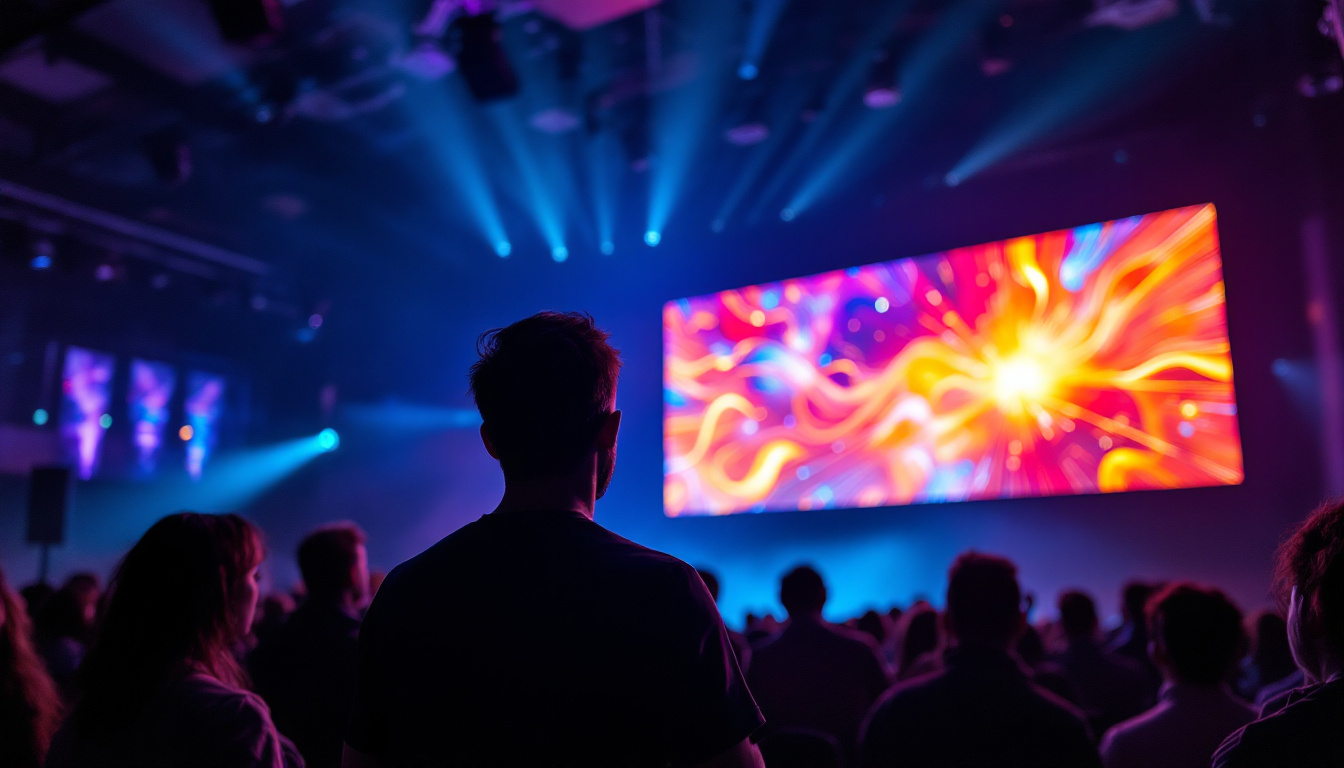
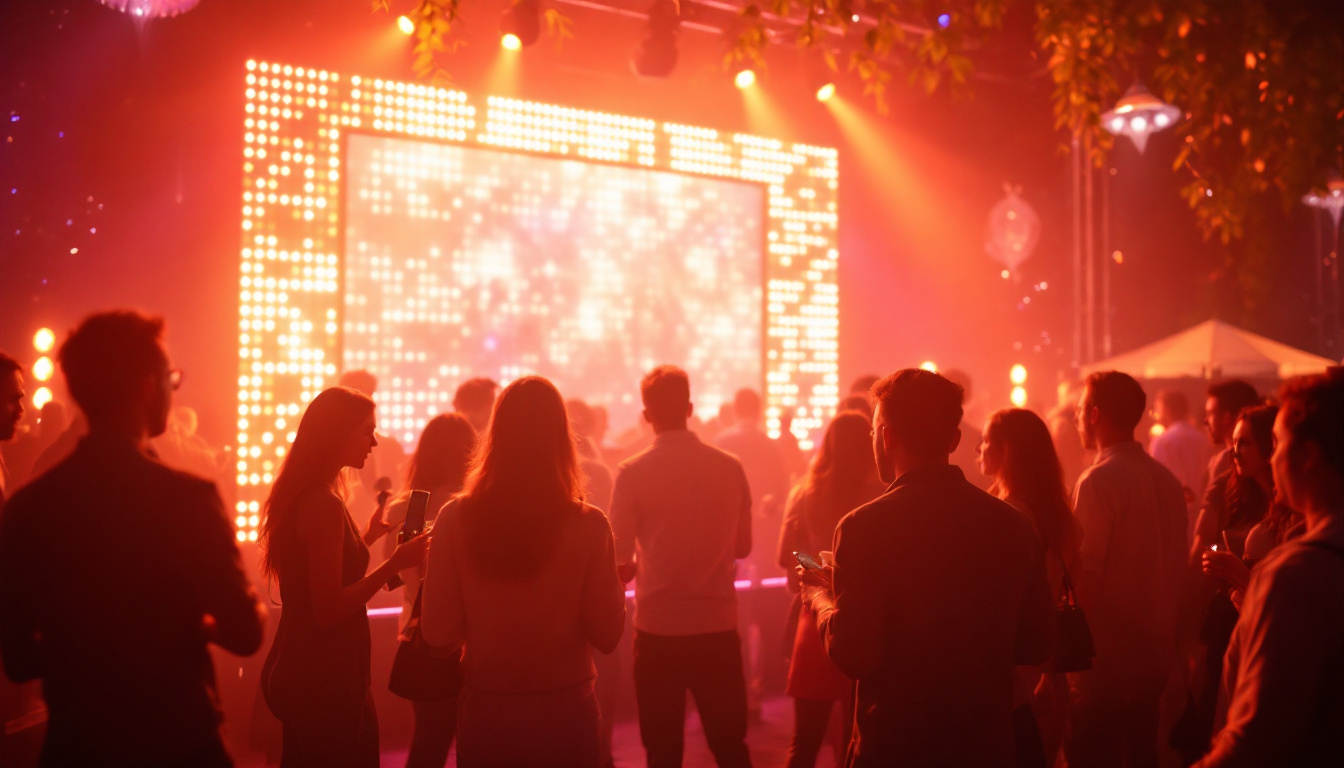
Stadiums and arenas use large LED screens to enhance the spectator experience. These displays show live action, replays, scores, and advertisements. The ability to produce ultra-high-definition images on massive screens helps keep audiences engaged and informed.
Retail and Hospitality
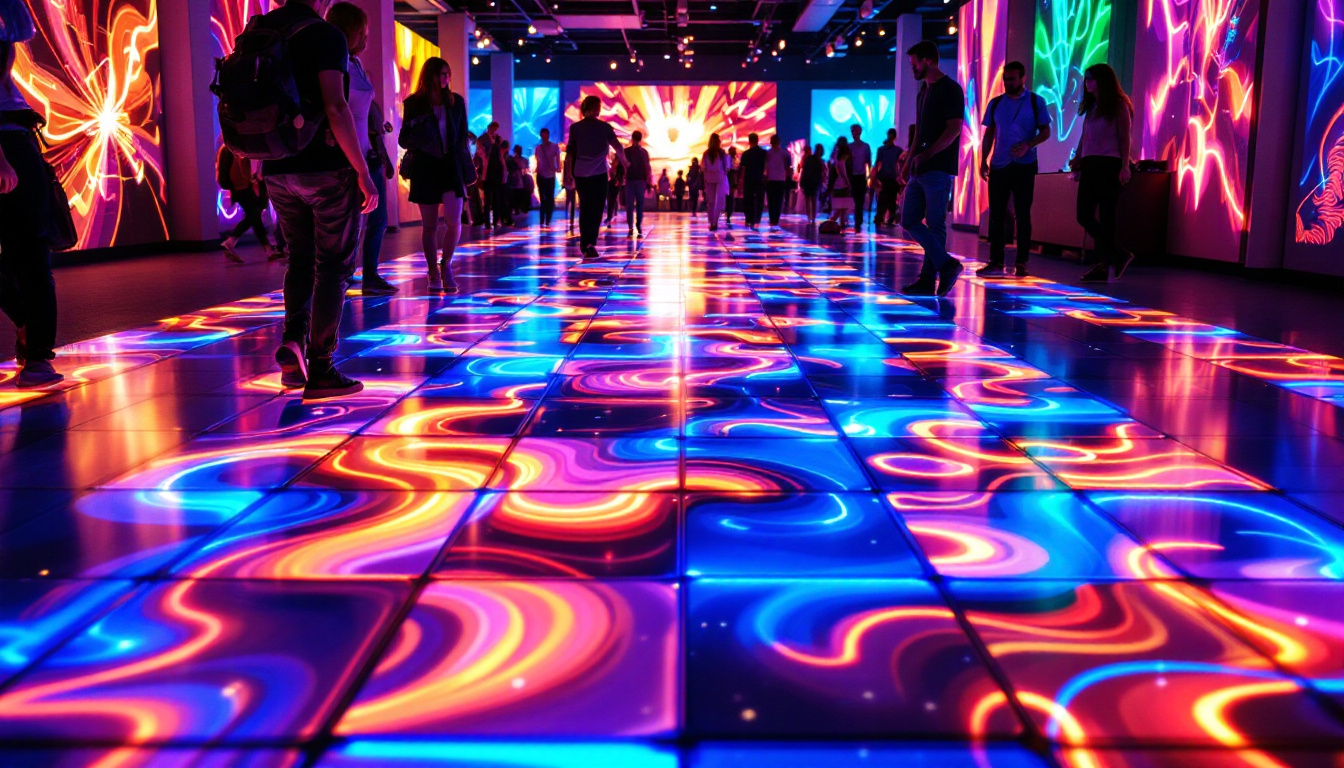
Retail stores and hotels utilize LED displays for promotional content, wayfinding, and ambiance creation. LED screens can be integrated into storefront windows or interior walls, offering flexibility in design and content delivery.
Transportation and Public Information
LED displays are common in airports, train stations, and bus terminals, providing real-time information such as schedules, alerts, and directions. Their reliability and clarity make them essential tools for managing passenger flow and safety.
Advantages of LED Displays
LED displays offer several benefits over traditional display technologies, which explain their widespread adoption:
Energy Efficiency
LEDs consume significantly less power than incandescent and fluorescent lighting. For example, LED displays use up to 75% less energy than traditional neon or fluorescent signs. This efficiency translates into lower operating costs and reduced environmental impact.
Brightness and Visibility
LED displays can achieve extremely high brightness levels, often exceeding 5,000 nits, which ensures visibility even in bright daylight. This capability is crucial for outdoor applications where ambient light can diminish screen clarity.
Longevity and Durability
LEDs have a long operational life, typically around 50,000 to 100,000 hours, which reduces maintenance needs. Additionally, LED displays are robust and resistant to shock and vibration, making them suitable for harsh environments.
Flexibility and Scalability
LED modules can be assembled in various sizes and shapes, from small indoor panels to massive outdoor walls. This modularity allows for customized solutions tailored to specific spaces and requirements.
Color Accuracy and Contrast
With precise control over individual LEDs, these displays deliver vibrant colors and deep blacks, enhancing image quality. This feature is especially important for applications requiring high visual fidelity, such as broadcasting and digital art installations.
Considerations When Choosing an LED Display
While LED displays offer many advantages, selecting the right display involves careful consideration of several factors:
Pixel Pitch
Pixel pitch refers to the distance between the centers of adjacent LEDs. Smaller pixel pitches mean higher resolution and better image clarity, especially at close viewing distances. For indoor displays, pixel pitches can be as low as 0.9mm, while outdoor displays typically range from 4mm to 20mm or more.
Viewing Distance
The optimal pixel pitch depends on the typical viewing distance. For example, a large outdoor billboard viewed from hundreds of feet away can have a larger pixel pitch without compromising image quality, while indoor displays require finer resolution.
Brightness and Environment
Outdoor displays must have high brightness and weatherproofing to withstand sunlight, rain, and temperature variations. Indoor displays can prioritize color accuracy and contrast over extreme brightness.
Content Management
Modern LED displays often come with sophisticated content management systems (CMS) that allow remote control, scheduling, and customization of content. Businesses should consider the ease of use and integration capabilities of these systems.
Future Trends in LED Display Technology
The LED display industry continues to innovate, driven by demand for better performance and new applications. Some key trends include:
MicroLED Technology
MicroLEDs are tiny LEDs that offer even higher resolution and brightness with lower power consumption. Unlike OLEDs, MicroLEDs do not suffer from burn-in and have longer lifespans. This technology is poised to revolutionize displays in smartphones, TVs, and augmented reality devices.
Flexible and Transparent LED Displays
Advancements in materials have enabled the development of flexible LED panels that can curve or bend, opening new possibilities for creative installations and wearable technology. Transparent LED displays allow screens to be placed on glass surfaces without obstructing the view, ideal for retail windows and automotive applications.
Integration with IoT and AI
Smart LED displays integrated with Internet of Things (IoT) devices and artificial intelligence (AI) can deliver personalized content, optimize energy use, and enhance interactivity. For example, digital signage can adapt messages based on audience demographics or environmental conditions.
Conclusion
LED, meaning Light Emitting Diode, is a foundational technology that has transformed how visual information is displayed across industries. LED displays combine efficiency, brightness, durability, and versatility to deliver compelling visual experiences in advertising, entertainment, retail, and public information.
Understanding the principles behind LED displays, their types, applications, and advantages helps businesses and consumers make informed decisions about their use. As technology advances, LED displays will continue to evolve, offering new possibilities for communication and creativity in the digital world.
Whether it’s the vibrant billboard lighting up a city street or the crisp screen of a smartphone, LED technology is at the heart of modern visual communication, truly illuminating the meaning of light in the digital era.
Illuminate Your Space with LumenMatrix
Ready to bring the transformative power of LED technology into your space? LumenMatrix is at the forefront of LED innovation, offering a diverse range of LED display solutions tailored to meet your unique needs. From captivating Indoor and Outdoor LED Wall Displays to dynamic Vehicle and Sports LED Displays, our mission is to revolutionize your visual communication. Experience the pinnacle of brand visibility and audience engagement with our Custom, All-in-One, and Transparent LED Displays. Don’t just share your message—make it resonate with clarity and impact. Check out LumenMatrix LED Display Solutions today and light up your world with unparalleled visual experiences.