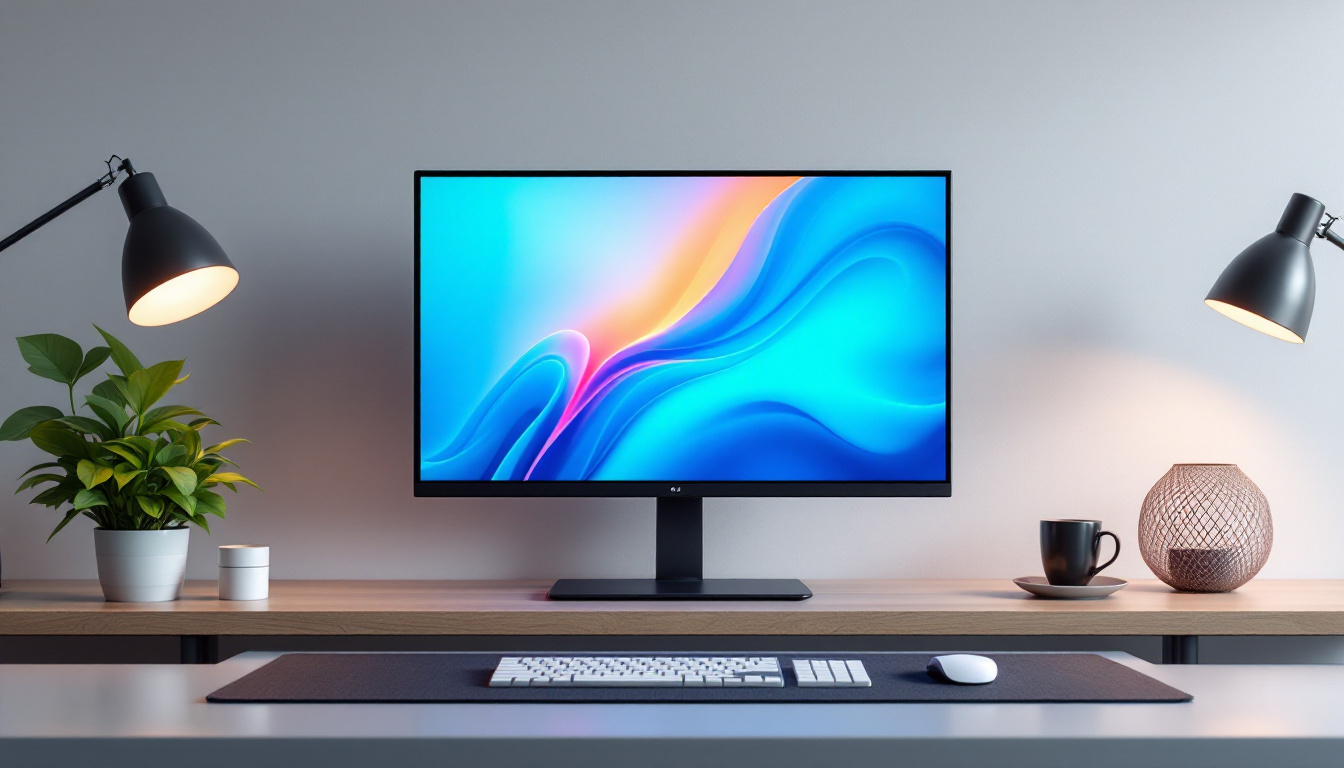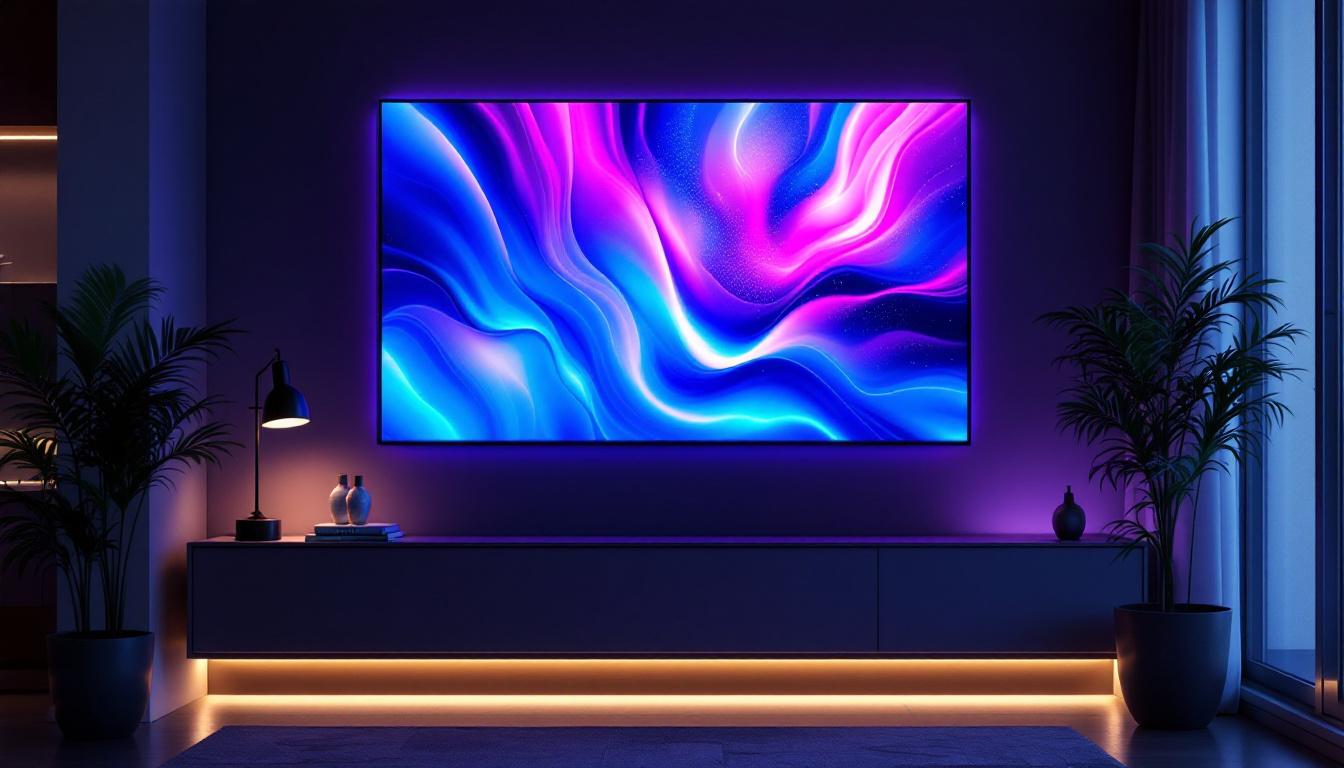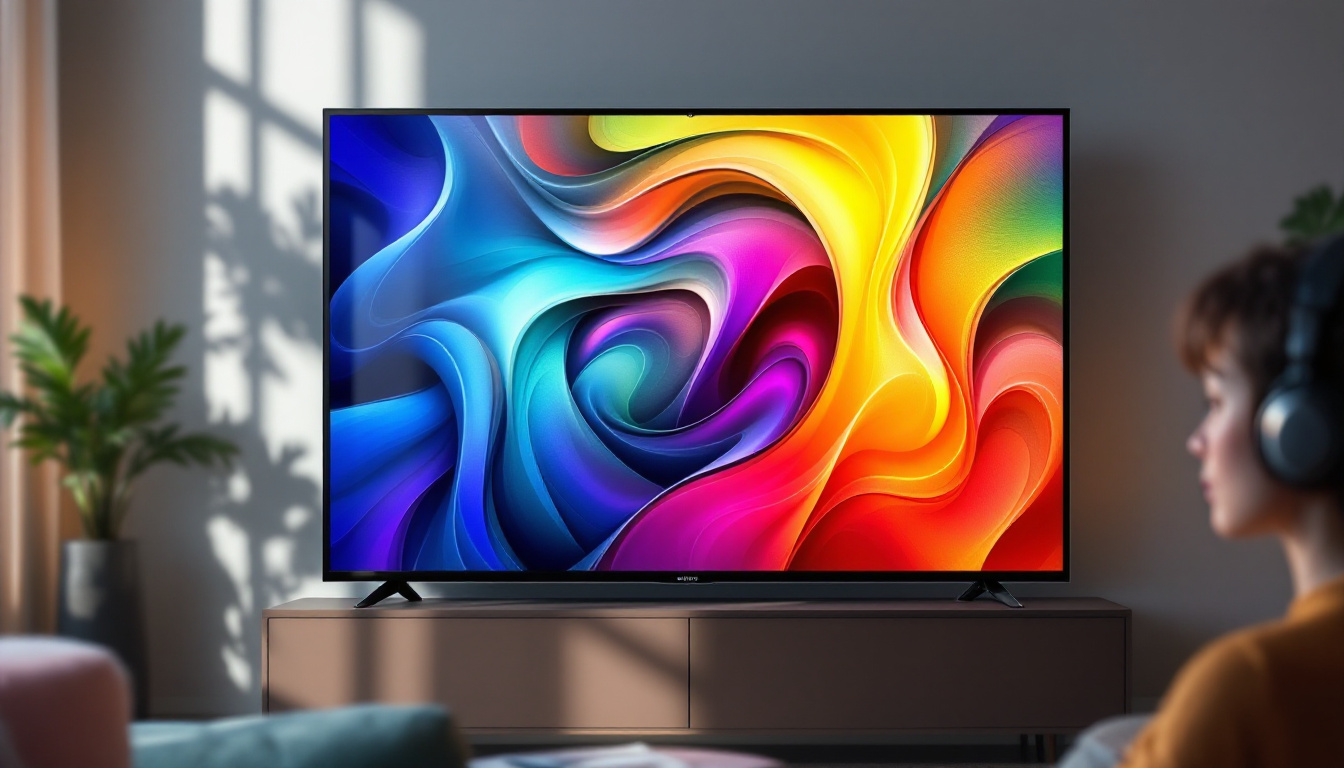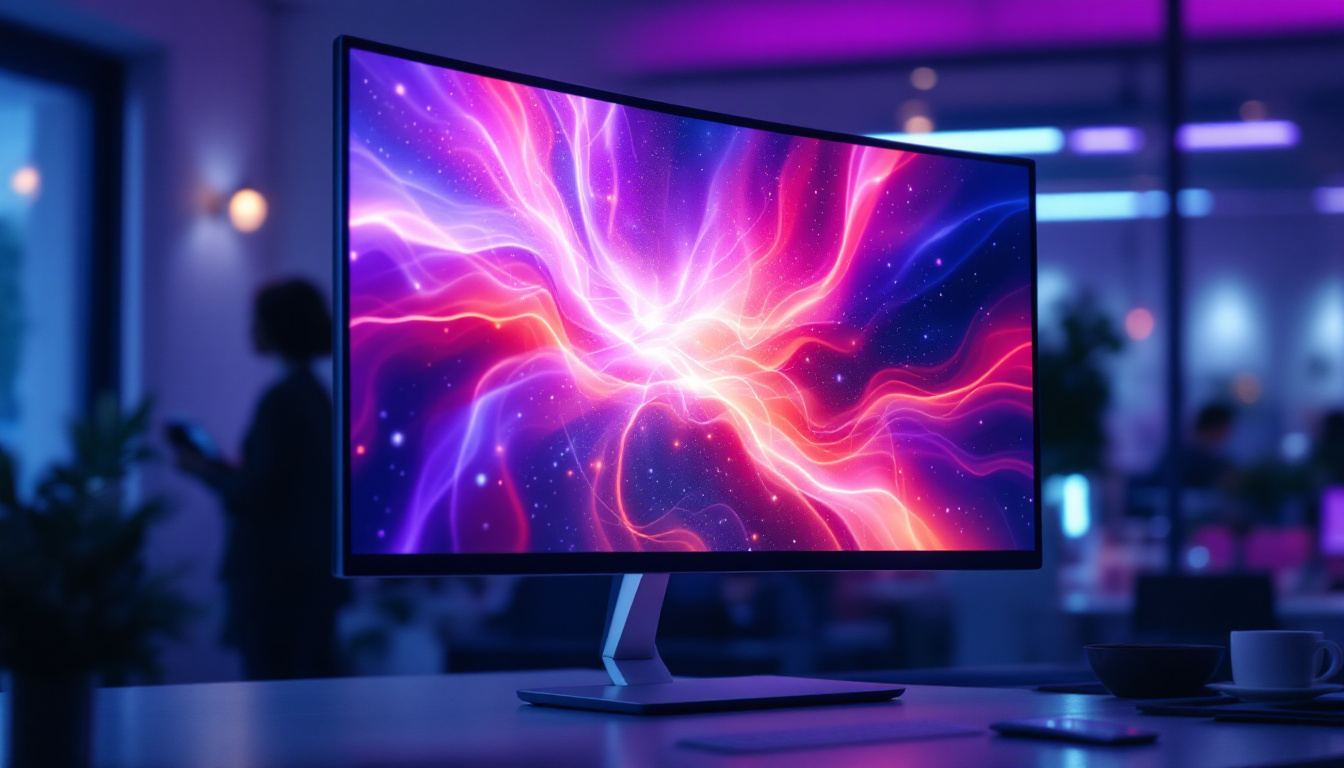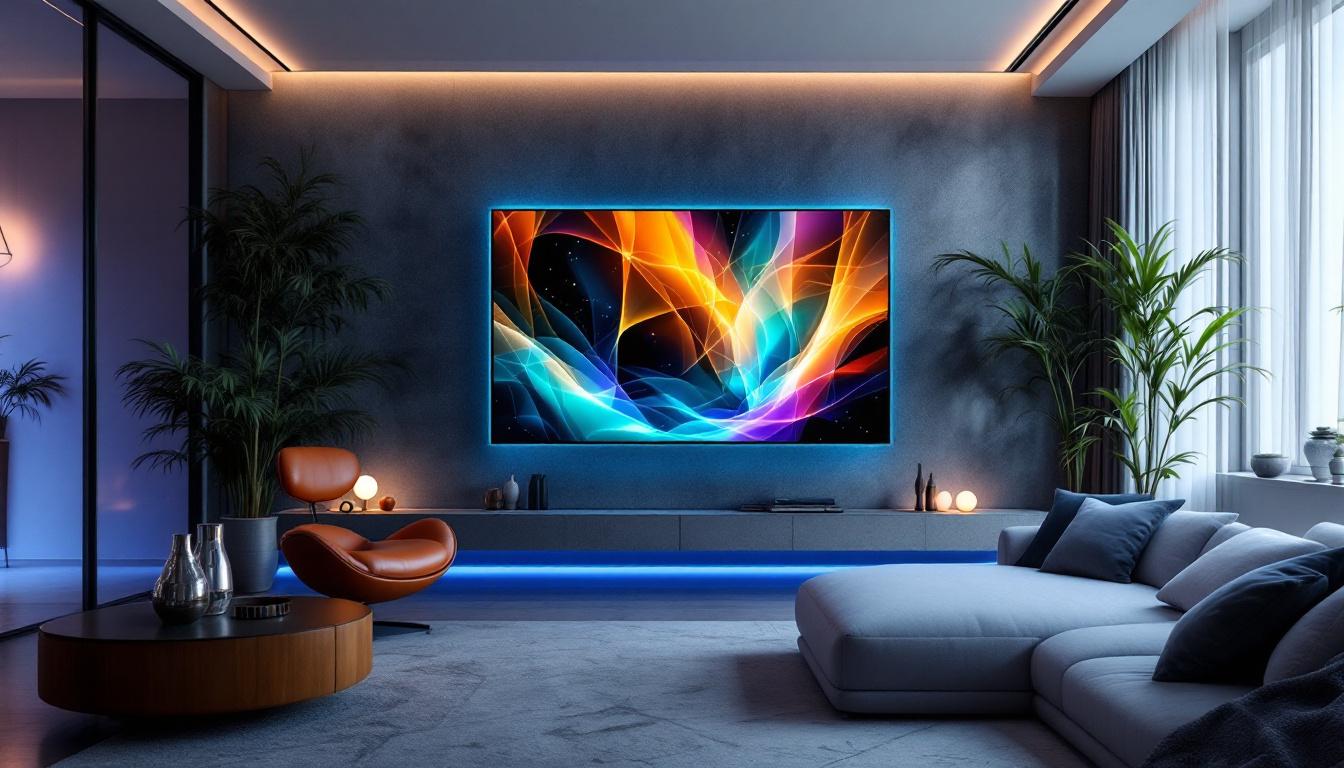
In recent years, home entertainment has evolved dramatically, with technology pushing the boundaries of how we experience television. One of the most innovative trends gaining popularity is the integration of TVs directly into walls, often utilizing LED display technology. This approach not only enhances the aesthetic appeal of living spaces but also offers superior picture quality and customization options. This article explores the concept of “TV in wall” installations with a focus on LED displays, explaining their technology, benefits, installation considerations, and why they are becoming a preferred choice for modern homes.
Understanding LED Display Technology
What is an LED Display?
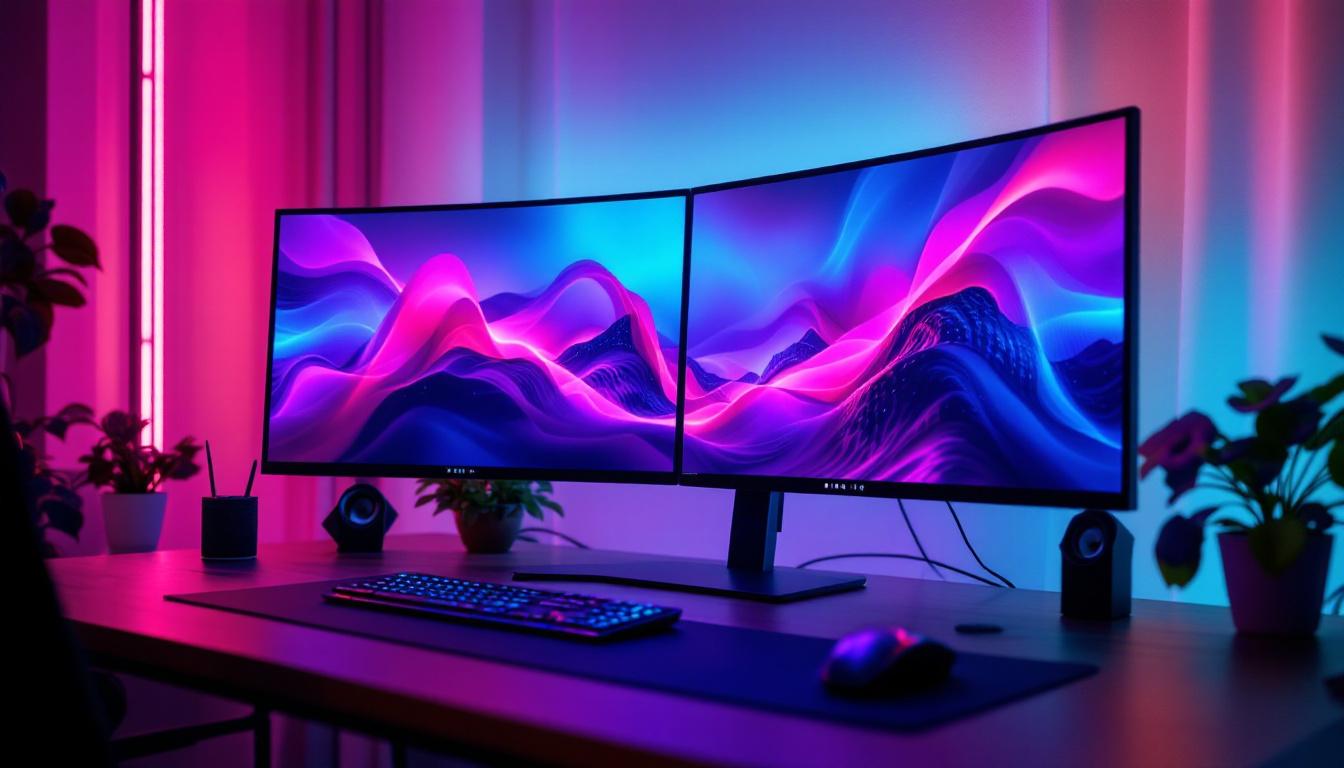
LED stands for Light Emitting Diode, a semiconductor device that emits light when an electric current passes through it. LED displays use thousands or millions of these tiny diodes arranged in a matrix to create images. Unlike traditional LCD screens that rely on backlighting, LED displays produce their own light, resulting in brighter images, deeper blacks, and better contrast.
LED technology is widely used in various display formats, including TVs, monitors, billboards, and smartphones. In the context of TVs, LED displays often refer to two main types: direct LED and OLED (Organic LED). While OLED is a distinct technology with organic compounds that emit light, the term LED TV usually refers to LCD TVs with LED backlighting. However, true LED wall displays use direct-view LED panels, which differ from conventional LED-backlit LCDs.
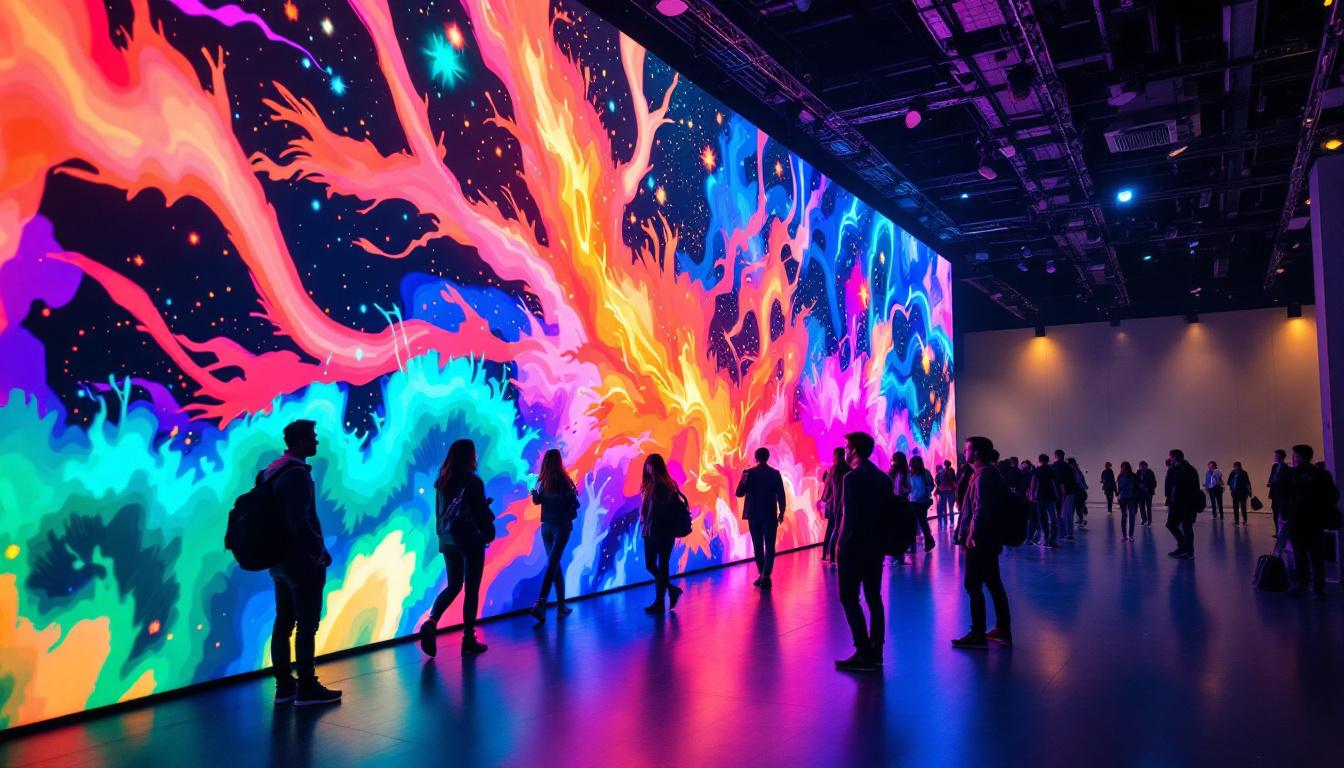
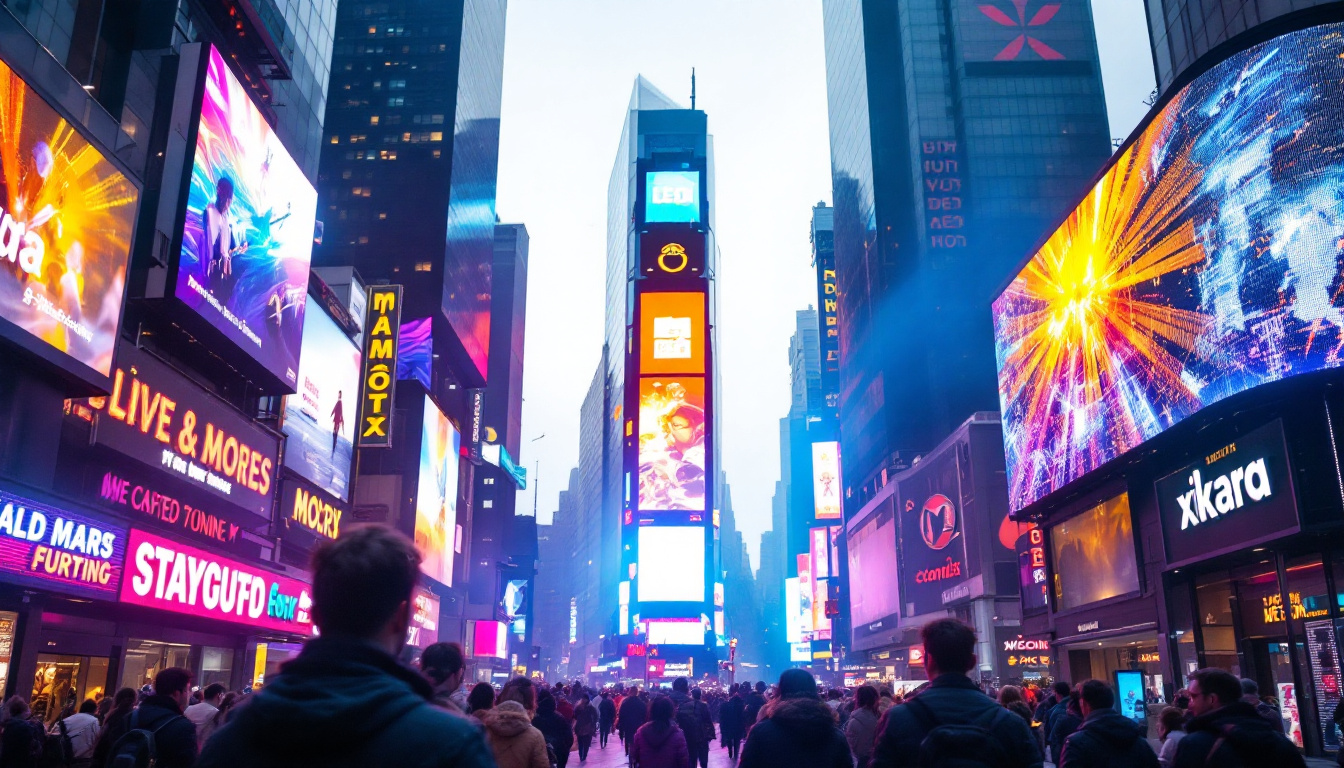
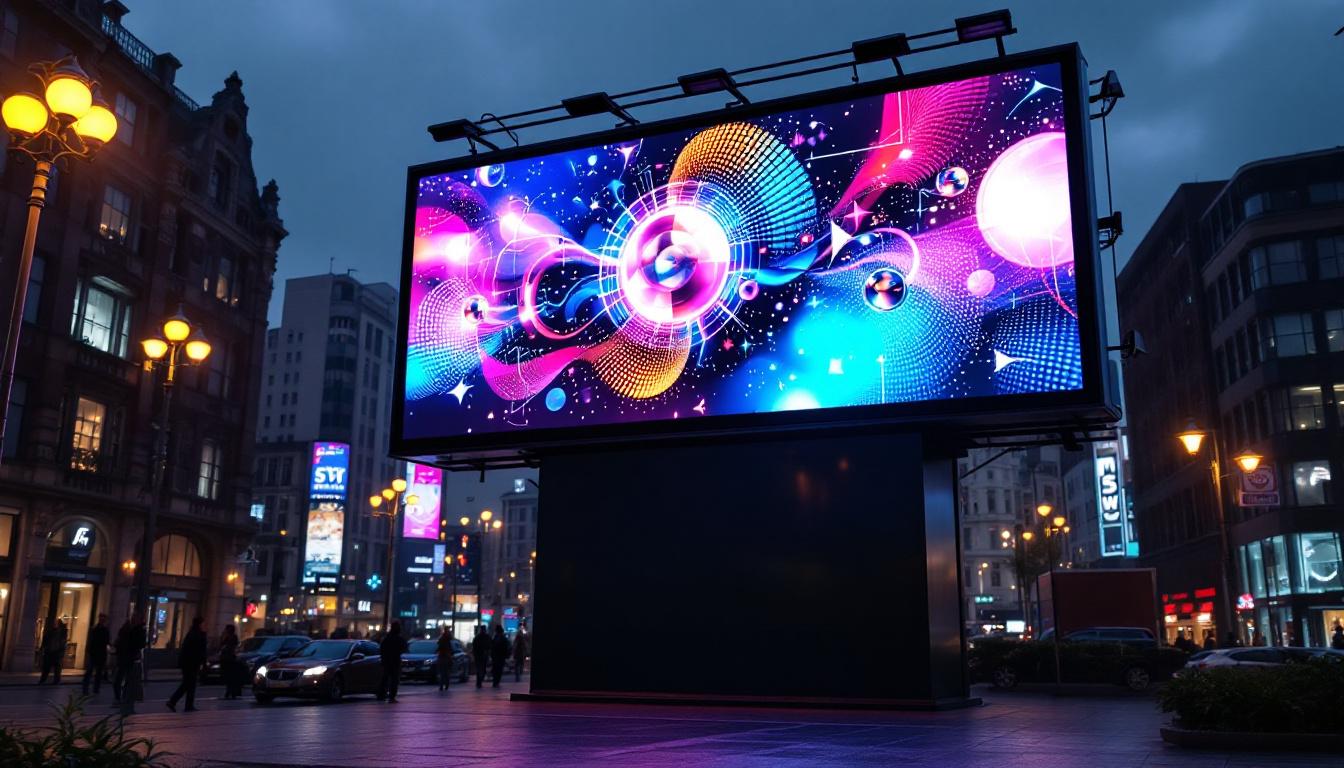
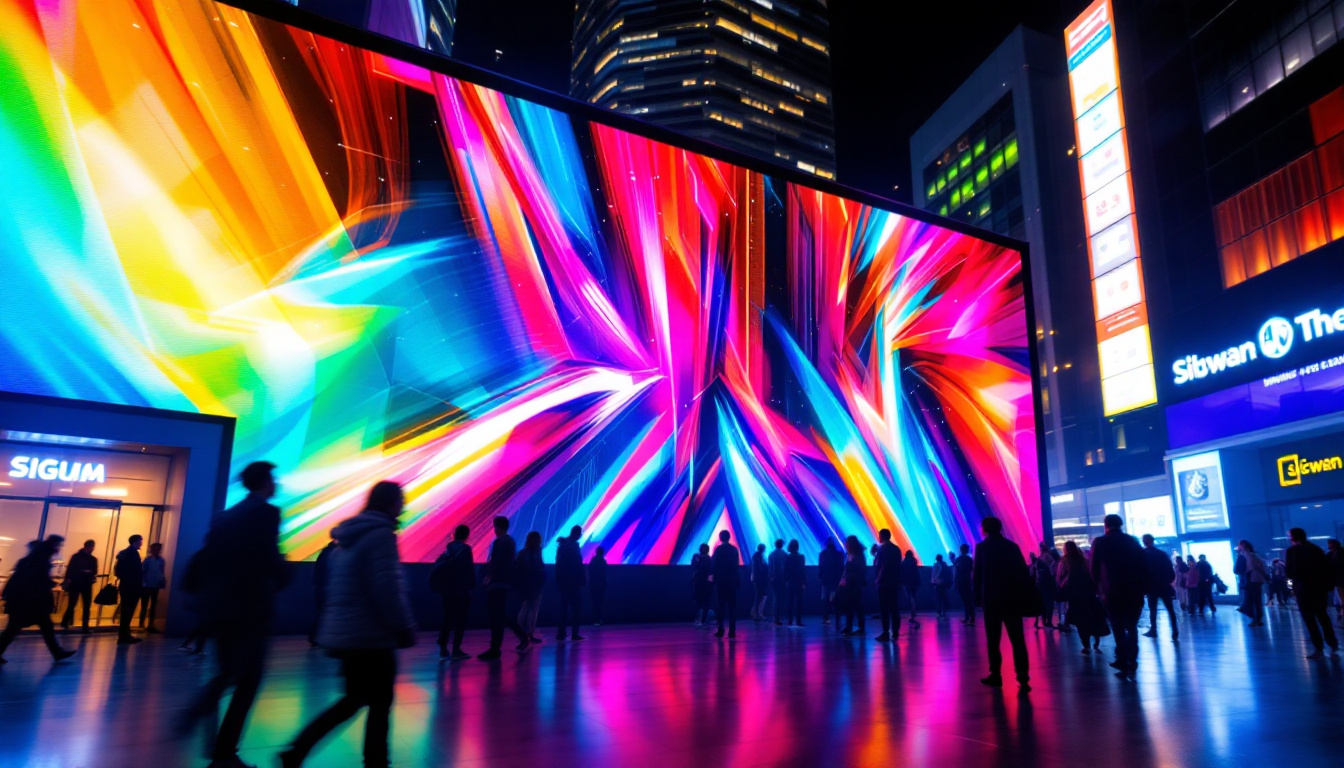
The versatility of LED displays extends beyond just consumer electronics; they are also pivotal in commercial applications. For instance, in retail environments, vibrant LED displays attract customers and enhance the shopping experience by showcasing products in stunning detail. Additionally, in the entertainment industry, LED screens are utilized in concerts and events to create immersive experiences that captivate audiences with dynamic visuals and vivid colors. This adaptability makes LED technology a preferred choice across various sectors.
Direct-View LED vs. LED-Backlit LCD TVs
It’s important to distinguish between direct-view LED displays and LED-backlit LCD TVs. Most consumer LED TVs on the market are actually LCD panels illuminated by LEDs placed behind or on the edges of the screen. This method improves brightness and energy efficiency compared to older CCFL backlighting but does not offer the same level of contrast or viewing angles as direct-view LED displays.
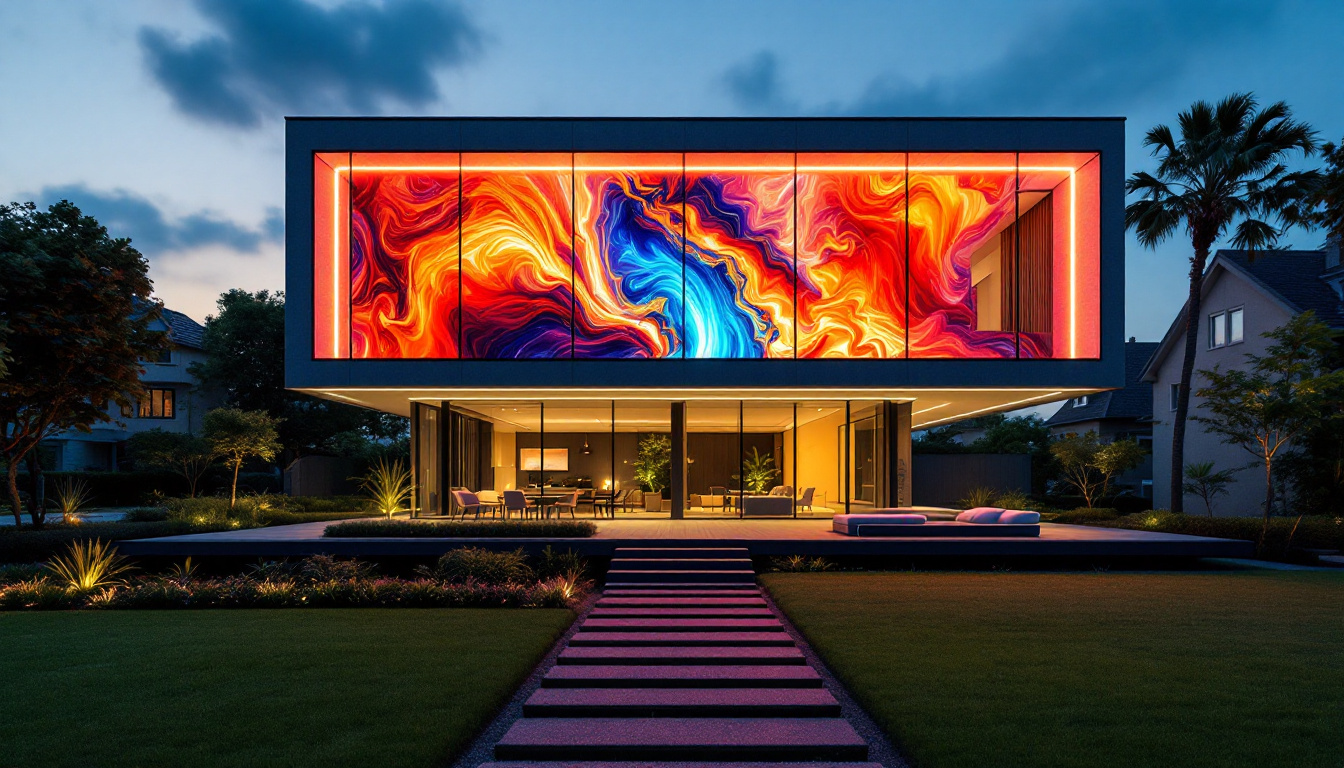
Direct-view LED displays consist of individual LEDs that emit light directly to form the image. These are the types of displays used in large-scale video walls, stadium screens, and increasingly, in high-end residential “TV in wall” installations. They provide superior color accuracy, contrast, and can be built in custom sizes and shapes, making them ideal for seamless wall integration.
Moreover, the technology behind direct-view LED displays has advanced significantly, allowing for finer pixel pitches, which means that the distance between individual pixels has decreased. This results in higher resolution images that are crisp and clear, even when viewed up close. As a result, direct-view LED displays are becoming increasingly popular for applications that require high-definition visuals, such as digital signage in airports and corporate environments, where clarity and detail are paramount. The ongoing evolution of LED technology continues to push the boundaries of what is possible in display design and functionality.
Why Choose a TV In Wall with LED Display?
Seamless Aesthetic Integration
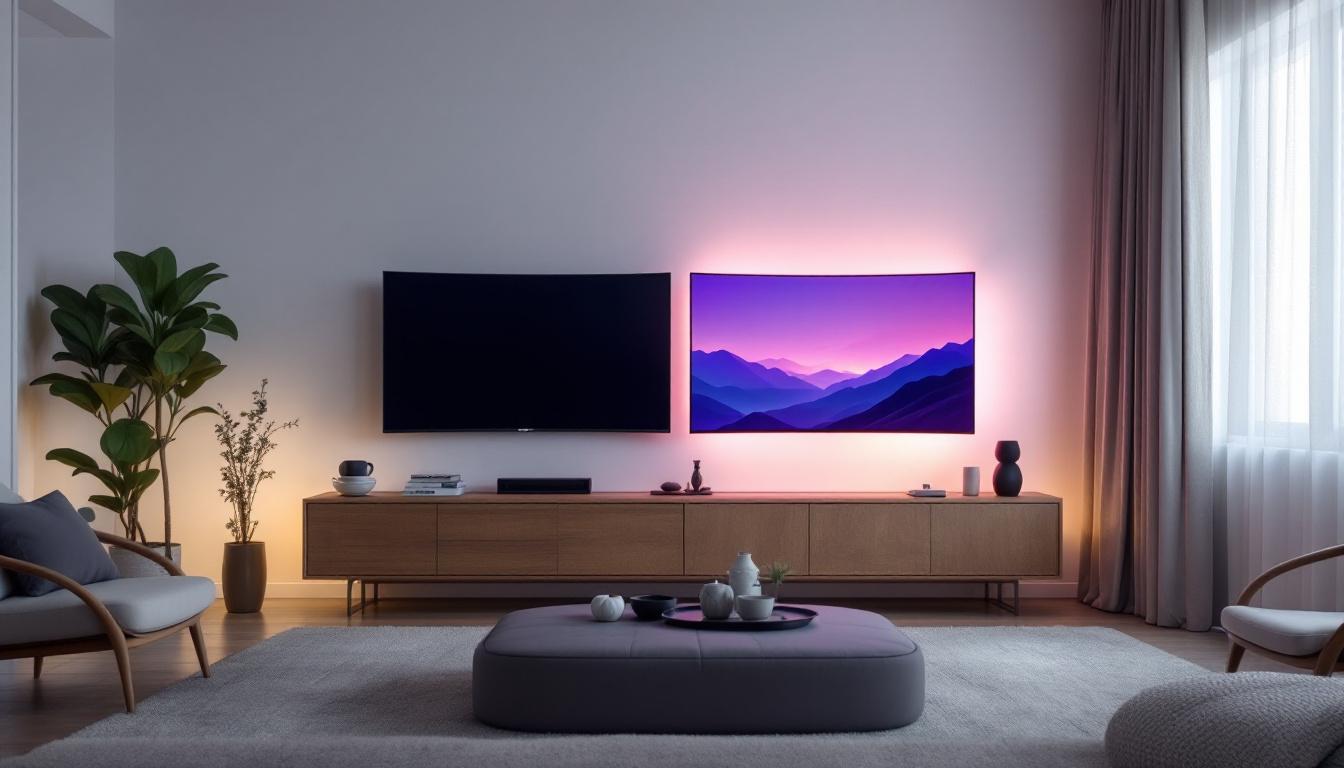
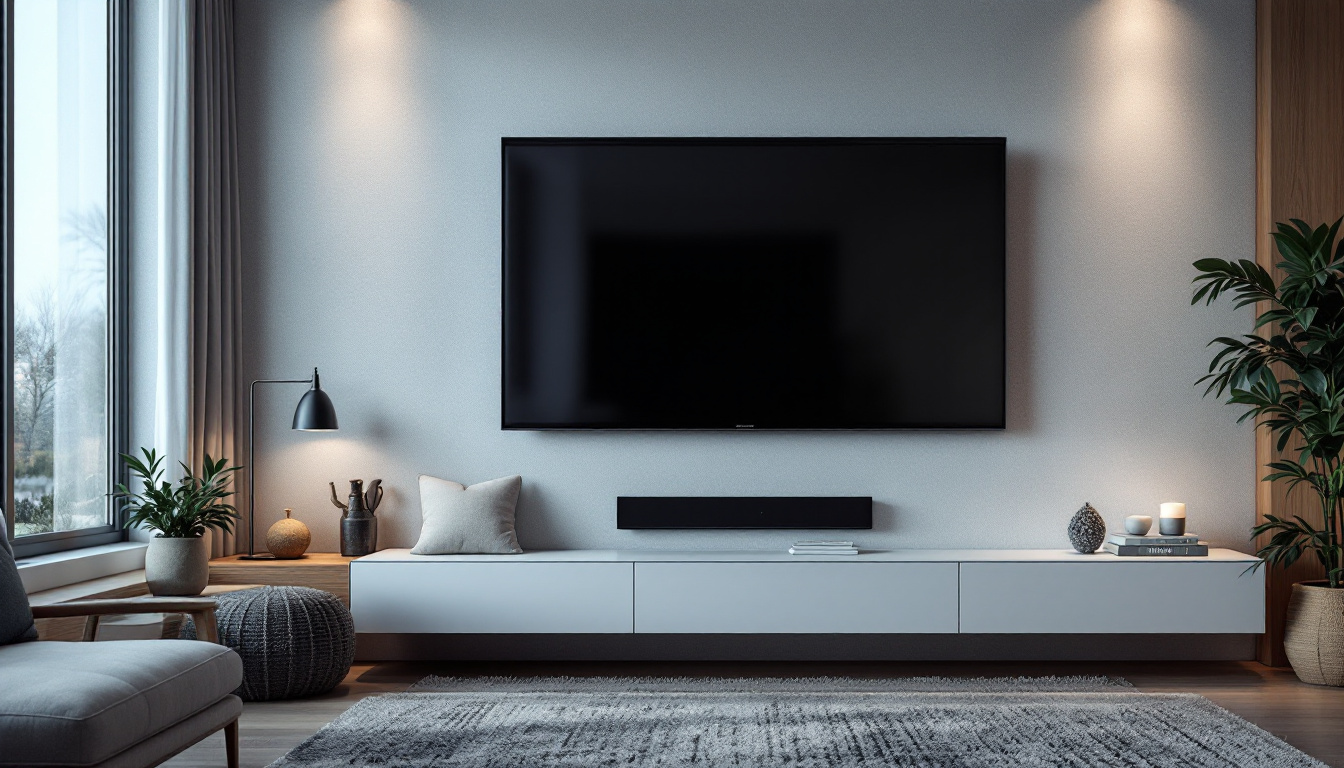
One of the primary reasons homeowners opt for TVs embedded in walls is the seamless look it provides. Traditional TVs often require bulky stands or wall mounts that protrude from the surface, disrupting the flow of interior design. An LED display integrated into the wall creates a flush, minimalist appearance that blends effortlessly with modern décor.
Architectural firms and interior designers increasingly recommend built-in LED TVs for luxury homes and commercial spaces. These installations can be customized to fit exact dimensions, allowing the screen to become a natural extension of the wall. When not in use, some LED panels can even display artwork or mimic the wall’s texture, enhancing the room’s ambiance.
Superior Picture Quality
Direct-view LED displays offer exceptional picture quality, with vibrant colors, high brightness levels, and true blacks. Unlike traditional LCD TVs, which use liquid crystals to block or allow light through, LED displays emit light from each pixel, enabling precise control over brightness and color on a per-pixel basis.
This results in a viewing experience that is more immersive, especially in well-lit environments. For example, LED wall TVs maintain clarity and contrast even in rooms with large windows or strong ambient light. This makes them ideal for living rooms, home theaters, and commercial spaces where lighting conditions vary.
Customization and Scalability
LED displays can be manufactured in virtually any size and shape, offering unparalleled flexibility. This is a significant advantage over traditional TVs, which come in fixed sizes. Whether it’s a massive home theater wall or a sleek, narrow display integrated into a hallway, LED panels can be tailored to fit the space perfectly.
Additionally, LED technology supports modular designs. This means smaller LED panels can be combined seamlessly to create larger screens without visible bezels, often referred to as “video walls.” This scalability allows homeowners to create unique viewing experiences that suit their specific needs and preferences.
Installation Considerations for In-Wall LED TVs
Structural and Electrical Requirements
Installing an LED TV within a wall requires careful planning to ensure the structure can support the display and associated hardware. Walls must be reinforced to hold the weight of the LED panels, which can be heavier than traditional TVs, especially for larger installations.
Furthermore, proper ventilation is crucial. LED displays generate heat during operation, and inadequate airflow can reduce lifespan and performance. Installation typically involves creating ventilation channels or integrating cooling systems to maintain optimal temperatures.
Electrical wiring must also be planned meticulously. Power outlets, cable management systems, and connections for audio and video inputs should be concealed within the wall to preserve the clean aesthetic. Professional electricians and AV specialists are often required to handle these technical aspects.
Viewing Distance and Screen Size
Choosing the right screen size and placement is essential for an optimal viewing experience. The ideal screen size depends on the room dimensions and typical viewing distance. For example, a 75-inch LED display is suitable for a living room where viewers sit approximately 8 to 10 feet away.
Because LED wall TVs can be custom-sized, homeowners have more freedom to select dimensions that match their space perfectly. However, it’s important to avoid overly large displays that dominate the room or too small screens that strain the eyes. Consulting with AV professionals can help determine the best size and placement.
Cost and Maintenance
In-wall LED TV installations tend to be more expensive than traditional setups due to the complexity of construction, customization, and the premium nature of direct-view LED panels. Prices vary widely depending on size, resolution, and additional features like smart capabilities or integrated sound systems.
Maintenance is another consideration. While LED displays are generally durable, repairs can be more complicated when the screen is embedded in a wall. Accessibility for servicing should be factored into the design, with removable panels or access points included to facilitate future maintenance.
Current Trends and Future Outlook
Advancements in LED Technology
The LED display market continues to evolve rapidly. Recent innovations include microLED technology, which uses microscopic LEDs to create displays with even higher brightness, contrast, and energy efficiency. MicroLEDs also offer longer lifespans and better color accuracy than traditional LEDs or OLEDs.
As microLED manufacturing becomes more affordable, it is expected to revolutionize in-wall TV installations by providing ultra-thin, flexible panels that can conform to curved or irregular surfaces. This will open new possibilities for integrating displays into architectural elements beyond flat walls.
Smart Home Integration
Modern LED wall TVs increasingly come equipped with smart features, allowing seamless integration with home automation systems. Voice control, streaming apps, and connectivity with other smart devices enhance user convenience and functionality.
In-wall installations benefit from this trend by enabling centralized control of entertainment systems, lighting, and climate, all accessible through a single interface. This convergence of technologies supports the growing demand for intelligent, connected living environments.
Environmental Considerations
Energy efficiency is a crucial factor in choosing display technology. LED displays consume less power than traditional plasma or LCD TVs with CCFL backlighting, reducing electricity bills and environmental impact. Advances in LED efficiency continue to lower energy consumption without compromising performance.
Moreover, many manufacturers are adopting sustainable production practices and recyclable materials, aligning with increasing consumer awareness about environmental responsibility. Choosing an LED in-wall TV can be part of a broader strategy to create eco-friendly smart homes.
Conclusion
Embedding a TV directly into a wall using LED display technology represents a significant leap forward in home entertainment design. It combines cutting-edge visual performance with sleek, minimalist aesthetics, offering a truly immersive viewing experience tailored to modern lifestyles. While the installation requires careful planning and investment, the benefits in terms of picture quality, customization, and integration with smart home systems make it an attractive option for discerning homeowners.
As LED technology continues to advance, particularly with the emergence of microLED and improved smart features, the future of in-wall TVs looks promising. Whether for a luxury residence, a corporate environment, or a high-end commercial space, LED in-wall displays are poised to redefine how we interact with visual media in our daily lives.
Discover LumenMatrix’s Innovative LED Solutions
Ready to elevate your space with the latest in LED display technology? Look no further than LumenMatrix, a pioneer in crafting immersive visual experiences. Whether you’re seeking to integrate a sleek Indoor LED Wall Display into your home theater, captivate passersby with an Outdoor LED Wall Display, or make a statement with a Custom LED Display, LumenMatrix has the solution. Embrace the future of visual engagement and check out LumenMatrix LED Display Solutions to transform your visual communication into something truly extraordinary.