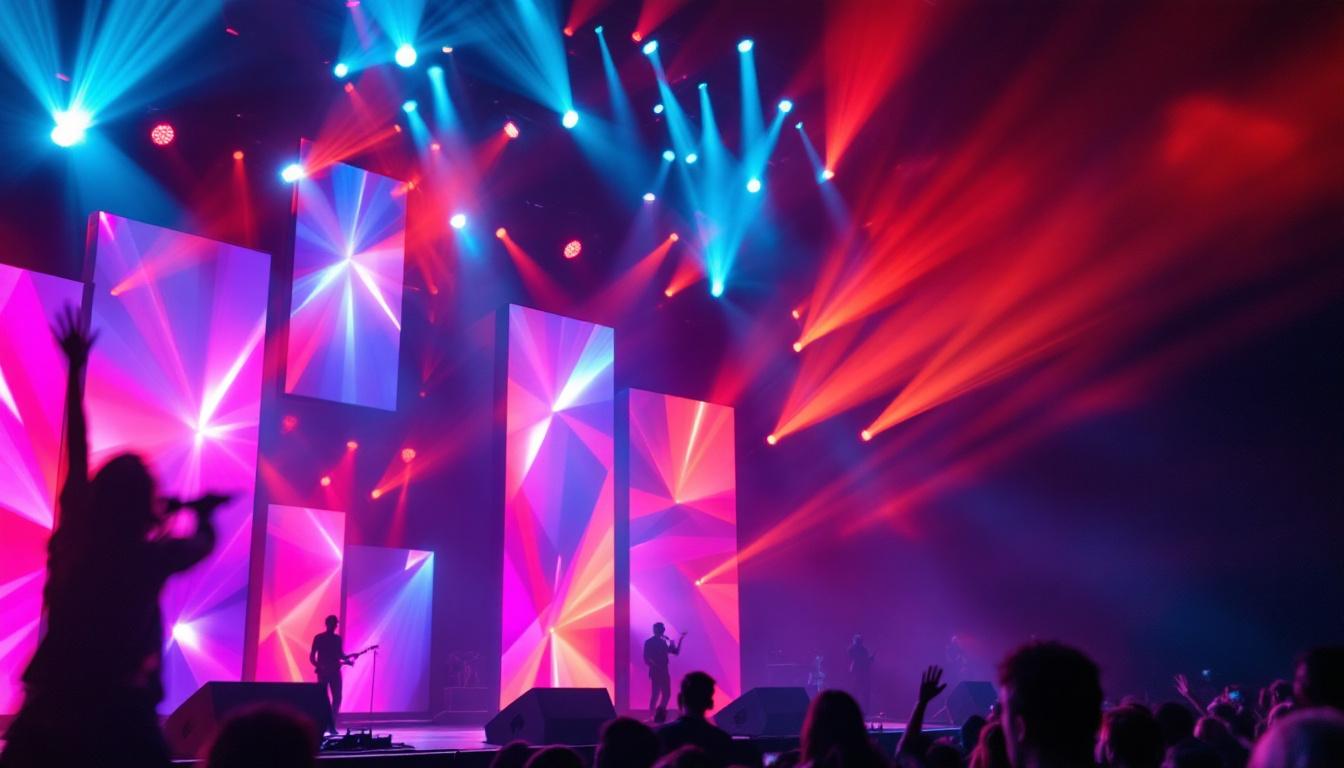
In the world of live events and stage productions, visual impact is paramount. Whether it’s a concert, theater production, corporate event, or broadcast, the quality and versatility of the visual backdrop can make or break the audience’s experience. LED panels have become the go-to technology for creating dynamic, vibrant, and immersive stage displays. This article delves into the essentials of LED panels for stage use, explaining what they are, how they work, and why they have revolutionized modern stage design.
Understanding LED Panels: What Are They?
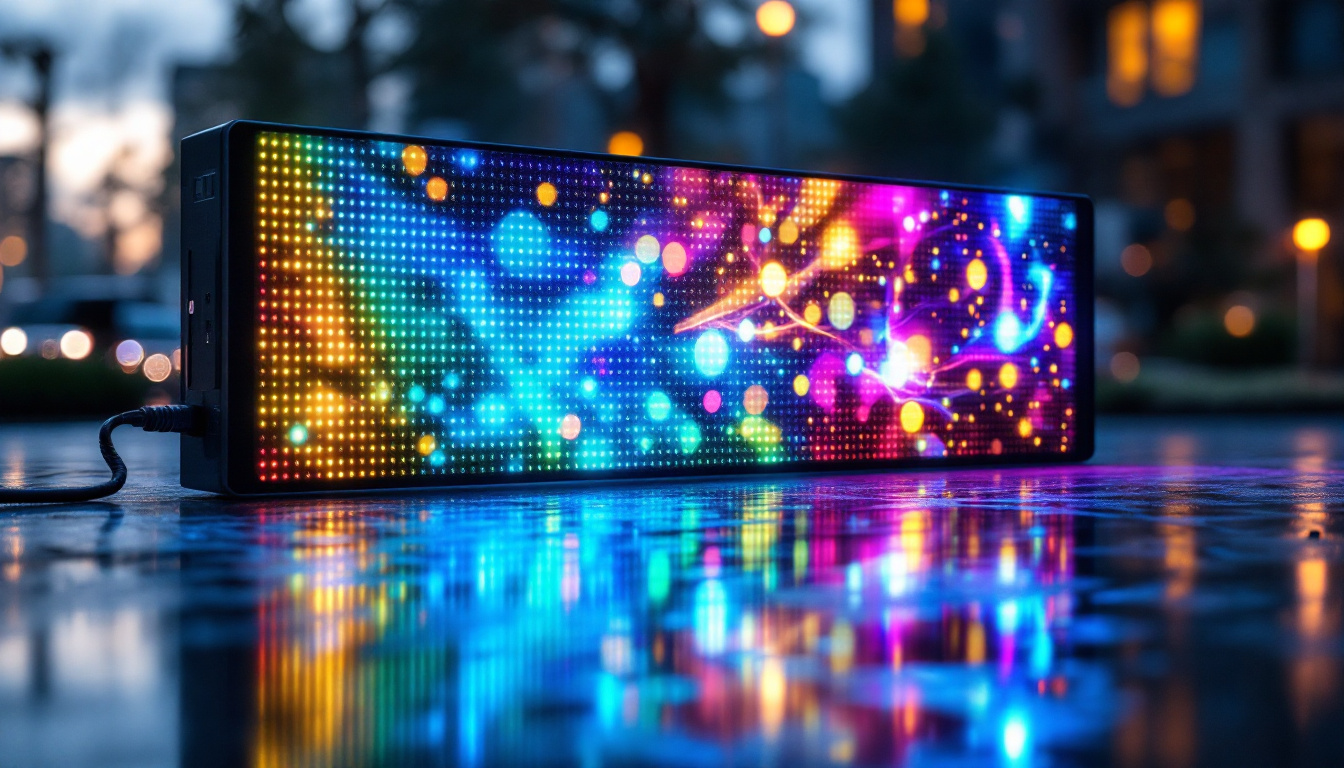
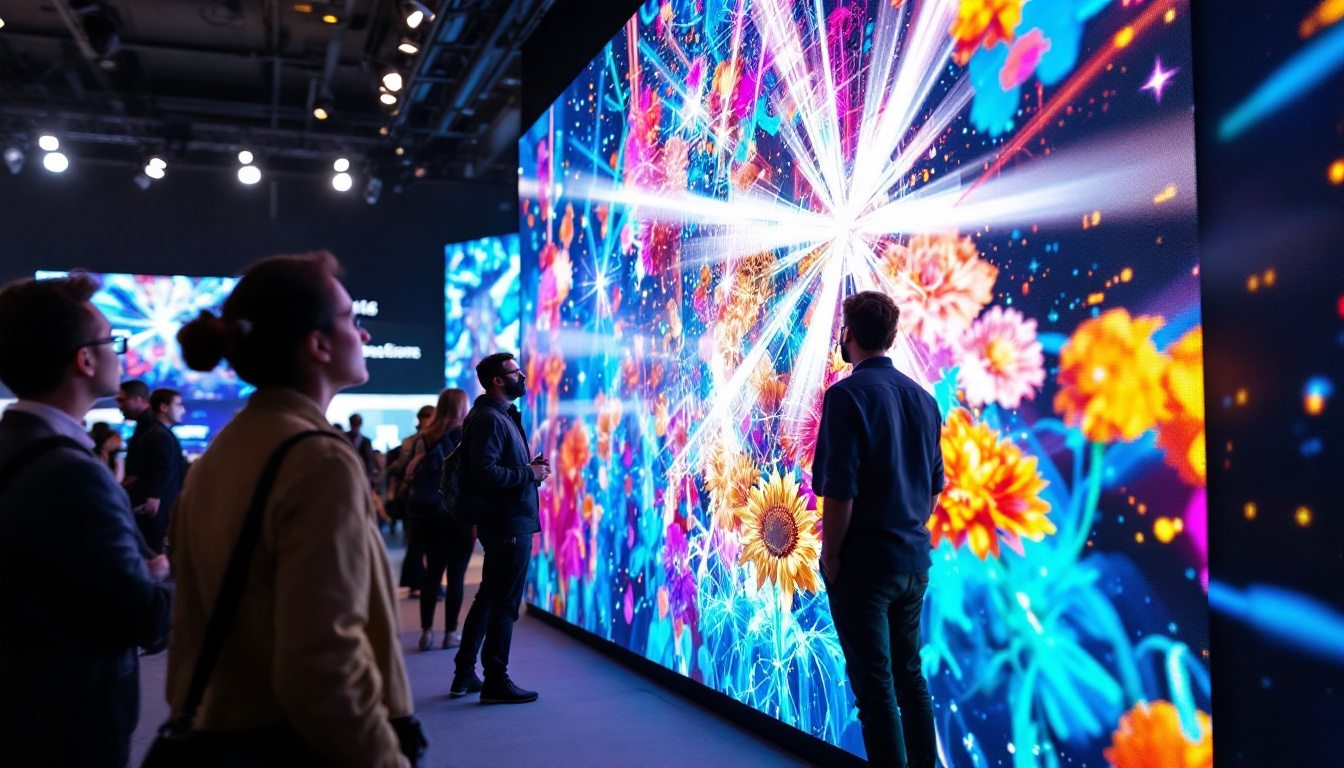
LED panels, also known as LED video walls or LED displays, are modular units composed of numerous light-emitting diodes (LEDs) arranged in a grid. These panels can be combined to form large screens that display high-resolution video, images, and animations. Their brightness, color accuracy, and flexibility make them ideal for stage environments where visibility and impact are critical.
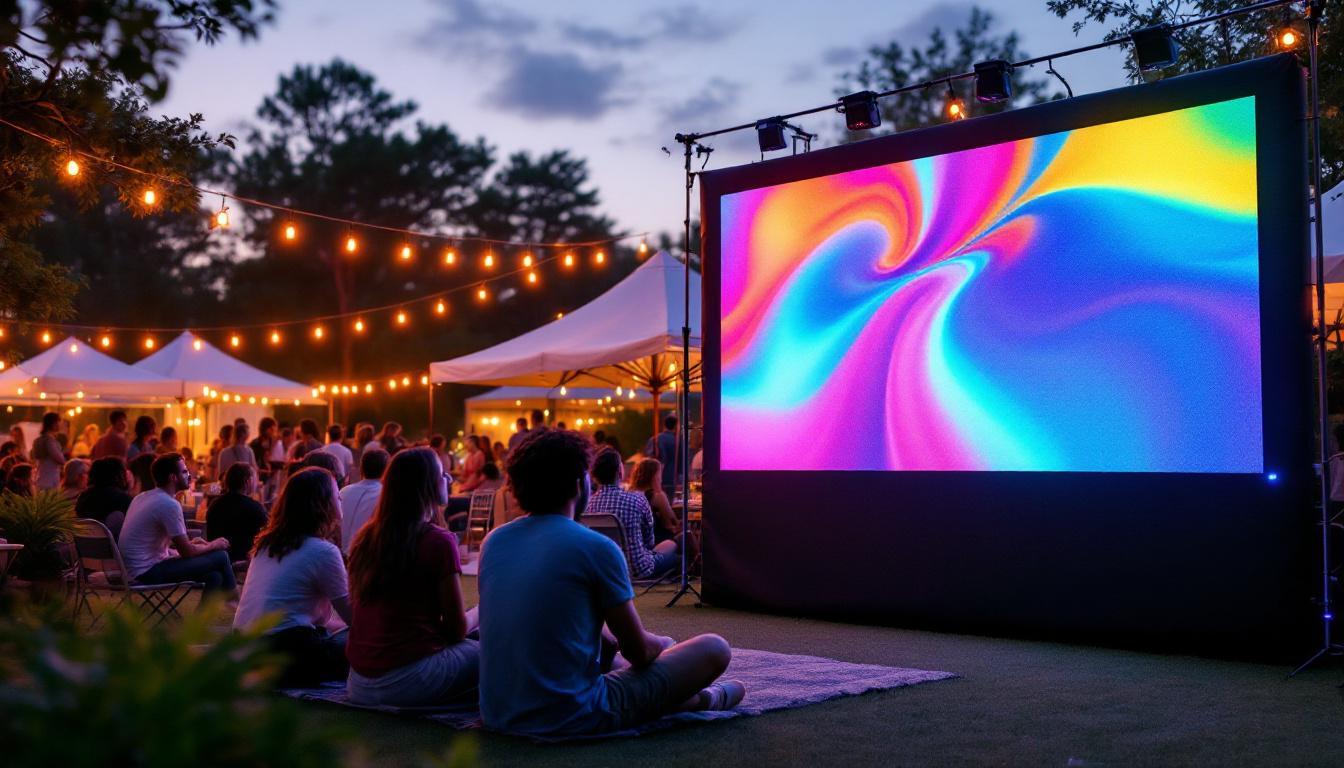
Unlike traditional projection systems, LED panels emit their own light, which means they are highly visible even in bright ambient lighting conditions. This self-illumination characteristic allows them to maintain vivid colors and sharp images regardless of the stage lighting setup. The technology behind LED panels has evolved significantly, allowing for thinner and lighter designs that can be easily transported and installed, making them a favorite choice for touring productions and events.
Moreover, the versatility of LED panels extends beyond mere display capabilities. They can be programmed to create dynamic visual effects, synchronized with music or performance elements, enhancing the overall experience for the audience. This interactivity can transform a simple stage into an immersive environment, where visuals and performances are seamlessly integrated, captivating viewers and leaving a lasting impression.
Types of LED Panels Used on Stage
There are several types of LED panels, each designed for specific applications and environments:
- Indoor LED Panels: These panels have a higher pixel density and are designed for controlled lighting environments, such as theaters and conference halls. They offer exceptional resolution and color fidelity, making them ideal for corporate presentations and theatrical performances where detail is paramount.
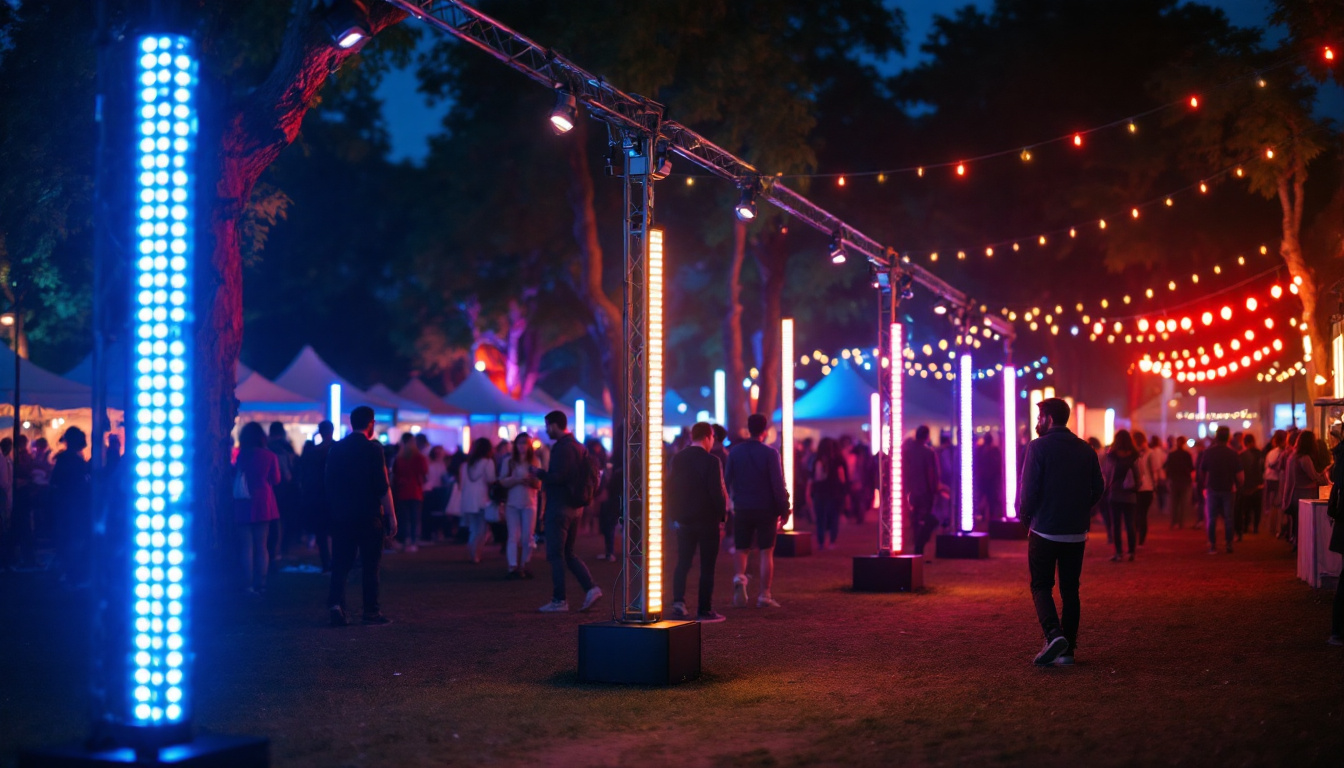
- Outdoor LED Panels: Built to withstand weather elements, these panels are brighter and more durable, suitable for concerts and festivals held in open-air venues. Their robust construction ensures they can endure rain, wind, and varying temperatures, providing reliable performance throughout the event.
- Transparent LED Panels: These innovative panels allow light to pass through, enabling creative stage designs where the LED display integrates seamlessly with physical set pieces or windows. This feature opens up new possibilities for artistic expression, allowing designers to create stunning visual layers that enhance storytelling without obstructing sightlines.
Additionally, there are flexible LED panels that can be bent and shaped to fit unconventional spaces or designs, further expanding the creative potential for stage productions. These panels can be used to create curved displays or even wrap around structures, allowing for a more immersive visual experience. As technology continues to advance, the possibilities for LED panels in live events and performances are virtually limitless, paving the way for innovative and engaging presentations.
How LED Panels Work: The Technology Behind the Magic
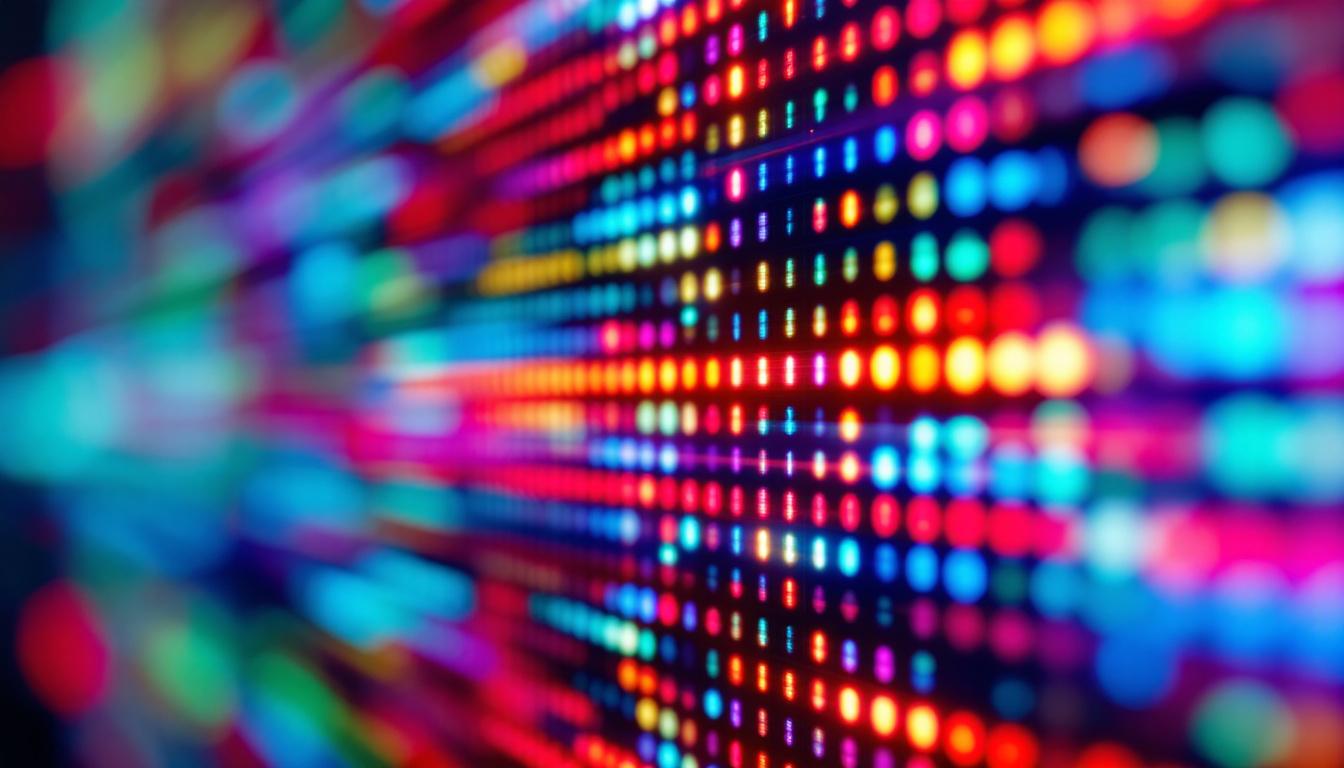
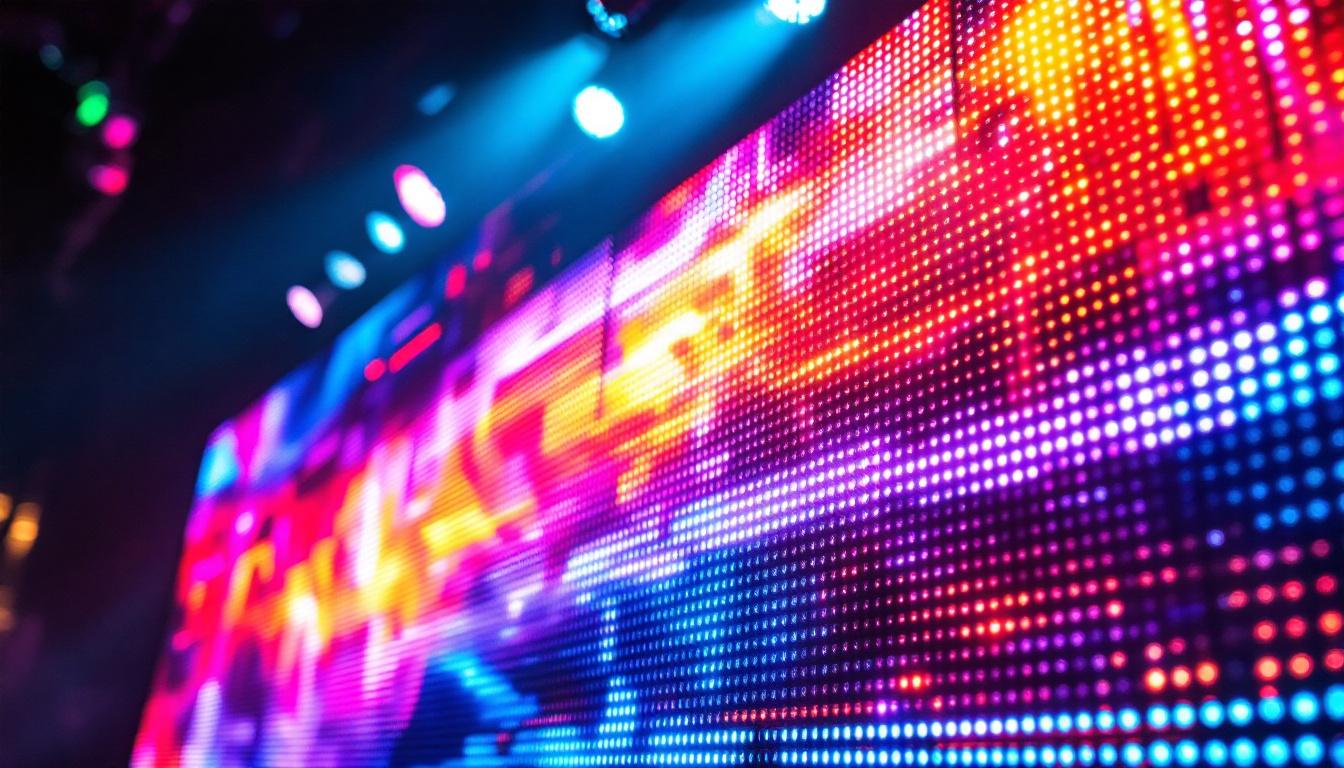
At the core of LED panels are tiny diodes that emit red, green, and blue light. By varying the intensity of these three colors, the panel can produce a full spectrum of colors. The panels are controlled by sophisticated electronics that process video signals and translate them into precise light patterns on the display.
The resolution of an LED panel is determined by its pixel pitch—the distance between the centers of two adjacent pixels. A smaller pixel pitch means higher resolution and sharper images, which is especially important for close-up viewing on stage.
Modularity and Scalability
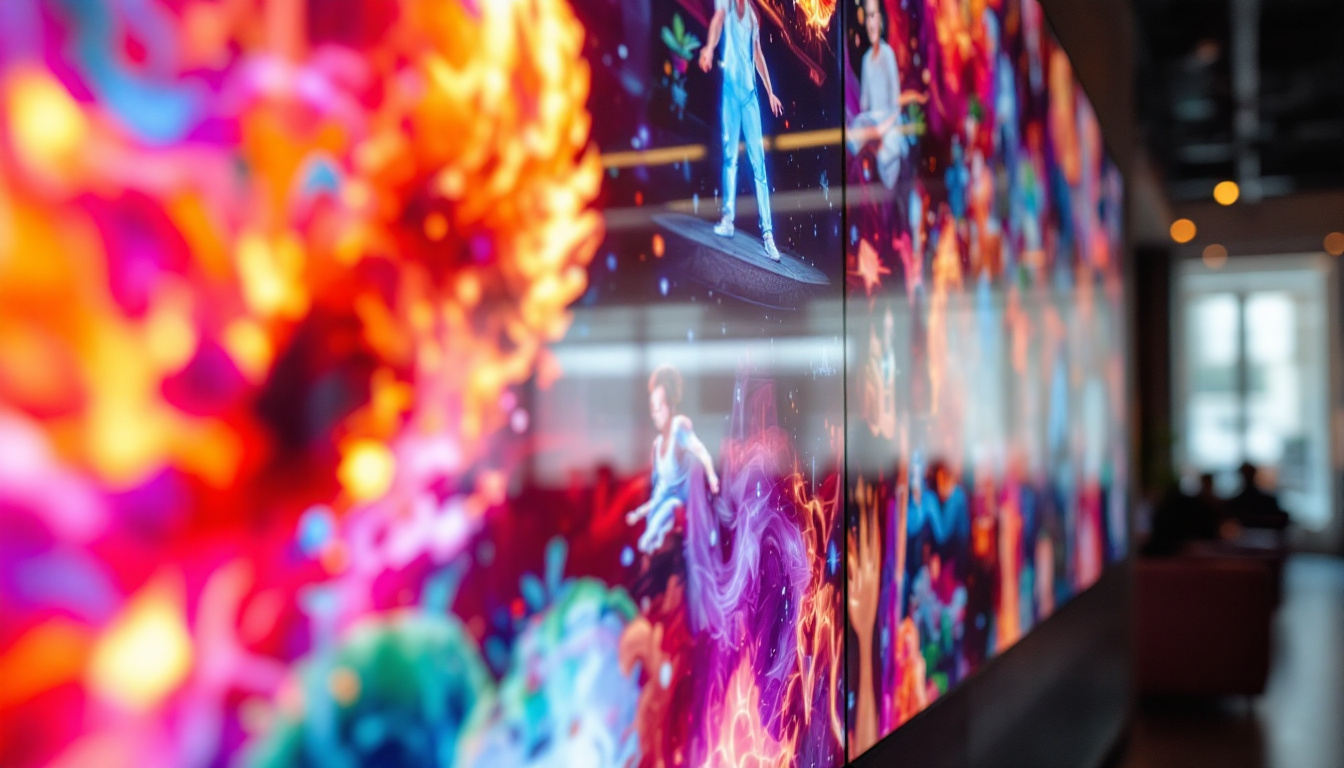
One of the key advantages of LED panels is their modular design. Each panel is a self-contained unit, typically measuring between 500mm x 500mm and 1000mm x 1000mm. These panels can be seamlessly connected to create screens of virtually any size or shape. This scalability allows stage designers to customize the display to fit the venue and creative vision perfectly.
Refresh Rate and Viewing Angle
For stage applications, a high refresh rate is crucial to avoid flicker, especially when the event is being recorded or broadcast. Modern LED panels typically offer refresh rates of 1920Hz or higher, ensuring smooth motion and flicker-free video.
Viewing angle is another important consideration. LED panels designed for stage use generally have wide viewing angles (up to 160 degrees horizontally and vertically), ensuring that the audience experiences consistent image quality regardless of their seating position.
Benefits of Using LED Panels on Stage
LED panels have transformed stage production by offering numerous advantages over traditional display technologies. Here are some of the key benefits:
1. Superior Brightness and Visibility
LED panels can achieve brightness levels upwards of 1,000 nits indoors and over 5,000 nits outdoors. This makes them easily visible under intense stage lighting or daylight conditions, unlike projectors which can struggle with ambient light interference.
2. Vibrant Colors and High Contrast
The ability to produce deep blacks and vivid colors enhances the overall visual experience. This is particularly important for concerts and theatrical performances where mood and atmosphere are conveyed through lighting and visuals.
3. Flexibility in Design and Content
LED panels support a wide range of content types—from live video feeds and animations to static images and interactive media. Their modular nature allows for creative configurations, including curved screens, 3D shapes, and floor displays.
4. Durability and Reliability
LED panels are built to withstand the rigors of touring and repeated installations. Many models are rated for IP65 or higher, meaning they are dustproof and waterproof, essential for outdoor events.
5. Energy Efficiency
Compared to traditional lighting and projection systems, LED panels consume less power, reducing operational costs and environmental impact.
Applications of LED Panels in Stage Productions
LED panels have become indispensable in a wide array of stage applications. Their versatility allows them to enhance virtually any type of live event.
Concerts and Music Festivals
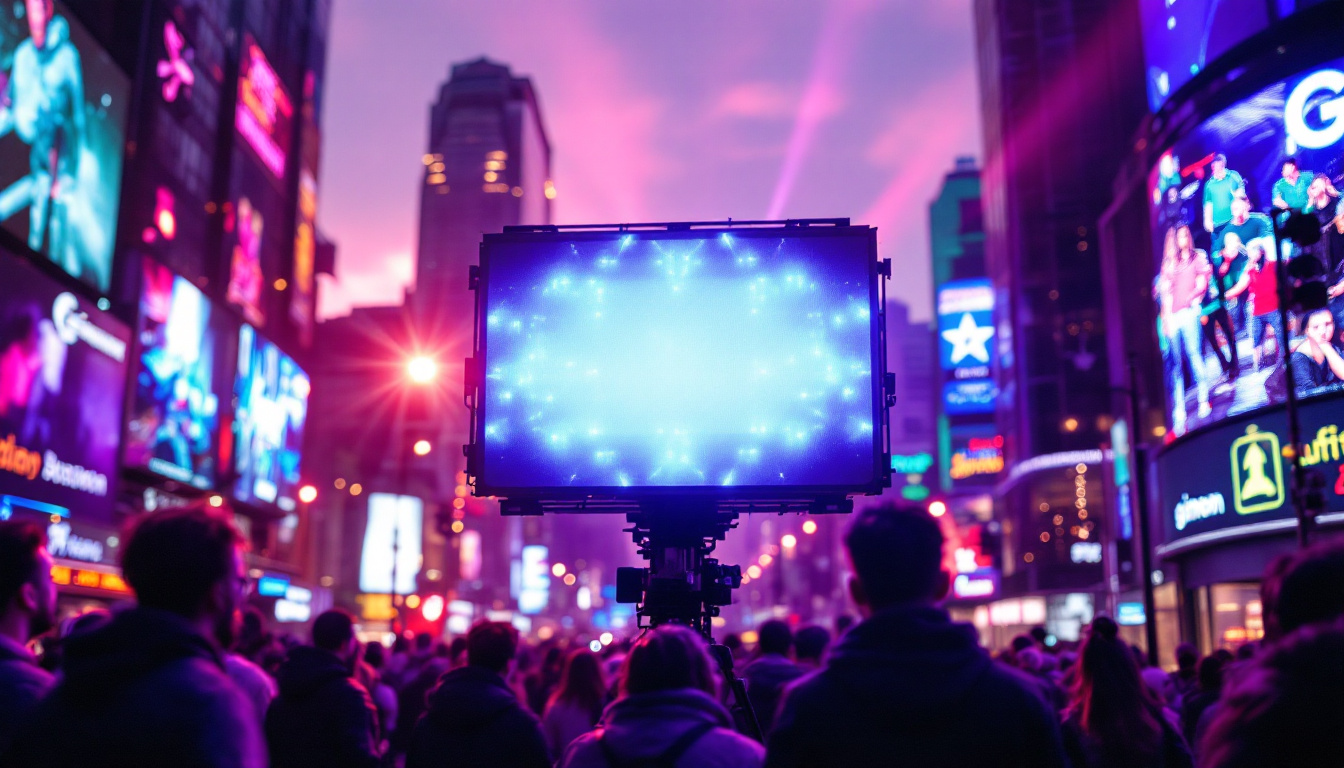
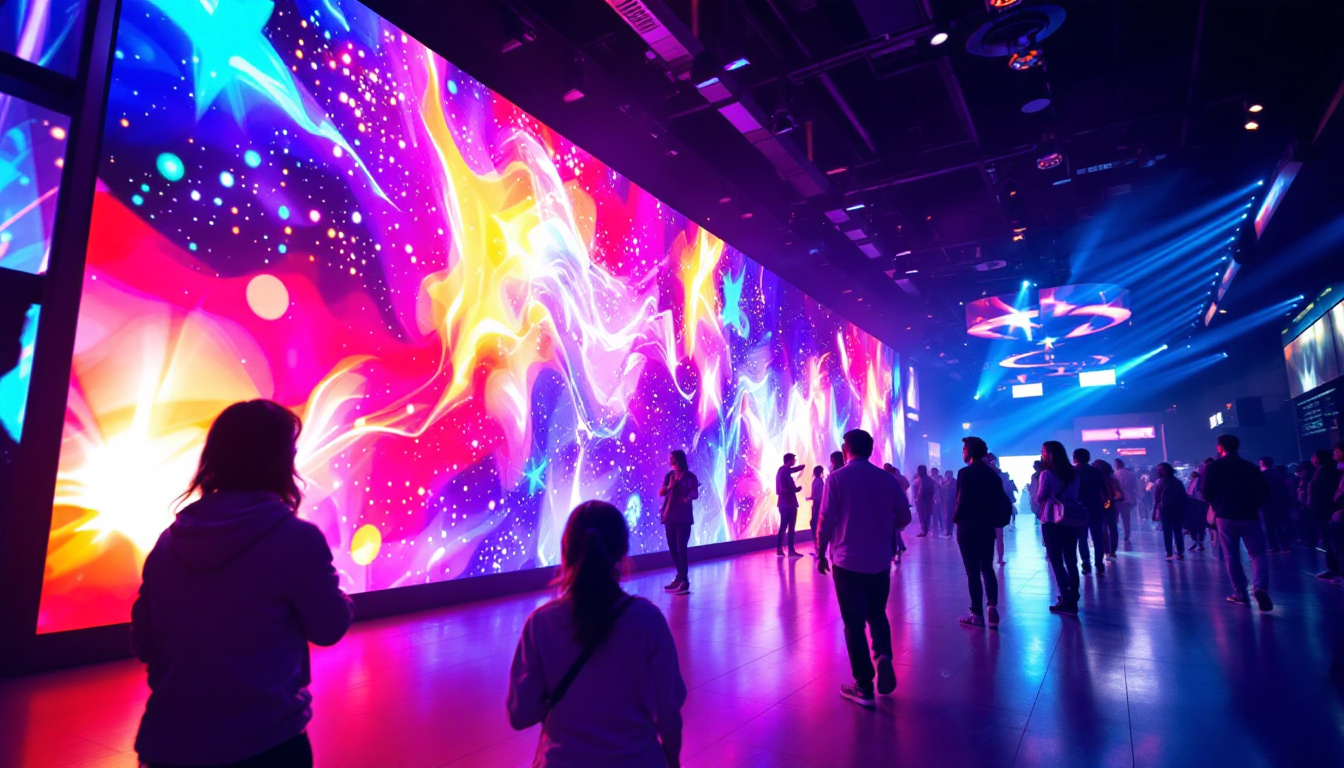
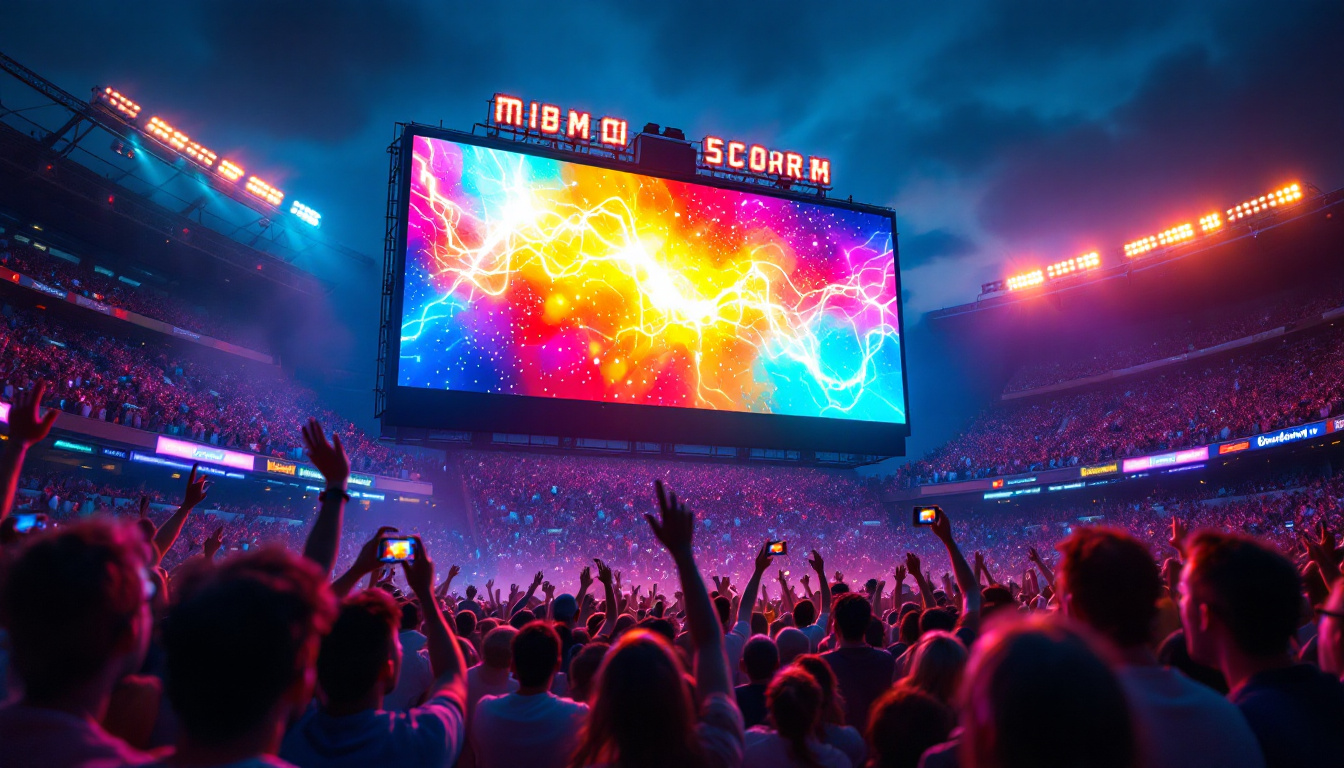
Large-scale concerts often feature massive LED video walls that serve as backdrops, displaying live camera feeds, visual effects, and synchronized animations that complement the music. For example, major festivals like Coachella and Glastonbury use LED panels to create immersive environments that captivate tens of thousands of attendees.
Theatrical Productions
In theater, LED panels enable dynamic set changes without physical scene alterations. Productions can shift backgrounds instantly, creating multiple settings within a single performance. This technology also allows for interactive storytelling, where visuals respond to actors’ movements or cues.
Corporate Events and Conferences
For corporate presentations, product launches, and conferences, LED panels provide clear and engaging displays for videos, slideshows, and live streams. Their high resolution ensures that even detailed graphics and text are easily readable from a distance.
Broadcast and Live Streaming
Television studios and live streaming productions use LED panels as versatile backdrops that can be quickly customized. The flicker-free nature of LED displays is critical for camera work, ensuring clean and professional visuals on screen.
Choosing the Right LED Panels for Your Stage
Selecting the ideal LED panel setup depends on several factors, including venue size, viewing distance, lighting conditions, and budget. Understanding these considerations helps ensure the best possible outcome for your production.
Pixel Pitch and Resolution
For close-up viewing, such as in theaters or small venues, a pixel pitch of 1.5mm to 2.5mm is recommended to ensure crisp images. For larger venues or outdoor concerts where the audience is farther away, pixel pitches of 4mm to 10mm can be sufficient, balancing cost and image quality.
Brightness Requirements
Indoor venues typically require panels with brightness levels between 800 and 1,500 nits, while outdoor events may need panels exceeding 5,000 nits to combat sunlight and weather conditions.
Panel Size and Configuration
Consider the physical space available and the desired screen size. Modular panels allow for custom configurations, but structural support and rigging capabilities must be factored in to ensure safety and stability.
Budget and Maintenance
While LED panels can represent a significant upfront investment, their durability and energy efficiency often result in lower total cost of ownership. It’s also important to plan for maintenance, including cleaning and potential repairs, to keep the display performing optimally.
Installation and Technical Considerations
Proper installation is critical to maximize the performance and lifespan of LED panels. This involves careful planning and coordination among technical teams.
Rigging and Support Structures
LED panels are heavy and require robust support systems. Trusses, frames, or wall mounts must be engineered to handle the weight and ensure safe operation, especially in venues with large audiences.
Power and Data Management
Each panel requires power and data connections. Efficient cable management and reliable power supplies are essential to prevent outages or signal degradation during performances.
Calibration and Color Matching
To achieve uniform image quality across the entire screen, panels must be calibrated for color consistency and brightness. Professional calibration tools and software are used to fine-tune the display.
Future Trends in LED Stage Displays
The LED panel industry is continuously evolving, driven by advances in technology and creative demands.
MicroLED and MiniLED Technologies
Emerging microLED and miniLED panels offer even higher resolution and improved energy efficiency. These technologies enable thinner, lighter panels with better color accuracy, expanding creative possibilities.
Interactive and Augmented Reality Integration
Integration of LED panels with interactive technologies and augmented reality is becoming more common, allowing performers and audiences to engage with visuals in novel ways.
Flexible and Curved LED Panels
Innovations in flexible LED panels enable designers to create curved and irregular shapes, adding depth and dimension to stage designs that were previously impossible.
Conclusion
LED panels have revolutionized stage design by providing unparalleled brightness, color quality, and flexibility. Their modular nature and technological advancements allow creative professionals to craft immersive visual experiences that captivate audiences worldwide. Whether for concerts, theater, corporate events, or broadcasts, understanding the capabilities and considerations of LED panels is essential for anyone involved in stage production.
As technology continues to advance, LED panels will remain at the forefront of visual innovation, pushing the boundaries of what’s possible on stage and delivering unforgettable experiences for audiences everywhere.
Discover LumenMatrix’s Innovative LED Display Solutions
Ready to elevate your stage production with the latest in LED display technology? LumenMatrix is at the forefront of creating immersive visual experiences that will leave your audience in awe. From Indoor and Outdoor LED Wall Displays to specialized solutions like Vehicle, Sports, and Floor LED Displays, our range is designed to meet the diverse needs of any event. Embrace the future of visual storytelling with our Custom, All-in-One, and Transparent LED Displays. Check out LumenMatrix LED Display Solutions today and transform your stage into a captivating spectacle.