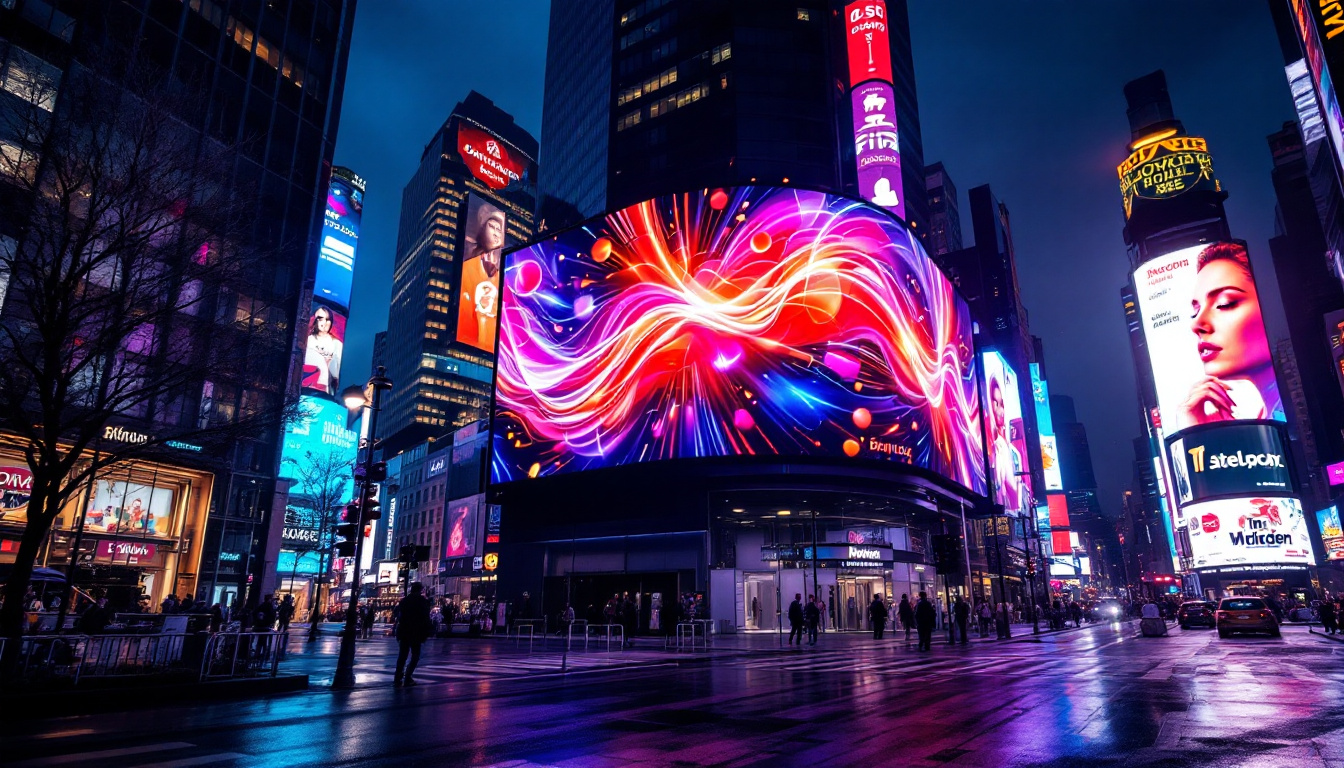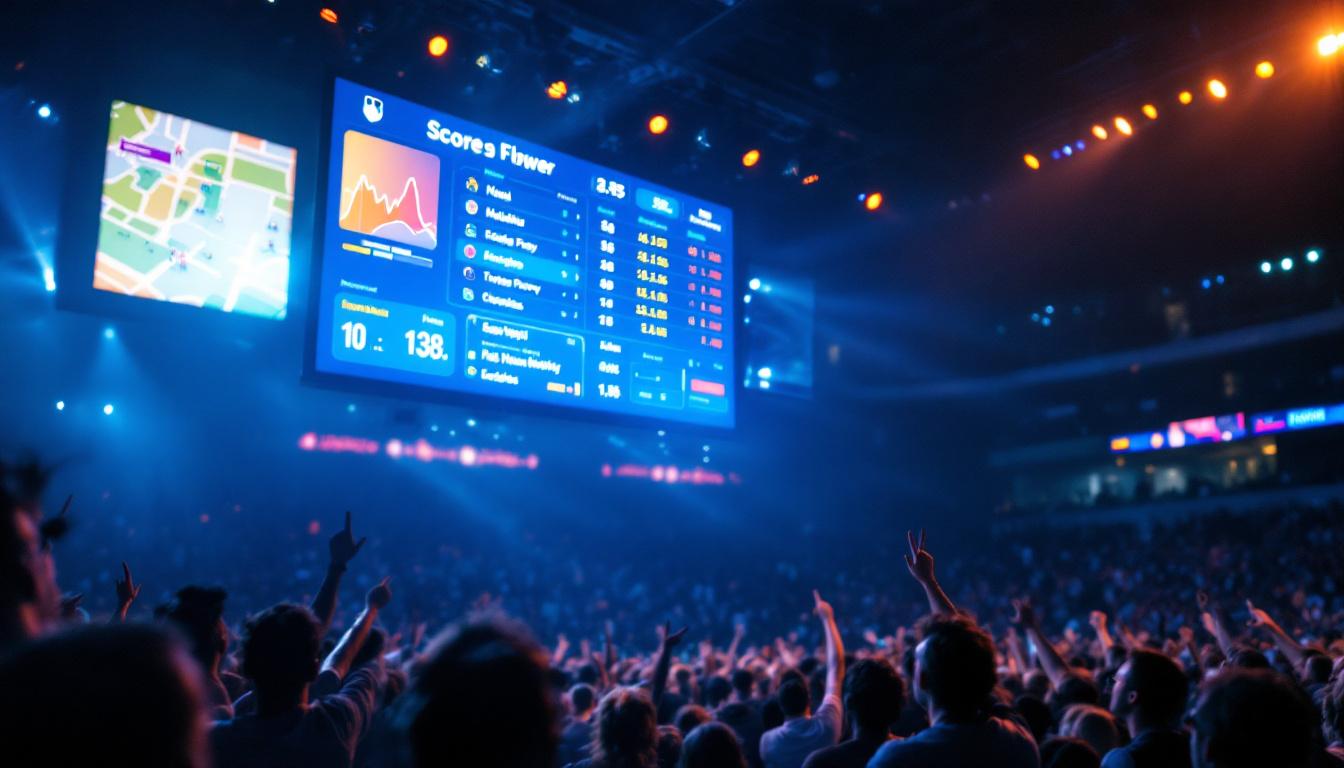
In the world of sports, events, and public information systems, LED scoreboards have become an essential tool for delivering real-time updates and captivating audiences. Behind these vibrant displays lies sophisticated software that controls every pixel, every number, and every animation. Understanding LED scoreboard software and the technology behind LED displays is crucial for event organizers, facility managers, and technology enthusiasts looking to maximize the impact of their digital signage.
What is LED Scoreboard Software?
LED scoreboard software is a specialized application designed to manage and control the content displayed on LED scoreboards. These scoreboards are commonly used in sports arenas, stadiums, gyms, and other venues to show scores, timers, player statistics, advertisements, and other dynamic content.
The software acts as the brain behind the LED display, allowing operators to input data, customize layouts, and automate updates. It interfaces with the hardware components of the LED display, ensuring that the information shown is accurate, timely, and visually appealing. With the advancement of technology, LED scoreboard software has become increasingly sophisticated, incorporating features that enhance user experience and engagement, making it an essential tool for event organizers and venue managers alike.
In addition to real-time scorekeeping, LED scoreboard software can also provide rich multimedia capabilities. This includes the ability to display high-definition graphics, animations, and even video content, which can be particularly engaging for spectators. For example, during a timeout or halftime, operators can showcase highlight reels or promotional videos, keeping the audience entertained and informed. This multimedia integration not only enhances the viewing experience but also opens up new avenues for sponsorship and advertising revenue, as businesses can leverage the dynamic display to reach a captive audience.
Core Functions of LED Scoreboard Software
At its core, LED scoreboard software performs several critical functions:
- Real-time Data Input: It receives and processes live data from various sources such as game clocks, scoring systems, and sensors.
- Content Management: Operators can design and schedule content, including scores, player stats, advertisements, and announcements.
- Display Control: The software controls the brightness, contrast, color calibration, and animation effects to optimize visibility.
- Integration: It integrates with external systems like timing devices, referee consoles, and media servers.
Modern LED scoreboard software often includes remote management capabilities, enabling operators to control the display from mobile devices or computers, enhancing flexibility and responsiveness. This feature is particularly beneficial during large events where quick adjustments may be necessary, allowing operators to react to changes in the game or audience needs without being tethered to a control room. Furthermore, many software solutions now offer cloud-based functionalities, enabling data storage and access from anywhere, which is ideal for venues hosting multiple events or needing to share information across different locations.
Another important aspect of LED scoreboard software is its reporting and analytics capabilities. By tracking viewer engagement and interaction with displayed content, operators can gain insights into what resonates most with their audience. This data can inform future content strategies, helping to enhance fan experience and optimize advertising efforts. Additionally, some software solutions offer customizable dashboards that allow operators to monitor performance metrics in real-time, ensuring that everything runs smoothly throughout the event.
How LED Displays Work: A Technical Overview
To appreciate the role of LED scoreboard software, it’s important to understand how LED displays function. LED stands for Light Emitting Diode, a semiconductor device that emits light when an electric current passes through it.
LED Display Components
An LED display is composed of thousands to millions of tiny LEDs arranged in a grid, known as pixels. Each pixel can emit different colors by combining red, green, and blue LEDs (RGB), allowing the display to produce a full spectrum of colors.
The display is divided into modules or panels, each containing a matrix of LEDs. These modules are interconnected and controlled by the scoreboard’s processing unit, which receives instructions from the scoreboard software.
Pixel Control and Refresh Rate
The software sends signals to control the brightness and color of each pixel. This process happens many times per second, known as the refresh rate, which ensures smooth and flicker-free images. Typical refresh rates for LED scoreboards range from 60Hz to 1920Hz, with higher rates providing better visual quality.
Brightness and Viewing Angle
LED displays are renowned for their high brightness levels, often exceeding 5,000 nits, making them visible even in direct sunlight. The viewing angle is also a critical factor, with modern displays designed to maintain color accuracy and brightness from wide angles, ensuring visibility for large audiences.
Types of LED Scoreboards and Their Software Needs
LED scoreboards come in various forms, each with unique software requirements depending on their application and complexity.
Sports Scoreboards
Sports scoreboards are the most common type, used in arenas for basketball, football, soccer, hockey, and more. These scoreboards require software capable of handling multiple data inputs such as scores, timers, fouls, and player statistics. Integration with official timing systems and referee consoles is often necessary to ensure accuracy.
For example, in professional basketball arenas, the scoreboard software must synchronize with shot clocks and game clocks, displaying precise countdowns and alerts. Some advanced systems also support instant replay and video integration, requiring more sophisticated software capabilities.
Advertising and Event Displays
Many LED scoreboards double as advertising platforms during breaks or halftime. The software for these displays must support multimedia content, including videos, images, and scrolling text. Scheduling features allow operators to plan advertisements and announcements in advance, maximizing revenue opportunities.
Outdoor vs. Indoor Scoreboards
Outdoor LED scoreboards face different challenges than indoor ones, such as weather resistance and higher brightness requirements. The software must be capable of adjusting brightness dynamically based on ambient light sensors to reduce power consumption and enhance visibility.
Key Features to Look For in LED Scoreboard Software
Choosing the right LED scoreboard software is critical to achieving seamless operation and maximum impact. Here are some essential features to consider:
User-Friendly Interface
Operators often work under time pressure, so the software should have an intuitive and easy-to-navigate interface. Drag-and-drop content creation, real-time previews, and simple controls help reduce errors and speed up updates.
Customization and Flexibility
Every venue and event has unique requirements. The software should allow customization of layouts, fonts, colors, and animations. It should also support multiple languages and character sets for international events.
Real-Time Data Integration
Seamless integration with external data sources such as timing systems, scoring consoles, and sensors is vital. The software must support standard communication protocols like TCP/IP, RS232, or USB to ensure reliable data exchange.
Remote Access and Control
Modern software often includes cloud-based or networked control options, enabling operators to manage the scoreboard remotely. This feature is especially useful for large venues or multi-site operations.
Reliability and Support
Scoreboard software must operate flawlessly during live events. Look for solutions with robust error handling, automatic backups, and responsive customer support to minimize downtime.
Benefits of Using Advanced LED Scoreboard Software
Investing in advanced LED scoreboard software offers numerous advantages that enhance the overall experience for both operators and audiences.
Enhanced Audience Engagement
Dynamic and visually appealing scoreboards capture audience attention and keep them informed throughout the event. Features like animations, instant replays, and interactive content create a more immersive experience.
Improved Operational Efficiency
Automated data integration and scheduling reduce manual input and the risk of errors. Operators can focus on managing the event rather than troubleshooting the display.
Revenue Generation Opportunities
By integrating advertising and sponsorship content seamlessly, venues can generate additional revenue streams. The ability to schedule and rotate ads ensures maximum exposure and flexibility.
Scalability and Future-Proofing
Modern software platforms are designed to grow with the venue’s needs, supporting upgrades in hardware and new features without requiring a complete system overhaul.
Emerging Trends in LED Scoreboard Software
The LED scoreboard industry is evolving rapidly, driven by technological advancements and changing user expectations.
Artificial Intelligence and Automation
AI-powered software can analyze game data in real-time, automatically updating scores and generating insights. Automation reduces the workload on operators and enhances accuracy.
Integration with Mobile Apps and Social Media
Many scoreboards now connect with mobile applications, allowing fans to interact, vote, or access additional content. Integration with social media platforms helps amplify the event’s reach and engagement.
High-Resolution and Video Integration
Advances in LED technology enable ultra-high-resolution displays that support full-motion video and live streaming. Software must handle complex video processing and synchronization to deliver smooth playback.
Energy Efficiency and Sustainability
New software features optimize power consumption by adjusting brightness and turning off inactive sections of the display, contributing to greener operations.
Choosing the Right LED Scoreboard Software for Your Needs
Selecting the appropriate software depends on several factors including the type of events, venue size, budget, and technical expertise available.
Assess Your Requirements
Identify the key functionalities needed such as real-time scoring, multimedia support, remote control, or advertising capabilities. Consider the types of sports or events hosted and the typical audience size.
Evaluate Compatibility
Ensure that the software is compatible with your existing LED hardware and any external devices like timing systems or cameras. Verify supported communication protocols and integration options.
Consider Scalability and Support
Choose software from reputable providers that offer regular updates, technical support, and training resources. Scalability is important if you plan to expand or upgrade your system in the future.
Request Demonstrations and Trials
Hands-on experience with the software can reveal usability and performance aspects that are not apparent from specifications alone. Many vendors offer demo versions or trial periods.
Conclusion
LED scoreboard software is a vital component in delivering dynamic, accurate, and engaging content on LED displays. Understanding how this software works and the technology behind LED scoreboards enables venue managers and event organizers to make informed decisions that enhance the spectator experience and operational efficiency.
As LED technology continues to advance, the integration of intelligent software solutions will play an increasingly important role in shaping the future of live events and digital signage. By selecting the right software with the appropriate features and support, venues can ensure their LED scoreboards remain a powerful tool for communication and entertainment.
Discover LumenMatrix’s Advanced LED Display Solutions
Ready to elevate your venue’s visual experience with the latest in LED technology? Look no further than LumenMatrix, a pioneer in crafting immersive LED displays that transform any space into a dynamic environment. Whether you’re in need of an Indoor LED Wall Display, an eye-catching Outdoor LED Wall Display, or specialized solutions like Vehicle LED Displays and LED Sports Displays, LumenMatrix has you covered. Embrace the future of visual communication and captivate your audience with unparalleled clarity and impact. Check out LumenMatrix LED Display Solutions today and see the difference for yourself.