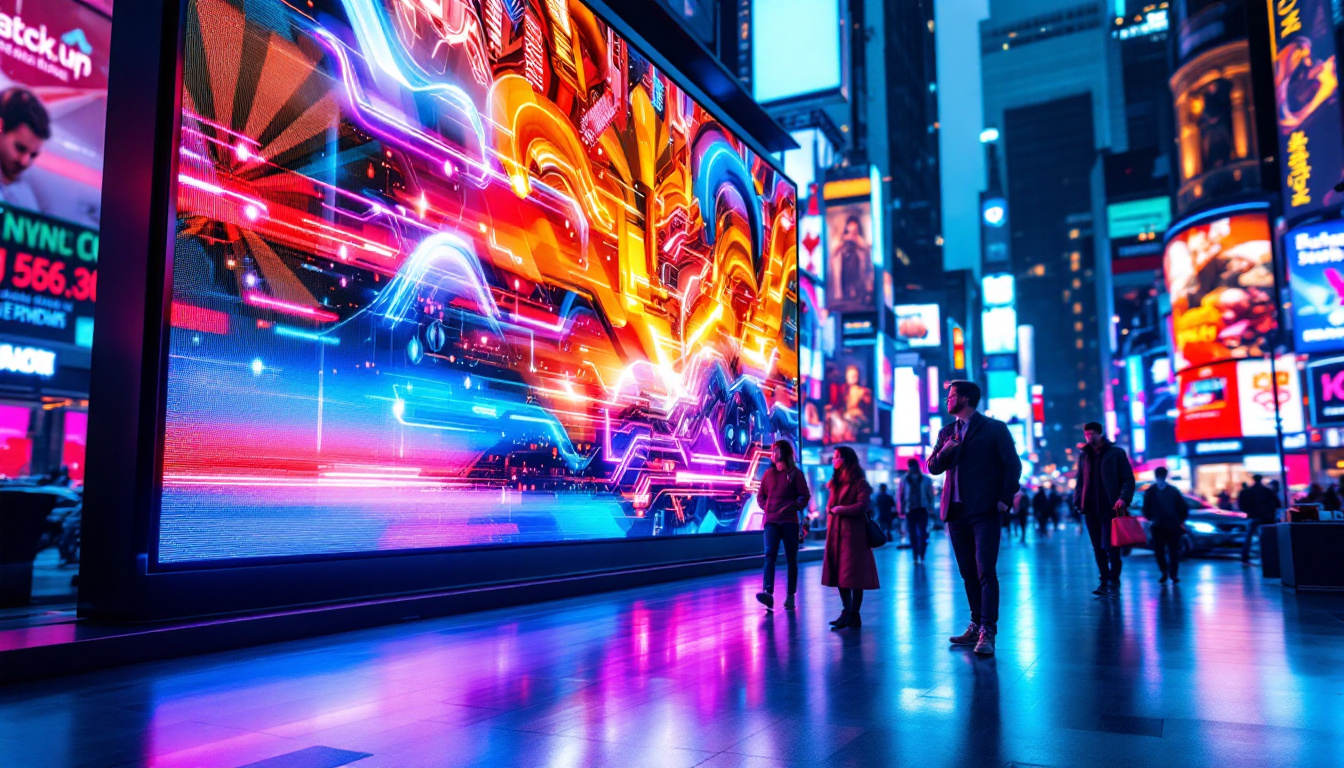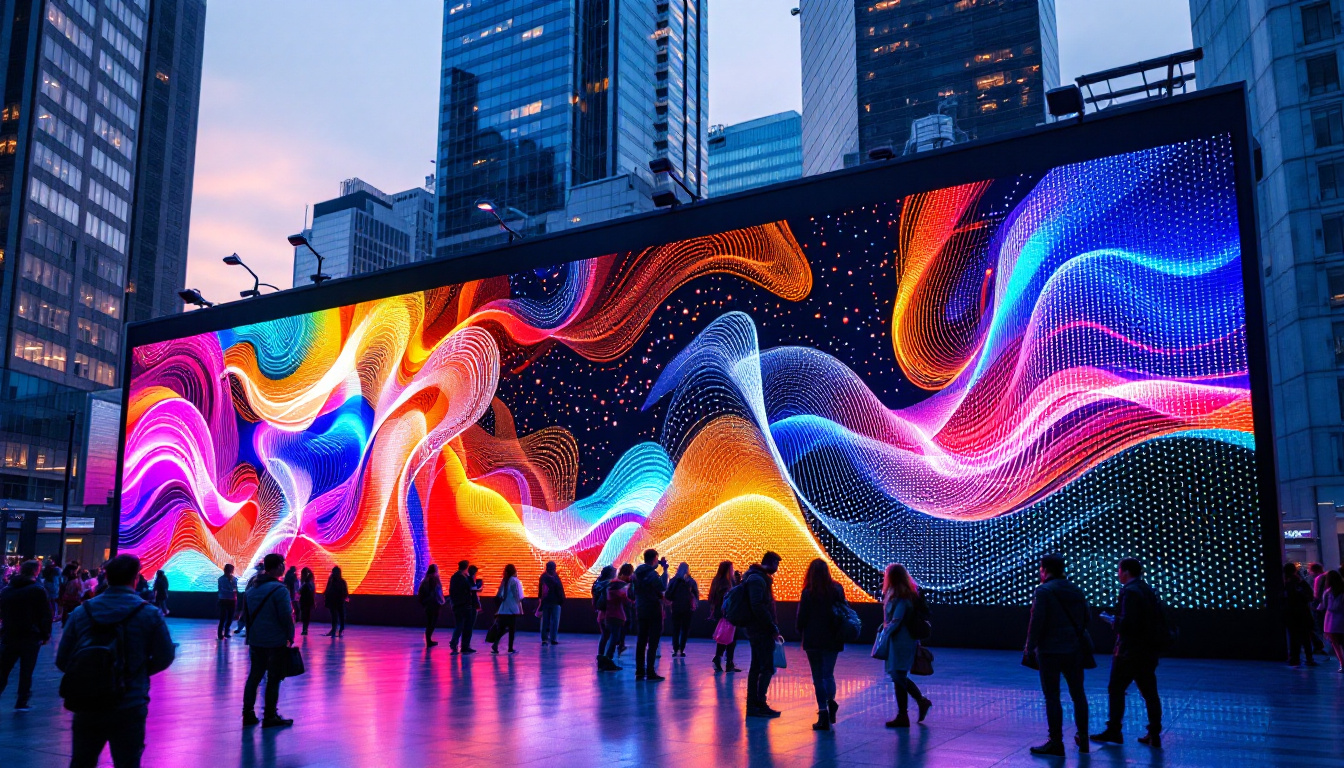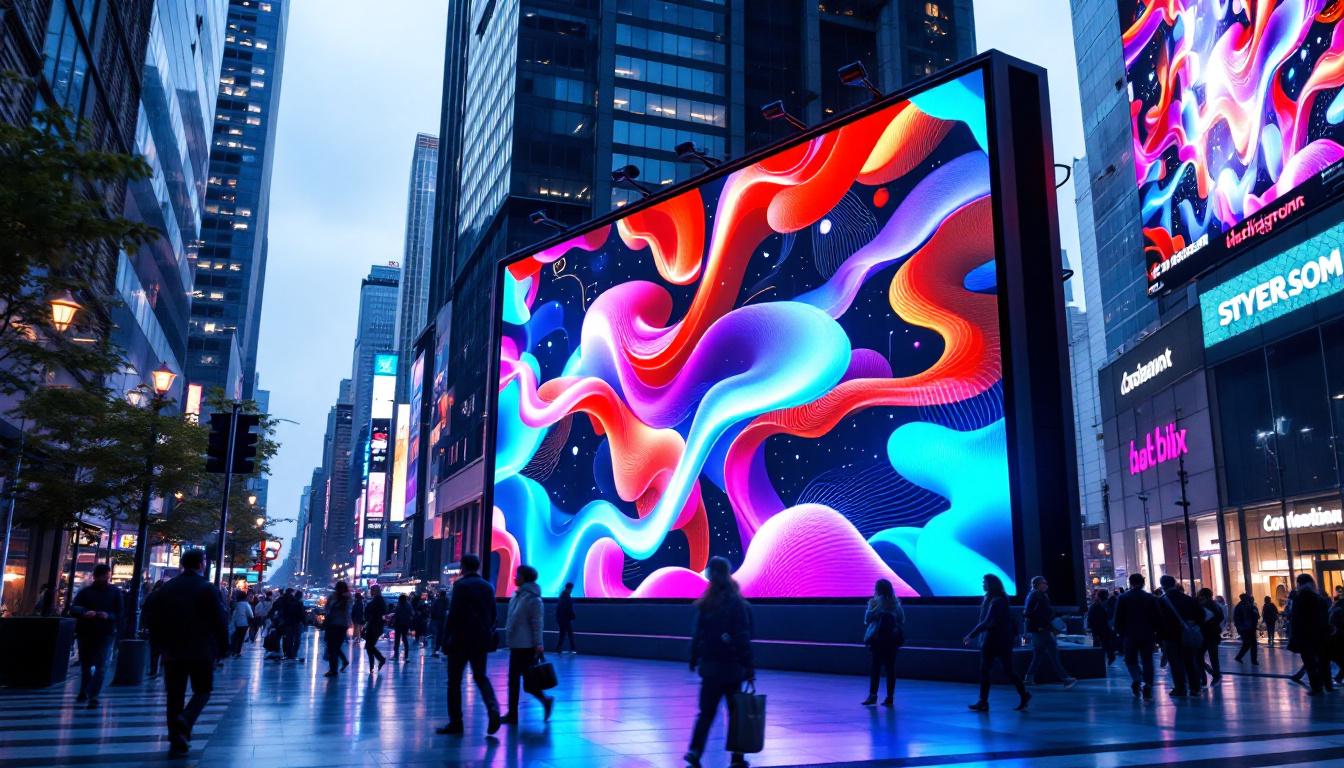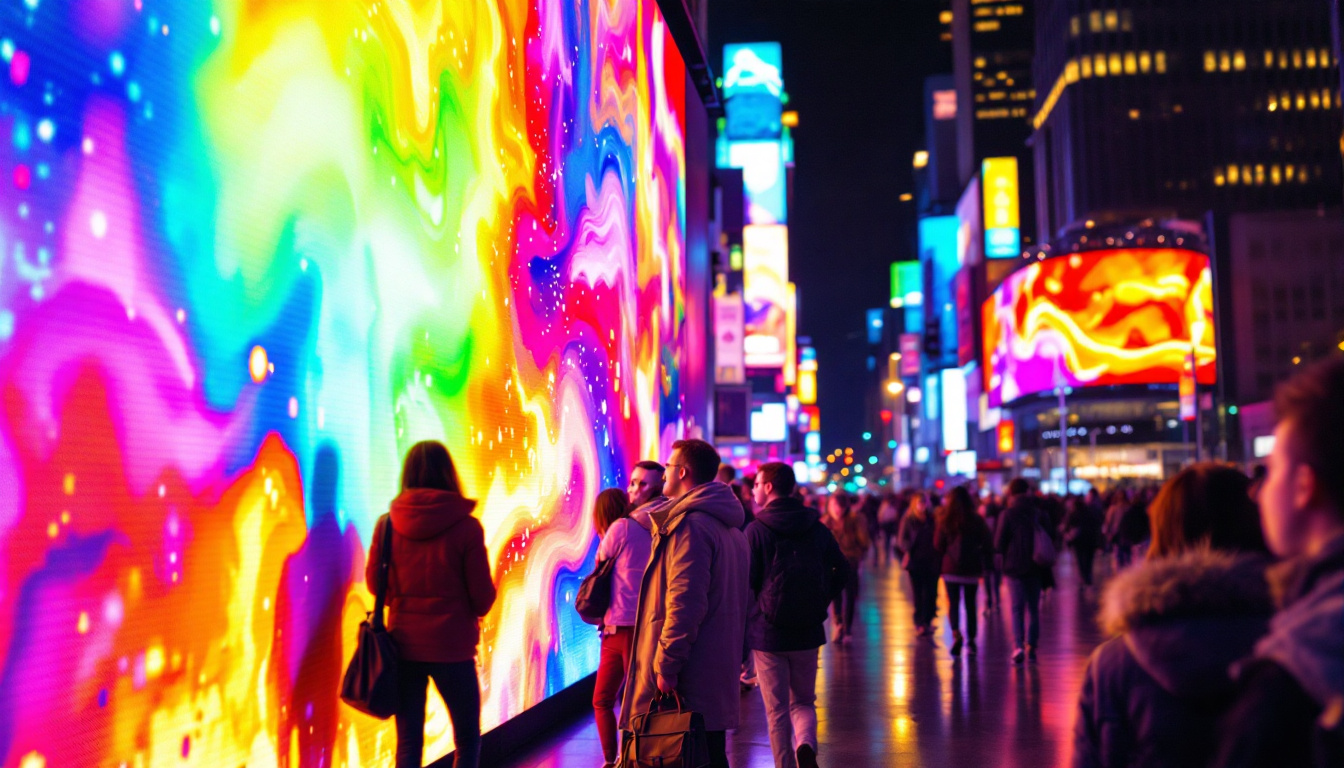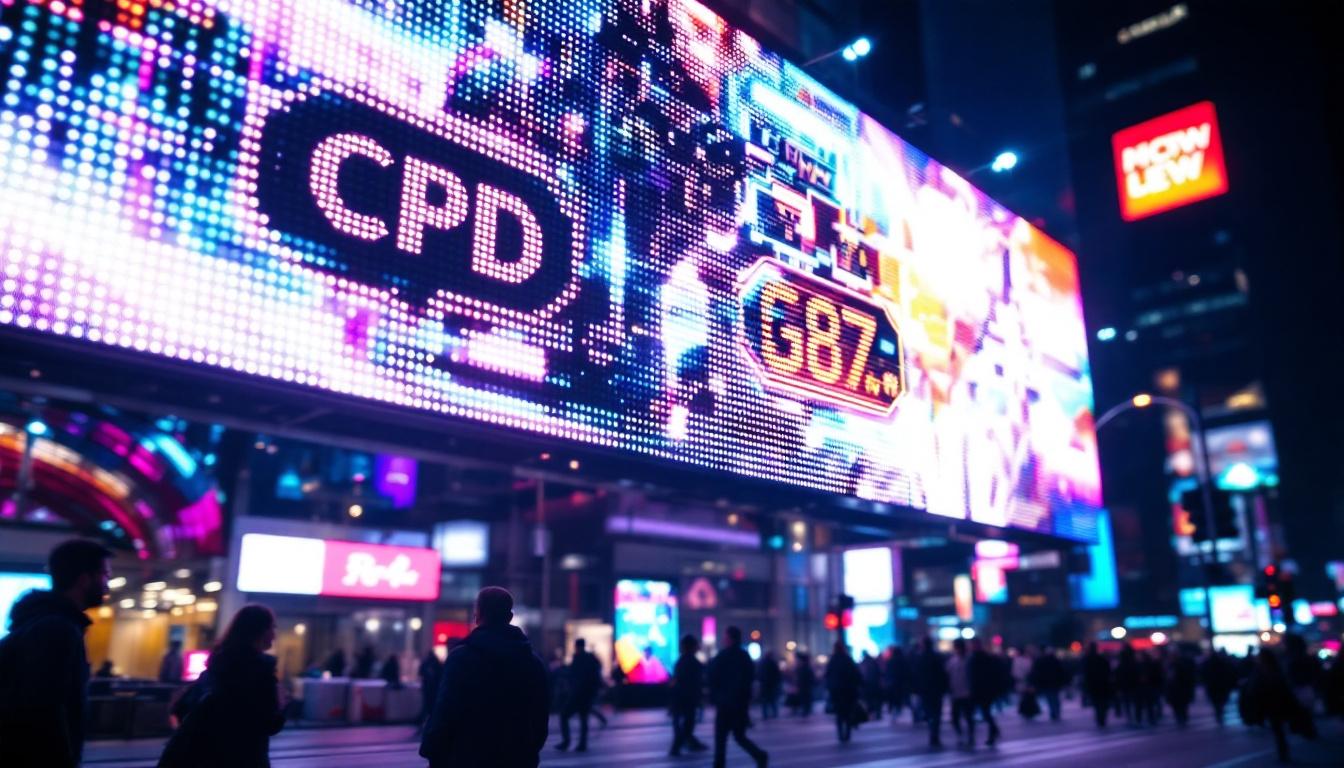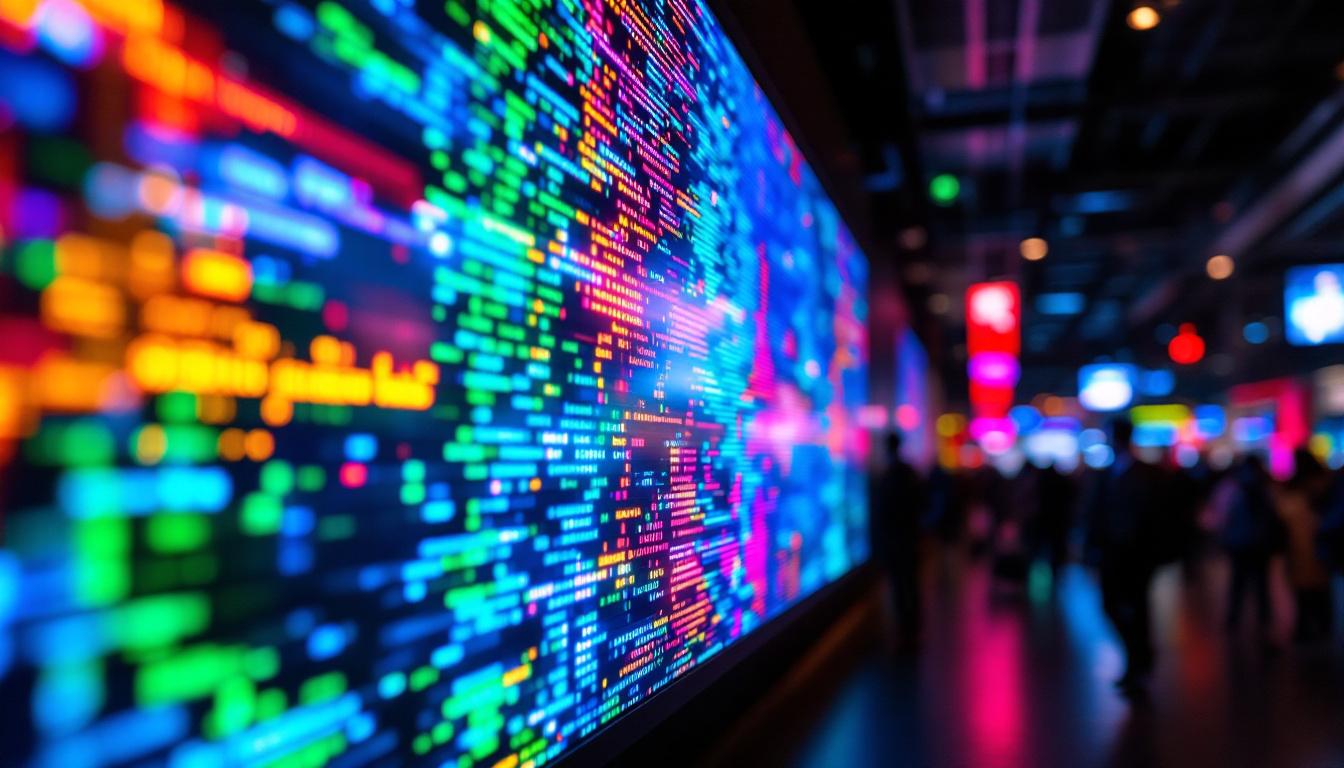
In today’s digital age, LED displays have become a cornerstone of visual communication, transforming how information and advertising are presented across various industries. From massive outdoor billboards to indoor screens in retail stores, LED technology offers vibrant, dynamic, and energy-efficient solutions that captivate audiences worldwide. This article delves deep into the world of LED displays, explaining their technology, types, applications, and the future trends shaping this exciting field.
Understanding LED Display Technology
LED, or Light Emitting Diode, technology is the foundation of modern digital displays. Unlike traditional display technologies such as LCD or plasma, LEDs emit their own light when an electric current passes through them. This self-illumination capability allows LED displays to produce brighter images with higher contrast and better visibility under various lighting conditions. The versatility of LED technology has led to its widespread adoption in various applications, from large outdoor billboards to small handheld devices, showcasing its adaptability and effectiveness in delivering high-quality visual content.
At the core of an LED display are tiny diodes that emit light in red, green, and blue (RGB) colors. By controlling the intensity of each diode, the display can produce a full spectrum of colors, enabling vivid and detailed images. The diodes are arranged in a grid-like pattern called pixels, and the resolution of the display depends on the number of these pixels and their density. Higher pixel density results in sharper images, making LED displays particularly popular in high-definition televisions and professional video walls where clarity is paramount.
One of the key advantages of LED displays is their energy efficiency. LEDs consume significantly less power compared to traditional lighting and display technologies, making them an environmentally friendly choice. Additionally, they have a longer lifespan, often exceeding 50,000 hours of use, which reduces maintenance costs and downtime. This longevity not only benefits consumers in terms of cost savings but also contributes to a reduction in electronic waste, aligning with global sustainability efforts.
How LED Displays Work
LED displays operate by lighting up specific combinations of red, green, and blue diodes to create images or videos. Each pixel contains these three diodes, and by adjusting their brightness, the display produces the desired color. This process is managed by a control system that receives input from a media source, such as a computer or video player, and translates it into signals that drive the LEDs. The precision of this control system is crucial, as it ensures that colors are rendered accurately and consistently across the entire display, enhancing the viewer’s experience.
The control system also handles synchronization and refresh rates, ensuring smooth motion and reducing flicker. Modern LED displays typically have refresh rates of 60 Hz or higher, which is sufficient for most video content and interactive applications. Furthermore, advancements in technology have led to the development of dynamic refresh rates that can adjust based on the content being displayed, providing even smoother visuals during fast-paced action scenes or gaming. This adaptability not only improves the viewing experience but also reduces eye strain, making LED displays a preferred choice for extended use in both home and professional settings.
Types of LED Displays
LED displays come in various forms, each tailored to specific environments and purposes. Understanding the different types helps businesses and consumers choose the right solution for their needs.
Indoor LED Displays
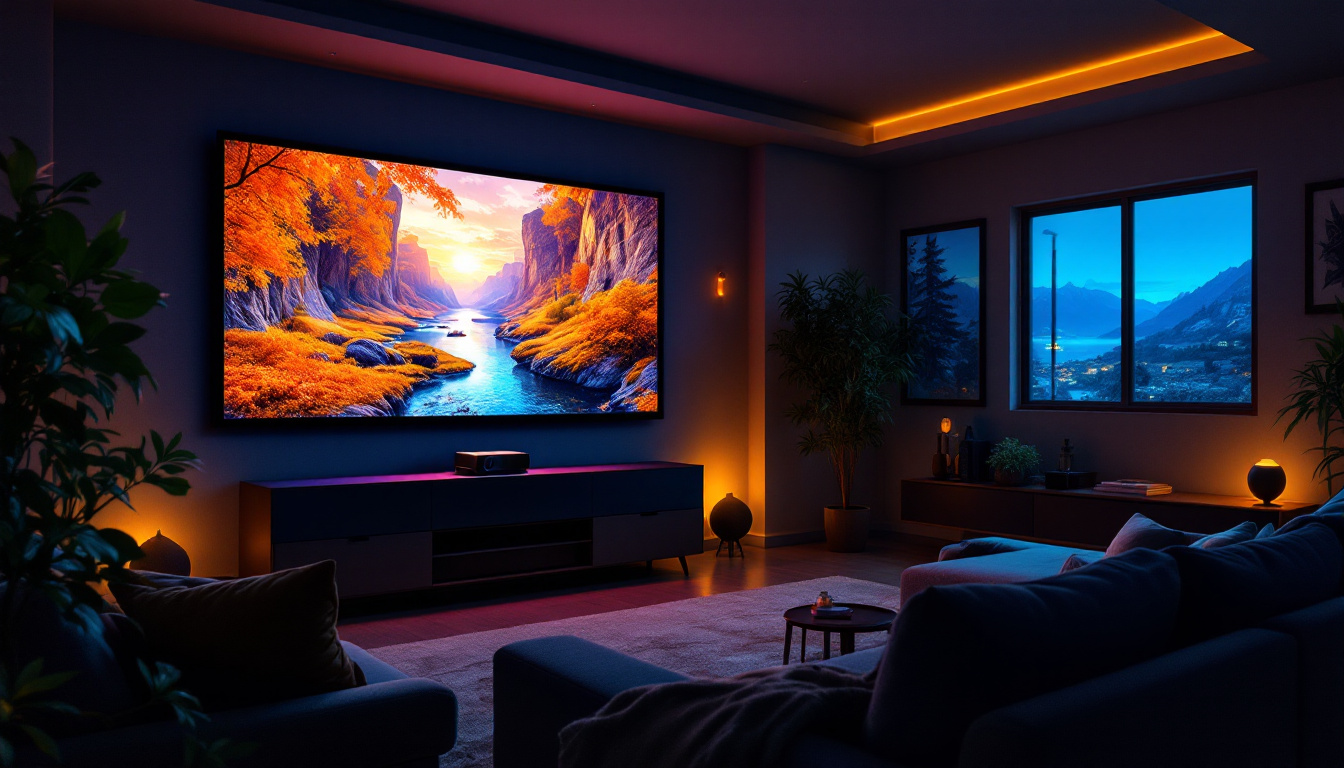
Indoor LED displays are designed for use inside buildings, such as shopping malls, conference rooms, airports, and retail stores. These displays have a higher pixel density, meaning the LEDs are packed more closely together, which allows for sharper images and closer viewing distances.
Typical pixel pitches for indoor LED displays range from 1.2 mm to 4 mm, with smaller pitches providing higher resolution. Because indoor environments have controlled lighting, these displays do not need to be as bright as outdoor models but still offer excellent color accuracy and contrast.
Outdoor LED Displays
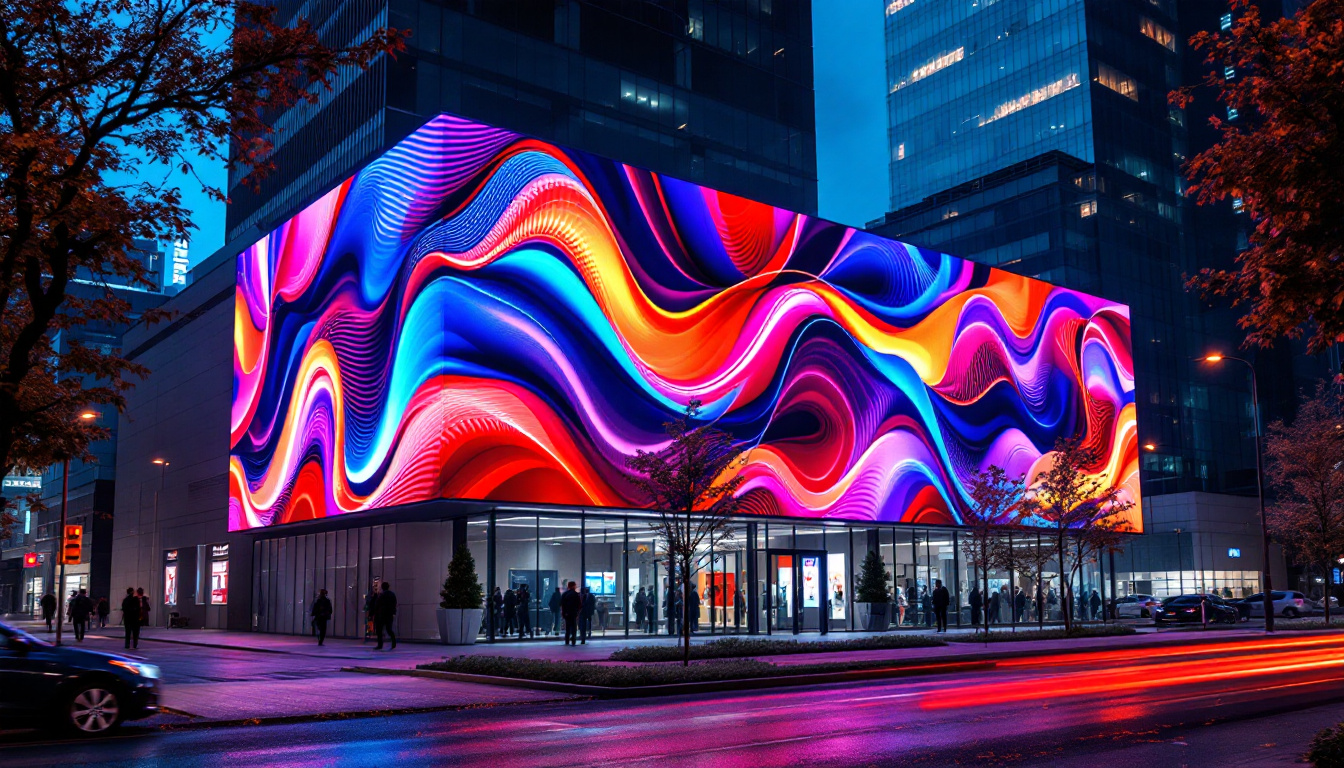
Outdoor LED displays are built to withstand harsh environmental conditions, including rain, wind, and direct sunlight. They feature weatherproof enclosures and higher brightness levels—often exceeding 5,000 nits—to ensure visibility even in bright daylight.
Pixel pitches for outdoor displays are generally larger, ranging from 4 mm to 20 mm or more, because viewers tend to observe these screens from greater distances. These displays are commonly used for billboards, sports arenas, transportation hubs, and public information screens.
Flexible and Transparent LED Displays
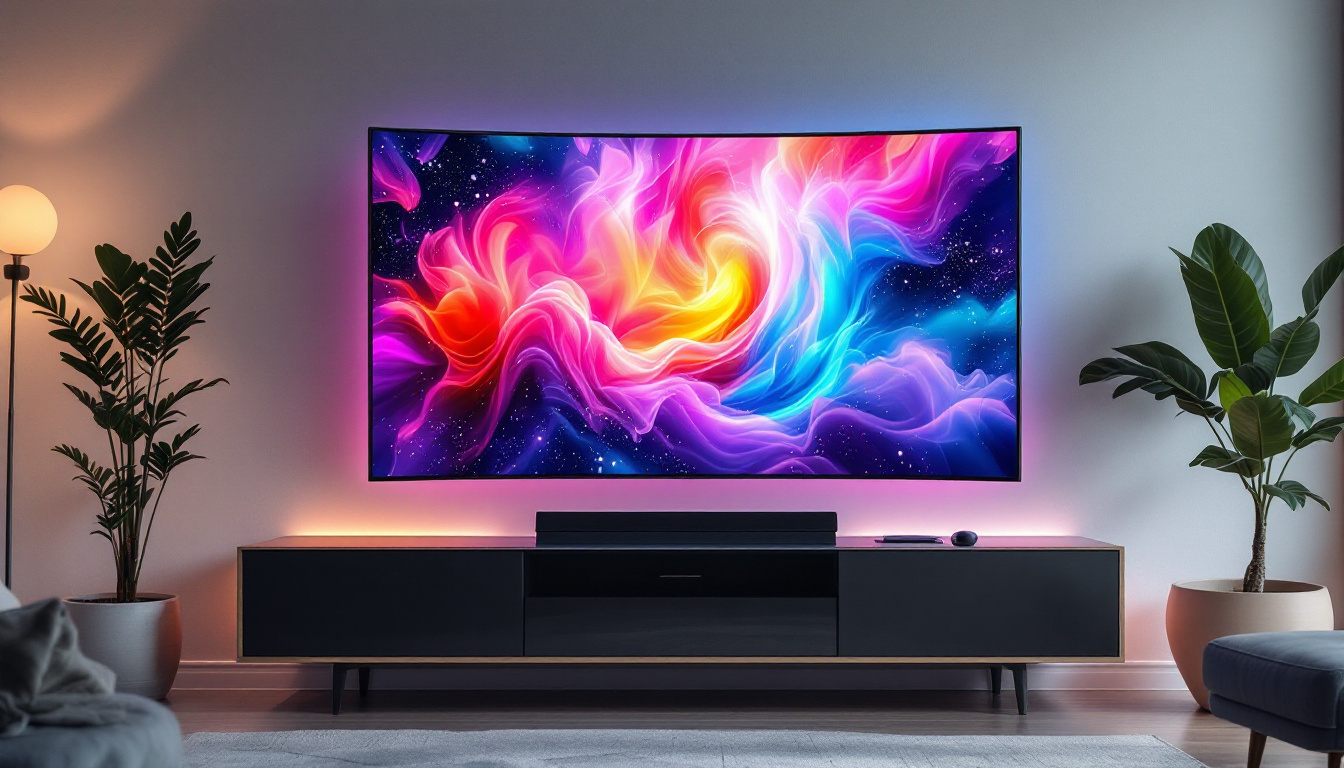
Recent advancements have introduced flexible and transparent LED displays, expanding the creative possibilities for designers and advertisers. Flexible LED screens can be curved or wrapped around surfaces, making them ideal for architectural installations and innovative signage.
Transparent LED displays allow light to pass through the screen, making them suitable for glass windows and storefronts where maintaining visibility while displaying content is essential. These technologies are gaining traction in retail and event marketing due to their eye-catching and futuristic appeal.
Applications of LED Displays
The versatility of LED displays has led to their widespread adoption across numerous sectors. Their ability to deliver high-impact visuals in various sizes and formats makes them invaluable tools for communication and engagement.
Advertising and Marketing
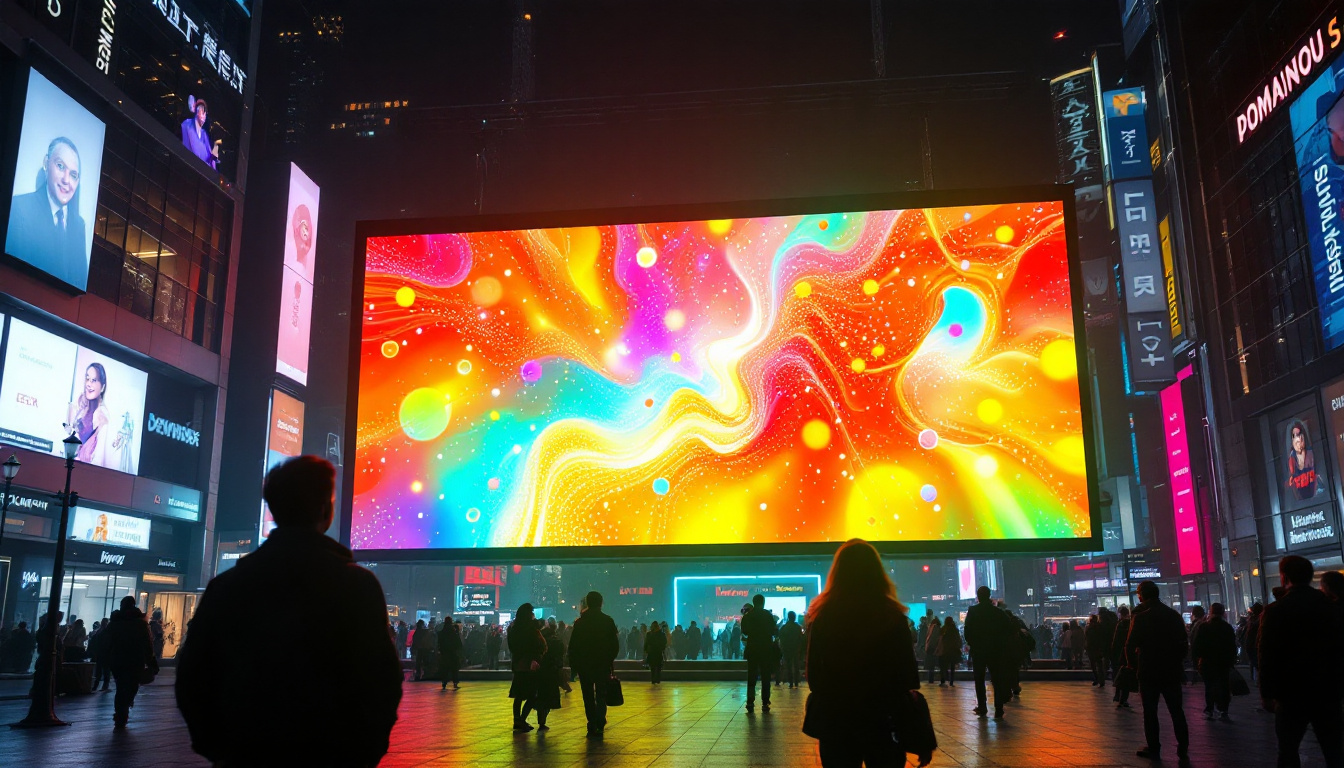
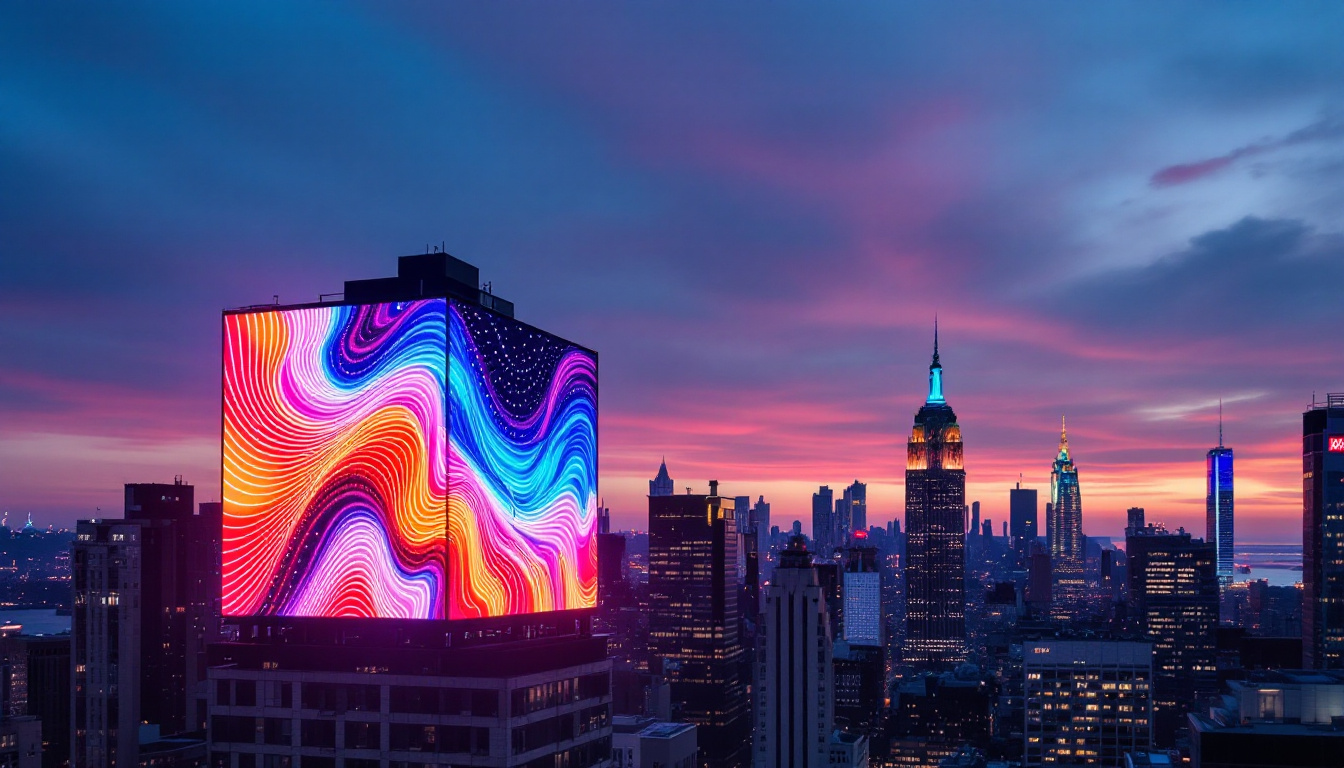
One of the most prominent uses of LED displays is in advertising. Digital billboards and signage enable dynamic content that can be updated in real-time, allowing brands to tailor messages based on time of day, audience demographics, or special events. According to recent market research, the global digital signage market is expected to grow at a compound annual growth rate (CAGR) of over 8% through 2027, driven largely by LED technology adoption.
LED displays also enhance in-store marketing by attracting customers with bright, colorful promotions and interactive content. Retailers use LED walls for product launches, sales announcements, and immersive brand experiences that increase customer engagement and sales.
Sports and Entertainment
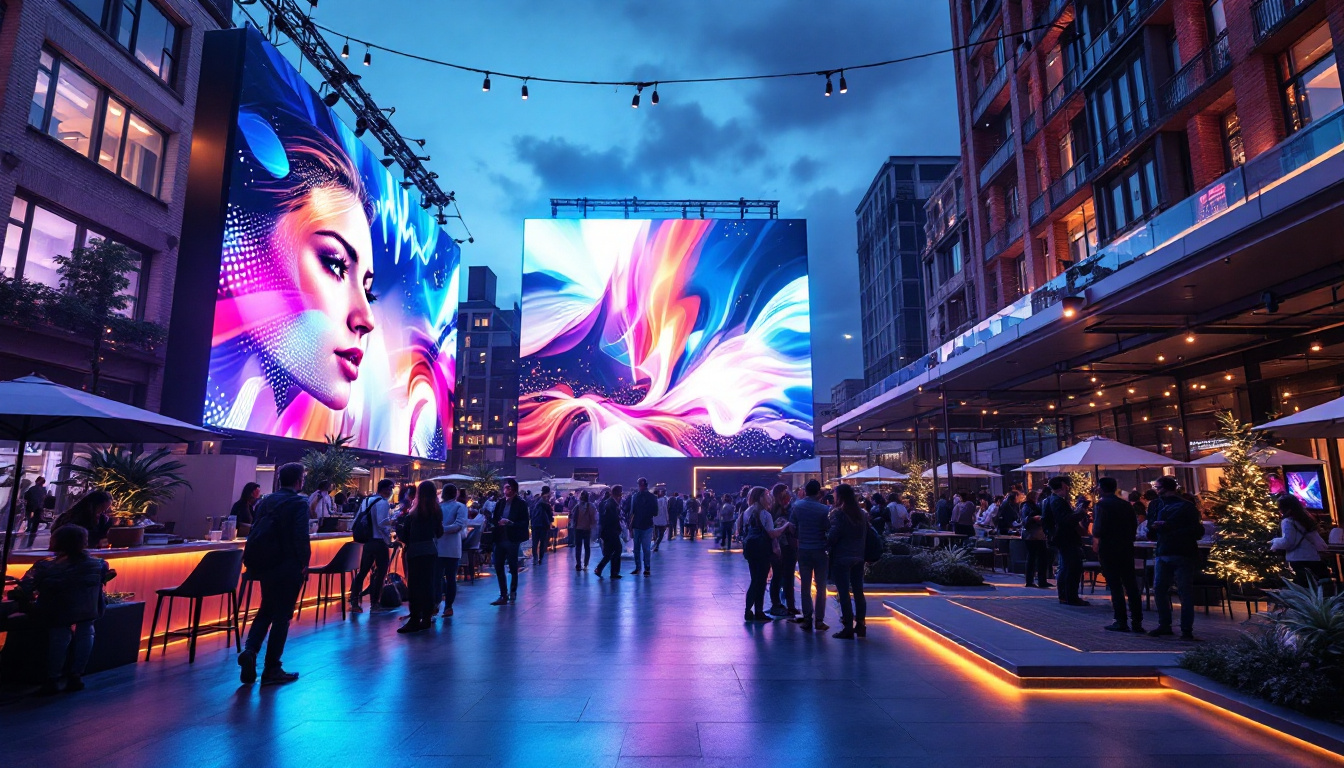
In stadiums and arenas, LED displays provide fans with instant replays, scores, and advertisements, enriching the live experience. Large-scale LED video walls can cover entire sections of a venue, creating an immersive atmosphere. The 2022 FIFA World Cup, for example, showcased advanced LED display technology both on the field and in fan zones, highlighting the importance of high-quality visual content in sports entertainment.
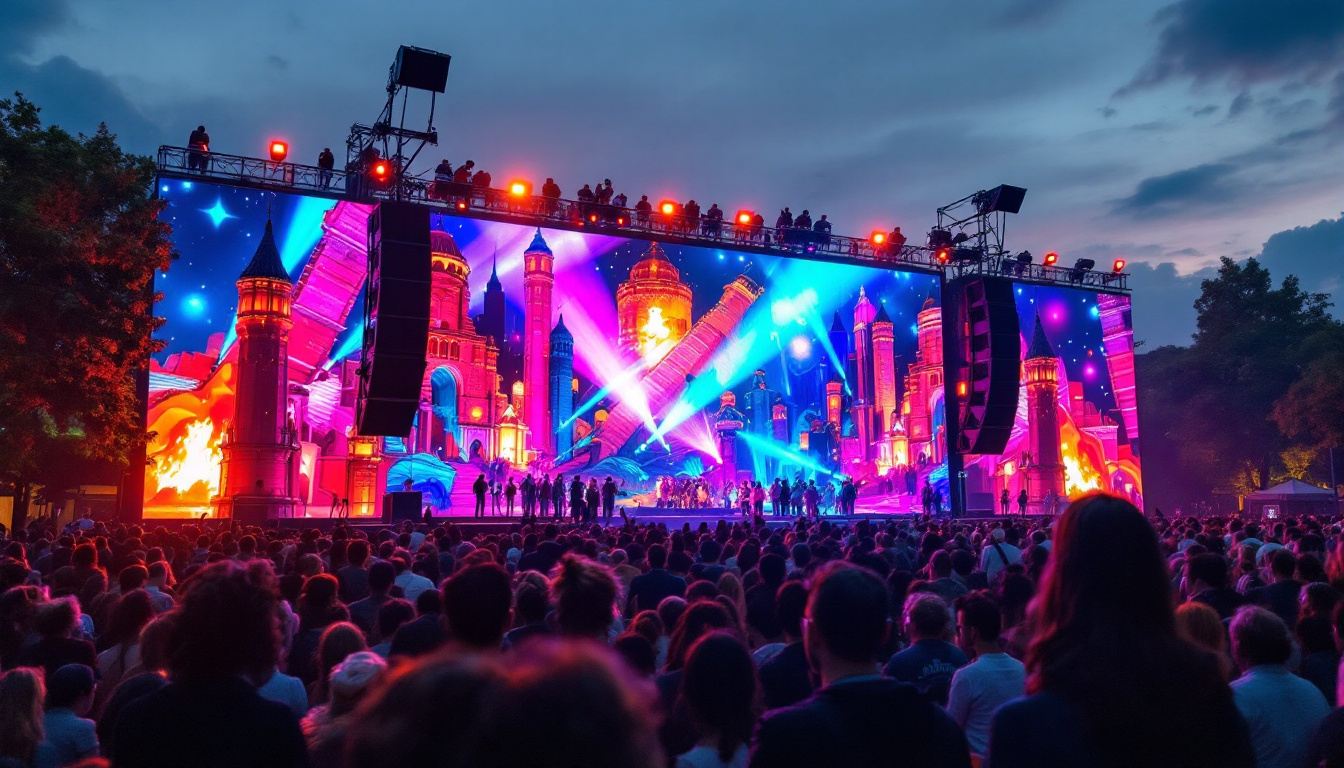
Concerts and events also rely on LED screens for stage backdrops and lighting effects. Their lightweight and modular design allow for quick installation and customization, making them ideal for touring productions.
Transportation and Public Information
LED displays are integral to modern transportation systems, providing real-time information on arrivals, departures, delays, and safety messages. Airports, train stations, and bus terminals use LED screens to keep travelers informed and improve operational efficiency.
Public safety campaigns and emergency alerts also benefit from LED signage due to their high visibility and ability to broadcast urgent messages promptly.
Corporate and Educational Use
In corporate settings, LED displays facilitate presentations, video conferencing, and digital dashboards that display key performance indicators. Their clarity and brightness make them suitable for boardrooms, lobbies, and training centers.
Educational institutions utilize LED screens for interactive learning, digital notice boards, and event broadcasting, enhancing communication and engagement among students and staff.
Choosing the Right LED Display
Selecting an LED display involves considering several factors to ensure the technology meets specific requirements and delivers the desired impact.
Resolution and Pixel Pitch
Resolution is a critical factor that determines image clarity. It is closely linked to pixel pitch—the distance between the centers of adjacent pixels. A smaller pixel pitch means higher resolution and sharper images, which is essential for close viewing distances.
For indoor applications where viewers are close to the screen, pixel pitches between 1.2 mm and 3 mm are common. Outdoor displays, viewed from afar, can have larger pixel pitches without compromising perceived image quality.
Brightness and Contrast
Brightness is measured in nits, and outdoor LED displays typically require higher brightness levels (around 5,000 to 8,000 nits) to combat sunlight glare. Indoor displays can operate at lower brightness levels (around 800 to 1,500 nits) to prevent eye strain and maintain color accuracy.
Contrast ratio, which measures the difference between the darkest black and the brightest white, affects image depth and realism. High contrast ratios enhance viewing experiences, especially in environments with variable lighting.
Durability and Maintenance
For outdoor installations, weather resistance is paramount. LED displays should have an IP65 rating or higher to ensure protection against dust and water. Additionally, modular designs facilitate easier maintenance and repairs, minimizing downtime.
Indoor displays should be designed for easy access and cleaning, especially in high-traffic areas.
Control Systems and Connectivity
Modern LED displays support various input sources and control systems, including wireless connectivity and cloud-based content management. This flexibility allows for remote updates, scheduling, and integration with other digital platforms, enhancing operational efficiency.
The Future of LED Displays
LED display technology continues to evolve rapidly, driven by innovations in materials, manufacturing, and software integration. Emerging trends promise to expand their capabilities and applications even further.
MicroLED and MiniLED Technology
MicroLED and MiniLED are next-generation display technologies that improve upon traditional LEDs by offering higher pixel densities, better color accuracy, and enhanced brightness. MicroLED displays, in particular, are poised to revolutionize the market with their potential for ultra-thin, flexible, and highly efficient screens suitable for everything from smartphones to large-scale video walls.
Artificial Intelligence and Interactive Displays
Integration of AI and machine learning enables LED displays to become more interactive and responsive. For instance, facial recognition and audience analytics can tailor content in real-time, increasing engagement and relevance. Touch-sensitive LED walls and gesture controls are also becoming more common in retail and public spaces.
Sustainability and Energy Efficiency
As environmental concerns grow, manufacturers are focusing on reducing the carbon footprint of LED displays. Advances in materials and power management are making displays more energy-efficient and recyclable, aligning with global sustainability goals.
Conclusion
LED displays have transformed the landscape of digital communication, offering unparalleled brightness, versatility, and energy efficiency. Whether for advertising, entertainment, public information, or corporate use, LED technology delivers compelling visual experiences that engage audiences and convey messages effectively.
Understanding the different types of LED displays, their technical specifications, and applications is essential for making informed decisions that maximize impact and return on investment. As technology advances, LED displays will continue to evolve, opening new possibilities for creativity and connectivity in the digital world.
Discover LumenMatrix’s Innovative LED Display Solutions
Ready to elevate your visual communication strategy with the latest in LED display technology? LumenMatrix is at the forefront of creating immersive and dynamic visual experiences that captivate and engage. From vibrant Indoor and Outdoor LED Wall Displays to versatile Vehicle and Sports LED Displays, our comprehensive range of solutions is designed to meet your unique needs. Whether you’re looking to enhance brand visibility, create interactive environments, or deliver messages with precision and flair, LumenMatrix has the cutting-edge technology to bring your vision to life. Don’t miss the opportunity to transform your space with our LED Poster Displays, Floor LED Displays, Custom LED Displays, All-in-One LED Displays, and LED Transparent Displays. Check out LumenMatrix LED Display Solutions today and join the revolution in digital signage and visual storytelling.