In the rapidly evolving world of digital media and visual technology, LED displays have become a cornerstone for delivering vibrant, high-quality content across various industries. From advertising billboards to stadium screens, and from corporate presentations to immersive art installations, LED displays are everywhere. This article explores the fundamentals of LED display technology, the importance of resolution in visual clarity, and how Resolution Studios harnesses these technologies to create stunning visual experiences.
Understanding LED Display Technology
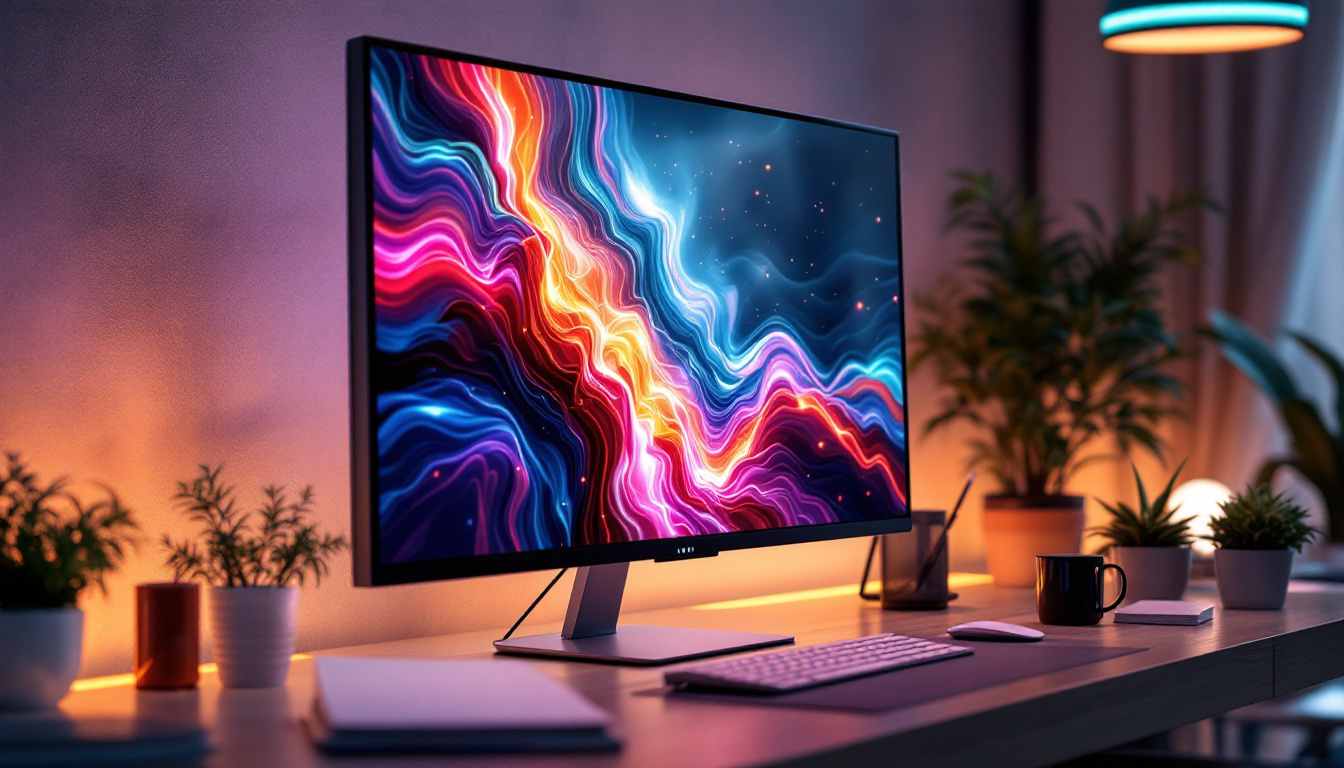
LED, or Light Emitting Diode, displays consist of numerous tiny light sources that together form images and videos. Unlike traditional LCD screens, which rely on backlighting, LED displays emit their own light, allowing for brighter images and deeper contrasts. This self-illumination capability makes LEDs ideal for both indoor and outdoor applications, where visibility under varying lighting conditions is critical. The energy efficiency of LED technology also contributes to its growing popularity, as it consumes significantly less power compared to conventional display technologies, leading to reduced operational costs and a smaller carbon footprint.
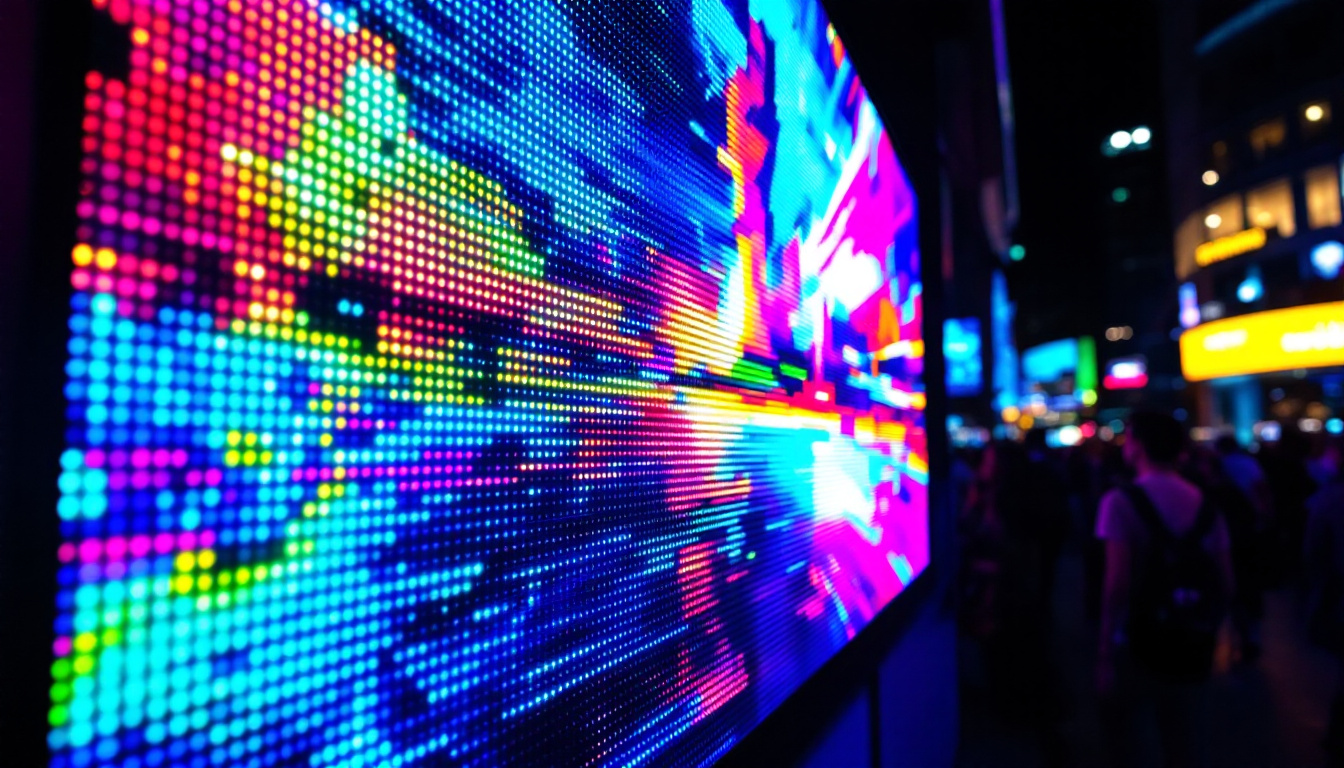
The core of an LED display is the pixel, which is made up of one or more LEDs. These pixels light up in different colors and intensities to produce the desired image. Modern LED displays often use a combination of red, green, and blue LEDs (RGB) to create a full spectrum of colors. The quality of the image depends on several factors, including pixel density, color accuracy, and refresh rate. Additionally, advancements in LED technology have led to the development of high dynamic range (HDR) displays, which enhance the contrast and color range even further, providing a more lifelike viewing experience.
Types of LED Displays
There are several types of LED displays, each tailored for specific uses:
- Indoor LED Displays: Designed for controlled lighting environments, these displays have higher pixel densities for closer viewing distances, such as in conference rooms or retail spaces. They often feature vibrant colors and high refresh rates, making them perfect for video presentations and advertising in dynamic settings.
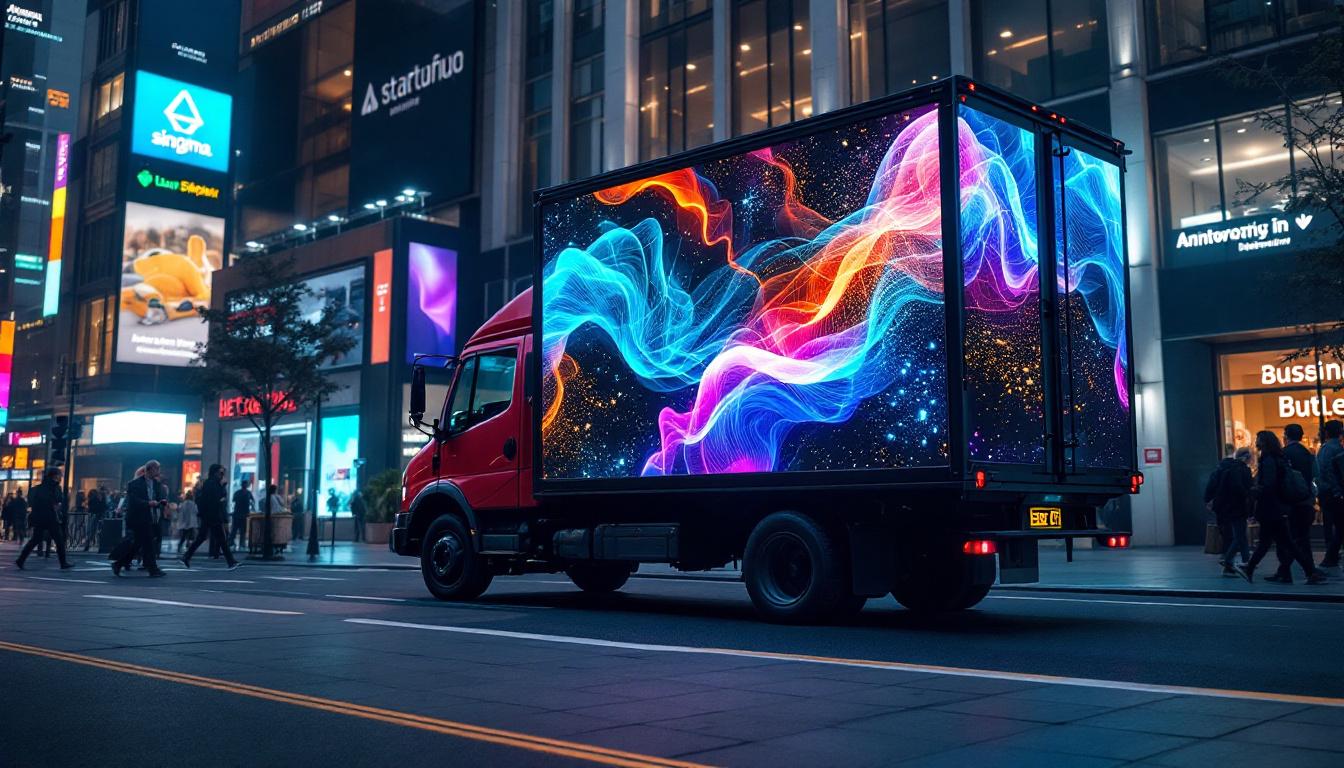
- Outdoor LED Displays: Built to withstand weather conditions and bright sunlight, these displays have higher brightness levels and are often used for billboards, sports arenas, and public information screens. These outdoor units are engineered with robust materials to resist rain, wind, and dust, ensuring longevity and reliability in various climates.
- Flexible and Transparent LED Displays: Innovations in LED technology have led to flexible panels that can curve around surfaces and transparent screens that allow light to pass through, enabling creative architectural integrations. This versatility opens up new possibilities for designers and advertisers, allowing for unique installations that blend seamlessly with their surroundings.
Moreover, the rise of smart LED displays has introduced interactive features, such as touch sensitivity and connectivity with mobile devices. This interactivity enhances user engagement, allowing for personalized content delivery and real-time updates. As technology continues to evolve, the integration of artificial intelligence and machine learning into LED displays is paving the way for even more advanced functionalities, such as adaptive brightness adjustments based on ambient light conditions and automated content scheduling based on audience analytics.
The Role of Resolution in LED Displays
Resolution is a critical factor in determining the clarity and detail of an LED display. It refers to the number of pixels contained within a display area, usually expressed as width × height (e.g., 1920 × 1080 pixels). The higher the resolution, the more detailed and sharp the image will be. This is particularly important in applications where visual fidelity is paramount, such as in medical imaging, graphic design, and high-definition video production. In these scenarios, even the slightest increase in resolution can make a significant difference in the quality of the visual output, allowing for more precise details to be discerned.
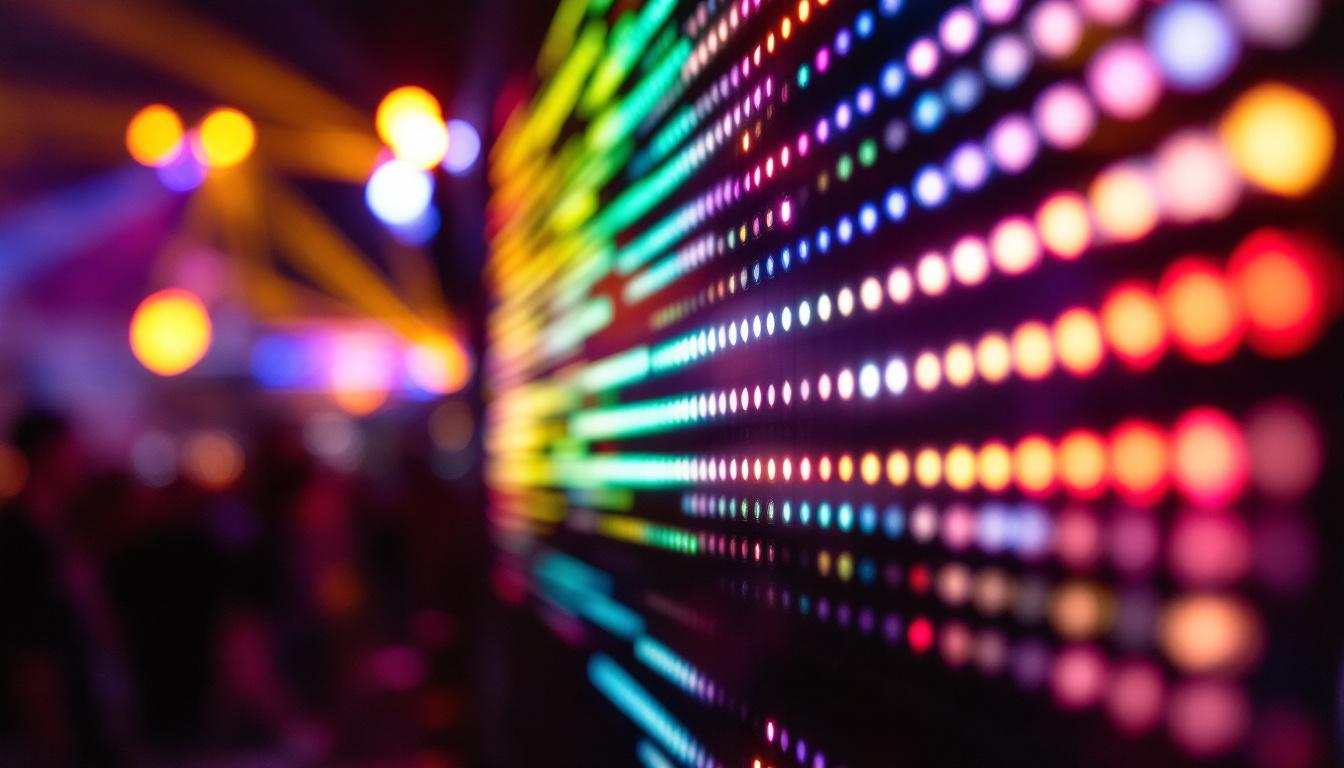
In LED displays, resolution is closely linked to pixel pitch, which is the distance between the centers of two adjacent pixels. A smaller pixel pitch means pixels are packed more tightly together, resulting in higher resolution and finer image detail. This relationship is crucial for industries that rely on large-scale displays, such as advertising and broadcasting, where the audience may be viewing from varying distances. The ability to maintain clarity and detail across different viewing scenarios is what sets high-quality LED displays apart from their lower-resolution counterparts.
Pixel Pitch and Viewing Distance
Pixel pitch directly influences the optimal viewing distance for an LED display. For example, a display with a 1.5mm pixel pitch is suitable for close-up viewing, such as in retail or control rooms, where viewers are just a few feet away. Conversely, a 10mm pixel pitch display is better for large venues like stadiums, where viewers are much farther from the screen. Understanding this relationship is essential for designers and engineers when planning installations, as it ensures that the audience experiences the best possible image quality without the distraction of visible pixels.
Choosing the right pixel pitch is essential to avoid pixelation (where individual pixels become visible) or unnecessarily high costs for resolutions that exceed the viewing distance requirements. This balance is particularly important in budget-sensitive projects, where maximizing visual impact while minimizing costs is a key consideration. Furthermore, as technology advances, the availability of various pixel pitches allows for more tailored solutions, enabling businesses to select displays that meet their specific needs without overspending on features that may not be utilized.
Resolution Standards and Trends
With the rise of 4K and even 8K content, LED displays are evolving to support ultra-high-definition resolutions. Many modern LED video walls now feature resolutions of 3840 × 2160 pixels (4K) or higher, enabling incredibly detailed and immersive visual experiences. This shift towards higher resolutions is not just a trend but a response to consumer demand for more engaging and lifelike imagery, particularly in entertainment and gaming. As content creators continue to push the boundaries of visual storytelling, the need for displays that can accurately reproduce this content becomes increasingly vital.
Additionally, advancements in micro-LED technology promise even higher pixel densities and improved energy efficiency, potentially revolutionizing the future of LED displays. Micro-LEDs offer the ability to create displays that are not only brighter and more vibrant but also thinner and lighter, opening up new possibilities for innovative display designs. This technology is paving the way for flexible and transparent displays, which could find applications in everything from augmented reality to architectural installations. As the industry continues to innovate, the standards for resolution and display quality are set to rise, challenging manufacturers to keep pace with the evolving demands of consumers and businesses alike.
Applications of LED Displays in Various Industries
LED displays have transformed how businesses and organizations communicate visually. Their versatility and impact make them invaluable across numerous sectors.
Advertising and Marketing
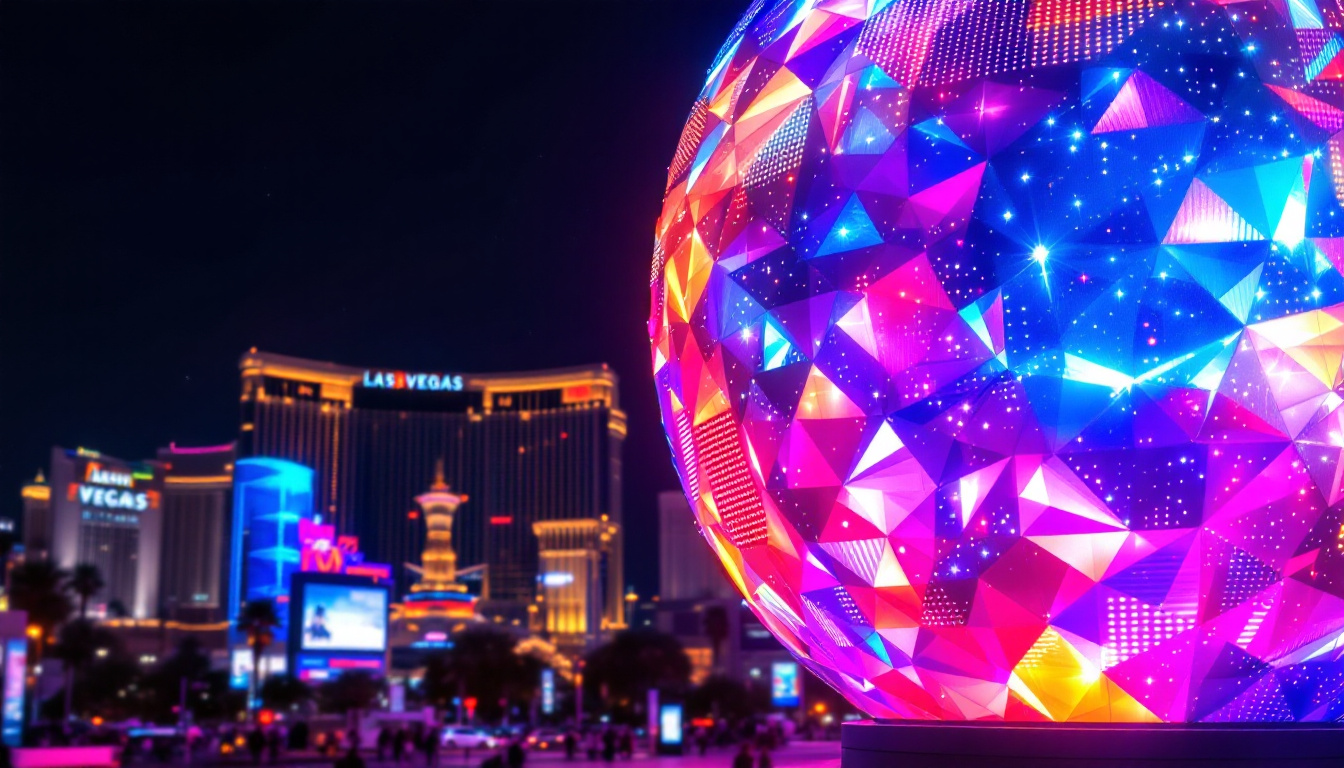
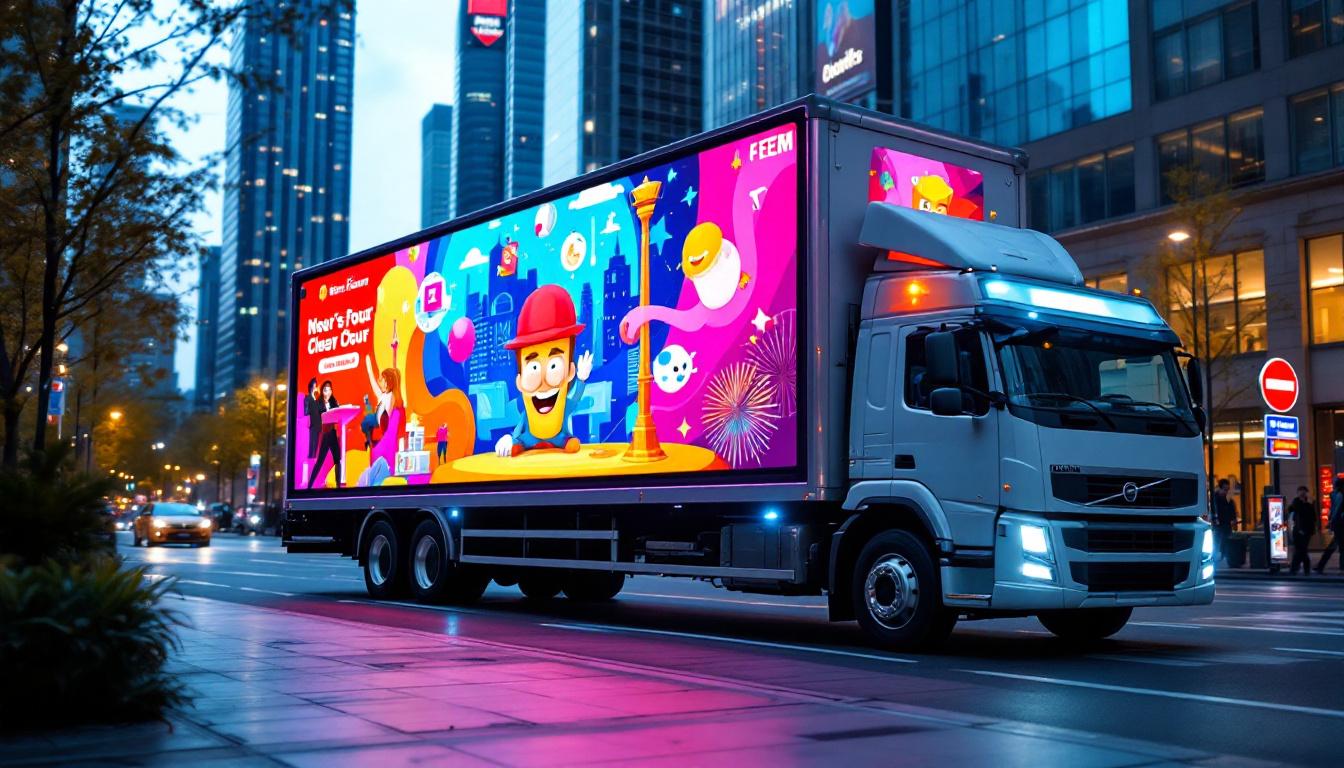
Outdoor LED billboards are among the most visible examples of LED technology in action. These displays can broadcast dynamic advertisements that capture attention more effectively than static signs. According to a 2023 Nielsen report, digital billboards have been shown to increase brand recall by up to 47% compared to traditional billboards.
Retailers use indoor LED displays to create engaging window displays and interactive product showcases, enhancing customer experience and driving sales.
Entertainment and Sports Venues
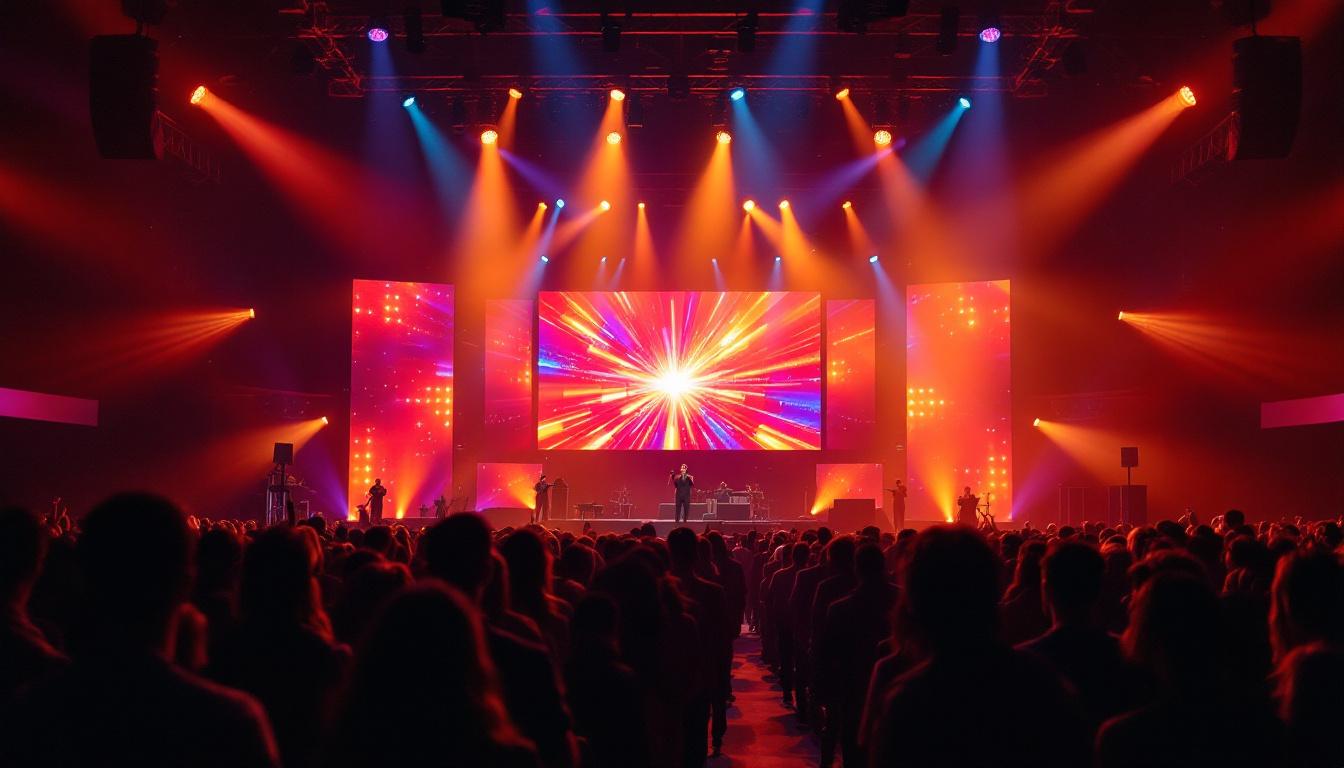
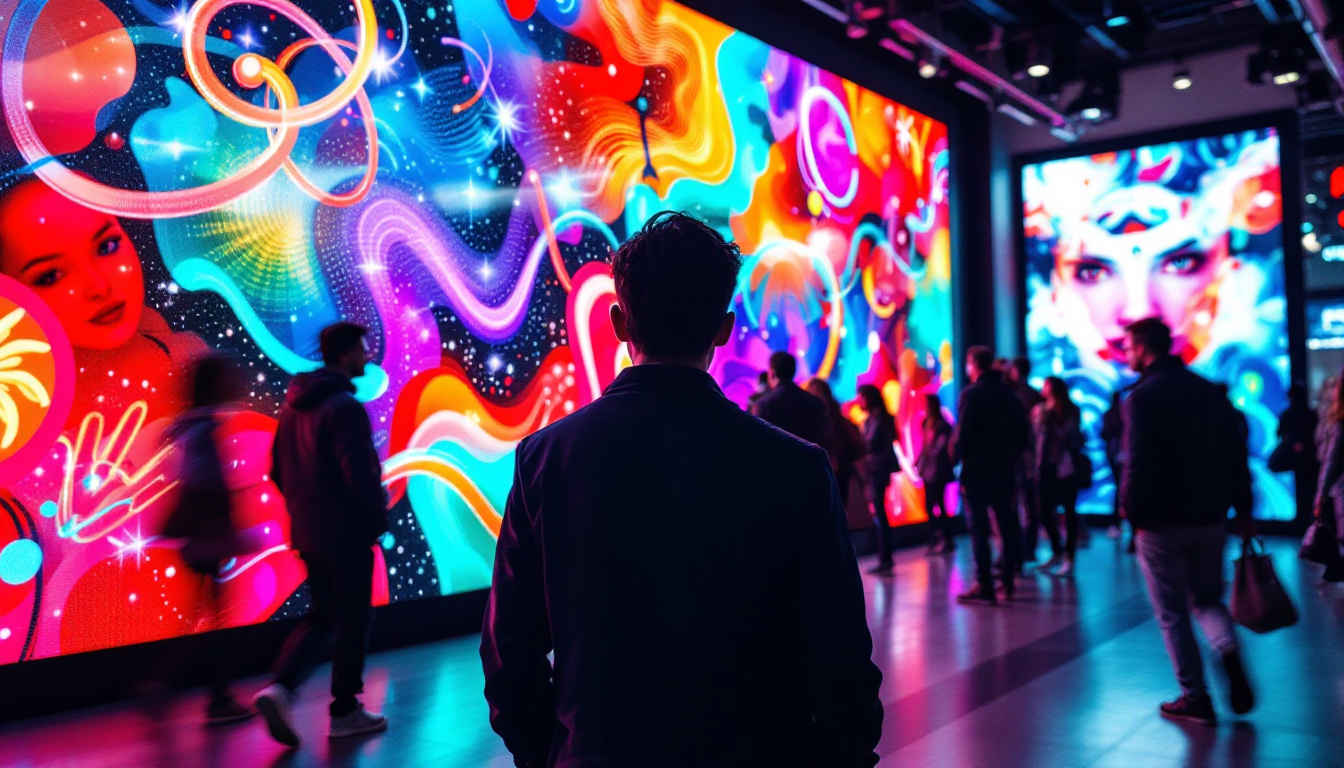
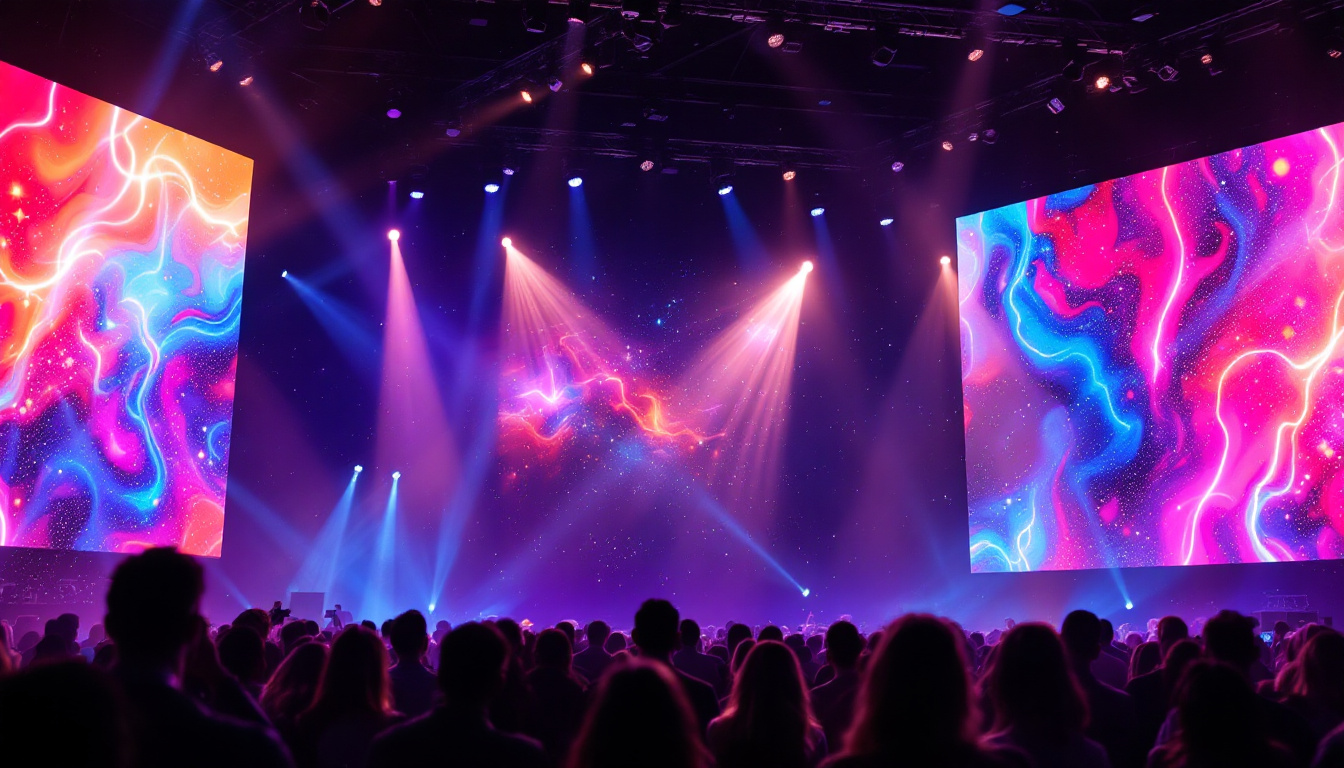
Stadiums and concert venues rely heavily on large-scale LED screens to provide live video feeds, replays, and immersive visual effects. These displays must combine high resolution with extreme brightness and durability to perform under diverse environmental conditions.
For example, the LED video wall installed at the 2022 FIFA World Cup stadiums featured pixel pitches as low as 4mm, delivering crystal-clear images to tens of thousands of spectators.
Corporate and Educational Environments
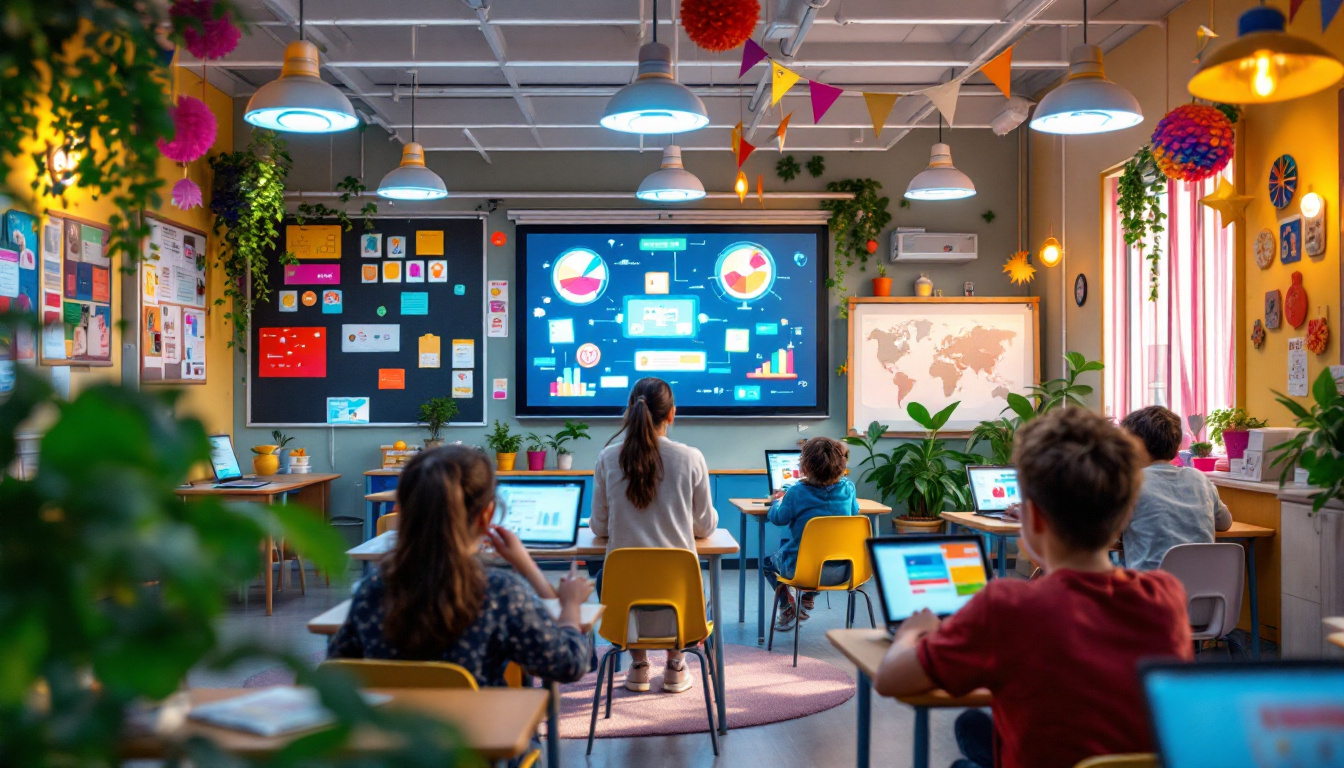
In corporate settings, LED displays are used for presentations, video conferencing, and digital signage. Their ability to display sharp, bright images enhances communication and collaboration.
Educational institutions employ LED walls in lecture halls and auditoriums to improve visibility and engagement, particularly for remote or hybrid learning models.
How Resolution Studios Leverages LED Technology
Resolution Studios specializes in creating bespoke LED display solutions tailored to client needs. By combining cutting-edge technology with creative design, they deliver immersive visual environments that captivate audiences.
Customized Pixel Pitch Selection
One of the key services offered by Resolution Studios is advising clients on the optimal pixel pitch based on viewing distance, location, and content type. This ensures that every installation achieves the perfect balance between image clarity and cost-effectiveness.
For example, Resolution Studios recently completed a project for a luxury retail brand, installing a 1.2mm pitch indoor LED wall that allows shoppers to experience ultra-high-definition product visuals up close.
Integration and Content Management
Beyond hardware, Resolution Studios provides comprehensive content management solutions. Their platforms enable clients to schedule, update, and customize content remotely, ensuring displays remain fresh and relevant.
They also offer creative services, including motion graphics and interactive media, to maximize the impact of LED installations.
Technical Support and Maintenance
Maintaining LED displays requires specialized knowledge to address issues such as dead pixels, color calibration, and software updates. Resolution Studios offers ongoing technical support and maintenance contracts to keep installations running smoothly over time.
Future Trends in LED Display Technology
The LED display industry continues to innovate rapidly, driven by advancements in materials science, electronics, and software.
Micro-LED and Mini-LED Innovations
Micro-LED technology uses microscopic LEDs to create displays with unprecedented brightness, contrast, and energy efficiency. This technology promises thinner, lighter screens with superior image quality, ideal for both consumer electronics and large-scale installations.
Mini-LEDs, slightly larger than micro-LEDs, are already being integrated into premium TVs and monitors, offering improved local dimming and HDR performance.
Interactive and Immersive Experiences
Future LED displays will increasingly incorporate touch, gesture, and augmented reality features, transforming passive screens into interactive experiences. This evolution will open new possibilities in retail, education, and entertainment.
Sustainability and Energy Efficiency
As environmental concerns grow, LED manufacturers are focusing on reducing power consumption and using eco-friendly materials. Energy-efficient LED displays not only lower operating costs but also contribute to corporate sustainability goals.
Conclusion
LED displays are a dynamic and versatile technology that continues to reshape how visual content is presented across industries. Understanding the relationship between resolution, pixel pitch, and application requirements is essential for maximizing the impact of these displays.
Resolution Studios stands at the forefront of this field, delivering customized LED solutions that combine technical excellence with creative vision. As LED technology advances, the potential for immersive, high-resolution visual experiences will only grow, offering exciting opportunities for businesses and audiences alike.
Discover LumenMatrix LED Display Solutions
Ready to elevate your visual experience with the latest in LED technology? LumenMatrix is at the cutting edge, offering a diverse range of LED display solutions tailored to your unique needs. From Indoor and Outdoor LED Walls to innovative Transparent Displays, our mission is to revolutionize your visual communication. Engage and captivate your audience with unparalleled clarity and impact. Check out LumenMatrix LED Display Solutions today and transform your space into a dynamic visual showcase.