In the modern world of digital signage and visual communication, LED video boards have become a cornerstone technology. From bustling sports arenas to vibrant city centers, these dynamic displays captivate audiences with their brightness, clarity, and versatility. But what exactly is an LED video board? How do these displays work, and why have they become the preferred choice for large-scale digital signage? This article delves into the fundamentals of LED video boards, exploring their technology, applications, and benefits.
Understanding LED Video Boards: The Basics
What Is an LED Video Board?
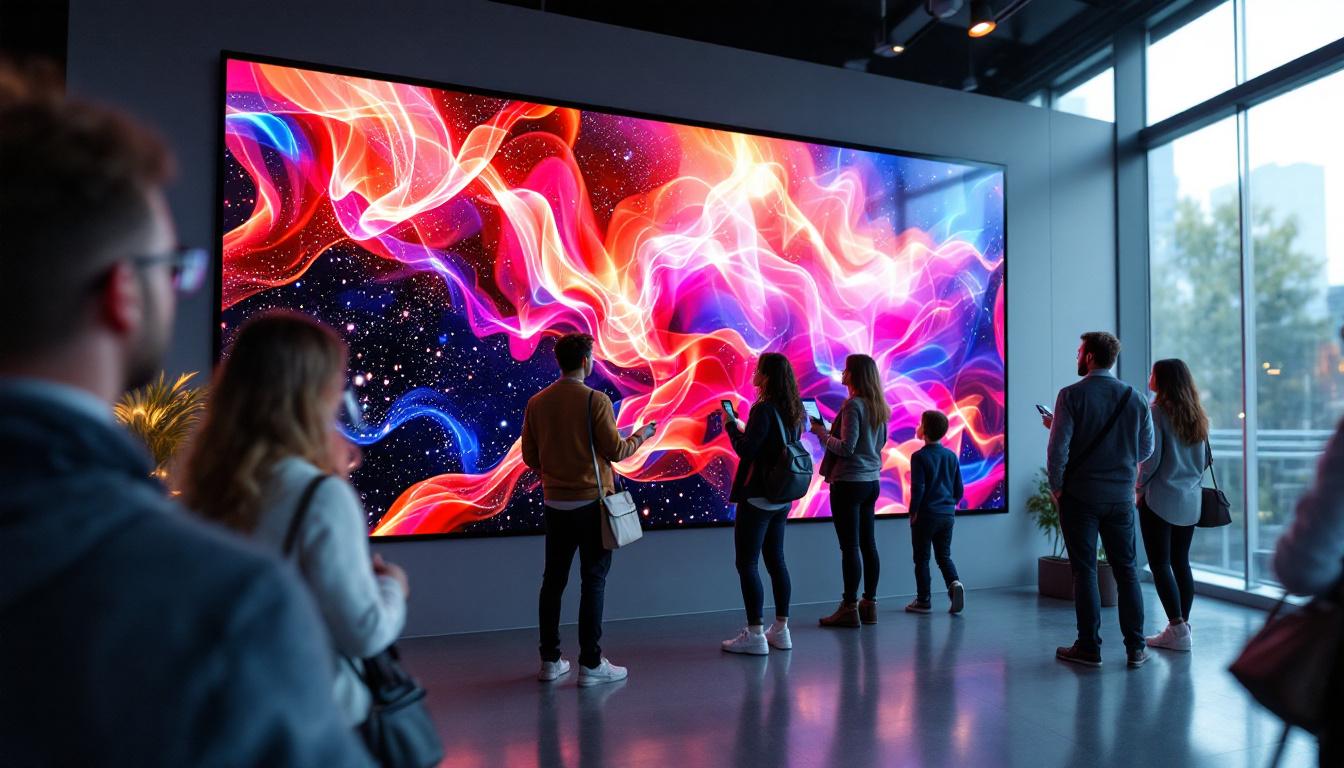
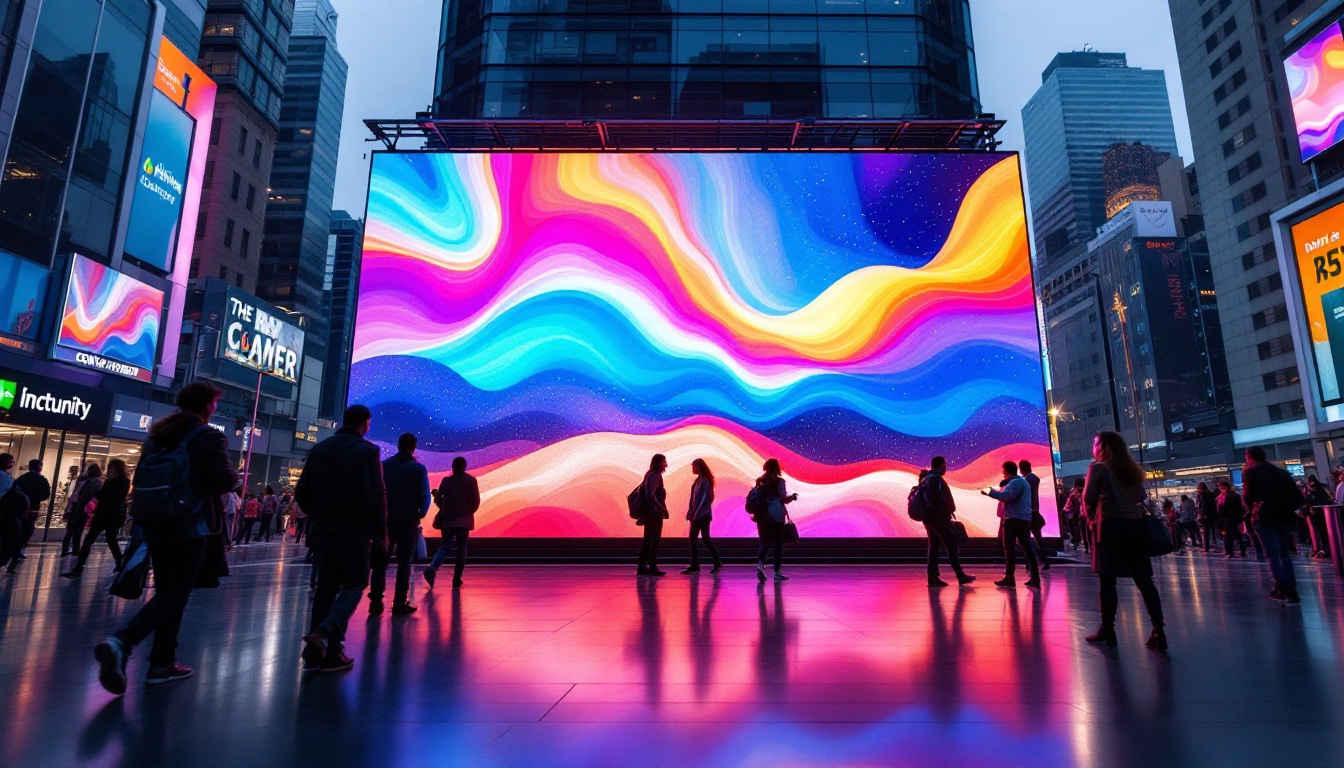
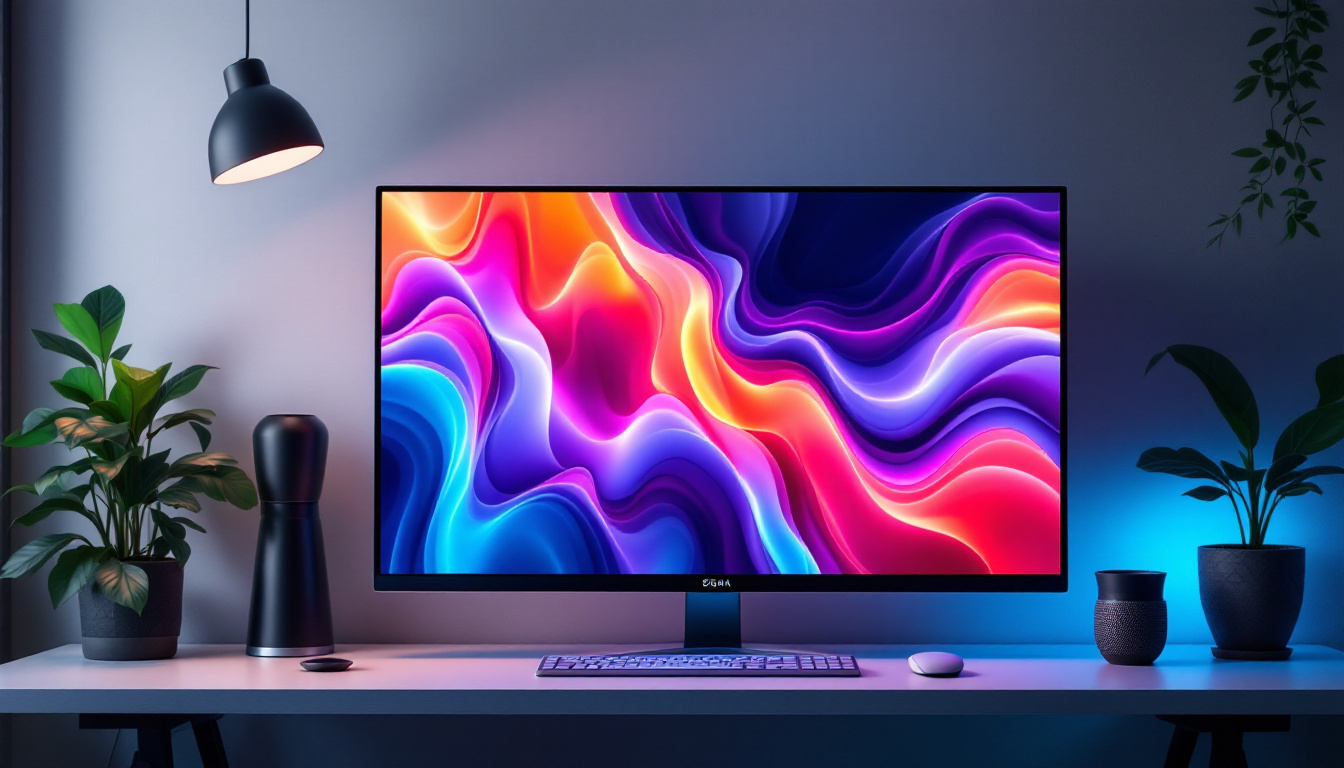
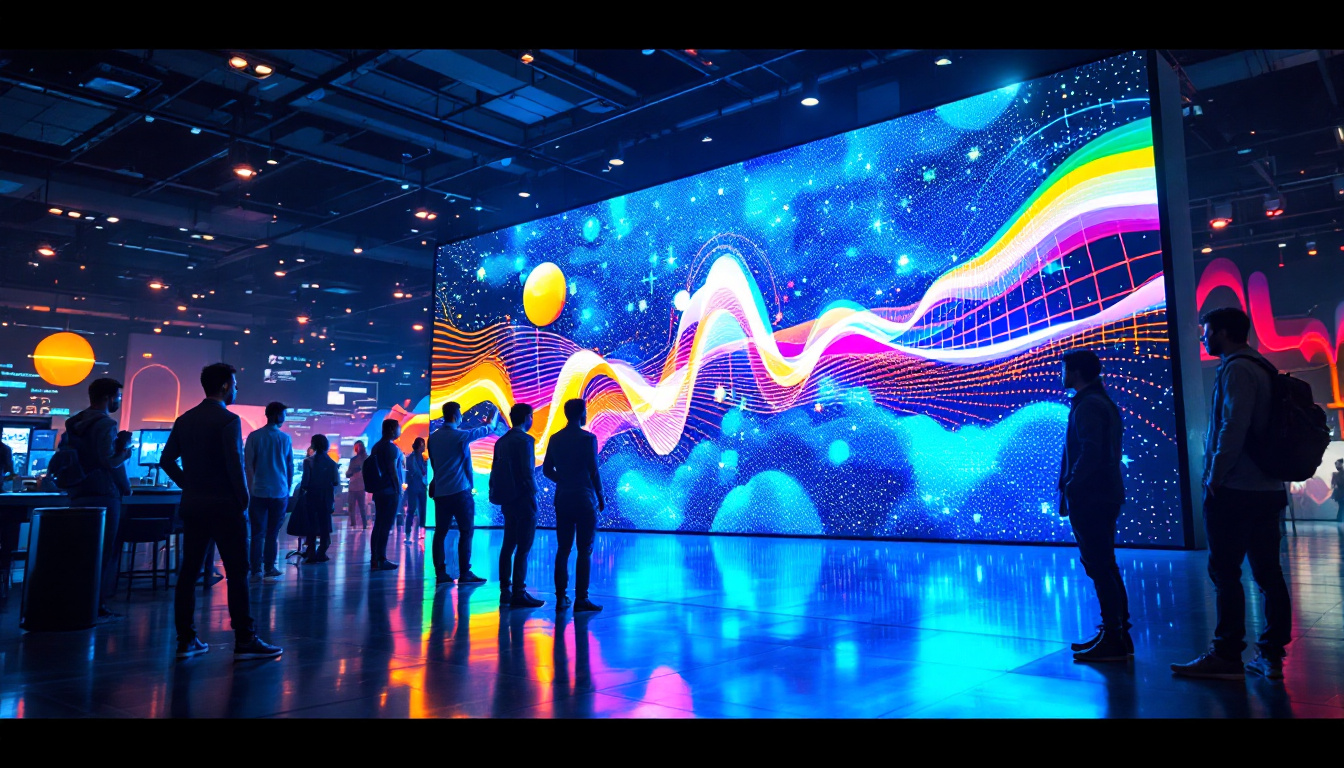
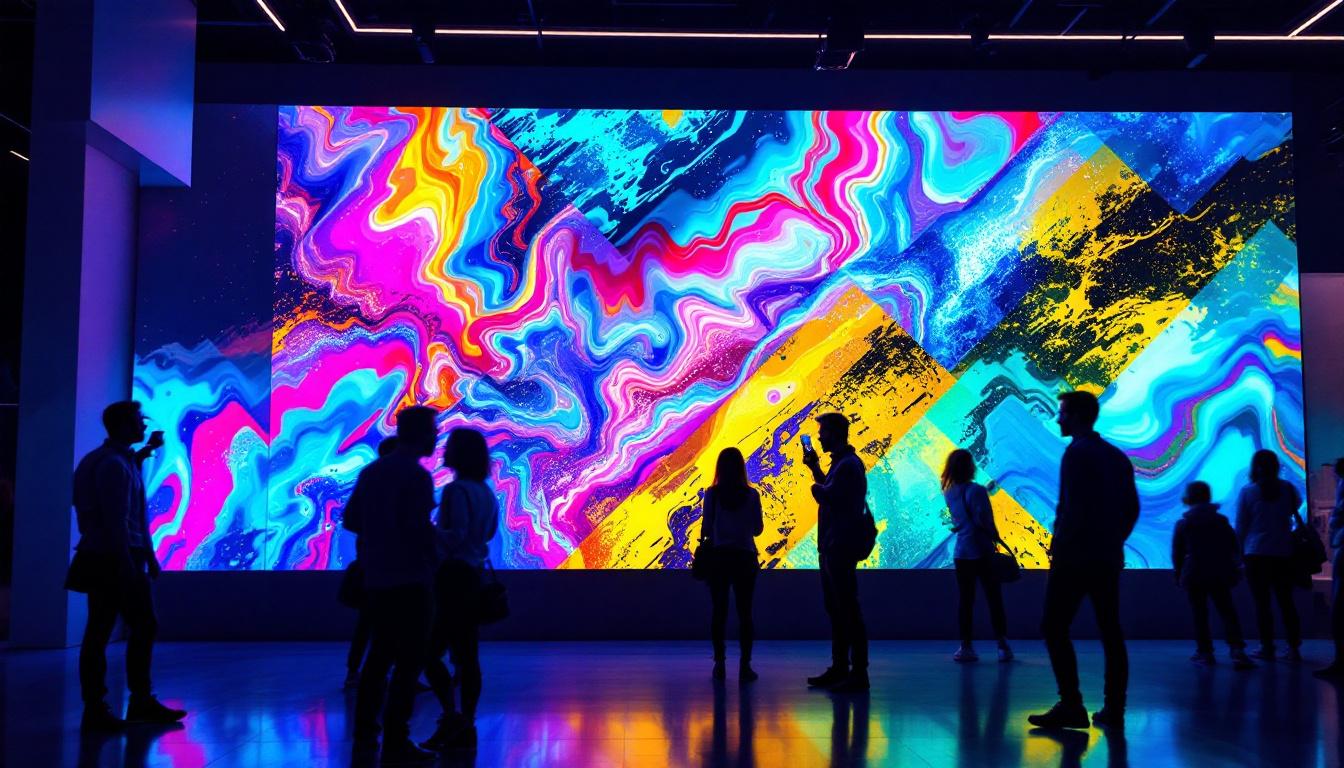
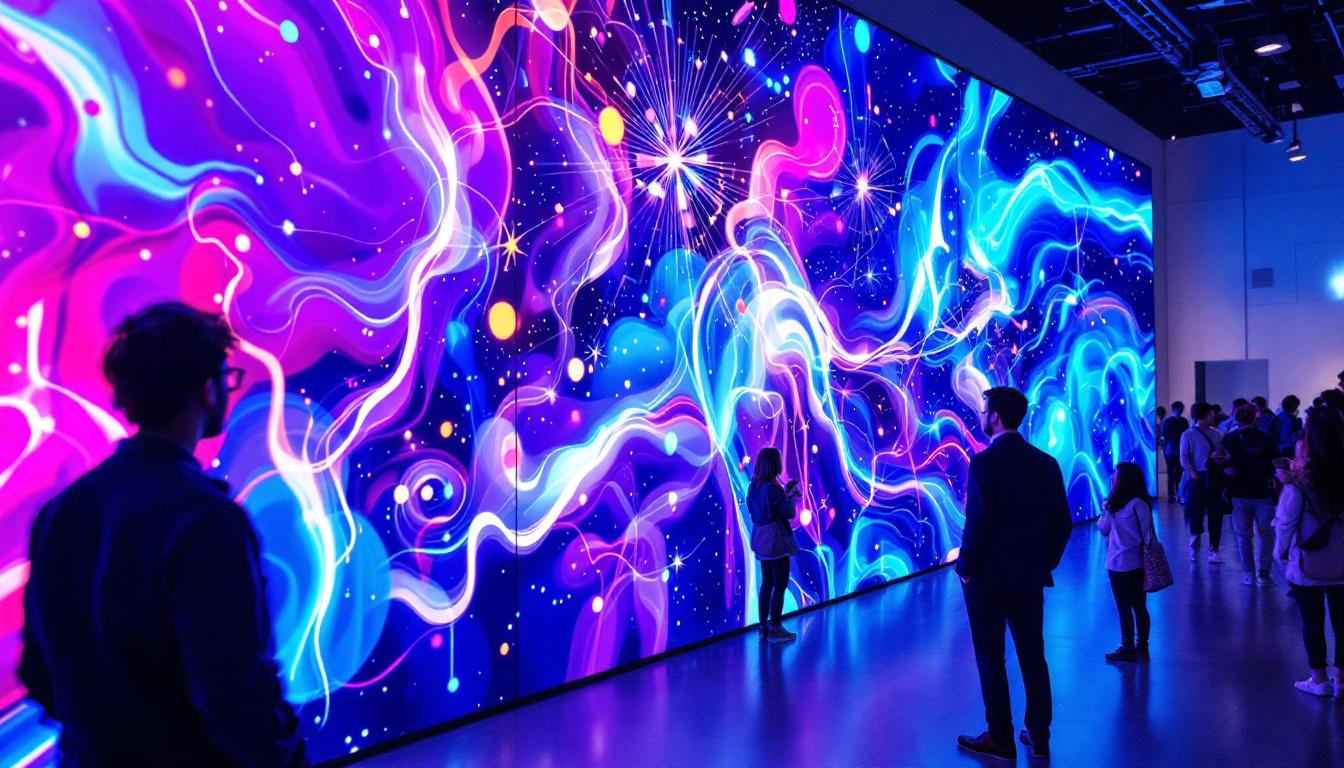
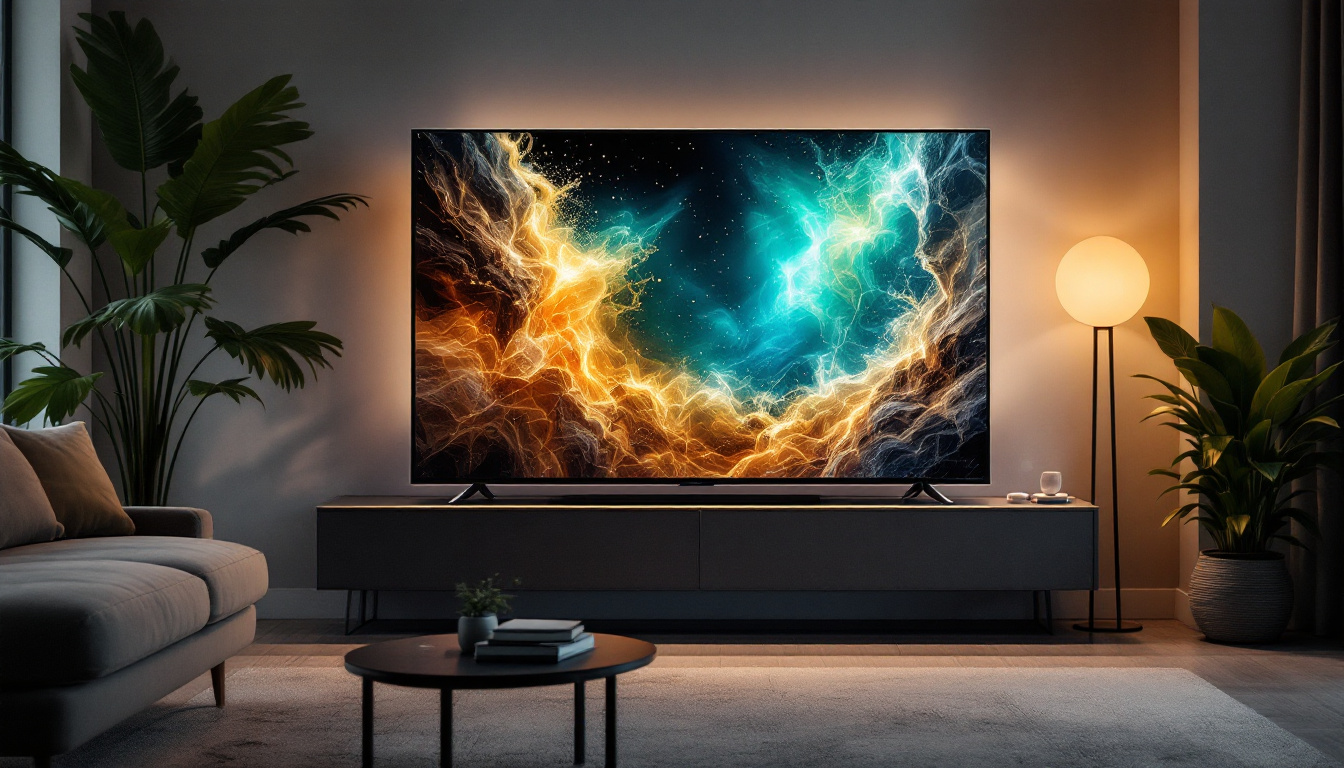
An LED video board is a large-scale digital display composed of numerous light-emitting diodes (LEDs) arranged in a matrix. These boards are designed to showcase video content, images, text, and animations with exceptional brightness and color vibrancy. Unlike traditional LCD or projection screens, LED video boards use individual LEDs as pixels, which allows for superior visibility even in direct sunlight or large open spaces.
Typically, these boards are modular, meaning they consist of multiple panels or cabinets that can be assembled to create screens of various sizes and resolutions. This modularity makes LED video boards highly customizable, suitable for both indoor and outdoor environments. For instance, in sports arenas, large LED boards can display live game footage, advertisements, and instant replays, enhancing the spectator experience. Similarly, in retail spaces, these boards can be used to showcase promotions and dynamic content that captures the attention of passersby, making them an invaluable tool for modern marketing strategies.
How Do LED Displays Work?
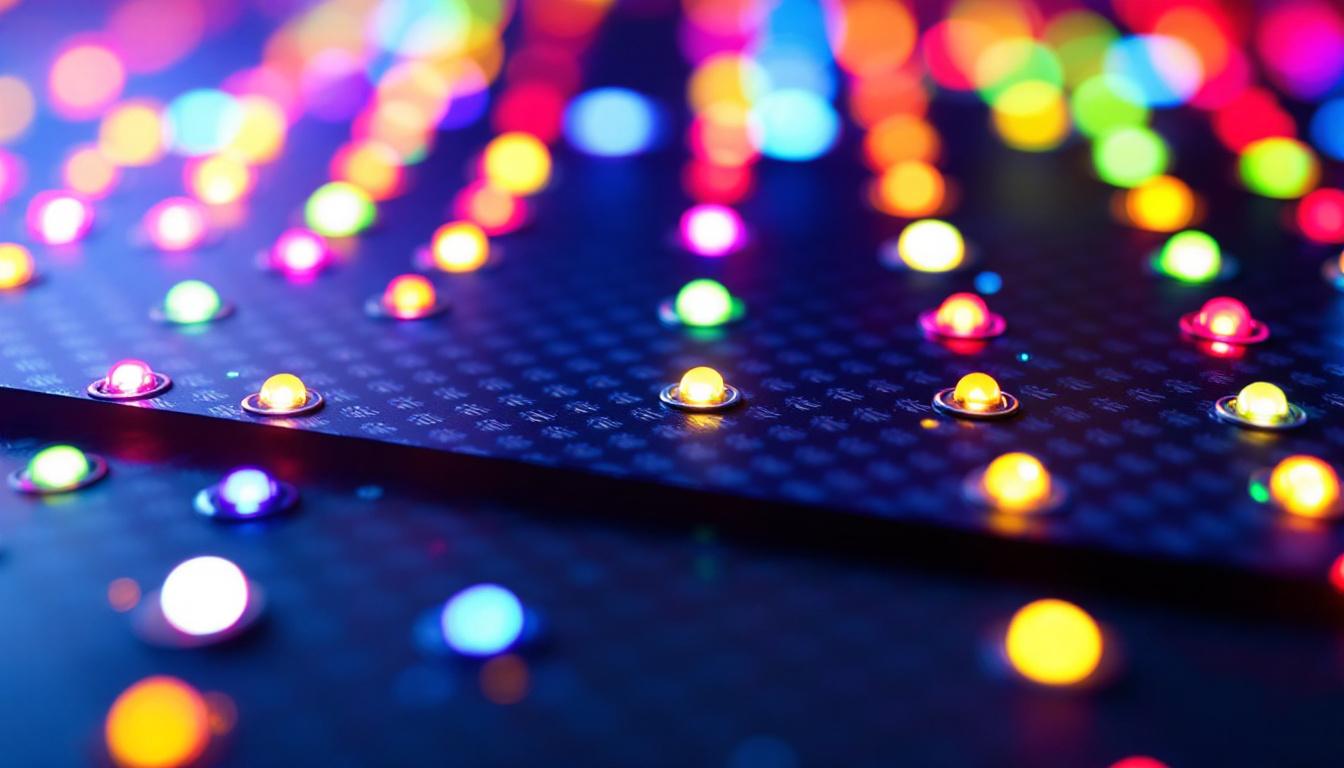
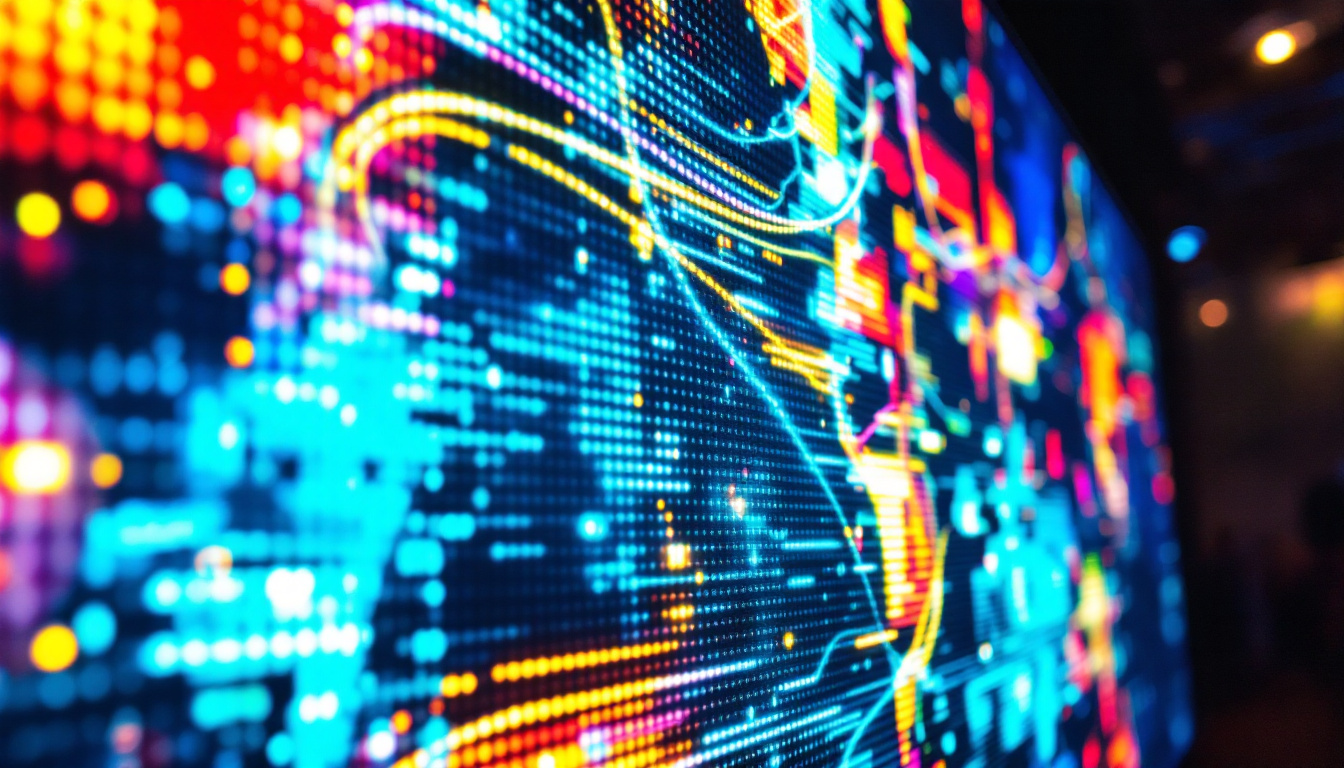
The core technology behind LED video boards involves tiny semiconductor devices that emit light when an electric current passes through them. Each LED functions as a single pixel or part of a pixel, and by varying the intensity of red, green, and blue LEDs, the display can produce a full spectrum of colors.
Modern LED boards use surface-mounted device (SMD) LEDs, which integrate all three primary colors into a single package, allowing for higher pixel density and better image quality. The display controller processes video signals and manages the timing and brightness of each LED, ensuring smooth and vibrant visuals. Additionally, advancements in LED technology have led to the development of features such as high dynamic range (HDR) and improved refresh rates, which enhance the viewing experience by providing deeper contrasts and more fluid motion. This is particularly beneficial in applications such as live broadcasting, where clarity and detail are paramount. Furthermore, many LED video boards are equipped with smart technology that allows for real-time content updates and remote management, making them versatile tools for various industries, from entertainment to education.
Key Components of LED Video Boards
LED Modules and Pixels
The fundamental building block of an LED video board is the LED module, which contains a grid of pixels. Each pixel consists of three LEDs (red, green, and blue) that combine to create the desired color. The pixel pitch, or the distance between the centers of two adjacent pixels, is a crucial specification. A smaller pixel pitch means higher resolution and sharper images, especially important for close viewing distances. For instance, a pixel pitch of 2mm is ideal for indoor environments where viewers are close to the screen, while a pitch of 10mm or more is often used for outdoor displays where viewers are typically farther away. This variance in pixel pitch not only affects image clarity but also influences the overall cost and application of the LED board.
Cabinets and Enclosures
LED modules are mounted onto larger panels called cabinets. These cabinets provide structural support, house power supplies, and include cooling systems to maintain optimal operating temperatures. For outdoor installations, cabinets are designed to be weatherproof, with protection against dust, moisture, and extreme temperatures. Additionally, the design of the cabinets can vary significantly based on the intended use; for example, some cabinets are designed for easy transport and setup at events, featuring lightweight materials and quick-lock mechanisms. Others may be more robust, built to withstand harsh environmental conditions, and equipped with reinforced corners and secure mounting options to ensure stability in high winds or during heavy rainfall.
Control Systems
The control system is the brain behind the LED video board. It includes video processors, controllers, and software that manage content playback, synchronization, and calibration. Advanced systems allow for remote monitoring and real-time content updates, which are essential for dynamic advertising and live event broadcasting. Furthermore, these control systems often integrate with various content management systems (CMS), enabling users to schedule and automate content delivery based on specific times or events. This capability is particularly beneficial for businesses that want to display targeted advertisements or promotions at peak times, maximizing viewer engagement and return on investment. Additionally, many modern control systems support multiple input sources, allowing for seamless transitions between live feeds, pre-recorded videos, and interactive content, thereby enhancing the overall viewer experience.
Applications of LED Video Boards
Sports and Entertainment Venues
One of the most visible applications of LED video boards is in sports stadiums and arenas. These displays provide live game footage, replays, scores, and advertisements, enhancing the fan experience. For example, the Dallas Cowboys’ AT&T Stadium features one of the largest high-definition LED video boards in the world, measuring approximately 160 feet wide and 72 feet tall.
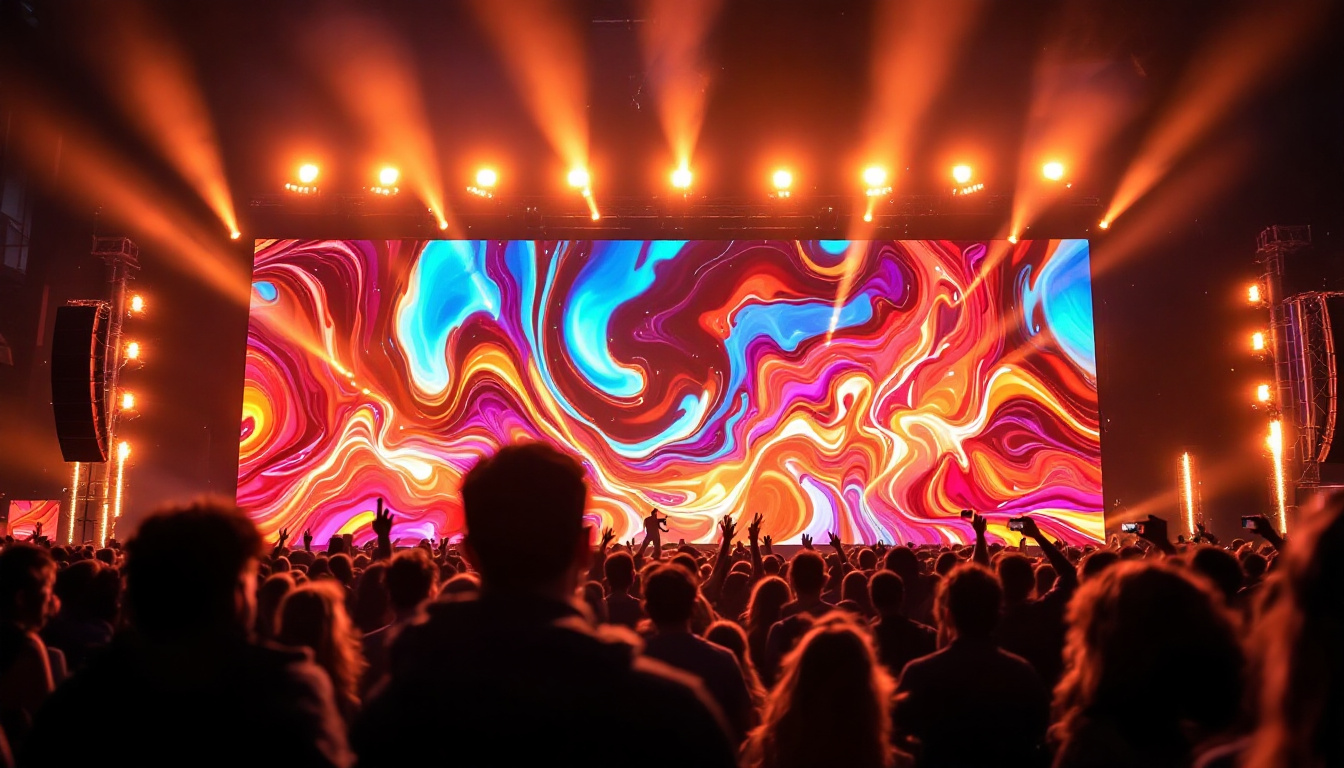
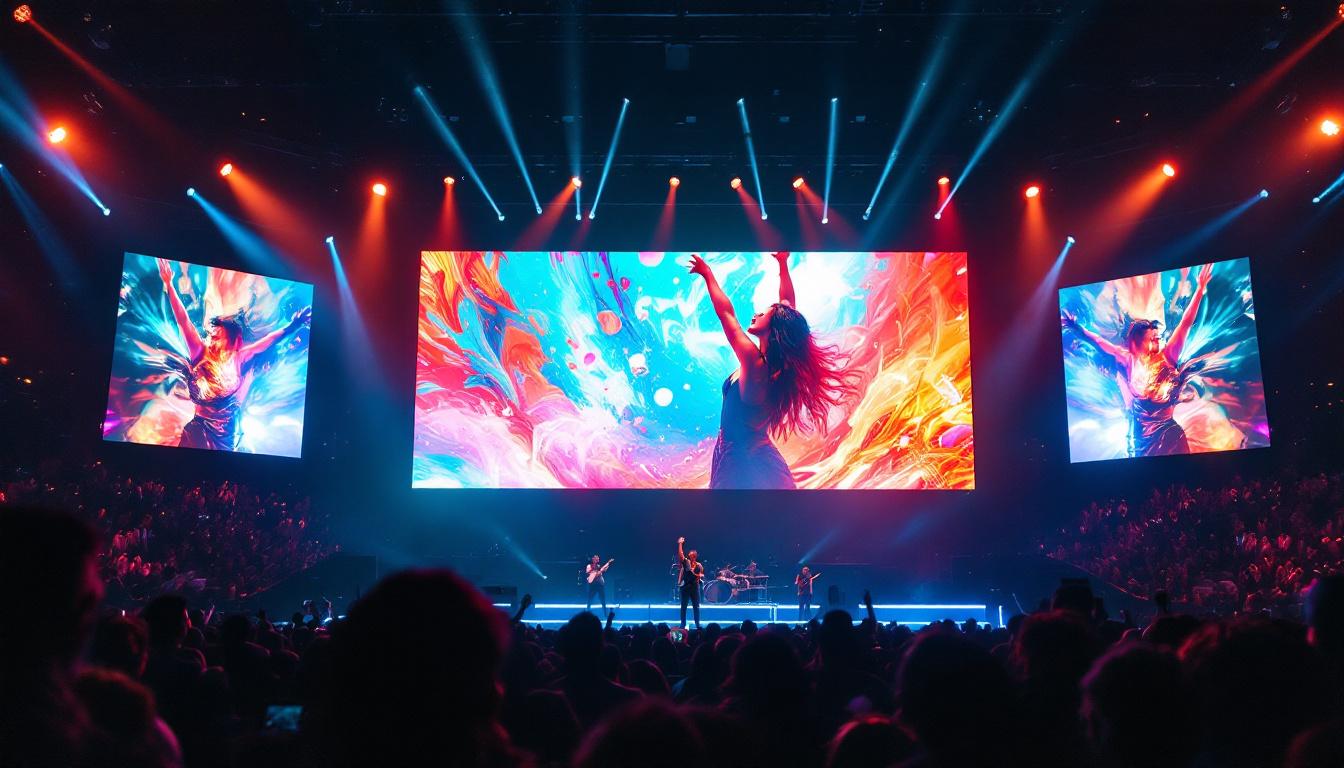
Beyond sports, LED boards are widely used in concert venues and theaters to create immersive visual effects and dynamic backdrops that engage audiences.
Advertising and Digital Billboards
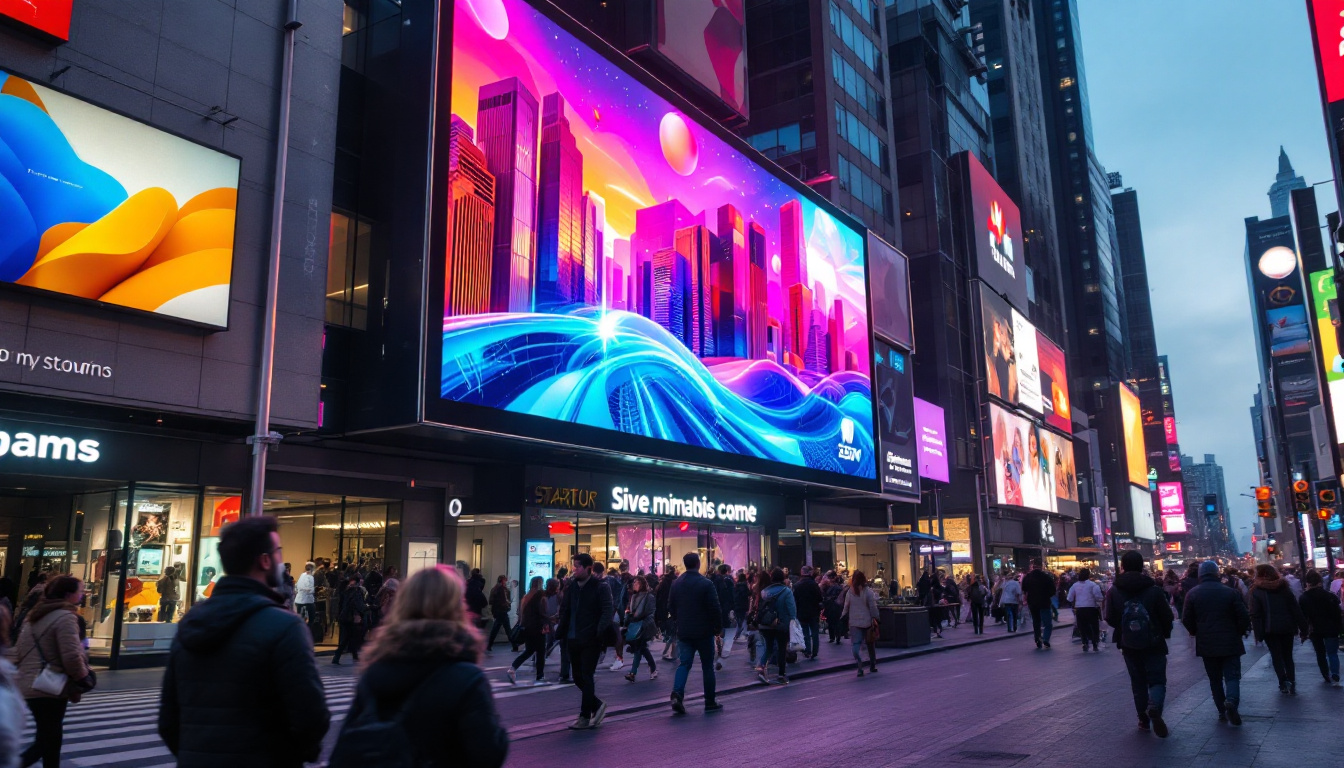
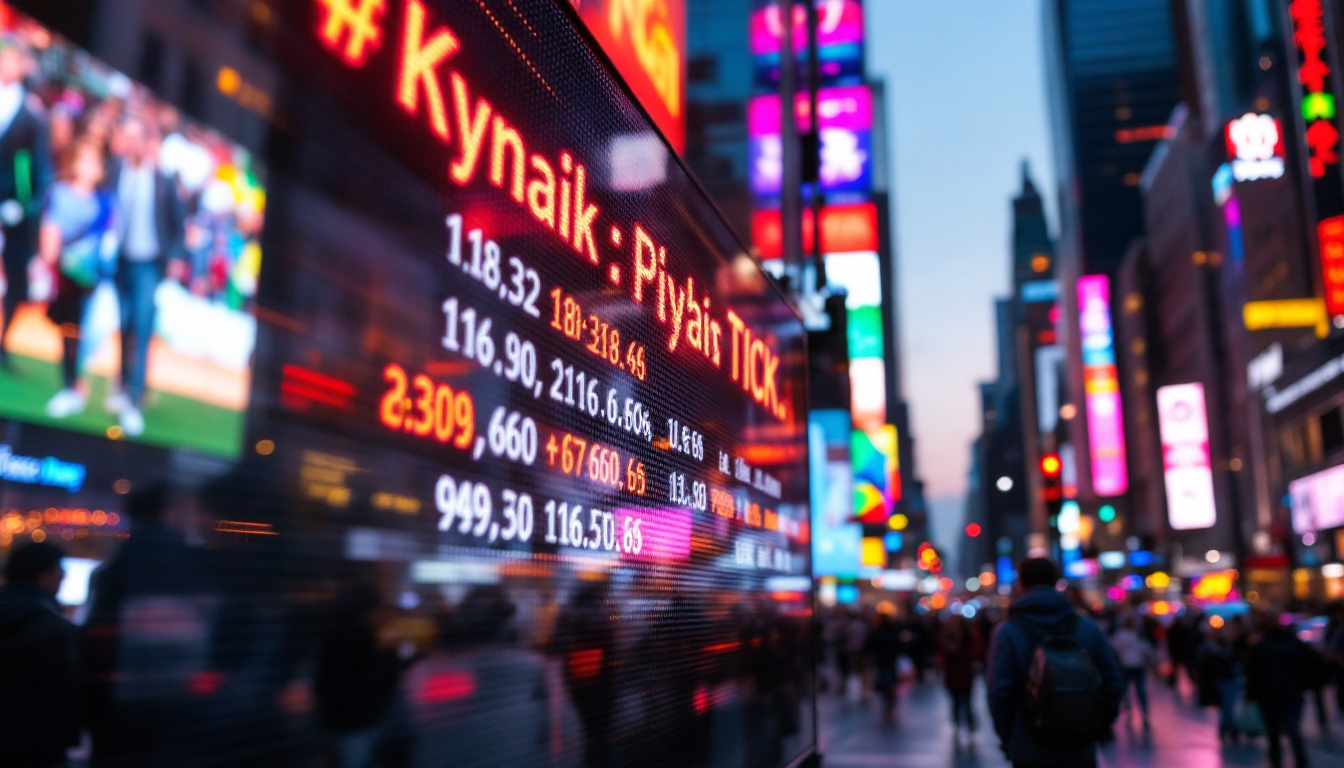
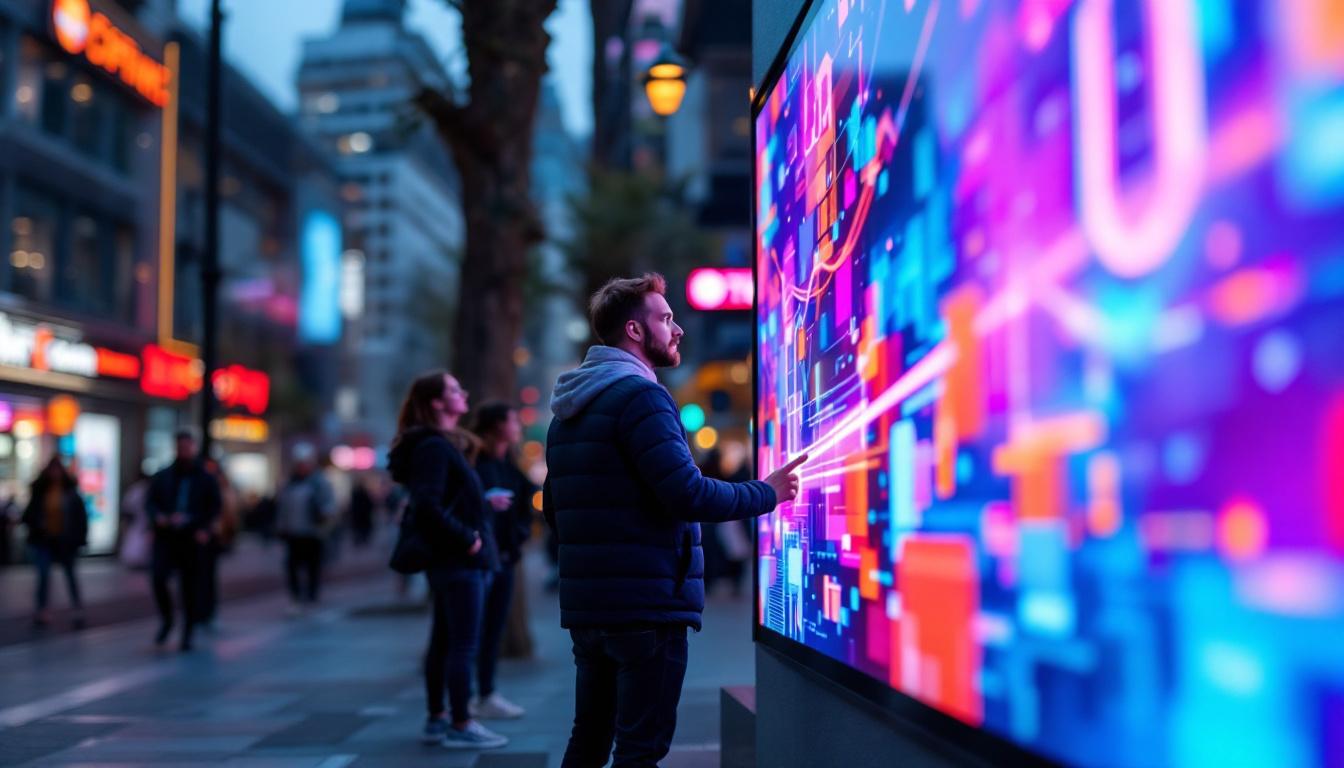
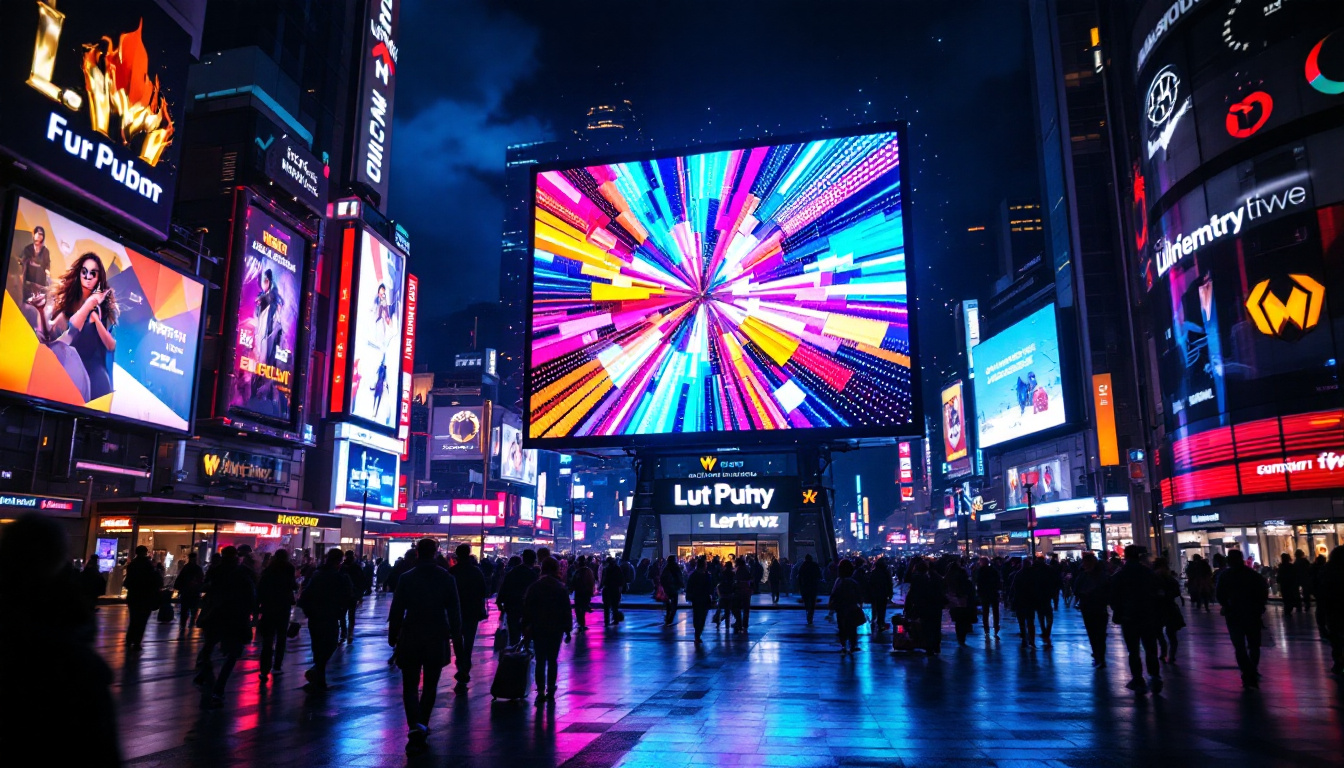
LED video boards have revolutionized outdoor advertising. Their high brightness ensures visibility even under direct sunlight, while their ability to display changing content allows advertisers to run multiple campaigns on a single board. Times Square in New York City is a prime example, where LED billboards dominate the landscape, delivering vibrant, eye-catching advertisements around the clock.
Transportation and Public Information
Airports, train stations, and bus terminals utilize LED video boards to provide real-time information such as arrivals, departures, delays, and emergency notifications. Their clarity and brightness ensure that travelers can easily access critical information, improving overall operational efficiency and passenger experience.
Corporate and Retail Environments
In corporate settings, LED video boards serve as communication tools for presentations, conferences, and digital signage. Retailers use them to attract customers with promotional content, interactive displays, and brand storytelling, driving engagement and sales.
Advantages of LED Video Boards
Superior Brightness and Visibility
LED video boards are renowned for their exceptional brightness, often exceeding 5,000 nits, which makes them easily viewable in direct sunlight. This characteristic is crucial for outdoor applications where ambient light can diminish the effectiveness of other display technologies.
Energy Efficiency and Longevity
Compared to traditional lighting and display technologies, LEDs consume significantly less power. Advances in LED efficiency and thermal management have extended the lifespan of these displays to over 100,000 hours of operation, reducing maintenance costs and downtime.
Flexibility and Scalability
The modular design of LED video boards allows for flexible sizing and aspect ratios. Whether it’s a massive stadium screen or a compact indoor display, LED technology can be tailored to meet specific spatial and resolution requirements. Furthermore, content can be updated instantly, enabling dynamic messaging and interactive experiences.
High Contrast and Color Accuracy
LED displays offer high contrast ratios and vibrant color reproduction, which enhances image quality and viewer engagement. This is particularly important for advertising and entertainment, where visual impact drives effectiveness.
Considerations When Choosing an LED Video Board
Pixel Pitch and Resolution
Choosing the right pixel pitch depends largely on the intended viewing distance. For close-range viewing, such as indoor retail displays, a pixel pitch of 1.5mm to 2.5mm is common. For outdoor applications viewed from afar, pixel pitches can range from 6mm to 20mm or more. Balancing resolution with budget and installation constraints is key to achieving optimal results.
Indoor vs. Outdoor Use
Outdoor LED video boards require robust weatherproofing, higher brightness levels, and specialized cooling systems. Indoor displays can focus more on resolution and color accuracy, with less emphasis on extreme brightness or environmental protection.
Installation and Maintenance
Proper installation ensures structural safety and optimal performance. Maintenance considerations include ease of access for repairs, availability of replacement modules, and remote monitoring capabilities. Partnering with experienced manufacturers and installers can mitigate potential issues and extend the lifespan of the display.
Budget and Total Cost of Ownership
While LED video boards can represent a significant upfront investment, their durability, energy efficiency, and advertising potential often justify the cost. It is important to consider not only the purchase price but also installation, maintenance, software licensing, and operational expenses over the display’s lifetime.
Future Trends in LED Video Board Technology
MicroLED and MiniLED Innovations
Emerging technologies like MicroLED and MiniLED promise even higher resolution, improved brightness, and better energy efficiency. MicroLED, in particular, offers self-emissive pixels with superior contrast and color accuracy, potentially rivaling OLED displays in image quality while maintaining the durability of LEDs.
Flexible and Transparent LED Displays
Advances in flexible LED panels allow for curved and irregularly shaped displays, opening new possibilities in architectural integration and creative design. Transparent LED displays enable screens to blend seamlessly into glass surfaces, creating futuristic storefronts and augmented reality experiences.
AI-Driven Content and Smart Displays
Artificial intelligence is increasingly being integrated into LED video board systems to optimize content delivery based on audience demographics, environmental conditions, and real-time analytics. Smart displays can adjust brightness automatically, tailor advertisements, and interact with viewers through sensors and mobile connectivity.
Conclusion
LED video boards have transformed the landscape of digital display technology, offering unmatched brightness, versatility, and visual impact. Their applications span from sports and entertainment to advertising, transportation, and corporate communications, making them indispensable tools for modern visual engagement.
Understanding the technology behind LED displays, their key components, and the factors influencing their selection can empower businesses and organizations to make informed decisions. As LED technology continues to evolve with innovations like MicroLED and AI integration, the future of LED video boards promises even more dynamic and immersive visual experiences.
Whether enhancing fan engagement in a stadium, delivering timely information in public spaces, or captivating consumers with vibrant advertising, LED video boards stand at the forefront of digital communication, illuminating the way forward.
Illuminate Your Space with LumenMatrix
Ready to elevate your visual communication with cutting-edge LED technology? LumenMatrix is at the forefront of innovation, offering a diverse range of LED display solutions tailored to your needs. From vibrant Indoor LED Wall Displays to robust Outdoor LED Wall Displays, and from dynamic Vehicle LED Displays to sleek LED Poster Displays, our products are designed to captivate and engage your audience. Discover the transformative power of LED Sports Displays, interactive Floor LED Displays, and the versatility of Custom LED Displays and All-in-One LED solutions. Experience the future of transparent visuals with our LED Transparent Display. Embrace the revolution in digital signage with LumenMatrix and share your message with unparalleled impact. Check out LumenMatrix LED Display Solutions and light up your world with clarity and brilliance.