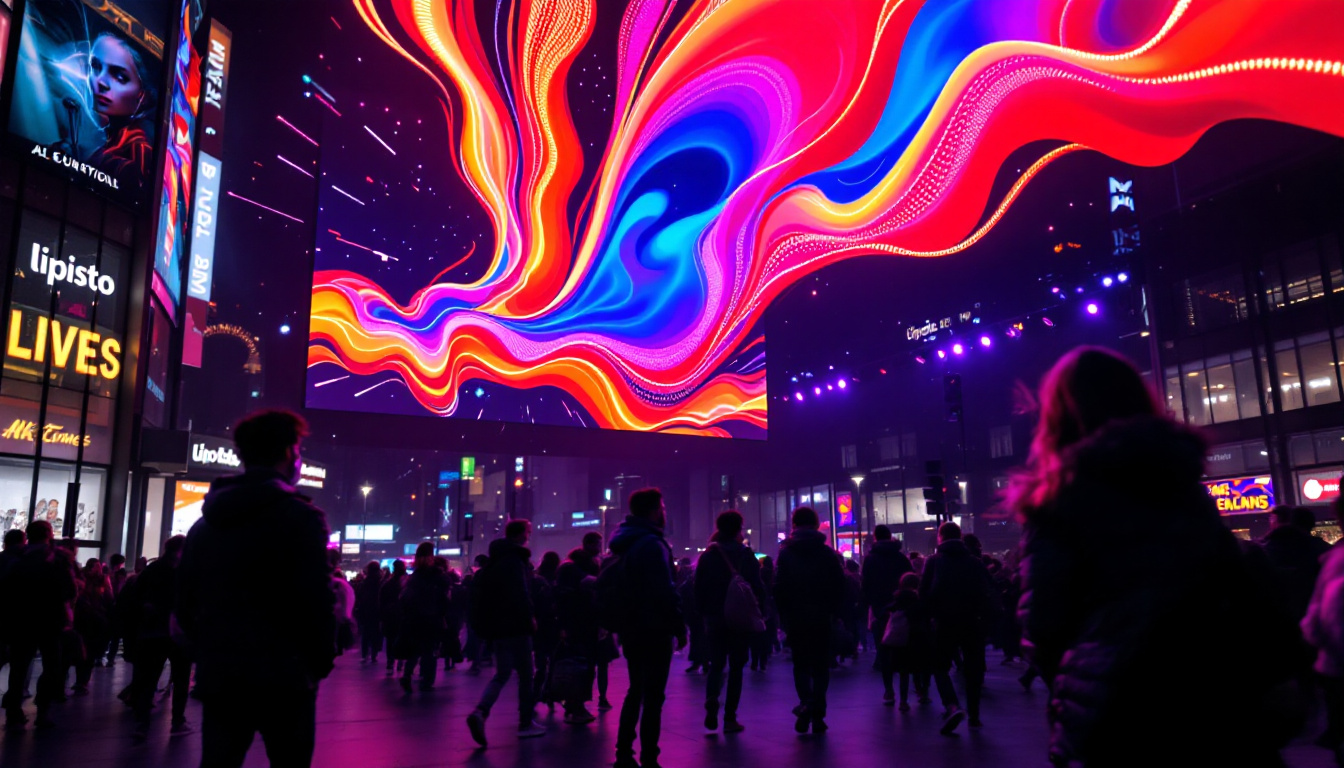
In today’s fast-paced digital world, LED video walls have become a cornerstone of visual communication, transforming everything from retail environments to corporate events. If you’re considering investing in a LED video wall for sale, understanding the technology behind LED displays, their applications, and the factors that influence buying decisions is essential. This comprehensive guide will walk you through everything you need to know about LED video walls, helping you make an informed choice.
What Is a LED Video Wall?
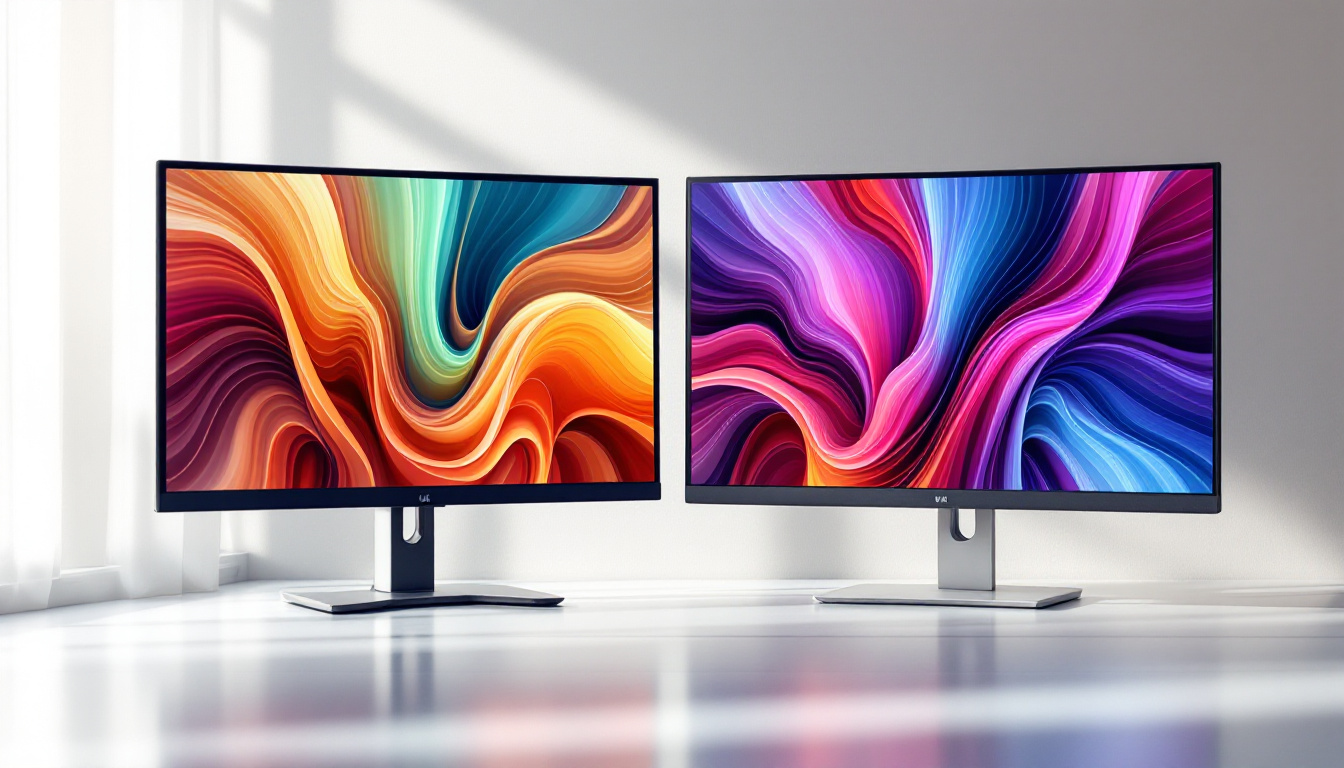
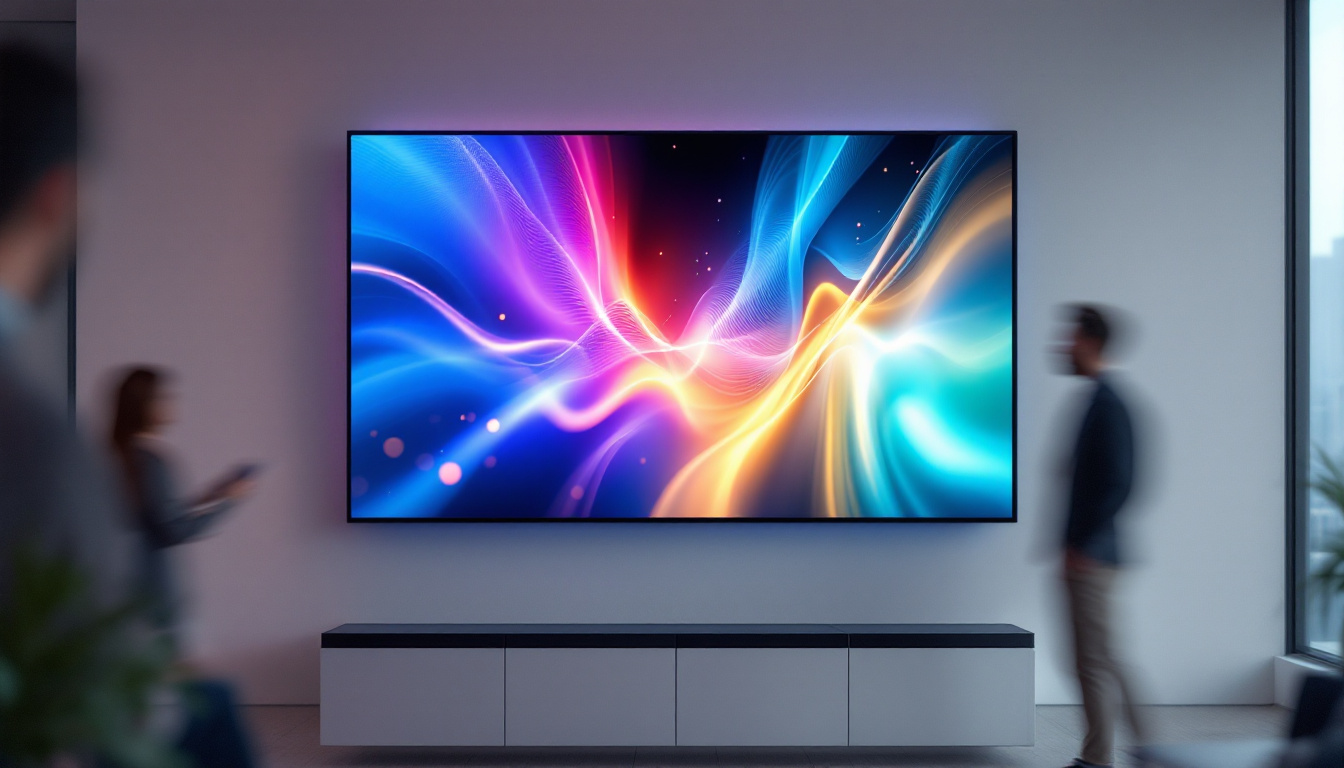
A LED video wall is a large-scale display composed of multiple LED panels seamlessly tiled together to create one continuous screen. Unlike traditional LCD or projection screens, LED video walls use light-emitting diodes (LEDs) as pixels, which offer superior brightness, contrast, and color accuracy.
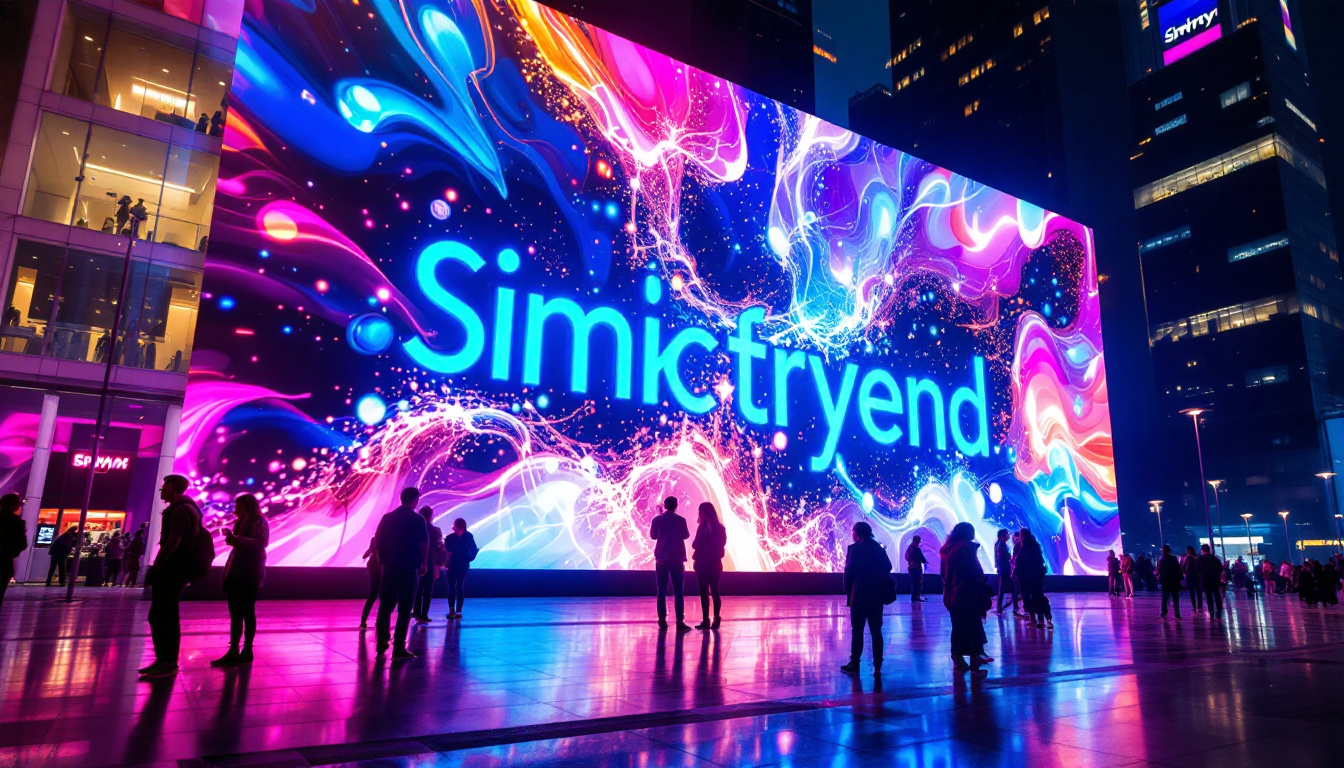
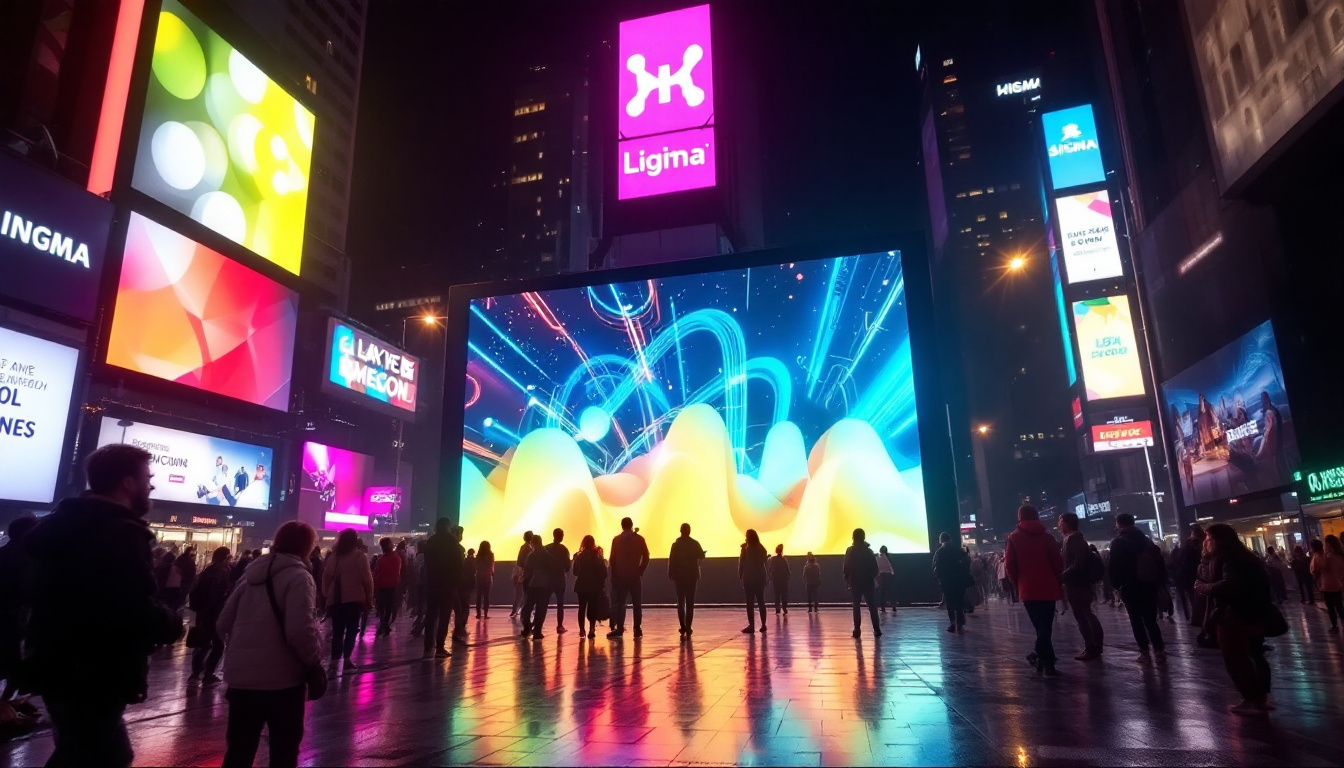
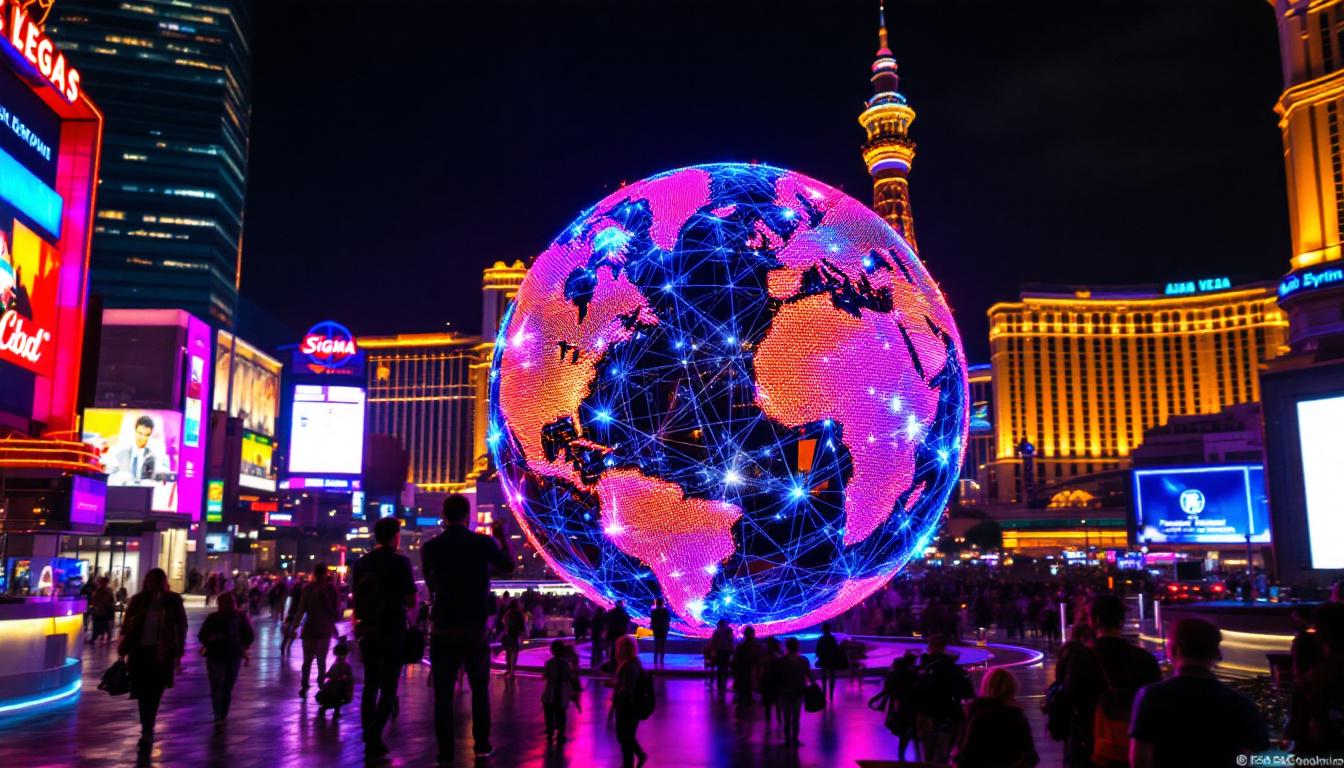
These walls can vary in size from a few square feet to hundreds of square feet, making them suitable for a wide range of applications. The modular nature of LED panels allows for flexible configurations, enabling custom shapes and sizes tailored to specific environments. This adaptability is particularly beneficial for venues like concert halls, sports arenas, and corporate events, where the visual experience is crucial to audience engagement and overall impact.
How LED Technology Works
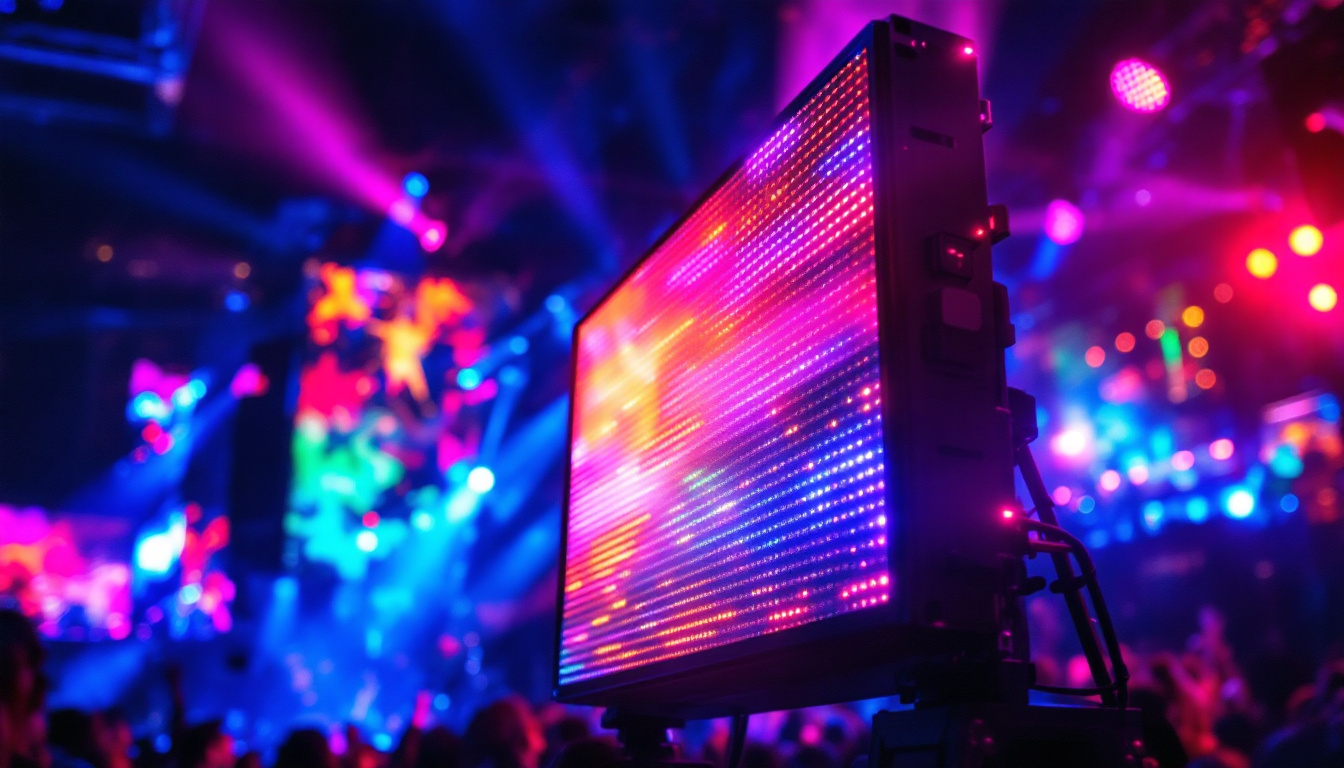
Each LED panel consists of thousands of tiny LEDs arranged in a grid. These LEDs emit light when an electric current passes through them. In full-color LED displays, red, green, and blue LEDs combine at varying intensities to produce the full spectrum of colors. This direct emission of light means LED displays can achieve brightness levels far beyond those of LCD screens, making them visible even in direct sunlight. Additionally, the energy efficiency of LED technology contributes to lower operational costs, making it a sustainable choice for businesses and organizations looking to reduce their carbon footprint.
Pixel Pitch and Resolution
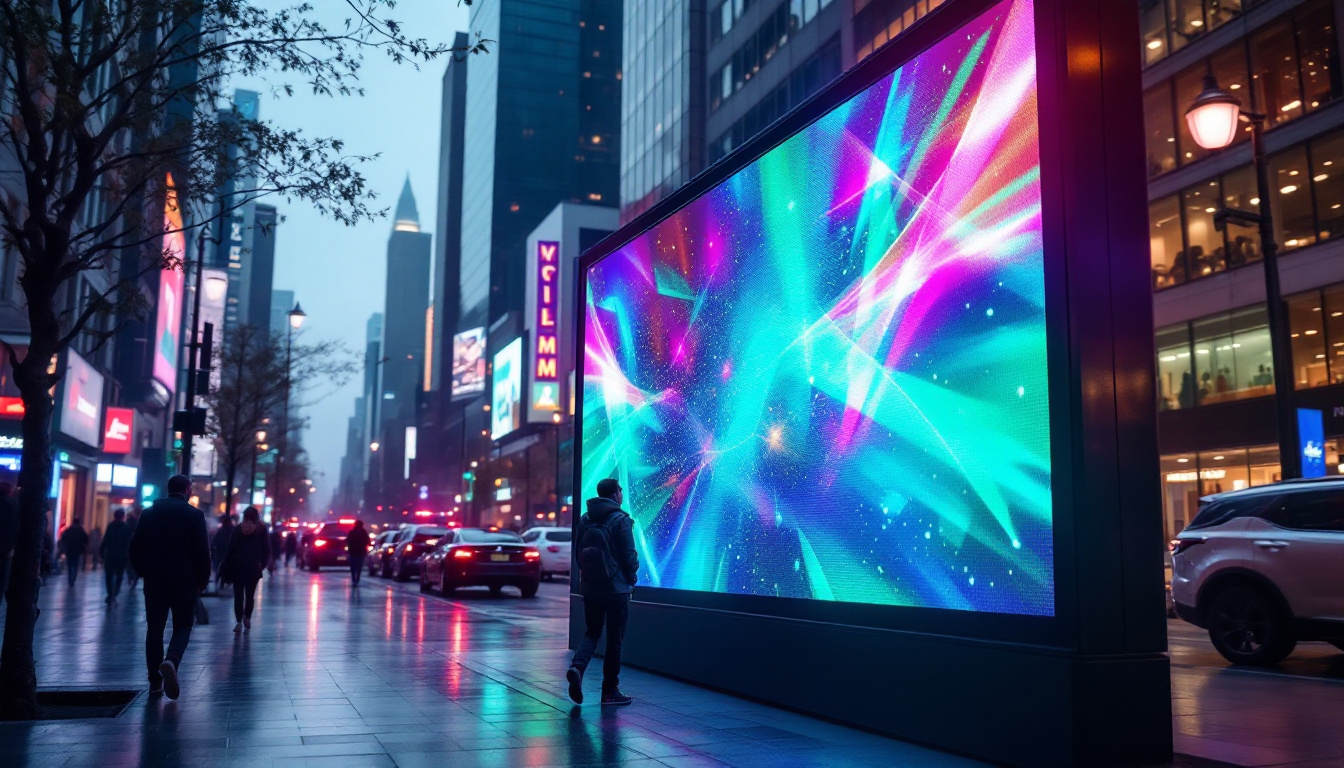
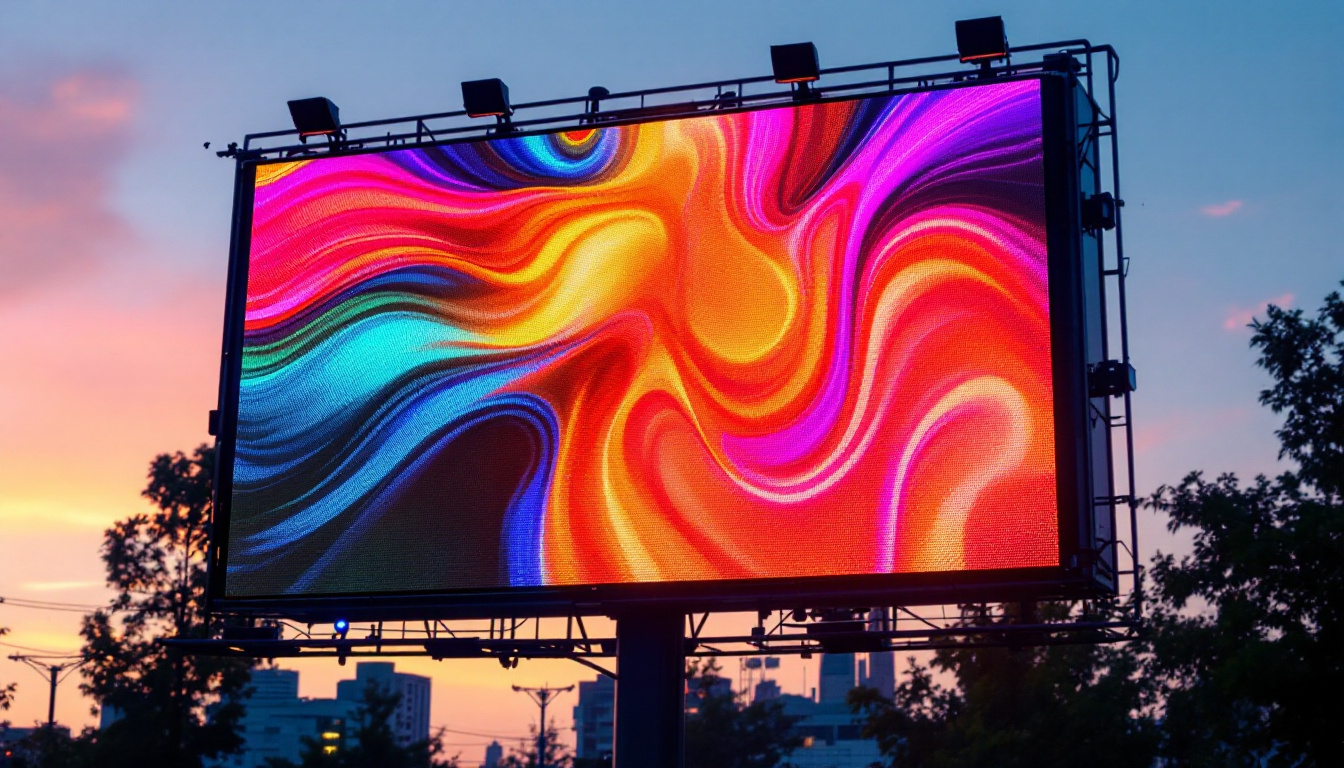
One of the most important specifications in LED video walls is the pixel pitch, which refers to the distance between the centers of two adjacent pixels, measured in millimeters. A smaller pixel pitch means higher resolution and sharper images, especially at close viewing distances. For example, a 1.5mm pixel pitch display is ideal for indoor environments where viewers are close, such as control rooms or retail stores. Conversely, outdoor billboards often use pixel pitches of 10mm or more, as viewers are typically farther away. The choice of pixel pitch not only affects image quality but also influences the overall design and installation of the video wall, as it determines how many panels are needed to achieve the desired visual effect.
Moreover, advancements in LED technology have led to innovations such as fine-pitch displays that can deliver stunning visuals even in compact spaces. This has opened up new opportunities for creative installations, allowing artists and designers to integrate video walls into their work in imaginative ways. Additionally, the rise of interactive LED displays has transformed the way audiences engage with content, enabling touch-sensitive interfaces and immersive experiences that captivate viewers and encourage participation. As LED video walls continue to evolve, they are becoming an essential tool for storytelling in various industries, from entertainment to advertising and beyond.
Applications of LED Video Walls
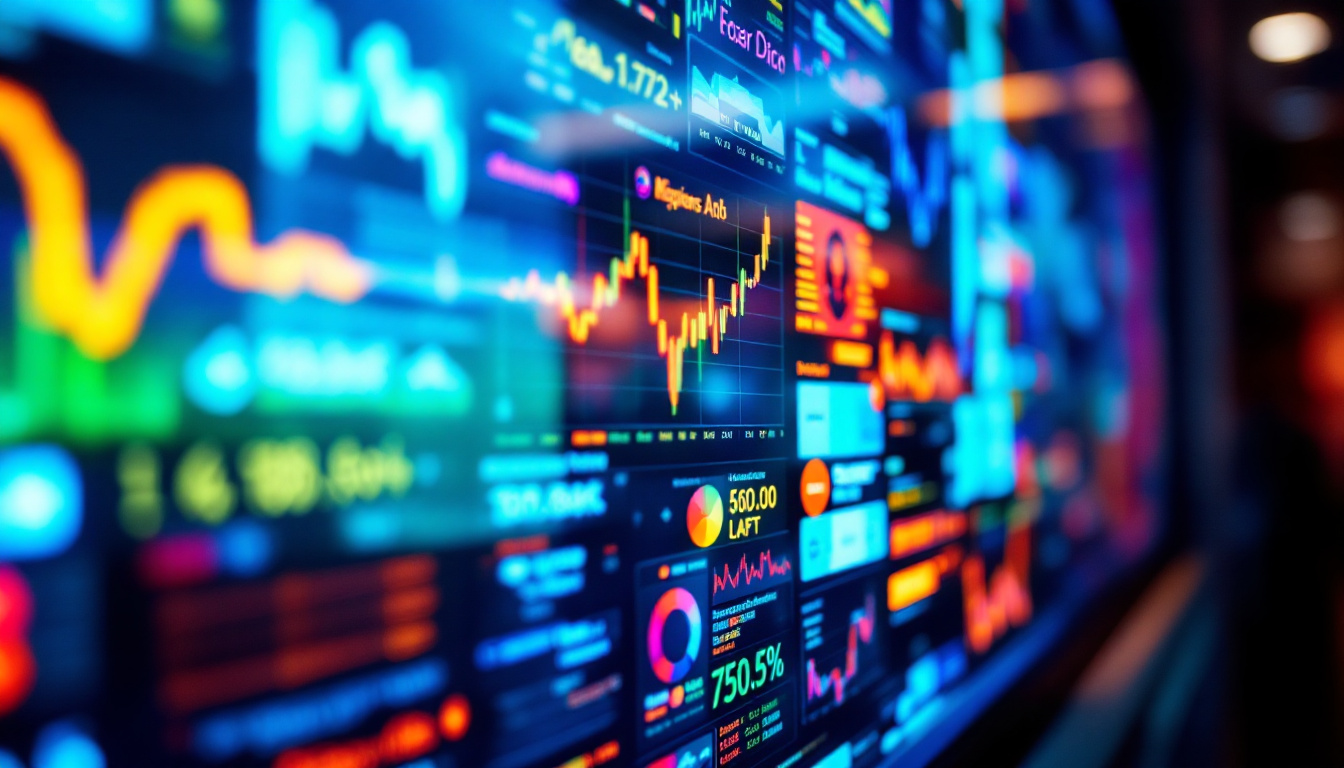
LED video walls have revolutionized visual communication across various industries. Their versatility, durability, and visual impact have made them a preferred choice for many applications.
Retail and Advertising
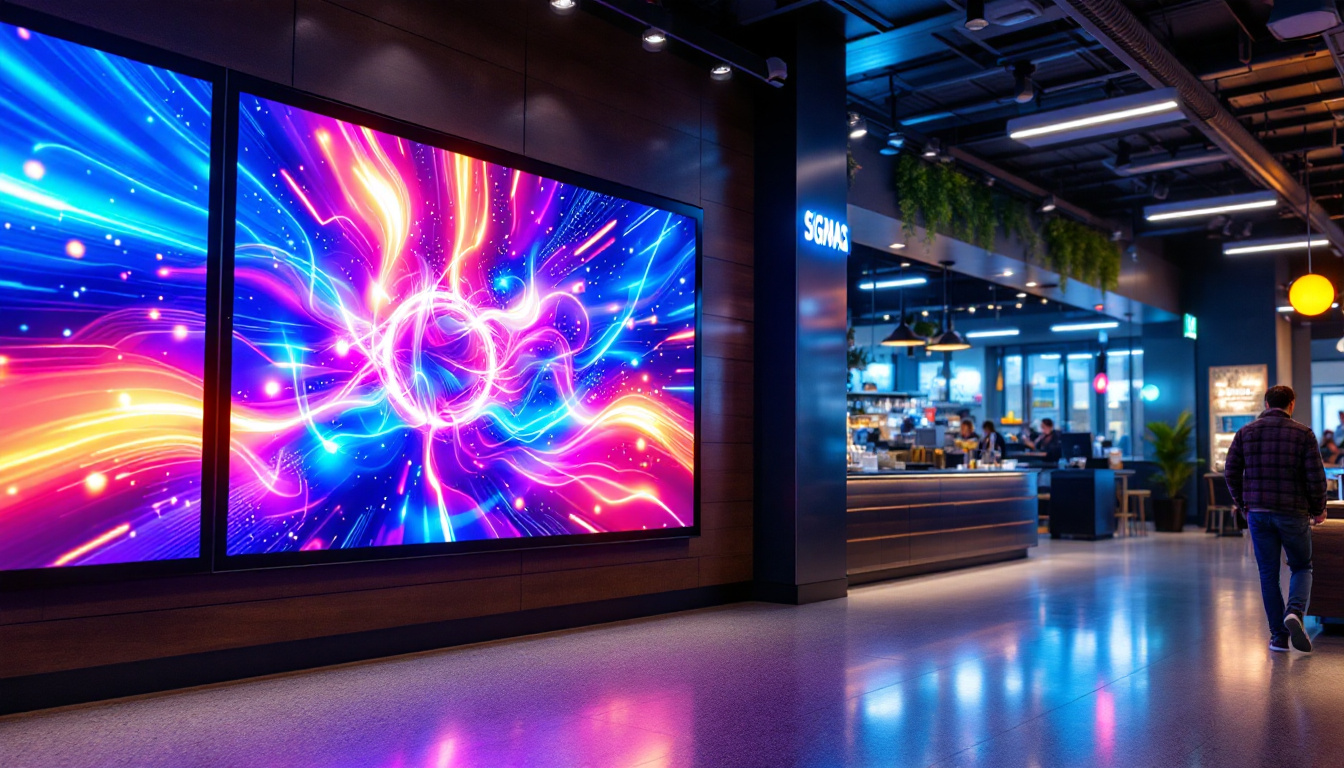
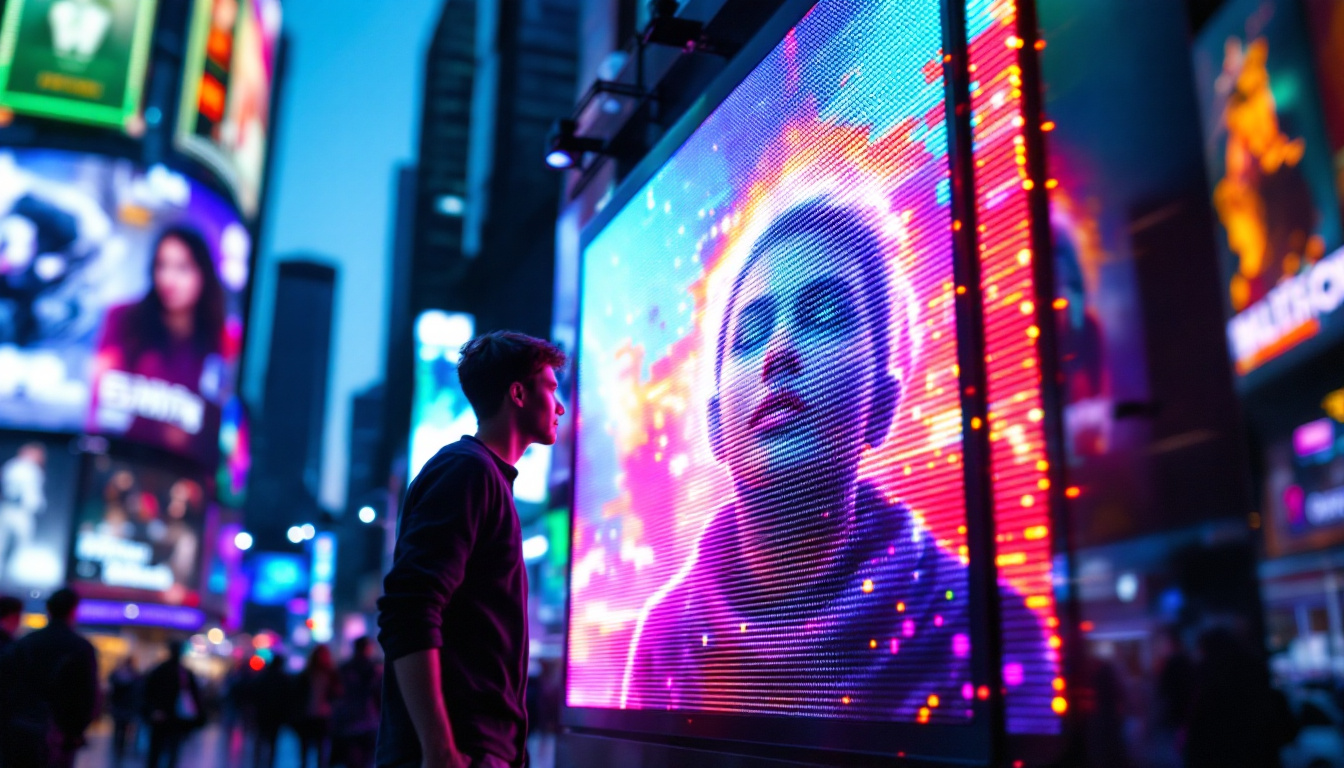
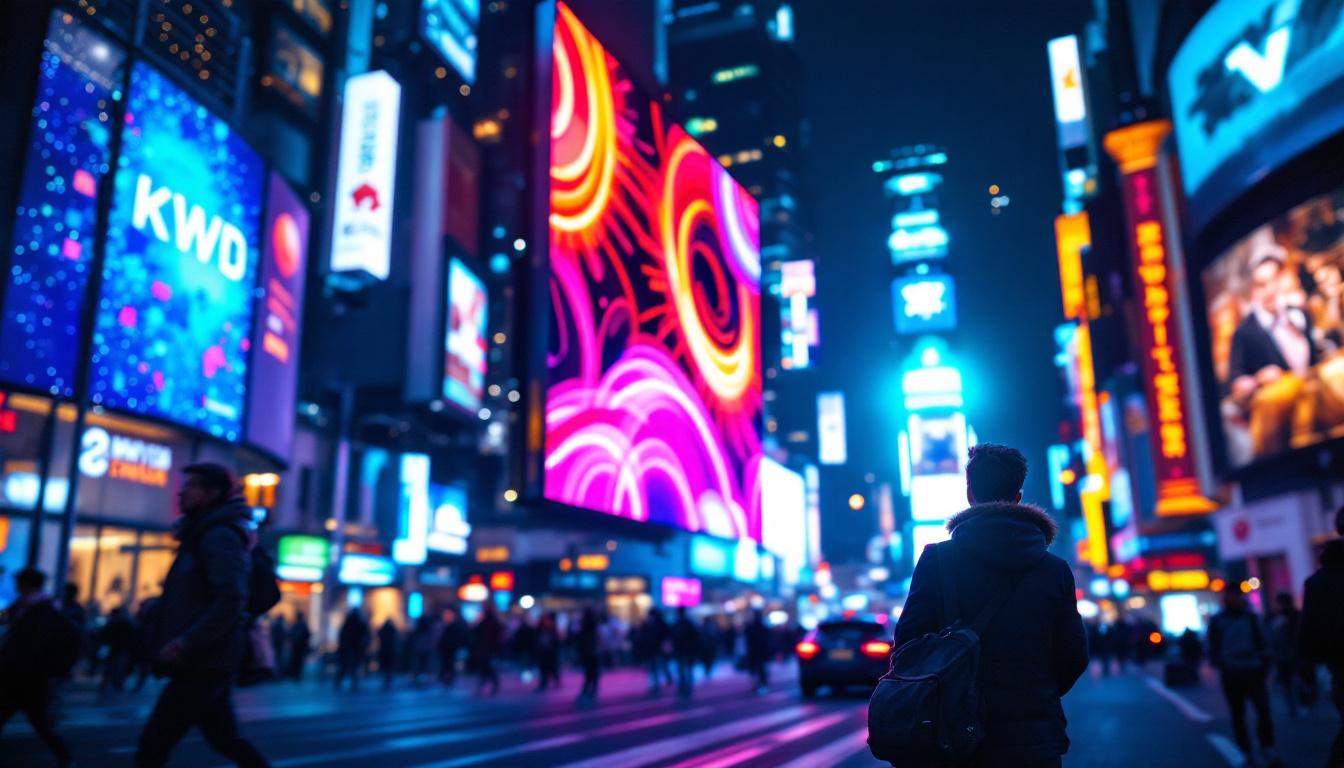
In retail, LED video walls are used to create dynamic window displays and in-store promotions that capture customer attention. Brands leverage the high brightness and vivid colors to showcase products, run advertisements, and enhance the shopping experience. According to a study by the Digital Signage Federation, digital signage, including LED video walls, can increase customer dwell time by up to 30% and sales by as much as 20%.
Corporate and Event Spaces
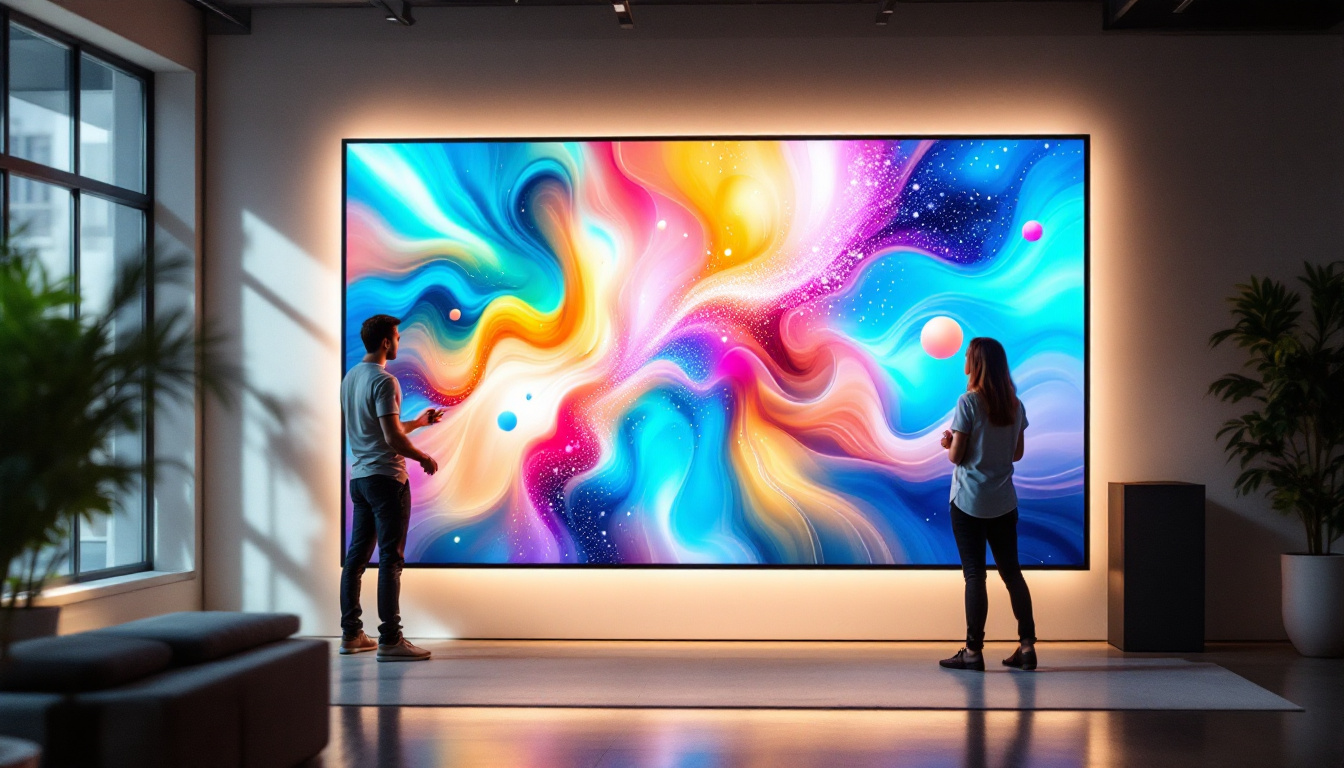
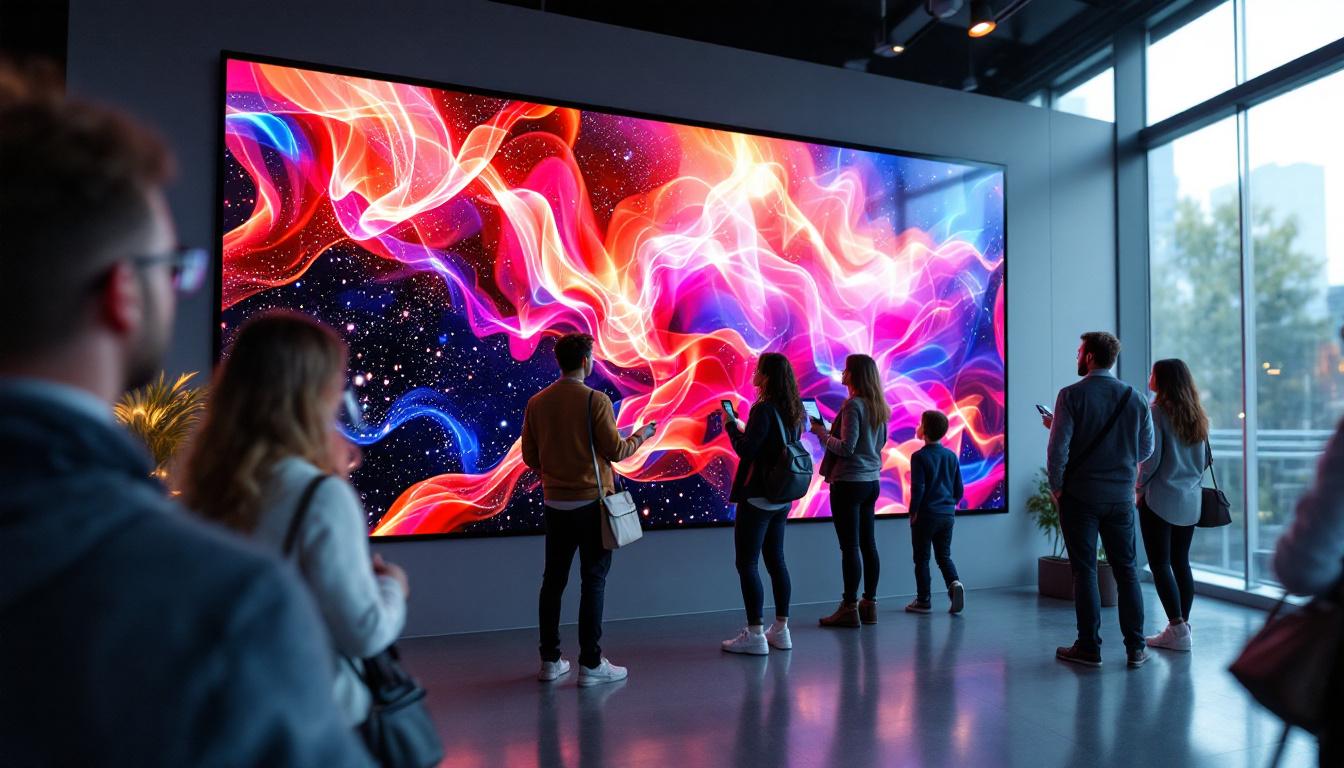
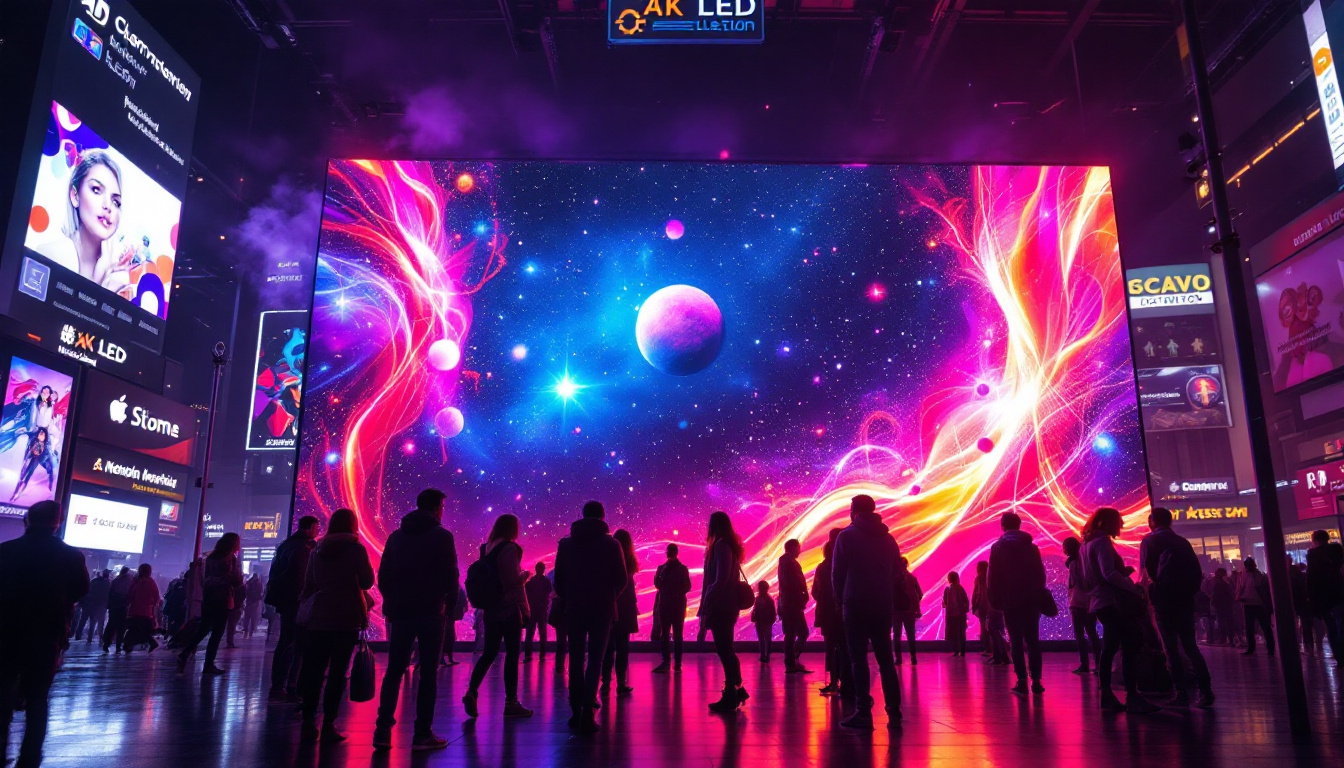
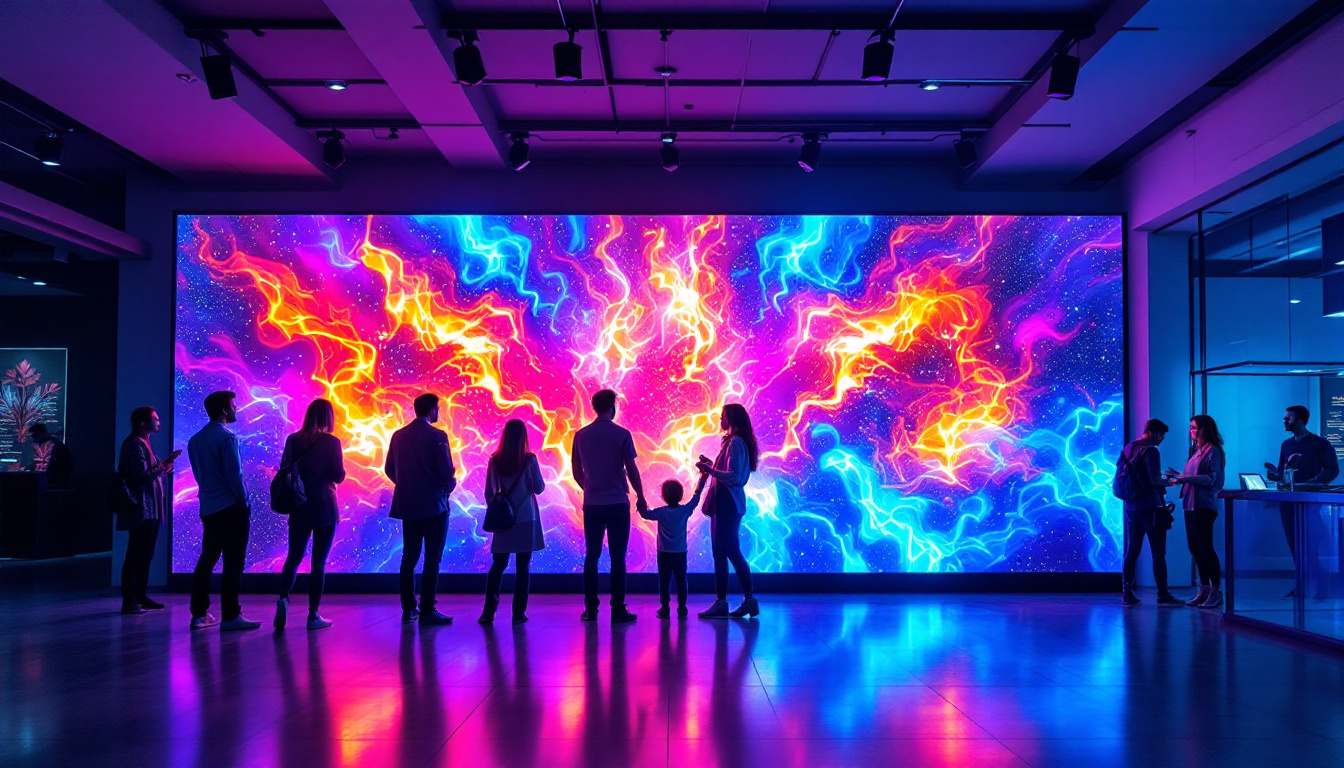
Corporate lobbies, conference rooms, and event venues utilize LED video walls for presentations, branding, and immersive experiences. The ability to display high-resolution video content, live feeds, and interactive graphics makes LED walls indispensable for engaging audiences. For example, during major conferences or product launches, LED video walls provide a visually stunning backdrop that enhances the overall impact.
Broadcast and Control Rooms
Broadcast studios and control rooms rely on LED video walls for monitoring and displaying real-time data. The high resolution and reliability of LED displays ensure critical information is visible at all times, which is essential for decision-making in these environments.
Sports Arenas and Entertainment
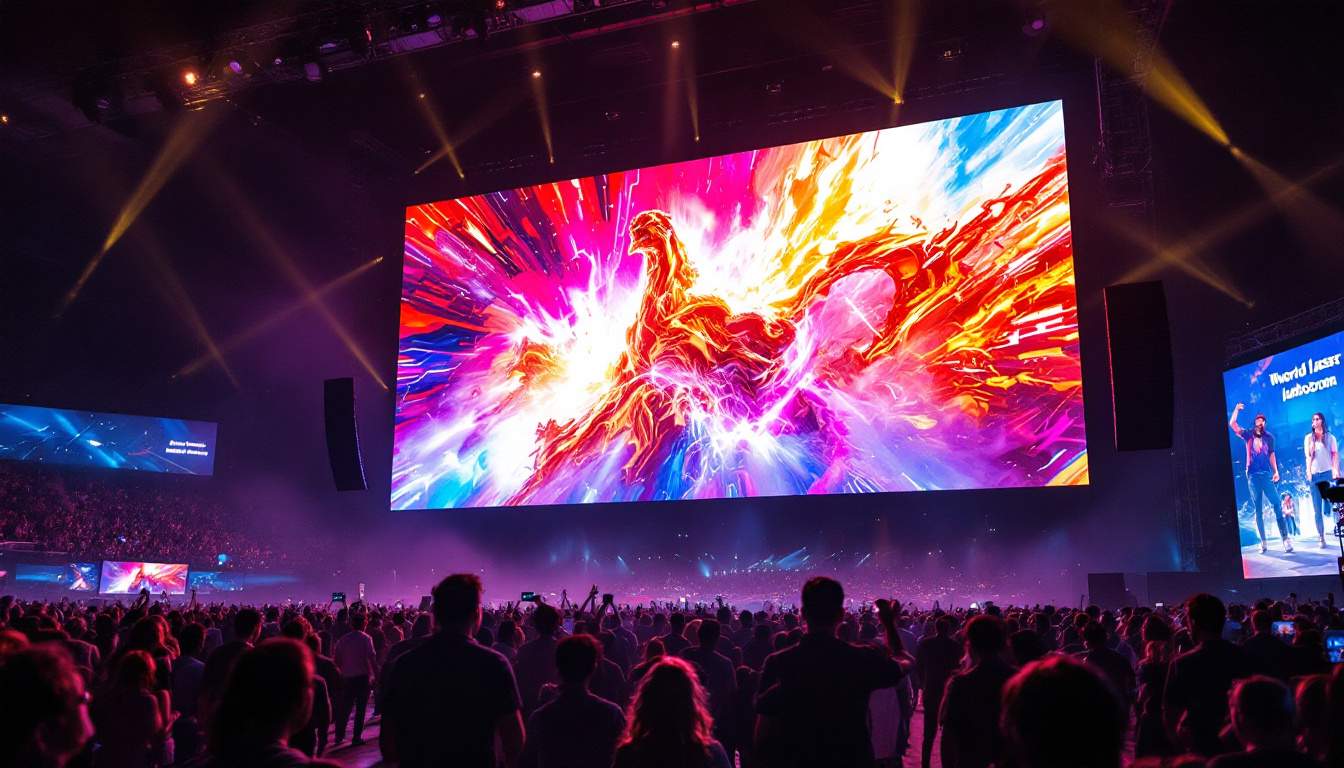
Sports venues use massive LED video walls to display scores, replays, and advertisements. The ability to withstand outdoor conditions while delivering bright, clear images makes LED walls ideal for stadiums and concert venues.
Key Features to Consider When Buying LED Video Walls
Choosing the right LED video wall involves evaluating several critical factors that affect performance, cost, and suitability for your specific needs.
Brightness and Contrast Ratio
Brightness is measured in nits and determines how well the display performs in various lighting conditions. Indoor LED walls typically require 800 to 1,500 nits, while outdoor displays may need 5,000 nits or more to combat sunlight glare. Contrast ratio, the difference between the darkest black and brightest white, influences image depth and clarity. High contrast ratios contribute to more vivid and lifelike visuals.
Viewing Angle
The viewing angle defines how wide the audience can be while still seeing a clear image. LED video walls generally offer wide viewing angles, often exceeding 160 degrees horizontally and vertically, ensuring consistent image quality from different perspectives.
Durability and Weather Resistance
For outdoor installations, durability is paramount. Look for LED video walls with IP65 or higher ratings, indicating protection against dust and water. Additionally, features like temperature control and anti-corrosion coatings extend the lifespan of outdoor displays.
Installation and Maintenance
Modular design simplifies installation and maintenance. Panels should be easy to mount, align, and service. Front-access maintenance options allow technicians to replace or repair modules without dismantling the entire wall, reducing downtime.
Control Systems and Software
Modern LED video walls come with sophisticated control systems that enable content management, real-time adjustments, and remote monitoring. User-friendly software interfaces allow operators to schedule content, adjust brightness, and troubleshoot issues efficiently.
Cost Considerations and ROI
Investing in a LED video wall is a significant financial decision. Understanding the cost components and potential return on investment (ROI) is crucial for budgeting and justification.
Initial Purchase Price
The cost of LED video walls varies widely based on size, pixel pitch, brightness, and brand. Indoor LED walls with a pixel pitch of around 2mm may cost between $1,500 to $3,000 per square meter, while outdoor walls with larger pixel pitches can be less expensive per square meter but require additional weatherproofing features.
Installation and Infrastructure
Installation costs include mounting hardware, structural support, power supply, and cabling. Complex installations or custom shapes may increase expenses. Additionally, consider the cost of any necessary electrical upgrades or climate control systems.
Operating Costs
LED video walls consume electricity, and their power usage depends on brightness and size. However, LED technology is energy-efficient compared to older display technologies. Maintenance costs, including occasional panel replacements and cleaning, should also be factored in.
Return on Investment
ROI can be measured in various ways, such as increased sales, enhanced brand visibility, or improved operational efficiency. For example, retailers report that dynamic LED displays can boost impulse purchases, while corporate clients benefit from improved communication and engagement during events. When planned strategically, the benefits often outweigh the costs within a few years.
Latest Trends in LED Video Wall Technology
The LED video wall industry is rapidly evolving, with innovations enhancing performance and expanding applications.
MicroLED and MiniLED
MicroLED technology features even smaller LEDs, enabling ultra-high resolution and thinner panels. Although still emerging, MicroLED promises to revolutionize video walls with superior brightness, contrast, and energy efficiency. MiniLED, a more mature technology, uses smaller LEDs to improve backlighting in LCD displays, offering a cost-effective alternative for certain applications.
Flexible and Transparent LED Displays
Flexible LED panels allow for curved or irregularly shaped video walls, opening creative possibilities for architects and designers. Transparent LED displays enable see-through effects, perfect for retail windows or architectural glass, blending digital content with the physical environment.
AI and Content Management
Artificial intelligence is being integrated into content management systems to optimize display content based on audience demographics, time of day, or environmental conditions. This smart approach maximizes engagement and effectiveness.
How to Choose the Right LED Video Wall for Your Needs
With so many options available, selecting the ideal LED video wall requires careful assessment of your specific requirements and constraints.
Define Your Purpose and Environment
Start by clarifying the primary function of the video wall—advertising, information display, entertainment, or a combination. Consider the installation environment: indoor or outdoor, ambient lighting conditions, viewing distance, and space constraints.
Determine Size and Resolution
Calculate the optimal size based on viewing distance and content type. Higher resolution is necessary for close-up viewing, while larger pixel pitches suffice for distant audiences. Balance resolution needs with budget considerations.
Evaluate Vendor Reputation and Support
Choose suppliers with proven track records, quality certifications, and strong customer support. Reliable after-sales service, warranties, and technical assistance are vital for long-term satisfaction.
Plan for Future Scalability
Consider whether you might want to expand or reconfigure the video wall in the future. Modular systems that allow easy addition or replacement of panels provide flexibility and protect your investment.
Conclusion
LED video walls are powerful tools for communication and engagement, offering unmatched brightness, versatility, and visual impact. Whether for retail, corporate environments, entertainment, or public spaces, understanding the technology and key considerations ensures you choose the right LED display for your needs.
By carefully evaluating pixel pitch, brightness, durability, and total cost of ownership, buyers can maximize the benefits of their investment. Staying informed about emerging trends such as MicroLED and AI-driven content management will also keep your video wall at the cutting edge of visual technology.
For those ready to enhance their visual presence, exploring LED video walls for sale is the first step toward creating unforgettable digital experiences.
Discover LumenMatrix’s Innovative LED Display Solutions
Ready to take your visual communication to the next level? LumenMatrix offers a comprehensive range of LED display solutions tailored to meet your unique needs. From vibrant indoor and outdoor displays to specialized options like vehicle, sports, and floor LED displays, our cutting-edge technology is designed to captivate your audience and amplify your message. Experience the future of digital signage with LumenMatrix and transform your space into a dynamic visual experience. Check out LumenMatrix LED Display Solutions today and see the difference innovation can make.