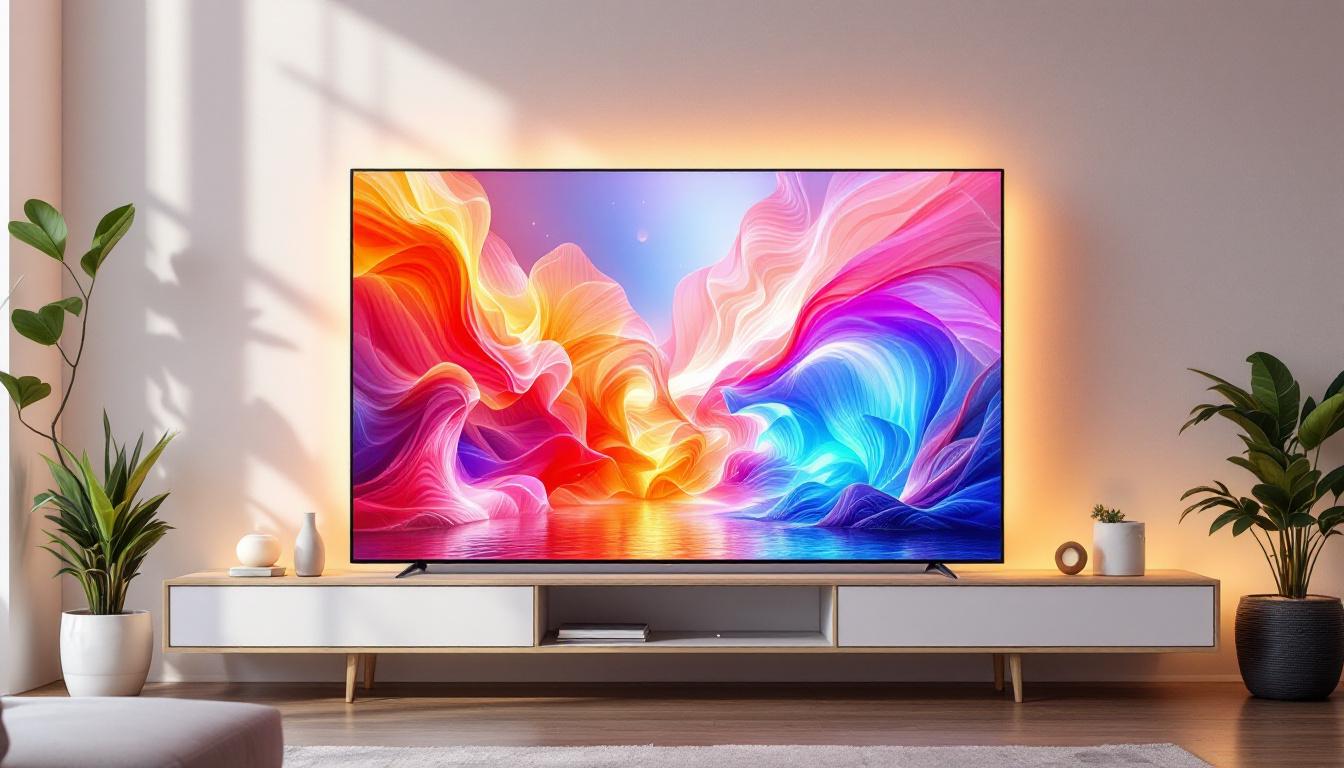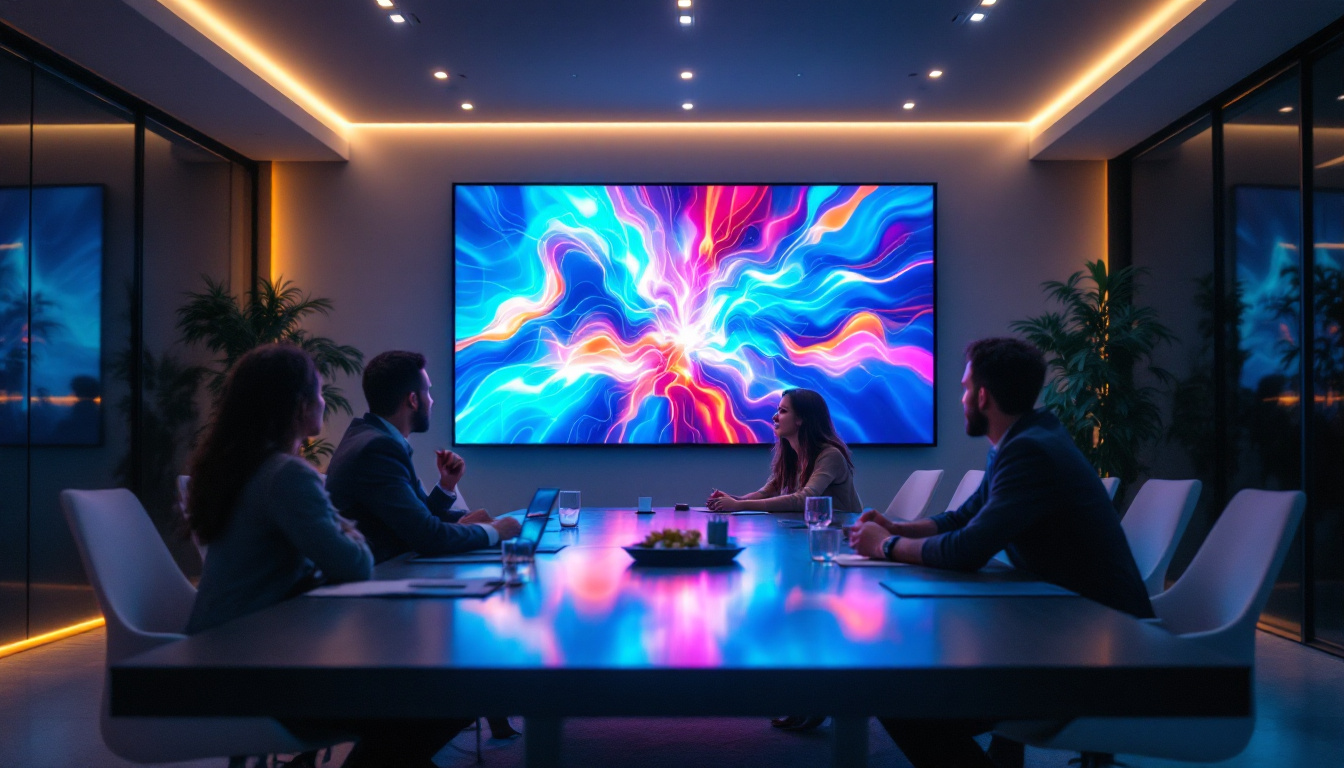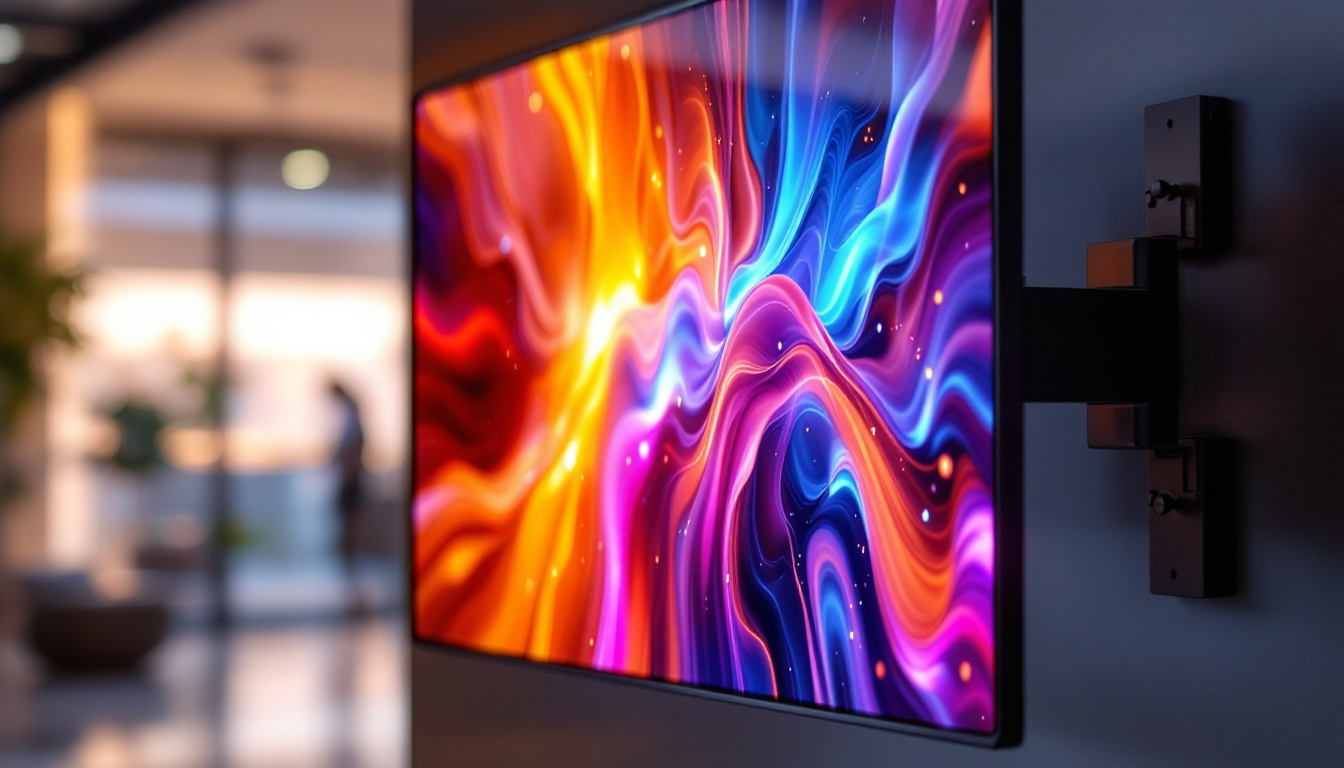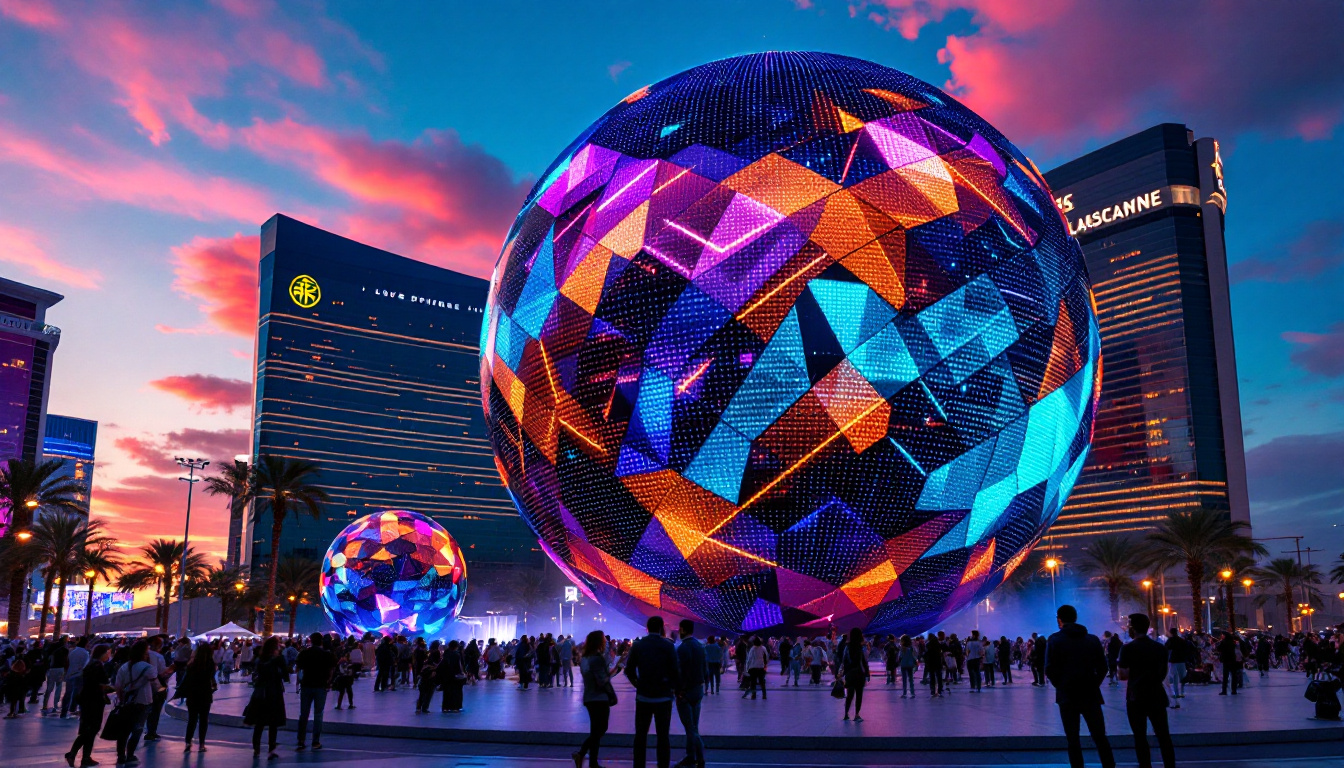
In the evolving world of visual technology, the integration of motorized projection screens with LED displays marks a significant leap forward. Whether for home theaters, corporate presentations, or large-scale events, understanding how these technologies work together can help users make informed decisions and elevate their viewing experience.
Understanding Motorized Projection Screens
What Is a Motorized Projection Screen?
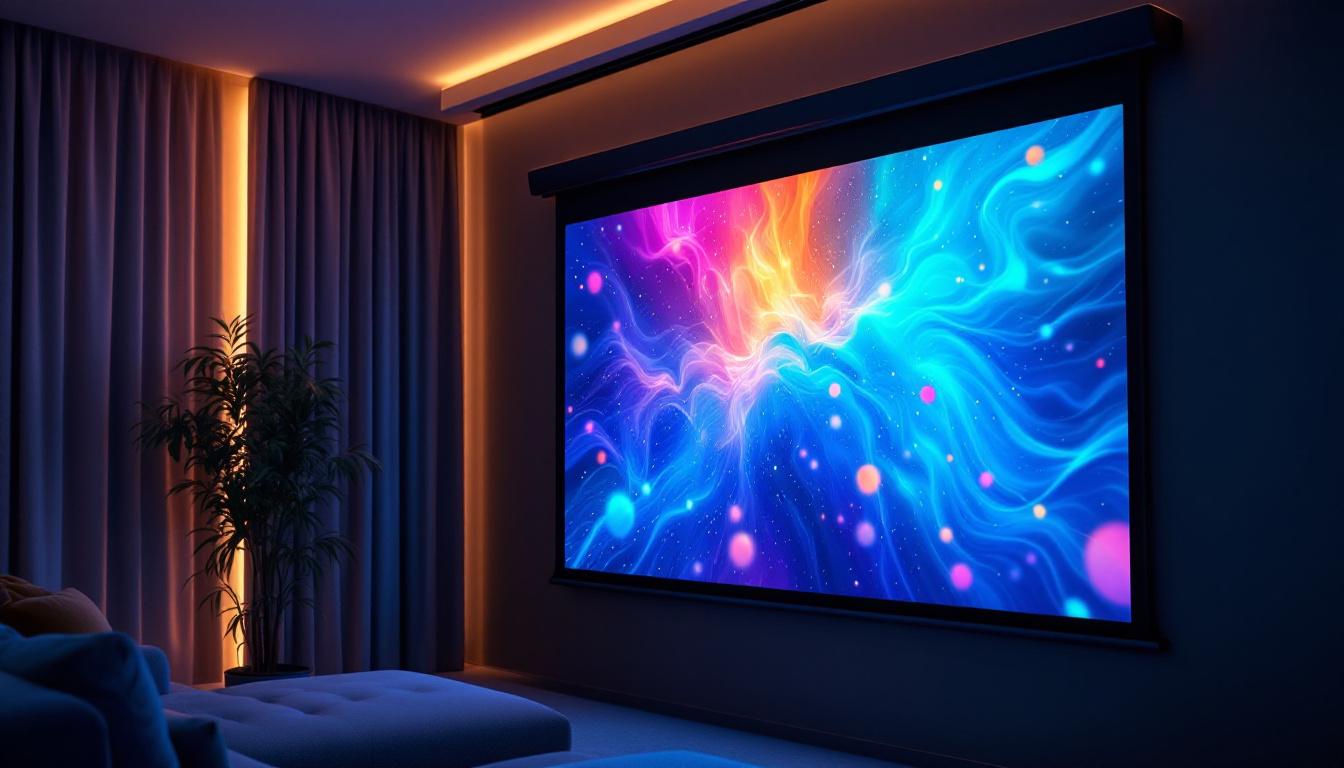
A motorized projection screen is a type of screen that can be raised or lowered electronically using a remote control or wall switch. Unlike fixed or manual pull-down screens, motorized screens offer convenience and versatility, allowing users to adjust the screen position effortlessly. This feature is particularly useful in multi-purpose rooms where space optimization and ease of use are priorities. With the touch of a button, users can transform a room from a standard meeting space into a dynamic presentation area, making it ideal for both business and entertainment purposes.
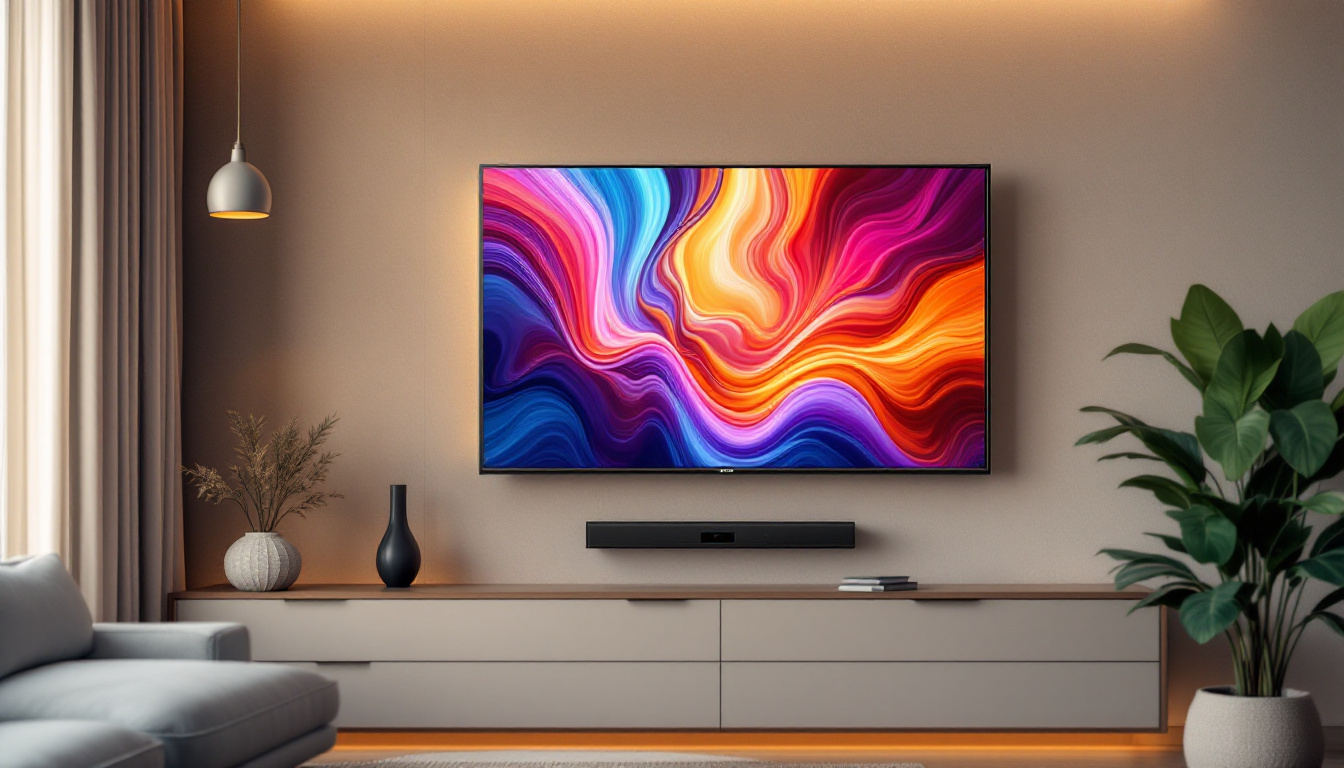
Motorized screens come in various sizes and aspect ratios, catering to different projection needs. They can be ceiling-mounted, wall-mounted, or even installed in custom enclosures to blend seamlessly with the room’s décor. Some models are designed for outdoor use, featuring weather-resistant materials that allow for movie nights under the stars or presentations in open-air settings. This adaptability makes motorized screens a popular choice for both residential and commercial applications, ensuring that users can enjoy high-quality visuals in any environment.
Key Benefits of Motorized Screens
One of the primary advantages of motorized screens is their ability to provide a clean, professional look by retracting the screen when not in use. This protects the screen material from dust and damage, extending its lifespan. Additionally, motorized screens often feature tensioning systems that keep the screen surface flat and wrinkle-free, ensuring optimal image quality. This is particularly important for high-definition and 4K projectors, where even the slightest imperfection can detract from the viewing experience.
For environments such as conference rooms or classrooms, motorized screens can be integrated with automation systems, allowing synchronized control with lighting and audio-visual equipment. This integration enhances user experience and streamlines operations. Imagine a scenario where the lights dim automatically, the screen descends, and the projector powers on—all with a single command. Such seamless functionality not only saves time but also creates a more engaging atmosphere for presentations and lectures. Furthermore, many modern motorized screens are equipped with smart technology, enabling control via smartphones or tablets, which adds an extra layer of convenience for tech-savvy users.
Exploring LED Display Technology
What Is an LED Display?
LED (Light Emitting Diode) displays are screens composed of numerous tiny light-emitting diodes that produce bright, vibrant images. Unlike projection screens that rely on an external projector, LED displays are self-illuminating, meaning each pixel emits its own light. This fundamental difference results in distinct advantages in brightness, contrast, and color accuracy. The technology behind LED displays has evolved significantly, with innovations such as organic LEDs (OLEDs) and microLEDs, which push the boundaries of display quality even further. These advancements allow for thinner screens, greater flexibility in design, and improved energy efficiency, making LED displays a versatile choice for a variety of settings.
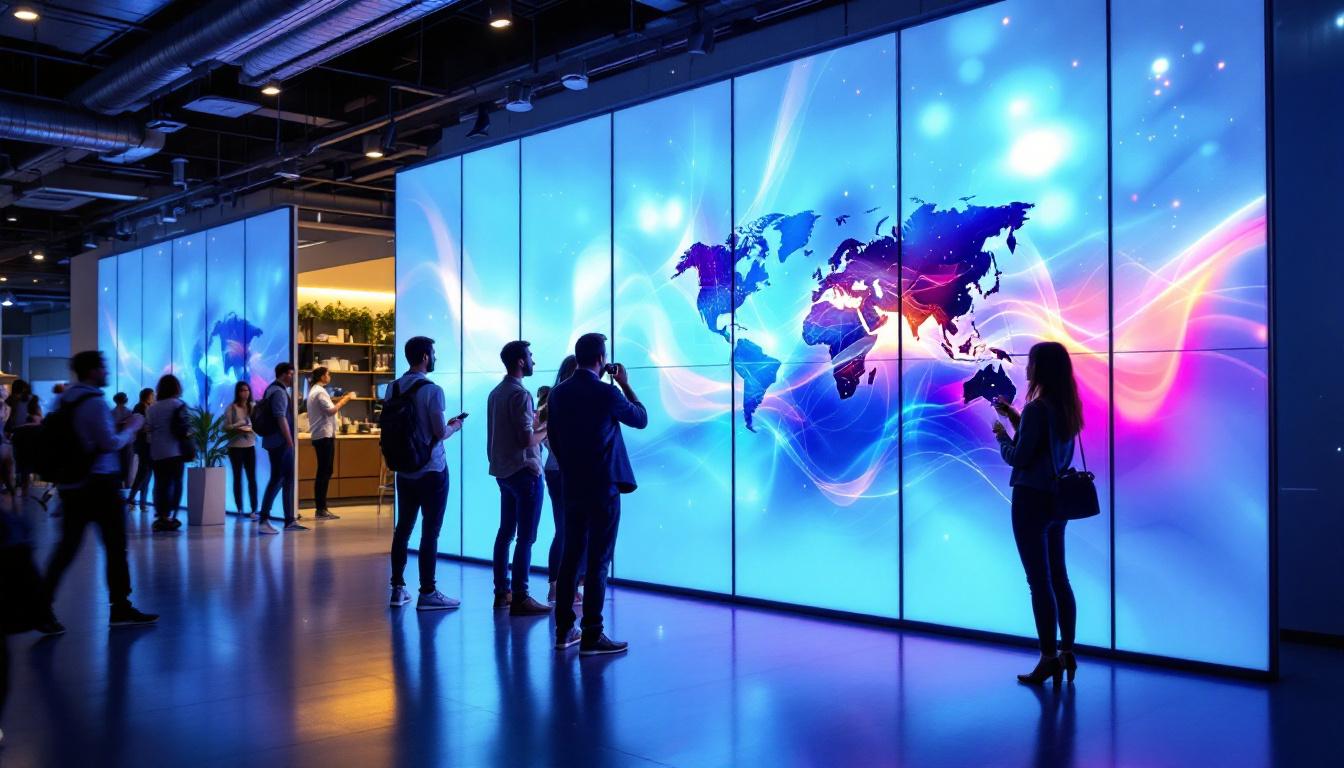
LED technology has advanced rapidly, with modern LED displays offering high resolutions suitable for a wide range of applications, from small digital signage to massive stadium screens. The pixel density in contemporary LED displays can reach astonishing levels, enabling ultra-high-definition (UHD) visuals that captivate audiences. Moreover, the ability to create curved or flexible screens opens up new possibilities for creative installations in retail environments, art exhibitions, and immersive experiences. As the demand for high-quality visual content continues to grow, LED displays are becoming increasingly integral to how we communicate and engage with information.
Advantages of LED Displays Over Traditional Projection
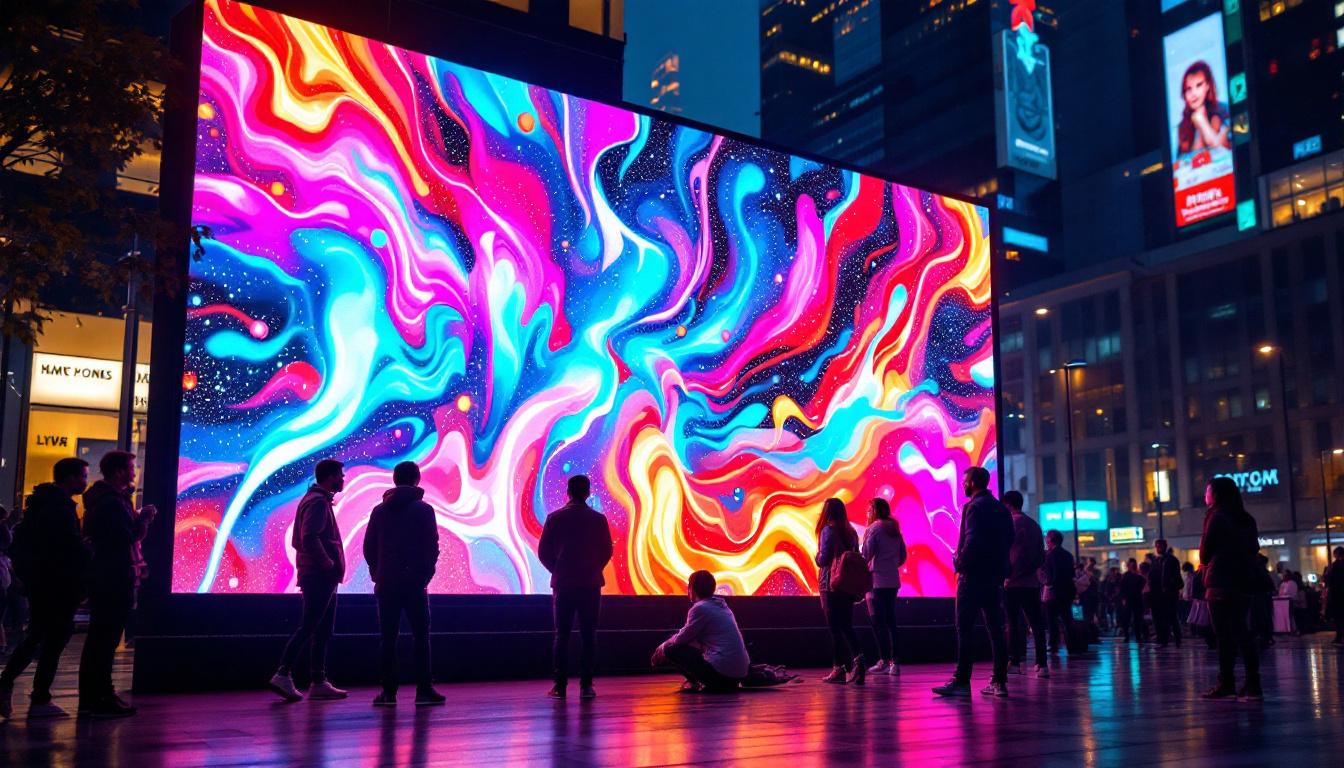
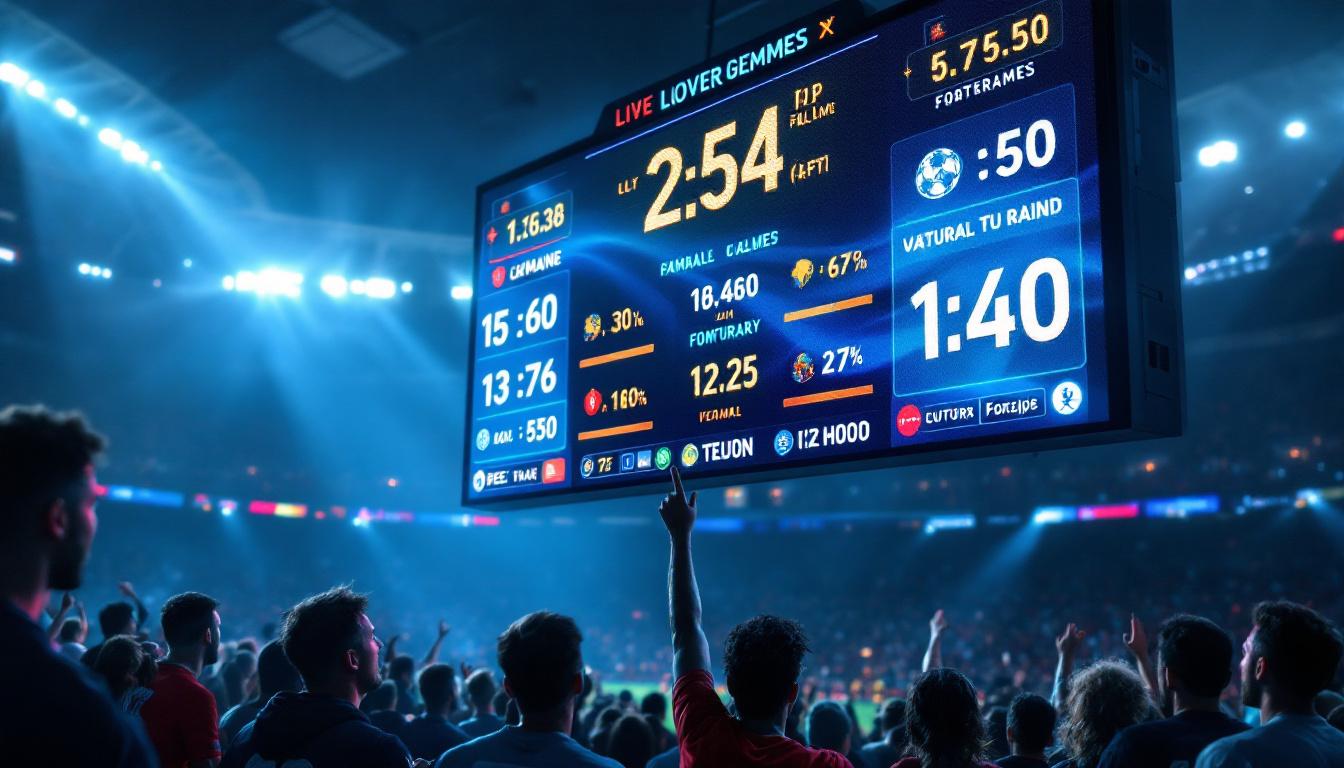
LED displays provide several benefits compared to traditional projection systems. They deliver higher brightness levels, making them ideal for environments with ambient light where projectors might struggle. This capability is particularly beneficial in large venues such as conference halls or outdoor events, where sunlight can diminish the visibility of projected images. Additionally, LED screens offer superior contrast ratios and color saturation, resulting in more vivid and lifelike images. The ability to display deep blacks and bright whites simultaneously enhances the overall viewing experience, making it more enjoyable for audiences.
Another advantage is the absence of shadows or glare, common issues with projection setups when objects or people obstruct the light path. LED displays also have faster refresh rates and longer lifespans, reducing maintenance and replacement costs over time. This longevity is especially advantageous for businesses that rely on continuous operation, such as retail stores and transportation hubs. Furthermore, LED technology is inherently more energy-efficient than traditional projection systems, leading to lower electricity costs and a reduced environmental footprint. As sustainability becomes a priority for many organizations, the energy-saving benefits of LED displays make them an attractive option for modern visual communication needs.
Integrating Motorized Projection Screens with LED Displays
Is It Common to Use Motorized Screens with LED Displays?
Traditionally, motorized projection screens are paired with projectors rather than LED displays. This is because LED displays are standalone units that do not require a projection surface. However, there are scenarios where combining motorized screens and LED technology makes sense, particularly in hybrid environments or where flexible display options are needed.
For example, some venues may use motorized screens to conceal LED panels when not in use or to switch between projection and LED display modes depending on the event requirements. This approach maximizes versatility but requires careful planning and integration.
Emerging Trends: Transparent and Flexible LED Screens
Recent innovations have introduced transparent and flexible LED screens that can be mounted on motorized frames. These screens can roll or retract similarly to traditional projection screens, offering new possibilities for dynamic visual presentations. Such technology is gaining traction in retail, exhibitions, and architectural applications where space-saving and aesthetic appeal are critical.
These motorized LED screens combine the benefits of LED technology with the convenience of motorization, creating seamless transitions between display modes and enhancing audience engagement.
Choosing the Right Solution for Your Needs
Factors to Consider When Selecting a Motorized Projection Screen
When deciding on a motorized projection screen, several factors should be evaluated:
- Screen Material: Different materials offer varying levels of gain, viewing angles, and ambient light rejection. Selecting the right material impacts image quality significantly.
- Aspect Ratio and Size: Match the screen size and aspect ratio to the projector and room dimensions to ensure optimal viewing.
- Installation Type: Ceiling-mounted screens save space, while wall-mounted options may be easier to install in certain environments.
- Motor Quality and Noise Level: A quiet, reliable motor enhances user experience, especially in professional or home theater settings.
When to Opt for an LED Display Instead
If the environment has high ambient light or requires extremely bright and vivid images, an LED display may be preferable. LED screens are also suitable for outdoor use and large venues where projection may not be practical.
Consider LED displays when durability and low maintenance are priorities, as they typically have longer lifespans and do not require lamp replacements like projectors. Additionally, if immediate image startup and consistent brightness are needed, LED technology excels.
Practical Applications and Case Studies
Corporate and Educational Settings
In corporate boardrooms and educational institutions, motorized projection screens remain popular due to their flexibility and cost-effectiveness. Many organizations integrate these screens with projectors for presentations, training sessions, and video conferencing.
However, some forward-thinking companies are adopting LED displays for their meeting rooms to benefit from higher brightness and seamless integration with digital content management systems. Hybrid setups that combine motorized screens and LED panels provide the best of both worlds, allowing tailored use based on the event.
Home Theater Installations
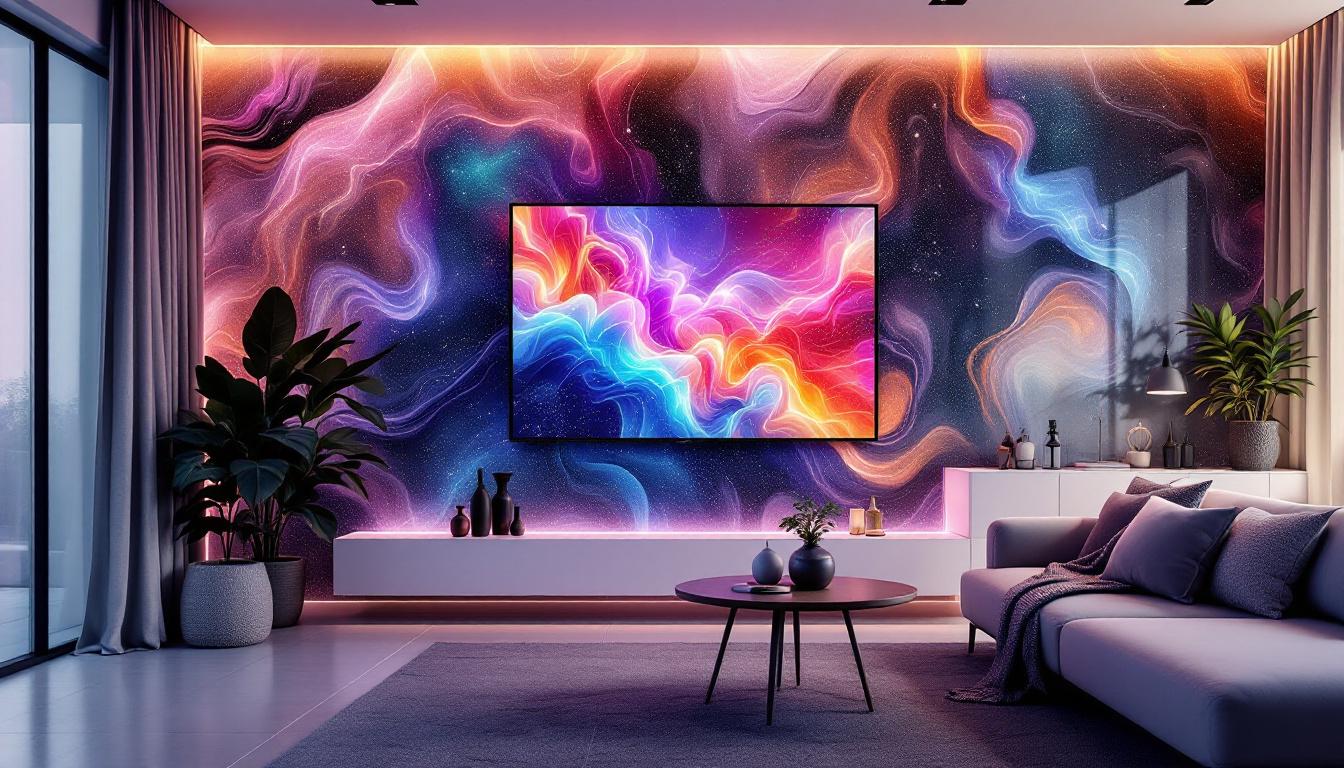
Home theater enthusiasts often prefer motorized projection screens for their ability to retract when not in use, preserving room aesthetics. Paired with high-quality projectors, these setups deliver cinematic experiences with large image sizes and immersive sound.
While LED displays are less common in home theaters due to cost and size constraints, ultra-fine pitch LED panels are starting to emerge as premium options for dedicated media rooms, offering unparalleled image quality without the need for a darkened room.
Entertainment and Event Venues
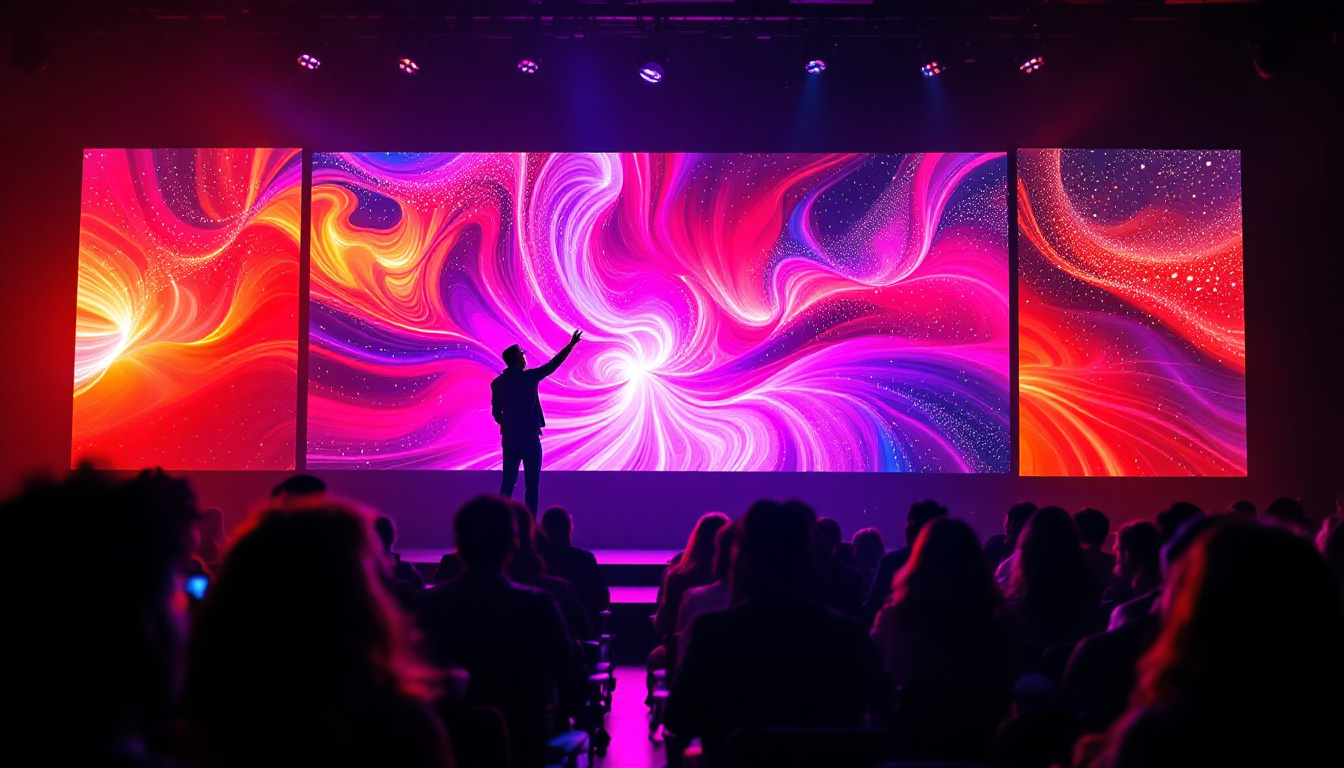
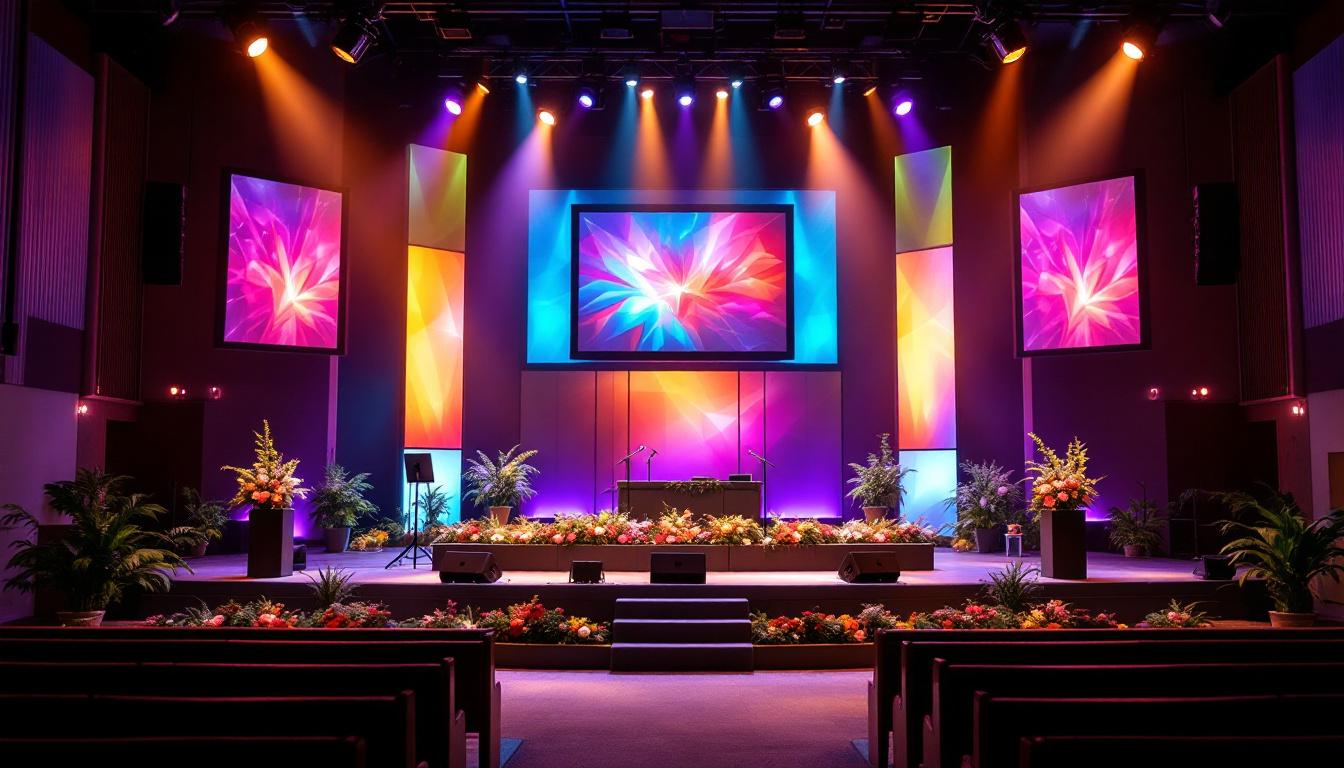
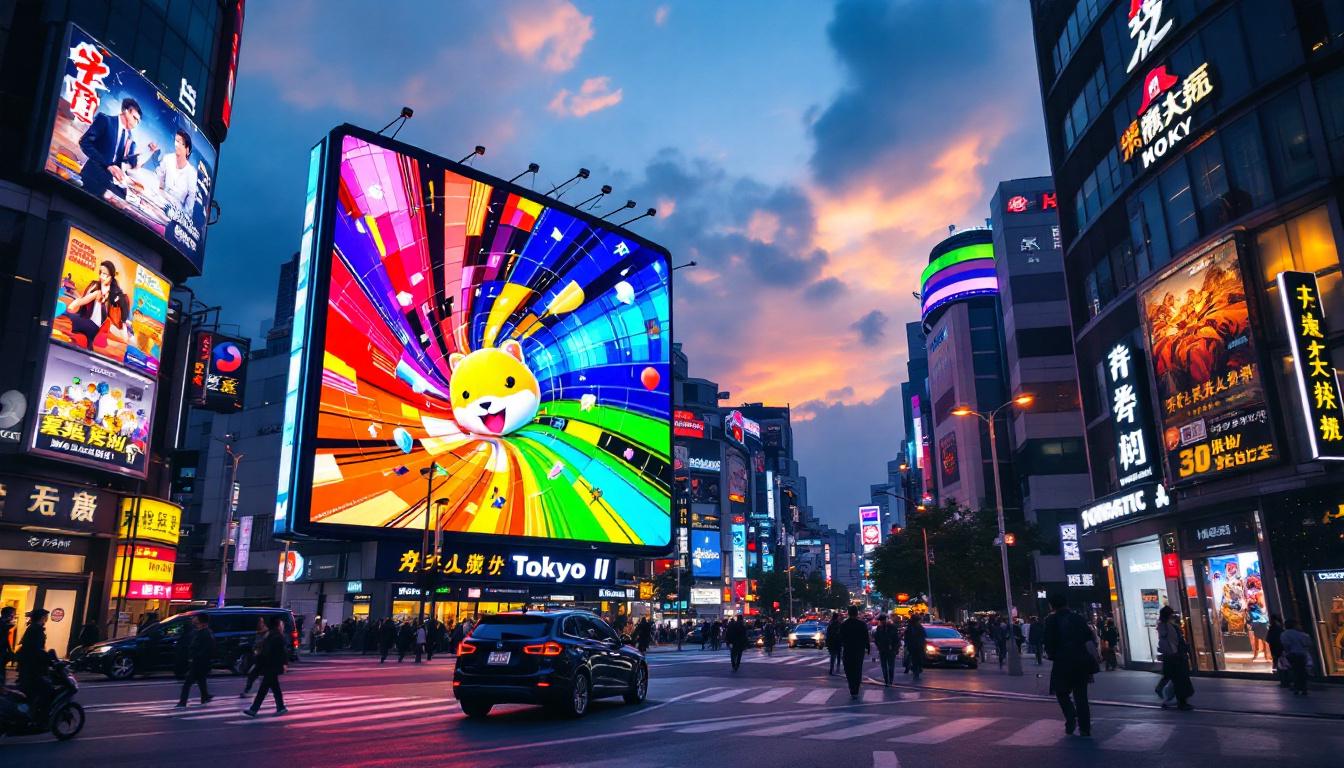
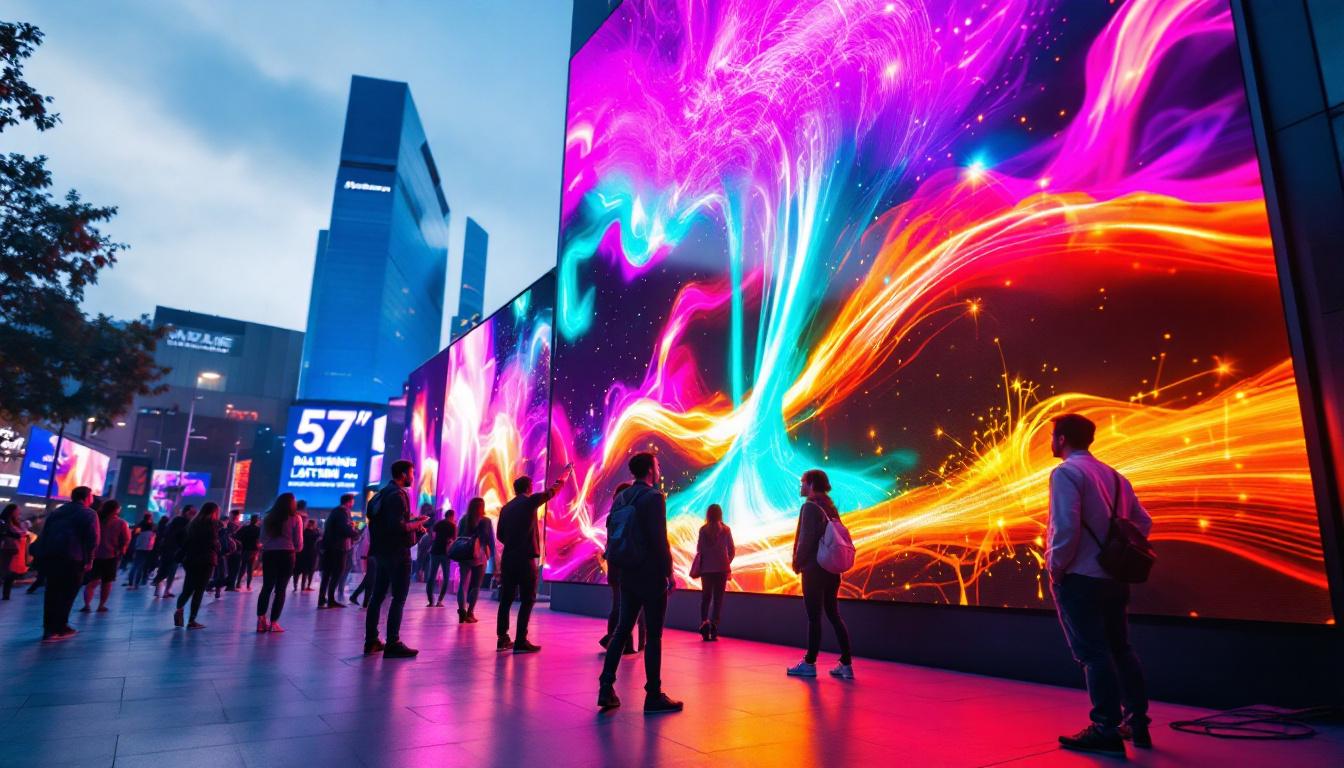
Large venues such as concert halls, sports arenas, and exhibition centers frequently use LED displays due to their scalability and brightness. Motorized screens are sometimes used to cover or reveal LED panels, enabling quick scene changes and multi-purpose use of the stage or space.
For example, a concert venue might use a motorized screen to conceal an LED backdrop during intermissions or to switch between different visual effects seamlessly. This combination enhances production value and audience engagement.
Future Outlook and Innovations
Advancements in Screen Materials and Motorization
Ongoing research is improving screen materials to offer better ambient light rejection and wider viewing angles. Innovations in motor technology are focusing on quieter, faster, and more energy-efficient mechanisms, making motorized screens even more user-friendly.
The Rise of MicroLED and MiniLED Technologies
MicroLED and MiniLED technologies represent the next frontier in LED displays, offering higher brightness, better contrast, and finer pixel control at potentially lower costs. These advancements could make LED displays more accessible for smaller venues and residential use, challenging traditional projection systems.
As these technologies mature, the integration with motorized mechanisms may become more commonplace, leading to versatile, retractable LED display solutions that blend seamlessly into any environment.
Conclusion
The choice between motorized projection screens and LED displays depends largely on the specific needs of the user, the environment, and the intended application. Motorized screens offer convenience, aesthetic appeal, and compatibility with existing projector setups, making them ideal for many traditional uses.
LED displays, on the other hand, provide superior brightness, color accuracy, and durability, especially in challenging lighting conditions or large venues. Emerging hybrid solutions and innovations in motorized LED screens promise exciting possibilities for the future of visual display technology.
Understanding these technologies and their respective advantages empowers users to select the best solution, ensuring impactful and immersive visual experiences tailored to their unique requirements.
Discover LumenMatrix’s Innovative LED Solutions
Ready to elevate your visual experience with the latest in LED display technology? LumenMatrix offers a comprehensive range of LED display solutions tailored to meet your needs. From stunning Indoor LED Wall Displays to dynamic Outdoor LED Wall Displays, and from versatile Vehicle LED Displays to sleek LED Poster Displays, our products are designed to captivate and engage. Explore our innovative LED Sports Displays, interactive Floor LED Displays, and customizable options that bring your vision to life. Experience the future of visual communication with our All-in-One and Transparent LED Displays. Don’t miss out on the opportunity to transform your space—Check out LumenMatrix LED Display Solutions today and see your message shine like never before.