In today’s fast-paced world, timekeeping devices have evolved far beyond traditional analog clocks. Among the many innovations, LED wall clocks stand out for their clarity, modern aesthetics, and functional advantages. But what exactly makes LED wall clocks so popular, and how does their LED display technology work? This article delves into the intricacies of LED displays in wall clocks, exploring their design, technology, benefits, and practical applications.
Understanding LED Technology in Wall Clocks
LED, or Light Emitting Diode, technology has revolutionized the way we display time. Unlike conventional clocks that rely on mechanical hands or LCD screens, LED wall clocks use tiny semiconductor devices that emit light when an electric current passes through them. This fundamental principle allows LED clocks to provide bright, clear, and easily readable displays even from a distance or in low-light conditions. The energy efficiency of LEDs also means they consume significantly less power than traditional lighting methods, making them an environmentally friendly choice for timekeeping.
LEDs are composed of materials such as gallium arsenide or gallium phosphide, which determine the color of the light emitted. Most LED clocks use red, green, or blue LEDs, with red being the most common due to its efficiency and visibility. The LEDs are arranged in segments or matrices to form numbers and sometimes additional information like date or temperature. The versatility of LED technology has led to a wide range of designs and styles, from sleek modern aesthetics to more traditional looks, allowing consumers to choose a clock that complements their home decor.
How LED Displays Work in Wall Clocks
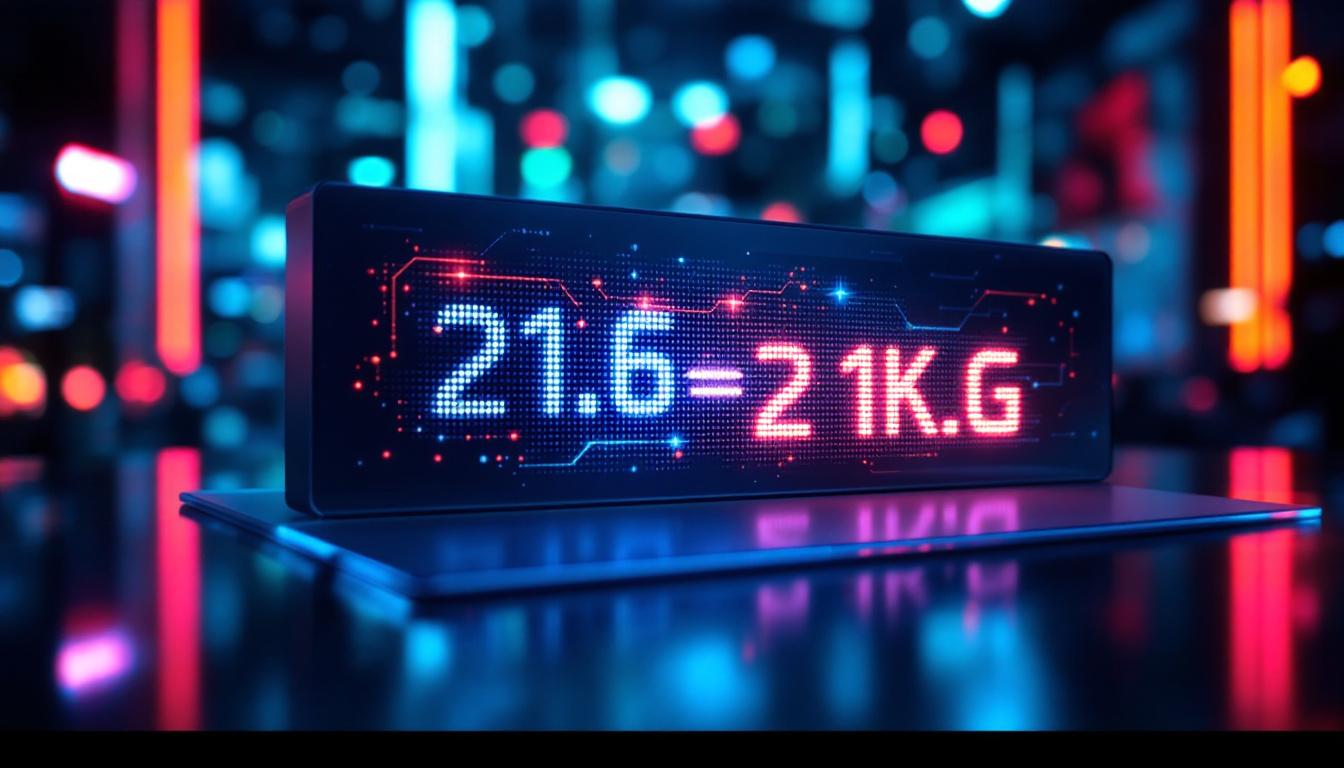
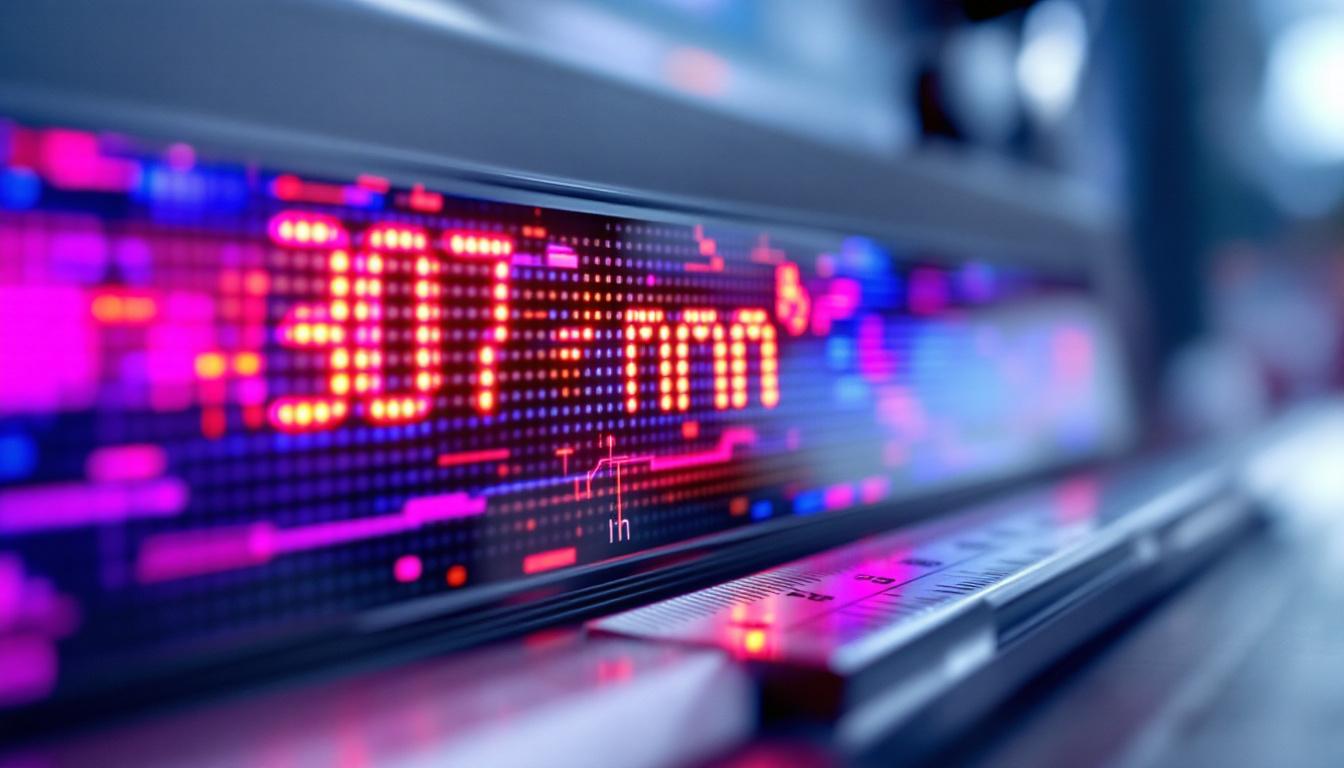
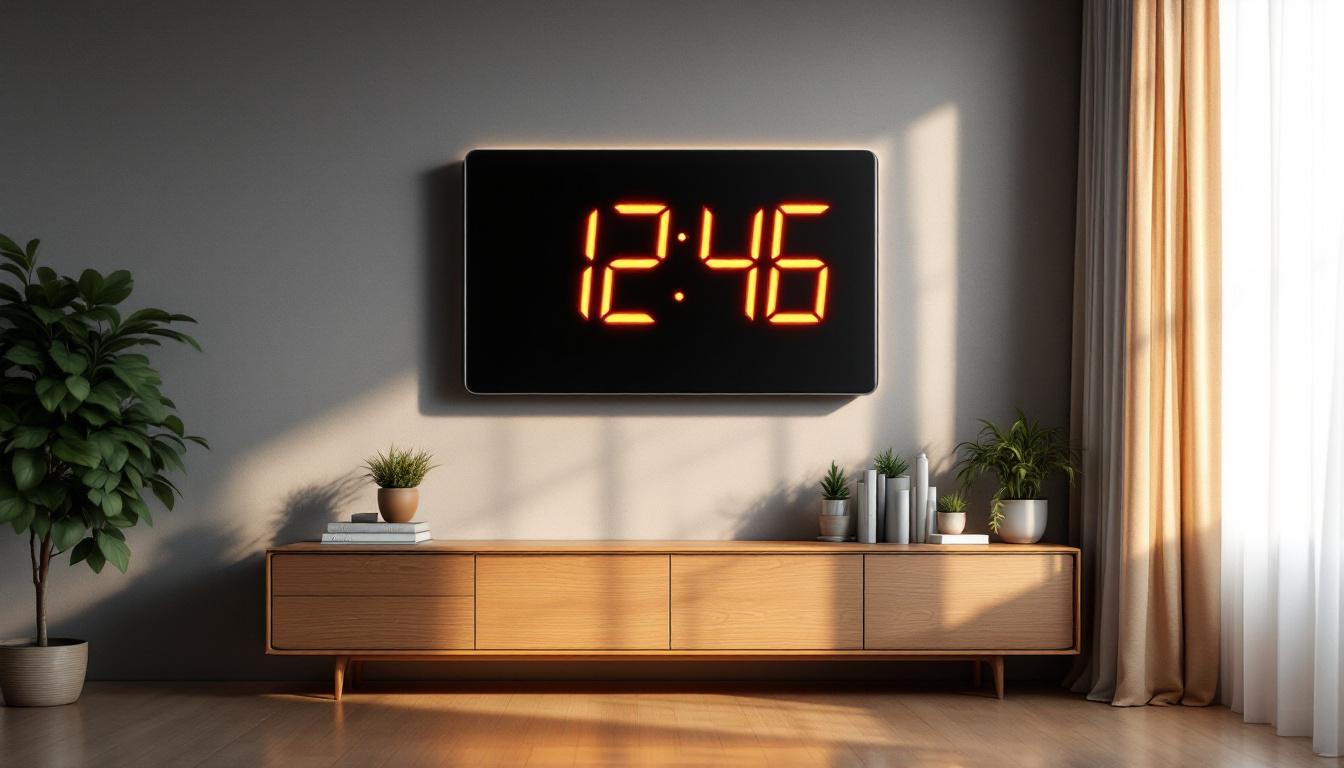
The typical LED wall clock display consists of seven-segment or dot-matrix configurations. Seven-segment displays use seven individual LEDs arranged in a figure-eight pattern to represent digits from 0 to 9. This is the classic digital clock look, familiar to many. Dot-matrix displays, on the other hand, use a grid of LEDs that can be selectively lit to form numbers, letters, or symbols, offering greater flexibility for more complex displays. This capability allows manufacturers to create clocks that can show not just the time, but also additional information such as alarms, timers, or even messages, enhancing their functionality.
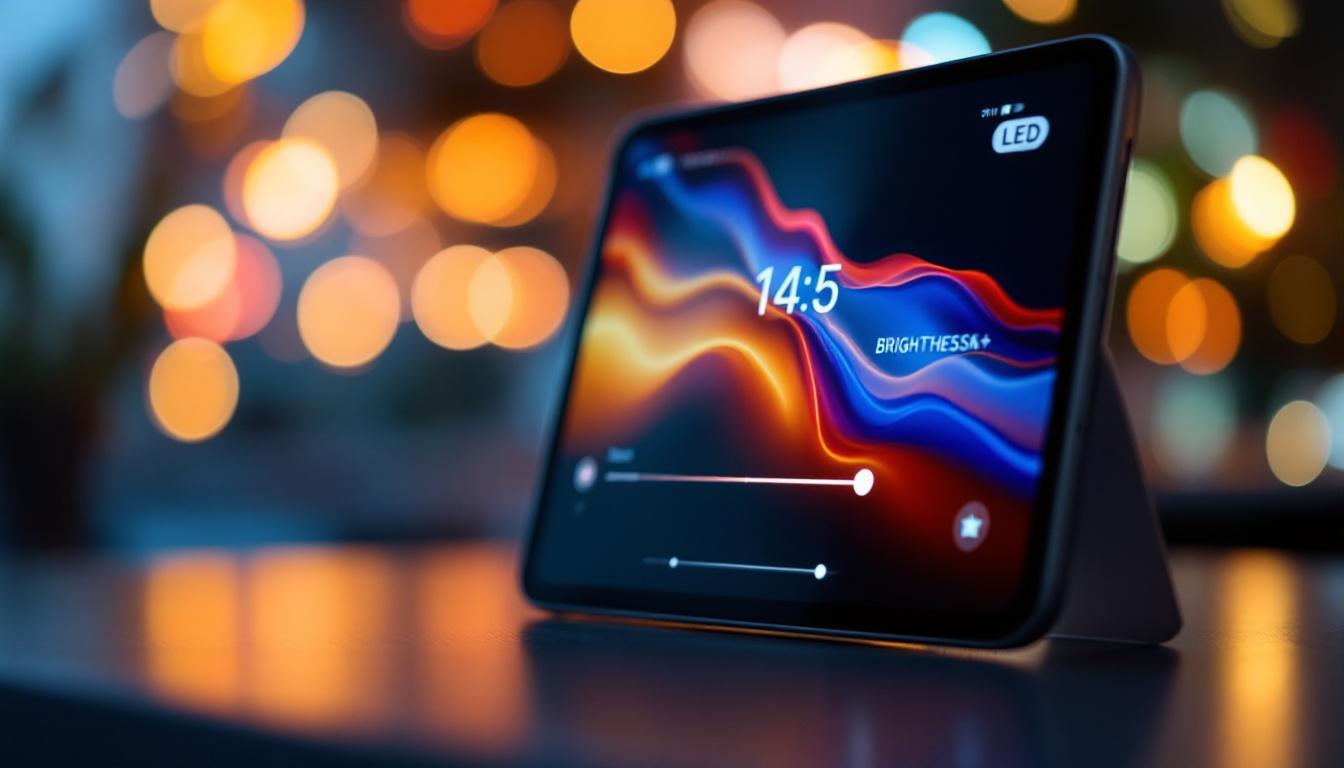
Each segment or LED in the display is controlled by an integrated circuit that receives timing signals from the clock’s internal oscillator. This oscillator keeps track of time by generating pulses at precise intervals, which are then converted into the corresponding numerical display on the LED panel. The brightness of the LEDs can also be adjusted automatically or manually, ensuring optimal visibility without excessive power consumption. Furthermore, many modern LED wall clocks incorporate features such as remote control, Bluetooth connectivity, and smart home integration, allowing users to customize settings and synchronize their clocks with other devices seamlessly. These advancements not only enhance user convenience but also reflect the ongoing evolution of timekeeping technology in our increasingly connected world.
Advantages of LED Wall Clocks Over Traditional Clocks
LED wall clocks offer several advantages that explain their growing popularity in homes, offices, schools, and public spaces. These benefits extend beyond mere aesthetics and include practical features that enhance usability and reliability.
Superior Visibility and Readability
One of the most significant advantages of LED clocks is their exceptional visibility. The bright, vibrant light emitted by LEDs ensures that the time can be read easily from a distance and in various lighting conditions, including complete darkness. This makes LED clocks ideal for environments such as hospitals, airports, and factories where quick and accurate time reading is essential.
Additionally, LED displays often feature large digits, sometimes up to several inches tall, which further improves readability. Unlike LCD screens, which may suffer from glare or limited viewing angles, LED displays maintain consistent clarity regardless of the viewer’s position.
Energy Efficiency and Longevity
LED technology is renowned for its energy efficiency. Compared to incandescent bulbs or even some LCD backlights, LEDs consume significantly less power, which translates into longer battery life for battery-operated clocks and reduced electricity costs for mains-powered models.
Moreover, LEDs have a long operational lifespan, often exceeding 50,000 hours of continuous use. This durability means fewer replacements and less maintenance, which is particularly advantageous for clocks installed in hard-to-reach locations or public areas.
Modern Design and Customization
LED wall clocks often feature sleek, minimalist designs that complement contemporary interiors. Their ability to display not only time but also additional information such as date, temperature, or even messages adds to their versatility.
Many manufacturers offer customizable LED clocks where users can select display colors, brightness levels, and even font styles. This personalization appeals to both individual consumers and businesses seeking clocks that align with their branding or décor.
Common Types of LED Wall Clocks and Their Applications
LED wall clocks come in various types, each suited to specific needs and environments. Understanding these types helps in selecting the right clock for a particular application.
Basic Digital LED Clocks
These are the most common LED wall clocks, featuring a simple seven-segment display showing hours and minutes, sometimes seconds. They are widely used in homes, classrooms, and offices due to their straightforward functionality and affordability.
Multi-Function LED Clocks
Multi-function LED clocks incorporate additional features such as date, day of the week, indoor temperature, humidity, and alarm functions. These clocks are popular in professional settings like hospitals, laboratories, and corporate offices where multiple pieces of information need to be displayed at a glance.
Large Format LED Clocks for Public Spaces
In places like train stations, airports, sports arenas, and factories, large LED clocks are essential for ensuring that time is visible from great distances. These clocks often use high-intensity LEDs and large digits, sometimes exceeding 12 inches in height, to guarantee visibility even in bright daylight or large crowds.
Smart LED Wall Clocks
With the rise of the Internet of Things (IoT), smart LED clocks have emerged. These devices can synchronize with atomic clocks or internet time servers for precise timekeeping, adjust brightness automatically based on ambient light, and even integrate with smart home systems for voice control or notifications.
Technical Considerations When Choosing an LED Wall Clock
Selecting the right LED wall clock involves understanding several technical factors that impact performance and suitability.
Display Size and Digit Height
The size of the display and the height of the digits determine how far away the clock can be read comfortably. For personal use, digits of 1 to 3 inches are usually sufficient, while public spaces may require digits 6 inches or taller. It’s important to match the display size to the viewing distance to avoid strain and ensure accessibility.
Brightness and Power Source
Brightness levels should be adjustable or at least appropriate for the intended environment. Excessively bright displays can cause glare and discomfort, while dim displays may be hard to read. Battery-operated clocks should have low power consumption LEDs to maximize battery life, while plug-in clocks can afford higher brightness levels.
Timekeeping Accuracy
Accuracy is critical, especially in professional or industrial settings. Clocks with quartz oscillators typically offer accuracy within a few seconds per month. For higher precision, atomic-synchronized or internet-synced LED clocks are recommended, as they automatically correct time discrepancies.
Additional Features
Consider whether features such as alarms, temperature sensors, humidity displays, or network connectivity are necessary. While these add convenience, they may also increase the cost and complexity of the clock.
Maintenance and Troubleshooting of LED Wall Clocks
LED wall clocks are generally low-maintenance devices, but understanding basic care and troubleshooting can extend their lifespan and reliability.
Cleaning and Care
Regularly dusting the clock and gently cleaning the LED display with a soft, dry cloth helps maintain visibility. Avoid using harsh chemicals or abrasive materials that could damage the LEDs or the clock casing.
Replacing Batteries and Power Issues
For battery-powered clocks, replacing batteries promptly when the display dims or the clock stops is essential. Using high-quality alkaline or lithium batteries can improve performance and reduce leakage risks. For plug-in models, ensure the power adapter and cord are intact and properly connected.
Common Display Problems
If segments of the LED display fail to light up, it could indicate a faulty LED, loose connection, or circuit board issue. In many cases, professional repair or replacement is necessary, especially for integrated LED panels. However, some modular designs allow for easier component replacement.
Future Trends in LED Wall Clock Technology
The evolution of LED technology continues to influence the design and functionality of wall clocks. Emerging trends promise to make LED clocks even more versatile and user-friendly.
Integration with Smart Home Ecosystems
Future LED wall clocks are expected to seamlessly integrate with smart home devices, enabling voice commands, automated brightness adjustments, and synchronization with other smart appliances. This connectivity will enhance convenience and energy efficiency.
Advanced Display Technologies
Innovations such as micro-LED and OLED displays may offer even brighter, more energy-efficient, and flexible clock displays. These technologies could allow for curved or transparent clock faces, expanding design possibilities.
Enhanced User Customization
Personalization options will likely increase, with users able to customize colors, fonts, and displayed information via smartphone apps. This will make LED wall clocks more adaptable to individual preferences and environments.
Conclusion
LED wall clocks represent a fusion of technology, design, and practicality. Their bright, clear displays, energy efficiency, and modern aesthetics make them an excellent choice for a wide range of settings. Understanding the technology behind LED displays and the various types of LED clocks available helps consumers and businesses select the right timekeeping solution for their needs. As LED technology continues to advance, the future of LED wall clocks looks bright—both literally and figuratively.
Explore Cutting-Edge LED Wall Clocks with LumenMatrix
As you consider the benefits and advancements of LED wall clock technology, take the next step with LumenMatrix—a leader in innovative LED display solutions. Whether you’re looking to elevate your brand presence or create immersive visual experiences, LumenMatrix offers a diverse range of products, from Indoor and Outdoor LED Wall Displays to Custom and All-in-One LED Display solutions. Embrace the future of visual communication and check out LumenMatrix LED Display Solutions today to see how our technology can transform your space and captivate your audience.