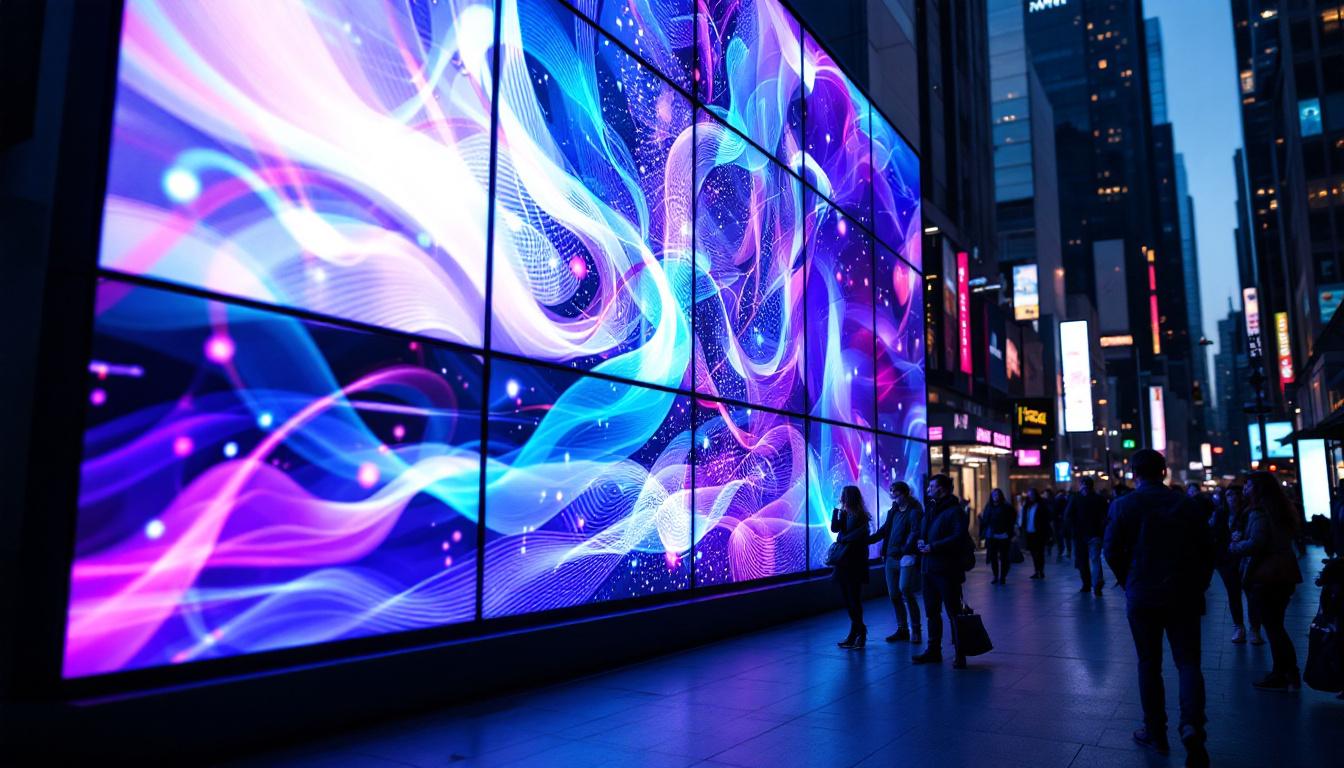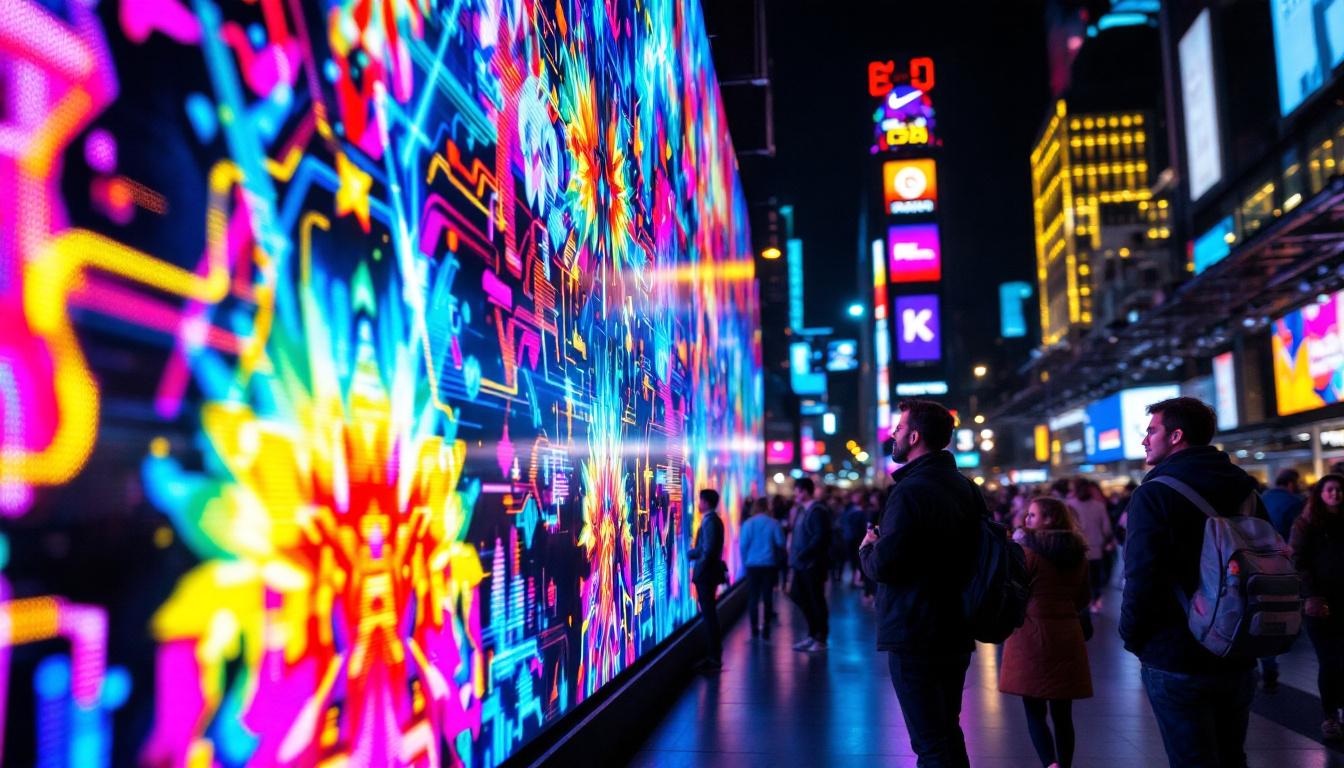
In today’s digital age, LED displays have become an integral part of how information is communicated visually across various industries. From vibrant advertising billboards to dynamic indoor screens and sophisticated control room panels, LED technology offers unparalleled brightness, clarity, and versatility. This article delves into the world of LED panels, explaining what they are, how they work, their key benefits, and the latest trends shaping the future of LED displays.
Understanding LED Panels: What Are They?
LED panels, often referred to as LED displays, are flat panels that use light-emitting diodes (LEDs) to produce images, videos, and text. Unlike traditional LCD or plasma screens, LED panels rely on tiny semiconductor diodes that emit light when an electric current passes through them. This technology enables LED panels to deliver vibrant colors, high brightness, and energy efficiency.
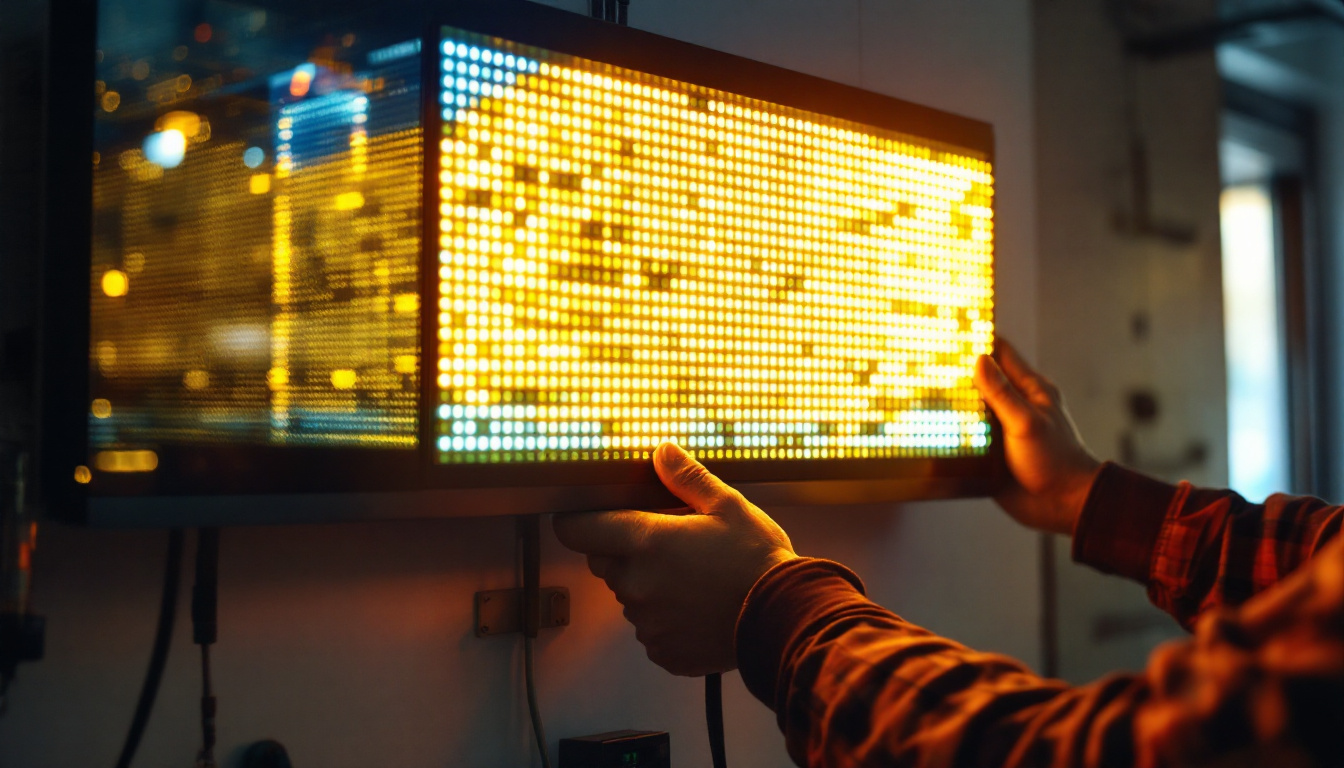
Typically, an LED panel consists of thousands or even millions of individual LEDs arranged in a grid. Each LED acts as a pixel or part of a pixel, which can be controlled independently to create detailed and dynamic visuals. The panels vary in size, resolution, and pixel pitch (the distance between LED pixels), allowing them to be customized for different applications.
Types of LED Panels
LED panels come in several types, each suited to specific environments and uses:
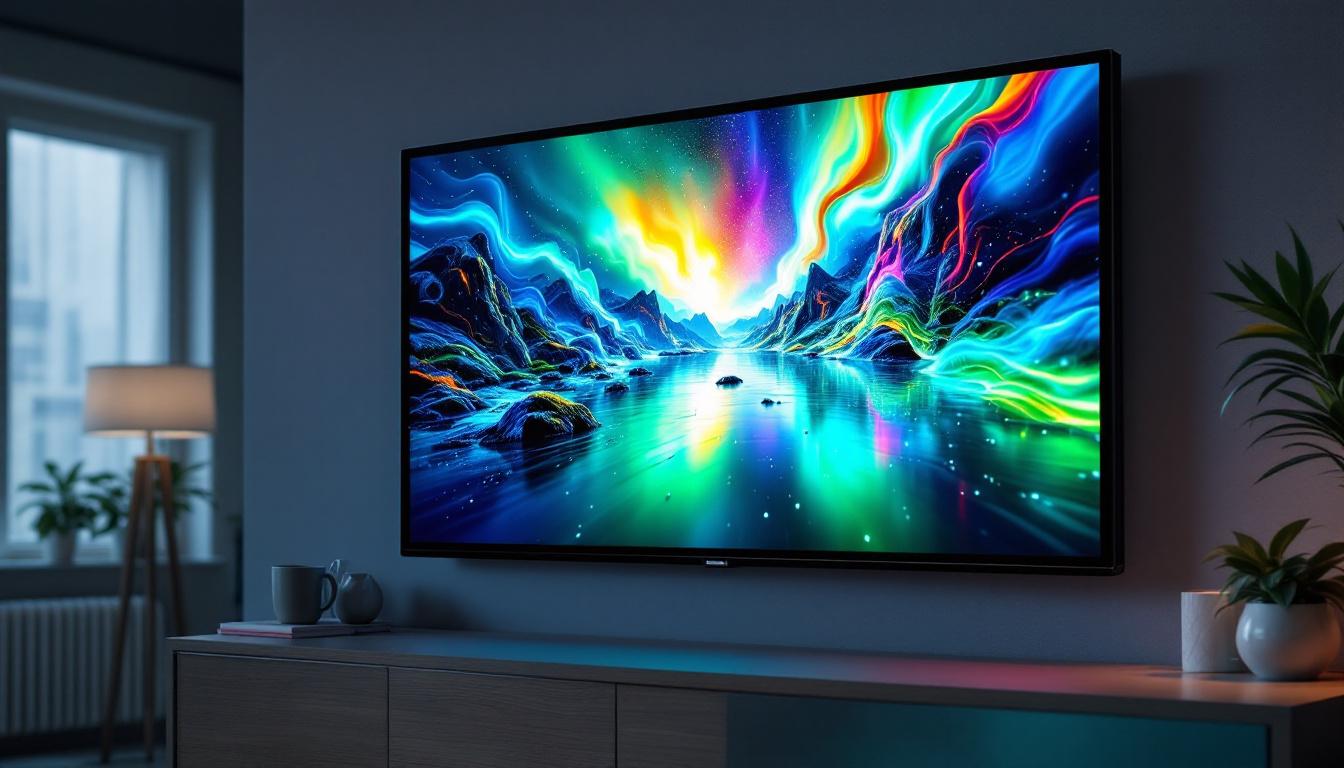
- Indoor LED Panels: Designed for close viewing distances, these panels have a smaller pixel pitch, typically ranging from 1mm to 4mm. They are used in conference rooms, retail stores, and indoor advertising.
- Outdoor LED Panels: Built to withstand weather conditions, these panels have higher brightness levels (often exceeding 5,000 nits) and larger pixel pitches (4mm to 20mm) to ensure visibility even under direct sunlight. They are common in stadiums, billboards, and public spaces.
- Transparent LED Panels: These innovative displays allow light to pass through, making them ideal for storefront windows and architectural installations where maintaining natural light is important.
- Flexible LED Panels: Made with bendable materials, these panels can curve around surfaces, opening new possibilities for creative installations.
How LED Panels Work: The Technology Behind the Glow
At the core of LED panel technology are the light-emitting diodes themselves. Each LED is a tiny semiconductor device that emits light when an electrical current passes through it. The color of the light depends on the materials used in the semiconductor.
Modern LED panels typically use red, green, and blue (RGB) LEDs combined in varying intensities to produce a full spectrum of colors. By adjusting the brightness of each color LED within a pixel, the panel can render millions of colors, enabling vivid and lifelike images.
Pixel Pitch and Resolution
One of the most important technical specifications of an LED panel is the pixel pitch, which is the distance between the centers of two adjacent pixels. Pixel pitch directly influences the resolution and viewing distance of the display. A smaller pixel pitch means higher resolution and better image detail, which is essential for displays viewed up close.
For example, a pixel pitch of 1.5mm is common for indoor LED panels used in conference rooms or retail environments, where viewers are close to the screen. Conversely, outdoor billboards often have pixel pitches of 10mm or more, as they are viewed from much greater distances.
Brightness and Contrast
Brightness is measured in nits (candelas per square meter) and is a critical factor for LED displays, particularly those used outdoors. Outdoor LED panels typically offer brightness levels between 5,000 and 8,000 nits or higher, ensuring clear visibility even in direct sunlight.
Contrast ratio, the difference between the darkest black and the brightest white a display can produce, is another important metric. LED panels generally provide excellent contrast ratios, contributing to sharp and vivid images that stand out in various lighting conditions.
Applications of LED Panels: Where and Why They Matter
LED panels have revolutionized visual communication across multiple sectors. Their adaptability, brightness, and energy efficiency make them ideal for a wide range of applications.
Advertising and Marketing
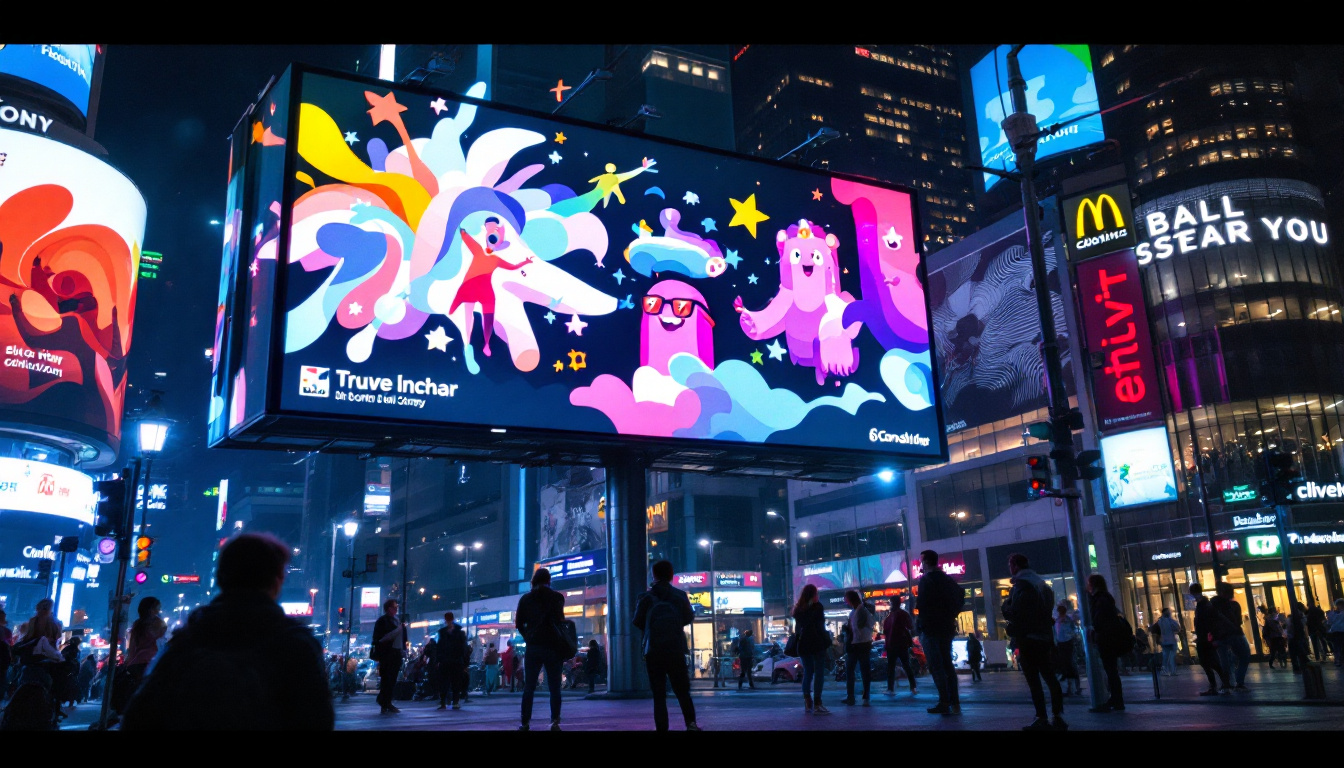
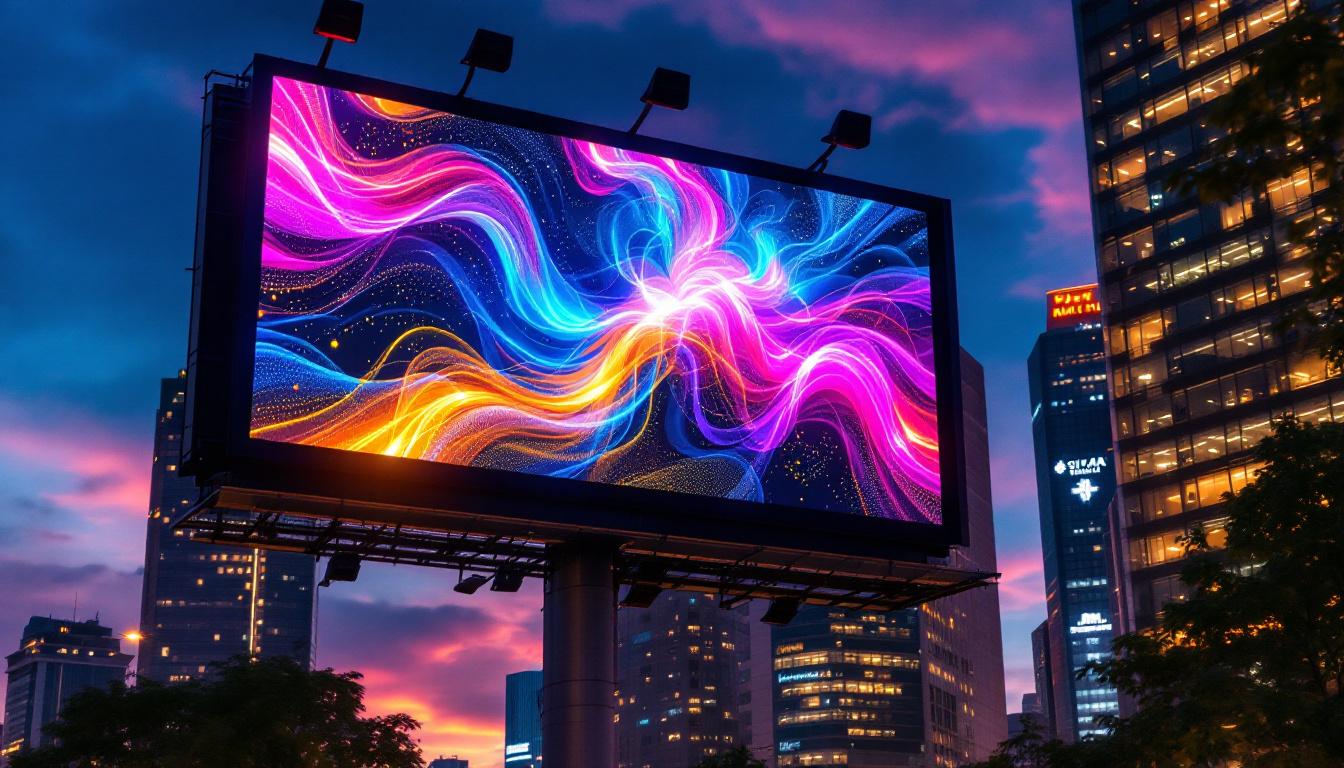
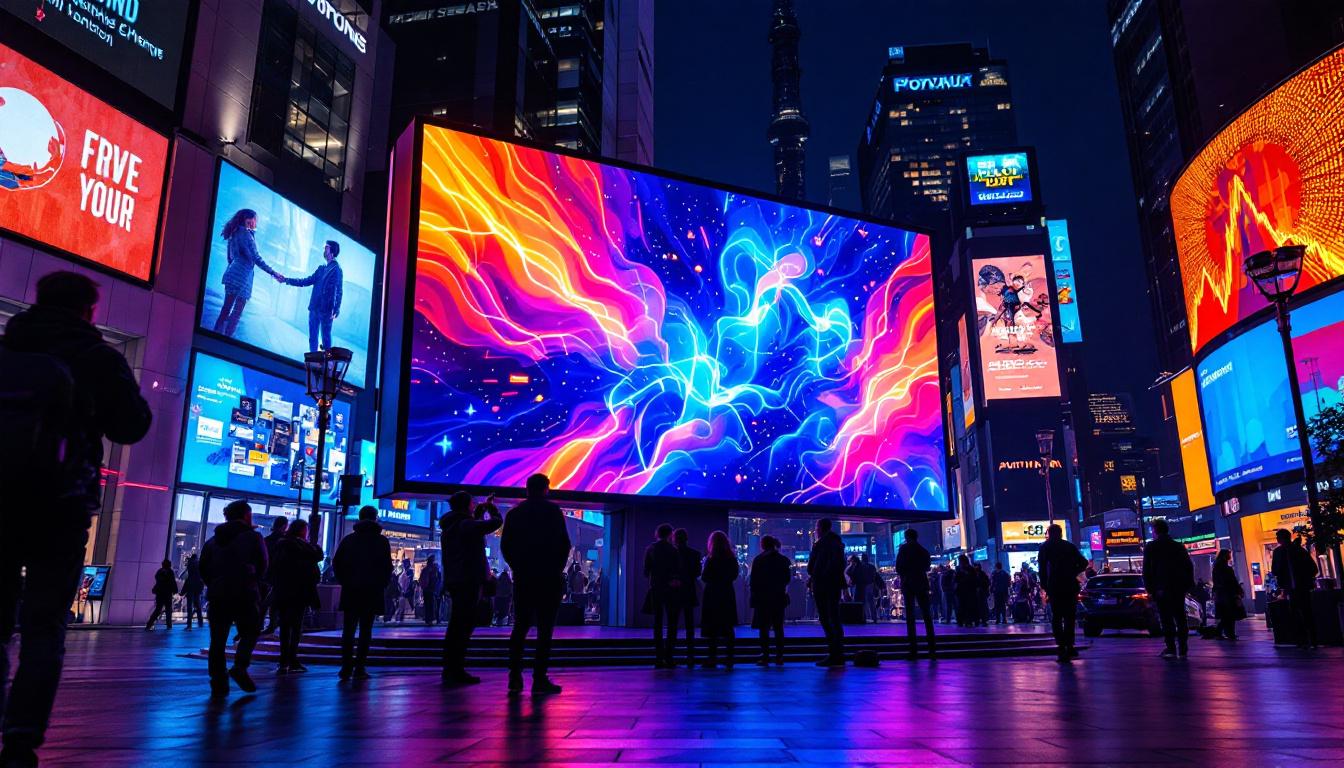
One of the most visible uses of LED panels is in advertising. Digital billboards and signage are increasingly replacing traditional static posters due to their ability to display dynamic content, including videos and animations. According to a 2023 report by Grand View Research, the global digital signage market is expected to reach $31.71 billion by 2028, driven largely by the adoption of LED display technology.
LED panels enable advertisers to update content in real-time, target specific audiences with tailored messages, and create eye-catching visuals that capture attention. For example, Times Square in New York City is renowned for its massive LED billboards that light up the area with vibrant advertisements 24/7.
Entertainment and Events
Concerts, sports events, and exhibitions frequently use large LED panels to enhance the audience experience. These displays provide clear visuals regardless of ambient lighting and can be configured in various shapes and sizes to fit stage designs.
For instance, the 2022 FIFA World Cup utilized extensive LED display installations both inside stadiums and in fan zones, delivering live scores, replays, and interactive content to millions of viewers.
Corporate and Control Rooms
In corporate environments, LED panels are used for presentations, video conferencing, and digital dashboards. Control rooms in industries such as transportation, utilities, and security rely on high-resolution LED video walls to monitor operations in real time, ensuring quick decision-making.
These applications demand reliable, high-quality displays with excellent color accuracy and minimal latency, attributes that LED panels consistently provide.
Retail and Hospitality
Retailers use LED panels to create immersive shopping experiences, showcase promotions, and guide customers. Hotels and restaurants employ LED displays for digital menus, event announcements, and ambient lighting effects.
By integrating LED technology, businesses can engage customers more effectively and adapt their messaging swiftly to changing conditions or promotions.
Advantages of LED Panels Over Other Display Technologies
LED panels stand out from other display technologies such as LCD, OLED, and projection systems for several reasons:
Superior Brightness and Visibility
LED panels can achieve much higher brightness levels than LCD or OLED screens, making them suitable for outdoor use and brightly lit indoor environments. This brightness ensures that content remains clear and legible in diverse lighting conditions.
Energy Efficiency and Longevity
LED technology is highly energy-efficient compared to traditional display systems. LEDs consume less power while delivering brighter images, which reduces operational costs, especially for large installations that operate continuously.
Additionally, LED panels have a long lifespan, often exceeding 100,000 hours of use, minimizing maintenance and replacement expenses.
Flexibility and Customization
LED panels can be manufactured in various sizes, shapes, and resolutions. They can be curved, transparent, or flexible, enabling creative and architectural applications that are impossible with rigid LCD or projection screens.
Fast Refresh Rates and Low Latency
LED displays offer fast refresh rates and low latency, which are crucial for live events, gaming, and interactive applications. This ensures smooth motion and real-time responsiveness.
Challenges and Considerations When Choosing LED Panels
Despite their many advantages, selecting the right LED panel requires careful consideration of several factors to ensure optimal performance and cost-effectiveness.
Initial Investment
High-quality LED panels can be expensive upfront, especially for large-scale or high-resolution installations. However, the long-term benefits in durability and energy savings often justify the initial cost.
Pixel Pitch vs. Viewing Distance
Choosing an appropriate pixel pitch is critical. A pixel pitch too large for a close viewing distance can result in a pixelated or blurry image, while a very small pixel pitch for a distant display may unnecessarily increase costs.
Installation and Maintenance
Proper installation is essential for maximizing the lifespan and performance of LED panels. Maintenance requirements, including cleaning and potential repairs, should be factored into the total cost of ownership.
Environmental Factors
For outdoor installations, panels must be rated for weather resistance, including protection against rain, dust, and temperature extremes. Additionally, considerations such as glare reduction and heat dissipation are important.
The Future of LED Panels: Innovations and Trends
LED technology continues to evolve rapidly, with new innovations expanding the possibilities for LED panels.
MicroLED and MiniLED Technologies
Emerging MicroLED and MiniLED technologies offer even higher resolution, improved color accuracy, and better energy efficiency. MicroLED displays use microscopic LEDs as individual pixels, enabling ultra-high-definition screens with exceptional brightness and contrast.
Integration with AI and IoT
Smart LED panels integrated with artificial intelligence (AI) and the Internet of Things (IoT) are enabling dynamic, context-aware content delivery. For example, digital signage can adjust advertising based on real-time data such as weather, traffic, or audience demographics.
Flexible and Transparent Displays
Advancements in flexible and transparent LED panels are opening new frontiers in design and architecture. These displays can be embedded into windows, curved surfaces, or wearable devices, creating immersive and interactive experiences.
Sustainability and Eco-Friendly Designs
Manufacturers are increasingly focusing on sustainability by developing LED panels with recyclable materials, reduced power consumption, and longer lifespans, aligning with global efforts to minimize environmental impact.
Conclusion
LED panels represent a powerful and versatile display technology that has transformed visual communication across numerous industries. Their brightness, energy efficiency, and adaptability make them ideal for applications ranging from outdoor advertising to corporate control rooms and immersive entertainment experiences.
Understanding the technical aspects such as pixel pitch, brightness, and panel type is essential for selecting the right LED display to meet specific needs. As technology advances with innovations like MicroLED and AI integration, LED panels will continue to evolve, offering even more dynamic and engaging ways to present visual content.
For businesses and organizations looking to enhance their visual communication, investing in LED panel technology offers a future-proof solution that combines impact, flexibility, and efficiency.
Discover LumenMatrix’s Advanced LED Display Solutions
Ready to elevate your visual communication with the latest in LED technology? LumenMatrix offers a comprehensive range of LED display solutions tailored to meet your unique needs. From Indoor and Outdoor LED Wall Displays to innovative Transparent and Custom LED Displays, our products are designed to captivate your audience and amplify your message. Experience the future of digital signage with LumenMatrix’s cutting-edge displays. Check out LumenMatrix LED Display Solutions and transform your visual presence today.