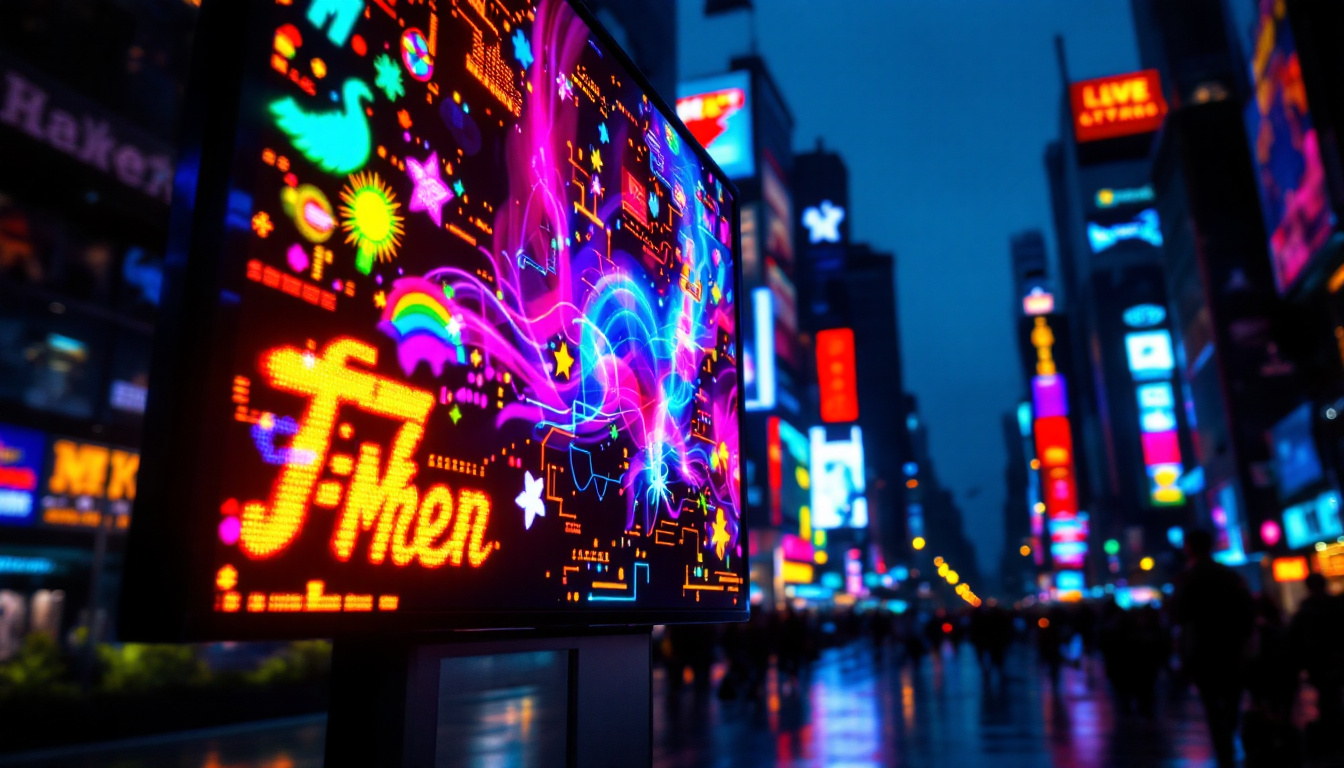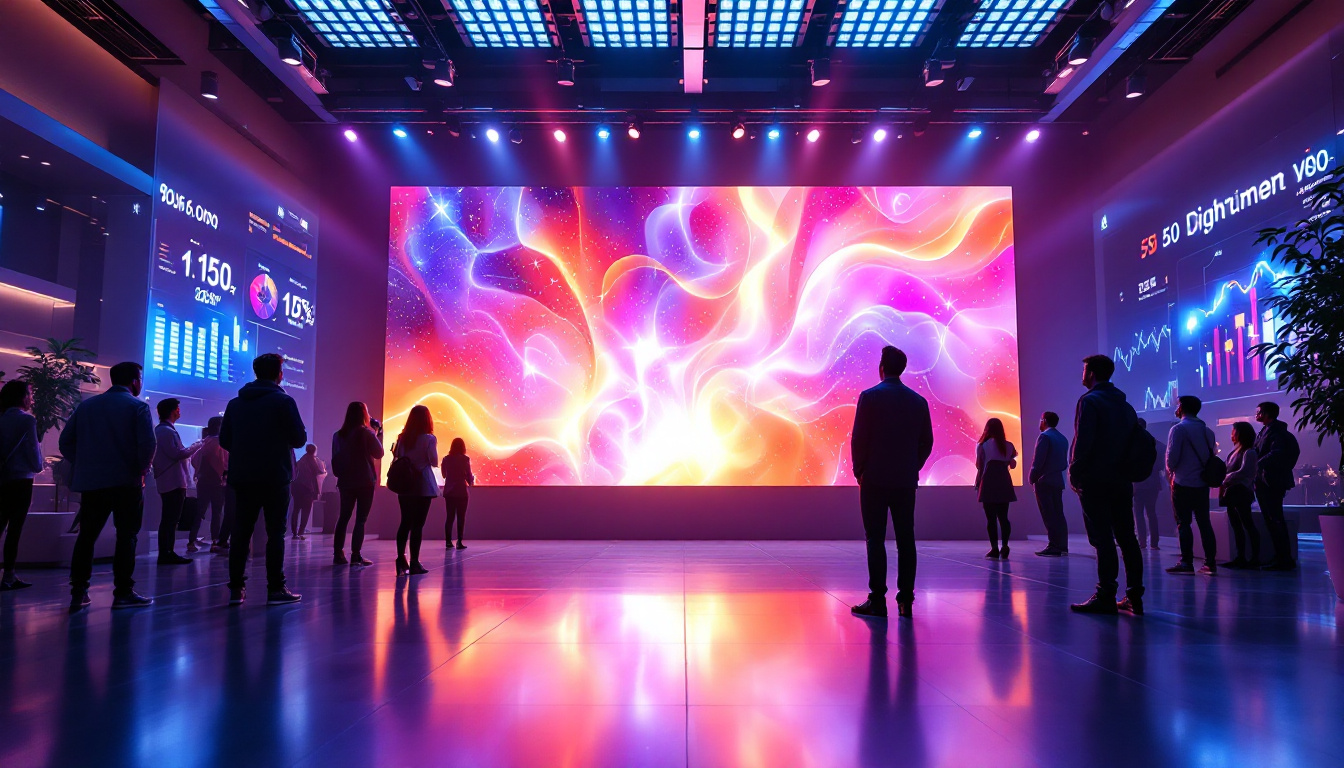
In today’s visually driven world, the way a brand presents itself can make or break its success. Among the many tools at a company’s disposal, LED displays have emerged as a powerful medium for capturing attention, conveying messages, and enhancing brand visibility. From towering billboards in Times Square to sleek digital signage in retail stores, LED technology is transforming how logos and brand identities are showcased. This article delves deep into the world of LED displays, explaining their technology, applications, advantages, and why they truly matter for logos and branding.
Understanding LED Display Technology
What is an LED Display?
LED stands for Light Emitting Diode, a semiconductor device that emits light when an electric current passes through it. An LED display is essentially a screen made up of thousands, sometimes millions, of these tiny diodes arranged in a grid. By controlling the brightness and color of each diode, the display can produce vibrant images, videos, and text.
Unlike traditional LCD or plasma screens, LED displays are self-illuminating, meaning each diode generates its own light. This results in higher brightness levels, better contrast ratios, and more vivid colors, making LED displays particularly effective in various lighting conditions, including direct sunlight. The energy efficiency of LED technology also contributes to its popularity; they consume significantly less power compared to older display technologies, making them a more sustainable choice for both businesses and consumers. Additionally, the lifespan of LED displays is impressive, often exceeding 50,000 hours, which means less frequent replacements and lower maintenance costs over time.
Types of LED Displays
LED displays come in several forms, each suited to different applications:
- Indoor LED Displays: Designed for environments with controlled lighting, these displays typically have smaller pixel pitches (distance between LEDs), offering sharper images and finer detail. They are common in retail stores, conference rooms, and indoor advertising. The ability to display high-definition content makes them ideal for presentations and promotional events, where clarity and visual impact are paramount.
- Outdoor LED Displays: Built to withstand weather elements, these displays have larger pixel pitches and higher brightness levels to remain visible under direct sunlight. Examples include stadium screens, billboards, and transportation hubs. Outdoor displays often incorporate advanced features such as weatherproofing and anti-glare technology, ensuring that they remain functional and legible in various environmental conditions, from heavy rain to bright sunshine.
- Flexible and Transparent LED Displays: Innovations in LED technology have introduced flexible panels that can curve around surfaces and transparent displays that allow light to pass through, opening new creative possibilities for branding and advertising. These types of displays are particularly popular in modern architectural designs, where they can be integrated into windows or walls, providing an eye-catching medium for dynamic content without obstructing natural light.
Moreover, the advent of smart LED displays has revolutionized the way content is managed and displayed. With built-in connectivity options, these displays can be remotely controlled and updated in real-time, allowing businesses to adapt their messaging instantly based on audience engagement or specific events. This capability not only enhances the effectiveness of advertising campaigns but also allows for interactive experiences, where viewers can engage with the content through touch or mobile devices, creating a more immersive environment.
The Role of LED Displays in Branding and Logo Presentation
Why Logos Matter
A logo is more than just a graphic; it is the visual cornerstone of a brand’s identity. It communicates values, evokes emotions, and fosters recognition. In a marketplace crowded with competitors, a memorable logo can be a decisive factor in attracting and retaining customers.
However, the impact of a logo is heavily influenced by how and where it is presented. Static logos on printed materials are limited by size, lighting, and placement. LED displays, on the other hand, offer dynamic, eye-catching platforms that can elevate a logo’s presence dramatically.
Dynamic Logo Display: Beyond Static Images
One of the most compelling advantages of LED displays is their ability to animate logos and integrate them into engaging visual content. Animated logos can tell a story, highlight brand attributes, or simply grab attention more effectively than static images.
For example, a sports brand might use an LED display to show its logo transforming into an athlete in motion, reinforcing its association with performance and energy. This dynamic presentation not only captivates viewers but also enhances brand recall.
Customization and Real-Time Updates
LED displays allow brands to customize their messaging in real time. This flexibility means logos and associated content can be updated instantly to reflect promotions, events, or seasonal campaigns without the need for costly reprints or installations.
Consider a retail chain that uses LED signage to display its logo alongside current discounts or new product launches. This immediate adaptability keeps the brand fresh and relevant in the eyes of consumers.
Advantages of LED Displays for Logo and Brand Visibility
Superior Brightness and Visibility
One of the standout features of LED displays is their exceptional brightness. Outdoor LED billboards can reach brightness levels of 5,000 to 8,000 nits, making them clearly visible even in direct sunlight. Indoor displays, while less bright, still outperform many traditional screens in clarity and color vibrancy.
This high visibility ensures that logos displayed on LED screens catch the eye of passersby, increasing brand exposure and potential customer engagement.
Energy Efficiency and Longevity
Contrary to some misconceptions, LED displays are energy-efficient compared to other lighting and display technologies. LEDs consume less power and generate less heat, which contributes to lower operating costs and a reduced environmental footprint.
Moreover, LED displays have a long lifespan, often exceeding 100,000 hours of operation. This durability makes them a cost-effective investment for businesses looking to maintain consistent brand visibility over time.
Versatility in Size and Placement
LED displays can be manufactured in virtually any size or shape, from small logo badges to massive video walls. This versatility allows brands to deploy their logos in diverse environments — from storefront windows to building facades and public spaces.
The modular nature of LED panels means they can be assembled to fit unique architectural features, enabling creative branding opportunities that traditional signage cannot match.
Practical Applications of LED Displays in Logo Branding
Retail and Hospitality
In retail, LED displays are used to attract customers by showcasing logos alongside promotional content. High-resolution indoor LED screens create immersive environments that enhance the shopping experience and reinforce brand identity.
Hotels and restaurants utilize LED signage to display their logos prominently at entrances and lobbies, often integrating dynamic content that highlights services or special events.
Events and Exhibitions
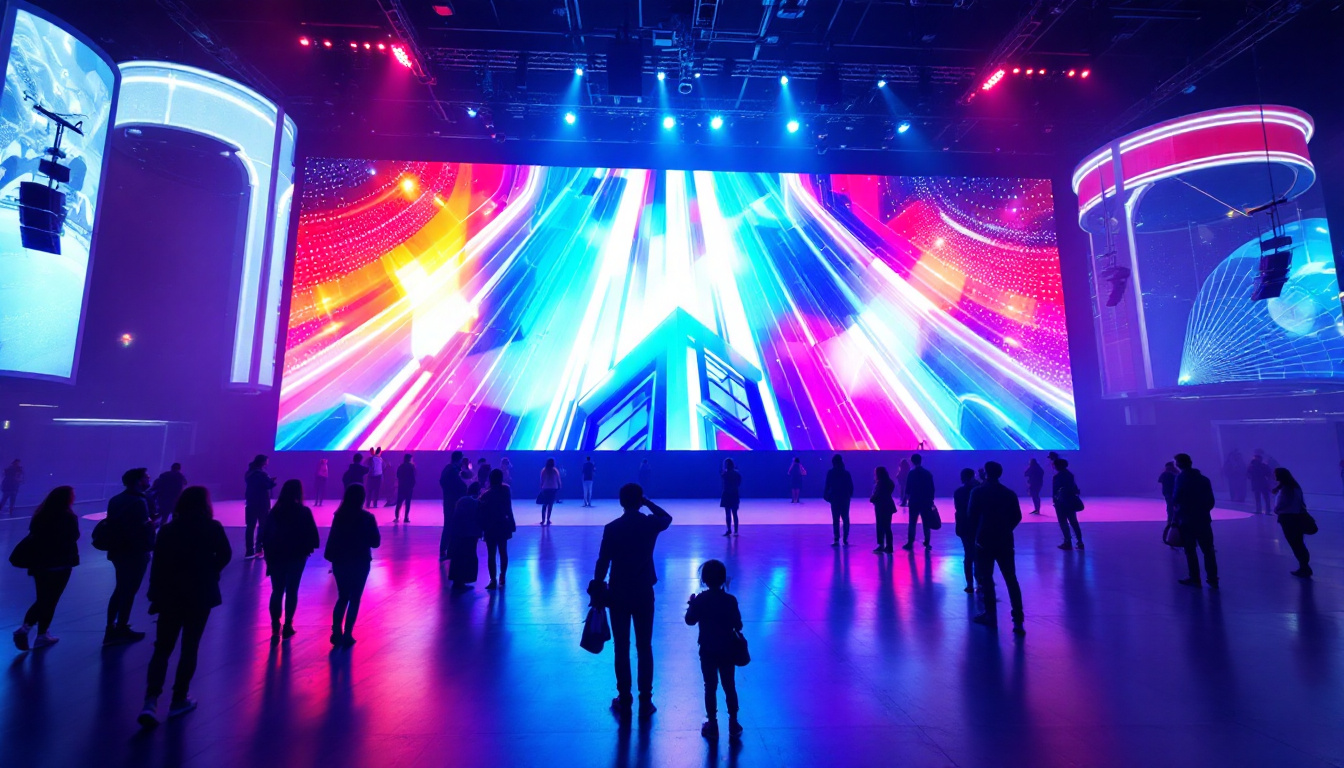
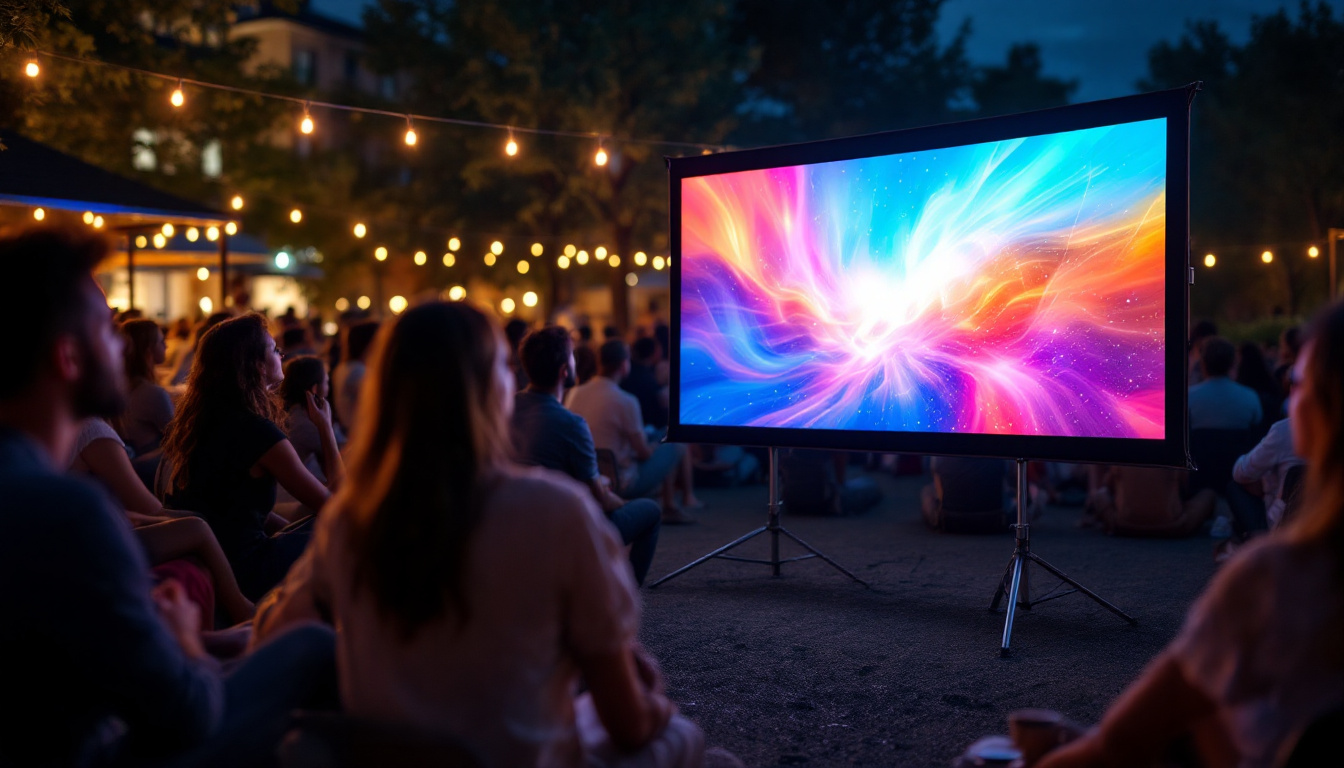
Trade shows, concerts, and sports events leverage LED displays to maximize brand exposure. Large LED screens featuring logos and branded content create memorable visual experiences that resonate with attendees.
For instance, during major sporting events, sponsors’ logos displayed on LED perimeter boards and jumbotrons reach millions of viewers both onsite and through broadcast media.
Corporate and Public Spaces
Corporate headquarters often install LED logo displays in lobbies and conference areas to convey professionalism and innovation. These displays can also be used for internal communications, reinforcing company culture.
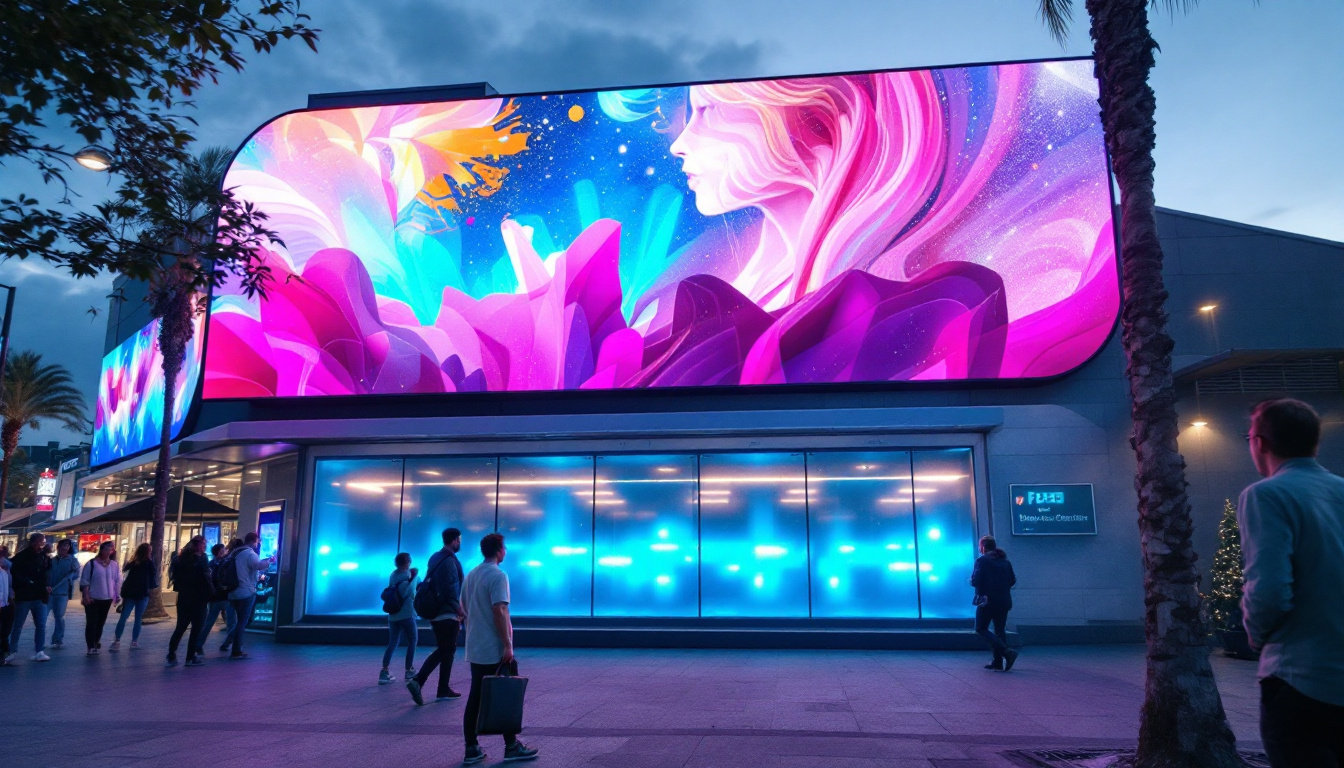
In public spaces, LED billboards featuring logos contribute to urban aesthetics while providing valuable advertising real estate for brands looking to establish a strong presence.
Challenges and Considerations When Using LED Displays for Logos
Initial Investment and Maintenance
While LED displays offer many benefits, the upfront costs can be significant, especially for large or high-resolution installations. Businesses must weigh these costs against the potential return on investment through increased brand visibility and customer engagement.
Additionally, maintenance is crucial to ensure consistent performance. This includes regular cleaning, software updates, and occasional repairs to address issues like dead pixels or power fluctuations.
Design and Technical Expertise
Creating effective LED logo displays requires specialized design and technical knowledge. Factors such as pixel pitch, viewing distance, and ambient lighting conditions must be considered to optimize visibility and impact.
Collaborating with experienced designers and LED technology providers ensures that the final display aligns with brand guidelines and achieves the desired visual effect.
Environmental and Regulatory Factors
Outdoor LED displays must comply with local regulations regarding brightness, size, and placement to avoid light pollution and ensure public safety. Brands should work closely with municipal authorities during the planning stages to secure necessary permits.
Environmental considerations, such as energy consumption and recyclability of components, are increasingly important as companies strive for sustainable branding solutions.
The Future of LED Displays in Logo Branding
Integration with Smart Technologies
The convergence of LED displays with smart technologies like IoT (Internet of Things) and AI (Artificial Intelligence) is opening new frontiers for dynamic branding. Smart LED displays can adapt content based on audience demographics, weather conditions, or time of day, creating personalized and contextually relevant brand experiences.
Advancements in MicroLED and MiniLED
Emerging technologies such as MicroLED and MiniLED promise even higher resolution, better color accuracy, and thinner form factors. These advancements will enable brands to display logos with unprecedented clarity and flexibility, further enhancing visual impact.
Augmented Reality and Interactive Displays
Combining LED displays with augmented reality (AR) and interactive elements allows brands to engage audiences in immersive ways. For example, a logo displayed on an LED screen could trigger AR content on a user’s smartphone, deepening brand interaction and memorability.
Conclusion: Why LED Displays Truly Matter for Logos
In an era where visual communication is paramount, LED displays offer brands a versatile, dynamic, and impactful medium to showcase their logos. Their superior brightness, adaptability, and technological sophistication make them ideal for capturing attention and reinforcing brand identity across diverse environments.
Investing in LED display technology is not merely about adopting a new advertising tool; it’s about embracing a future-ready platform that can evolve with a brand’s needs and the ever-changing landscape of consumer engagement. For businesses aiming to stand out and make their logos matter, LED displays are an indispensable asset.
Illuminate Your Brand with LumenMatrix
Ready to elevate your logo and brand presence to new heights? Discover the transformative power of LumenMatrix’s advanced LED display solutions. From the bustling streets to the heart of your business, our innovative Indoor and Outdoor LED Wall Displays, Vehicle LED Displays, LED Poster Displays, LED Sports Displays, Floor LED Displays, Custom LED Displays, All-in-One LED Displays, and LED Transparent Displays are designed to captivate and engage your audience. Embrace the future of visual communication with LumenMatrix and make a lasting impression. Check out LumenMatrix LED Display Solutions today and let your brand shine brighter than ever.