In today’s digital age, visual communication is paramount. Whether it’s for advertising, branding, or information dissemination, the clarity and vibrancy of displays play a critical role in capturing attention. Among the many technologies available, LED displays have emerged as a leading choice for businesses and individuals alike. This article dives deep into the world of LED displays, explaining their technology, applications, and why they are increasingly favored for logo printing and digital signage.
Understanding LED Display Technology
LED stands for Light Emitting Diode, a semiconductor device that emits light when an electric current passes through it. Unlike traditional display technologies such as LCD or plasma, LED displays utilize these tiny diodes to create images, videos, and text with exceptional brightness and color accuracy. This innovation has revolutionized the way visual information is presented, making it more engaging and accessible to audiences in various settings.
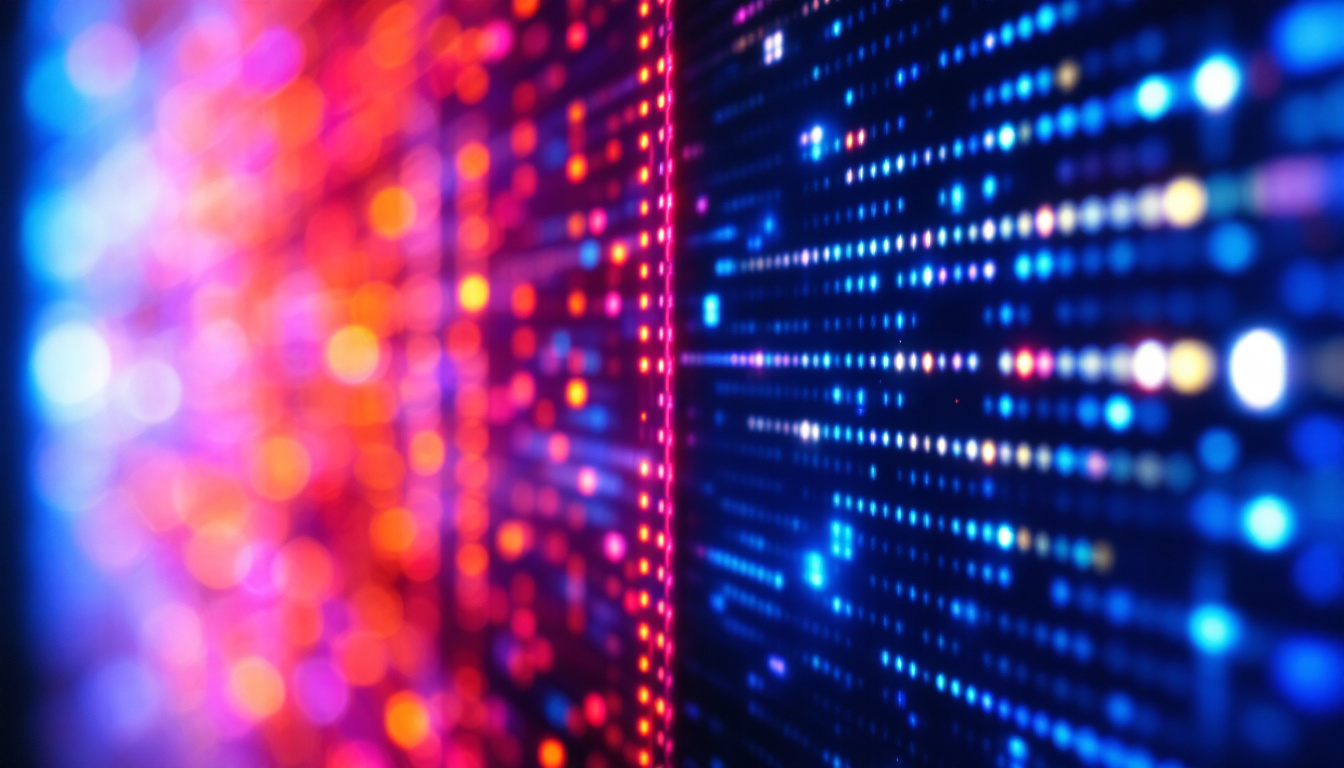
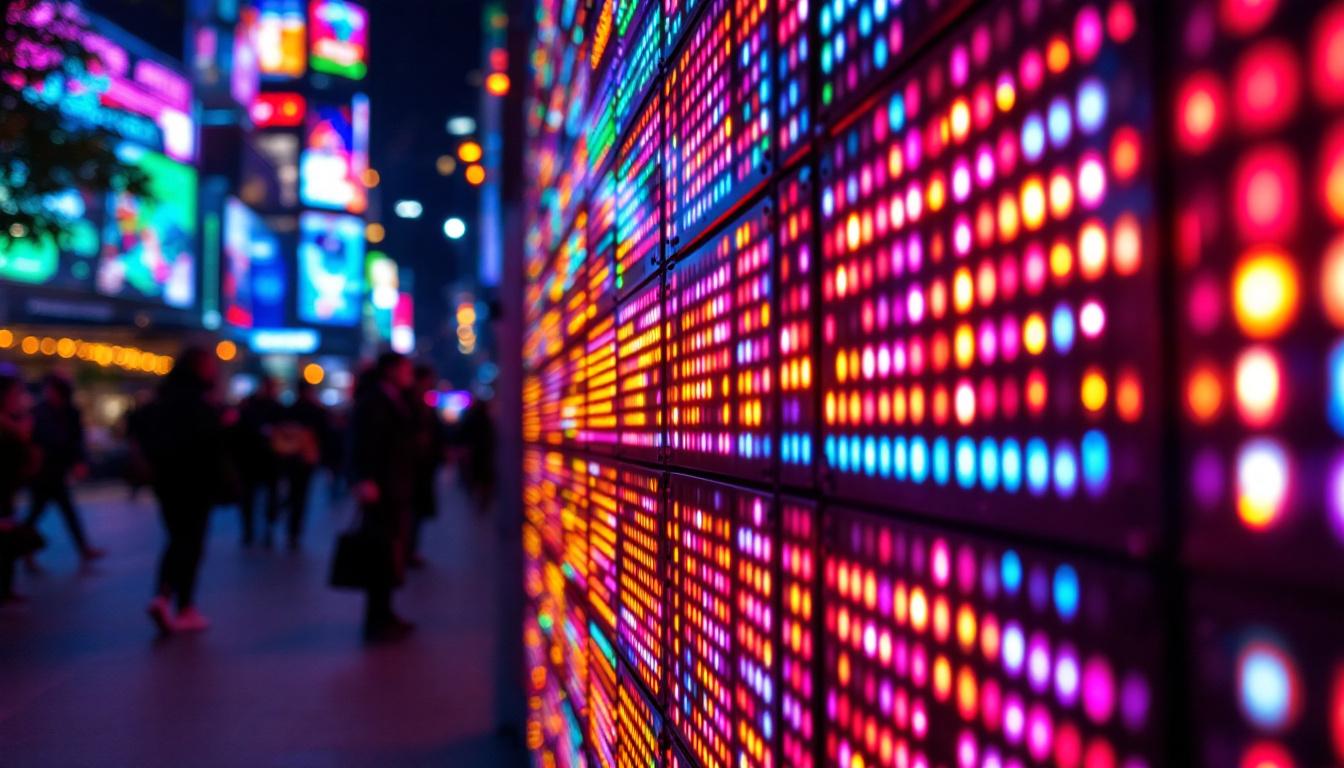
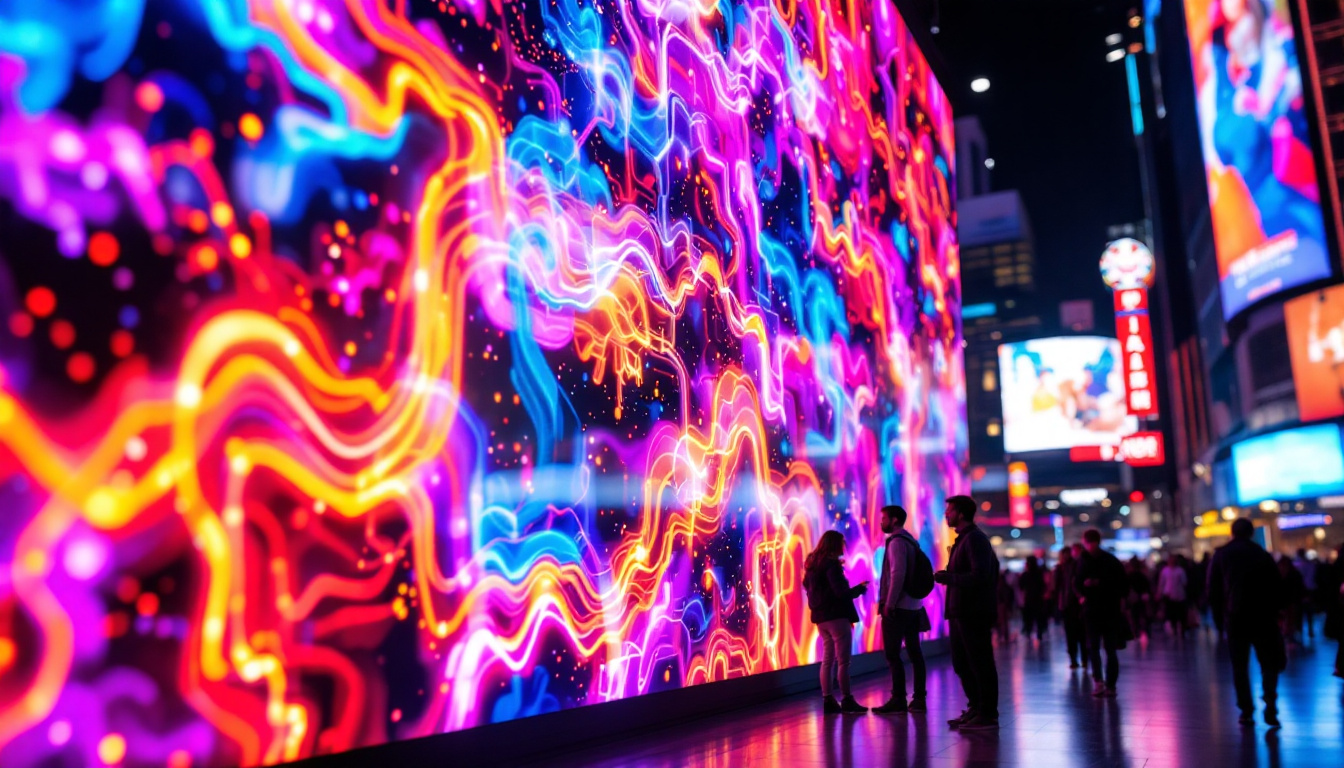
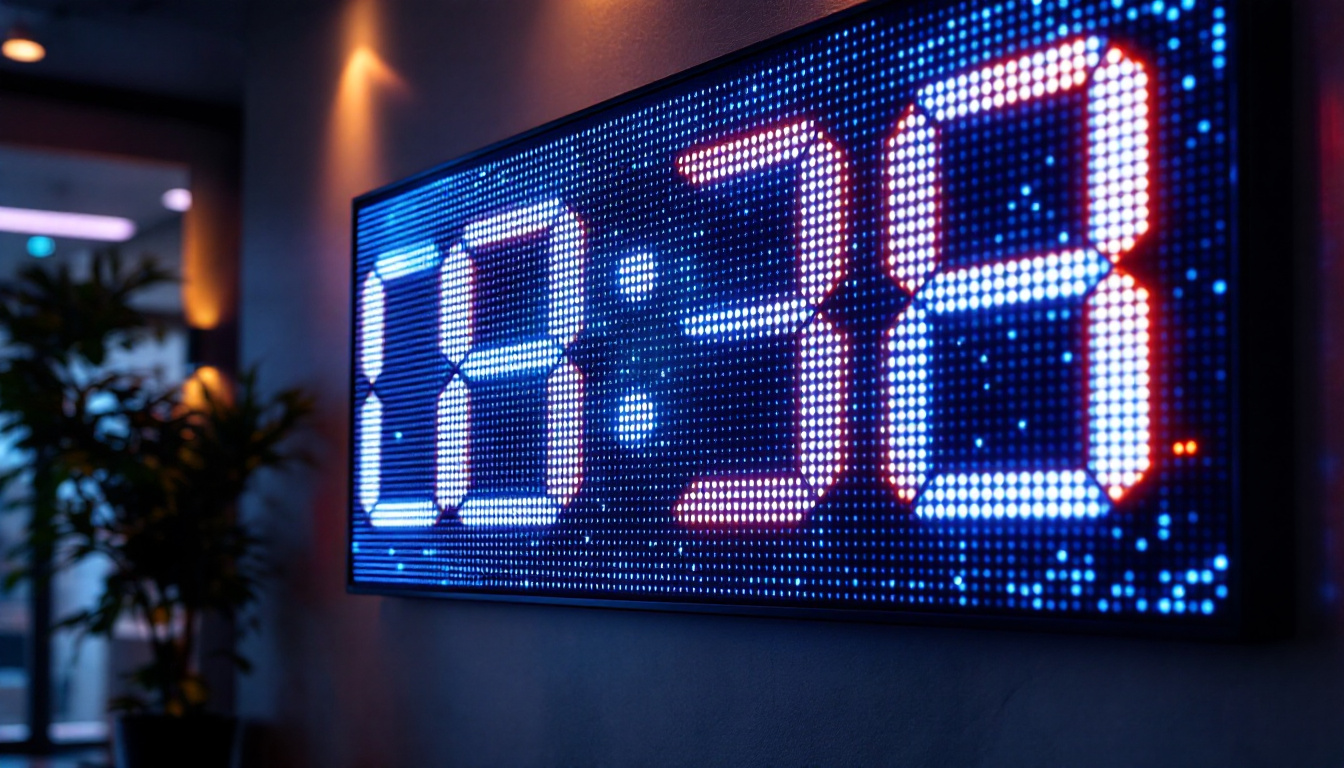
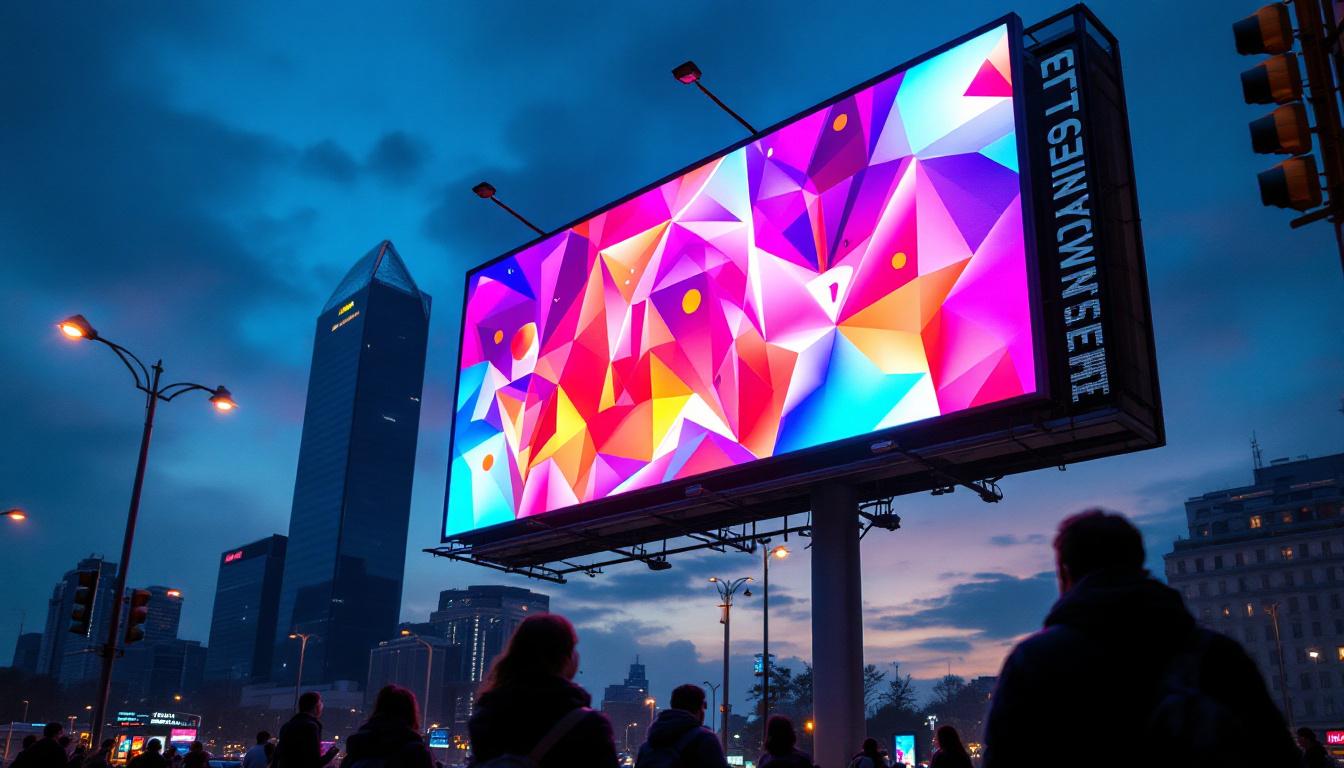
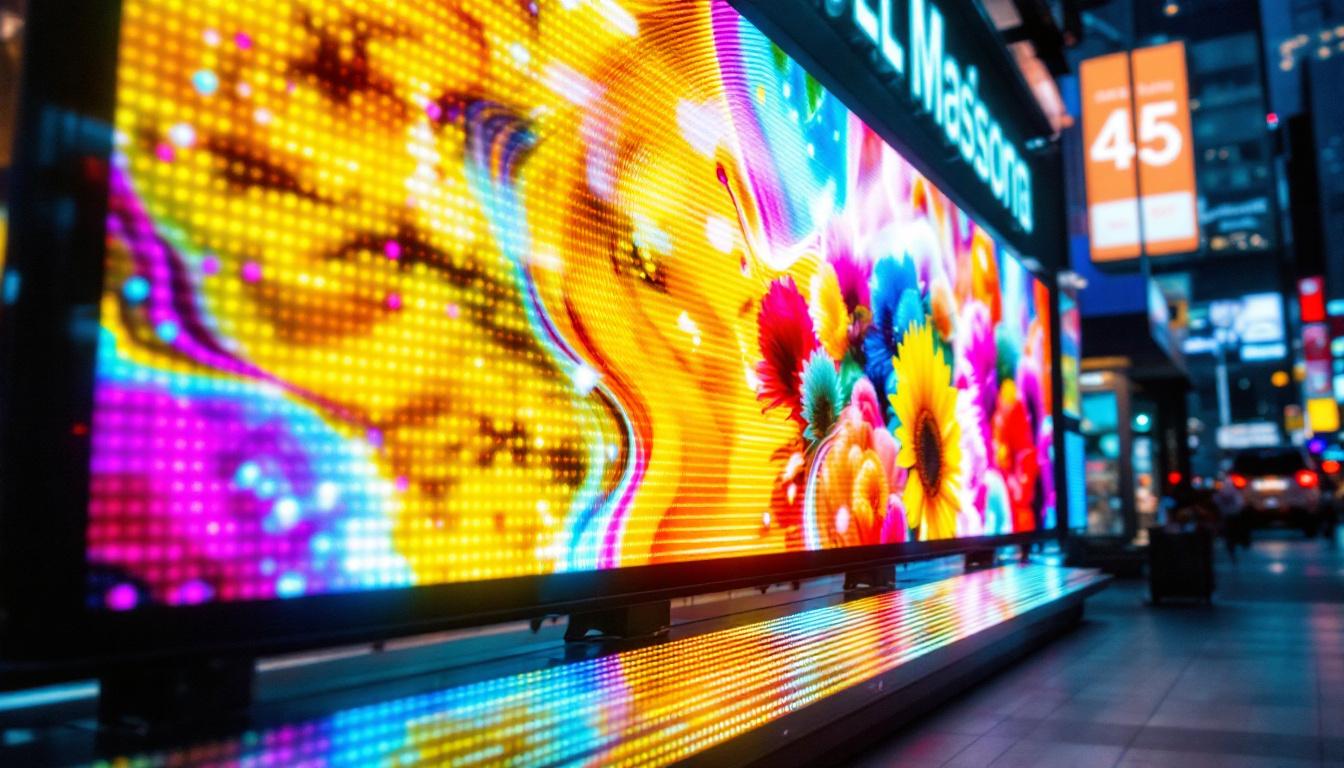
LED displays come in various forms, including direct view LED panels and LED-backlit LCD screens. Direct view LED displays consist of thousands of individual LEDs arranged in a matrix, each acting as a single pixel. This setup allows for vibrant, high-contrast images that are visible even in bright outdoor environments. The versatility of LED technology means it can be found in everything from large-scale billboards to small digital signage, enhancing communication in public spaces and retail environments.
How LEDs Work in Displays
Each LED in a display emits light of a specific color—typically red, green, or blue. By combining these primary colors at different intensities, the display can produce a full spectrum of colors. This RGB (Red, Green, Blue) color mixing is the foundation of all digital color displays. The precision with which these colors can be mixed allows for the creation of stunning visuals that can captivate viewers and convey messages effectively.
Modern LED displays often use surface-mounted device (SMD) technology, where tiny LEDs are mounted directly onto the circuit board. This allows for higher pixel density and improved image resolution, making the display sharper and more detailed. Additionally, advancements in technology have led to the development of mini and micro LED displays, which provide even greater resolution and color fidelity, pushing the boundaries of what is possible in visual display technology.
Key Features of LED Displays
LED displays offer several advantages over other display technologies:
- Brightness: LEDs can achieve extremely high brightness levels, making them ideal for outdoor and well-lit indoor environments.
- Energy Efficiency: LEDs consume less power compared to traditional lighting and display technologies, reducing operational costs.
- Durability: LED displays are robust and can withstand harsh weather conditions, making them suitable for outdoor signage.
- Color Accuracy: The precise control of individual LEDs allows for vibrant and accurate color reproduction.
- Flexibility: LED panels can be manufactured in various sizes and shapes, allowing for creative and custom display solutions.
Moreover, LED technology has also paved the way for dynamic content display, enabling real-time updates and interactivity. This feature is particularly beneficial for advertising, where businesses can change promotions instantly based on customer traffic or time of day. Furthermore, the integration of smart technology into LED displays allows for advanced features such as remote monitoring and control, enhancing the user experience and operational efficiency.
As the demand for high-quality visual experiences continues to grow, LED technology is evolving rapidly. Innovations such as transparent LED displays and flexible screens are emerging, expanding the possibilities for creative applications in architecture, retail, and entertainment. These advancements not only enhance aesthetics but also provide functional benefits, making LED displays an integral part of modern communication and branding strategies.
The Role of LED Displays in Logo Printing and Branding
Logos are a fundamental element of brand identity. Traditionally, logos have been printed on physical materials like paper, fabric, or plastic. However, the rise of digital signage and LED technology has transformed how logos are displayed and interacted with.
Using LED displays for logo printing offers dynamic and eye-catching branding opportunities. Instead of static images, businesses can showcase animated logos, changing colors, or even interactive effects that respond to environmental factors or user inputs.
Advantages of Using LED Displays for Logos
LED displays provide several benefits when used for logo presentation:
- Visibility: The high brightness and contrast of LED displays ensure logos are visible from long distances, day or night.
- Customization: Digital logos can be easily updated or changed without the need for reprinting physical materials.
- Engagement: Animated logos and dynamic content attract more attention and can enhance brand recall.
- Cost-Effectiveness: Although the initial investment in LED displays can be higher, the long-term savings from reduced printing and maintenance costs are significant.
Examples of LED Logo Displays in Use
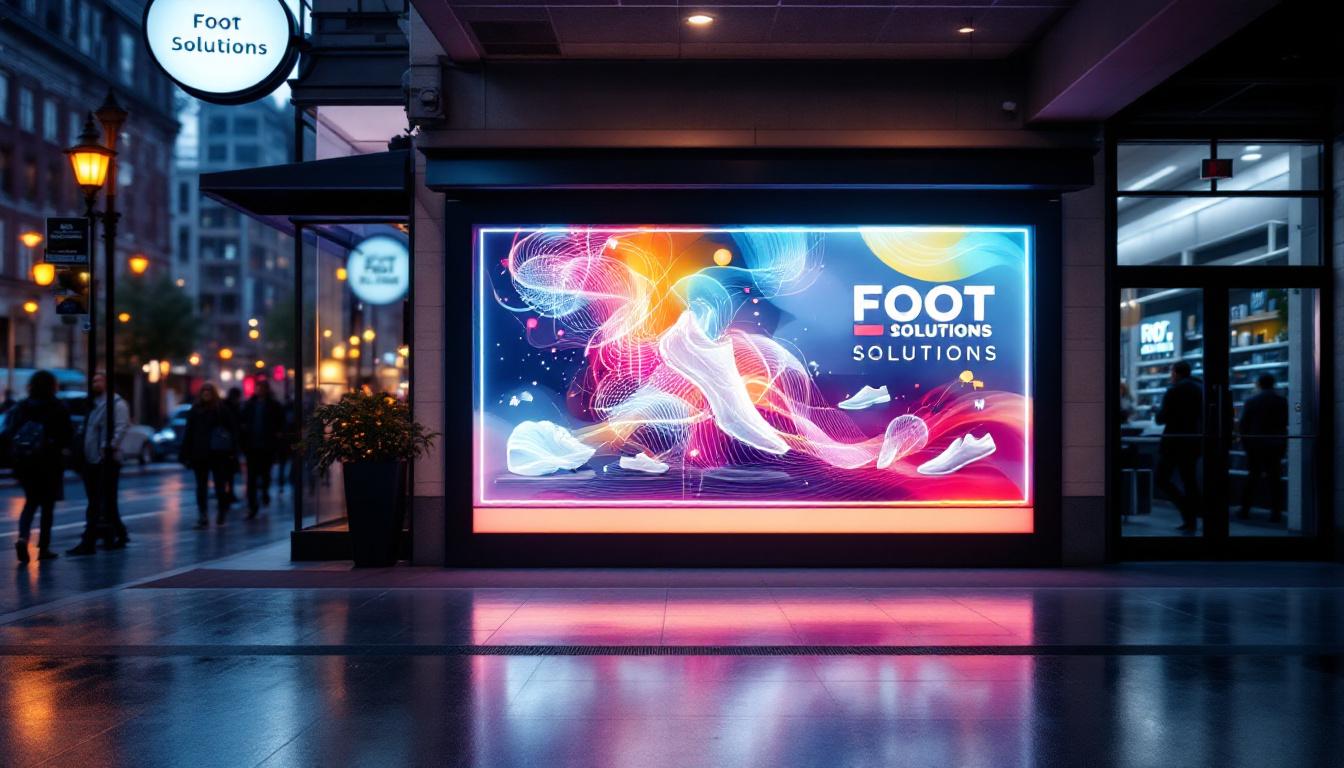
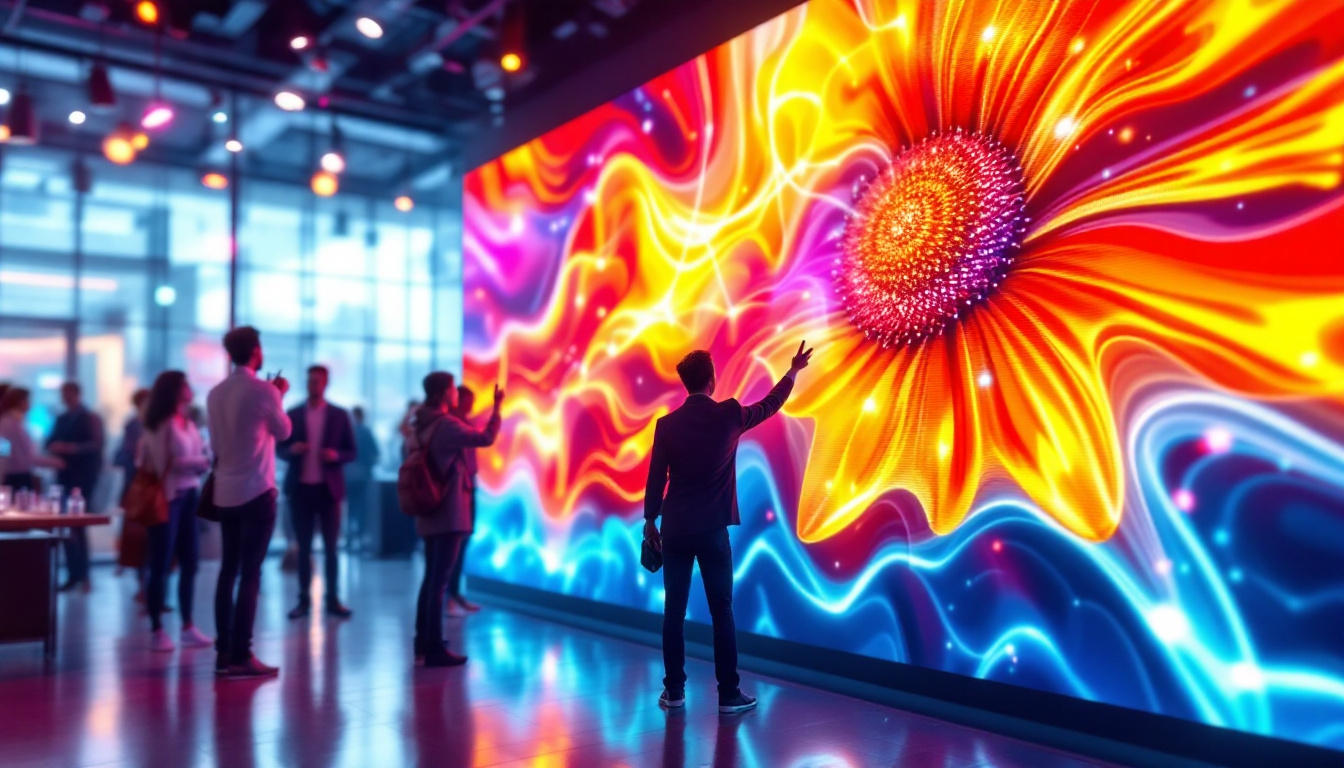
Many industries have embraced LED displays for logo printing and branding. For instance, retail stores often use LED signage to highlight their logos and promotions, creating an inviting atmosphere. Sports arenas and event venues use large LED screens to display team logos and sponsor branding, enhancing the spectator experience.
Transportation hubs like airports and train stations utilize LED displays to showcase airline logos and service providers, combining branding with useful information for travelers.
Technical Considerations When Choosing LED Displays for Logo Printing
Selecting the right LED display for logo printing involves several technical factors that impact performance and visual quality. Understanding these considerations helps ensure the display meets the specific needs of the application.
Resolution and Pixel Pitch
Resolution refers to the number of pixels in the display, while pixel pitch is the distance between the centers of two adjacent pixels, usually measured in millimeters. A smaller pixel pitch means higher pixel density, resulting in sharper images.
For logo displays, especially those viewed up close, a high-resolution LED panel with a small pixel pitch is essential to maintain crispness and detail. Conversely, larger pixel pitches are acceptable for displays intended to be viewed from a distance, such as billboards.
Brightness and Contrast Ratio
Brightness is critical for ensuring visibility under various lighting conditions. Outdoor LED displays often require brightness levels exceeding 5,000 nits to be effective in direct sunlight. Indoor displays typically need lower brightness but benefit from higher contrast ratios to enhance color depth.
Color Calibration and Uniformity
Accurate color reproduction is vital for maintaining brand consistency. LED displays should be calibrated to match the exact colors of the logo, ensuring that reds, blues, and other brand colors appear true to life. Uniform brightness and color across the entire display surface prevent distracting inconsistencies.
Viewing Angle
The viewing angle determines how well the display can be seen from different positions. Wide viewing angles are important for public spaces where viewers may approach from various directions.
Durability and Weather Resistance
For outdoor installations, LED displays must be weatherproof, with protection against rain, dust, and temperature extremes. IP ratings (Ingress Protection) indicate the level of protection, with IP65 or higher commonly recommended for outdoor use.
Integrating Logo Printer PNG Files with LED Displays
Digital logo files, especially in PNG format, are widely used due to their lossless compression and support for transparent backgrounds. Integrating these files with LED display systems requires understanding file compatibility and optimization techniques.
Why PNG is Preferred for Logo Displays
PNG (Portable Network Graphics) files support high-quality images with transparency, making them ideal for logos that need to be displayed over varying backgrounds. Unlike JPEGs, PNGs do not lose quality during compression, preserving sharp edges and color accuracy.
Optimizing PNG Files for LED Displays
To ensure optimal performance on LED displays, PNG files should be prepared carefully:
- Resolution Matching: The image resolution should correspond to the display’s pixel density to avoid distortion or pixelation.
- Color Profile: Using the correct color profile (such as sRGB) helps maintain color consistency across devices.
- File Size: While PNGs are lossless, excessively large files can slow down rendering. Optimizing file size without sacrificing quality is crucial.
Software and Hardware Compatibility
Modern LED display controllers and media players support a wide range of image formats, including PNG. When preparing content, it’s important to verify compatibility with the specific hardware and software used to drive the LED panels.
Many LED display manufacturers provide proprietary software tools that facilitate content management, allowing users to upload, schedule, and animate logo PNG files with ease.
Future Trends in LED Display Technology and Logo Printing
The LED display industry continues to evolve rapidly, driven by advances in materials science, electronics, and digital content management. These innovations promise to further enhance the capabilities and applications of LED displays for logo printing and branding.
MicroLED and MiniLED Technologies
Emerging technologies such as MicroLED and MiniLED offer even higher pixel densities and improved energy efficiency. MicroLED, in particular, uses microscopic LEDs to create displays with exceptional brightness, contrast, and lifespan, potentially revolutionizing digital signage.
Interactive and Smart LED Displays
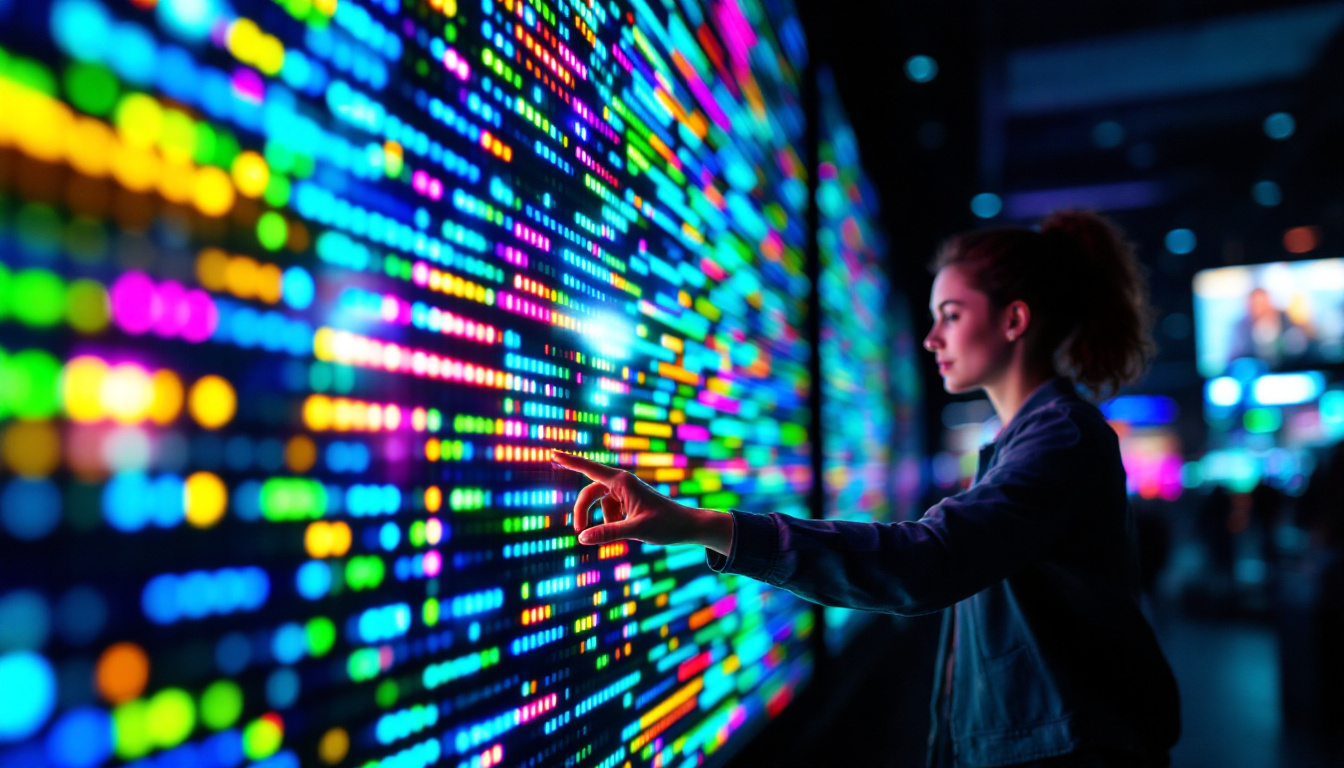
Integration of sensors and AI technologies is enabling LED displays to become interactive. Logos and branding elements can adapt in real-time based on audience engagement, environmental conditions, or data analytics, creating personalized and immersive experiences.
Flexible and Transparent LED Displays
Flexible LED panels allow for curved or irregularly shaped displays, opening new creative possibilities for logo presentation. Transparent LED displays can be installed on glass surfaces without obstructing views, blending branding seamlessly into architectural elements.
Sustainability and Energy Efficiency
With growing environmental concerns, LED display manufacturers are focusing on reducing energy consumption and using eco-friendly materials. Advances in LED efficiency and recycling programs contribute to more sustainable digital signage solutions.
Conclusion
LED displays have transformed the way logos and branding are presented, offering unparalleled brightness, color accuracy, and flexibility. By understanding the underlying technology, technical considerations, and integration methods for logo PNG files, businesses can leverage LED displays to create compelling and dynamic brand experiences.
As LED technology continues to advance, the future holds exciting possibilities for even more innovative and engaging logo presentations. For companies looking to stand out in a crowded marketplace, investing in LED display solutions is a strategic move that combines visual impact with long-term value.
Discover LumenMatrix’s Innovative LED Display Solutions
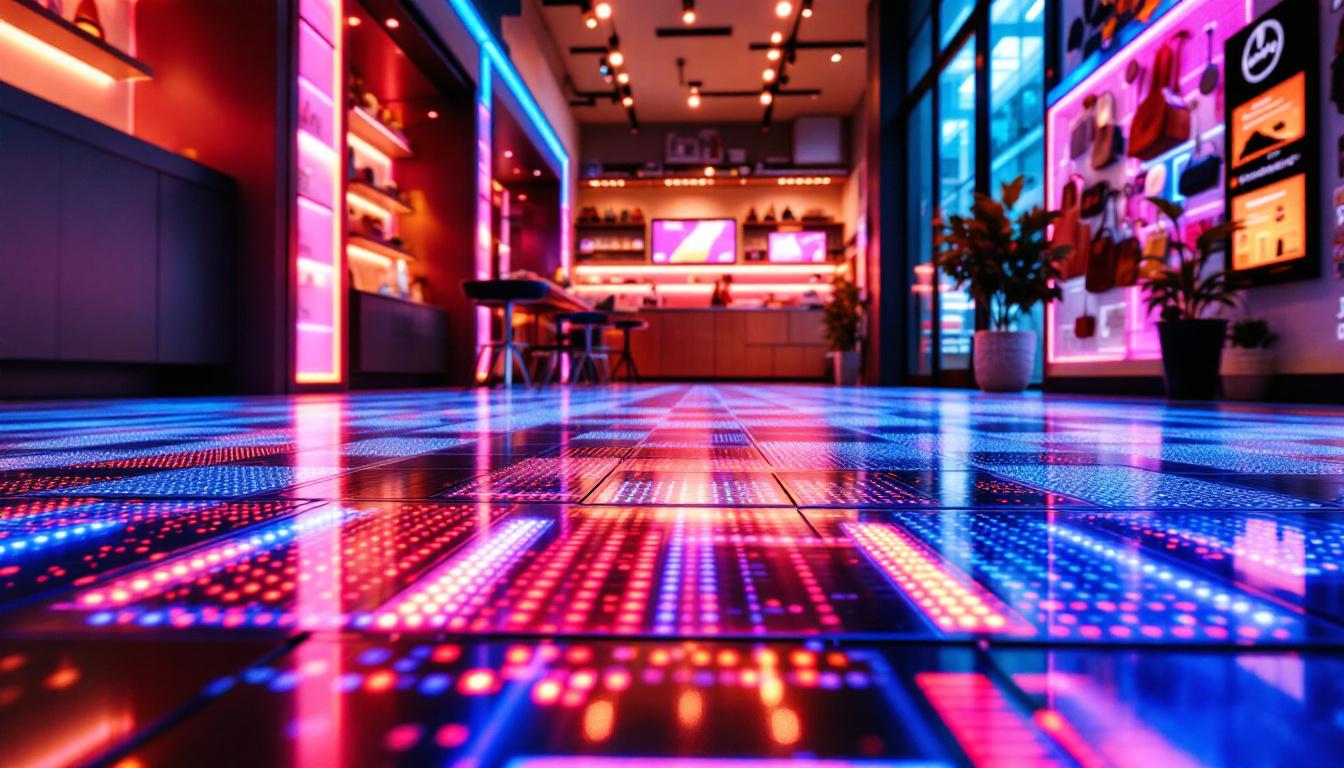
Ready to elevate your brand’s visibility and captivate your audience with cutting-edge LED technology? Explore LumenMatrix’s comprehensive range of LED display solutions, from vibrant Indoor and Outdoor LED Wall Displays to dynamic Vehicle and Sports LED Displays. Whether you’re looking for a sleek LED Poster Display, an interactive Floor LED Display, or a Custom solution tailored to your unique needs, LumenMatrix has you covered. Embrace the future of visual communication with our All-in-One and Transparent LED Displays. Check out LumenMatrix LED Display Solutions today and transform your logo presentation into an unforgettable visual experience.