In today’s technology-driven world, energy efficiency and clear visual communication are paramount. Low power switches equipped with LED displays are increasingly becoming a staple in various industries, from consumer electronics to industrial automation. These devices offer an elegant solution to combining control and information display while minimizing energy consumption.
This article delves into the fundamentals of low power switches with LED displays, exploring their design, benefits, applications, and future trends. Whether you are an engineer, product designer, or technology enthusiast, understanding these components can provide valuable insights into modern electronic systems.
Understanding Low Power Switches
What Is a Low Power Switch?
A low power switch is an electronic or electromechanical device designed to control the flow of electrical current with minimal energy consumption. Unlike traditional switches that may draw significant power or generate heat, low power switches are optimized to operate efficiently, often in battery-powered or energy-sensitive environments.
These switches typically use advanced semiconductor materials and innovative circuit designs to reduce power loss. They can be found in a variety of forms, including toggle switches, push buttons, and touch-sensitive panels, each tailored to specific operational needs. The integration of low power switches in modern devices not only enhances their functionality but also contributes to the overall sustainability of technology by minimizing energy wastage.
Furthermore, low power switches are increasingly being integrated into smart home systems, allowing for seamless control of lighting, heating, and security systems while maintaining energy efficiency. This integration is crucial as the demand for smart technology continues to rise, enabling users to monitor and manage their energy consumption more effectively.
Why Low Power Matters
Energy efficiency is a critical consideration in modern electronics. According to the International Energy Agency, the global electricity demand for lighting alone accounts for approximately 15% of total electricity consumption. Reducing power usage in components like switches contributes to lowering overall energy demand and carbon footprint.
Moreover, in portable and remote applications such as wearable devices, medical instruments, and IoT sensors, conserving battery life is essential. Low power switches help extend operational time, reduce maintenance intervals, and enhance user experience by ensuring reliable performance without frequent recharging or replacement. This is particularly important in medical devices where reliability can be a matter of life and death, as well as in consumer electronics where user convenience is paramount.
In addition to their role in enhancing battery life, low power switches also play a significant part in the development of renewable energy technologies. For instance, they are utilized in solar power systems to manage energy flow efficiently, ensuring that energy harvested from solar panels is used effectively and with minimal loss. As the world shifts towards more sustainable energy solutions, the importance of low power switches will only continue to grow, underscoring their vital role in the future of energy management.
LED Displays: The Visual Interface
What Is an LED Display?
LED (Light Emitting Diode) displays are electronic display devices that use LEDs as pixels to present information visually. These displays are widely appreciated for their brightness, durability, and energy efficiency compared to older technologies like LCD or incandescent indicators. The technology behind LED displays has evolved significantly, leading to enhanced color accuracy and resolution, making them suitable for a wide range of applications, from consumer electronics to large-scale advertising billboards.
LED displays come in various formats, including single-color indicators, multi-color arrays, and full alphanumeric or graphic panels. They can be integrated into switches to provide immediate visual feedback, status indication, or user guidance. The versatility of LED displays allows them to be used in everything from simple on/off indicators in household appliances to complex visual interfaces in modern vehicles, where they can communicate critical information to the driver in real-time.
Advantages of LED Displays in Switches
Incorporating LED displays into switches offers several benefits:
- Energy Efficiency: LEDs consume significantly less power than traditional bulbs, making them ideal for low power applications.
- Visibility: LEDs provide bright, clear illumination that is visible even in low-light or outdoor conditions.
- Longevity: LEDs have a longer operational life, often exceeding 50,000 hours, reducing maintenance needs.
- Compactness: Their small size allows for sleek and space-saving designs.
- Customization: LEDs can be programmed to display various colors and patterns, enhancing user interaction.
Moreover, the rapid response time of LED displays allows for instantaneous feedback, which is particularly beneficial in environments where quick decision-making is crucial, such as in industrial control panels or emergency systems. This immediacy not only improves the user experience but also enhances safety by providing clear indications of system status. Additionally, the ability to integrate LED displays with smart technology means that they can be remotely monitored and controlled, allowing for greater flexibility and efficiency in managing operations.
Another significant advantage of LED displays is their ability to withstand harsh environmental conditions. Many LED displays are designed to be water-resistant and can operate effectively in extreme temperatures, making them suitable for outdoor applications and rugged industrial settings. This resilience ensures that they can maintain performance over time, even in challenging conditions, which is essential for applications like traffic signals or outdoor advertising, where reliability is paramount.
The Integration of Low Power Switches and LED Displays
How They Work Together
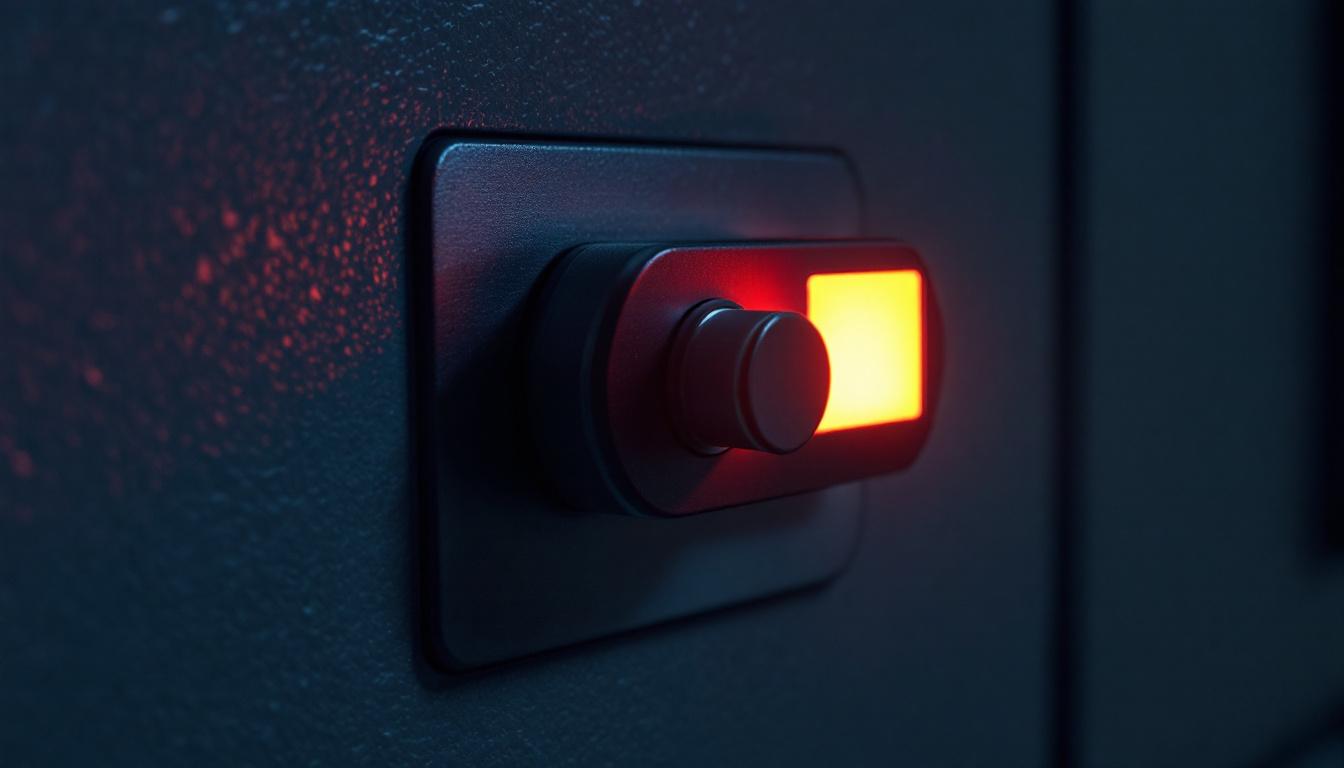
When combined, low power switches and LED displays create an interactive interface that not only controls electrical circuits but also communicates system status or user input visually. For example, a push-button switch might illuminate when activated, signaling that a device is on or a function is engaged. This visual feedback is crucial in enhancing user experience, as it allows users to quickly ascertain the state of a device without needing to rely solely on auditory signals or complex indicators.
The integration requires careful design to balance power consumption with visibility. Advanced microcontrollers and power management circuits often regulate the LED brightness and switch sensitivity, ensuring optimal performance without draining power resources. Furthermore, the use of dimmable LEDs can provide additional flexibility, allowing for adjustments based on ambient lighting conditions, which can enhance usability in various environments.
Design Considerations
Several factors influence the successful integration of low power switches with LED displays:
- Power Budget: Designers must calculate the total energy consumption to maintain low power operation, especially in battery-powered devices. This often involves selecting components that not only consume less power but also have low standby consumption to prolong battery life.
- LED Brightness and Color: Choosing the right LED specifications impacts visibility and user experience. Different colors can evoke various emotional responses and can be used strategically to convey different statuses, such as green for operational, red for errors, or blue for standby.
- Switch Type and Feedback: The mechanical or capacitive nature of the switch affects tactile feel and durability. Designers often conduct user testing to determine the most satisfying feedback mechanism, ensuring that users feel confident in their interactions with the device.
- Environmental Conditions: Devices exposed to harsh environments require robust components resistant to moisture, dust, and temperature variations. This may involve selecting IP-rated switches and displays that can withstand outdoor conditions or industrial settings.
- Communication Protocols: In smart devices, switches and displays may interface with control systems via protocols like I2C, SPI, or wireless connections. This allows for seamless integration into larger systems, enabling features such as remote monitoring and control.
Another critical aspect of design is the user interface (UI) layout, which should be intuitive and easy to navigate. The placement of switches and displays should consider ergonomics, ensuring that users can easily access and operate them without confusion. Additionally, incorporating visual cues, such as icons or labels, can further enhance the usability of the device, making it accessible to a wider audience, including those with disabilities.
Moreover, the trend towards smart home technology has led to an increased demand for low power switches and LED displays that can communicate with other devices. This interconnectedness not only improves functionality but also allows for innovative features such as customizable lighting schemes or automated responses based on user behavior. As technology continues to evolve, the integration of these components will play a pivotal role in creating more efficient and user-friendly devices.
Applications of Low Power Switches with LED Displays
Consumer Electronics
In consumer gadgets such as smartphones, remote controls, and smart home devices, low power switches with LED indicators provide intuitive user interfaces. For instance, a smart thermostat may use illuminated touch switches to adjust temperature settings while displaying current status through LED feedback.
These components contribute to sleek designs and prolonged battery life, enhancing product appeal and usability.
Industrial Automation
Industrial environments demand reliable and energy-efficient control panels. Low power switches with LED displays are used in machinery control, safety systems, and monitoring devices. The LED indicators help operators quickly assess machine status or fault conditions, improving safety and productivity.
Energy efficiency in these systems also reduces operational costs and supports sustainability goals.
Medical Devices
Medical equipment often requires precise control and clear visual feedback in compact, portable formats. Low power switches with integrated LED displays are found in devices like portable monitors, infusion pumps, and diagnostic tools.
The low power consumption extends battery life, while the LED displays provide critical information clearly, even in dimly lit environments such as hospital rooms or ambulances.
Automotive Industry
Modern vehicles increasingly incorporate low power switches with LED displays in dashboards, infotainment systems, and control panels. These components enhance driver interaction by providing illuminated controls and status indicators with minimal power draw, contributing to overall vehicle energy efficiency.
Future Trends and Innovations
Advancements in LED Technology
LED technology continues to evolve, with developments such as micro-LEDs and organic LEDs (OLEDs) offering even greater efficiency, brightness, and flexibility. These innovations will enable more versatile and energy-saving display options integrated with low power switches.
Smart and Connected Interfaces
The rise of the Internet of Things (IoT) is driving demand for intelligent switches that not only control devices but also communicate status and diagnostics remotely. Low power switches with LED displays will increasingly incorporate wireless connectivity and sensor integration, allowing for smarter, context-aware user interfaces.
Energy Harvesting and Self-Powered Switches
Emerging technologies in energy harvesting, such as piezoelectric or photovoltaic systems, are enabling switches to operate without external power sources. Combined with ultra-low power LED displays, these self-powered interfaces could revolutionize applications in remote or inaccessible locations.
Conclusion
Low power switches with LED displays represent a critical convergence of energy efficiency and user-friendly design. By minimizing power consumption while providing clear visual feedback, these components enhance the functionality and sustainability of a wide range of electronic systems.
As technology advances, their role will only grow, driven by innovations in LED technology, smart connectivity, and energy harvesting. Understanding the principles and applications of these devices equips professionals and enthusiasts to make informed decisions in design and implementation, ultimately contributing to smarter, greener electronics.
Discover LumenMatrix’s Innovative LED Solutions
As you consider the importance of low power switches with LED displays in advancing technology and sustainability, explore the pioneering solutions offered by LumenMatrix. Our extensive range of LED display modules, from Indoor and Outdoor LED Walls to Custom and All-in-One LED Displays, is designed to elevate your brand’s visibility and create immersive visual experiences. Embrace the future of visual communication with LumenMatrix’s LED display technology that promises to captivate your audience and deliver your message with unparalleled clarity. Check out LumenMatrix LED Display Solutions today and see how we can transform your space into a dynamic environment.