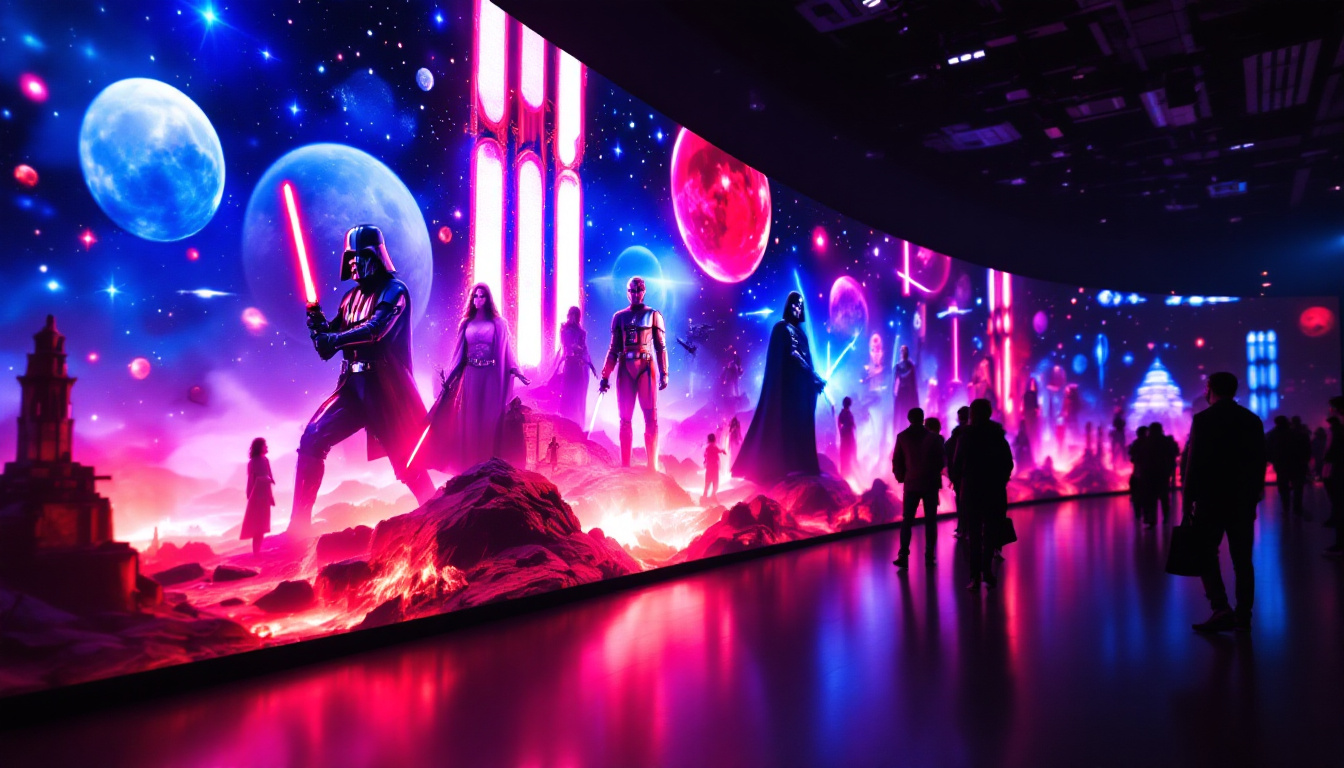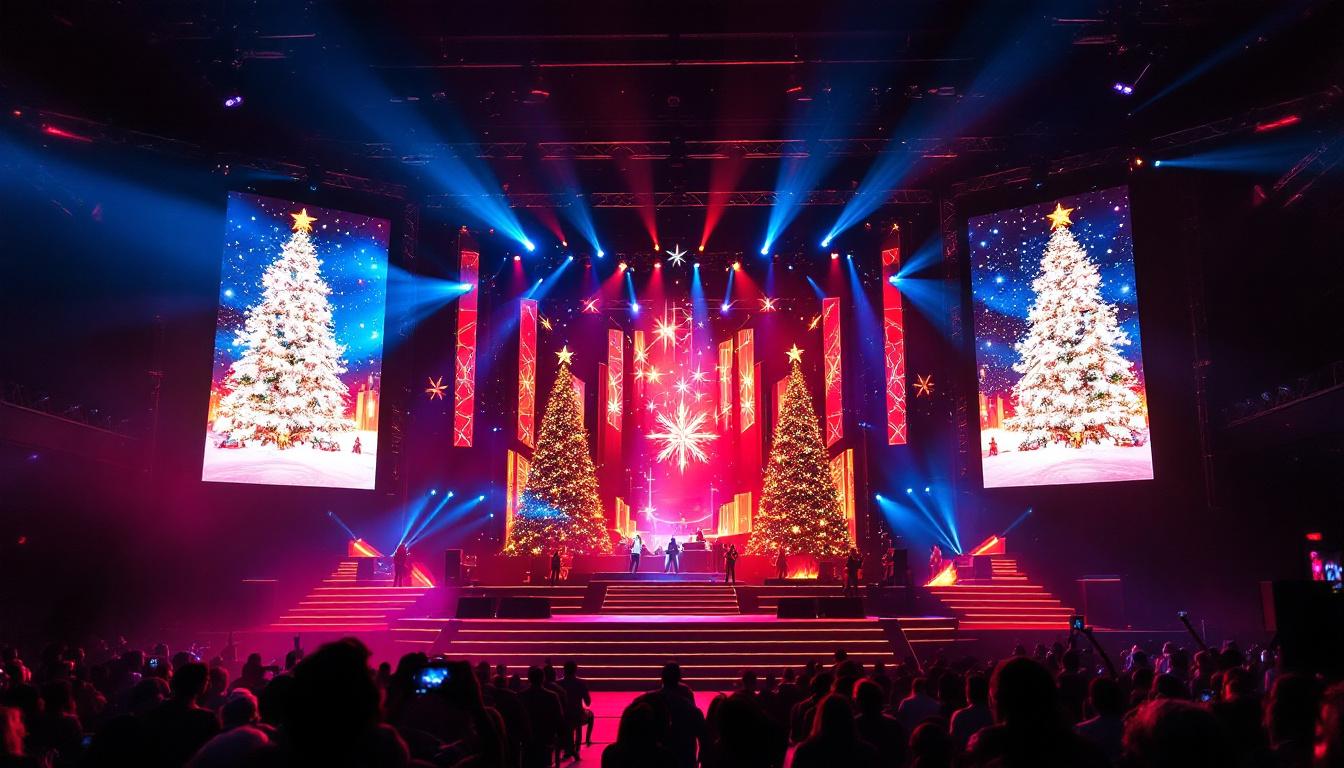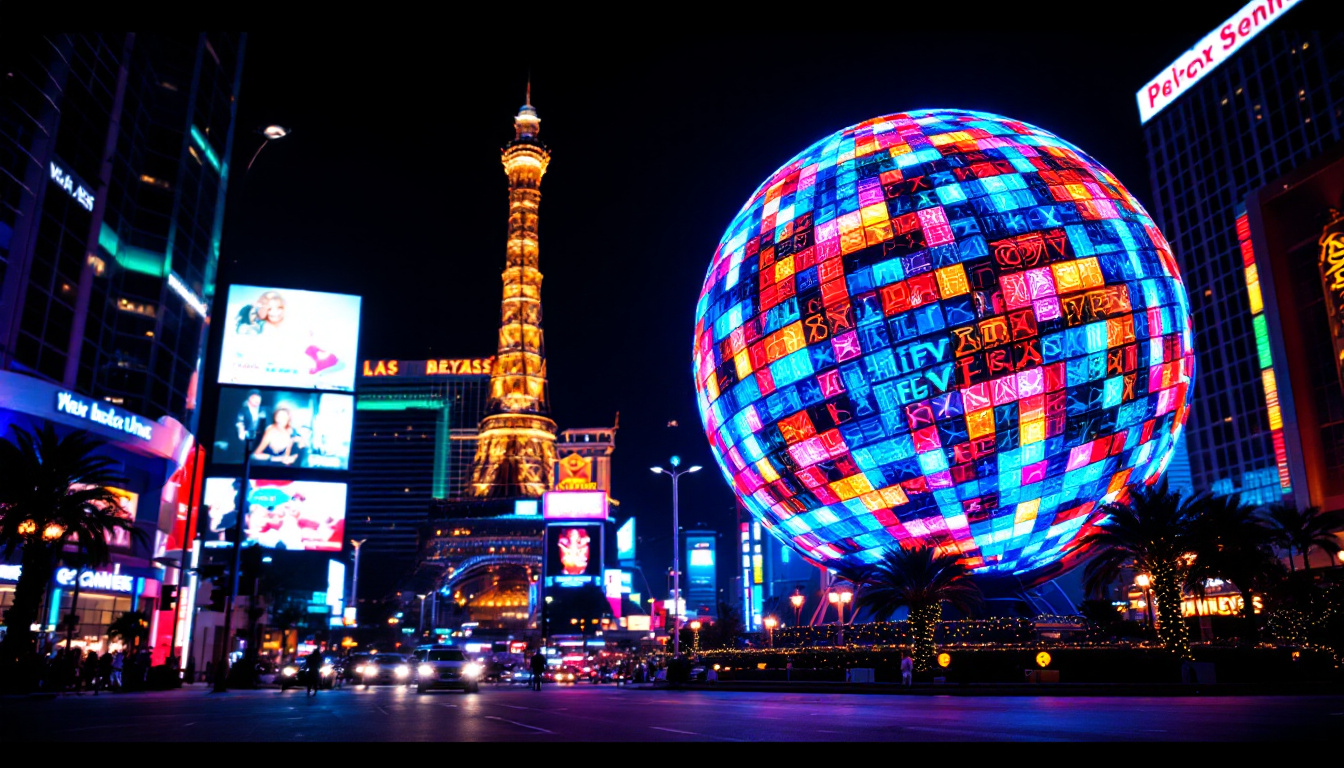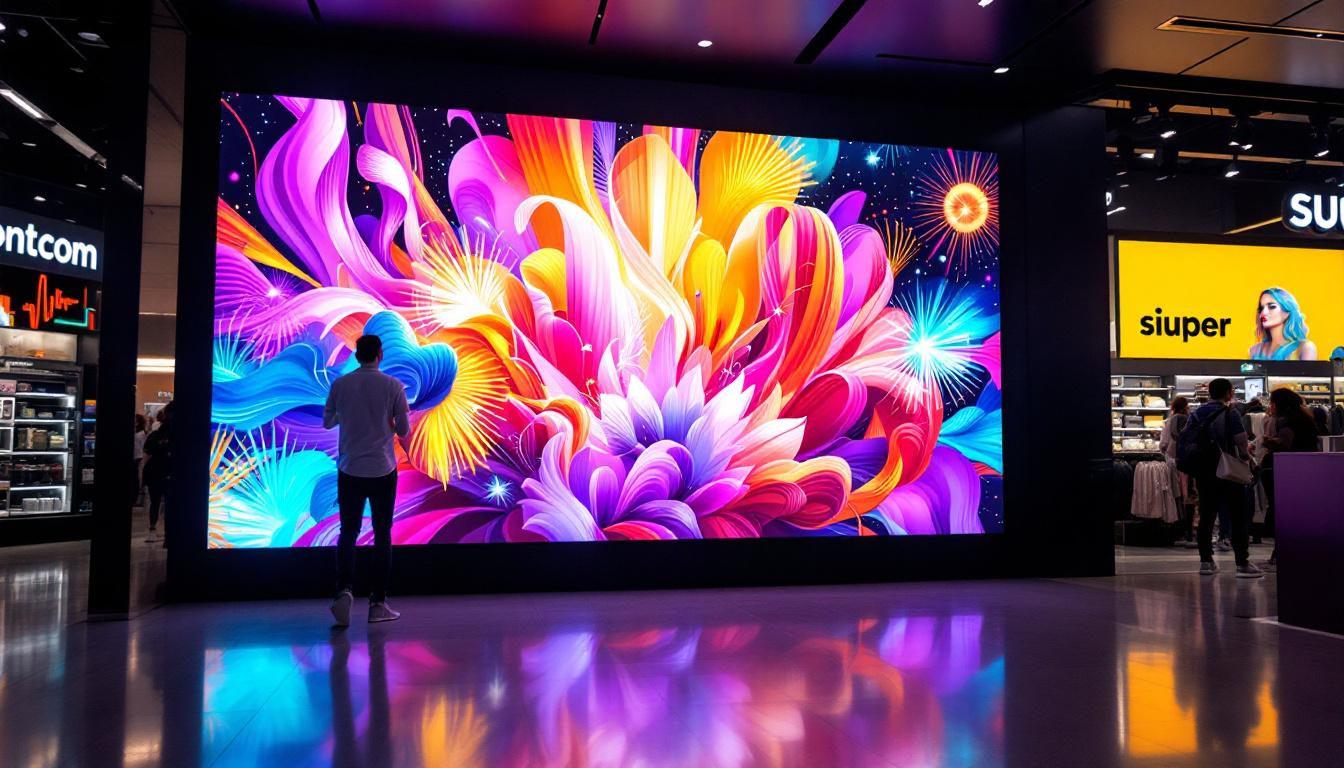
In the dynamic world of retail and advertising, point-of-purchase (POP) displays play a crucial role in attracting consumer attention and driving sales. Among the various technologies used in POP displays, LED displays have emerged as a powerful and versatile tool. This article delves into the intricacies of LED displays from the perspective of a pop display manufacturer, explaining their technology, benefits, applications, and future trends.
Understanding LED Display Technology
LED, or Light Emitting Diode, technology has revolutionized the way visual content is presented in retail environments. Unlike traditional lighting or display methods, LEDs are semiconductor devices that emit light when an electric current passes through them. This basic principle has enabled the creation of displays that are bright, energy-efficient, and highly customizable. The longevity of LED technology also means that these displays can operate for tens of thousands of hours, significantly reducing maintenance costs and the frequency of replacements compared to older technologies.
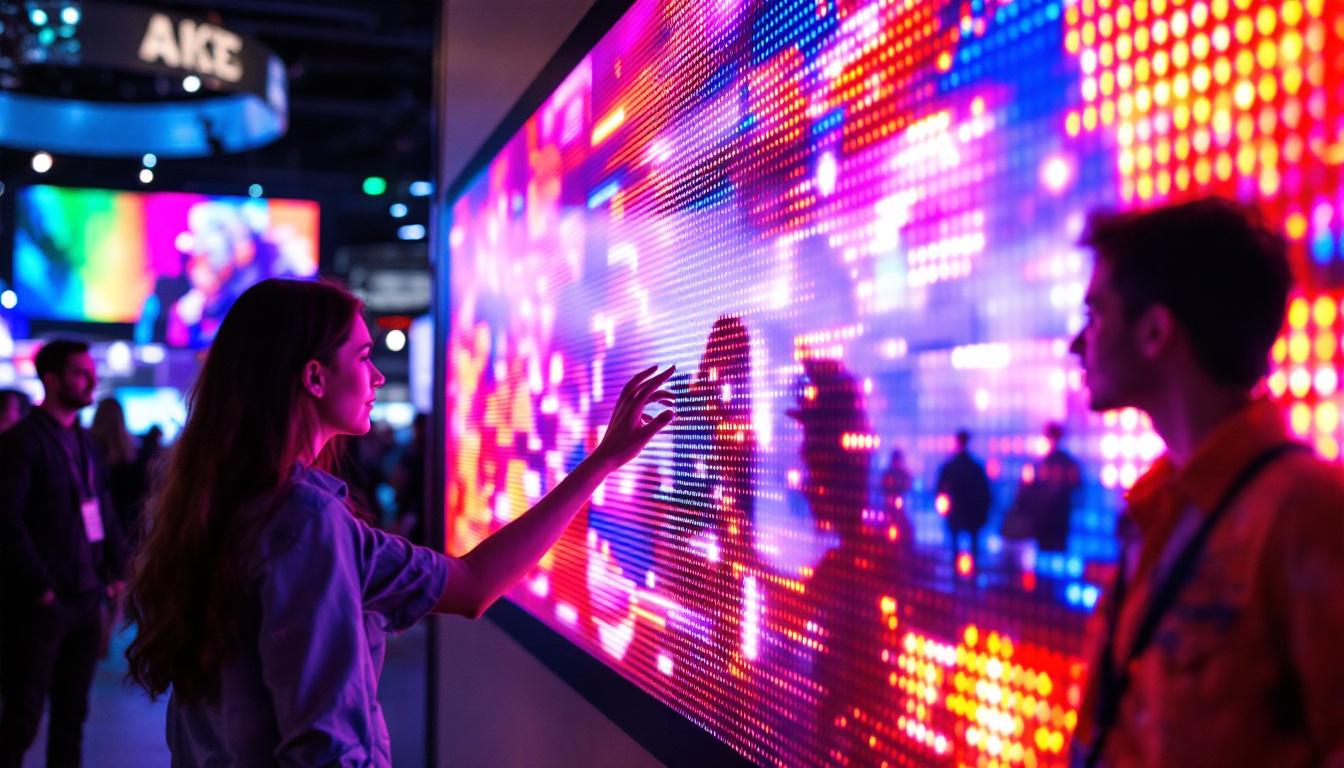
LED displays consist of thousands to millions of tiny LEDs arranged in a matrix. Each LED acts as a pixel that can emit light in various colors, allowing for vivid images, videos, and animations. The resolution, brightness, and color accuracy depend on factors such as pixel pitch, LED quality, and driving electronics. Additionally, advancements in LED technology have led to the development of features such as dynamic brightness adjustment, which optimizes display performance based on ambient lighting conditions, enhancing the viewer’s experience in diverse environments.
Types of LED Displays Used in POP Displays
POP display manufacturers typically use two main types of LED displays: direct view LED displays and LED backlit LCD displays. Direct view LED displays are composed entirely of LEDs that form the image directly. These are ideal for large, bright installations such as digital signage in stores or outdoor advertising. Their ability to deliver high brightness levels and wide viewing angles makes them particularly effective in capturing customer attention, even in bright sunlight or crowded spaces.
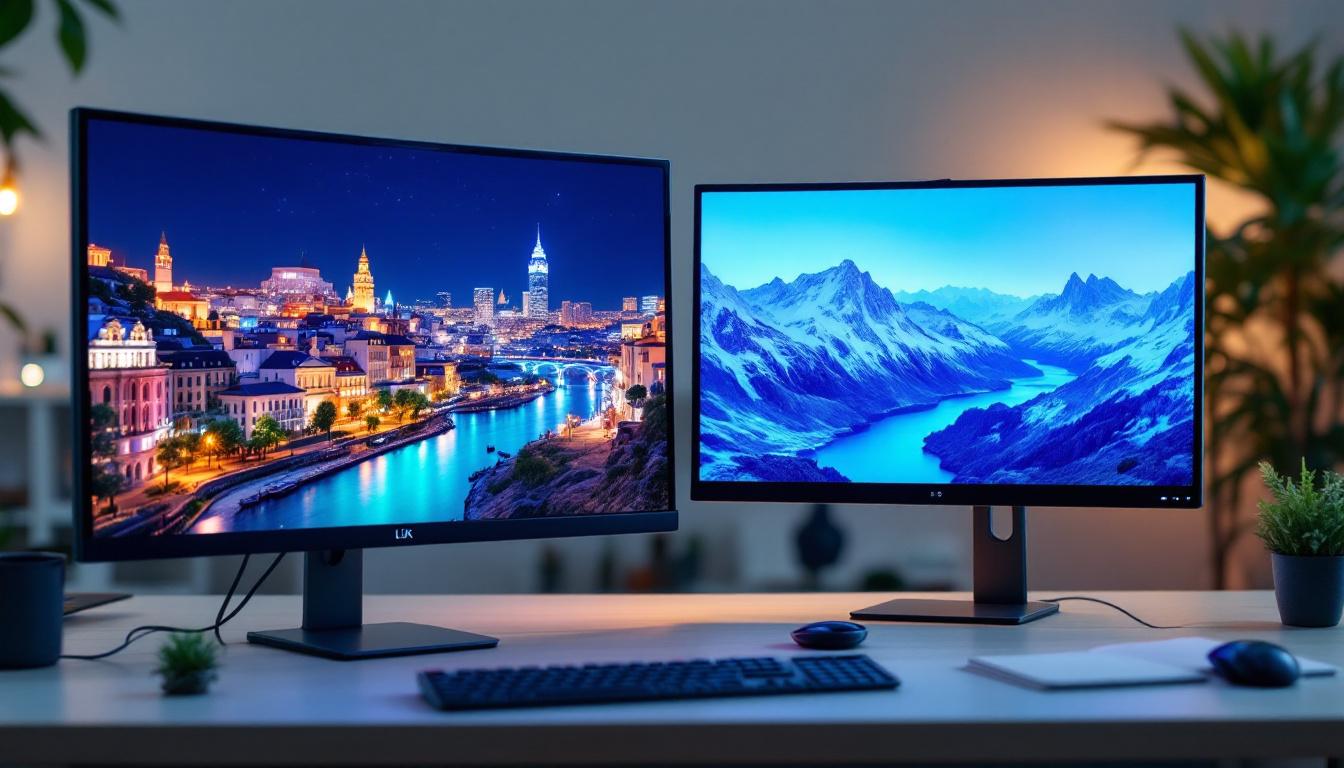
On the other hand, LED backlit LCD displays use LEDs as a light source behind an LCD panel, offering high resolution and color fidelity suitable for smaller, interactive POP displays. Understanding the differences helps manufacturers choose the right technology based on application, budget, and design requirements. Furthermore, the integration of smart technology into these displays allows for real-time content updates and interactivity, enabling retailers to engage customers more effectively through tailored promotions and dynamic content that can respond to consumer behavior and trends.
Benefits of LED Displays in POP Displays
The adoption of LED technology in POP displays is driven by several compelling advantages. These benefits not only enhance the visual appeal but also improve operational efficiency and customer engagement.
Enhanced Visibility and Brightness
One of the standout features of LED displays is their exceptional brightness. LEDs can produce light intensities far superior to traditional display technologies, making them easily visible even in brightly lit retail environments. This increased visibility helps POP displays stand out, capturing the attention of shoppers and increasing the likelihood of impulse purchases. Furthermore, the ability to adjust brightness levels means that retailers can customize their displays for different times of day or specific lighting conditions, ensuring that their messaging remains effective at all times.
Energy Efficiency and Longevity
Energy consumption is a critical consideration for retailers managing multiple displays. LED displays are highly energy-efficient, consuming up to 80% less power compared to incandescent or fluorescent lighting. Additionally, LEDs have a long operational lifespan, often exceeding 50,000 hours, which reduces maintenance costs and downtime. This longevity not only translates to lower operational costs but also aligns with sustainability goals, as retailers can reduce their carbon footprint by opting for energy-efficient solutions that require less frequent replacement.
Flexibility and Customization
LED displays offer unparalleled flexibility in terms of size, shape, and content. Manufacturers can create curved, irregularly shaped, or modular displays tailored to specific retail spaces and branding needs. Content can be easily updated remotely, allowing for dynamic promotions, seasonal campaigns, or real-time messaging. This adaptability enables retailers to respond swiftly to market trends and consumer preferences, ensuring that their displays remain relevant and engaging. Additionally, the integration of interactive elements, such as touch screens or motion sensors, can further enhance customer interaction, making the shopping experience more immersive and enjoyable.
Improved Color Accuracy and Contrast
Modern LED displays provide vibrant colors and deep contrast ratios, enhancing the visual impact of promotional content. This capability is particularly important for brands aiming to convey high-quality imagery or video, ensuring that their products are presented in the best possible light. The advanced color rendering of LED technology allows for more accurate representation of products, which can significantly influence purchasing decisions. Retailers can showcase their offerings with stunning clarity, making it easier for customers to visualize the product in their own lives. Moreover, the ability to display high-definition video content can create captivating narratives that draw customers in, fostering a deeper emotional connection with the brand.
Applications of LED Displays in Retail POP Displays
LED displays are increasingly integrated into various retail POP display formats, transforming traditional static signage into interactive and engaging experiences.
Digital Shelf Labels and Price Tags
Replacing paper price tags with digital shelf labels powered by LED technology allows retailers to update pricing and promotions instantly. This reduces labor costs and errors while providing a modern shopping experience. LED-based digital labels are bright enough to be seen clearly and can display dynamic content such as QR codes or product information.
Interactive Kiosks and Product Demonstrations
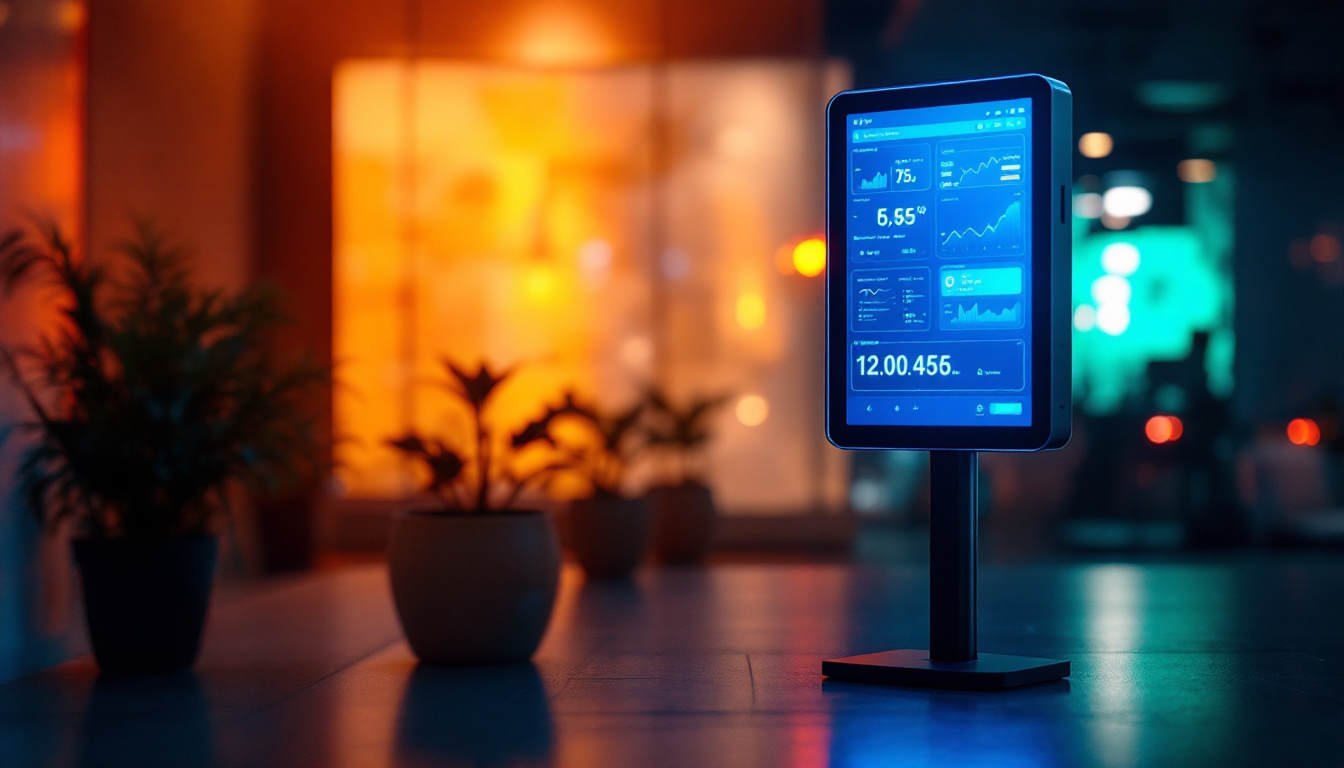
LED displays are often embedded in interactive kiosks that provide product information, tutorials, or personalized recommendations. These kiosks enhance customer engagement by combining touchscreens with high-quality LED visuals, making the shopping journey more informative and enjoyable.
Window Displays and Storefront Signage
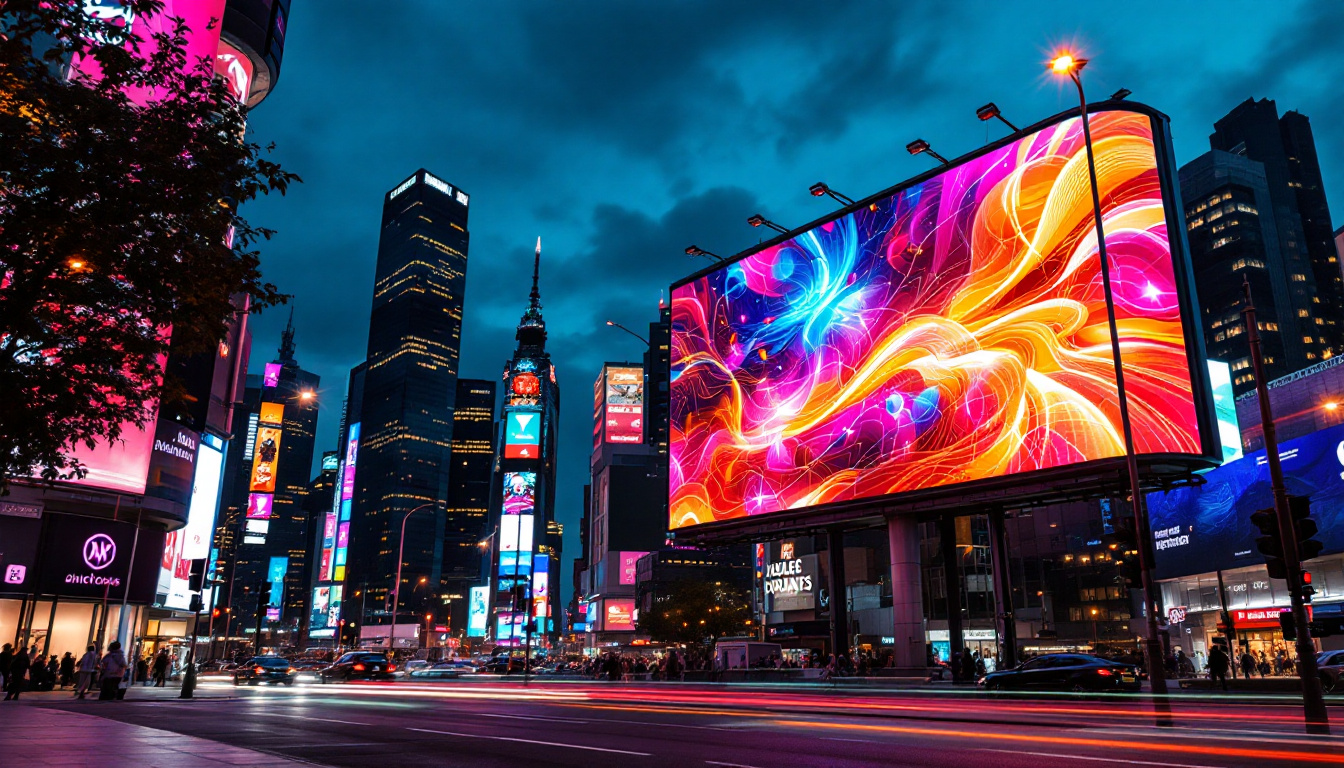
Retailers use large-format LED displays in window displays and storefront signage to attract passersby. These installations can showcase promotional videos, brand stories, or seasonal themes, creating a compelling reason for customers to enter the store. The brightness and visibility of LED displays ensure that messaging is effective day and night.
Event and Pop-Up Retail Displays
Pop-up shops and temporary retail events benefit from the portability and modularity of LED displays. Manufacturers can design lightweight, easy-to-assemble LED units that deliver high-impact visuals without extensive infrastructure. This flexibility supports brand activations and experiential marketing campaigns.
Key Considerations for POP Display Manufacturers Using LED Displays
While LED displays offer numerous advantages, manufacturers must navigate several technical and logistical factors to maximize their effectiveness in POP applications.
Pixel Pitch and Viewing Distance
Pixel pitch—the distance between individual LEDs—directly affects image resolution and clarity. For POP displays viewed at close range, a smaller pixel pitch is essential to avoid visible pixelation. Conversely, larger pixel pitches may be acceptable for displays viewed from a distance, such as storefront signage. Manufacturers must balance resolution requirements with cost and power consumption.
Durability and Environmental Resistance
Retail environments can be challenging, with exposure to dust, moisture, and physical contact. LED displays used in POP applications must be designed for durability, often incorporating protective coatings or enclosures. For outdoor or semi-outdoor installations, weatherproofing and temperature resistance are critical to ensure longevity.
Content Management Systems (CMS)
Effective use of LED displays requires robust content management systems that allow retailers to schedule, update, and monitor content remotely. Manufacturers often partner with software providers or develop proprietary CMS solutions to provide seamless integration and ease of use. A user-friendly CMS empowers retailers to keep their messaging fresh and relevant.
Cost and Return on Investment (ROI)
While LED displays can have higher upfront costs compared to traditional signage, their benefits often justify the investment. Manufacturers should provide clear ROI analyses, highlighting energy savings, increased sales through enhanced engagement, and reduced maintenance expenses. Transparent cost-benefit communication helps retailers make informed purchasing decisions.
Future Trends in LED POP Displays
The LED display industry continues to evolve rapidly, driven by technological advancements and changing consumer behaviors. Several emerging trends are shaping the future of POP displays.
MicroLED and MiniLED Technologies
MicroLED and MiniLED represent the next generation of LED technology, offering even higher resolution, improved brightness, and better energy efficiency. These technologies enable ultra-thin, flexible displays with superior image quality, opening new possibilities for innovative POP display designs.
Integration with Augmented Reality (AR)
Combining LED displays with AR technology can create immersive retail experiences. For example, shoppers might interact with LED screens that overlay virtual product information or demonstrations, enhancing decision-making and engagement. This fusion of physical and digital elements is expected to gain traction in experiential marketing.
Artificial Intelligence (AI) and Data-Driven Content
AI-powered content management can optimize LED display messaging based on real-time data such as shopper demographics, weather, or inventory levels. This personalization increases relevance and effectiveness, making POP displays smarter and more responsive to consumer needs.
Sustainability and Eco-Friendly Designs
With growing emphasis on sustainability, manufacturers are developing LED displays with recyclable materials, lower power consumption, and environmentally friendly production processes. Retailers increasingly seek eco-conscious solutions that align with their corporate responsibility goals.
Conclusion
LED displays have become an indispensable component of modern POP displays, offering unparalleled brightness, flexibility, and engagement capabilities. For pop display manufacturers, understanding the technology, benefits, and practical considerations of LED displays is essential to delivering effective retail solutions.
As technology advances and consumer expectations evolve, LED displays will continue to transform the retail landscape, enabling brands to connect with shoppers in innovative and impactful ways. Investing in LED display technology not only enhances visual merchandising but also drives measurable business outcomes, making it a strategic choice for retailers seeking to stay competitive.
Discover LumenMatrix’s Innovative LED Solutions
Ready to elevate your retail space with the latest in LED display technology? Look no further than LumenMatrix, where innovation meets visual brilliance. Our extensive range of LED display modules, from Indoor and Outdoor LED Walls to Custom and Transparent Displays, is designed to captivate and engage your audience like never before. Embrace the future of visual communication and check out LumenMatrix LED Display Solutions today to transform your brand’s presence and deliver your message with unforgettable impact.