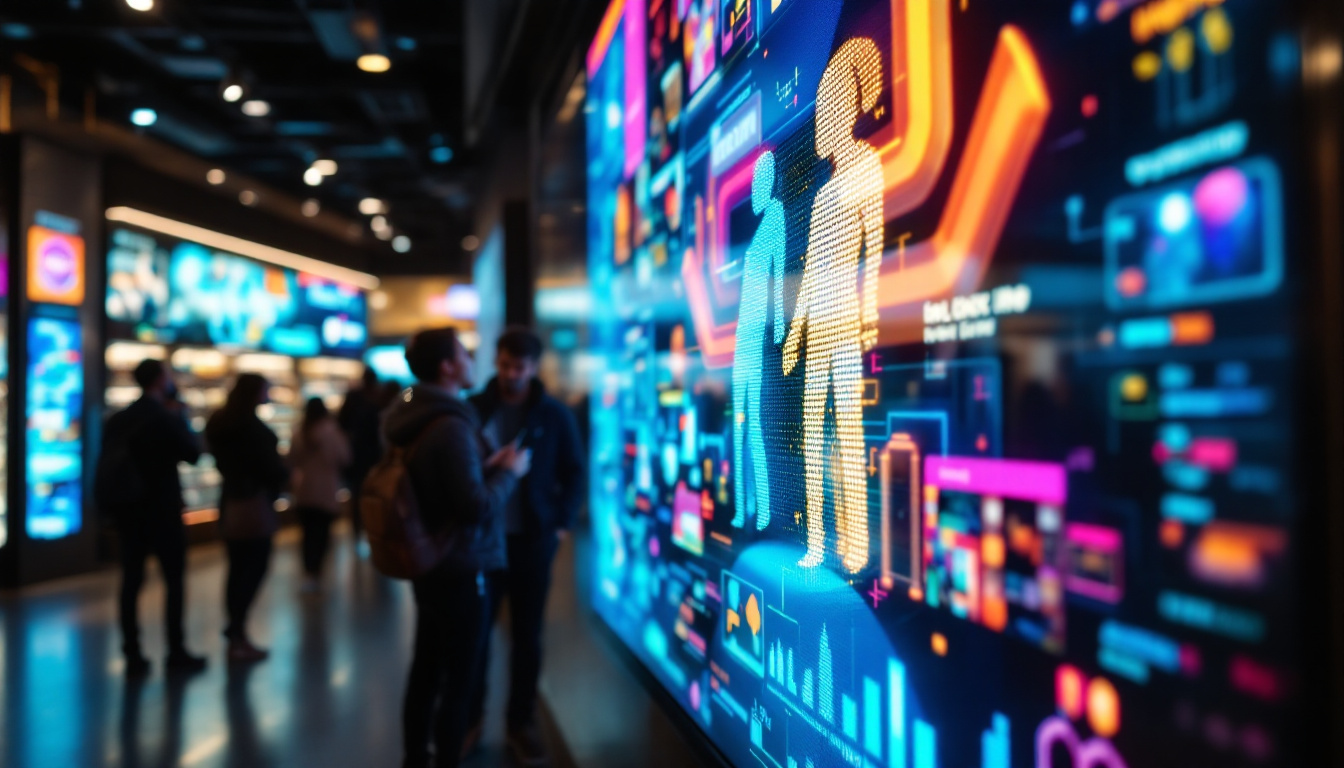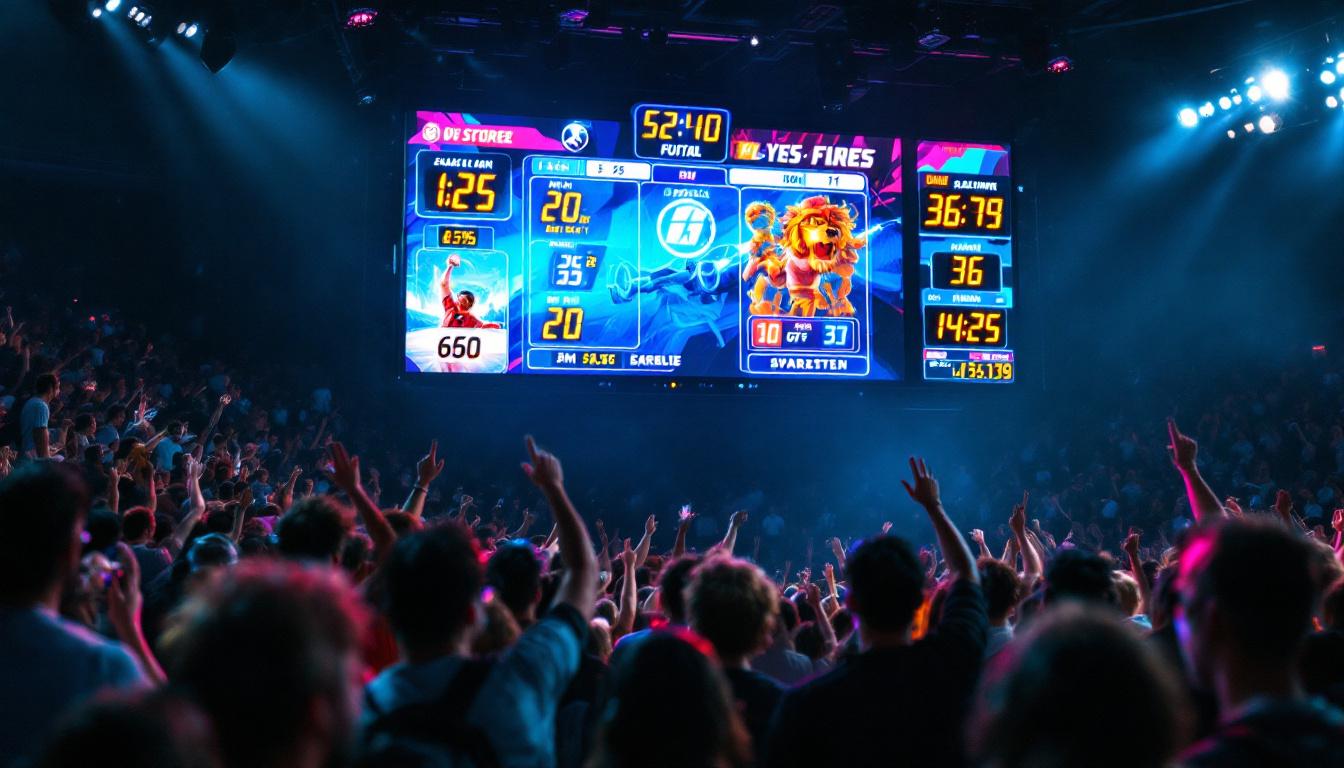
In the world of sports, events, and public displays, LED scoreboards have become an essential tool for conveying real-time information clearly and effectively. Their bright, dynamic visuals and durability make them the preferred choice for arenas, stadiums, and even classrooms. But what exactly makes LED scoreboards so effective? This article delves into the technology behind LED displays, their advantages, types, and the factors to consider when choosing the right LED scoreboard for your needs.
Understanding LED Technology in Scoreboards
What is an LED Display?
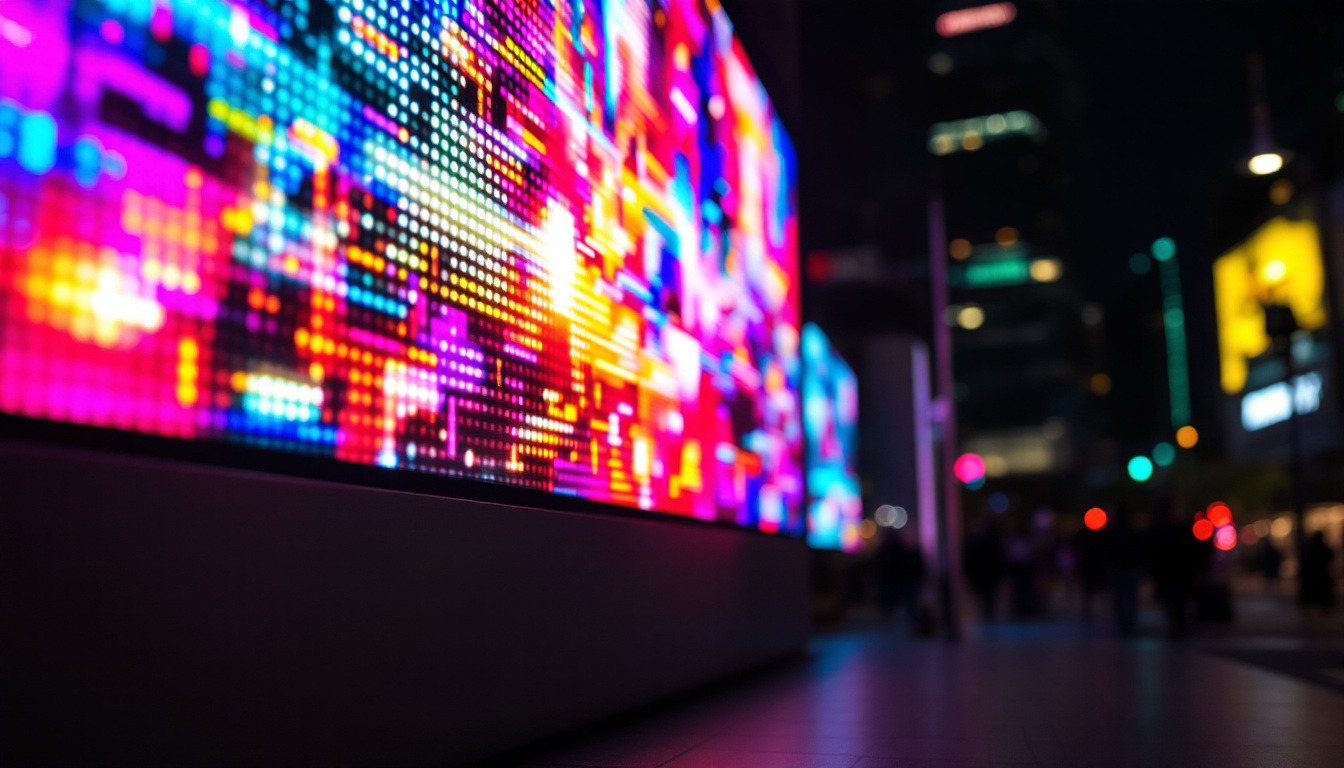
LED stands for Light Emitting Diode, a semiconductor device that emits light when an electric current passes through it. Unlike traditional incandescent bulbs, LEDs are highly energy-efficient, produce less heat, and have a longer lifespan. LED displays consist of numerous tiny LEDs arranged in a matrix to form numbers, letters, and graphics.
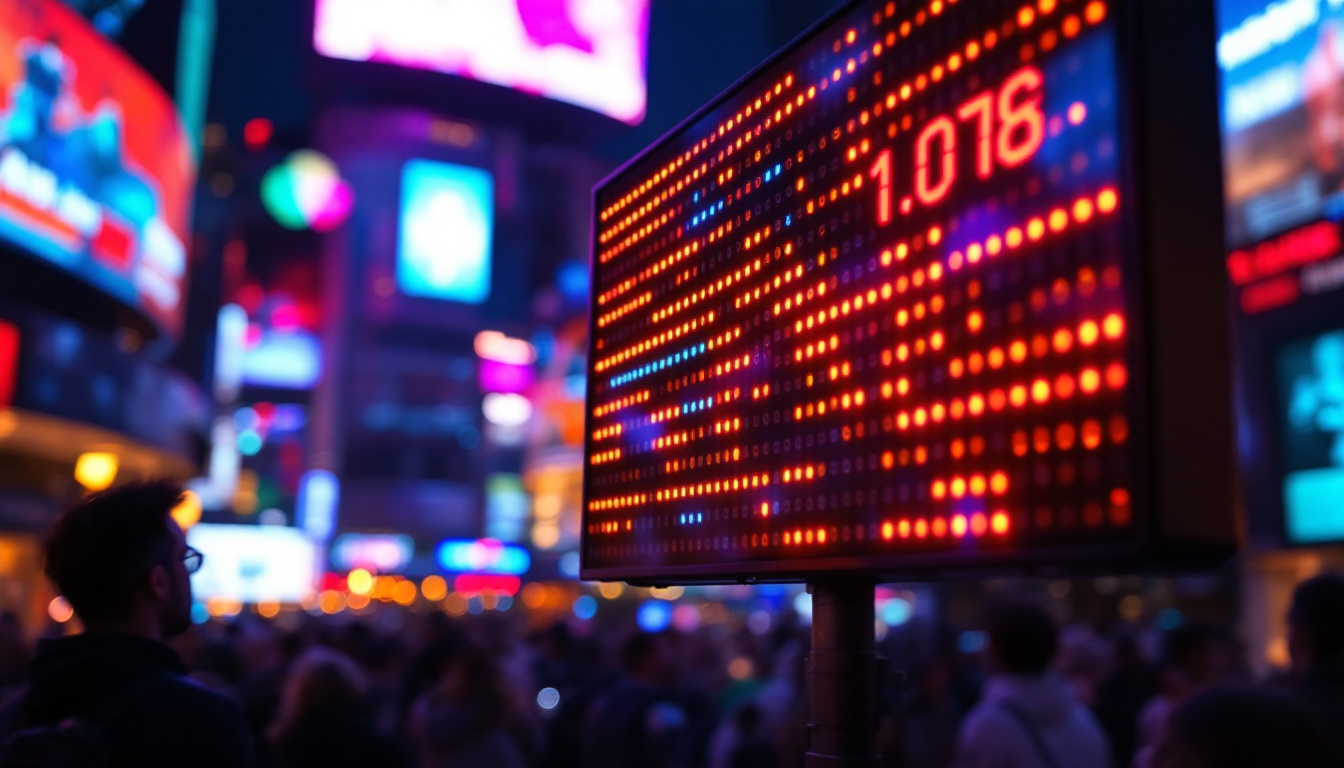
In scoreboards, these LEDs are configured to display scores, timers, player statistics, and other relevant information. The brightness and color of the LEDs can be adjusted to ensure visibility under various lighting conditions, from bright daylight to nighttime events. This adaptability makes LED displays particularly valuable in outdoor sports venues, where sunlight can often wash out traditional scoreboard displays. Furthermore, the vibrant colors and sharp contrast provided by LED technology enhance the viewing experience for fans, allowing them to easily track the game’s progress from a distance.
How LED Scoreboards Work
Each LED on a scoreboard is controlled by a driver circuit that can turn individual diodes on or off or modulate their brightness. By controlling groups of LEDs in patterns, the scoreboard can display digits, letters, and symbols. Modern LED scoreboards are often connected to a control system, which can be operated remotely via wired or wireless connections.
The control system receives input from officials, timers, or automated systems and translates that data into visual output on the scoreboard. Advanced models may also integrate with software to display animations, advertisements, or interactive content. This capability allows teams and venues to engage with fans in innovative ways, such as showcasing live social media feeds, player highlights, or even fan polls during the game. Additionally, many LED scoreboards now come equipped with features like instant replay capabilities, enhancing the overall spectator experience by allowing fans to relive key moments from the game right on the scoreboard itself.
Advantages of LED Scoreboards Over Traditional Displays
Brightness and Visibility
One of the most significant advantages of LED scoreboards is their exceptional brightness. LEDs can produce intense light that remains visible even under direct sunlight, making them ideal for outdoor sports venues. Unlike older incandescent or fluorescent displays, LED scoreboards maintain consistent brightness over time, ensuring spectators never miss critical information. This high visibility is particularly beneficial during evening games or events, where the vibrant colors and sharp contrast of LED displays can create an electrifying atmosphere, enhancing the overall experience for fans and players alike.
Energy Efficiency and Longevity
LEDs consume far less power compared to traditional lighting technologies. This energy efficiency translates to lower operating costs, especially important for large venues that use scoreboards for extended periods. Additionally, LEDs have a lifespan ranging from 50,000 to 100,000 hours, significantly reducing maintenance and replacement expenses. The reduced energy consumption also contributes to a smaller carbon footprint, making LED scoreboards a more environmentally friendly choice. As more venues strive to adopt sustainable practices, the long-lasting nature of LEDs aligns perfectly with these green initiatives, promoting a more eco-conscious approach to sports management.
Durability and Weather Resistance
LED scoreboards are designed to withstand harsh environmental conditions. Their solid-state nature makes them resistant to shock and vibration, and many models come with waterproof and dustproof casings. This durability ensures reliable performance in rain, snow, or extreme heat, which is crucial for outdoor sports arenas. Furthermore, the rugged construction of LED scoreboards often includes features like UV protection, preventing fading and deterioration from prolonged sun exposure. This resilience not only guarantees the scoreboard’s functionality but also ensures that it remains visually appealing over time, maintaining the venue’s professional image.
Customization and Flexibility
Modern LED scoreboards offer extensive customization options. They can display not only scores but also player stats, timers, advertisements, and even live video feeds. The ability to program and update content dynamically provides venues with a versatile communication tool that enhances the spectator experience. This flexibility allows teams and organizations to engage fans with real-time updates, promotional messages, and interactive content, fostering a deeper connection between the audience and the event. Additionally, the integration of social media feeds into the scoreboard display can create a more immersive environment, encouraging fans to participate and share their experiences online, further amplifying the event’s reach and engagement.
Types of LED Scoreboards
Numeric LED Scoreboards
These are the most basic type of LED scoreboards, primarily designed to display scores and timers using numeric digits. They are commonly found in smaller venues such as school gyms or community sports fields. Numeric scoreboards are cost-effective and straightforward but limited in the range of information they can display.
Alphanumeric LED Scoreboards
Alphanumeric scoreboards can display both numbers and letters, allowing for more detailed information such as player names, fouls, or period indicators. These scoreboards are popular in mid-sized sports venues and provide a balance between functionality and cost.
Full-Color LED Video Scoreboards
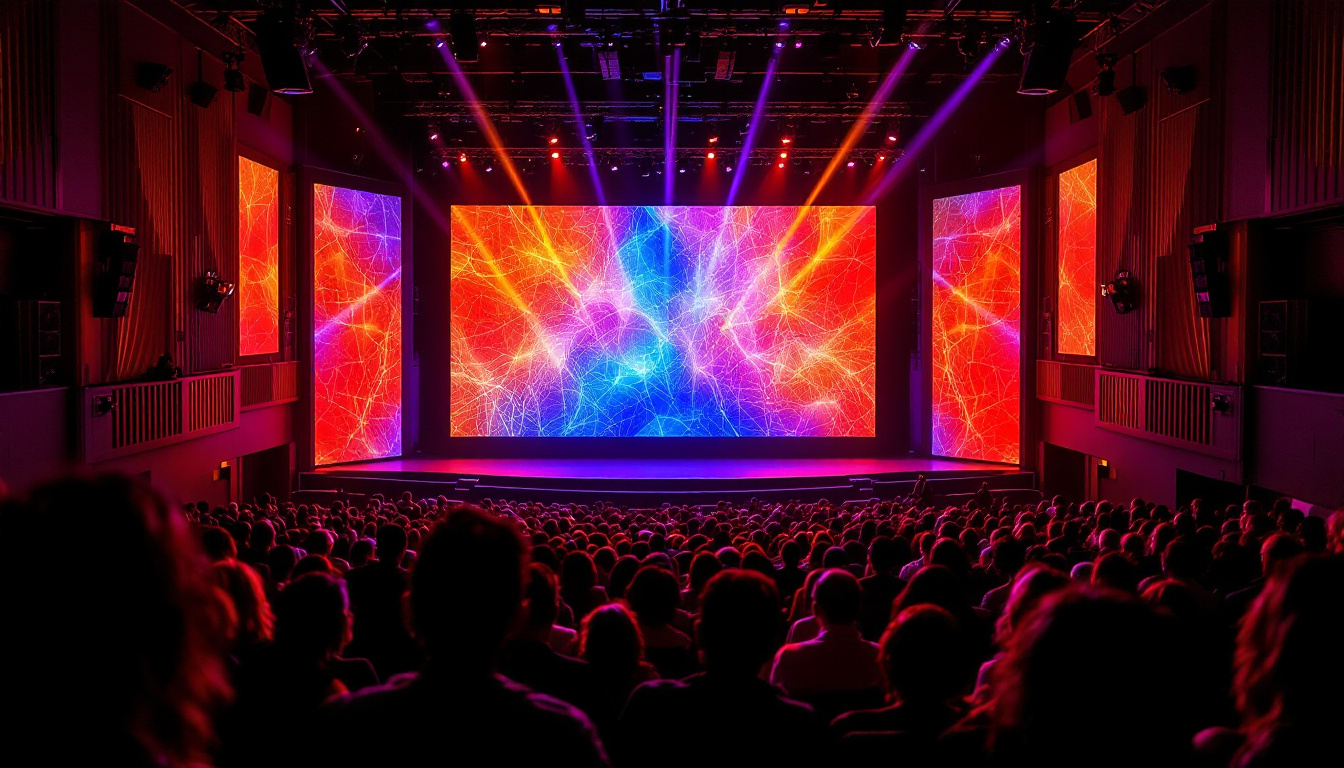
At the high end are full-color LED video scoreboards, which can display complex graphics, animations, and live video feeds. These are typically found in professional stadiums and large arenas. They offer an immersive experience for spectators and can be used for advertising and entertainment during breaks in the game.
Key Considerations When Choosing an LED Scoreboard
Viewing Distance and Pixel Pitch
The pixel pitch, or the distance between individual LEDs, determines the resolution and clarity of the display. For scoreboards, this must be selected based on the typical viewing distance of the audience. A smaller pixel pitch offers higher resolution but increases cost. For example, a scoreboard with a 10mm pixel pitch is suitable for viewing distances of 30 feet or more, while a 4mm pitch is better for close-up viewing.
Size and Placement
The physical size of the scoreboard should be appropriate for the venue. Larger scoreboards are necessary for stadiums where spectators are far from the display, while smaller scoreboards suffice for gyms or community fields. Placement is equally important; the scoreboard should be positioned where it is easily visible to the majority of spectators without obstructing views.
Brightness and Ambient Light Conditions
Consider the typical lighting conditions of the venue. Outdoor scoreboards require higher brightness levels to remain visible in daylight, often exceeding 5,000 nits. Indoor scoreboards can operate at lower brightness levels but should still be adjustable to prevent glare and eye strain.
Control Systems and Connectivity
Modern LED scoreboards come with various control options, including wired connections, Wi-Fi, or Bluetooth. Some integrate with mobile apps or computer software for ease of use. When selecting a scoreboard, ensure the control system is user-friendly and compatible with existing infrastructure.
Budget and Maintenance
While LED scoreboards have become more affordable, the initial investment can still be significant. It is important to balance upfront costs with long-term benefits such as energy savings and reduced maintenance. Additionally, consider the availability of technical support and warranty coverage.
Applications Beyond Sports
Educational Institutions
LED scoreboards are increasingly used in schools and universities not only for sports but also for displaying announcements, event schedules, and emergency messages. Their versatility makes them valuable communication tools on campus.
Corporate and Public Events
In corporate settings, LED displays serve as dynamic signage for conferences, trade shows, and product launches. Public events such as fairs and festivals utilize LED scoreboards to keep attendees informed and engaged.
Transportation and Public Information
LED displays are also common in transportation hubs like airports and train stations, where they provide real-time updates on arrivals, departures, and delays. Their reliability and visibility make them indispensable in these high-traffic environments.
Future Trends in LED Scoreboard Technology
Integration with IoT and Smart Systems
The rise of the Internet of Things (IoT) is enabling LED scoreboards to become smarter and more connected. Future scoreboards may automatically update based on real-time data feeds, integrate with wearable technology for player stats, or interact with mobile devices for personalized content.
Improved Energy Efficiency and Sustainability
Advancements in LED technology continue to reduce power consumption while increasing brightness and color accuracy. Manufacturers are also focusing on eco-friendly materials and recycling programs to minimize environmental impact.
Enhanced Interactivity and Augmented Reality
Emerging technologies such as augmented reality (AR) could transform how spectators engage with scoreboards. Interactive displays might allow fans to access additional information or participate in live polls and games via their smartphones, creating a more immersive experience.
Conclusion
LED scoreboards represent a significant advancement in how information is displayed in sports and public venues. Their brightness, durability, and versatility make them indispensable tools for enhancing spectator engagement and delivering real-time data. Understanding the technology behind LED displays and the factors that influence their performance can help organizations select the right scoreboard to meet their specific needs.
As LED technology continues to evolve, scoreboards will become even more dynamic, interactive, and integrated with broader digital ecosystems. Whether for a small community gym or a major professional stadium, investing in a quality LED scoreboard is a step toward a more connected and engaging environment.
Discover Cutting-Edge LED Scoreboards with LumenMatrix
Ready to elevate your venue’s experience with the latest in LED display technology? Look no further than LumenMatrix, a pioneer in crafting LED solutions that captivate and engage. From versatile indoor and outdoor displays to innovative sports and custom LED solutions, LumenMatrix is committed to revolutionizing visual communication. Enhance your brand visibility and create unforgettable visual experiences with our advanced LED display modules. Check out LumenMatrix LED Display Solutions today and step into the future of dynamic, interactive, and impactful displays.