In today’s fast-paced world, LED signs have become a cornerstone of effective communication for businesses, events, and public information systems. Their vibrant colors, brightness, and versatility make them a preferred choice over traditional signage. But what exactly goes into making an LED sign? How do these displays work, and why are they so impactful? This article delves deep into the world of LED displays, explaining their technology, applications, and the process behind creating custom LED signs.
Understanding LED Display Technology
What is an LED Display?
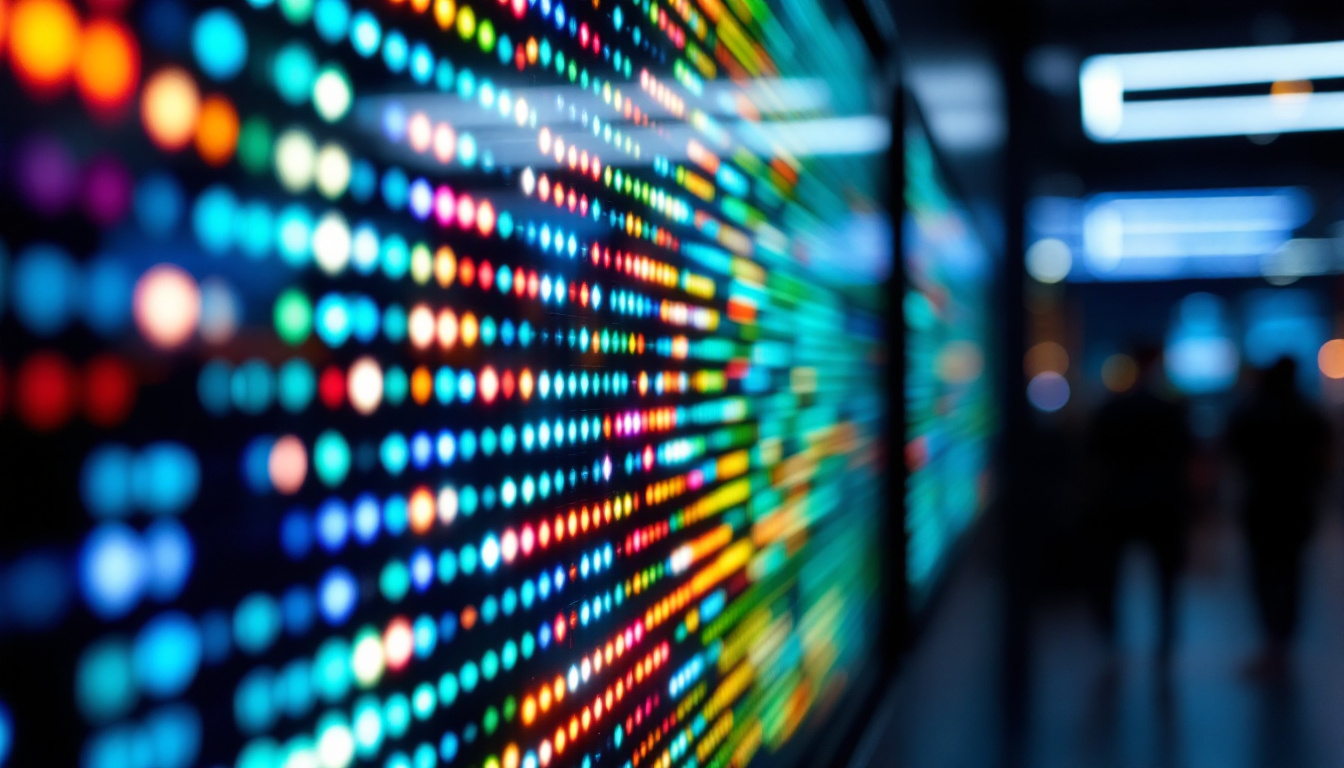
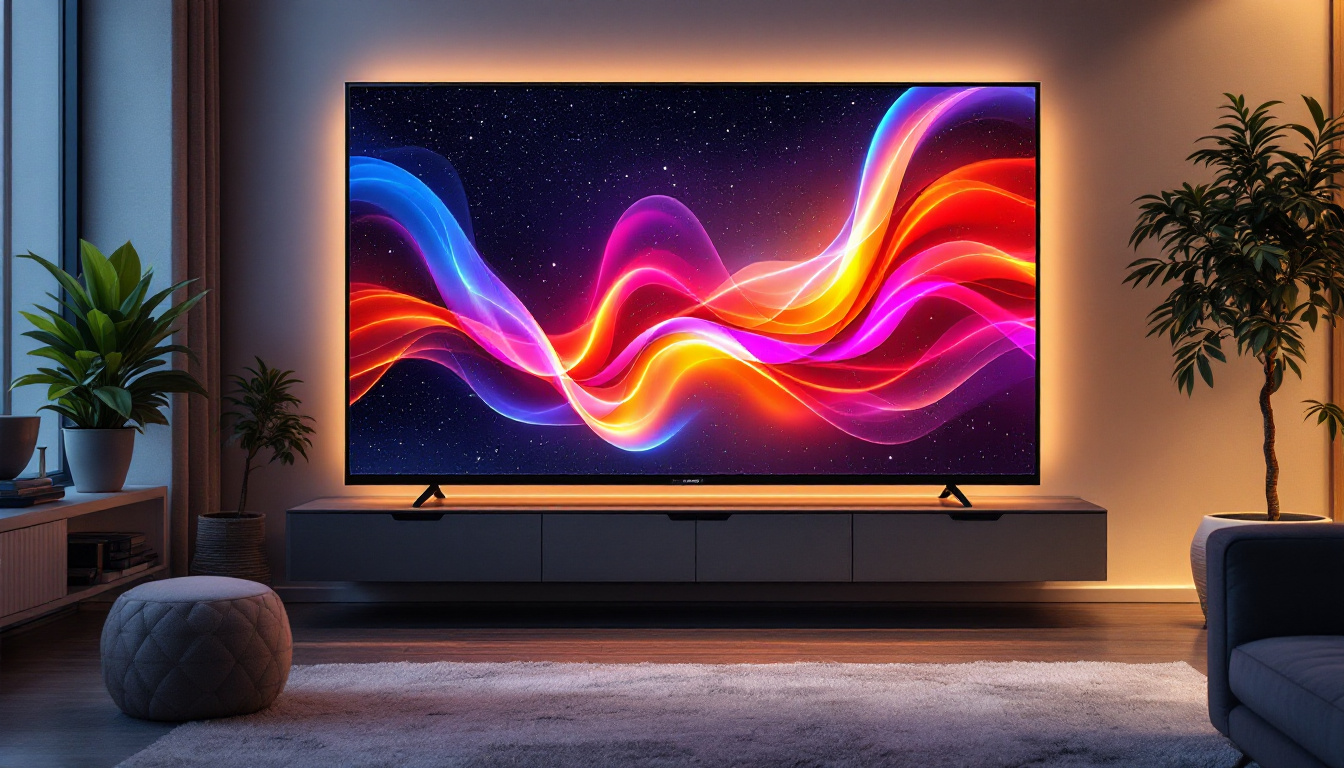
LED stands for Light Emitting Diode, a semiconductor device that emits light when an electric current passes through it. An LED display is essentially a matrix of these tiny diodes arranged to form images, text, or videos. Unlike LCD or neon signs, LED displays are self-illuminating, which means they don’t require a backlight, resulting in brighter and more energy-efficient signage.
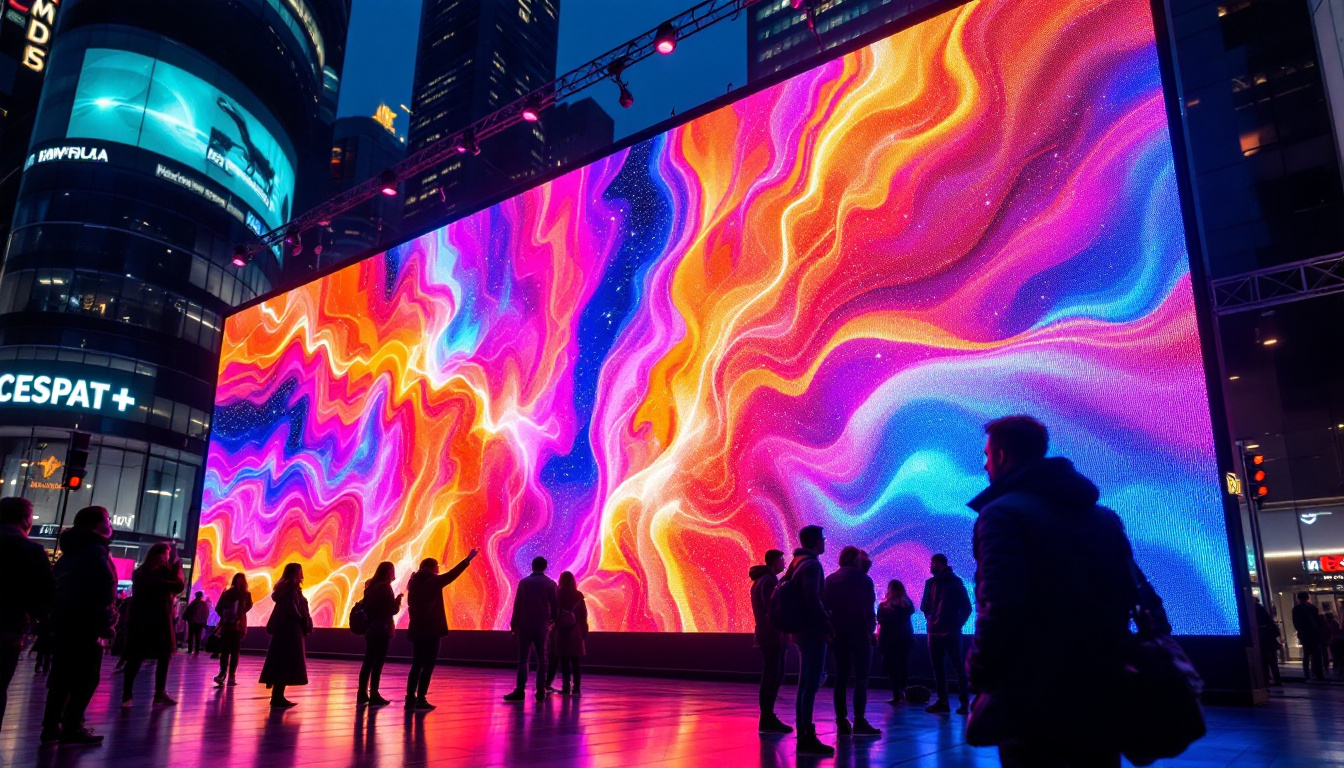
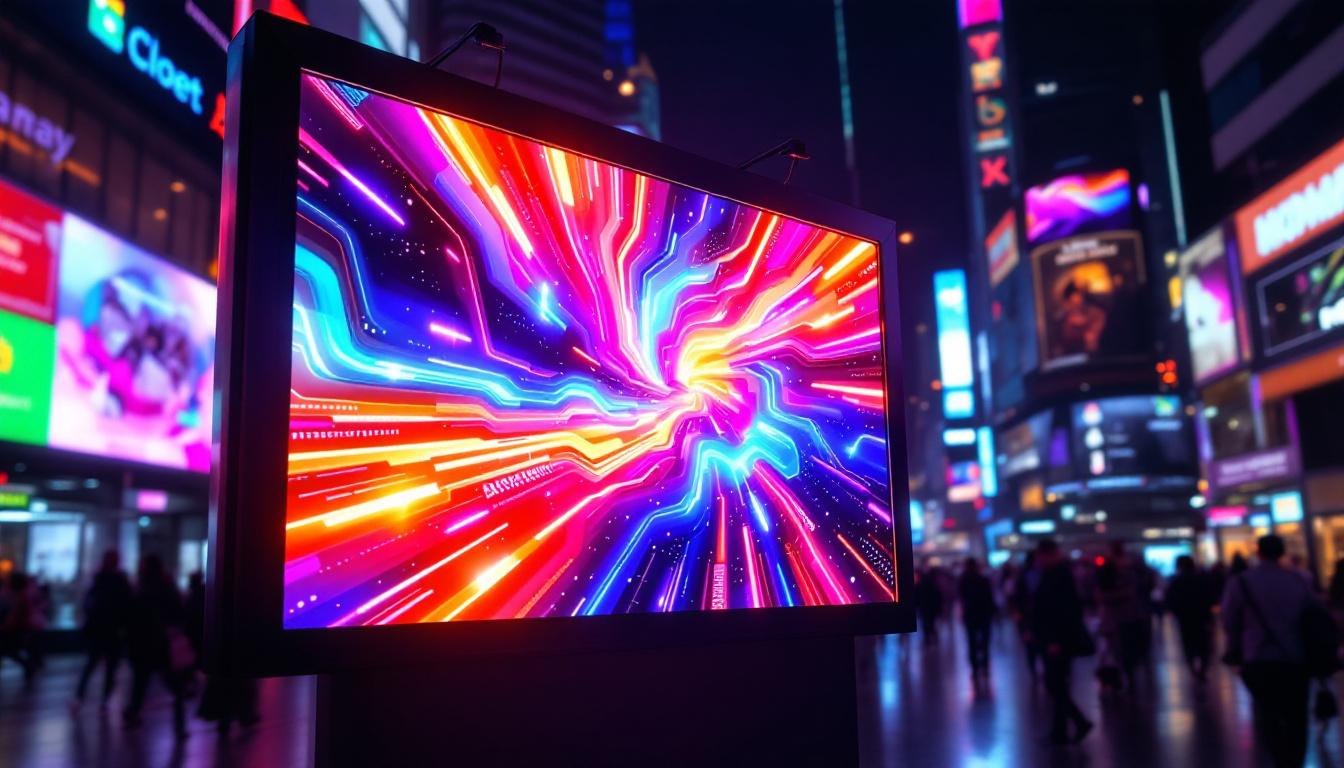
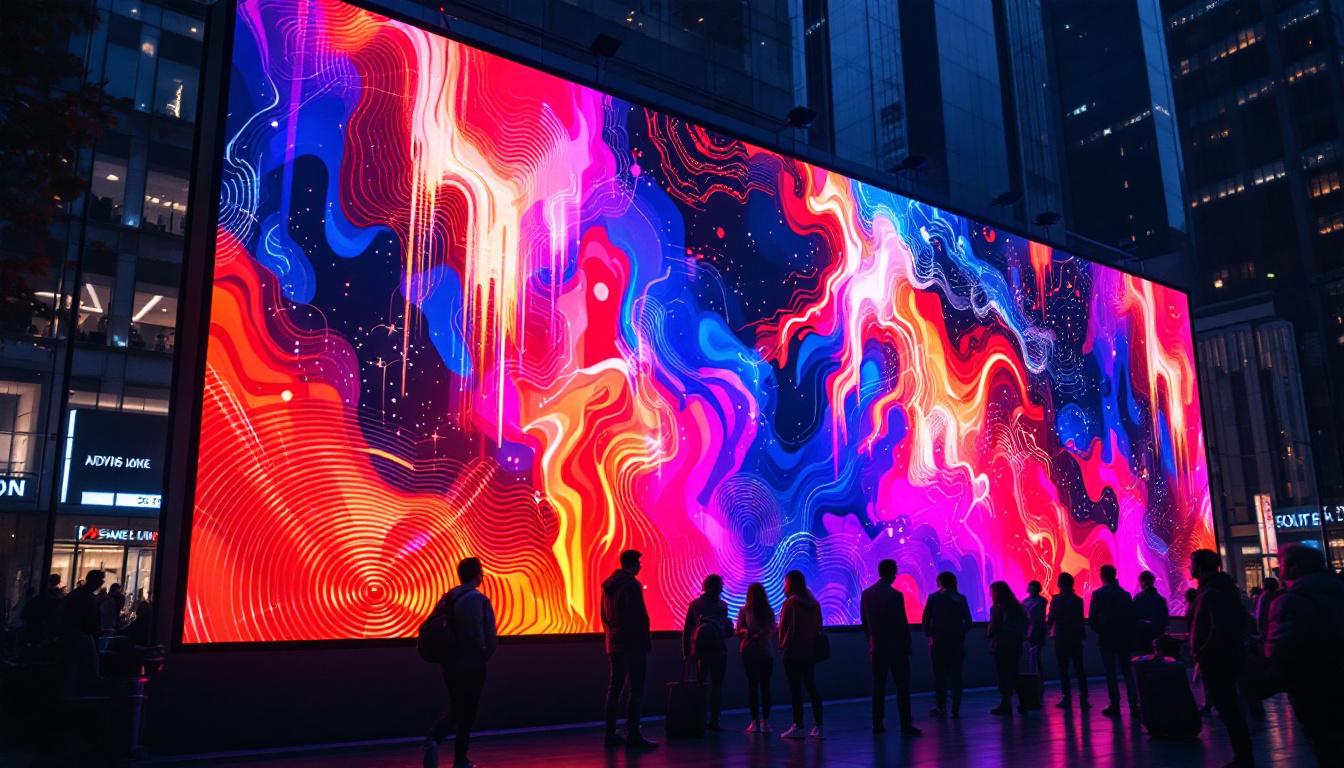
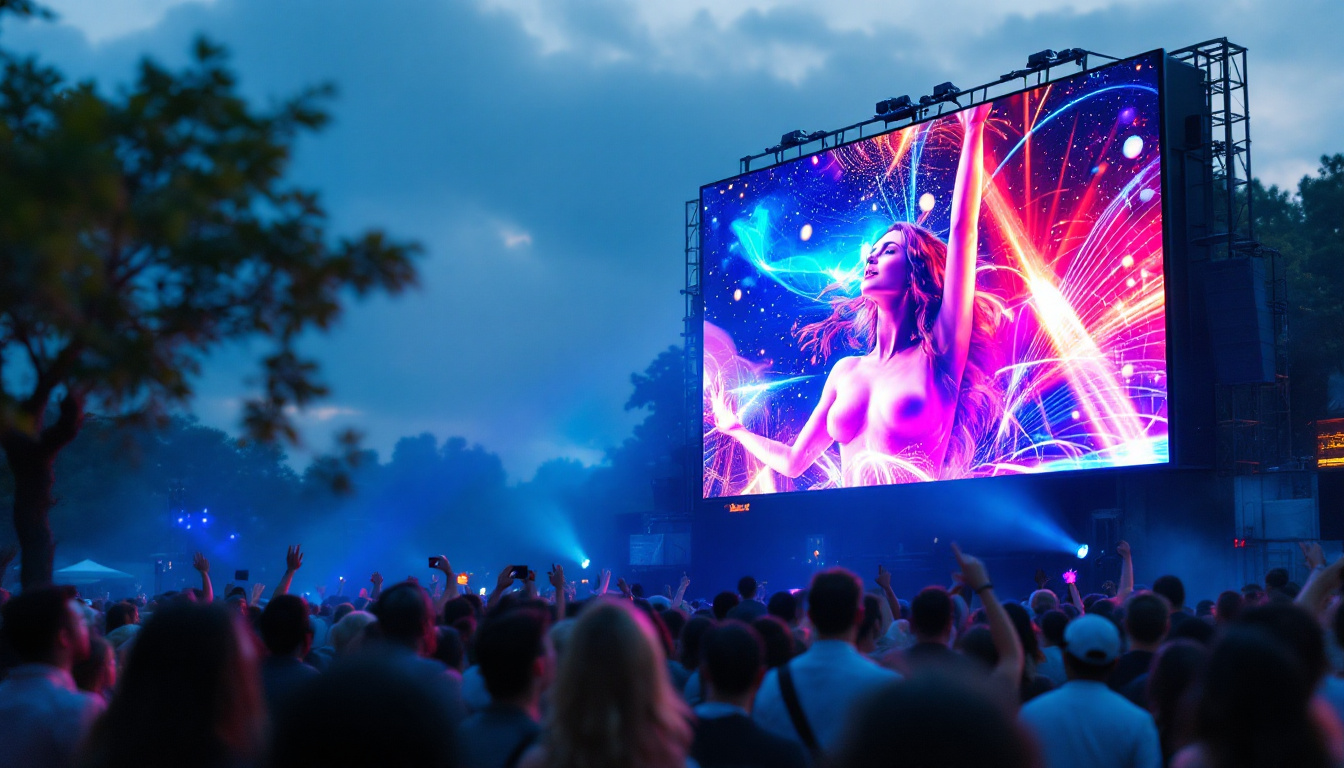
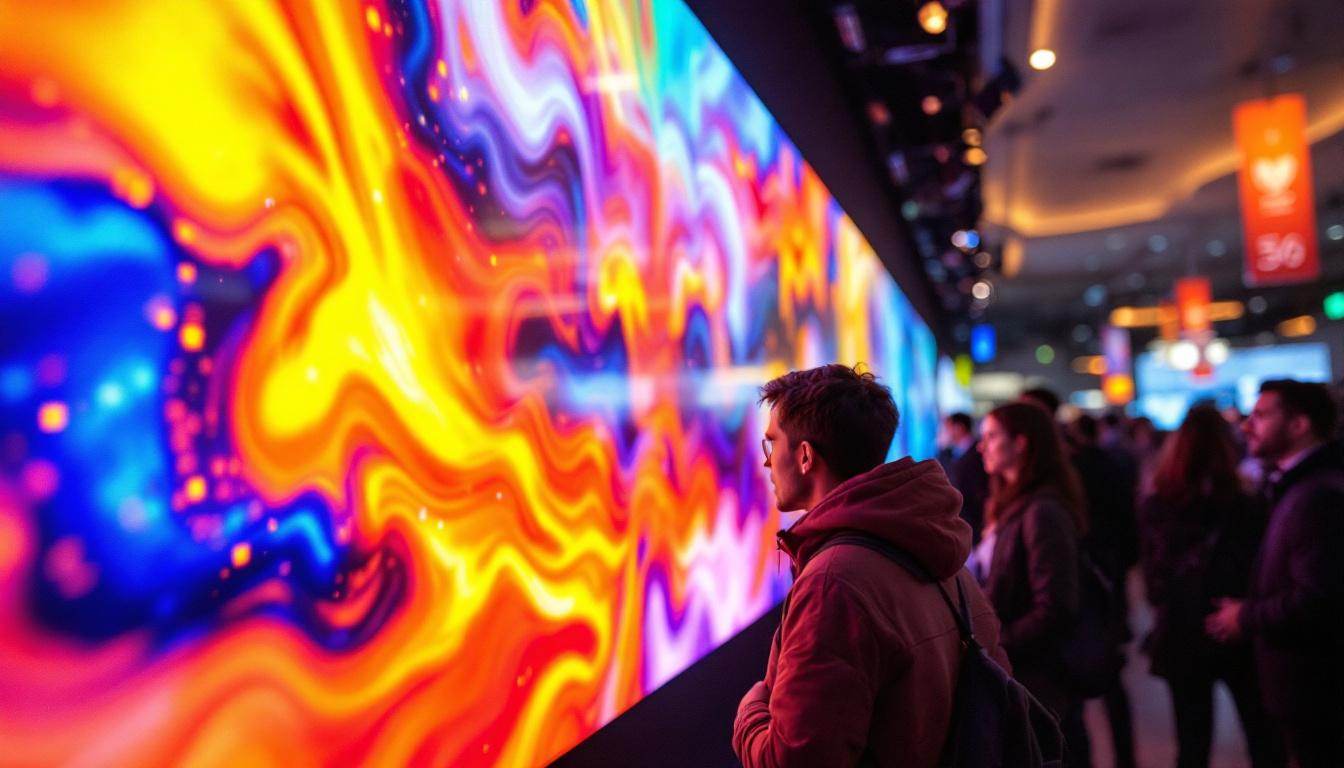
LED displays can be found in various forms — from small digital billboards to massive stadium screens. Their adaptability in size and resolution makes them suitable for indoor and outdoor use, offering high visibility even in direct sunlight. The technology has revolutionized advertising and information dissemination, allowing for vibrant and dynamic presentations that capture attention in a way that traditional signage cannot. Additionally, the longevity of LED technology means that these displays can operate for tens of thousands of hours, reducing the need for frequent replacements and maintenance.
Types of LED Displays
There are several types of LED displays, each designed for specific applications:
- Indoor LED Displays: These typically have a higher pixel density for close-up viewing and use LEDs with lower brightness to avoid glare.
- Outdoor LED Displays: Built to withstand weather conditions, these displays are brighter to combat sunlight and often have protective casings.
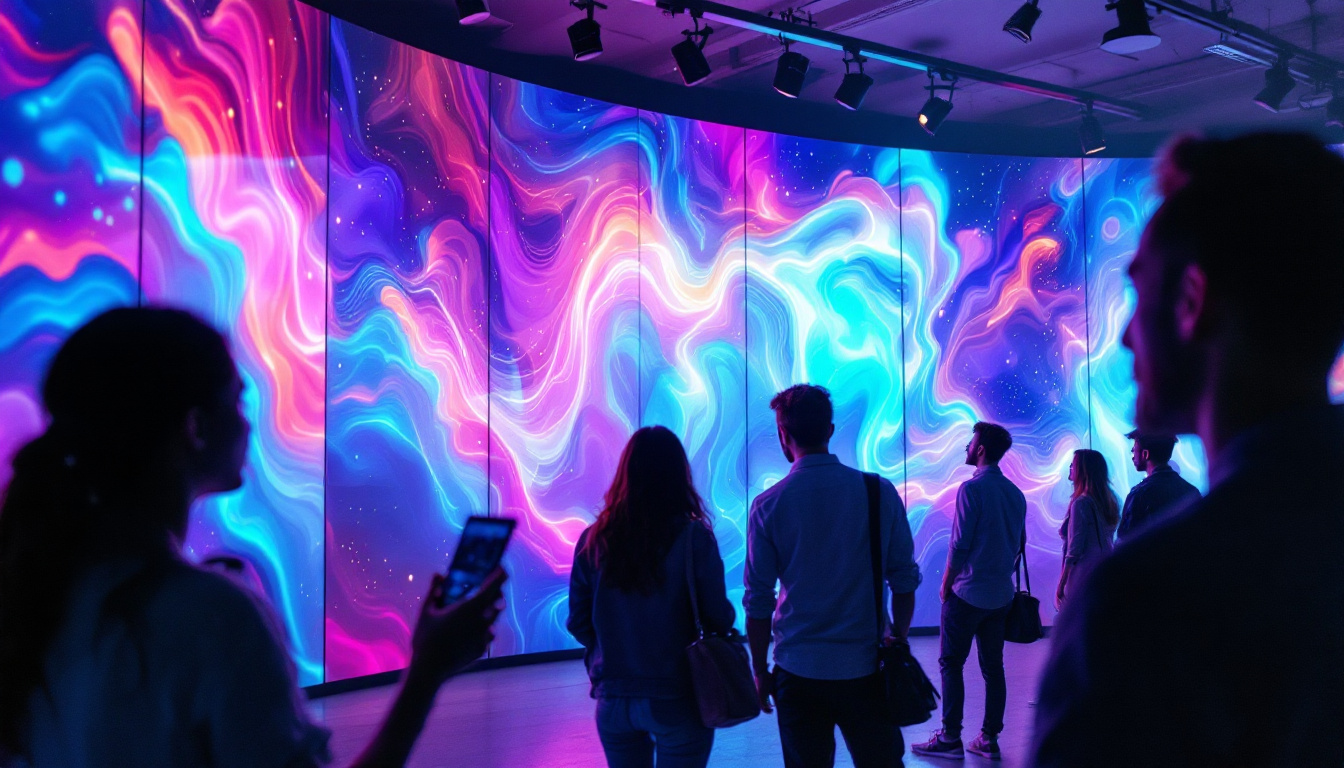
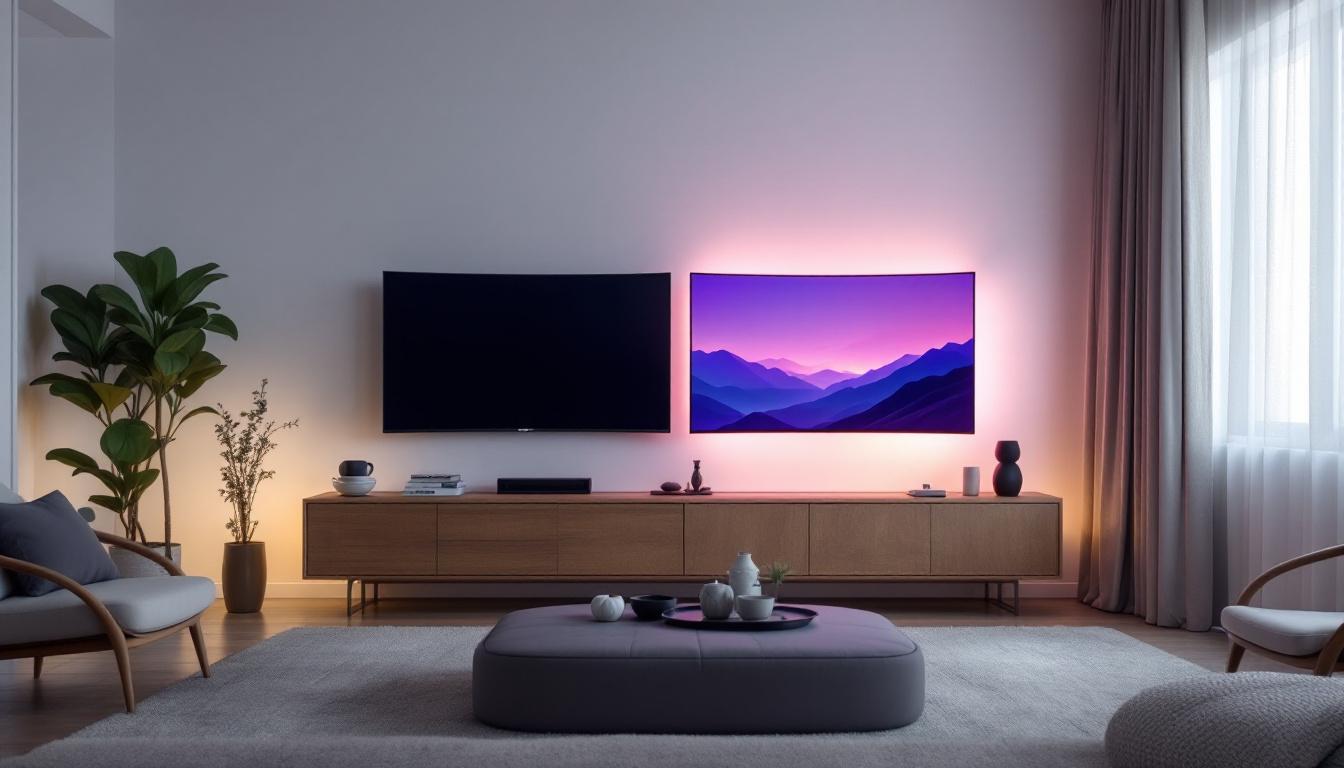
- Flexible LED Displays: Utilizing bendable circuit boards, these can be curved or shaped to fit unique architectural designs.
- Transparent LED Displays: These allow light to pass through, making them ideal for glass walls or windows without obstructing the view.
Moreover, there are specialized LED displays designed for specific industries. For example, retail stores often use LED screens to showcase promotions and sales, while transportation hubs utilize them for real-time updates on arrivals and departures. The versatility of LED technology is evident in its application across various sectors, including entertainment, education, and public information systems, where they serve as effective communication tools.
How LED Displays Work
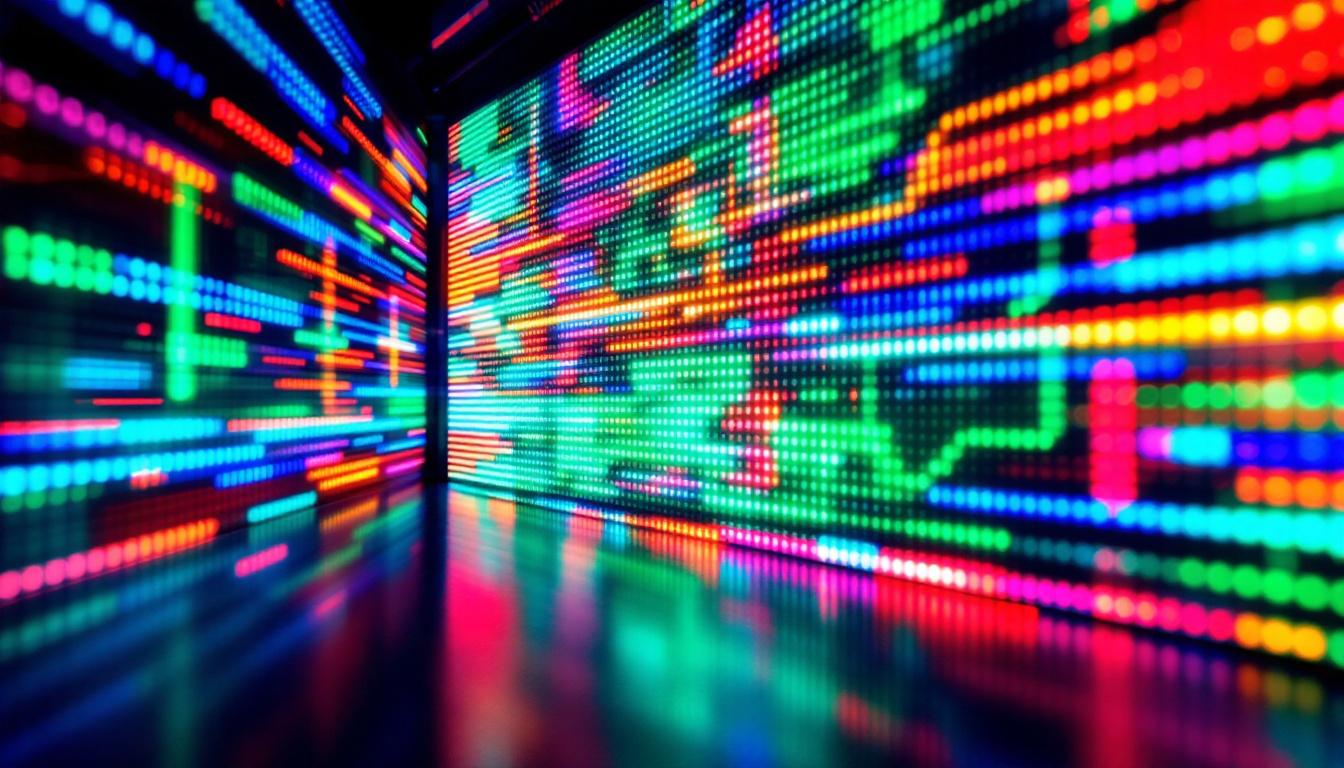
Each LED in the display emits light in red, green, or blue (RGB). By adjusting the intensity of these three colors, the display can produce millions of different colors. This RGB color mixing is the foundation of the vibrant images and videos seen on LED signs.
The display is controlled by a driver circuit and a control system that manages which LEDs light up and at what brightness. Modern LED displays use sophisticated software to handle animations, dynamic content, and real-time updates, making them highly interactive and engaging. This capability allows businesses to change their messaging on-the-fly, responding to events, promotions, or even the time of day, ensuring their content remains relevant and appealing. Furthermore, advancements in technology have led to the development of smart LED displays that integrate with IoT devices, enabling features such as audience measurement and targeted advertising based on viewer demographics.
The Advantages of LED Signs Over Traditional Signage
Energy Efficiency and Longevity
One of the most significant benefits of LED signs is their energy efficiency. LEDs consume up to 75% less energy compared to incandescent bulbs and last up to 25 times longer. This translates into lower operating costs and reduced maintenance, which is especially important for businesses looking to maximize their return on investment. Additionally, the reduced energy consumption of LED signs contributes to a smaller carbon footprint, making them an environmentally friendly option. As more companies strive to adopt sustainable practices, the use of LED technology aligns perfectly with green initiatives, appealing to eco-conscious consumers.
Brightness and Visibility
LED signs are renowned for their brightness, which can reach up to 10,000 nits or more in outdoor models. This level of brightness ensures clear visibility even in direct sunlight, making LED signs ideal for roadside advertising, retail storefronts, and public information boards. Furthermore, the color vibrancy of LED displays enhances the overall aesthetic appeal, allowing businesses to create eye-catching visuals that draw attention. This capability is particularly beneficial in competitive markets where standing out is crucial, as vibrant colors and sharp images can significantly influence consumer behavior and drive foot traffic.
Dynamic and Customizable Content
Unlike static signs, LED displays allow for dynamic content that can be easily updated. Businesses can showcase promotions, real-time information, or even social media feeds. This flexibility enhances customer engagement and allows for timely messaging without the need for physical replacements. Moreover, the ability to schedule content changes means that businesses can tailor their messaging to specific times of day or events, maximizing relevance and impact. For instance, a restaurant could promote breakfast specials in the morning and dinner deals in the evening, ensuring that their advertising aligns with customer needs throughout the day.
Durability and Weather Resistance
Outdoor LED signs are designed to withstand harsh weather conditions, including rain, snow, and extreme temperatures. The robust construction and protective coatings ensure long-term durability, making LED signs a reliable choice for outdoor advertising and public displays. In addition to their weather resistance, many LED signs are also equipped with features such as anti-glare technology and UV protection, which help maintain their brightness and clarity over time. This resilience not only extends the lifespan of the signage but also reduces the frequency of replacements, further contributing to cost savings for businesses. As a result, investing in LED signage can be seen as a long-term strategy for effective communication and brand visibility, regardless of environmental challenges.
How to Make an LED Sign: The Process Explained
Step 1: Planning and Design
The first step in making an LED sign is thorough planning. This involves determining the sign’s purpose, location, size, and resolution. For example, a roadside billboard requires high brightness and large size, while an indoor menu board focuses on clarity and color accuracy.
Designers use specialized software to create the visual content and layout. They must consider factors like viewing distance, ambient light, and content type to optimize the display’s effectiveness.
Step 2: Selecting the Right Components
Choosing quality components is crucial for the longevity and performance of the LED sign. This includes:
- LED Modules: These are the building blocks of the display, consisting of multiple LEDs arranged in a grid.
- Driver ICs and Power Supplies: These regulate current and voltage to ensure consistent brightness and prevent damage.
- Control System: Typically includes a controller card and software to manage content playback and synchronization.
- Enclosure and Mounting Hardware: Especially important for outdoor signs to protect against weather and provide structural support.
Step 3: Assembly and Testing
Once components are selected, the assembly process begins. LED modules are mounted onto a frame or cabinet, connected to the driver circuits, and integrated with the control system. Precision during assembly is vital to ensure uniform brightness and color consistency across the display.
After assembly, rigorous testing is conducted to check for dead pixels, color accuracy, brightness uniformity, and software functionality. This step helps identify and rectify any issues before installation.
Step 4: Installation and Calibration
Installing an LED sign requires careful handling and alignment. Outdoor signs often need cranes or scaffolding, while indoor signs must be securely mounted for safety. Once installed, the display undergoes calibration to fine-tune color balance, brightness levels, and viewing angles.
Calibration ensures the sign delivers optimal visual impact and meets the design specifications. It also includes configuring the control software for scheduled content updates and remote management if applicable.
Applications of LED Signs in Various Industries
Retail and Advertising
Retailers use LED signs to attract customers with eye-catching promotions, new product announcements, and interactive displays. Studies show that digital signage can increase customer engagement by up to 30%, making LED signs a powerful marketing tool.
Transportation and Public Information
Airports, train stations, and bus terminals rely on LED displays for real-time schedule updates and emergency notifications. The clarity and dynamic nature of LED signs improve passenger experience and safety.
Sports and Entertainment
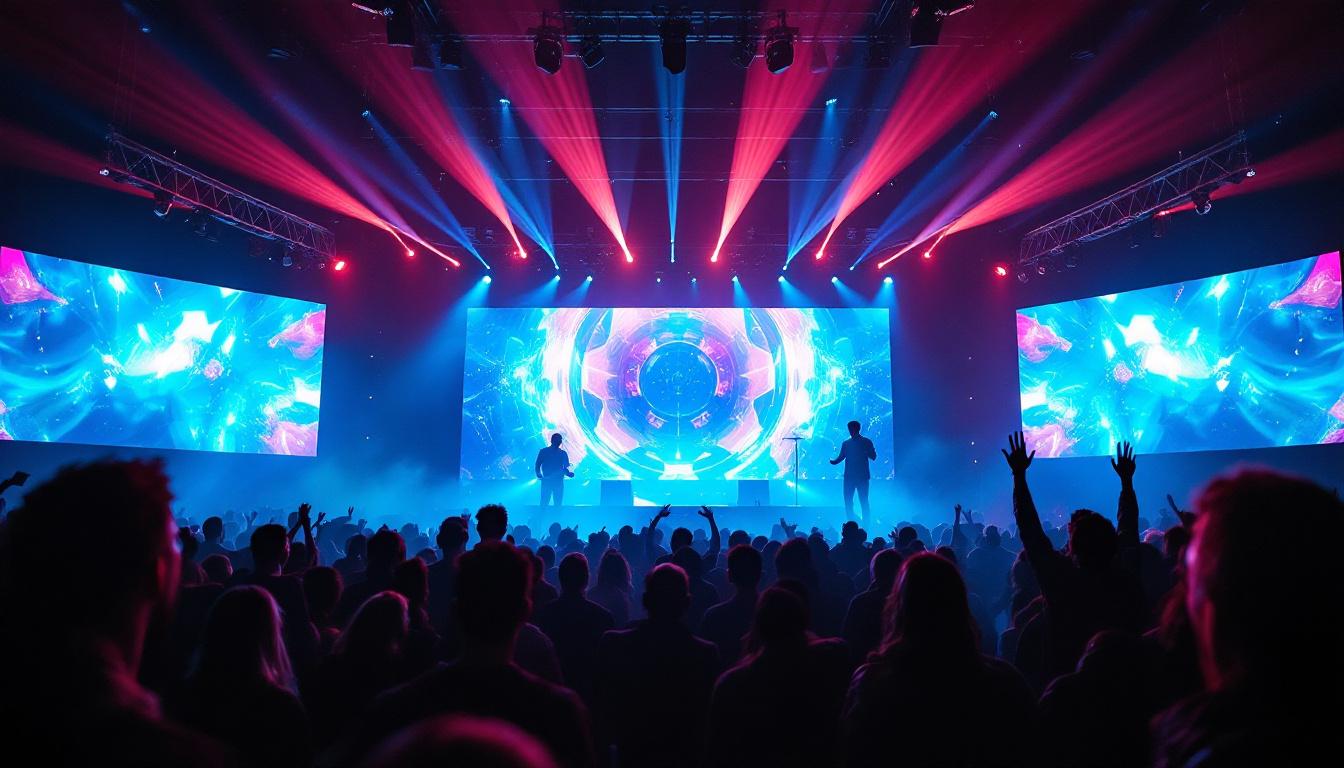
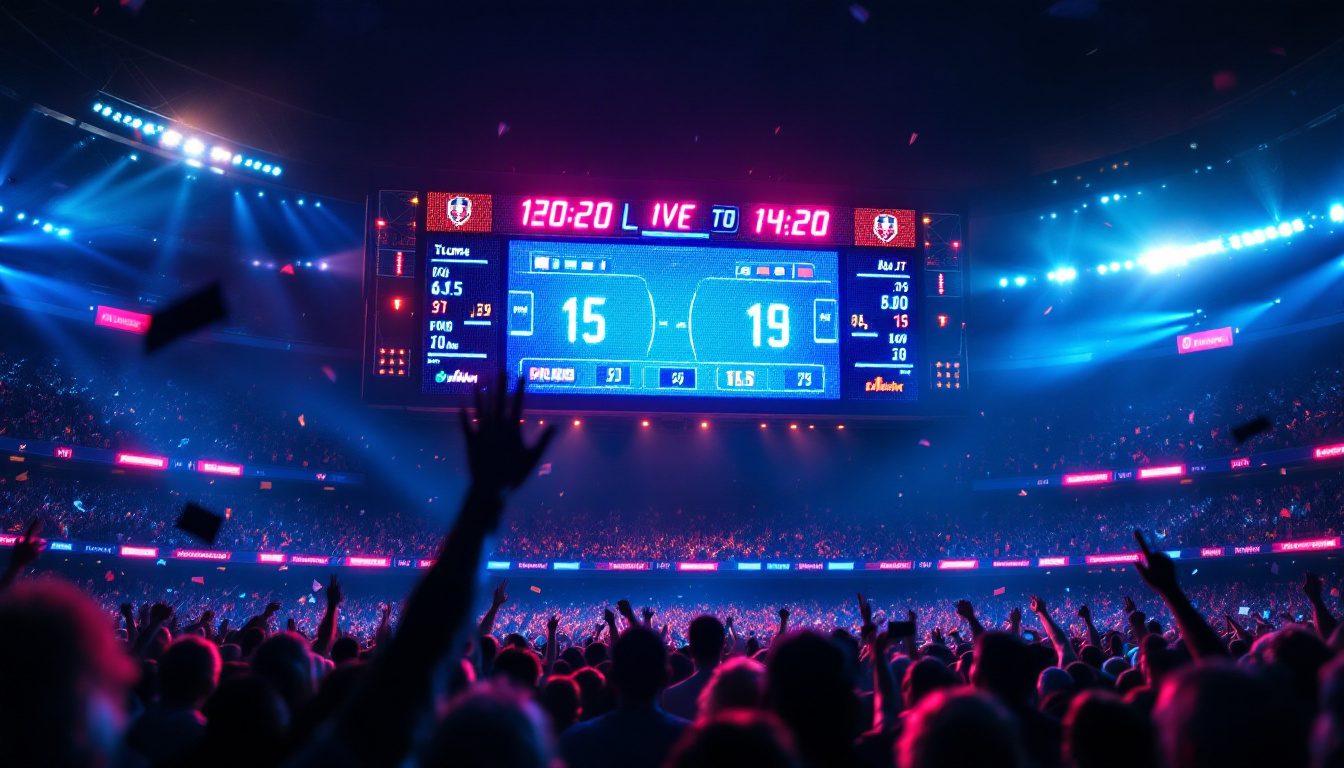
Stadiums and concert venues utilize massive LED screens to enhance the spectator experience with live video feeds, replays, and advertisements. The ability to display high-definition content in large formats is a game-changer for event organizers.
Corporate and Educational Settings
Businesses and educational institutions use LED signs for internal communications, wayfinding, and event announcements. The flexibility to update content quickly makes LED displays ideal for dynamic environments.
Future Trends in LED Signage
Integration with IoT and AI
The future of LED signage is closely tied to the Internet of Things (IoT) and artificial intelligence (AI). Smart LED signs can adjust brightness based on ambient light, display personalized content triggered by sensors, or analyze viewer engagement to optimize messaging.
Advancements in MicroLED and MiniLED Technology
Emerging technologies like MicroLED and MiniLED promise even higher resolution, better color accuracy, and improved energy efficiency. These advances will expand the possibilities for LED signage, especially in compact and high-end applications.
Sustainability and Eco-Friendly Designs
As sustainability becomes a priority, manufacturers are focusing on eco-friendly materials, recyclable components, and energy-saving designs. LED signs already have a lower carbon footprint compared to traditional signage, and ongoing innovations will enhance their environmental benefits.
Conclusion
LED signs have revolutionized the way businesses and organizations communicate with their audiences. Their brightness, versatility, and energy efficiency make them an indispensable tool in modern signage. Understanding the technology behind LED displays, the process of making them, and their diverse applications can help businesses make informed decisions when investing in digital signage solutions.
Whether it’s a small indoor menu board or a massive outdoor billboard, LED signs offer unparalleled opportunities for dynamic, engaging, and impactful communication. As technology continues to evolve, LED signage will only become more sophisticated, interactive, and integral to the visual landscape of the future.
Illuminate Your Message with LumenMatrix
Ready to elevate your brand’s visibility and captivate your audience with vibrant, dynamic LED displays? LumenMatrix is at the forefront of LED display innovation, offering a wide array of solutions tailored to your unique needs. From Indoor LED Walls to Custom LED Displays and everything in between, our mission is to transform your visual communication with clarity and impact. Don’t miss the chance to create unforgettable visual experiences. Check out LumenMatrix LED Display Solutions today and bring your message to life.