In recent years, the use of LED displays as backdrops in churches has revolutionized the way worship spaces engage congregations. These dynamic visual tools offer unprecedented flexibility, vibrancy, and impact, transforming traditional static backdrops into immersive experiences that enhance the spiritual atmosphere. This article explores the fundamentals of LED display technology, its benefits for church environments, design considerations, and practical tips for implementation.
Understanding LED Displays: Technology and Types
LED, or Light Emitting Diode, technology has become the cornerstone of modern display systems. Unlike traditional projection or printed banners, LED displays emit their own light, resulting in brighter, more vivid images that are easily visible even in well-lit environments. This makes them particularly suitable for churches, where lighting conditions can vary significantly. The ability to adjust brightness and contrast dynamically allows for a more immersive experience during services, enhancing the overall atmosphere and engagement of the congregation.
How LED Displays Work
At the core of LED displays are tiny diodes that emit light when an electric current passes through them. These diodes are arranged in a grid known as pixels, which collectively form images or videos. The intensity and color of each diode can be controlled precisely, allowing for high-resolution, full-color displays that can showcase anything from simple text to complex animations. This technology not only supports vibrant visuals but also enables features like video playback and real-time content updates, making it easier for churches to share messages, announcements, and multimedia presentations seamlessly during services.
Types of LED Displays Suitable for Churches
There are several types of LED displays commonly used in church settings:
- Indoor LED Panels: Designed for indoor use, these panels offer high resolution and brightness suitable for auditoriums and sanctuaries. They come in various pixel pitches, with smaller pitches providing sharper images at closer viewing distances. These panels can be integrated into existing church architecture, enhancing the aesthetic appeal while providing functional benefits.
- Outdoor LED Screens: While less common inside churches, outdoor LED screens are used for large events or drive-in services, offering high brightness and weather resistance. These screens can serve as powerful tools for outreach, allowing churches to broadcast messages to the community during festivals, concerts, or public gatherings, effectively extending their reach beyond the church walls.
- Flexible LED Mesh: This lightweight and semi-transparent option can be draped or shaped, ideal for creative stage designs and dynamic backdrops. The versatility of flexible LED mesh allows for innovative installations that can transform a space, creating visually stunning environments that captivate the audience’s attention and enhance the worship experience.
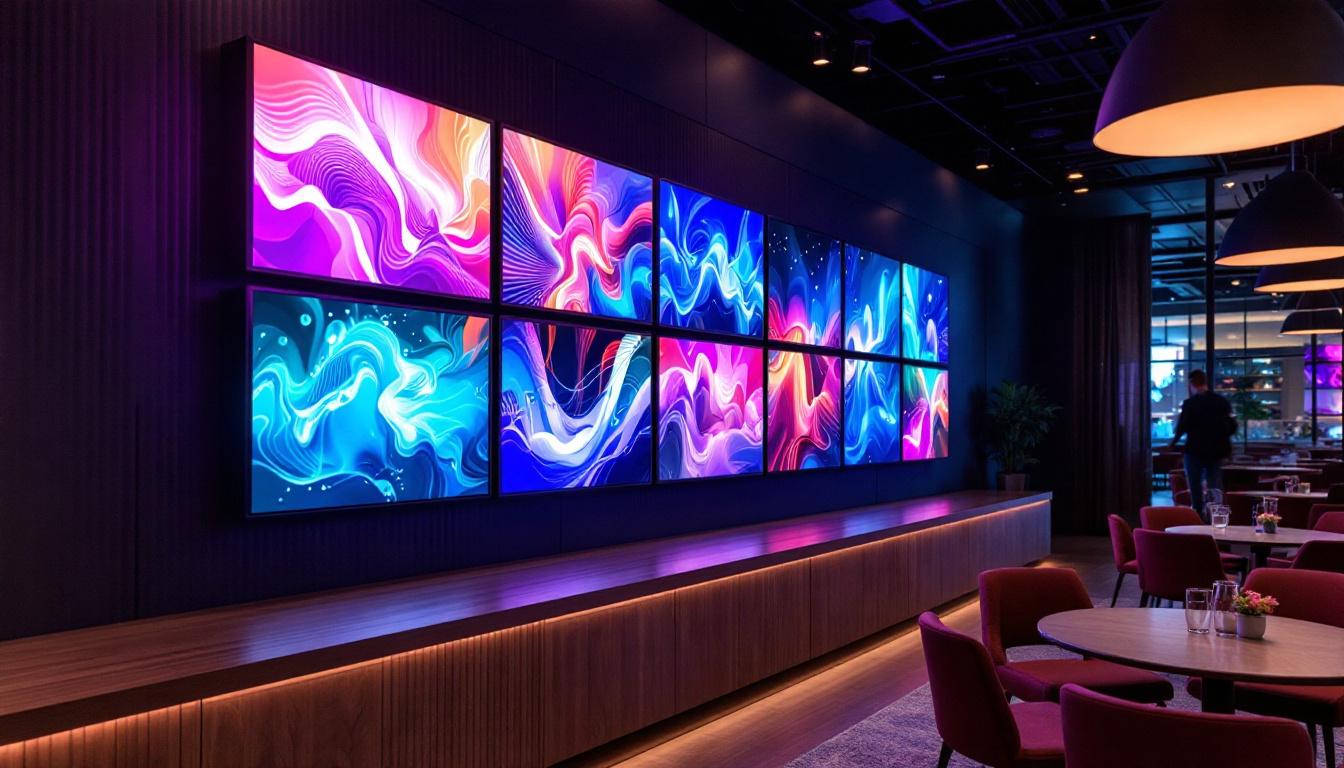
In addition to these types, churches are increasingly exploring the use of LED video walls, which consist of multiple panels combined to create a large, cohesive display. These video walls can be used for everything from displaying lyrics during worship to showcasing sermon notes and multimedia content. The scalability of LED technology means that churches can start with a smaller setup and expand as their needs grow, ensuring that they can adapt to changing congregational sizes and technological advancements over time.
Benefits of LED Backdrops in Church Environments
Integrating LED displays into church backdrops offers numerous advantages over traditional methods, enhancing both the aesthetic and functional aspects of worship spaces.
Enhanced Visual Engagement
LED backdrops provide vibrant, high-definition visuals that capture attention and convey messages more effectively. Whether displaying scripture verses, worship lyrics, sermon points, or thematic imagery, the clarity and brightness ensure that all attendees, regardless of seating location, can engage fully. The use of dynamic visuals can also evoke emotions and set the tone for various segments of the service, creating a more immersive experience that resonates with congregants on a deeper level. This heightened visual engagement can lead to increased participation in worship, as individuals feel more connected to the messages being presented.
Flexibility and Dynamic Content
One of the most significant benefits is the ability to change content instantly. Churches can tailor visuals to match the liturgical calendar, special events, or sermon themes without the need for physical backdrop changes. This dynamic capability supports creative storytelling and immersive worship experiences. For instance, during a holiday service, the backdrop can seamlessly transition from serene winter scenes to vibrant spring imagery, reflecting the themes of hope and renewal. Additionally, the ability to incorporate video clips or live feeds can enhance the service by allowing congregants to feel as though they are part of a larger community, even when physically separated.
Improved Accessibility
LED displays can be integrated with assistive technologies, such as live captioning or sign language interpretation videos, making services more inclusive for people with hearing impairments. Additionally, clear visual aids can help non-native speakers or those with learning differences follow along more easily. By providing multiple ways to access the information being shared, churches can foster a more welcoming environment where everyone feels valued and included. This commitment to accessibility not only aligns with the values of many faith communities but also encourages a diverse congregation to participate fully in worship.
Cost-Effectiveness Over Time
While the initial investment in LED technology may be higher than traditional backdrops, the long-term savings are considerable. Churches save on printing, installation, and maintenance costs associated with physical banners or screens. Moreover, LED displays have long lifespans and energy-efficient operation, reducing ongoing expenses. The versatility of LED technology also means that churches can repurpose existing content for different events, maximizing the utility of their investment. As congregations grow and change, the ability to adapt visuals without incurring significant additional costs ensures that the church can remain relevant and engaging for all members, fostering a sense of community and continuity.
Design Considerations for Effective LED Backdrops
Creating an impactful LED backdrop requires thoughtful planning and design to ensure that the technology complements the worship environment rather than distracting from it.
Resolution and Pixel Pitch
The resolution of an LED display is determined by its pixel pitch—the distance between the centers of adjacent pixels. Smaller pixel pitches yield higher resolution and sharper images, which is crucial for close viewing distances typical in many churches. For example, a pixel pitch of 2.5mm to 4mm is often ideal for indoor church stages, balancing clarity and cost.
Size and Placement
The size of the LED backdrop should be proportionate to the stage and sanctuary dimensions. Oversized screens can overwhelm the space, while undersized ones may not be visible to the entire congregation. Placement should consider sightlines, ensuring unobstructed views from all seating areas.
Content Strategy
Effective content design is essential to maximize the impact of LED backdrops. Visuals should be clear, relevant, and not overly busy. Incorporating a consistent color palette and typography aligned with the church’s branding helps maintain a cohesive look. Additionally, content should support the message without overpowering the worship experience.
Lighting Integration
LED displays emit their own light, but they must be harmonized with the church’s existing lighting setup. Proper calibration ensures that the screen’s brightness complements ambient lighting without causing glare or eye strain. Dimmable LED panels and adjustable stage lighting can help achieve this balance.
Practical Tips for Implementing LED Backdrops in Churches
Successful adoption of LED backdrops involves more than just purchasing the technology. Churches should consider several practical aspects to ensure a smooth and effective implementation.
Assessing Technical Requirements
Before installation, it is vital to evaluate the church’s electrical capacity, network infrastructure, and mounting options. LED displays require stable power sources and often rely on network connections for content management. Consulting with audiovisual professionals can help identify and address potential challenges.
Content Management Systems (CMS)
Modern LED displays are typically controlled via CMS software, allowing staff to schedule, update, and customize content easily. Selecting user-friendly software with support for various media formats and remote access capabilities can empower church teams to manage visuals efficiently.
Training and Support
Investing in training for technical staff and volunteers ensures that the LED backdrop is used to its full potential. Ongoing support from vendors or service providers can help troubleshoot issues and provide updates as needed.
Budgeting and Financing
While LED backdrops represent a significant investment, many churches can explore financing options, grants, or phased implementation plans. Prioritizing features based on immediate needs and future growth can help manage costs effectively.
Case Studies: LED Backdrops Transforming Worship Spaces
Several churches around the world have embraced LED technology to enhance their worship environments, demonstrating the transformative potential of these displays.
Grace Community Church: Immersive Worship Experience
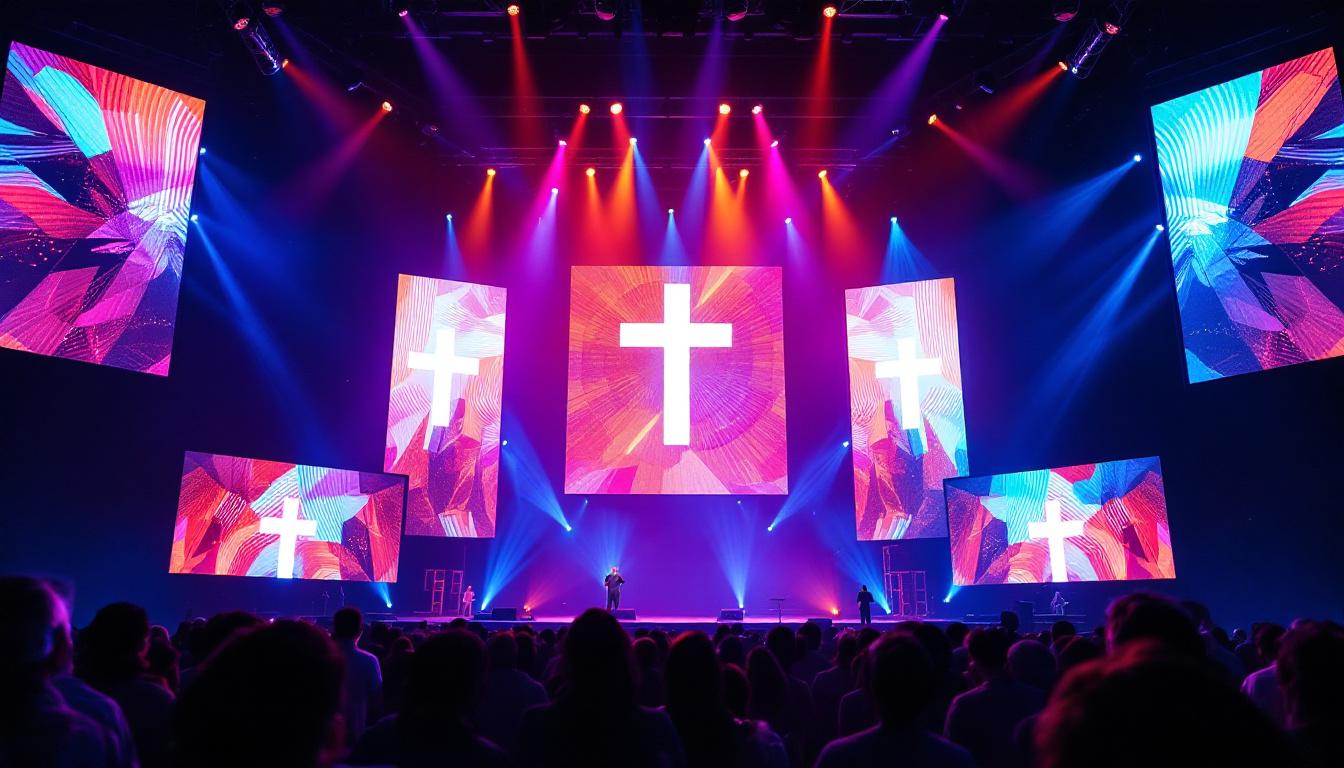
Grace Community Church installed a 20-foot-wide indoor LED wall with a 3mm pixel pitch behind the altar. This backdrop allows them to display high-definition videos, live feeds, and thematic graphics that align with sermon topics. The church reports increased congregational engagement and a more immersive atmosphere during services.
New Light Fellowship: Flexibility for Diverse Events
New Light Fellowship opted for a flexible LED mesh backdrop that can be reconfigured for different events, including worship services, concerts, and community gatherings. The lightweight design enables quick setup and teardown, providing versatility without compromising visual quality.
St. Mark’s Cathedral: Accessibility Enhancements
St. Mark’s Cathedral integrated LED displays with live captioning and sign language interpretation videos, significantly improving accessibility for hearing-impaired attendees. The church has seen positive feedback from the community and increased participation in services.
Future Trends in LED Backdrop Technology for Churches
As LED technology continues to evolve, churches can expect even more innovative applications to enhance worship experiences.
Higher Resolution and Miniaturization
Advancements in micro-LED and OLED technologies promise even higher resolution displays with thinner, more flexible form factors. This will allow for seamless integration into architectural elements and more creative backdrop designs.
Interactive and Augmented Reality Features
Emerging technologies may enable interactive LED backdrops that respond to movement or gestures, creating participatory worship experiences. Augmented reality overlays could also be integrated to enrich storytelling and engagement.
Energy Efficiency and Sustainability
With growing emphasis on sustainability, future LED displays will likely feature improved energy efficiency and eco-friendly manufacturing processes, aligning with many churches’ stewardship values.
Conclusion
LED display backdrops represent a powerful tool for churches seeking to modernize their worship environments and deepen congregational engagement. By understanding the technology, benefits, design principles, and practical considerations, church leaders can make informed decisions that enhance the spiritual and aesthetic quality of their services. As the technology advances, LED backdrops will continue to open new possibilities for creative expression and inclusive worship.
Explore LumenMatrix LED Display Solutions for Your Church
Ready to elevate your church’s worship experience with cutting-edge LED display technology? Discover how LumenMatrix can transform your services and engage your congregation like never before. With a wide array of solutions including Indoor LED Wall Display, Outdoor LED Wall Display, and Custom LED Displays, LumenMatrix is committed to revolutionizing your visual communication. Check out LumenMatrix LED Display Solutions today and witness the impact of vibrant, dynamic backdrops on your spiritual gatherings.