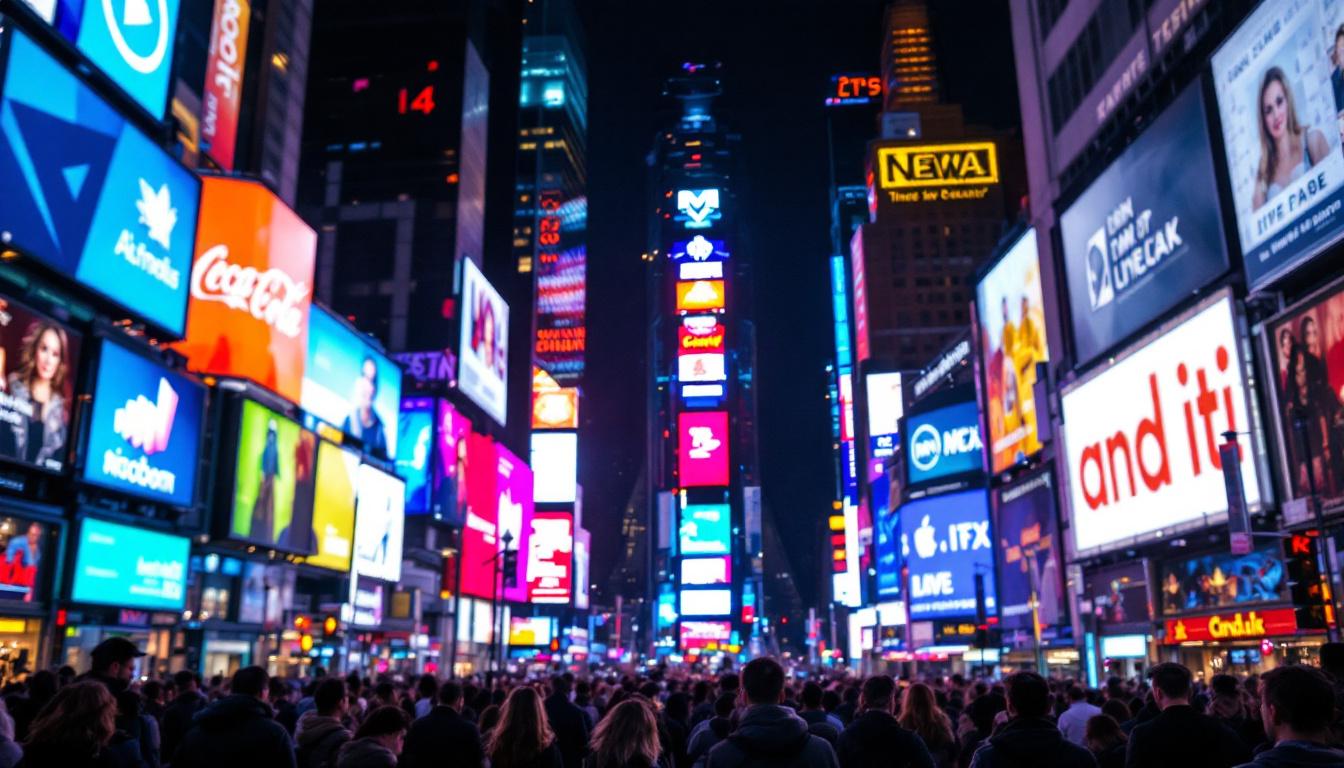
In the ever-evolving world of wearable technology, Time Square Glasses have emerged as a fascinating innovation. These glasses integrate LED display technology directly into the lenses, offering users a unique blend of fashion, functionality, and futuristic appeal. But what exactly are Time Square Glasses, and how does their LED display technology work? This article delves deep into the intricacies of LED displays in Time Square Glasses, exploring their design, technology, applications, and the future of this exciting wearable tech.
Understanding Time Square Glasses
Time Square Glasses are a type of smart eyewear that incorporates LED displays into the frame or lenses, allowing users to project images, text, or animations directly in front of their eyes or onto the glasses themselves. Unlike traditional smart glasses that rely on LCD or OLED microdisplays, Time Square Glasses utilize LED technology for their display elements, offering distinct advantages in brightness, visibility, and customization.
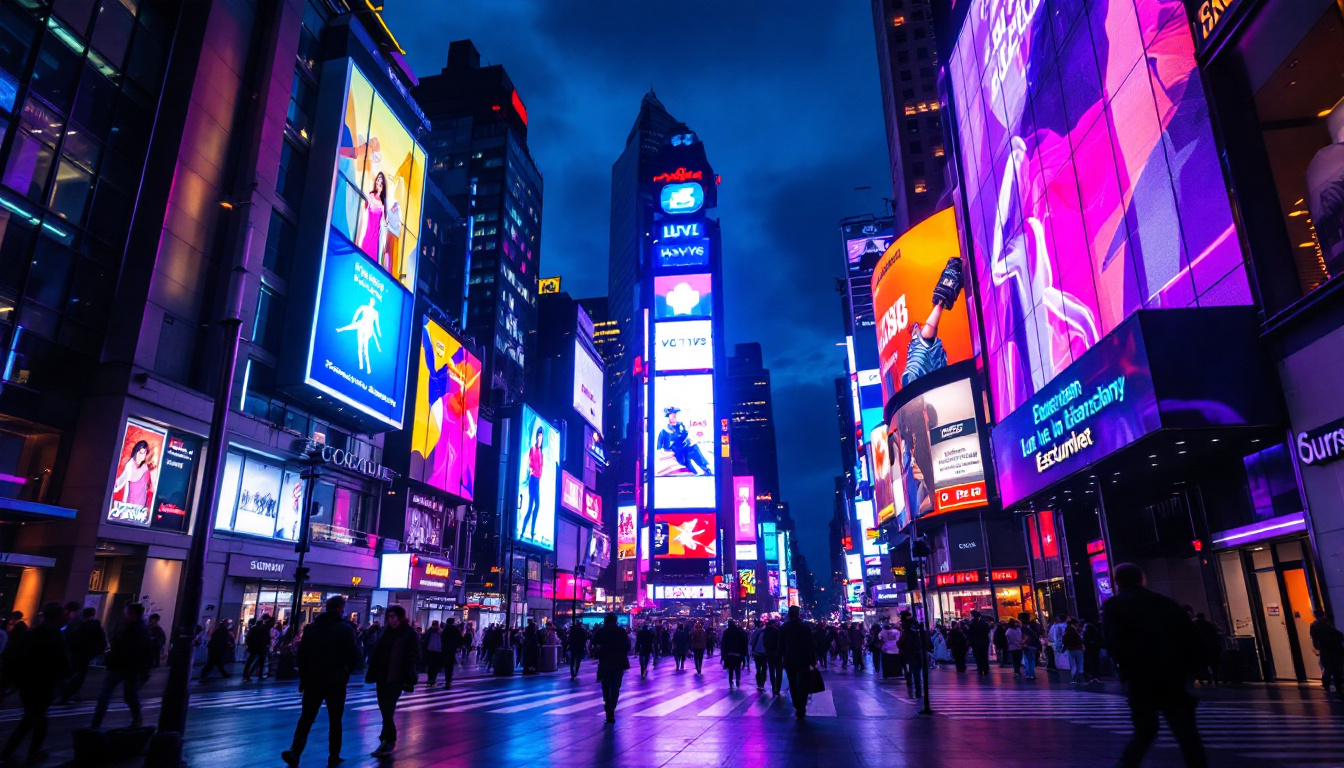
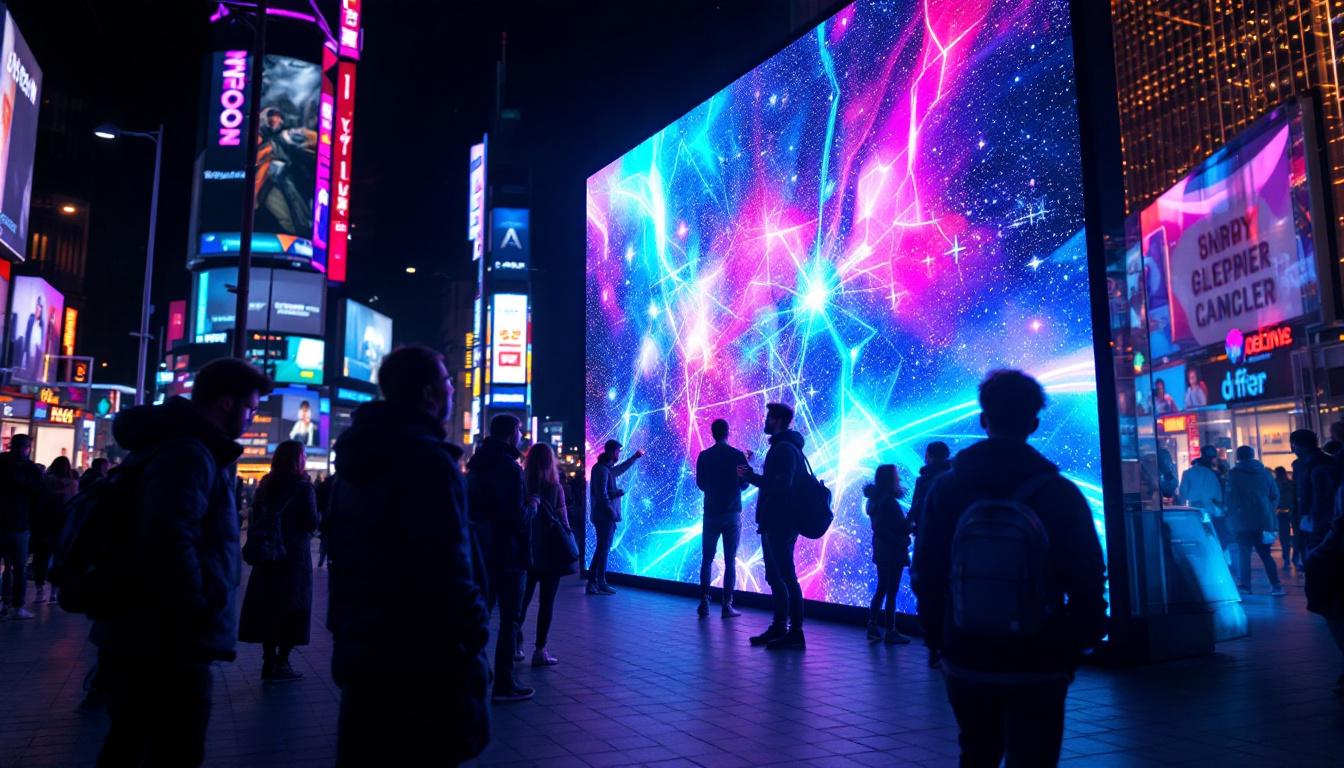
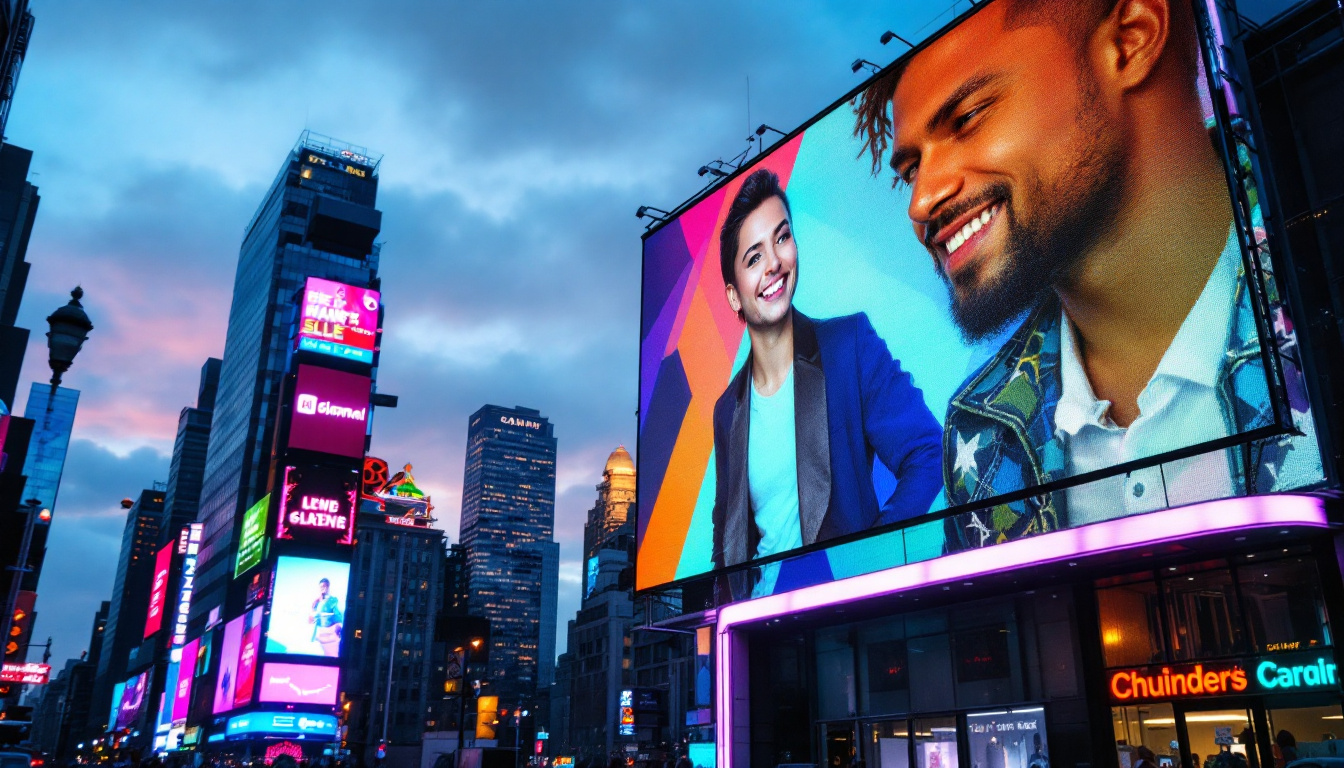
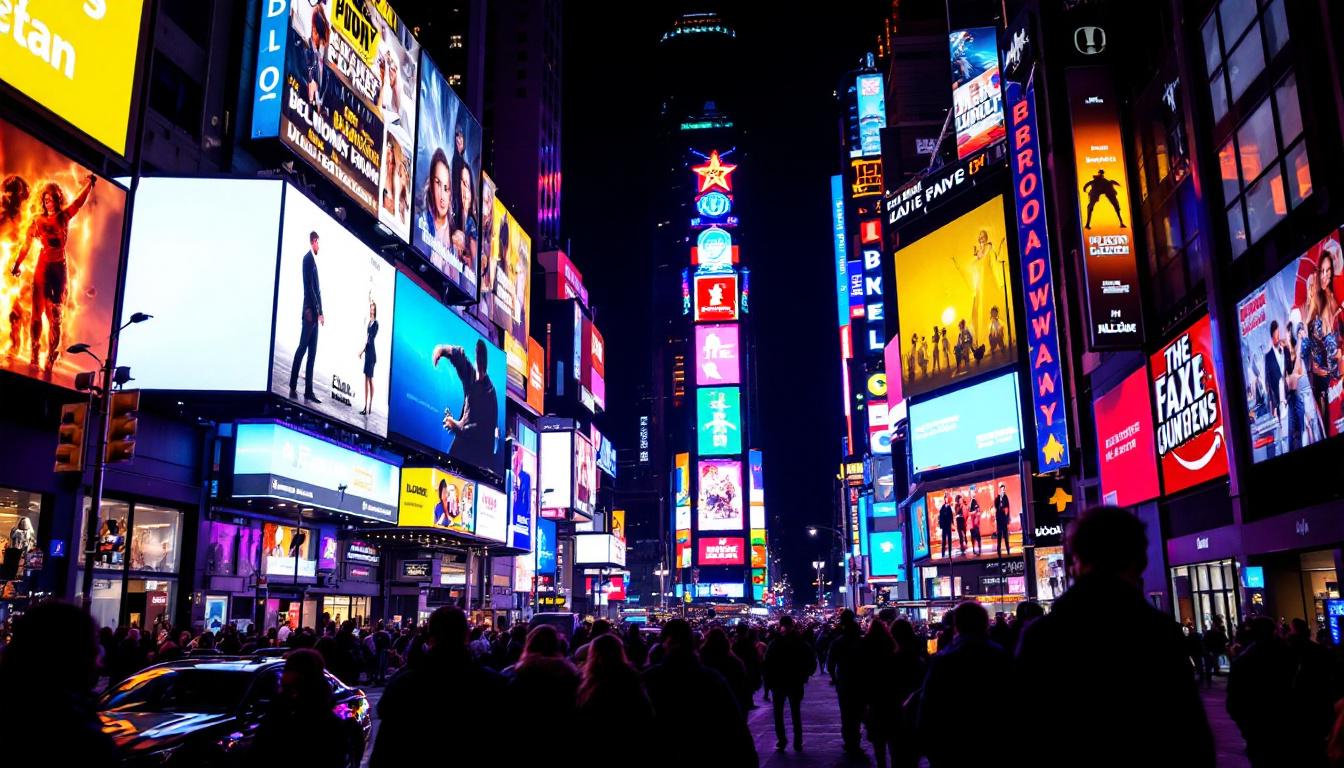
The name “Time Square” evokes the vibrant, dynamic nature of New York City’s iconic Times Square, known for its dazzling LED billboards and displays. Similarly, these glasses aim to bring that level of visual impact to a personal, wearable scale. With the ability to display real-time information such as notifications, directions, or even social media updates, users can stay connected and informed without needing to pull out their smartphones.
The Appeal of LED Displays in Wearable Tech
LED displays are widely recognized for their brightness, energy efficiency, and durability. These qualities make them ideal for wearable devices that need to function in various lighting conditions, including bright sunlight. For Time Square Glasses, LED displays enable vivid, eye-catching visuals that can be seen clearly without the need for bulky or power-hungry components.
Moreover, LEDs can be arranged in flexible matrices or strips, allowing for creative display designs that conform to the shape of the glasses. This flexibility opens the door to innovative applications ranging from personalized messaging to augmented reality (AR) enhancements. For instance, users could customize their glasses to display their favorite quotes, artwork, or even real-time data from fitness trackers, making them not just a fashion statement but also a functional accessory that enhances daily life.
As the technology continues to evolve, the potential for Time Square Glasses expands even further. Imagine attending a concert where the glasses sync with the music, displaying synchronized light shows that enhance the overall experience. Additionally, the integration of voice commands and gesture controls could allow users to interact with the displays seamlessly, making it easier to navigate through options or change settings on the fly. This level of interactivity could redefine how we perceive and engage with our surroundings, merging the digital and physical worlds in unprecedented ways.
The Technology Behind Time Square Glasses LED Displays
LED Display Fundamentals
Light Emitting Diodes (LEDs) are semiconductor devices that emit light when an electric current passes through them. Unlike traditional light sources, LEDs are compact, energy-efficient, and capable of producing a wide range of colors by varying the semiconductor materials and electrical input.
In Time Square Glasses, tiny LEDs are embedded within the frame or lenses, arranged in a grid or pattern that can be controlled electronically. These LEDs can light up individually or in groups to form images, text, or animations. The precision with which these LEDs can be activated allows for intricate designs and displays that can capture attention in bustling environments like Times Square, where visual impact is paramount.
Furthermore, the technology behind these displays has evolved significantly, with advancements in LED brightness and color accuracy enhancing the user experience. The integration of advanced optics can also improve how the light is diffused, ensuring that the visuals are not only vibrant but also visible from various angles, making them perfect for social interactions in crowded spaces.
Types of LED Displays Used
Two primary types of LED displays are commonly used in wearable glasses:
- Monochrome LED Displays: These use LEDs of a single color, often red or green, to display simple text or symbols. They are energy-efficient and suitable for basic notifications.
- Full-Color RGB LED Displays: By combining red, green, and blue LEDs at each pixel, these displays can produce a full spectrum of colors. This capability allows for rich, dynamic visuals and more complex animations.
Time Square Glasses typically employ miniature RGB LED matrices to maximize visual impact while maintaining a sleek design. The ability to create vibrant animations and graphics means that users can express themselves in unique ways, whether through personalized messages or artistic displays. This flexibility not only enhances personal style but also fosters a sense of community, as users can share messages or art with those around them in real time.
Power Management and Battery Life
One of the critical challenges in integrating LED displays into glasses is managing power consumption. LEDs, while efficient, still require a continuous power source to operate, and the wearable form factor limits battery size.
Manufacturers of Time Square Glasses address this by using low-power LED components, intelligent display drivers that minimize energy use, and rechargeable lithium-ion batteries optimized for lightweight wearables. Additionally, software algorithms regulate brightness and display duration to extend battery life without compromising visibility. Innovations such as energy harvesting technologies are also being explored, allowing the glasses to capture energy from ambient light or motion, further enhancing their usability during extended wear.
Control and Connectivity
Time Square Glasses often include Bluetooth or Wi-Fi modules that allow users to control the LED display via smartphone apps or voice commands. This connectivity enables real-time customization of displayed content, including scrolling text, emojis, notifications, or even simple games.
Some models also incorporate sensors such as accelerometers and gyroscopes to adjust display orientation automatically or trigger specific animations based on movement. This feature not only enhances user interaction but also opens up possibilities for augmented reality applications, where the glasses could overlay digital information onto the real world, enriching the user’s experience in various environments, from concerts to sporting events. As technology continues to advance, the potential for integrating more sophisticated features, such as facial recognition or environmental awareness, could redefine how we engage with our surroundings through wearable tech.
Applications of Time Square Glasses LED Displays
Personal Expression and Fashion
One of the most popular uses of Time Square Glasses is as a fashion statement. Users can customize their glasses with personalized messages, colorful patterns, or themed animations that reflect their mood, personality, or event participation.
This capability has found a niche in music festivals, parties, and social gatherings, where dynamic, eye-catching displays serve as conversation starters and style enhancers.
Advertising and Marketing
Brands and marketers have recognized the potential of Time Square Glasses as mobile advertising platforms. By wearing glasses that display logos, slogans, or promotional messages, individuals can become walking billboards, especially in crowded urban environments.
Some companies have even deployed these glasses in experiential marketing campaigns, blending technology with human interaction to create memorable brand experiences.
Augmented Reality and Information Display
Beyond aesthetics, Time Square Glasses have practical applications in augmented reality (AR). The LED displays can overlay essential information such as navigation prompts, notifications, or health data directly within the user’s field of view.
While true AR glasses often rely on more complex projection systems, LED displays provide a simpler, cost-effective way to deliver heads-up information without distracting the user.
Safety and Communication
In certain professions, such as cycling, construction, or event management, Time Square Glasses can enhance safety by displaying alerts or signals. For example, cyclists can use LED displays to indicate turns or stops, improving visibility to other road users.
Similarly, emergency responders might employ these glasses to communicate status updates or instructions in noisy or chaotic environments where verbal communication is challenging.
Challenges and Limitations
Visibility and Brightness in Different Environments
Although LEDs are bright, maintaining optimal visibility in all lighting conditions remains a challenge. Direct sunlight can sometimes overpower the display, making it difficult to read. Manufacturers continue to improve brightness levels and contrast ratios to address this issue.
Design Constraints and Comfort
Integrating LED displays into glasses requires balancing aesthetics, weight, and comfort. Bulky components or heavy batteries can make the glasses uncomfortable for prolonged use. Advances in micro-LED technology and lightweight materials are helping to mitigate these concerns.
Privacy and Social Acceptance
Wearing glasses that display messages or images in public raises questions about privacy and social norms. Some users may feel self-conscious or worry about distracting others, while observers might find the displays intrusive. As this technology becomes more widespread, societal attitudes will likely evolve.
The Future of Time Square Glasses and LED Displays
The future of Time Square Glasses looks promising, driven by continuous advancements in LED technology, battery efficiency, and smart connectivity. Emerging trends include:
- Micro-LED Integration: Micro-LEDs offer higher resolution, lower power consumption, and greater flexibility, enabling more sophisticated displays in slimmer frames.
- Enhanced Interactivity: Gesture controls, voice recognition, and AI integration will make controlling the LED display more intuitive and seamless.
- Expanded AR Capabilities: Combining LED displays with other display technologies could create hybrid smart glasses that deliver richer augmented reality experiences.
- Eco-Friendly Materials: Sustainable manufacturing and recyclable components will become priorities as consumers demand greener technology.
As these innovations unfold, Time Square Glasses are poised to become not just a novelty but an essential accessory for communication, entertainment, and personal expression.
Conclusion
Time Square Glasses represent a captivating intersection of fashion, technology, and communication. Their LED display technology offers bright, customizable visuals that can serve a wide range of purposes—from personal expression to practical information delivery. While challenges remain in design, power management, and social acceptance, ongoing advancements continue to push the boundaries of what wearable LED displays can achieve.
For anyone interested in the future of wearable tech, understanding the LED display technology behind Time Square Glasses provides valuable insight into how personal devices are evolving to become more interactive, expressive, and integrated into daily life.
Discover the Future of LED Displays with LumenMatrix
Ready to elevate your visual experience with the latest in LED display technology? LumenMatrix is at the forefront of innovation, offering a diverse range of LED display solutions that bring your brand to life. From vibrant Indoor and Outdoor LED Wall Displays to dynamic Vehicle and Sports Displays, our cutting-edge products are designed to captivate and engage. Explore our Custom LED Displays and Transparent LED options to see how we can transform your visual communication. Check out LumenMatrix LED Display Solutions today and join the revolution in digital signage and visual storytelling.