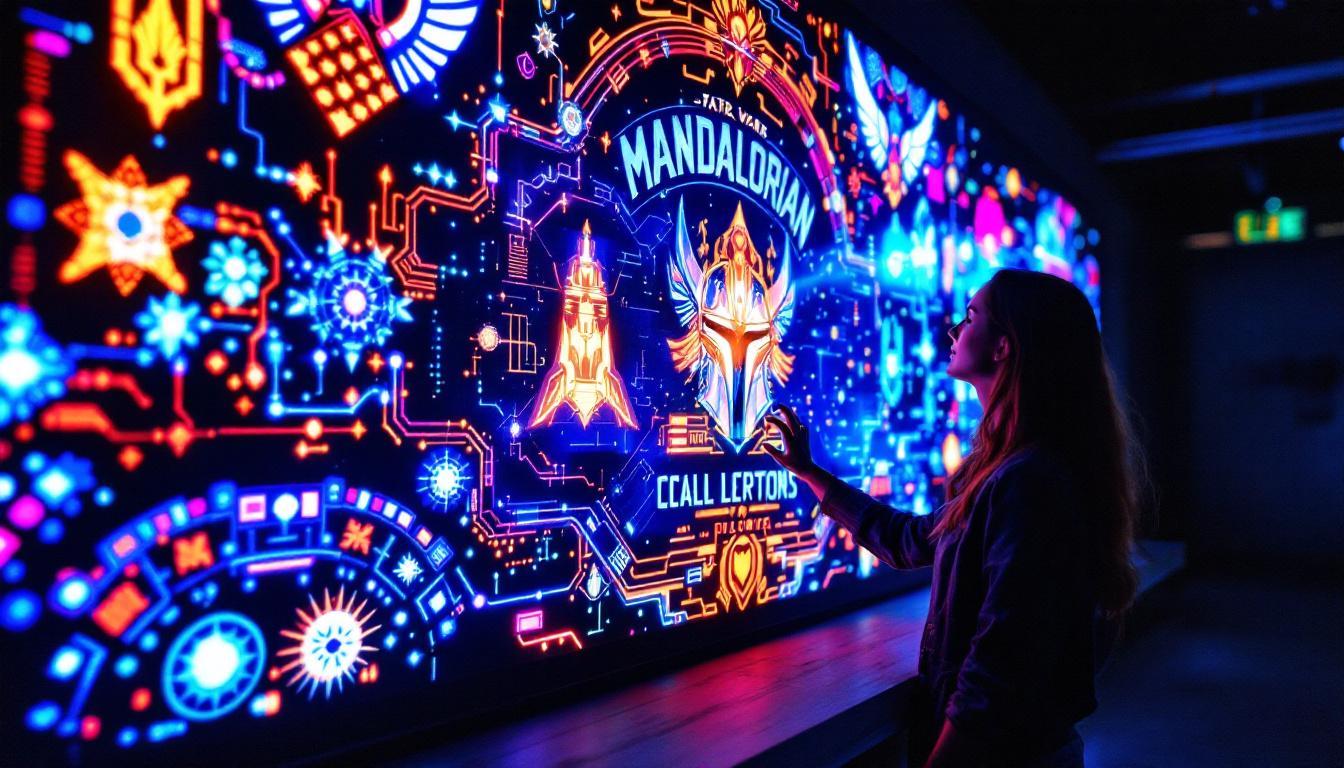
The Mandalorian LED wall has revolutionized the way visual effects are created in modern filmmaking, setting a new standard for immersive environments and real-time rendering. This groundbreaking technology combines high-resolution LED displays with advanced virtual production techniques, allowing filmmakers to capture stunning backgrounds and dynamic scenes live on set. In this article, we will explore the technical aspects, creative benefits, and industry impact of the Mandalorian LED wall, providing a comprehensive understanding of how this innovation is shaping the future of film and television production.
What Is the Mandalorian LED Wall?
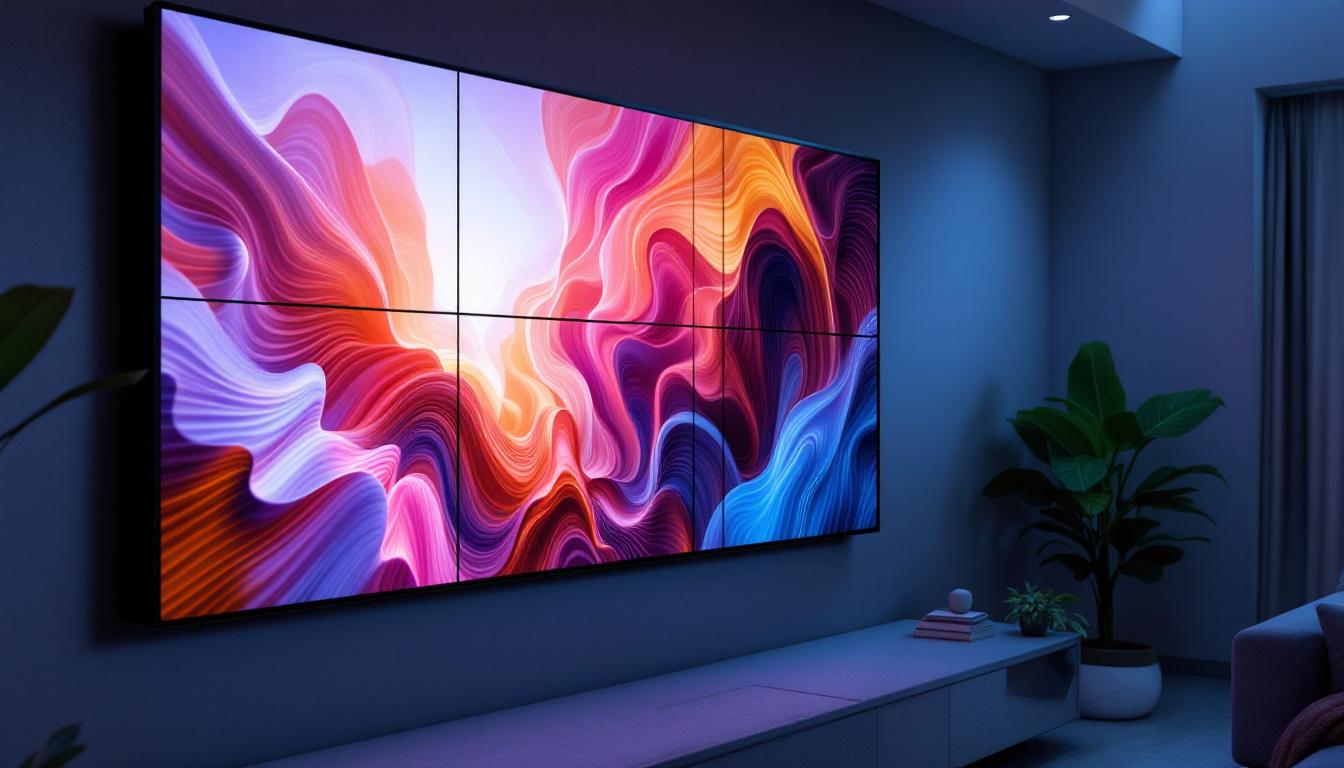
The Mandalorian LED wall is a massive, curved screen composed of thousands of high-definition LED panels that display photorealistic backgrounds and environments. Unlike traditional green screens, which require actors to perform in front of a blank backdrop later replaced with CGI, the LED wall projects the virtual environment in real time, surrounding the actors with the actual scene.
This technology was prominently used in the production of the Disney+ series The Mandalorian, developed by Lucasfilm and Industrial Light & Magic (ILM). The LED wall enables the seamless integration of live-action performances with digital environments, enhancing realism and reducing the need for extensive post-production compositing.
Technical Specifications
The LED wall used in The Mandalorian measures approximately 75 feet wide and 30 feet tall, curving around the set to create an immersive 270-degree backdrop. It consists of over 3,000 individual LED panels, each capable of displaying vivid colors and high contrast ratios. The resolution of the entire wall is ultra-high-definition, ensuring that the backgrounds appear crisp and detailed even in close-up shots.
Behind the scenes, the LED wall is powered by a sophisticated rendering engine, typically Unreal Engine by Epic Games, which generates the virtual environments in real time. This setup allows the background to shift dynamically in response to camera movements, maintaining correct perspective and parallax effects.
In addition to its impressive technical specifications, the LED wall has revolutionized the way filmmakers approach scene creation. By providing a tangible environment that actors can interact with, it fosters a more authentic performance, as actors can react to their surroundings rather than merely imagining them. This innovation not only enhances the storytelling but also allows for a more efficient shooting schedule, as scenes can be filmed in a controlled environment without the need for extensive location scouting or complex CGI integration.
The use of the LED wall also opens up new creative possibilities for directors and cinematographers. They can experiment with lighting and camera angles in real time, adjusting the virtual backgrounds to match the mood and tone of the scene. This flexibility allows for a more collaborative and dynamic filmmaking process, where adjustments can be made on the fly, ultimately leading to a more polished final product. The success of this technology in The Mandalorian has sparked interest across the industry, prompting other productions to explore similar setups for their own projects, thereby setting a new standard for visual storytelling in film and television.
How the LED Wall Works in Virtual Production
The core innovation of the Mandalorian LED wall lies in its integration with real-time rendering and camera tracking technologies. This combination enables filmmakers to create virtual sets that respond naturally to the physical camera’s position and angle, producing realistic depth and lighting effects.
Real-Time Rendering and Camera Tracking
The virtual environment displayed on the LED wall is rendered in real time using game engine technology. As the camera moves around the set, sensors track its position and orientation, sending this data to the rendering system. The background image adjusts accordingly, simulating the correct perspective and parallax shifts that would occur in a physical environment.
This synchronization is crucial for maintaining the illusion of depth and space, allowing actors to interact convincingly with their surroundings. It also enables directors and cinematographers to see the final composite in-camera, reducing guesswork and improving creative decision-making on set. The ability to visualize complex scenes in real time allows for spontaneous adjustments, fostering a more dynamic and collaborative atmosphere during filming. This technology not only streamlines the production process but also opens up new avenues for storytelling, as filmmakers can experiment with different environments without the logistical challenges of traditional set construction.
Lighting Integration
One of the most significant advantages of the LED wall is its ability to provide natural lighting that matches the virtual environment. The LED panels emit light that reflects off the actors and physical props, creating realistic shadows and highlights. This eliminates the common issue of mismatched lighting often encountered with green screen setups, where artificial lighting must be carefully calibrated to blend with CGI backgrounds.
By matching the color temperature and intensity of the virtual scene, the LED wall enhances the overall visual coherence, resulting in more believable and immersive footage. Moreover, the dynamic nature of the LED wall allows for changes in lighting conditions to be simulated on the fly, such as transitioning from day to night or altering weather effects. This adaptability not only enriches the visual storytelling but also empowers cinematographers to craft scenes with a level of nuance that was previously difficult to achieve. The ability to manipulate lighting in real-time creates a more engaging environment for actors, as they can respond to shifts in their surroundings, thereby enhancing their performances and the overall emotional impact of the narrative.
Creative Benefits of Using the Mandalorian LED Wall
The adoption of LED wall technology has transformed the creative process in film and television production, offering numerous advantages over traditional methods.
Enhanced Actor Performance
Actors benefit greatly from performing in an environment that visually surrounds them, as opposed to imagining their surroundings against a green screen. The presence of a tangible backdrop helps actors immerse themselves in their roles, leading to more authentic and emotionally resonant performances.
Additionally, the dynamic nature of the LED wall allows for immediate changes to the environment, enabling directors to experiment with different settings and moods without lengthy setup times.
Reduced Post-Production Time and Costs
Because the final background is captured in-camera, the need for extensive post-production compositing is significantly reduced. This streamlines the workflow, allowing for faster turnaround times and lower visual effects budgets.
Moreover, the ability to preview scenes with the virtual environment on set facilitates better collaboration between departments, minimizing costly reshoots and adjustments later in the production cycle.
Creative Flexibility and Innovation
The LED wall opens new possibilities for storytelling by enabling filmmakers to create fantastical worlds and complex environments that would be difficult or impossible to build physically. It also supports dynamic lighting changes, weather effects, and time-of-day shifts, all controlled in real time.
This flexibility encourages experimentation and innovation, pushing the boundaries of visual storytelling and audience engagement.
Industry Impact and Future Prospects
The success of the Mandalorian LED wall has sparked widespread interest and adoption of virtual production technologies across the entertainment industry. Major studios and production houses are investing in LED volume stages and real-time rendering systems to capitalize on the benefits demonstrated by this approach.
Adoption Beyond Film and Television
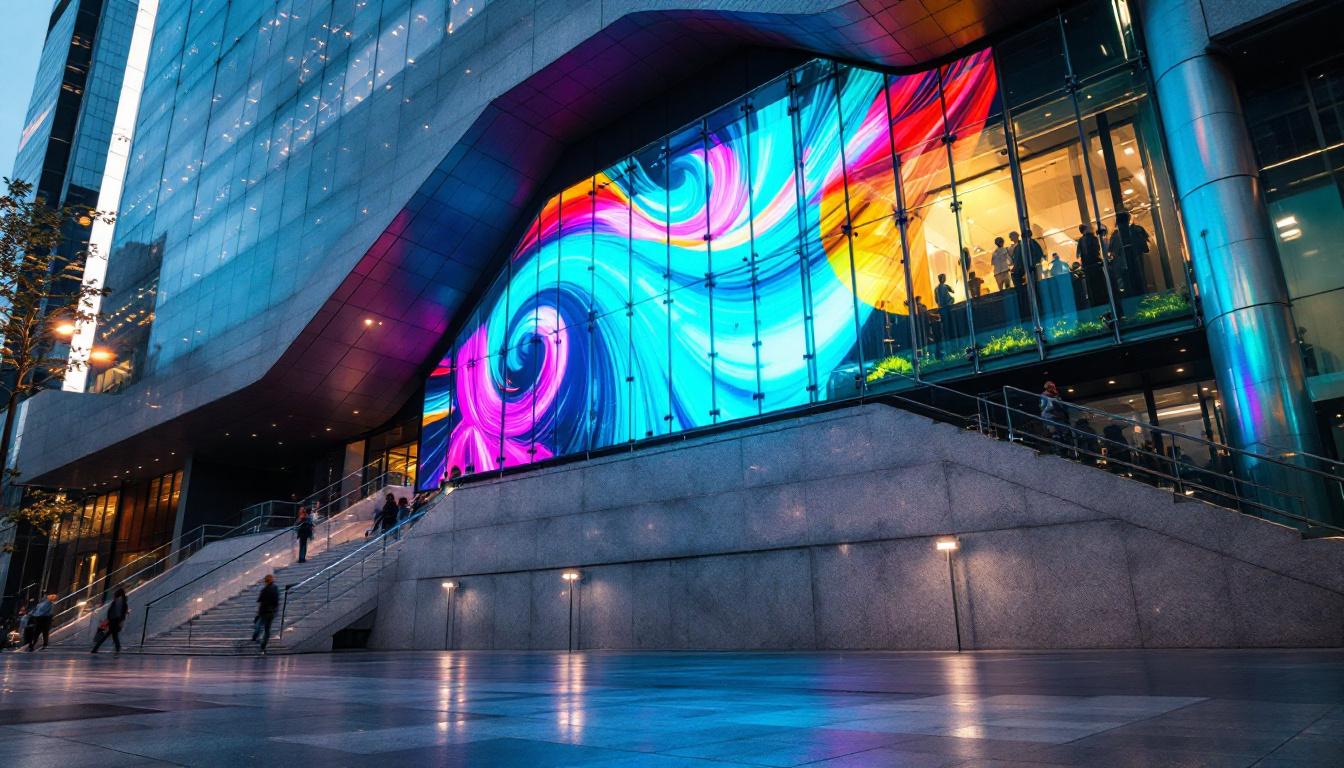
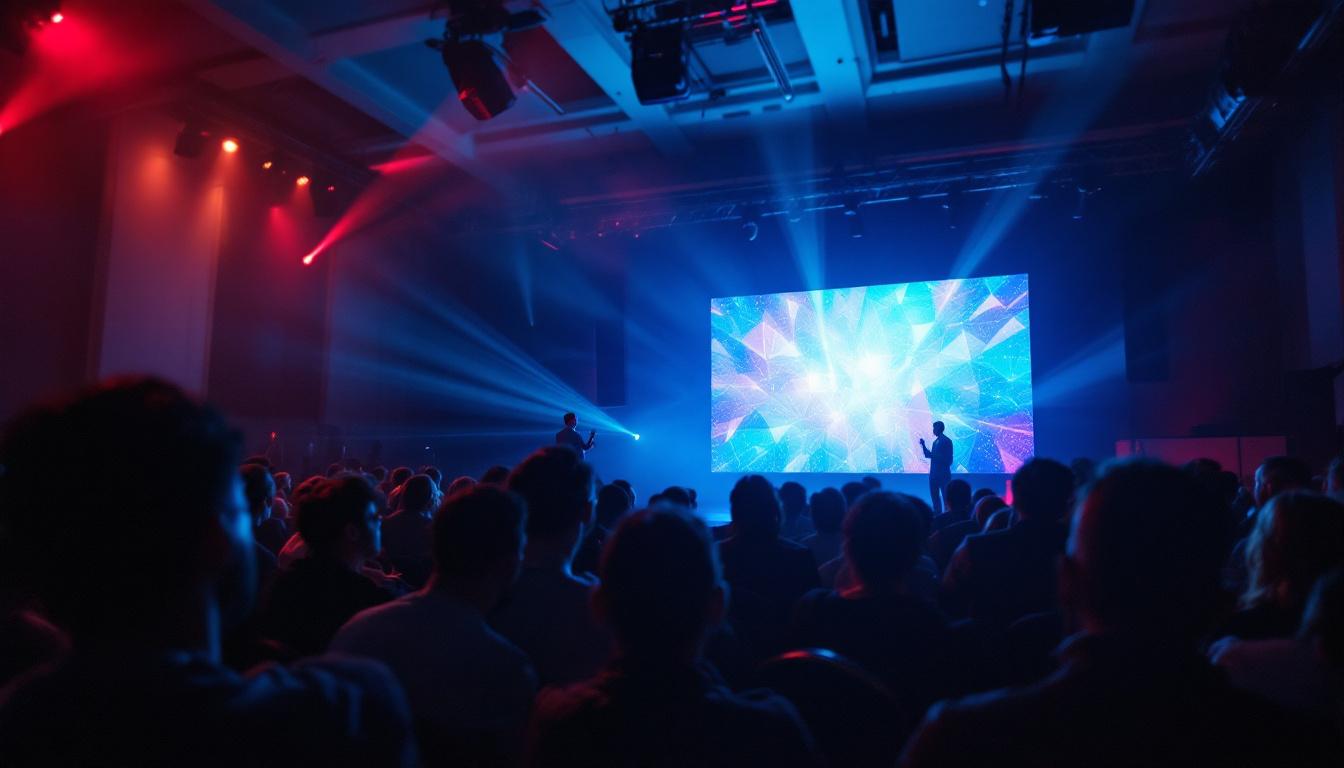
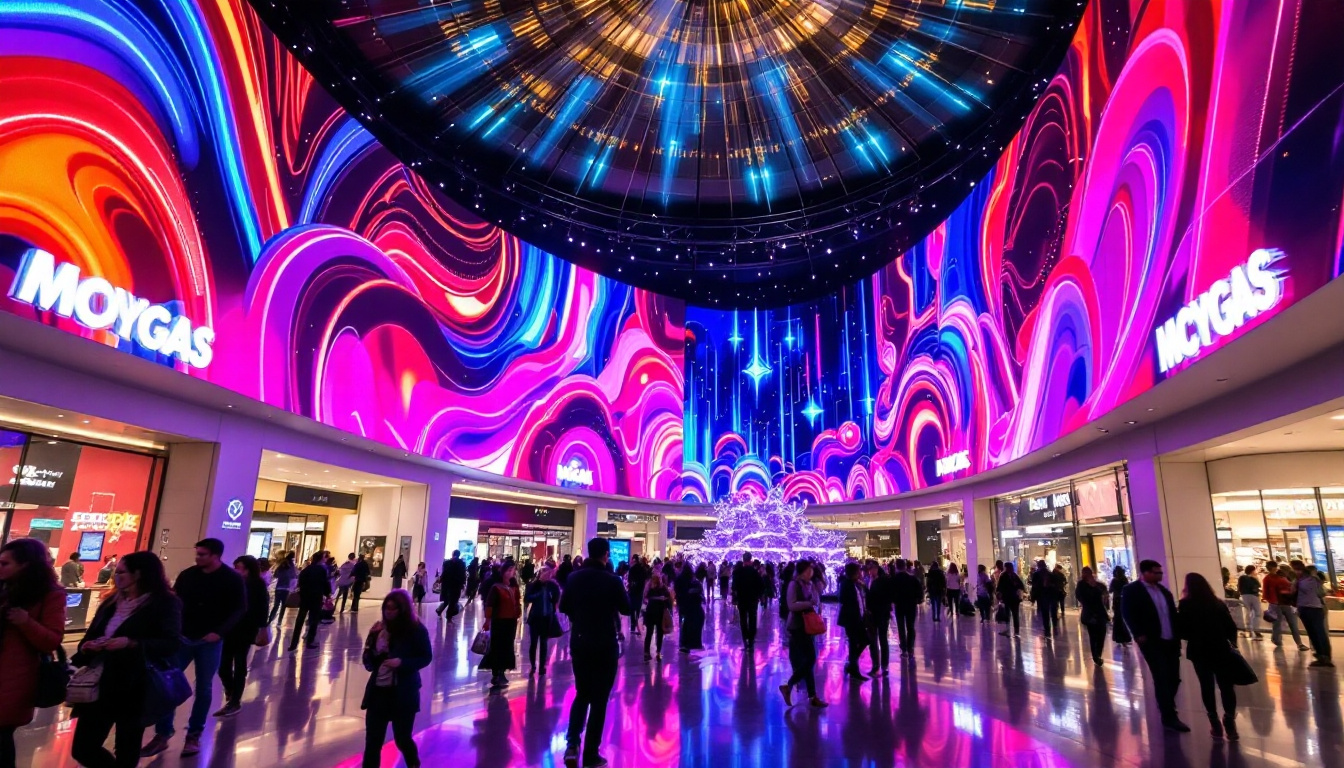
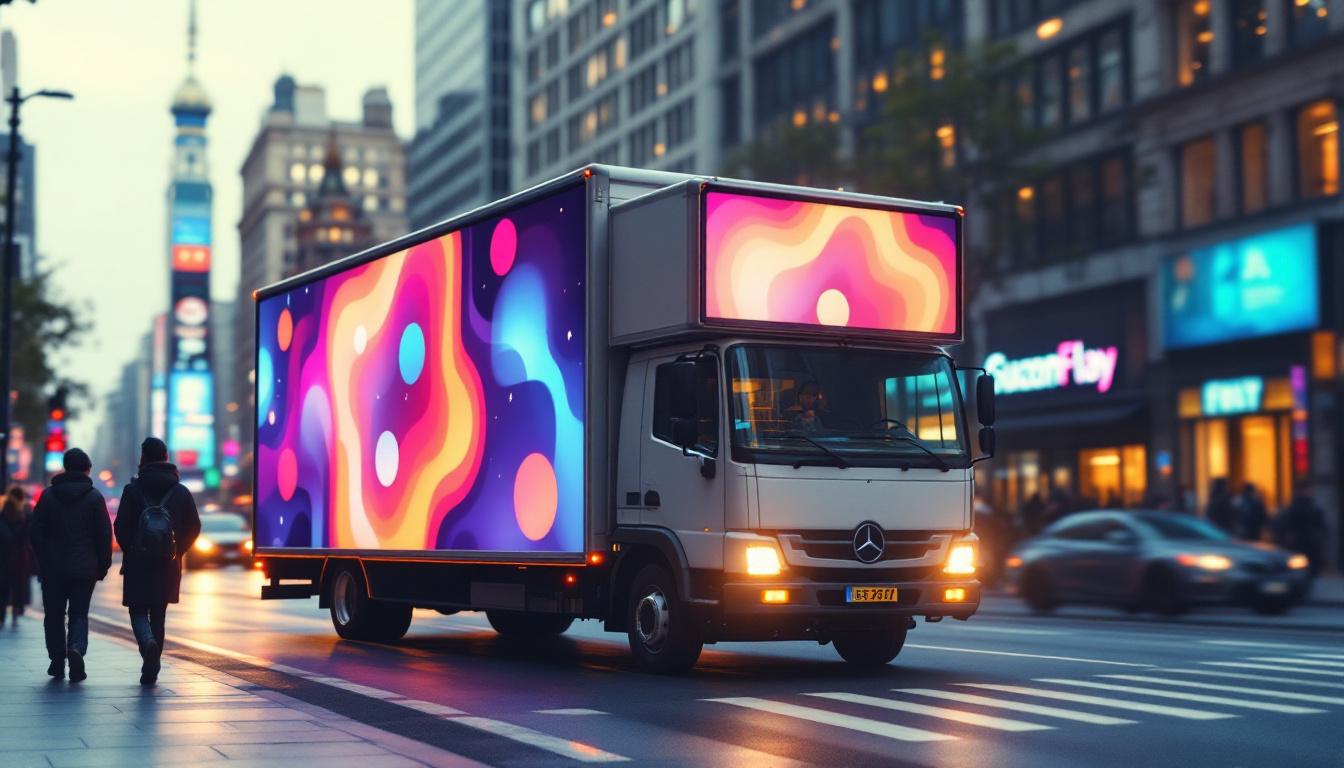
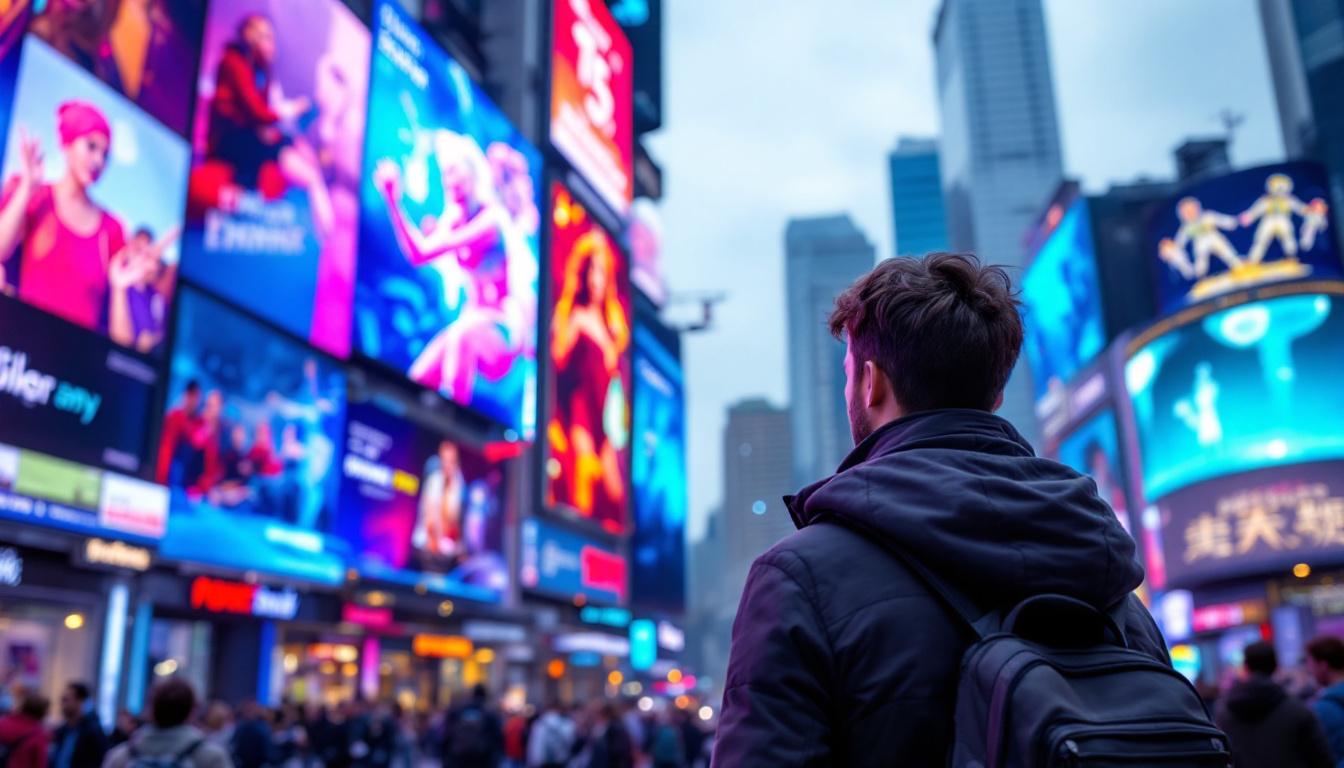
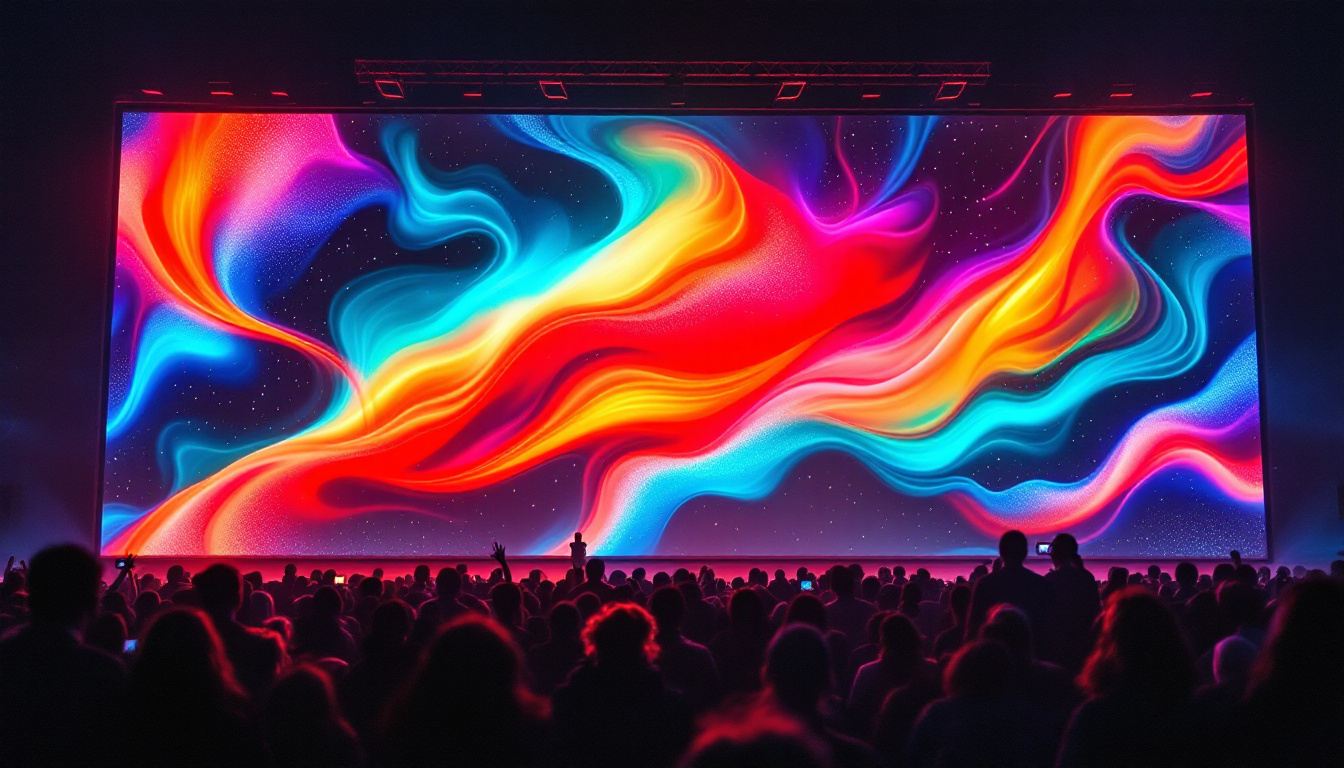
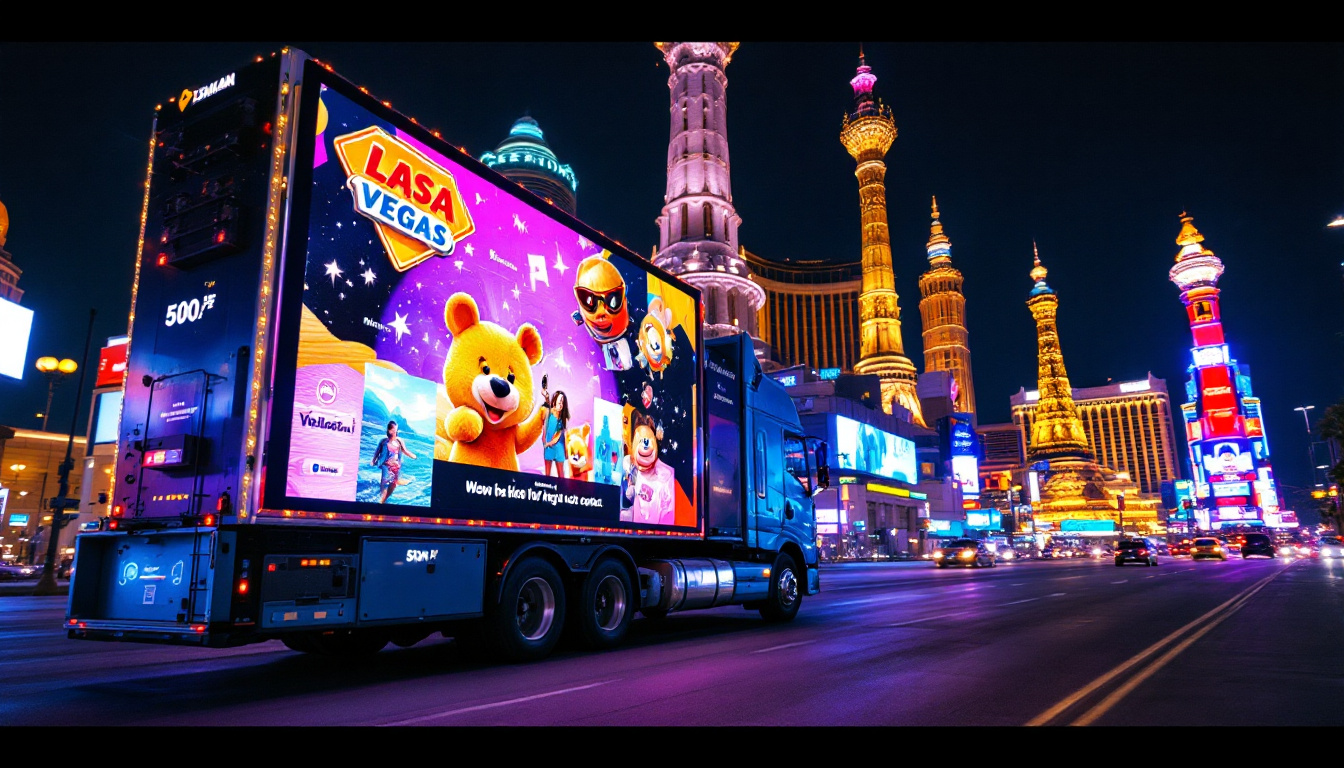
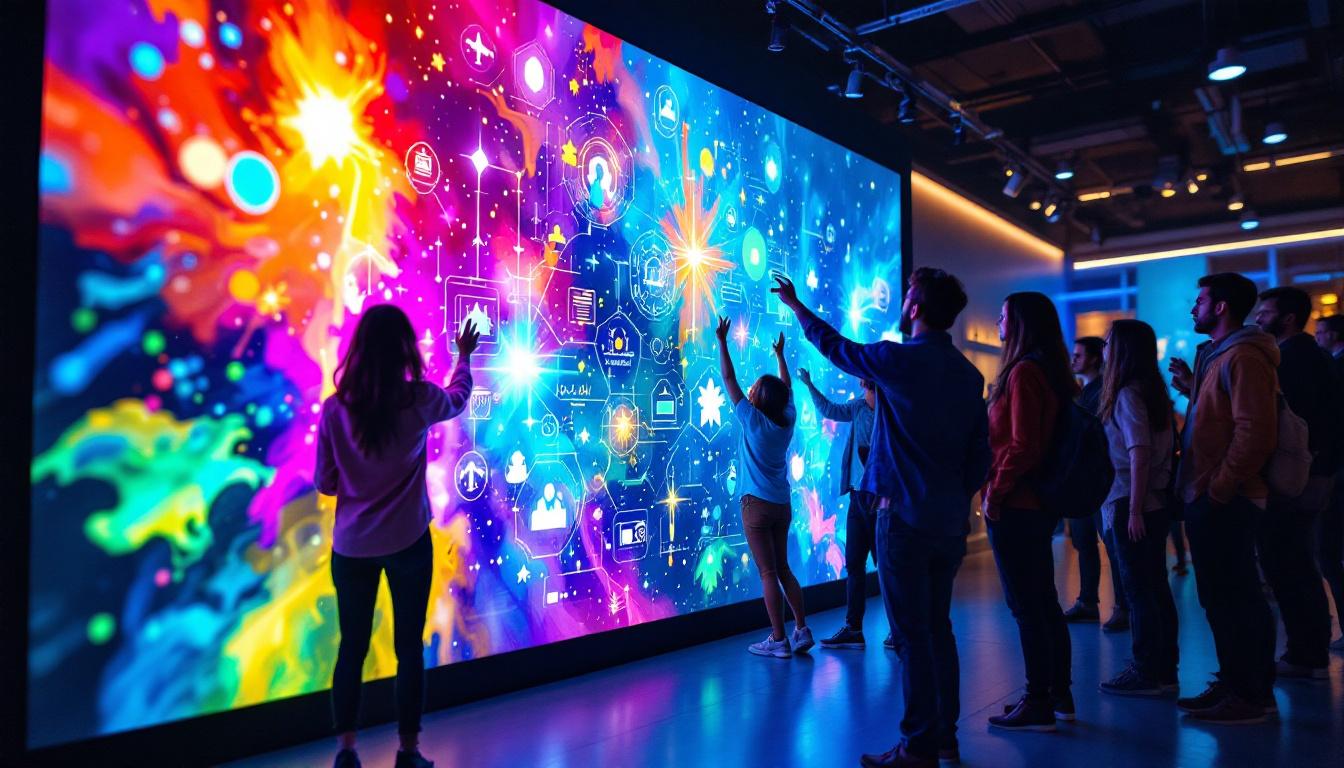
Beyond traditional filmmaking, LED wall technology is gaining traction in live events, advertising, and immersive experiences. Concerts and theater productions are utilizing LED backdrops to create dynamic stage environments, while brands employ LED walls for captivating digital signage and experiential marketing campaigns.
These applications highlight the versatility of LED display technology and its potential to transform various creative industries.
Technological Advancements on the Horizon
As LED panel technology continues to improve, future LED walls are expected to offer even higher resolutions, greater brightness, and enhanced color accuracy. Advances in real-time rendering and artificial intelligence may further streamline virtual production workflows, enabling more complex scenes and interactive environments.
Additionally, innovations such as microLED displays and flexible LED panels could lead to more adaptable and immersive set designs, expanding creative possibilities.
Challenges and Considerations
Despite its many advantages, the Mandalorian LED wall and similar virtual production setups present certain challenges that filmmakers must address.
High Initial Investment
The cost of building and maintaining an LED volume stage is substantial, often running into millions of dollars. This includes expenses for LED panels, rendering hardware, camera tracking systems, and skilled personnel. Smaller productions may find these costs prohibitive without access to shared facilities or rental options.
Technical Complexity
Operating an LED wall requires a multidisciplinary team proficient in virtual production, real-time graphics, lighting, and camera technology. Coordinating these elements demands meticulous planning and expertise to ensure seamless integration and avoid technical issues during shooting.
Limitations in Scale and Mobility
While LED walls offer impressive visual fidelity, they are generally fixed installations with limited portability. This can restrict location flexibility and require productions to adapt their shooting schedules and logistics accordingly.
Conclusion
The Mandalorian LED wall represents a landmark advancement in the art and science of filmmaking, blending cutting-edge LED display technology with real-time virtual production. By providing immersive, dynamic environments that actors and filmmakers can interact with directly, it enhances creative expression and streamlines production workflows.
As the technology matures and becomes more accessible, it is poised to redefine visual storytelling across multiple media, inspiring new forms of cinematic and experiential content. Understanding the capabilities, benefits, and challenges of LED wall technology is essential for industry professionals seeking to leverage its full potential in the evolving landscape of entertainment production.
Explore the Future of LED Technology with LumenMatrix
Ready to elevate your visual storytelling and create immersive experiences that captivate your audience? Discover the innovative LED display solutions offered by LumenMatrix. From Indoor and Outdoor LED Walls to Custom and Transparent Displays, LumenMatrix provides a wide array of cutting-edge products designed to revolutionize visual communication. Whether for film production, live events, or dynamic advertising, our LED displays ensure your message resonates with clarity and impact. Check out LumenMatrix LED Display Solutions today and join the forefront of digital signage technology.