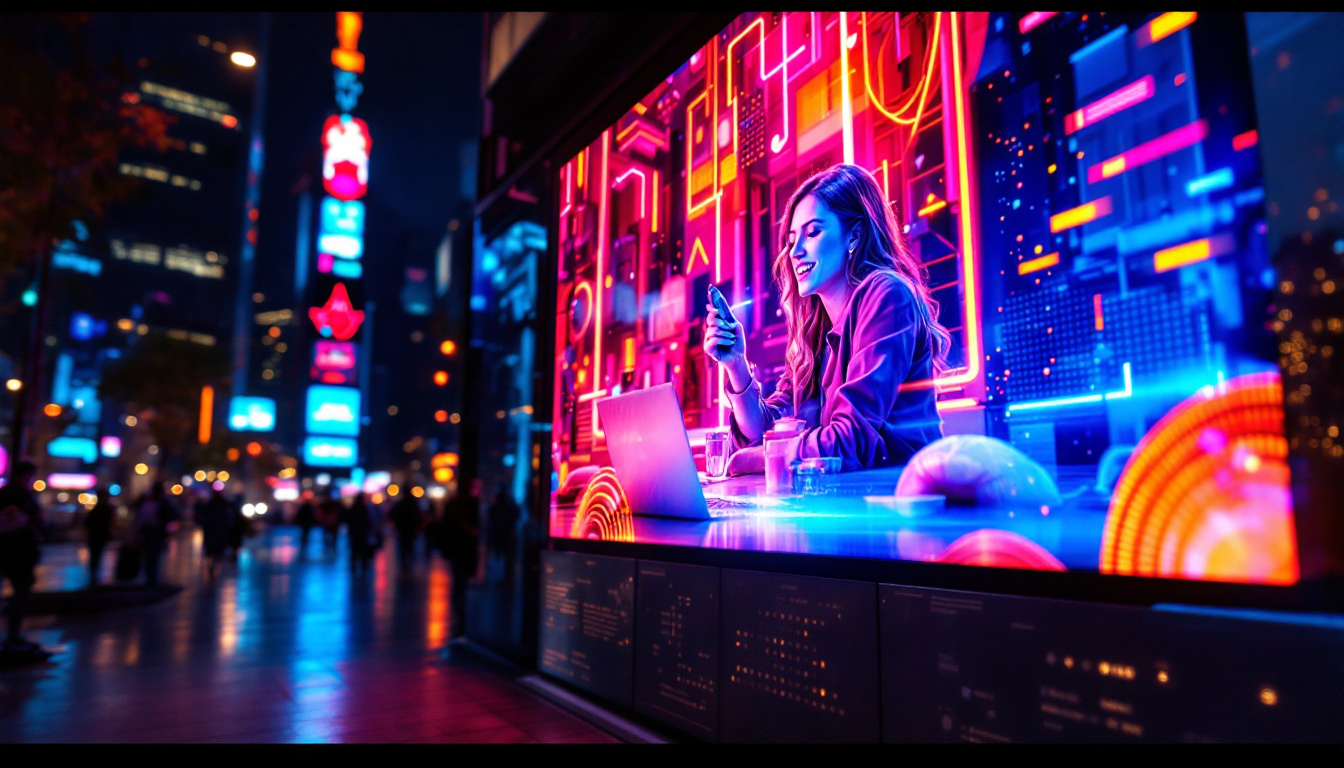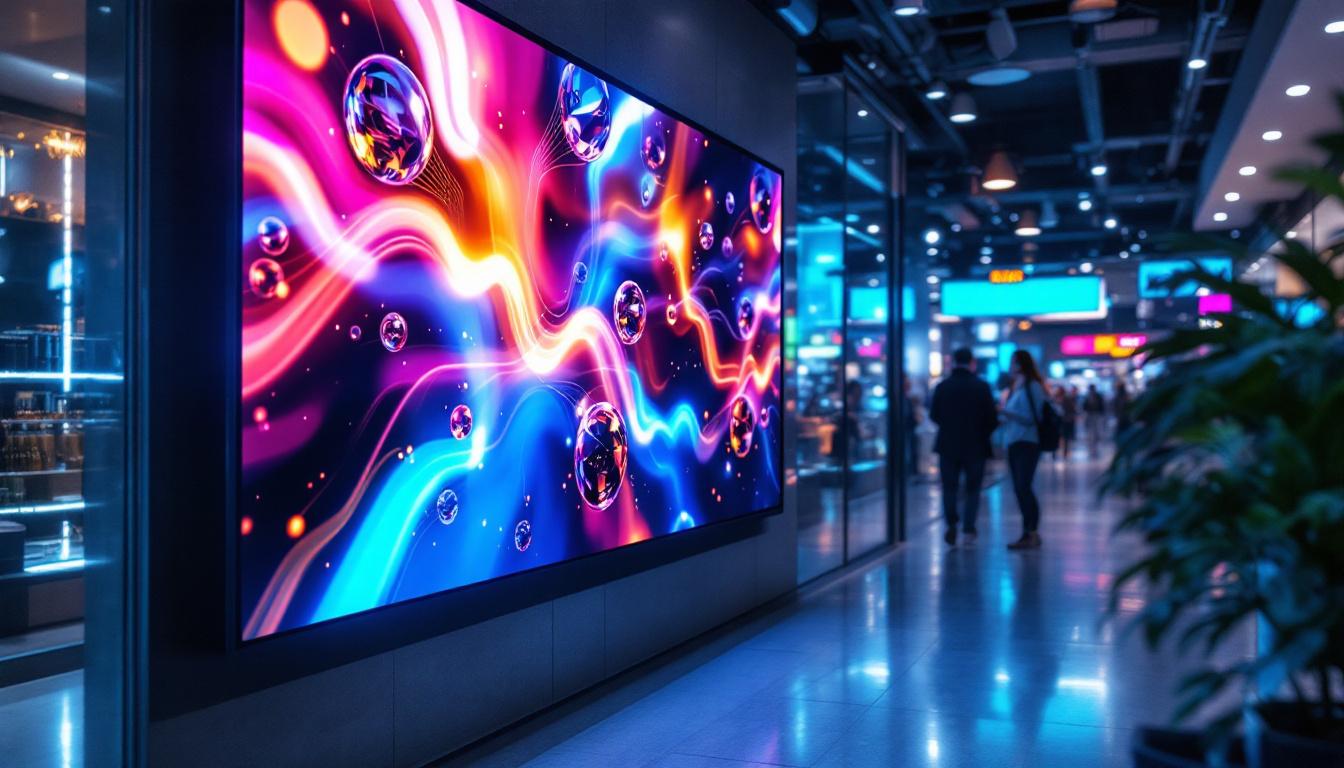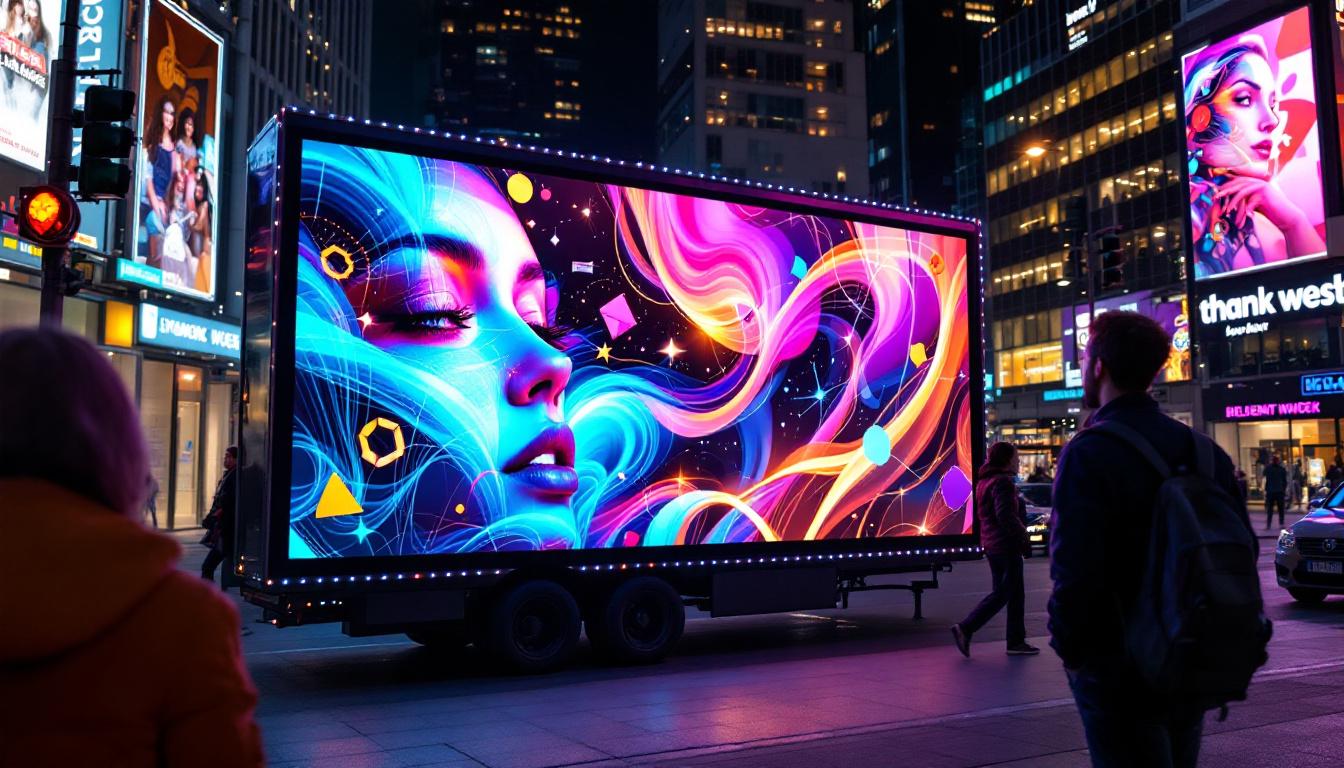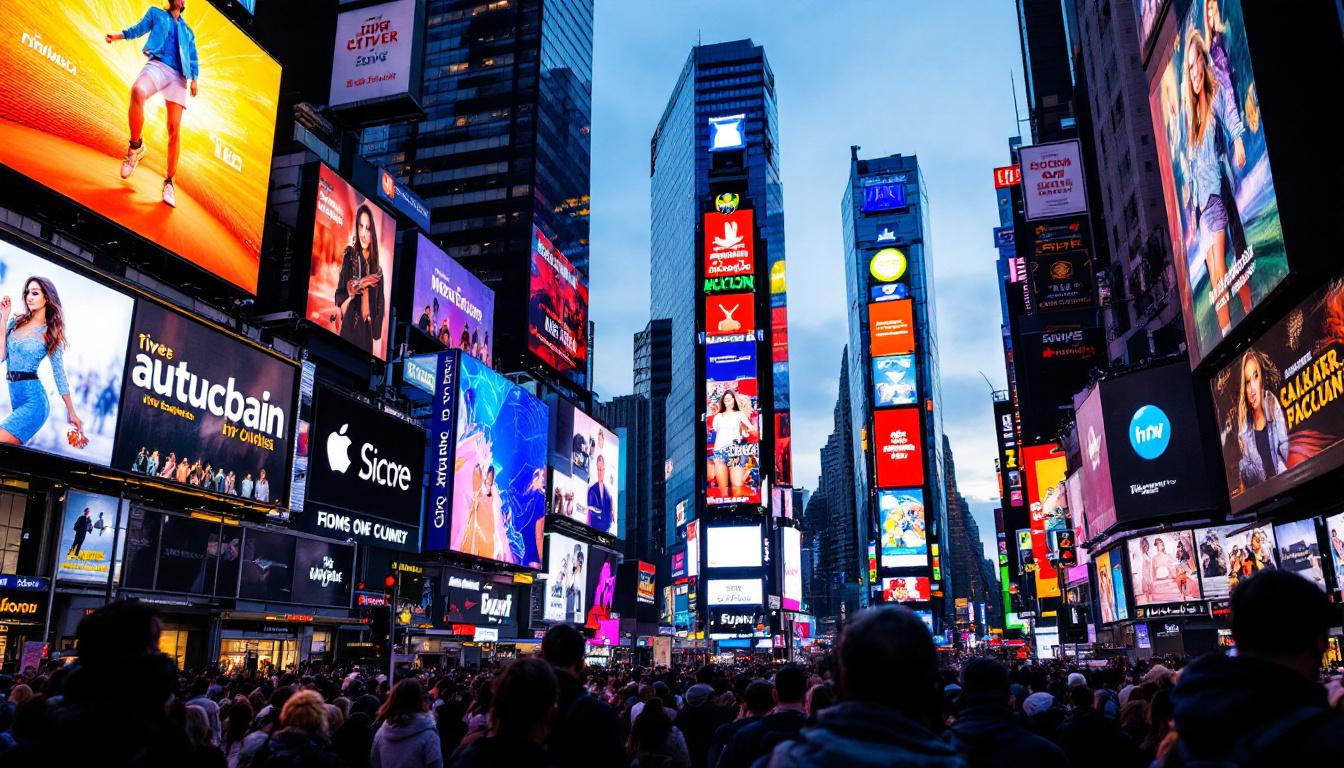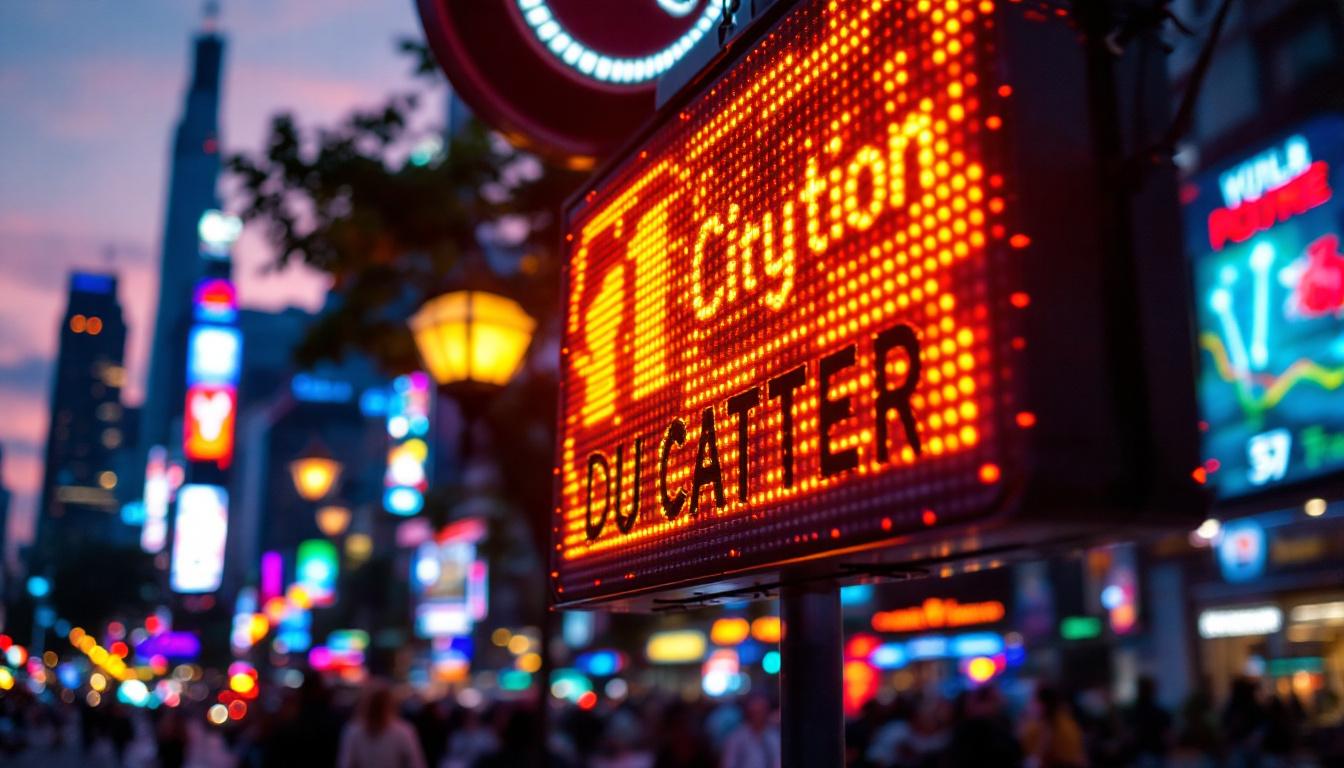
In today’s fast-paced world, capturing attention quickly and effectively is paramount for businesses and organizations alike. One of the most dynamic ways to achieve this is through LED outdoor signs. These vibrant, eye-catching displays have revolutionized advertising, public communication, and event promotion. But what exactly are LED outdoor signs, how do they work, and why have they become so popular? This comprehensive guide delves into the technology behind LED displays, their benefits, types, and practical applications to help you understand why they are a game-changer in outdoor signage.
Understanding LED Technology
What is an LED Display?
LED stands for Light Emitting Diode, a semiconductor device that emits light when an electric current passes through it. An LED display is a flat panel that uses an array of these tiny LEDs to create images, text, or video. Unlike traditional signage that relies on static prints or neon lights, LED displays are dynamic and programmable, allowing content to change instantly and attract more engagement.
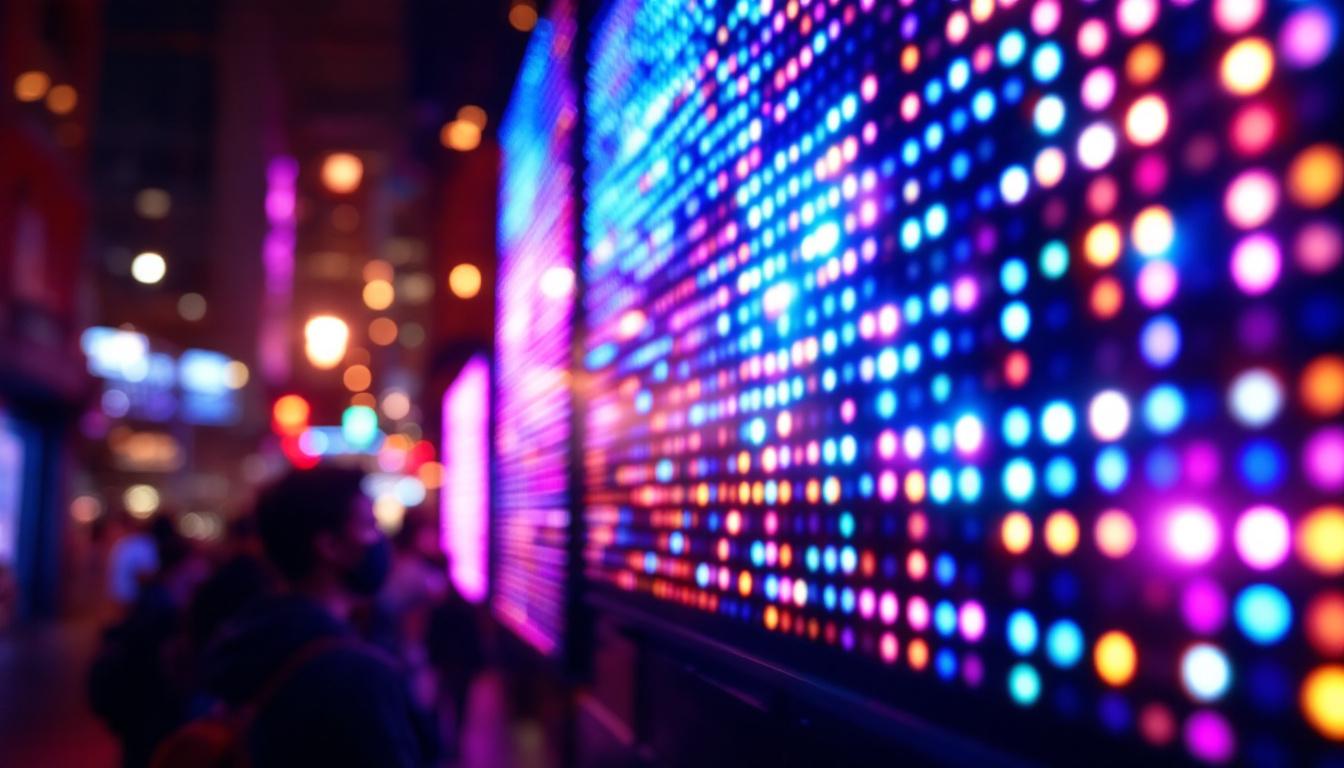
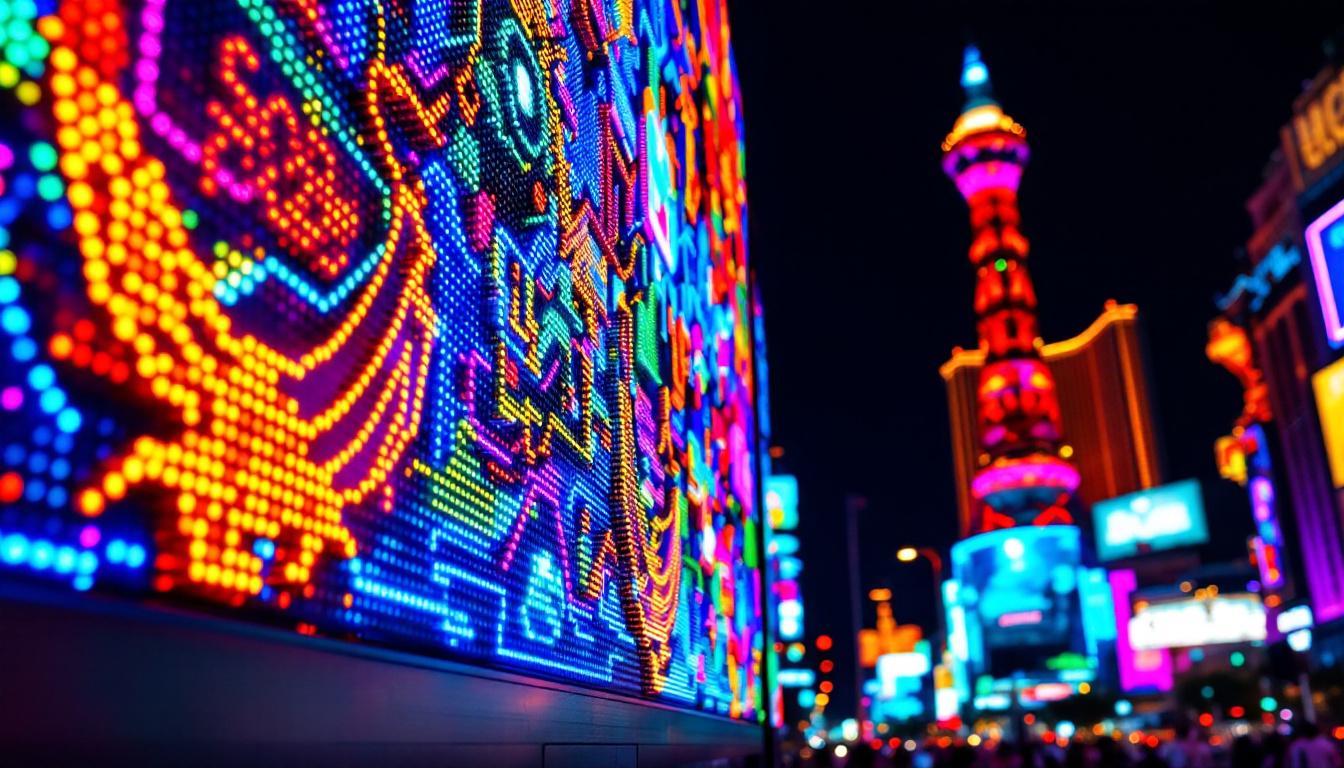
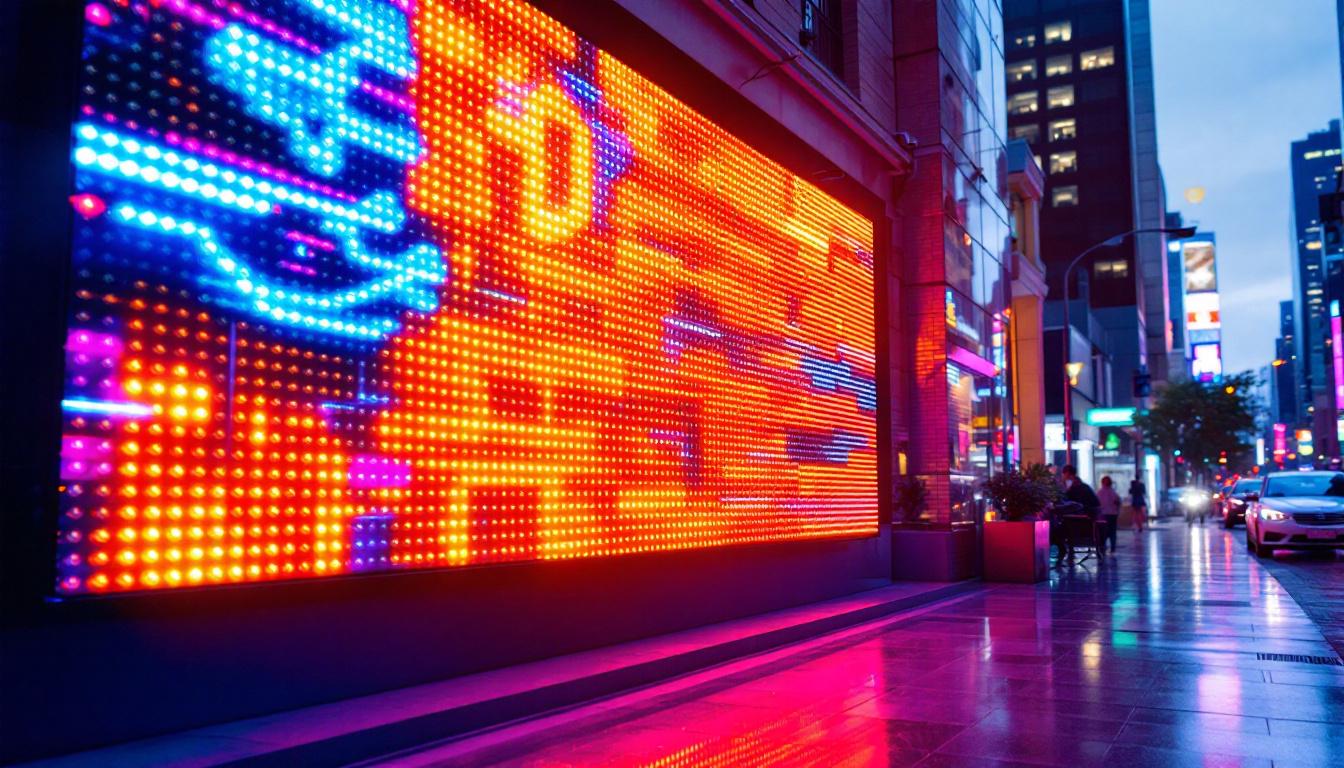
The LEDs in these displays are arranged in a grid pattern called pixels. Each pixel consists of one or more LEDs in red, green, and blue (RGB), which combine to produce a full spectrum of colors. This RGB system enables LED signs to display vivid, high-resolution images and videos, making them ideal for outdoor environments where visibility and brightness are critical. Furthermore, the ability to adjust color and brightness settings allows for a tailored viewing experience, ensuring that the display can be optimized for different times of day and varying ambient light conditions.
How Do LED Outdoor Signs Work?
LED outdoor signs operate by controlling the intensity of each LED pixel to form the desired image or message. A control system, often connected to a computer or cloud-based platform, sends signals to the display to update the content. This setup allows for real-time changes, scheduling, and remote management, which is particularly useful for businesses that want to tailor their messaging throughout the day or during special events. For instance, a restaurant could display breakfast specials in the morning and switch to dinner promotions in the evening, all without needing to physically change the sign.
One key feature of outdoor LED signs is their brightness. These displays are designed to be highly luminous, often exceeding 5,000 nits (a unit of brightness), ensuring visibility even in direct sunlight. Additionally, they are engineered to withstand harsh weather conditions, including rain, snow, and extreme temperatures, making them reliable for long-term outdoor use. The durability of these displays is further enhanced by protective casing and advanced cooling systems, which prevent overheating and ensure consistent performance. Moreover, many modern LED signs come equipped with sensors that automatically adjust brightness based on environmental light, optimizing energy consumption and enhancing the viewer’s experience.
Benefits of LED Outdoor Signs
Enhanced Visibility and Engagement
One of the primary advantages of LED outdoor signs is their ability to capture attention effectively. Studies show that digital signage can increase customer engagement by up to 30%, compared to static signs. The brightness, color vibrancy, and motion capabilities of LED displays make them stand out in busy environments, from bustling city streets to highway billboards.
Moreover, the dynamic nature of LED signs allows businesses to showcase multiple messages or promotions in a single location. This flexibility can lead to higher recall rates among viewers and better conversion rates for advertisers.
Cost-Effectiveness Over Time
While the initial investment in LED outdoor signs may be higher than traditional signage, the long-term benefits often outweigh the costs. LEDs consume significantly less energy than other lighting technologies, reducing electricity bills. Their longevity is another factor; LEDs can last upwards of 100,000 hours, minimizing maintenance and replacement expenses.
Additionally, the ability to update content digitally eliminates the recurring costs of printing and installing new signs. This adaptability means businesses can respond swiftly to market trends, seasonal promotions, or emergency communications without additional expenses.
Environmental Sustainability
LED technology is more environmentally friendly compared to conventional lighting and signage methods. LEDs are energy-efficient, producing less heat and consuming less power. This efficiency contributes to a lower carbon footprint, which aligns with the growing demand for sustainable business practices.
Furthermore, the durability of LED signs reduces waste generated from frequent replacements of printed materials or incandescent bulbs. Many manufacturers also use recyclable materials in their LED sign construction, further enhancing their eco-friendly profile.
Types of LED Outdoor Signs
Single-Color LED Signs
Single-color LED signs use LEDs of one color, typically red or amber. These signs are often used for simple messages such as temperature displays, time, or basic scrolling text. They are cost-effective and consume less power, making them suitable for businesses with straightforward communication needs.
Full-Color LED Displays
Full-color LED signs utilize RGB LEDs to produce a wide range of colors and high-resolution images. These displays are capable of showing videos, animations, and complex graphics, making them popular for advertising, entertainment venues, and public information boards.
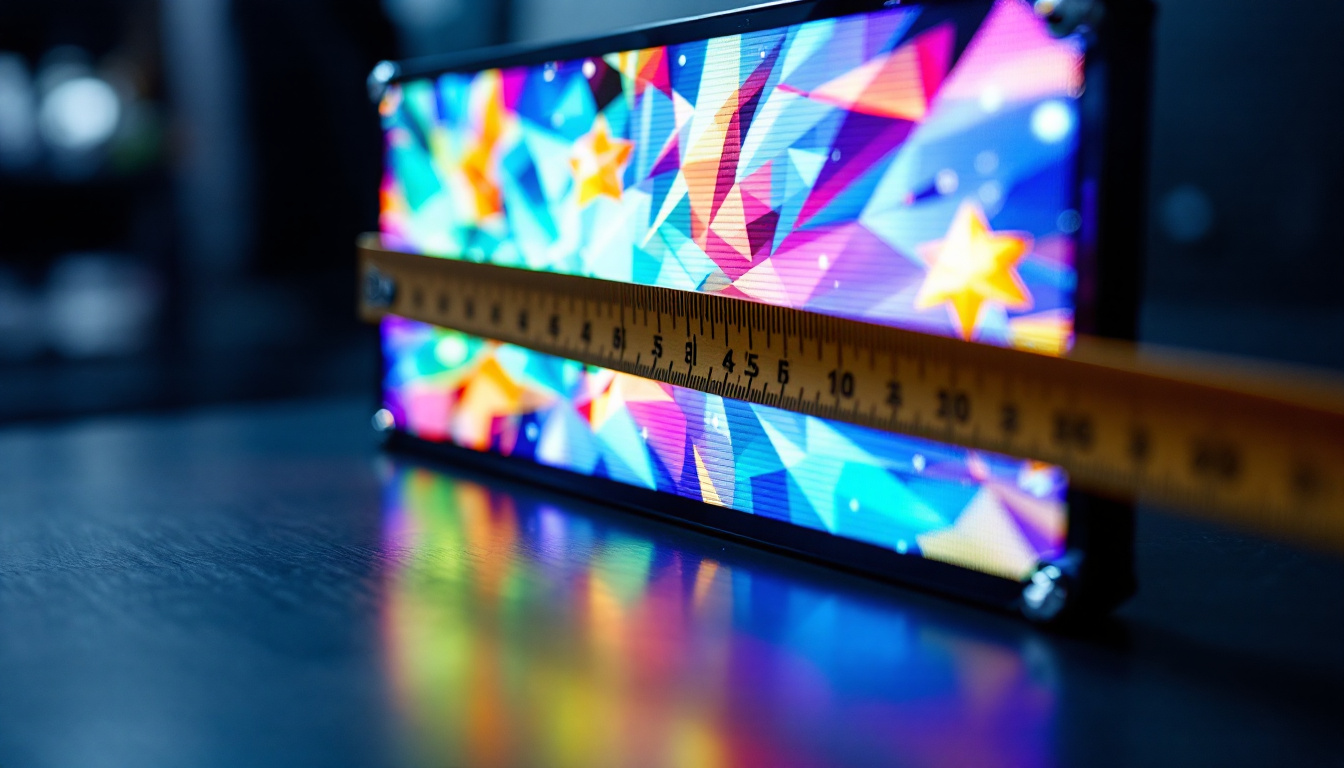
Full-color displays vary in pixel pitch—the distance between individual pixels—which affects image clarity and viewing distance. For outdoor applications, a pixel pitch between 6mm and 20mm is common, balancing resolution and visibility from afar.
Transparent LED Displays
Transparent LED displays are an innovative type of signage that allows light to pass through the screen. These are often integrated into glass windows or building facades, providing advertising opportunities without obstructing natural light or views. This technology is gaining traction in retail and commercial architecture for its aesthetic appeal and functionality.
Flexible and Curved LED Signs
Advancements in LED technology have also led to flexible and curved LED displays. These can be shaped to fit unique architectural features or creative installations, offering brands the ability to stand out with custom designs. Their versatility expands the possibilities for outdoor signage beyond traditional flat panels.
Applications of LED Outdoor Signs
Retail and Commercial Advertising
Retailers leverage LED outdoor signs to attract customers, promote sales, and enhance brand visibility. The ability to display vibrant, changing content helps stores stay competitive and relevant in crowded marketplaces. For example, LED billboards along highways can reach thousands of commuters daily, delivering targeted messages effectively.
Transportation and Public Information
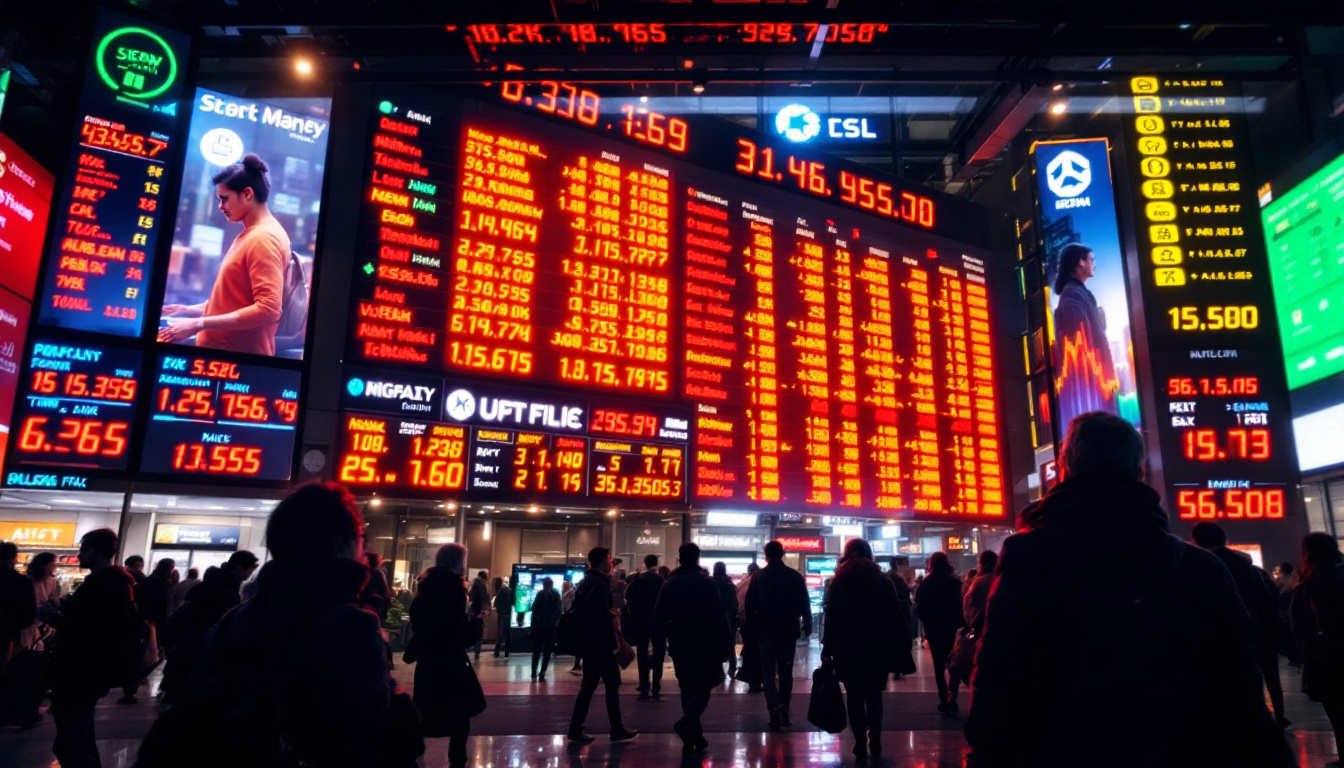
LED signs are widely used in transportation hubs such as airports, bus stations, and train platforms. They provide real-time updates on schedules, delays, and safety information. Their clarity and brightness ensure that commuters receive critical information promptly, improving overall travel experience and safety.
Sports and Entertainment Venues
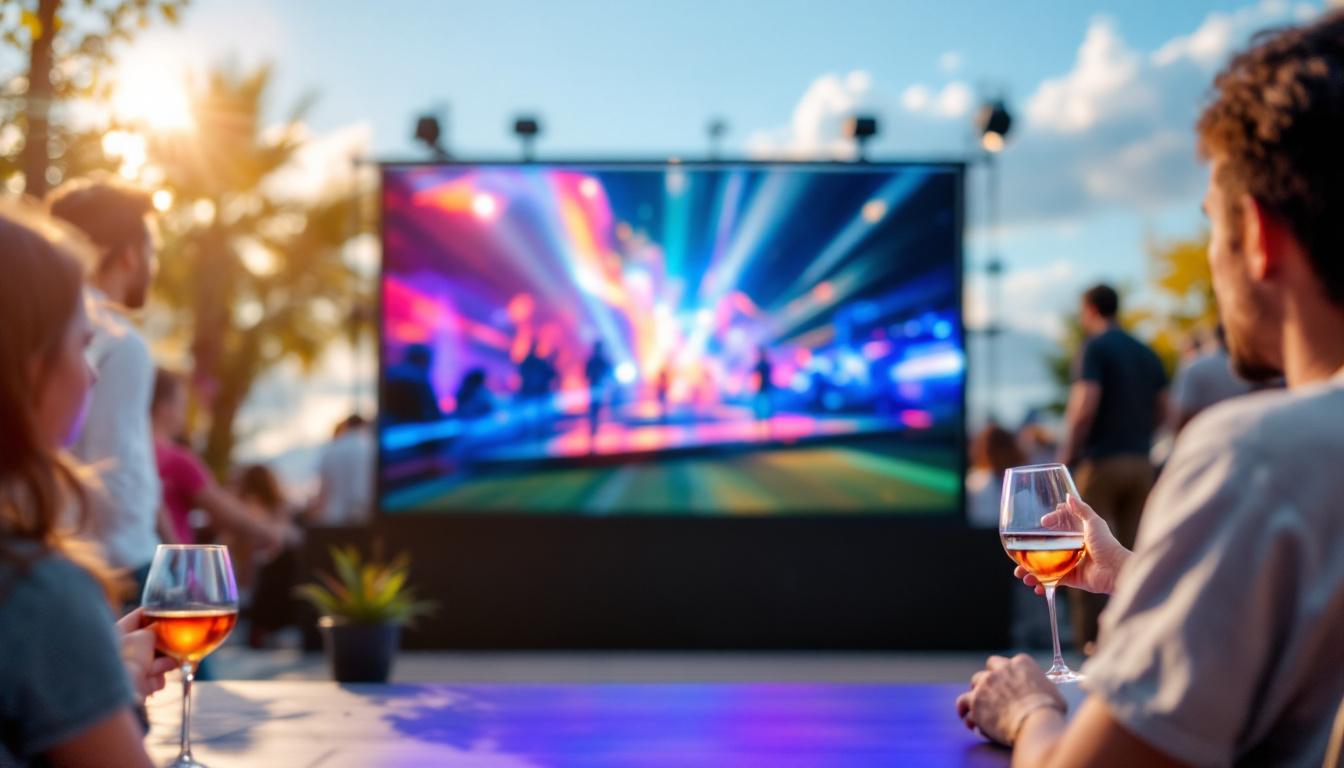
Stadiums and arenas utilize large-scale LED displays to engage audiences with live scores, replays, advertisements, and interactive content. These signs enhance the atmosphere and provide additional revenue streams through advertising partnerships.
Government and Emergency Services
Municipalities use LED outdoor signs for public announcements, traffic management, and emergency alerts. Their ability to broadcast urgent messages quickly and clearly is invaluable during natural disasters, road closures, or public safety campaigns.
Choosing the Right LED Outdoor Sign
Assessing Your Needs and Budget
Selecting the appropriate LED sign depends on several factors, including the intended use, location, viewing distance, and budget. For instance, a small business might prioritize a single-color scrolling sign for basic messaging, while a large corporation may invest in a full-color, high-resolution display for maximum impact.
Understanding the environment is also crucial. Signs exposed to direct sunlight require higher brightness levels, while those in shaded or nighttime settings can use lower brightness to save energy.
Installation and Maintenance Considerations
Proper installation is essential to ensure the longevity and performance of LED outdoor signs. This includes secure mounting, weatherproofing, and electrical safety compliance. Many providers offer turnkey solutions that include installation and ongoing maintenance services.
Regular maintenance, such as cleaning and software updates, helps maintain image quality and operational reliability. Choosing a sign with modular components can simplify repairs and reduce downtime.
Regulatory Compliance
Outdoor signage is subject to local regulations regarding size, brightness, location, and content. It is important to consult with municipal authorities or signage experts to ensure compliance and avoid fines or forced removal. Some areas have restrictions on digital billboards to prevent driver distraction, so understanding these rules is critical.
Future Trends in LED Outdoor Signage
Integration with Smart Technologies
The future of LED outdoor signs is closely tied to smart technology integration. Signs equipped with sensors, cameras, and AI can adapt content based on audience demographics, weather conditions, or traffic patterns. This personalized approach increases relevance and engagement.
Energy Efficiency Improvements
Ongoing advancements in LED technology continue to improve energy efficiency and reduce operational costs. Innovations such as micro-LEDs and organic LEDs (OLEDs) promise even brighter displays with lower power consumption and thinner form factors.
Augmented Reality and Interactive Displays
Emerging trends include combining LED signage with augmented reality (AR) and interactive elements. This creates immersive experiences that blend digital content with the physical environment, offering new ways for brands to connect with audiences.
Conclusion
LED outdoor signs represent a powerful tool for communication and advertising in the modern world. Their brightness, versatility, and dynamic capabilities make them ideal for a wide range of applications, from retail promotions to public safety announcements. Understanding the technology, benefits, and options available helps businesses and organizations make informed decisions that maximize impact and return on investment.
As LED technology continues to evolve, the possibilities for creative and effective outdoor signage will only expand, making it an exciting area to watch for marketers, city planners, and technology enthusiasts alike.
Illuminate Your Message with LumenMatrix
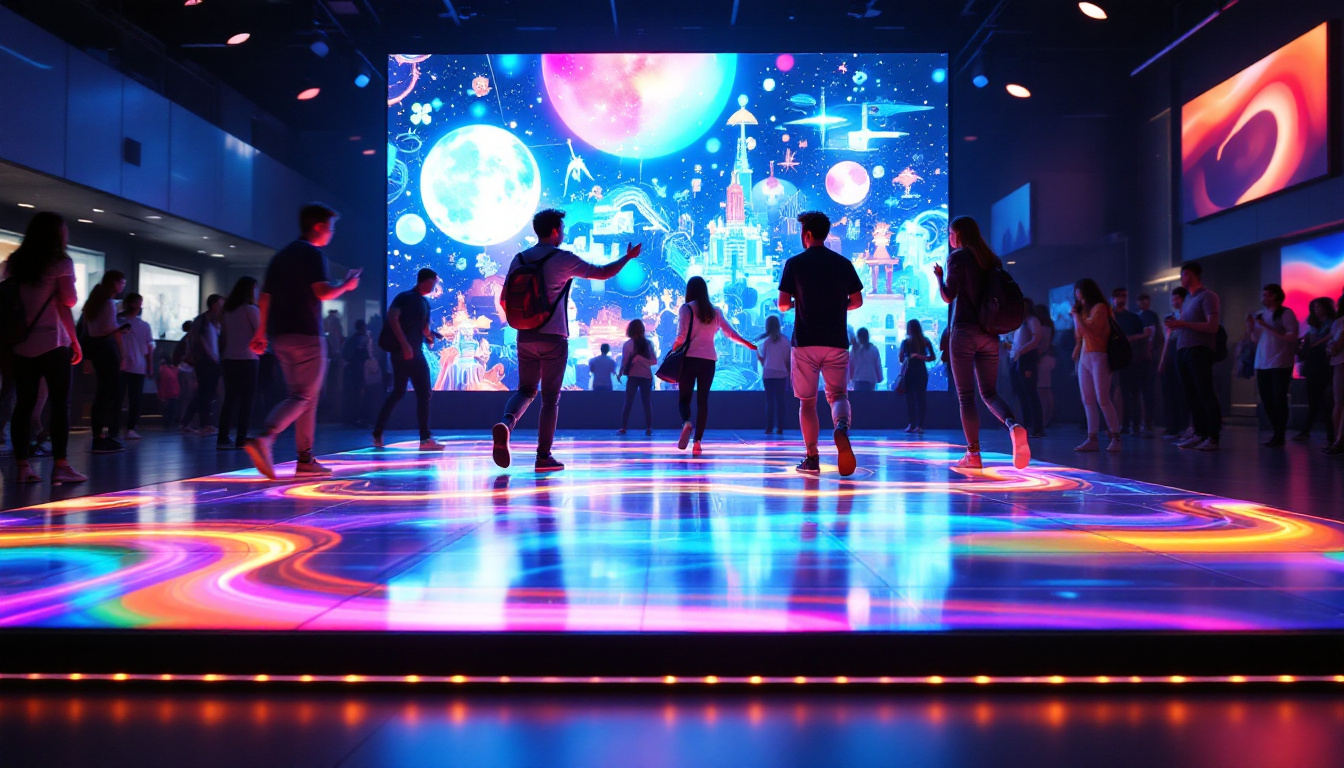
Ready to elevate your outdoor advertising and communication? Discover the transformative power of LumenMatrix’s advanced LED display solutions. From vibrant Outdoor LED Wall Displays to interactive Floor LED Displays, our innovative products are designed to captivate your audience and amplify your brand’s presence. Embrace the future of visual storytelling with our Custom LED Displays and All-in-One LED Display solutions. Check out LumenMatrix LED Display Solutions today and start creating unforgettable visual experiences.