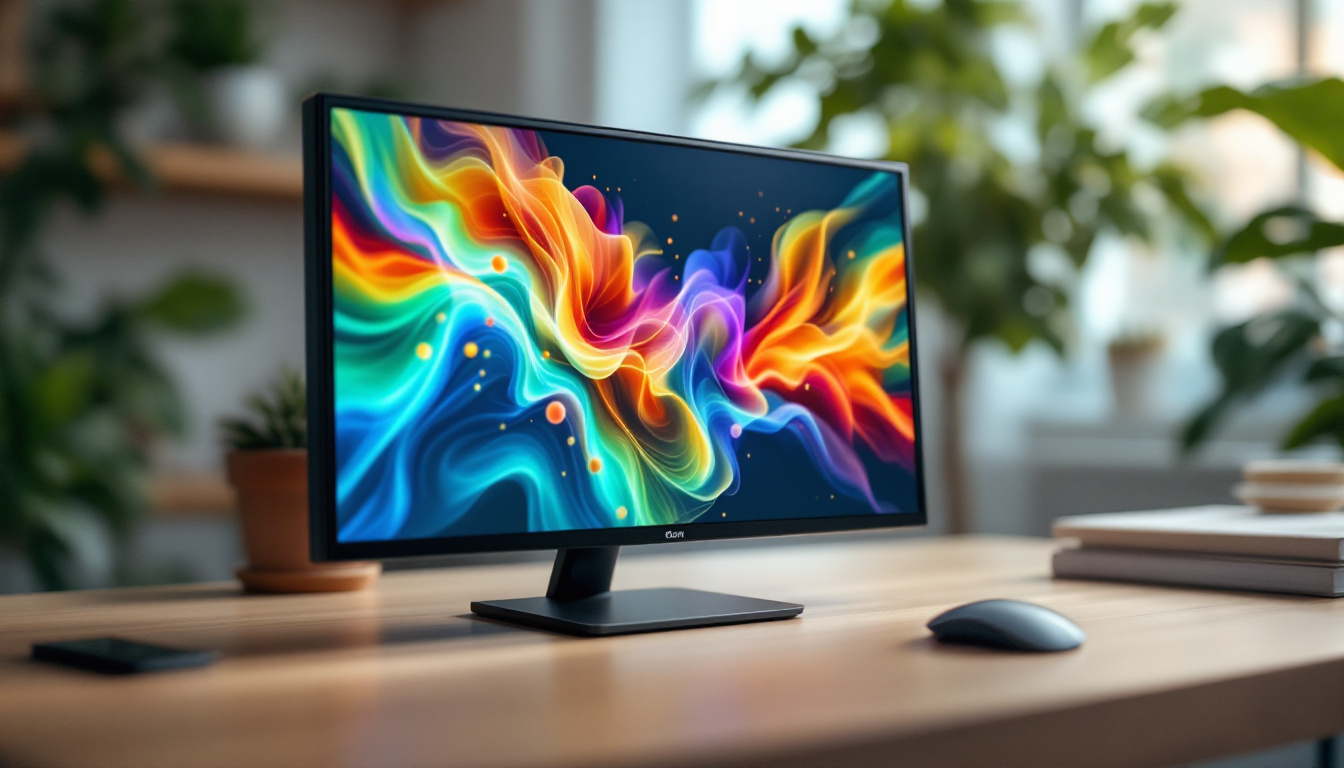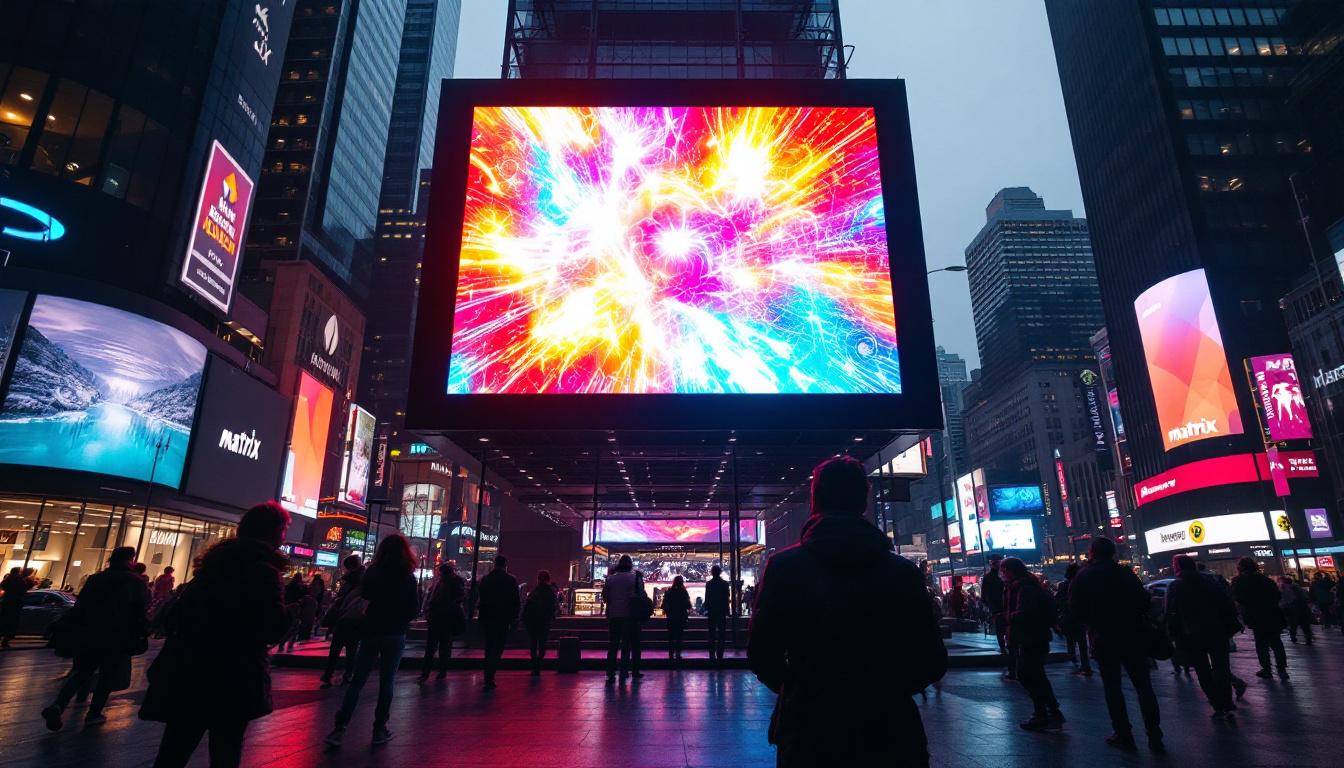
In today’s fast-evolving digital landscape, LED displays have become a cornerstone of visual communication. From massive outdoor billboards to indoor video walls, LED technology offers unparalleled brightness, clarity, and versatility. This article explores the fundamentals of LED displays, their applications, and the innovations driving their growth, with a particular focus on matrix visual solutions.
Understanding LED Display Technology
LED stands for Light Emitting Diode, a semiconductor device that emits light when an electric current passes through it. LED displays are composed of thousands, sometimes millions, of these tiny diodes arranged in a matrix format to create images and videos. This technology has revolutionized the way we experience visual content, offering unparalleled clarity and brightness compared to older display technologies.
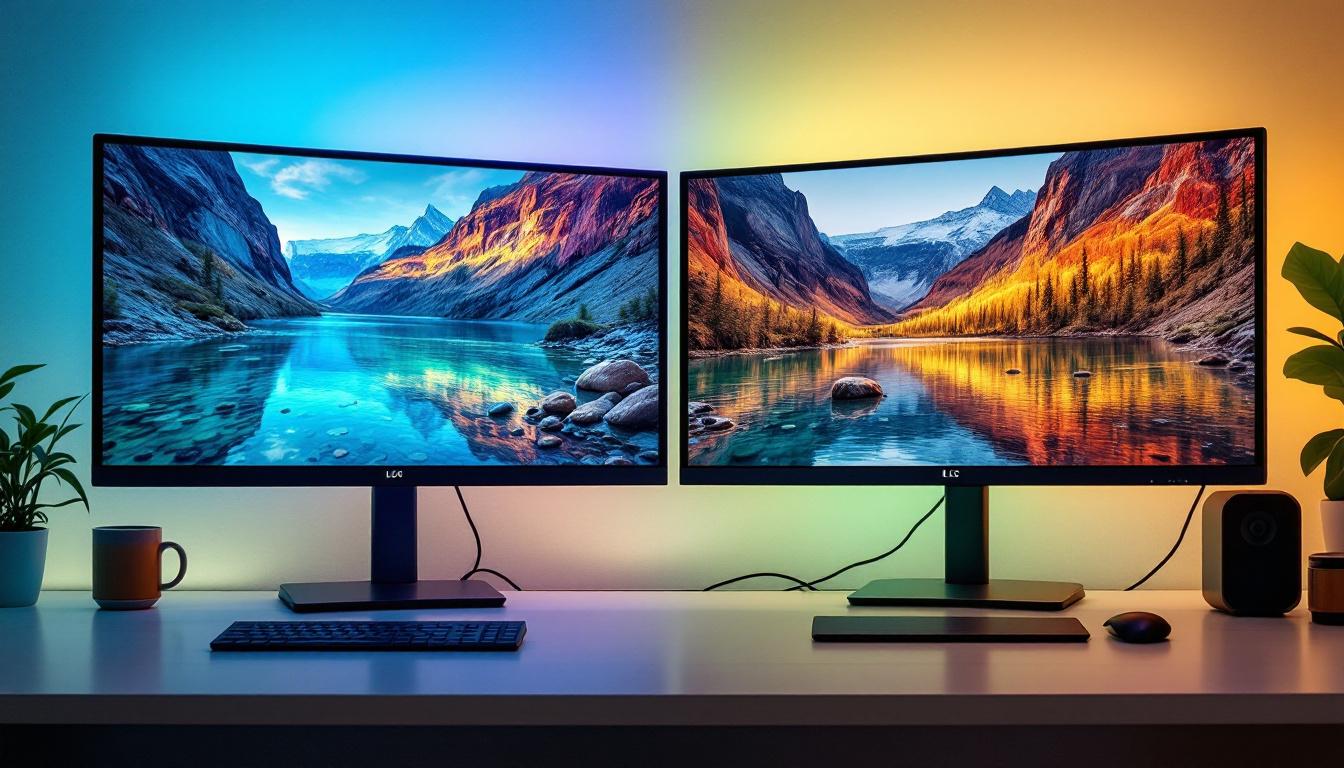
The matrix structure is critical because it allows precise control over each individual LED, enabling the display to produce vibrant, high-resolution visuals. Unlike traditional LCD or projection displays, LEDs emit their own light, which results in superior brightness and contrast ratios. This self-emitting characteristic not only enhances visibility in various lighting conditions but also contributes to energy efficiency, making LED displays a more sustainable choice for large-scale installations.
How LED Matrix Displays Work
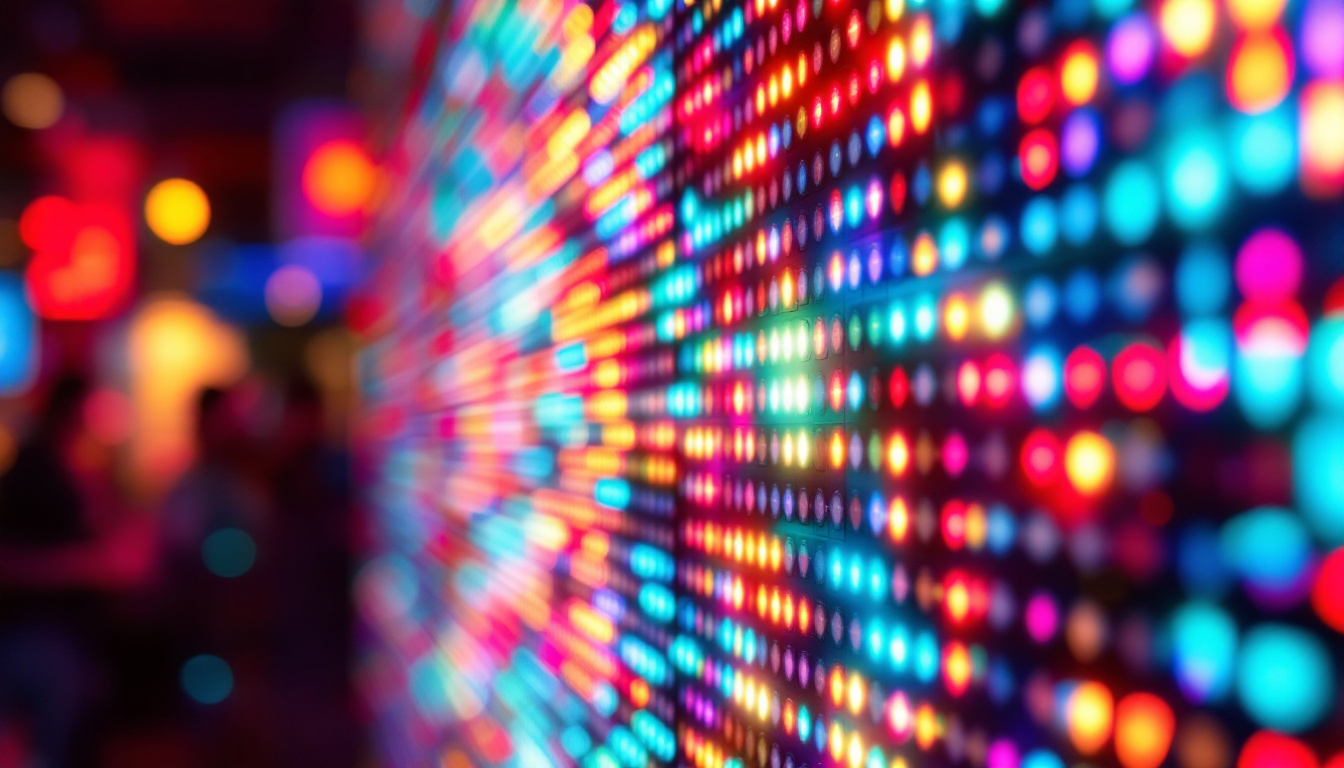
At the heart of an LED display is the pixel matrix. Each pixel consists of one or more LEDs, typically red, green, and blue (RGB), which combine to produce a full spectrum of colors. The display controller manages the intensity of each diode, adjusting brightness and color to render the desired image. This sophisticated control system allows for real-time updates and dynamic content, making LED displays ideal for environments that require quick changes, such as sports arenas or concert venues.
The matrix configuration refers to the grid-like layout of these pixels. For example, a 1920×1080 LED display contains a matrix of 2,073,600 pixels arranged in 1920 columns and 1080 rows. This precise arrangement allows for detailed and dynamic content presentation. The ability to manipulate individual pixels also enables advanced visual effects, such as animations and transitions, which can captivate audiences and enhance storytelling in advertising and entertainment.
Types of LED Displays
LED displays come in various forms, primarily categorized by pixel pitch, size, and application:
- Indoor LED Displays: Designed for close-range viewing, these displays have a smaller pixel pitch (often less than 2mm) to ensure high resolution and fine detail. They are commonly used in shopping malls, conference rooms, and theaters, where clarity is paramount.
- Outdoor LED Displays: Built to withstand harsh weather conditions, these typically have a larger pixel pitch (ranging from 4mm to 20mm or more) to maintain visibility over long distances. Their rugged design allows them to perform reliably in rain, snow, and direct sunlight, making them perfect for billboards and public information displays.
- Flexible and Transparent LED Displays: Innovative designs allow for curved or see-through installations, expanding creative possibilities in retail, architecture, and events. These displays can be integrated into windows or walls, providing a seamless blend of digital content with the physical environment, which is particularly appealing in modern urban design.
In addition to these types, LED technology continues to evolve, with advancements such as microLED and miniLED displays gaining traction. MicroLED technology utilizes microscopic LEDs to create even smaller and more efficient displays, promising higher resolutions and improved color accuracy. Meanwhile, miniLEDs offer enhanced backlighting for LCDs, providing better contrast and brightness control, thus bridging the gap between traditional LCDs and full LED displays. As these innovations emerge, the potential applications for LED technology expand, paving the way for more immersive and engaging visual experiences across various industries.
Advantages of Matrix LED Displays
Matrix LED displays offer numerous benefits that make them the preferred choice for a wide range of applications. Their unique combination of features addresses many limitations found in other display technologies.
Superior Brightness and Visibility
One of the most significant advantages of LED displays is their brightness. Typical LED screens can achieve brightness levels exceeding 5,000 nits, making them easily visible even in direct sunlight. This capability is essential for outdoor advertising, stadium screens, and transportation hubs where ambient light conditions vary dramatically. Furthermore, the high contrast ratio of LED displays enhances image clarity, ensuring that even intricate details are discernible from a distance. This feature is particularly beneficial for events like concerts or sports games, where audience engagement relies heavily on the visibility of the displayed content.
Energy Efficiency and Longevity
LEDs are inherently energy-efficient compared to traditional lighting and display technologies. They consume less power while delivering bright, vibrant images. Additionally, LED displays have a long operational lifespan, often exceeding 100,000 hours, which reduces maintenance costs and downtime. This longevity not only translates to lower operational costs but also minimizes the environmental impact associated with frequent replacements and waste. As businesses increasingly prioritize sustainability, the eco-friendly nature of LED technology becomes a compelling selling point, appealing to both consumers and corporate responsibility initiatives.
Scalability and Customization
The modular nature of matrix LED displays allows for flexible sizing and shapes. Whether it’s a small retail sign or a massive video wall covering an entire building facade, LED panels can be combined seamlessly. This scalability makes them suitable for diverse environments and creative projects. Additionally, the ability to customize the content displayed on these screens in real-time allows businesses to adapt their messaging according to specific events, promotions, or audience demographics. This dynamic capability not only enhances engagement but also provides a platform for innovative marketing strategies that can capture the attention of passersby in a saturated advertising landscape.
Applications of Matrix LED Displays
Matrix LED displays are utilized across numerous industries, each leveraging their unique capabilities to enhance communication and engagement.
Advertising and Digital Signage
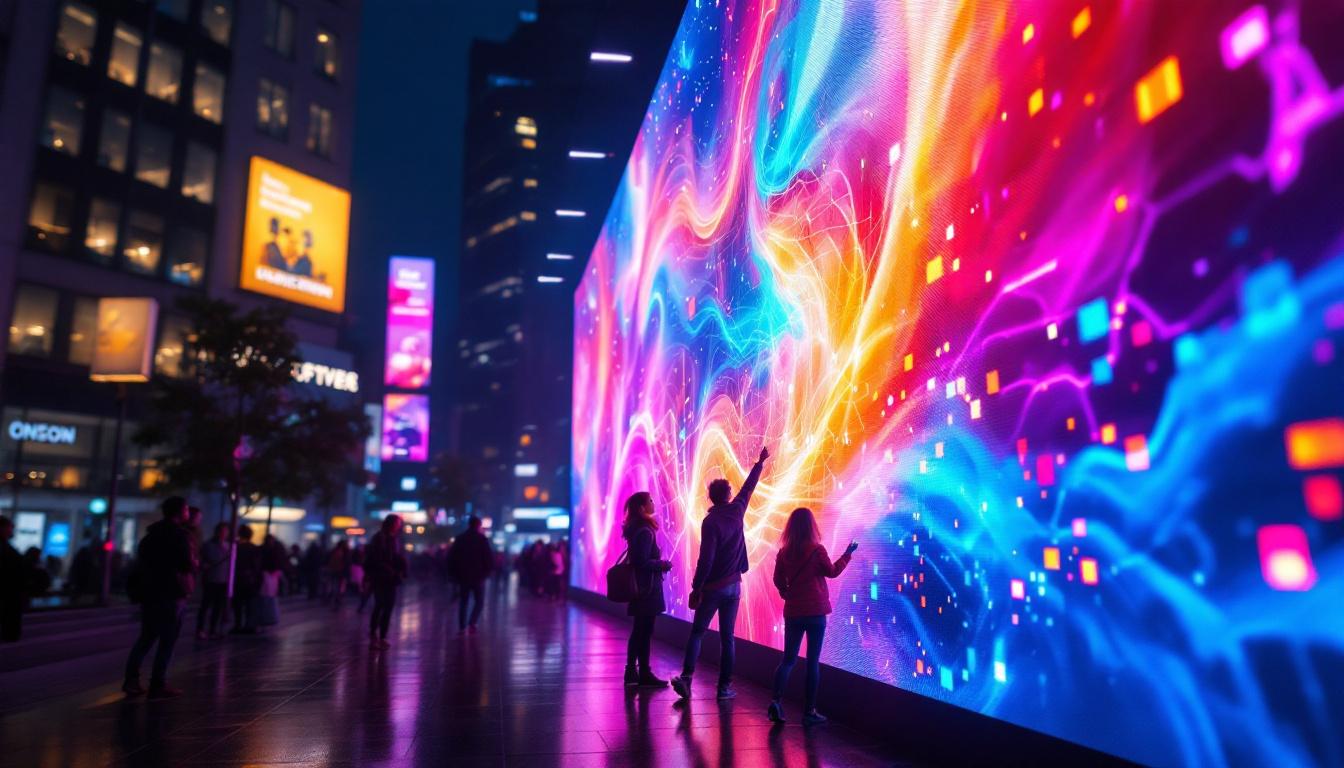
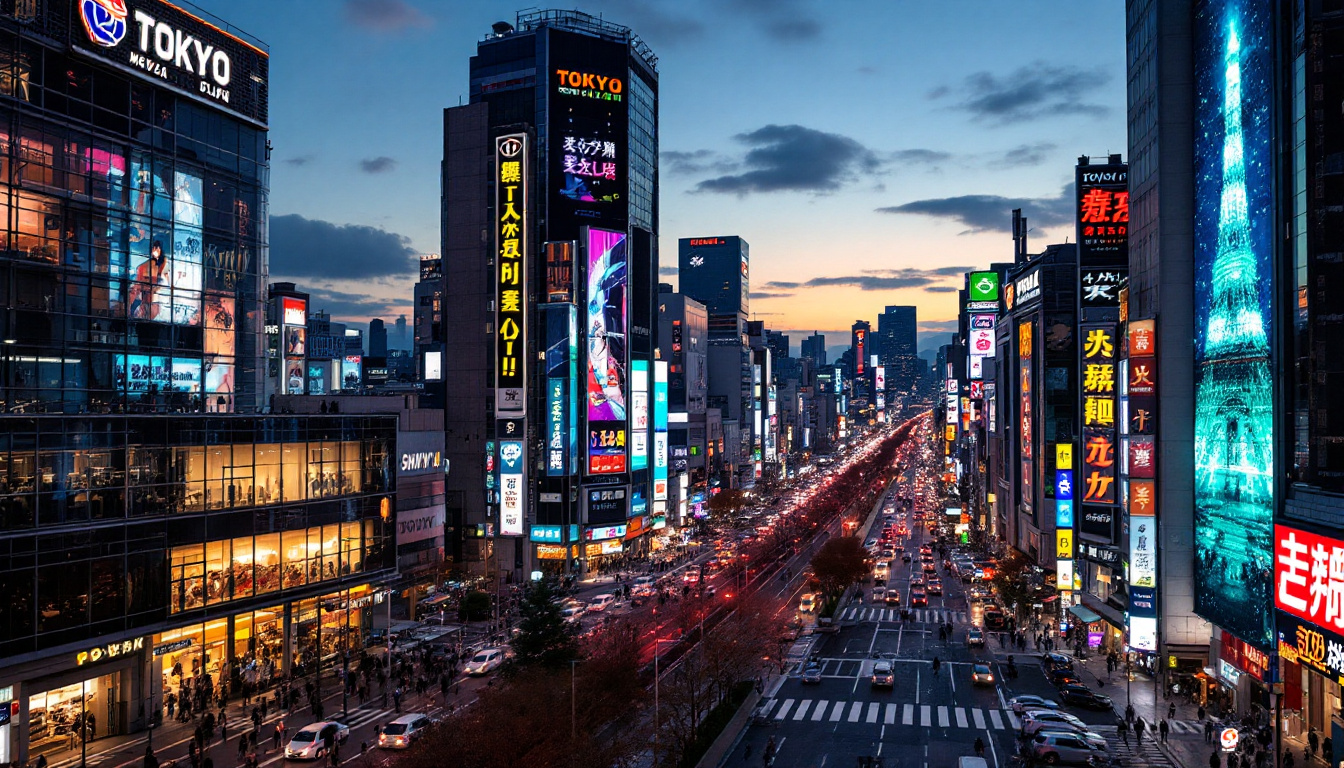
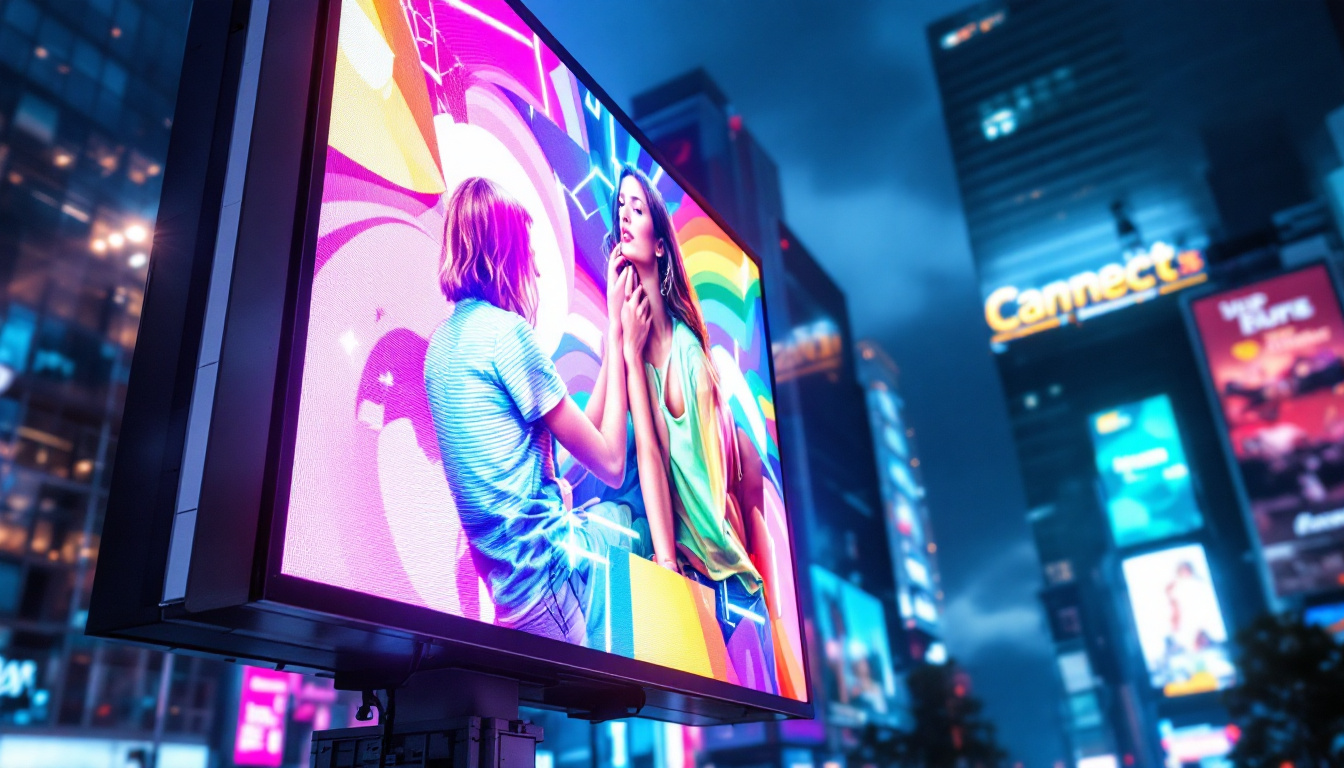
Outdoor billboards and digital signage are among the most common uses of LED matrix displays. Brands benefit from the ability to update content remotely and in real-time, enabling dynamic advertising campaigns that respond to customer behavior, weather, or events.
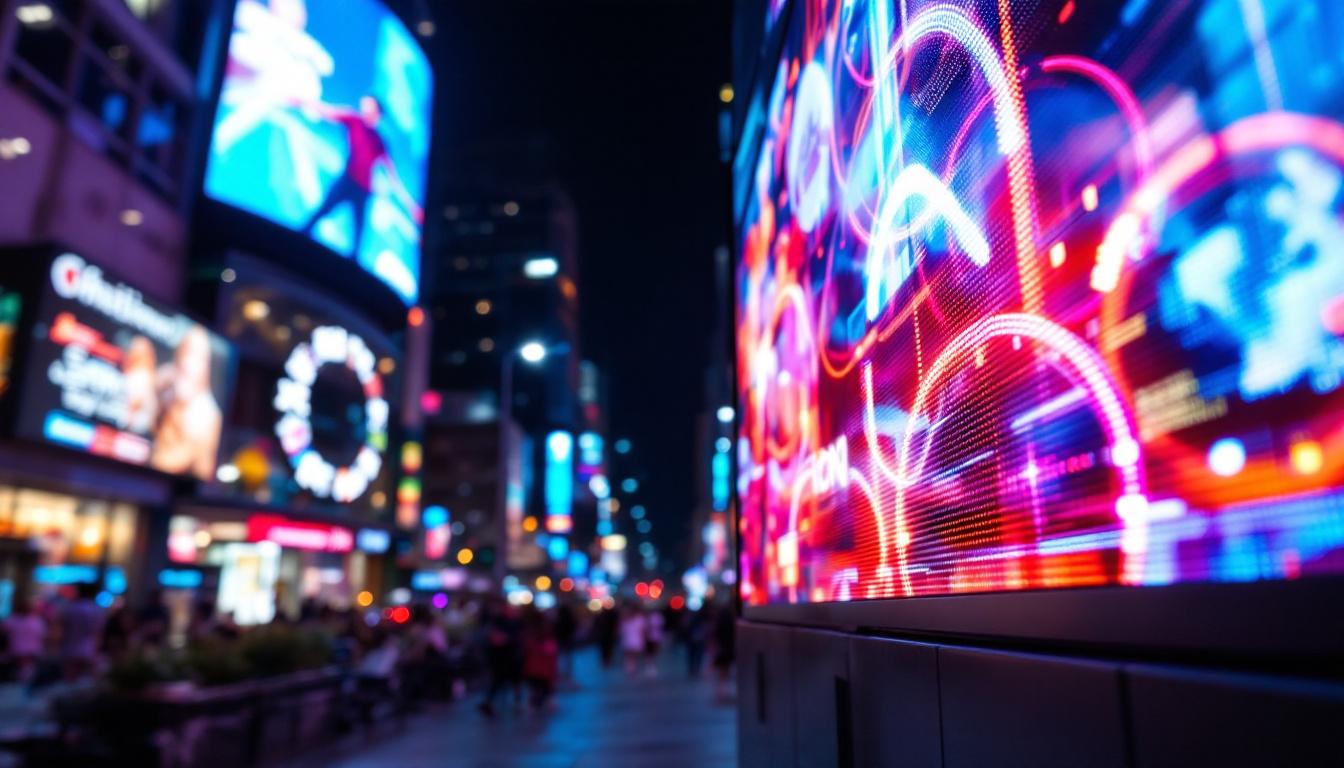
For example, Times Square in New York City features some of the world’s largest and most advanced LED billboards, showcasing the power of matrix LED technology to captivate millions of viewers daily. These displays not only serve as advertising platforms but also as cultural landmarks, often featuring artistic installations that draw attention and foster community engagement.
Sports and Entertainment Venues
Stadiums and arenas rely heavily on LED displays for scoreboards, live video feeds, and advertising. The high refresh rates and brightness ensure spectators enjoy a seamless viewing experience regardless of their seat location.
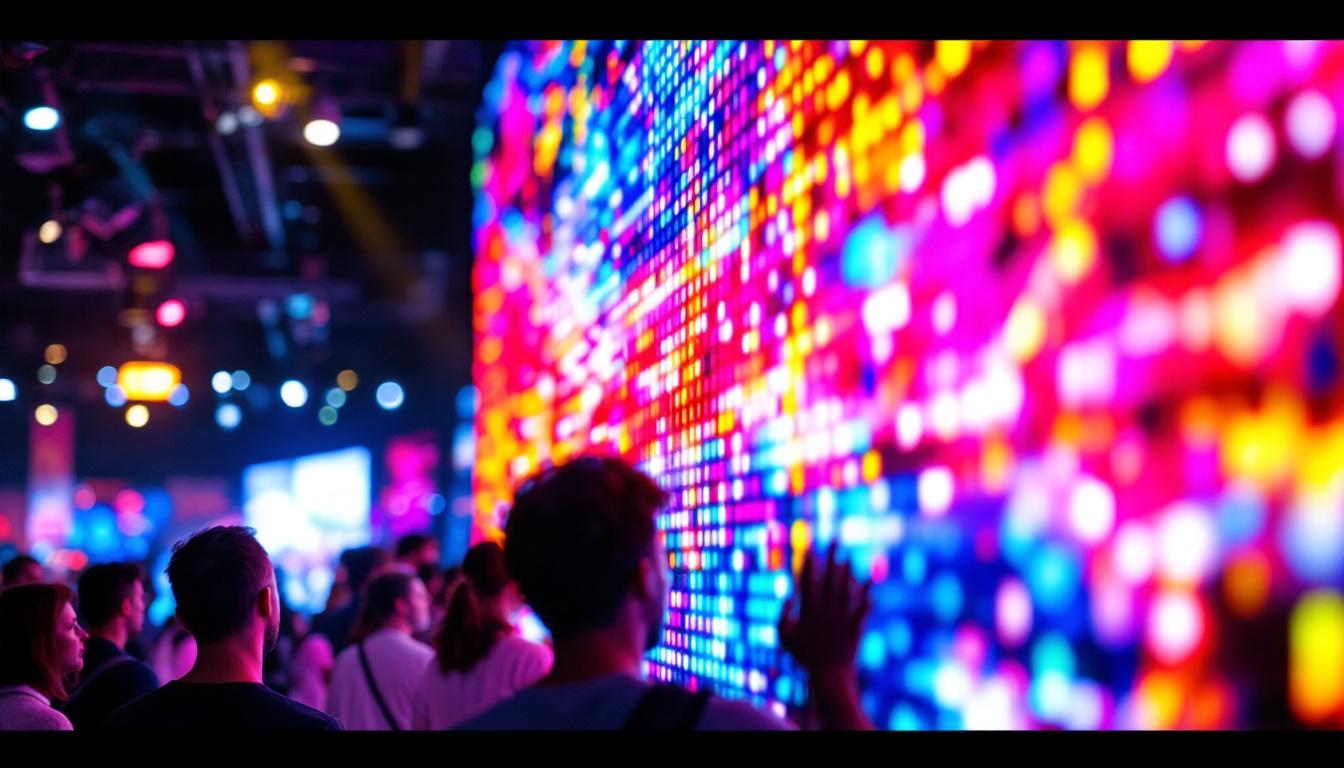
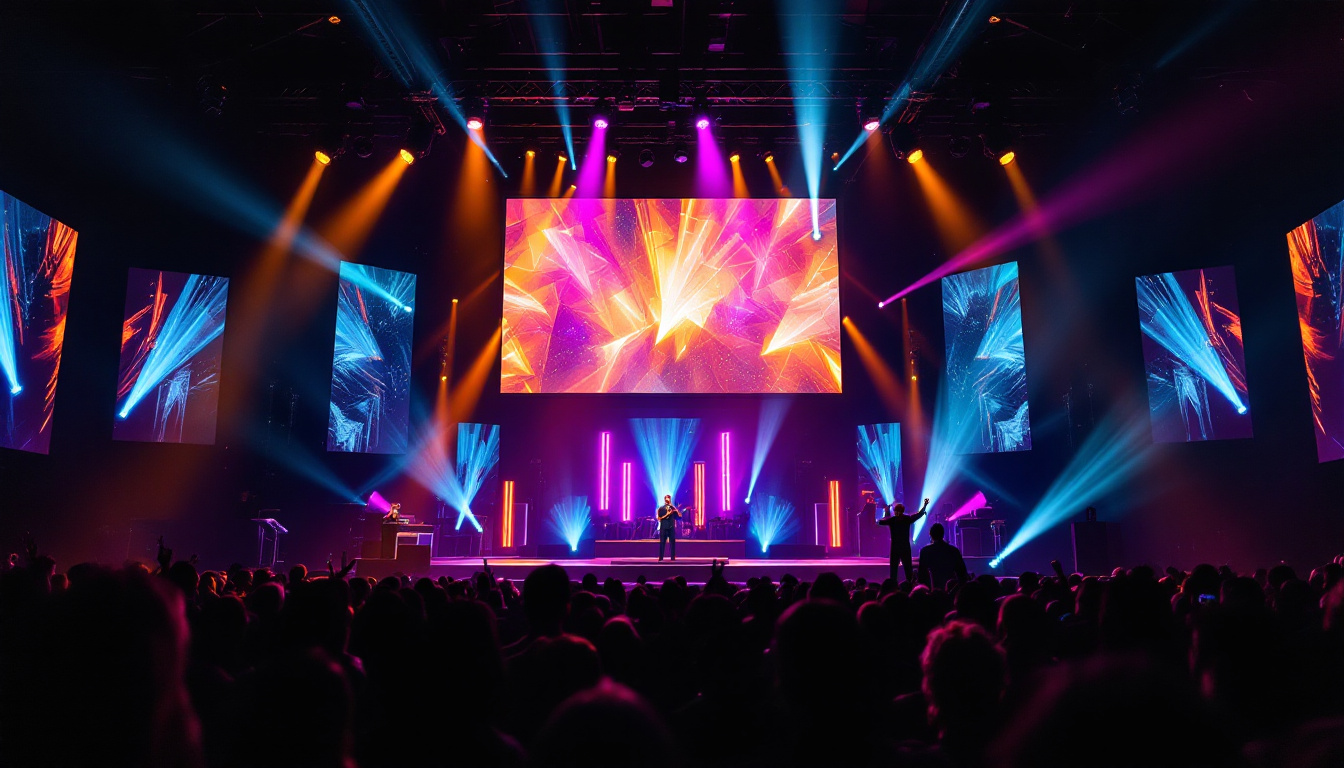
Moreover, concerts and live events use flexible LED screens to create immersive stage designs, enhancing audience engagement and visual storytelling. The ability to customize the display shapes and sizes allows for innovative stage setups that can transform the atmosphere of any performance, making each event a unique experience for attendees.
Corporate and Control Rooms
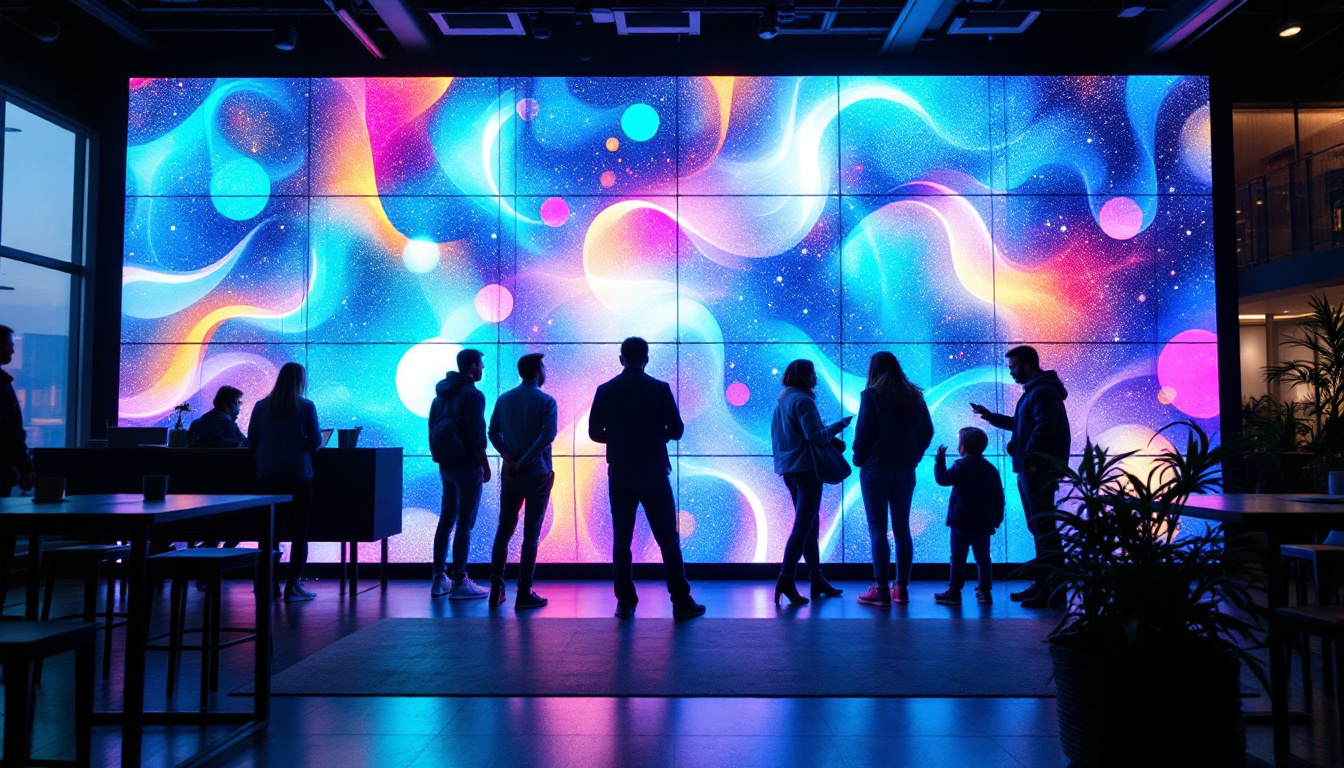
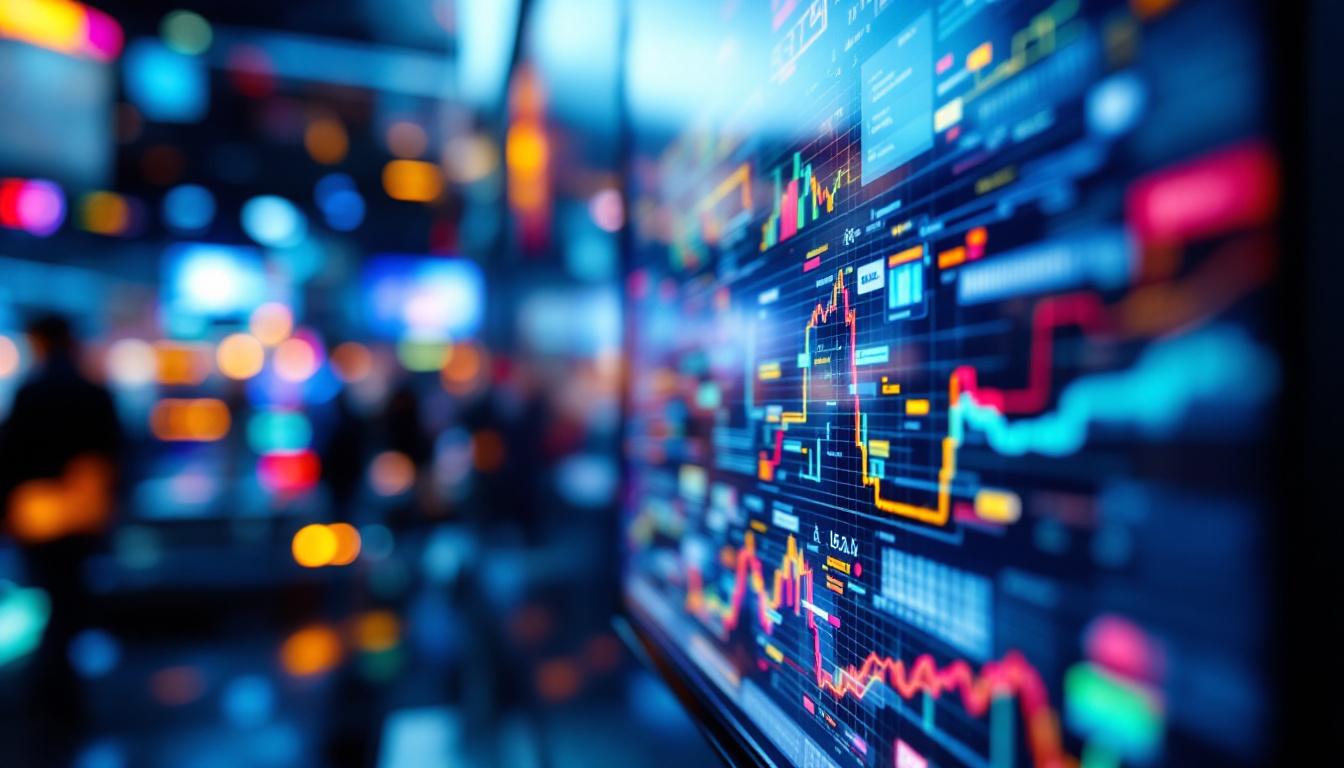
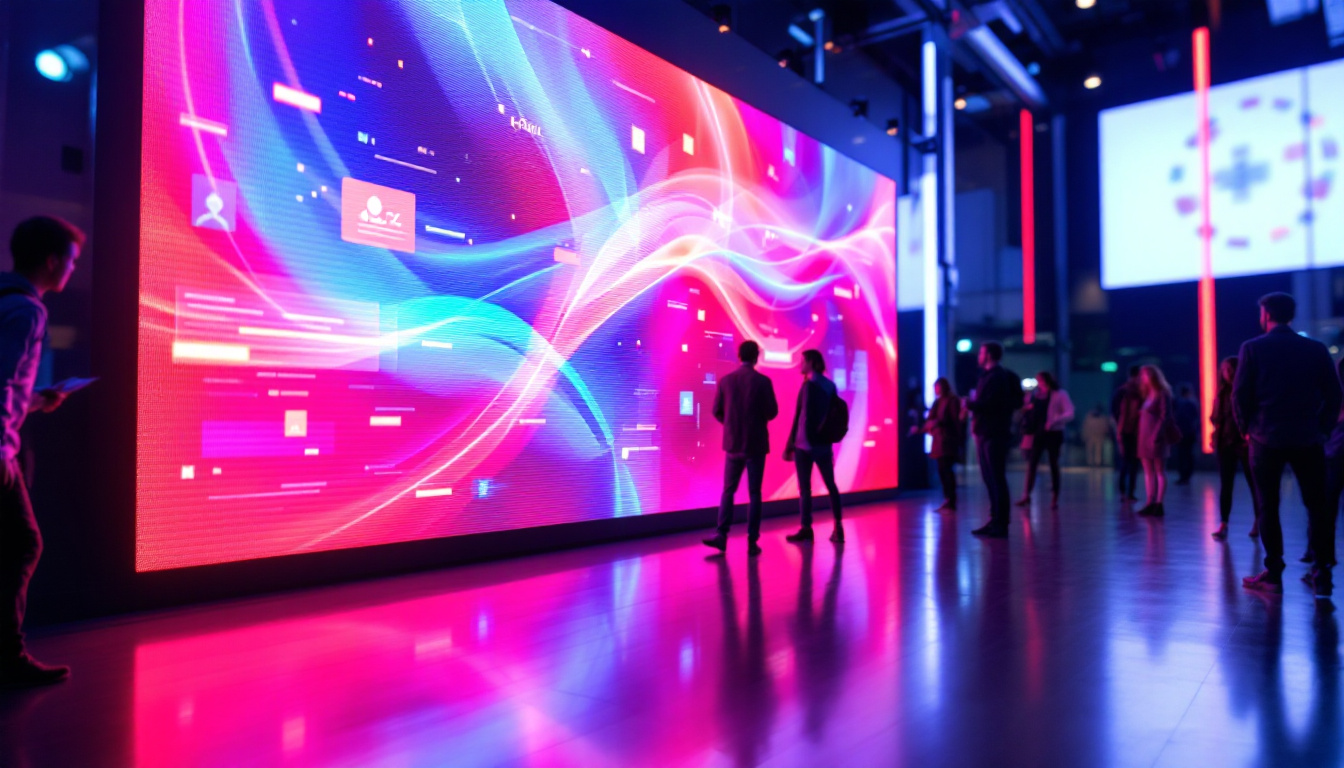
In corporate environments, LED video walls are used for presentations, collaboration, and monitoring. Control rooms in industries such as transportation, utilities, and security utilize large matrix LED displays to visualize complex data and improve decision-making.
These displays facilitate real-time data analysis, allowing teams to respond swiftly to emerging situations. For instance, in a transportation control room, matrix LED displays can show live traffic conditions, enabling operators to manage routes effectively and reduce congestion. This capability is crucial for enhancing operational efficiency and ensuring public safety.
Retail and Hospitality
Retailers use LED displays to attract customers with dynamic promotions and interactive content. Hotels and restaurants incorporate LED walls for ambiance, information, and advertising, creating memorable guest experiences.
In retail environments, the integration of augmented reality with LED displays allows customers to interact with products in innovative ways, such as virtual try-ons or interactive product demonstrations. This not only enhances the shopping experience but also increases customer engagement and satisfaction, ultimately driving sales. In hospitality settings, LED displays can be programmed to showcase local attractions or events, providing guests with valuable information while enhancing the overall atmosphere of the establishment.
Innovations and Future Trends in LED Matrix Displays
The LED display industry is continuously evolving, driven by advancements in materials, manufacturing, and digital technologies.
MicroLED and MiniLED Technologies
MicroLED and MiniLED represent the next generation of LED displays, offering even finer pixel pitches and improved performance. MicroLEDs are smaller than traditional LEDs, enabling ultra-high resolution and better color accuracy. These technologies are expected to revolutionize displays in smartphones, TVs, and augmented reality devices.
Integration with AI and IoT
Artificial intelligence and the Internet of Things (IoT) are transforming how LED displays operate. Smart displays can adjust brightness and content based on environmental data, audience demographics, or real-time analytics. This integration enhances user engagement and optimizes energy consumption.
Environmental Sustainability
Manufacturers are increasingly focusing on eco-friendly materials and energy-saving designs. Advances in LED efficiency and recycling programs contribute to reducing the environmental footprint of large-scale digital displays.
Choosing the Right Matrix LED Display Solution
Selecting the appropriate LED display involves careful consideration of several factors to ensure optimal performance and return on investment.
Pixel Pitch and Resolution
Pixel pitch determines the density of LEDs in the matrix and directly impacts image clarity. For close viewing distances, a smaller pixel pitch is essential. Conversely, larger pitches are suitable for displays viewed from afar.
Brightness and Contrast Requirements
Understanding the ambient lighting conditions where the display will be installed helps determine the necessary brightness level. High contrast ratios improve readability and visual impact, especially in challenging environments.
Durability and Maintenance
Outdoor installations require weatherproof and ruggedized displays. Additionally, ease of maintenance and availability of technical support are critical for minimizing downtime and operational costs.
Content Management and Connectivity
Modern LED displays often come with sophisticated content management systems (CMS) that allow for remote updates and scheduling. Compatibility with various media formats and network protocols enhances flexibility and control.
Conclusion
Matrix LED displays represent a powerful and versatile visual solution that continues to reshape how information and advertising are delivered. Their brightness, scalability, and energy efficiency make them ideal for a broad spectrum of applications, from outdoor advertising to immersive event experiences.
As technology advances, innovations such as MicroLED, AI integration, and sustainable design will further expand the capabilities and impact of LED matrix solutions. For businesses and organizations seeking to engage audiences with compelling visuals, understanding the nuances of LED display technology is essential for making informed decisions and maximizing the benefits of this dynamic medium.
Discover LumenMatrix’s Innovative LED Display Solutions
Ready to elevate your visual communication strategy with cutting-edge LED technology? LumenMatrix is at the forefront of LED display innovation, offering a wide array of solutions tailored to your unique needs. From Indoor and Outdoor LED Wall Displays to specialized options like Vehicle, Sports, and Floor LED Displays, our products are designed to captivate and engage your audience. Embrace the future of digital signage with our Custom, All-in-One, and Transparent LED Displays. Experience the transformative power of LumenMatrix and bring your brand’s message to life with clarity and impact. Check out LumenMatrix LED Display Solutions today and start creating unforgettable visual experiences.