In today’s fast-paced world, the way information is presented can significantly impact its effectiveness. Scoreboard charts, especially those utilizing LED displays, have become a popular method for showcasing real-time data in sports arenas, business environments, and public spaces. This article delves into the technology behind LED scoreboard charts, their applications, advantages, and considerations for selecting the ideal display system.
Understanding Scoreboard Charts and Their Purpose
A scoreboard chart is a visual tool designed to display key metrics, scores, or performance indicators in a clear and concise manner. Unlike traditional charts, scoreboard charts focus on presenting critical data points at a glance, often using large numerals and minimalistic design to ensure immediate comprehension.
These charts are widely used in sports to show scores and time, in corporate settings to track sales targets or project progress, and in public venues to provide updates or announcements. Their primary purpose is to communicate essential information quickly and effectively, reducing the cognitive load on viewers. In an age where information overload is common, scoreboard charts serve as a beacon of clarity, allowing audiences to grasp vital statistics without sifting through complex data.
Key Features of Scoreboard Charts
Scoreboard charts typically feature bold typography, high contrast colors, and simple layouts. The emphasis is on clarity and visibility, often from a distance or in dynamic environments. This makes LED displays an ideal medium, as they offer brightness, color versatility, and durability. The design principles behind scoreboard charts prioritize user experience, ensuring that even those unfamiliar with the data can understand the information presented at a glance.
In addition to numeric values, some scoreboard charts incorporate simple indicators such as progress bars, icons, or color-coded alerts to enhance information delivery without overwhelming the viewer. For instance, a sales scoreboard might use green to indicate targets that have been met and red for those that are lagging behind, providing instant visual feedback. This ability to convey complex information through simple visual cues makes scoreboard charts not only effective but also engaging, as they draw the viewer’s attention and facilitate quick decision-making. Furthermore, the adaptability of scoreboard charts allows them to be customized for various contexts, from corporate boardrooms to sports arenas, making them an invaluable tool across multiple industries.
The Technology Behind LED Scoreboard Displays
LED (Light Emitting Diode) technology has revolutionized the way scoreboards and charts are displayed. Unlike older incandescent or fluorescent lighting methods, LEDs provide energy-efficient, bright, and long-lasting illumination that can be easily controlled and customized. This shift not only enhances visibility in various lighting conditions but also reduces energy consumption, making LED scoreboards a more sustainable choice for sports venues and events.
How LED Displays Work
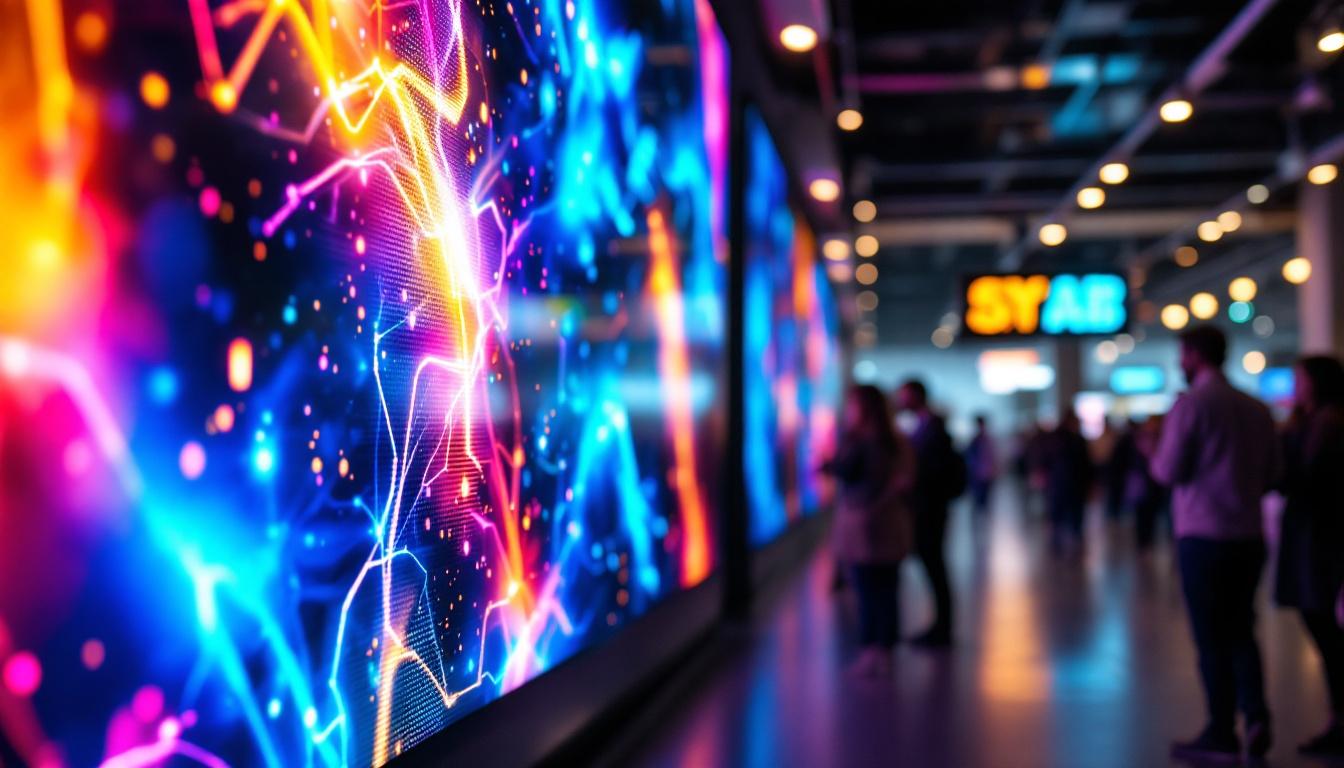
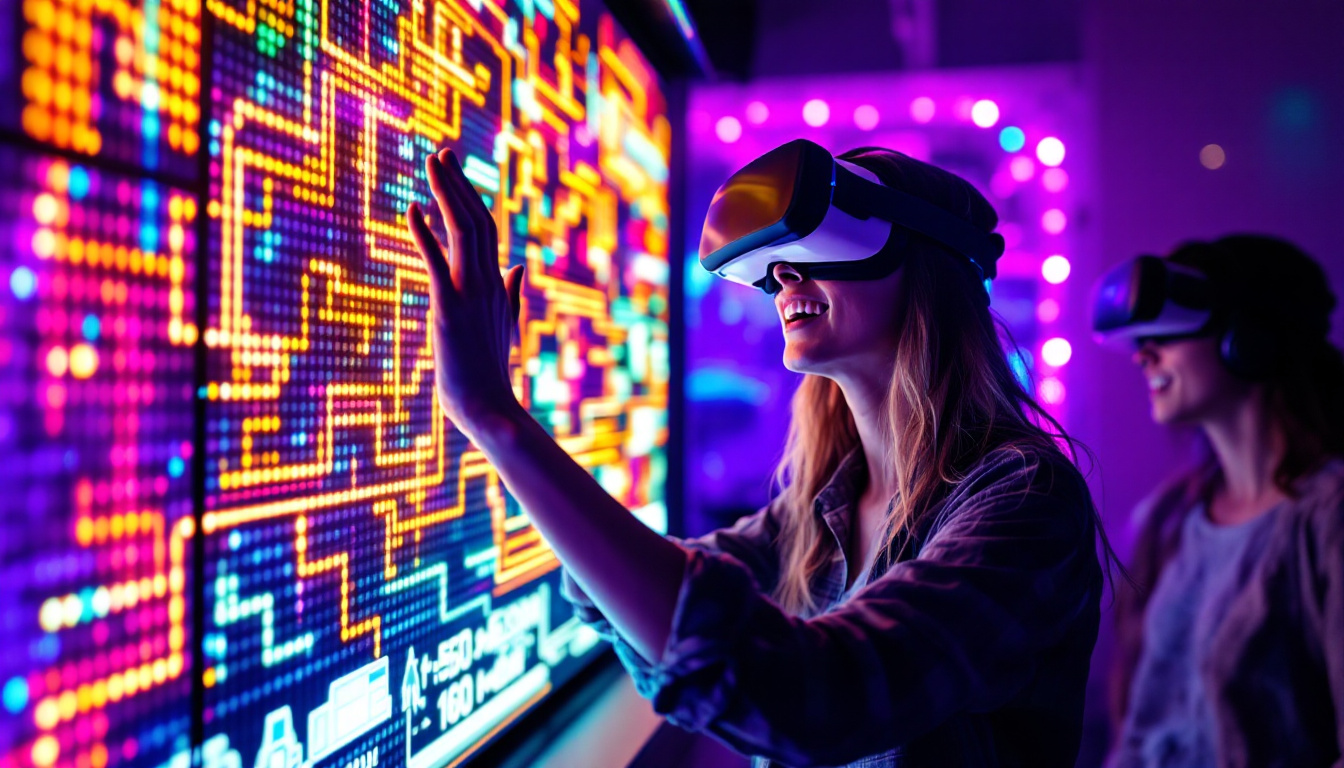
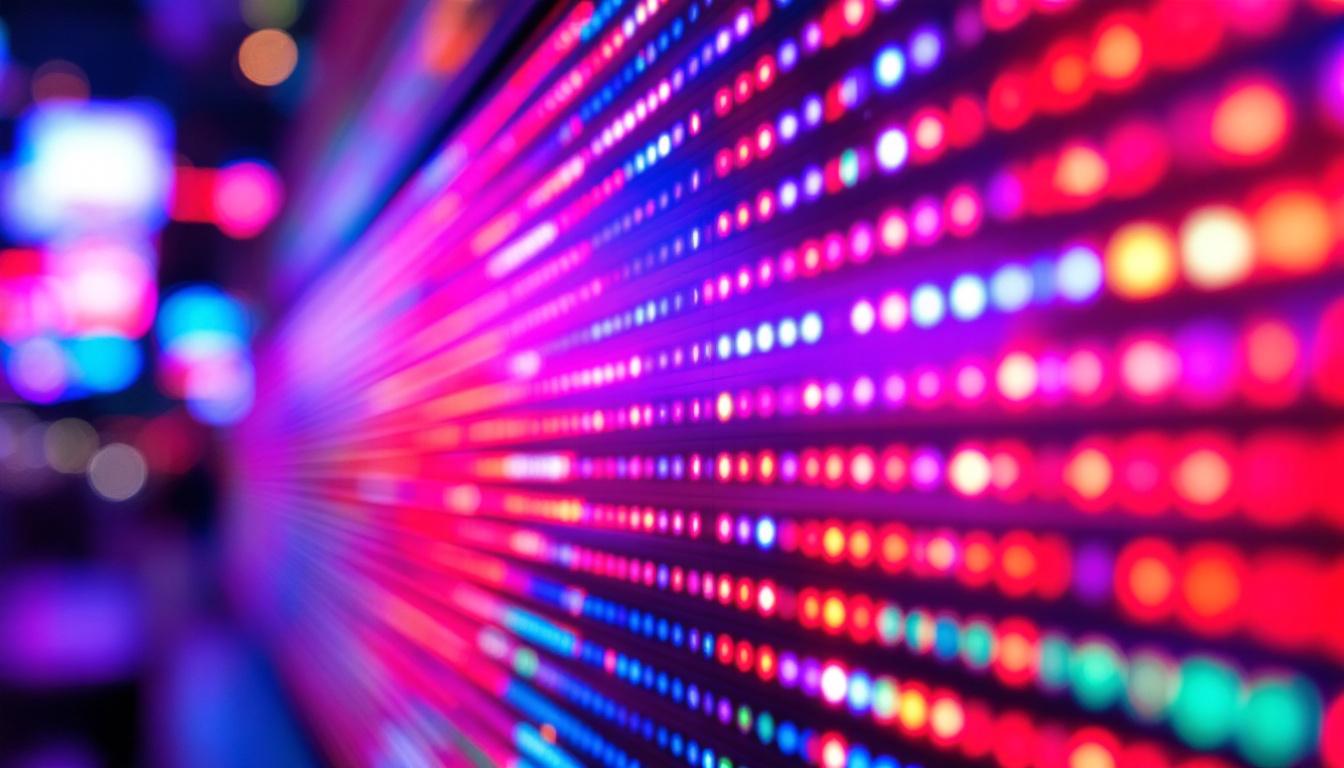
LED displays consist of numerous tiny light-emitting diodes arranged in a grid. Each diode can emit light in various colors, and by controlling the intensity and combination of these diodes, the display can produce vivid images and text. This pixel-based approach allows for flexible content presentation, from simple numbers to complex animations. The technology behind these displays also allows for rapid refresh rates, ensuring that the information presented is always up-to-date, even during fast-paced events.
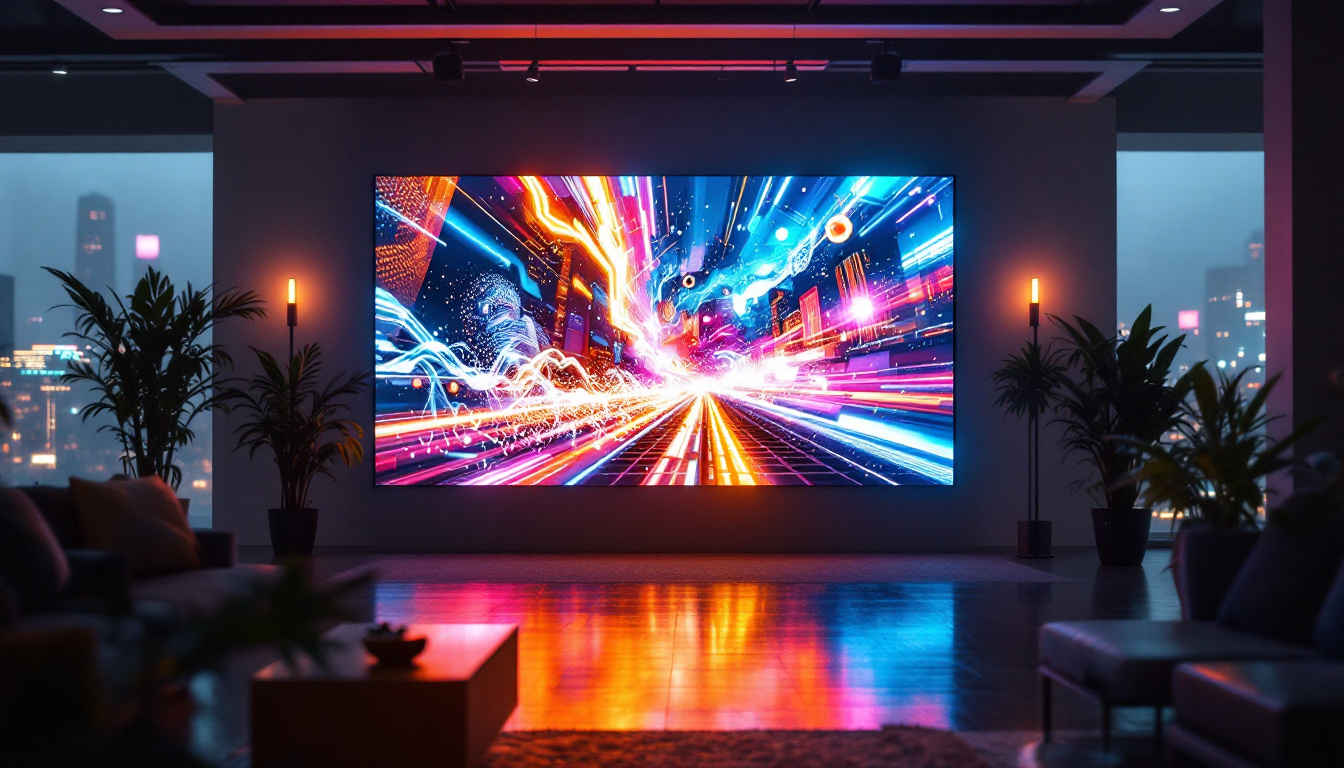
Modern LED scoreboards often use modular panels, which can be combined to create large displays of varying sizes. These panels are controlled by sophisticated software that manages the content, timing, and transitions, ensuring smooth and accurate updates. Additionally, many of these systems incorporate real-time data feeds, allowing for instant updates on player statistics, game scores, and even social media interactions, creating an engaging experience for spectators.
Types of LED Displays for Scoreboard Charts
There are several types of LED displays commonly used for scoreboard charts:
- Monochrome LED Displays: These use a single color, typically red or green, and are suitable for basic numeric scoreboards. They are often found in smaller venues or for less complex sports where only the score needs to be displayed.
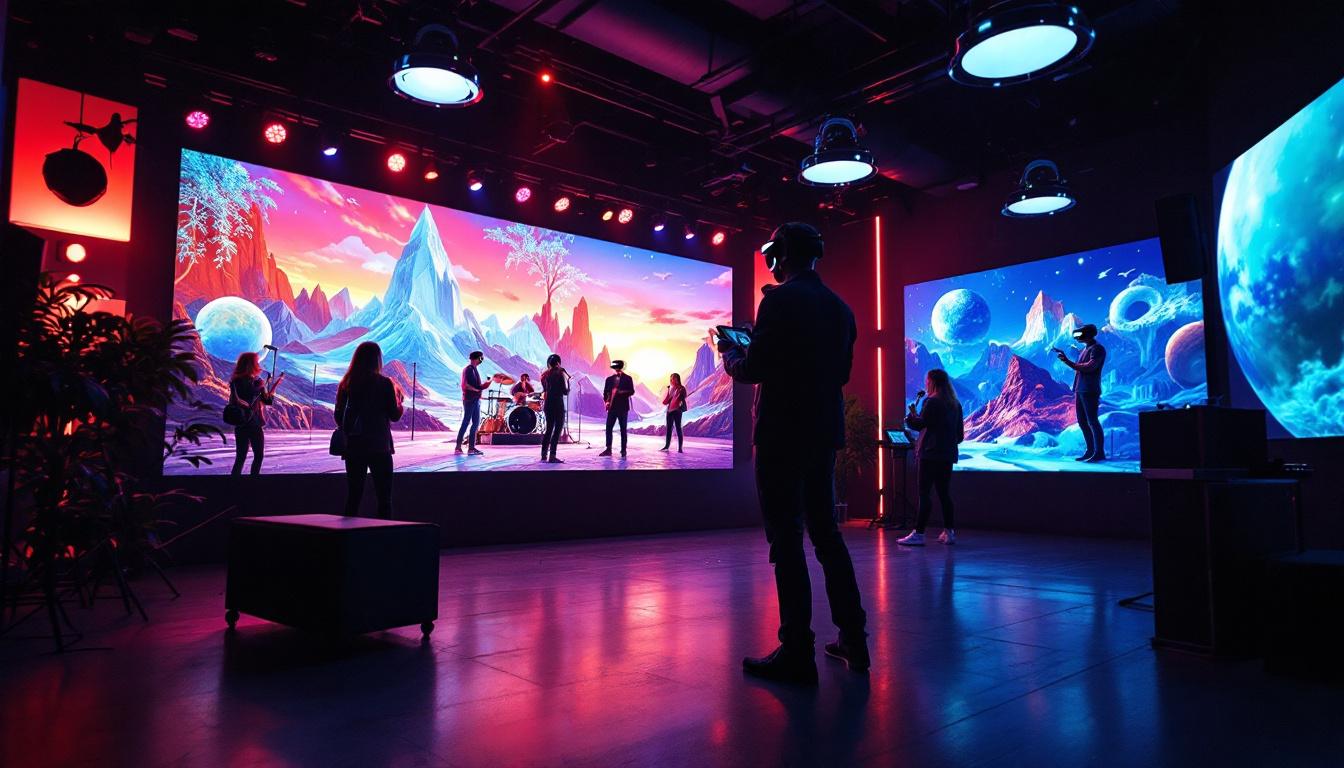
- Full-Color LED Displays: Capable of displaying a wide color spectrum, these are ideal for dynamic content, including logos, animations, and detailed charts. Their versatility makes them popular in large arenas and stadiums, where they can captivate audiences with vibrant visuals and engaging graphics.
- Segment LED Displays: Often used for numeric data, these consist of predefined segments that light up to form numbers or letters. They are commonly seen in traditional scoreboards and can be easily read from a distance, making them a reliable choice for many sporting events.
The choice depends on the application’s complexity, budget, and desired visual impact. Furthermore, advancements in LED technology have led to the development of outdoor-rated displays that are weather-resistant and capable of withstanding harsh environmental conditions, ensuring that they remain functional and visible regardless of the weather. This durability is essential for outdoor sports venues, where exposure to the elements can be a significant concern.
Applications of LED Scoreboard Charts
LED scoreboard charts have found their way into numerous sectors due to their versatility and effectiveness. Understanding these applications helps in appreciating their design and functional requirements.
Sports and Entertainment Venues
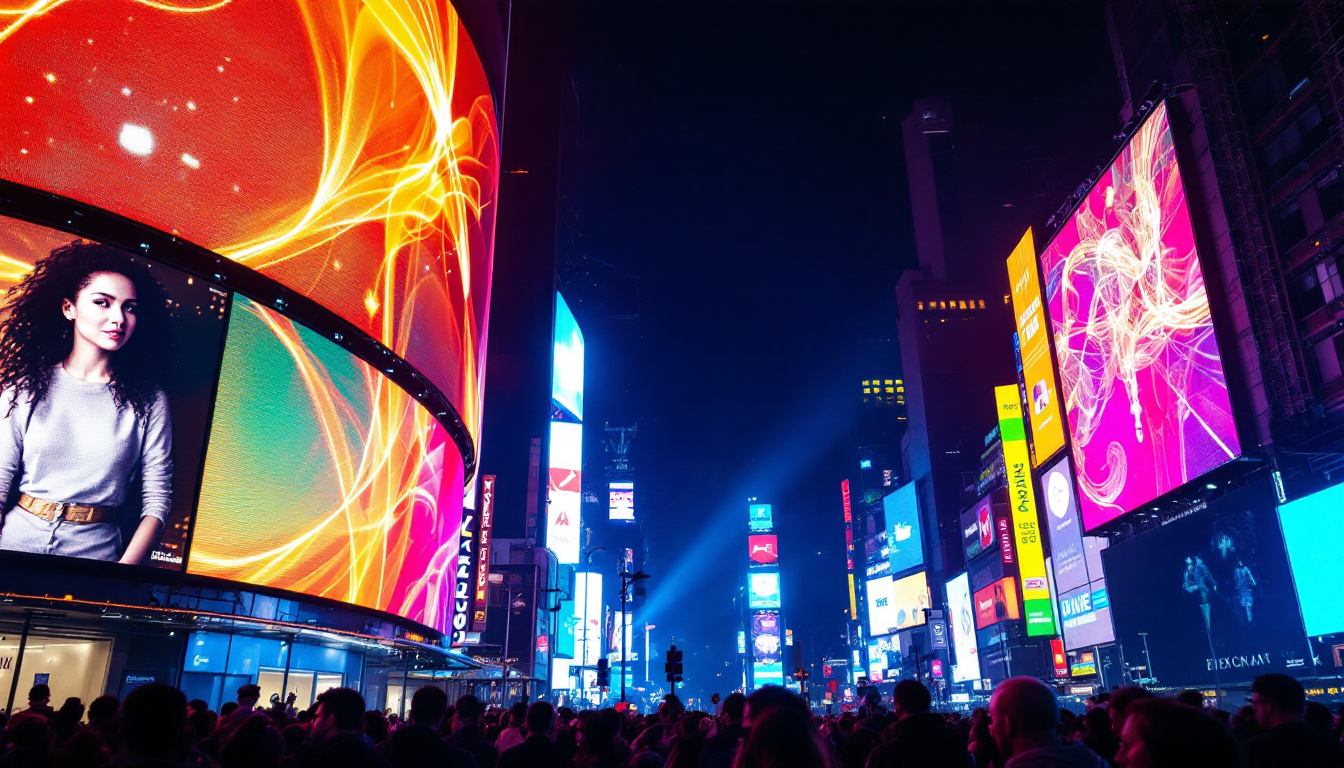
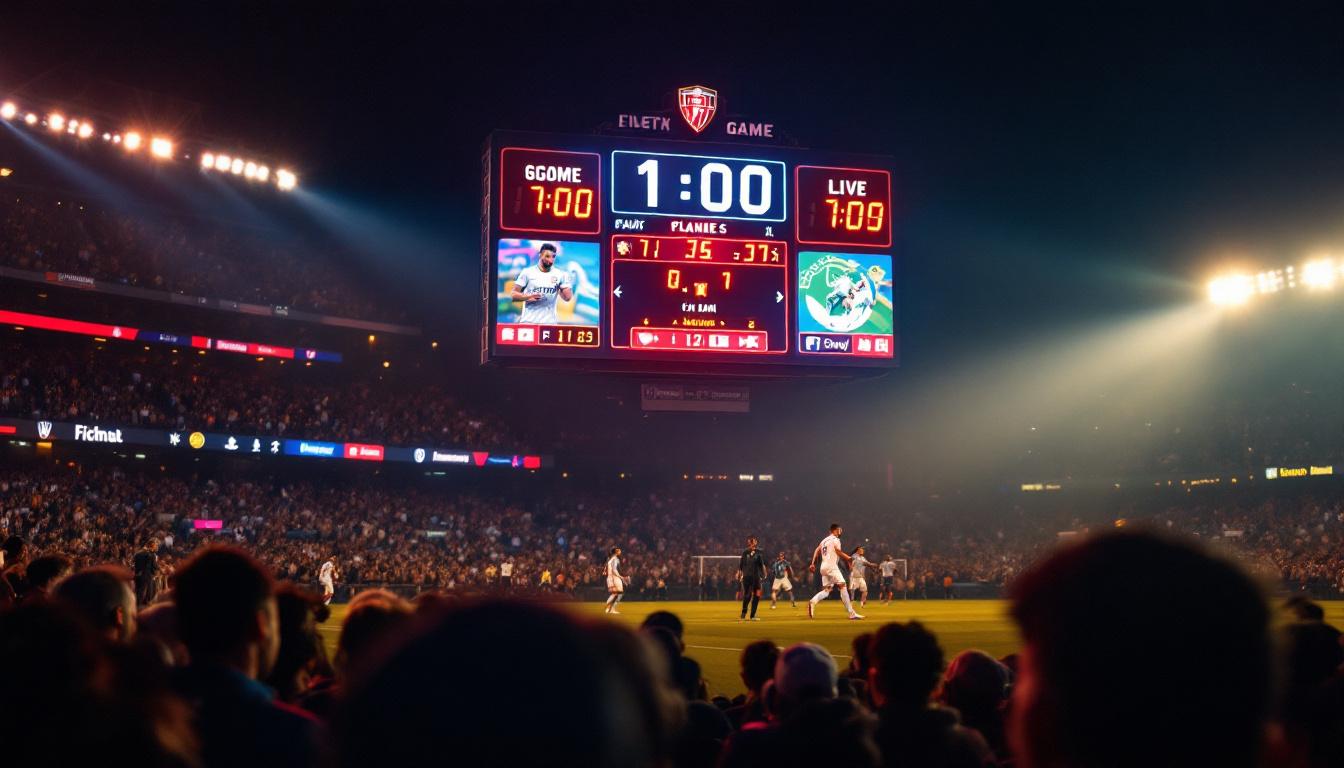
Perhaps the most recognizable use of LED scoreboard charts is in sports arenas and stadiums. Here, they display scores, game time, player statistics, and other relevant information to thousands of spectators simultaneously. The high brightness and visibility of LED displays ensure that data remains clear even under direct sunlight or intense stadium lighting.
Beyond sports, entertainment venues use LED scoreboards to show event schedules, ticketing information, or promotional content, enhancing the overall audience experience.
Corporate and Business Environments
In corporate settings, LED scoreboard charts are used to track performance metrics such as sales figures, production targets, or customer satisfaction scores. These real-time displays motivate employees by providing instant feedback and fostering a culture of transparency and accountability.
For example, manufacturing plants might use LED scoreboards to monitor output rates and quality control metrics, helping teams identify issues promptly and maintain efficiency.
Public Spaces and Transportation Hubs
LED scoreboard charts are also common in airports, train stations, and bus terminals, where they provide arrival and departure times, gate information, and service updates. Their clarity and adaptability make them invaluable for managing large crowds and ensuring smooth operations.
Advantages of Using LED Scoreboard Charts
Choosing LED displays for scoreboard charts offers numerous benefits that contribute to their widespread adoption.
High Visibility and Readability
LED displays are exceptionally bright and can be easily seen from long distances and various angles. This makes them suitable for both indoor and outdoor environments, regardless of lighting conditions.
The high contrast ratio and customizable colors enhance readability, ensuring that critical data is accessible to all viewers, including those with visual impairments.
Energy Efficiency and Longevity
Compared to traditional lighting technologies, LEDs consume significantly less power, reducing operational costs. Their lifespan often exceeds 50,000 hours, minimizing maintenance and replacement expenses.
This durability is particularly important for outdoor scoreboards exposed to harsh weather conditions, where reliability is paramount.
Flexibility and Customization
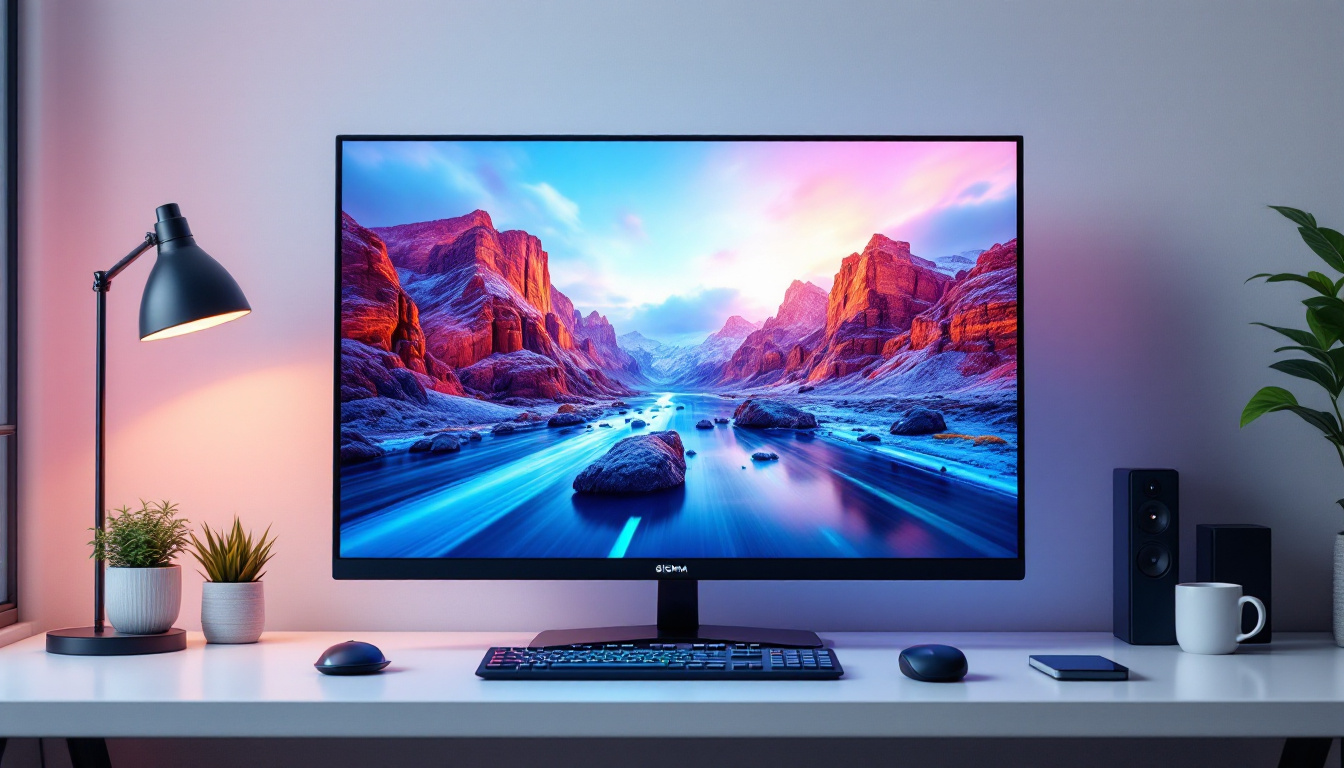
LED technology supports a wide range of display sizes, resolutions, and content types. Scoreboard charts can be tailored to specific needs, from simple numeric displays to complex, interactive dashboards.
Software integration allows for real-time updates, remote control, and synchronization with other systems, enhancing functionality and user experience.
Considerations When Choosing an LED Scoreboard Chart
While LED scoreboard charts offer many advantages, selecting the right system requires careful consideration of several factors to ensure optimal performance and value.
Resolution and Pixel Pitch
The resolution of an LED display is determined by its pixel pitch—the distance between individual LEDs. A smaller pixel pitch means higher resolution and sharper images, which is crucial for displaying detailed charts or text.
For scoreboards primarily showing large numbers, a larger pixel pitch may suffice, reducing costs without compromising visibility.
Brightness and Environmental Conditions
Brightness levels should be matched to the installation environment. Outdoor displays require higher brightness to combat sunlight, often exceeding 5,000 nits, whereas indoor displays typically need around 800 to 1,500 nits.
Additionally, weatherproofing and temperature tolerance are critical for outdoor LED scoreboards to maintain performance and longevity.
Size and Viewing Distance
The physical size of the scoreboard and the expected viewing distance influence design choices. Larger displays with higher resolution are necessary for venues where viewers are far away, ensuring data remains legible.
Conversely, smaller, more compact displays are suitable for close-range viewing in offices or meeting rooms.
Content Management and Integration
Effective scoreboard charts rely on seamless content management systems (CMS) that allow for easy updates and integration with data sources. Compatibility with existing software and hardware infrastructure should be verified to streamline operations.
Some systems offer cloud-based control, enabling remote management and real-time data synchronization, which is particularly useful for multi-location deployments.
Future Trends in LED Scoreboard Chart Technology
As LED technology continues to evolve, new trends are shaping the future of scoreboard charts, enhancing their capabilities and applications.
Higher Resolution and Mini-LED Innovations
Advancements in mini-LED and micro-LED technologies are pushing the boundaries of resolution and color accuracy. These smaller diodes allow for ultra-high-definition displays that can render complex data visualizations with unprecedented clarity.
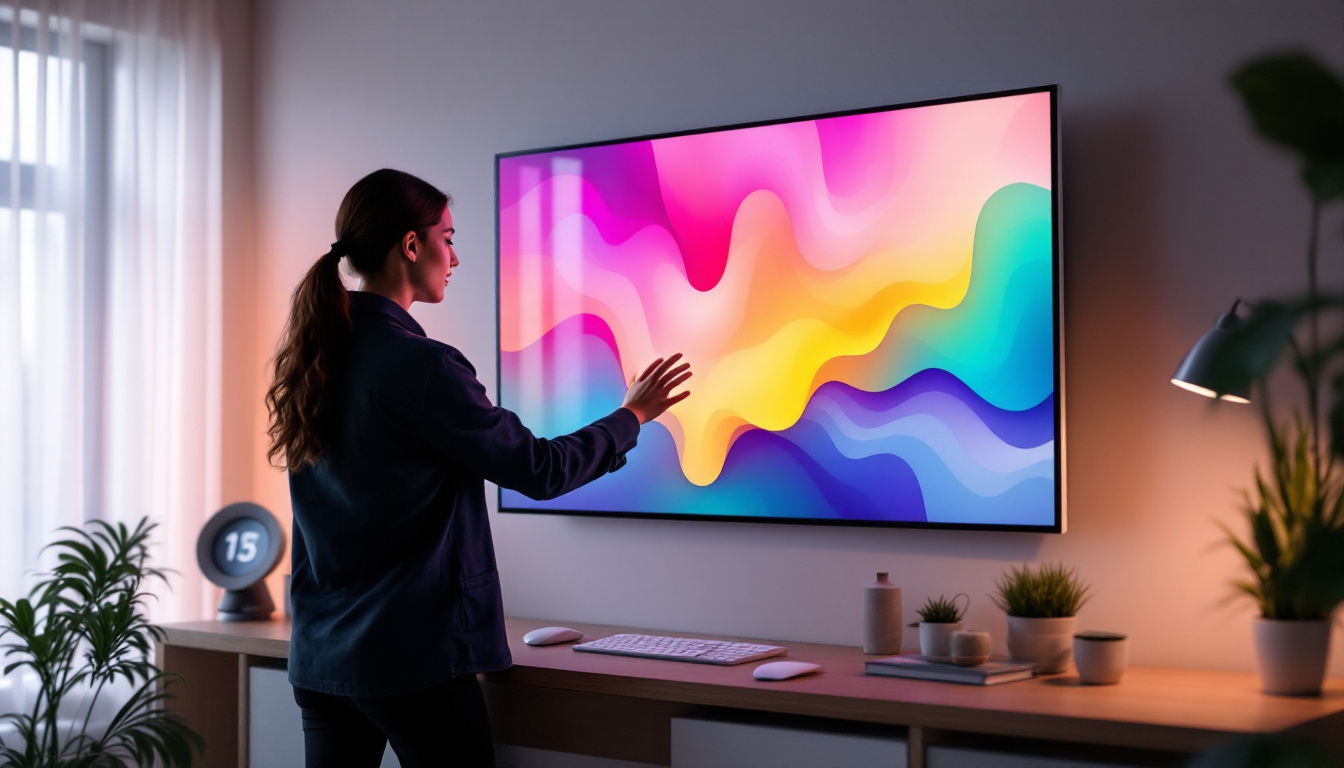
This evolution opens new possibilities for interactive and immersive scoreboard charts in both sports and corporate environments.
Integration with Artificial Intelligence and IoT
Artificial intelligence (AI) and the Internet of Things (IoT) are increasingly integrated with LED scoreboard systems. AI can analyze data trends and automatically adjust displayed content to highlight key insights or anomalies.
IoT connectivity enables real-time data feeds from multiple sources, providing dynamic and context-aware scoreboard charts that enhance decision-making and engagement.
Energy Harvesting and Sustainable Designs
Environmental concerns are driving innovations in energy harvesting and sustainable LED display designs. Solar-powered scoreboards and energy-efficient components reduce the carbon footprint and operational costs.
Recyclable materials and modular designs also contribute to more sustainable lifecycle management of LED scoreboard systems.
Conclusion
LED scoreboard charts represent a powerful combination of technology and design, offering clear, dynamic, and reliable data presentation across various industries. Their ability to deliver real-time information with high visibility and customization makes them indispensable tools for sports venues, businesses, and public spaces alike.
Understanding the technology, applications, and key considerations involved in selecting and implementing LED scoreboard charts ensures that organizations can maximize their impact and return on investment. As innovations continue to emerge, these displays will become even more integral to how information is communicated and consumed in the modern world.
Illuminate Your Information with LumenMatrix
Ready to elevate your data presentation and captivate your audience with unparalleled clarity? Discover LumenMatrix’s innovative LED display solutions, where cutting-edge technology meets dynamic design. From sports arenas to corporate boardrooms, our wide range of LED display modules—including Indoor and Outdoor LED Walls, Vehicle Displays, LED Posters, and more—offer the versatility and impact your space demands. Check out LumenMatrix LED Display Solutions today and transform how you communicate with your audience.