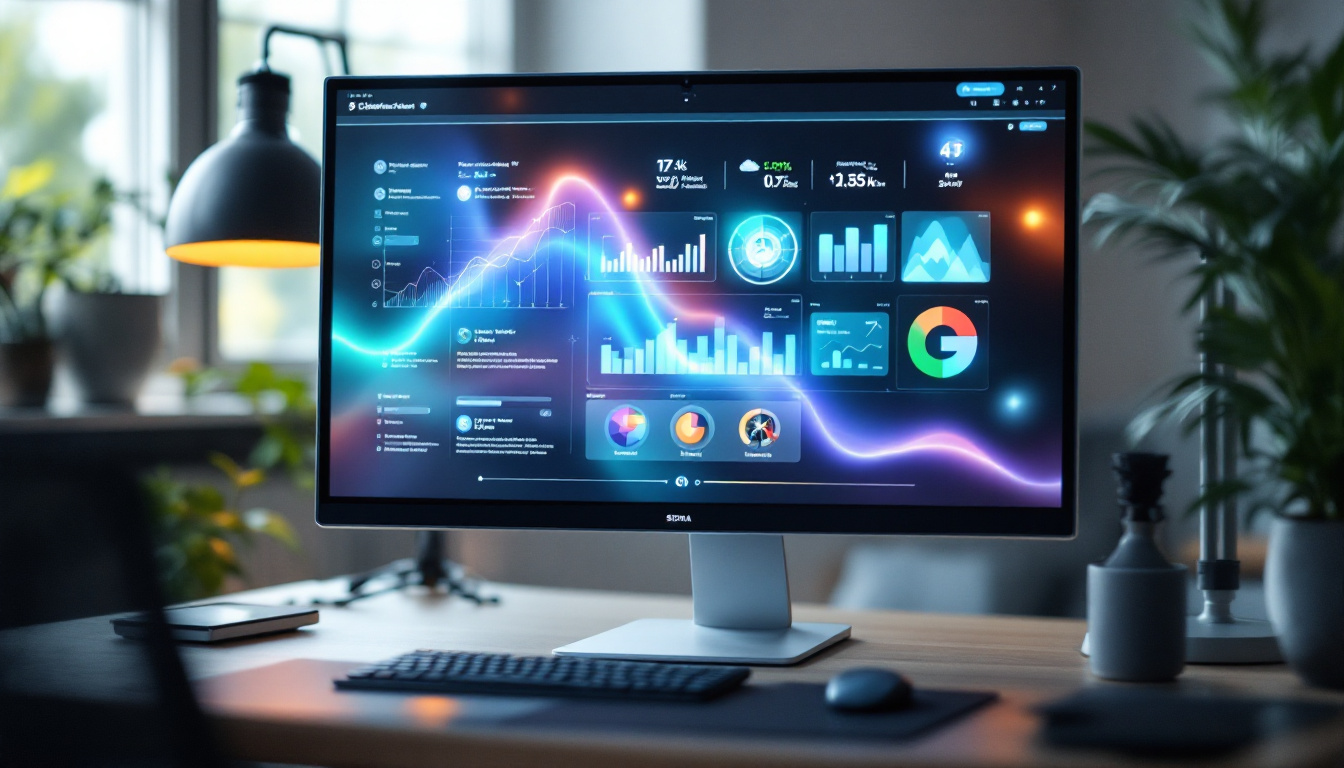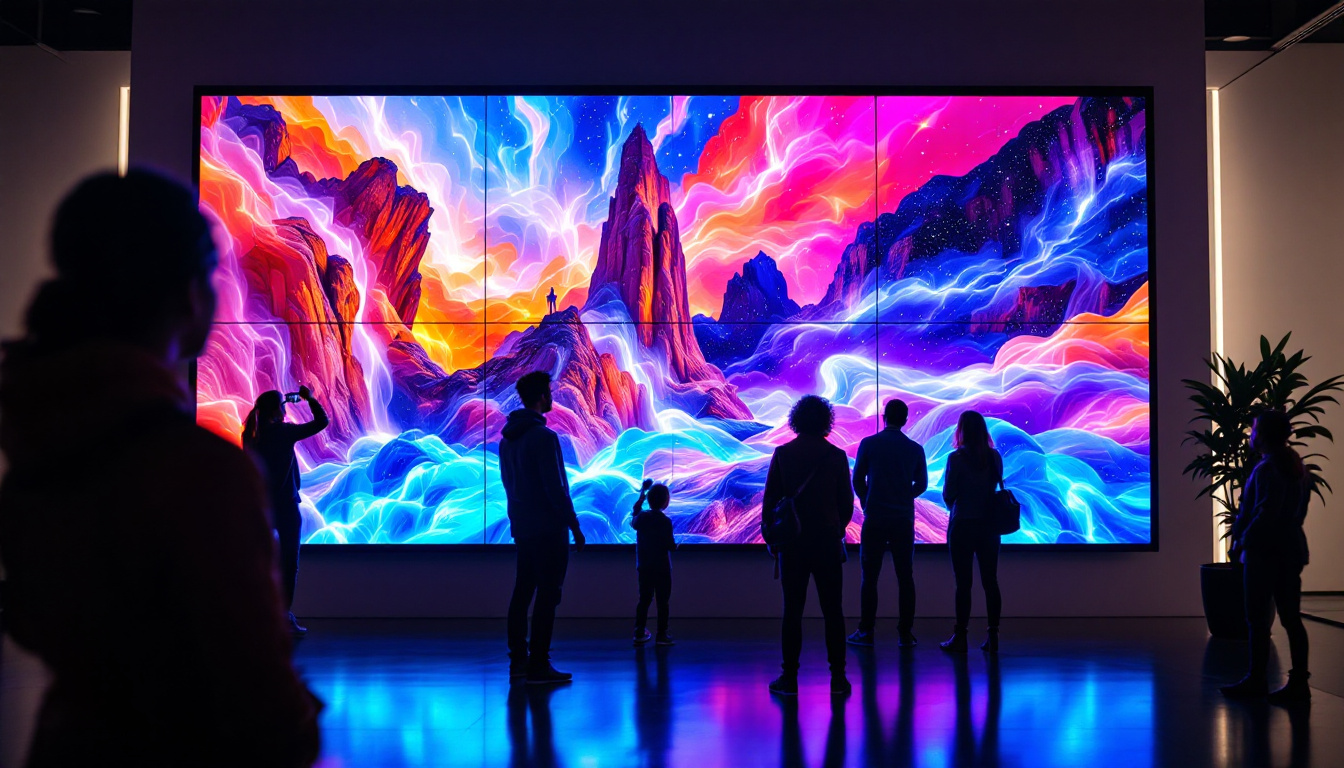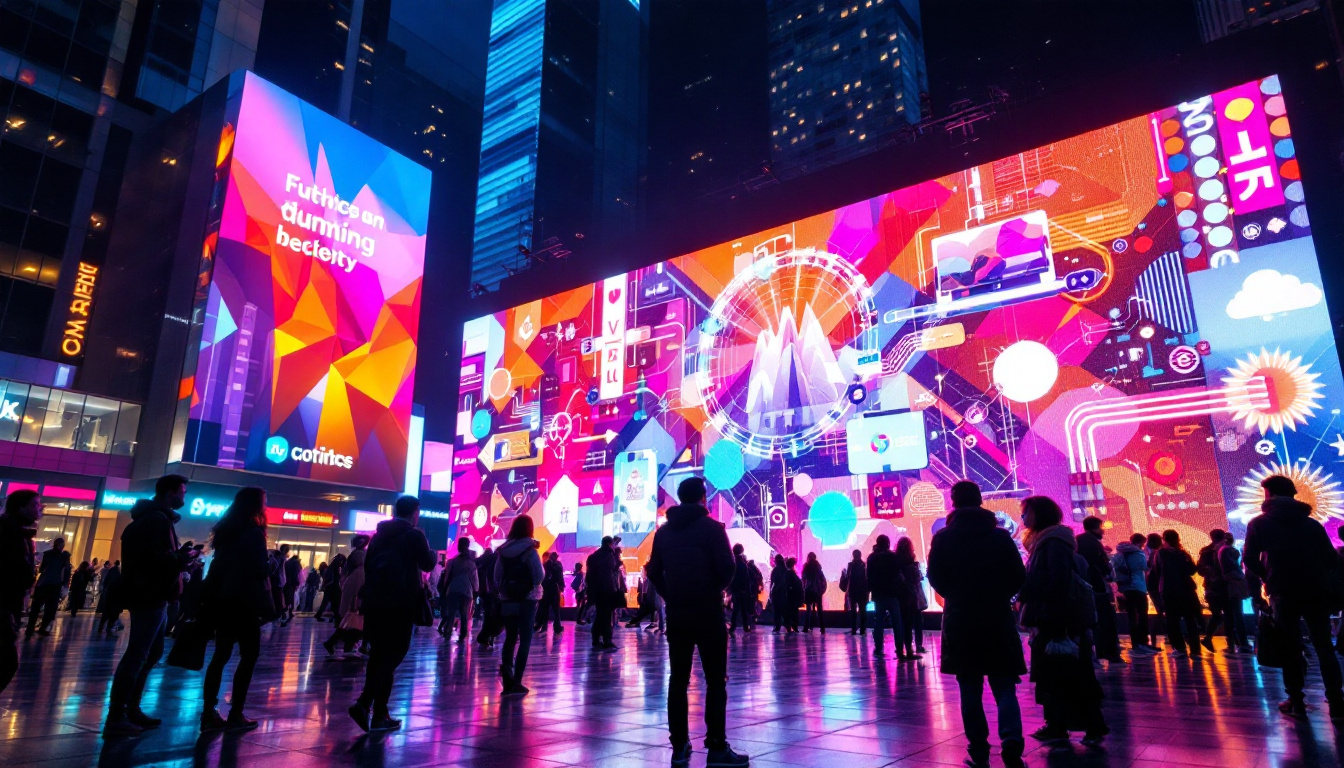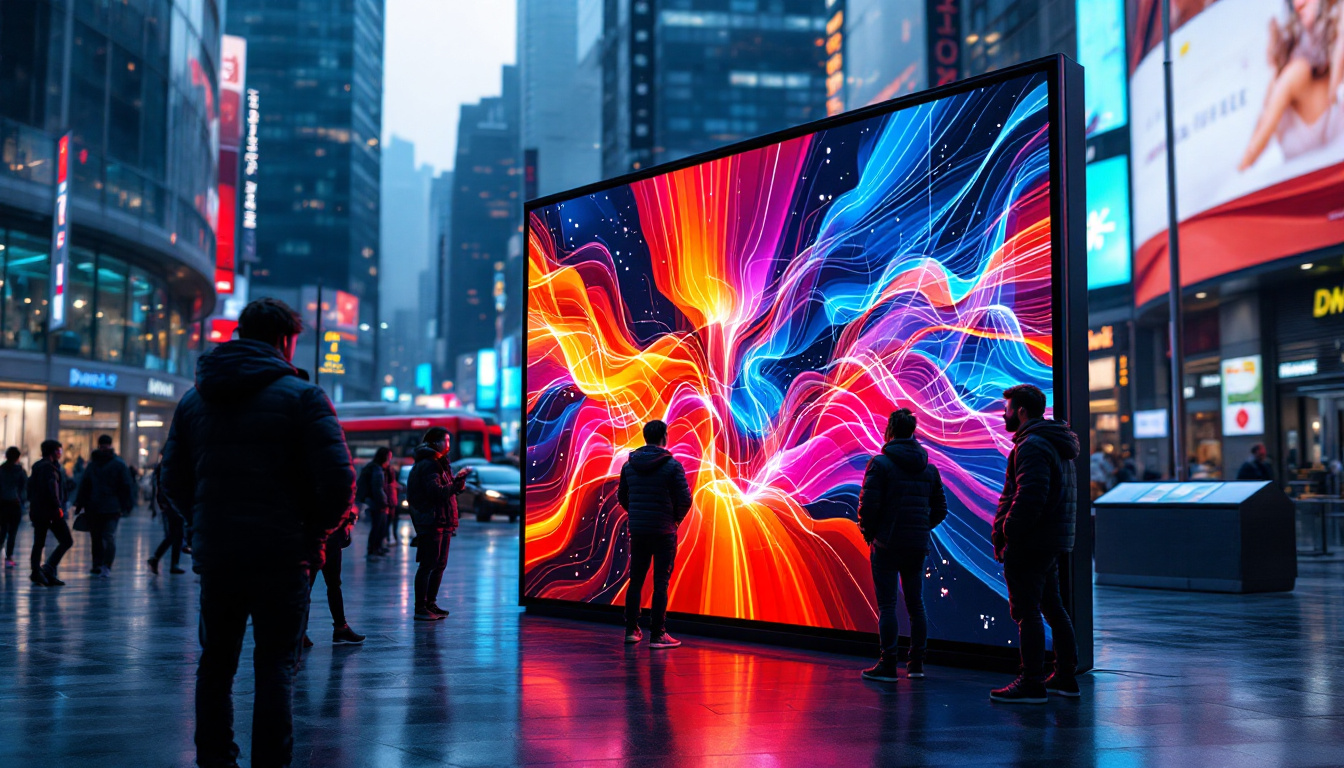
In the rapidly evolving world of digital media, LED displays have become a cornerstone technology for delivering vibrant, dynamic visual content. From bustling urban billboards to intimate retail signage and massive stadium screens, LED displays are everywhere, captivating audiences with their brightness, clarity, and versatility. But what exactly makes LED displays so effective, and how do they work? This article delves deep into the technology, applications, and future trends of LED displays, providing a comprehensive understanding for professionals, marketers, and tech enthusiasts alike.
Understanding LED Technology: The Basics
What is an LED Display?
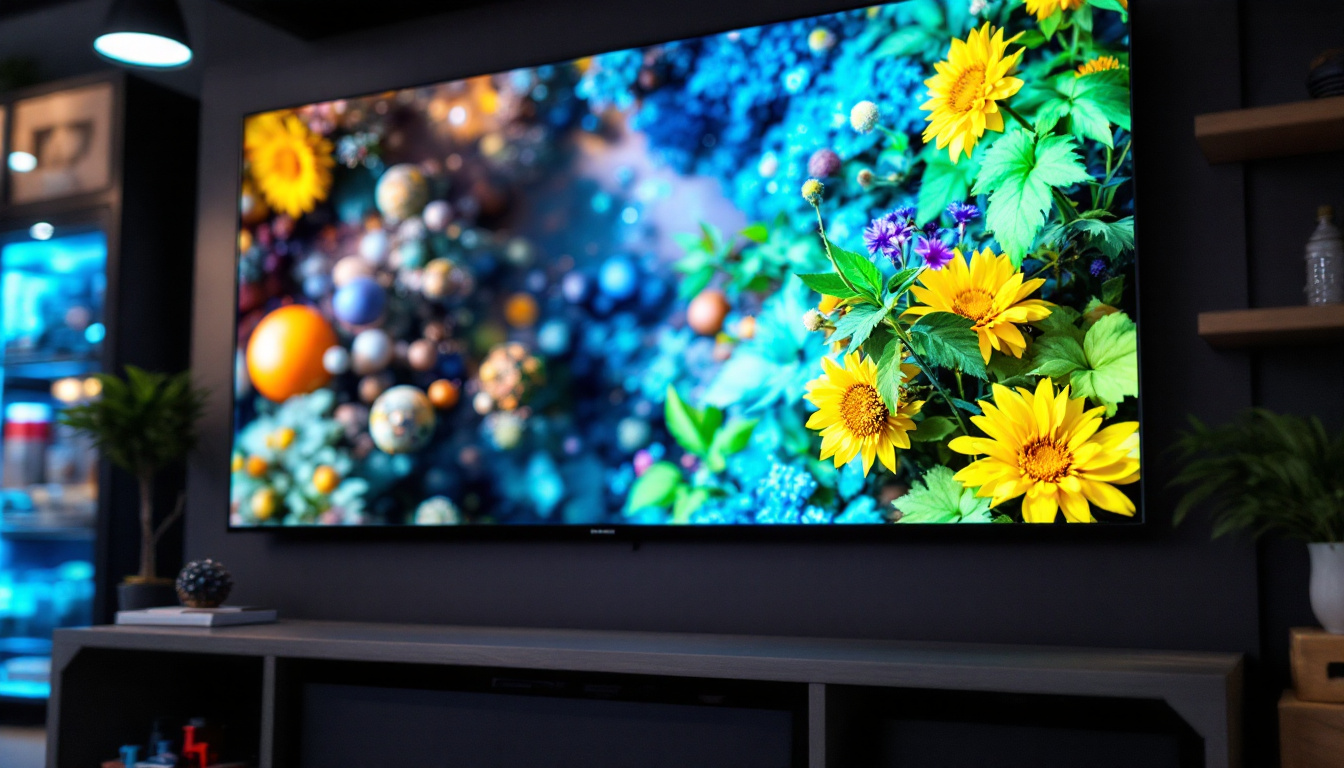
An LED display is a flat panel or flexible surface that uses light-emitting diodes (LEDs) to produce images, videos, or text. Unlike traditional LCD or plasma screens, LED displays rely on tiny semiconductor devices that emit light when an electric current passes through them. This fundamental difference allows LED displays to offer superior brightness, energy efficiency, and color accuracy.
LED displays come in various forms, including direct-view LED screens, which are composed of thousands of individual LEDs arranged in a grid, and LED-backlit LCDs, where LEDs provide the light source behind an LCD panel. The term “LED display” usually refers to the former, especially in large-format digital signage and media walls. These displays are particularly popular in outdoor settings, where their high luminosity ensures visibility even in direct sunlight, making them ideal for billboards and sports arenas.
Moreover, the flexibility of LED technology has led to innovations such as curved and transparent displays, which can enhance the viewer’s experience by providing immersive visuals that adapt to various environments. The lightweight nature of these displays also allows for easier installation and transport, paving the way for creative applications in art installations and exhibitions.
The Science Behind LEDs
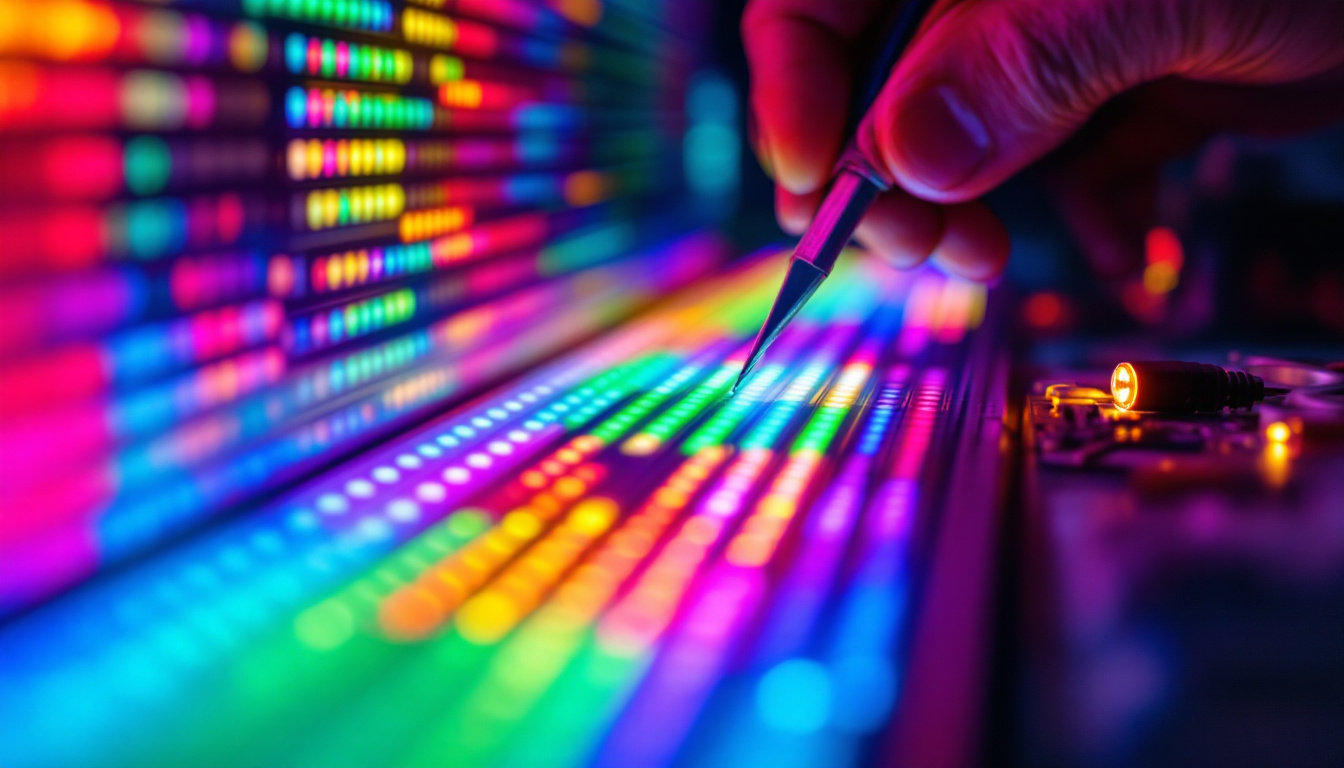
Light-emitting diodes are semiconductors that convert electrical energy directly into light through a process called electroluminescence. When electrons recombine with holes in the semiconductor material, photons (light particles) are emitted. The color of the light depends on the semiconductor material’s composition, enabling LEDs to produce a range of colors including red, green, and blue—the primary colors for digital displays.
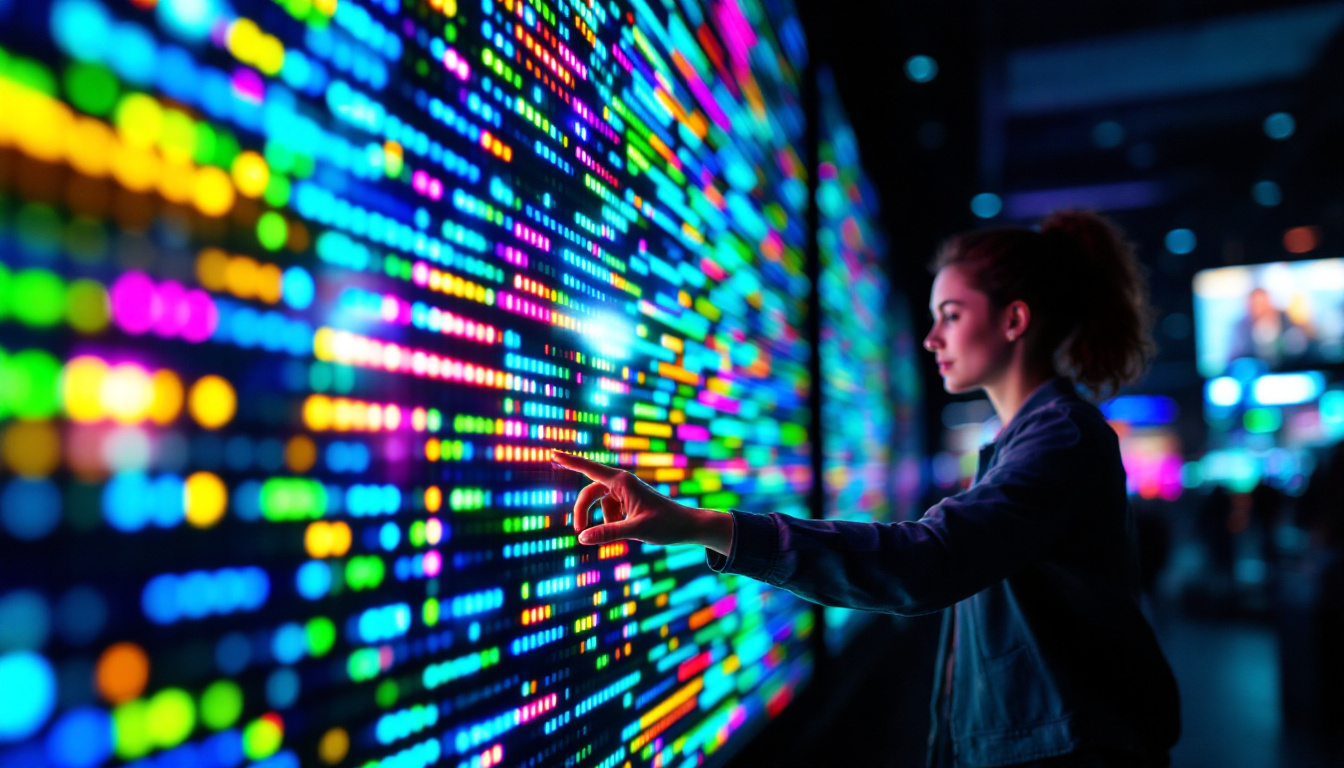
By combining these primary colors at varying intensities, LED displays can render millions of colors, offering rich, vivid images. The ability to control each LED individually allows for precise image rendering and dynamic content changes, which are essential for advertising, entertainment, and information dissemination. This capability has revolutionized the way we interact with visual media, enabling real-time updates and engaging content that can be tailored to specific audiences or events.
Furthermore, advancements in LED technology have led to the development of organic light-emitting diodes (OLEDs), which provide even greater contrast ratios and flexibility in design. OLEDs are made from organic compounds that emit light when an electric current is applied, allowing for thinner displays and improved energy efficiency. As a result, OLED technology is increasingly being adopted in smartphones, televisions, and wearable devices, showcasing the ongoing evolution of LED technology and its impact on our daily lives.
Types of LED Displays and Their Applications
Indoor vs. Outdoor LED Displays
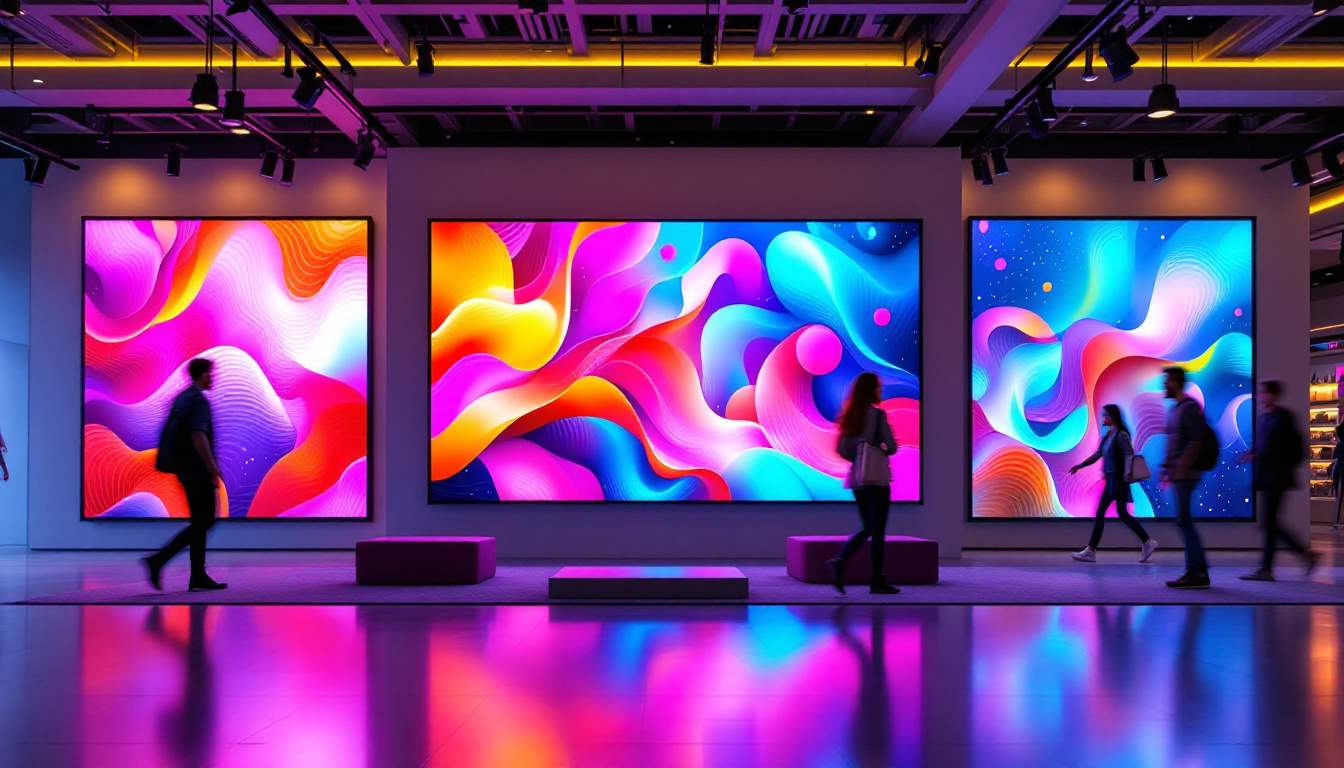
One of the primary distinctions in LED display technology is between indoor and outdoor models. Indoor LED displays are designed for controlled environments, such as shopping malls, conference rooms, and broadcast studios. They typically have a higher pixel density, meaning the LEDs are packed closer together, resulting in sharper images at close viewing distances.
Outdoor LED displays, on the other hand, are built to withstand harsh weather conditions, including rain, wind, and extreme temperatures. They feature higher brightness levels—often exceeding 5,000 nits—to remain visible in direct sunlight. Additionally, outdoor displays have larger pixel pitches (the distance between LEDs) since viewers tend to observe them from greater distances, such as across streets or in stadiums.
Fine Pitch LED Displays
Fine pitch LED displays refer to screens with very small pixel pitches, typically less than 2.5 millimeters. These displays are ideal for indoor environments where viewers are close to the screen, such as control rooms, corporate lobbies, and high-end retail stores. The small pixel pitch ensures ultra-high resolution and crisp image quality, rivaling that of traditional LCD or OLED panels.
As manufacturing technology advances, fine pitch LED displays are becoming more affordable and accessible, expanding their use in areas where image quality is paramount.
Flexible and Transparent LED Displays
Innovation in LED technology has led to the development of flexible and transparent LED displays. Flexible LED panels can bend and curve, allowing for creative installations on irregular surfaces or architectural features. This flexibility opens new possibilities for immersive environments and artistic media displays.
Transparent LED displays, meanwhile, allow light to pass through the screen, making them suitable for glass windows and storefronts. These displays enable businesses to showcase digital content without obstructing natural light or the view outside, offering a seamless blend of physical and digital environments.
Key Advantages of LED Displays
Brightness and Visibility
One of the standout features of LED displays is their exceptional brightness. With luminance levels that can reach upwards of 10,000 nits, LED screens remain visible even in direct sunlight, making them ideal for outdoor advertising and public information displays. This brightness advantage ensures that content is eye-catching and legible under various lighting conditions.
Energy Efficiency and Longevity
LED technology is inherently energy-efficient compared to other display types. LEDs consume less power while delivering higher brightness, which reduces operational costs, especially for large-scale installations that run continuously. Furthermore, LEDs have a long lifespan—often exceeding 100,000 hours—meaning they require less frequent replacement and maintenance, contributing to lower total cost of ownership.
Color Accuracy and Contrast
LED displays offer superior color accuracy and contrast ratios due to their ability to emit light directly from each pixel. Unlike LCDs, which rely on backlighting and filters, LEDs can achieve true blacks by turning off individual diodes, resulting in richer, more vibrant images. This capability enhances the viewing experience, making LED displays suitable for high-end applications such as broadcasting and digital art.
Applications of LED Displays Across Industries
Advertising and Digital Signage
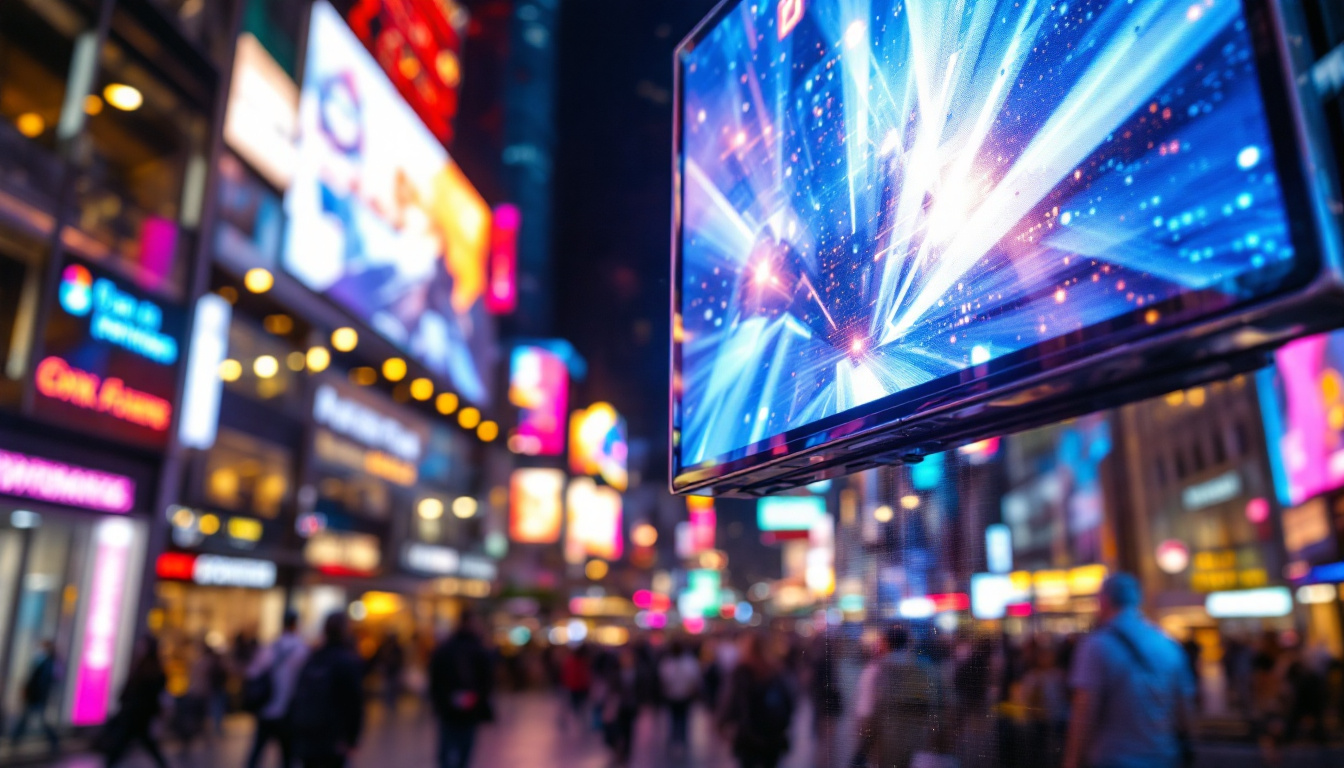
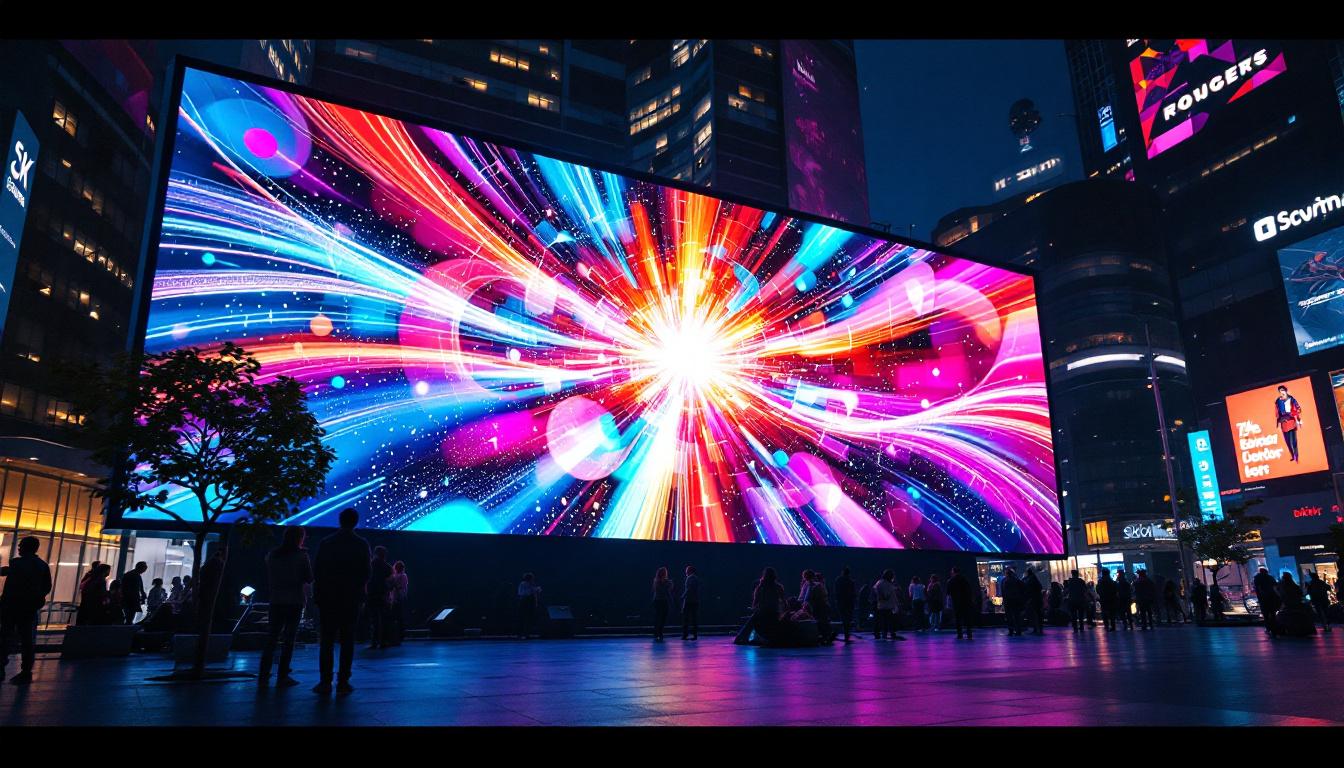
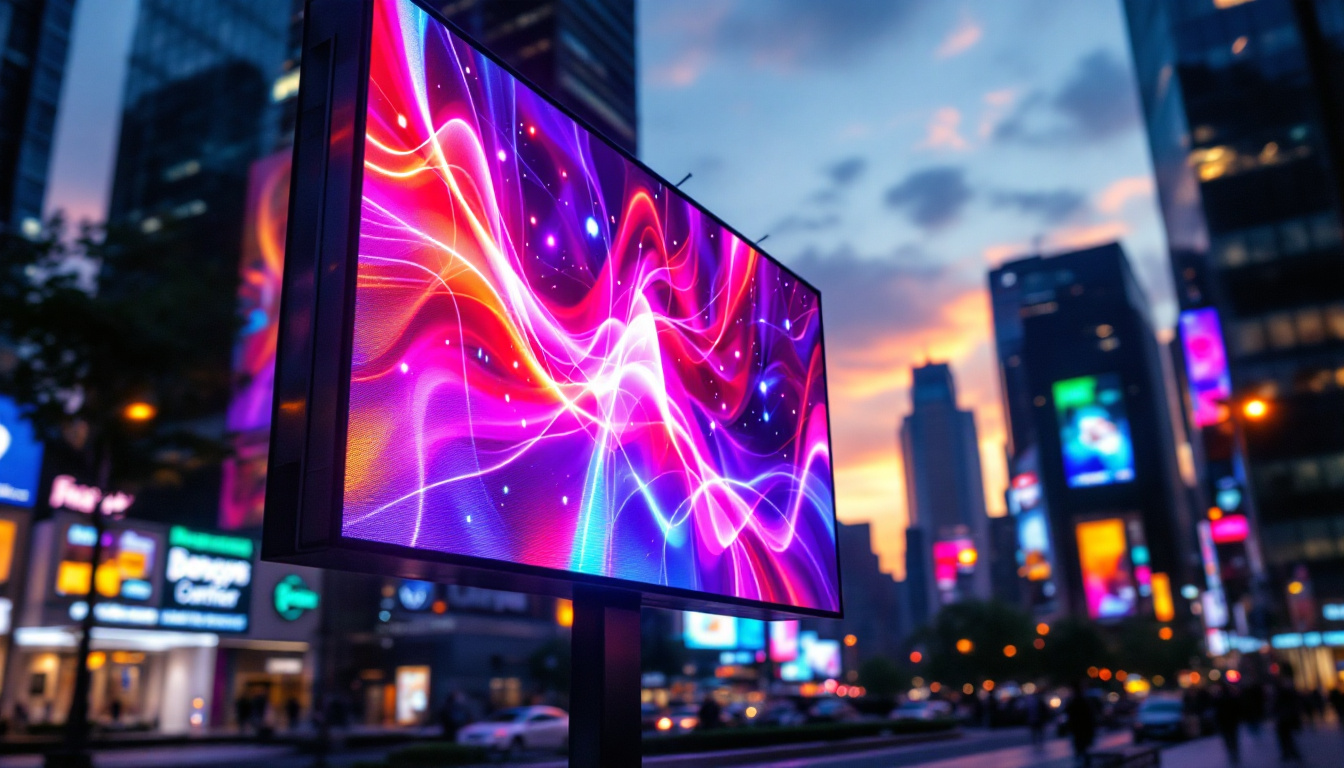
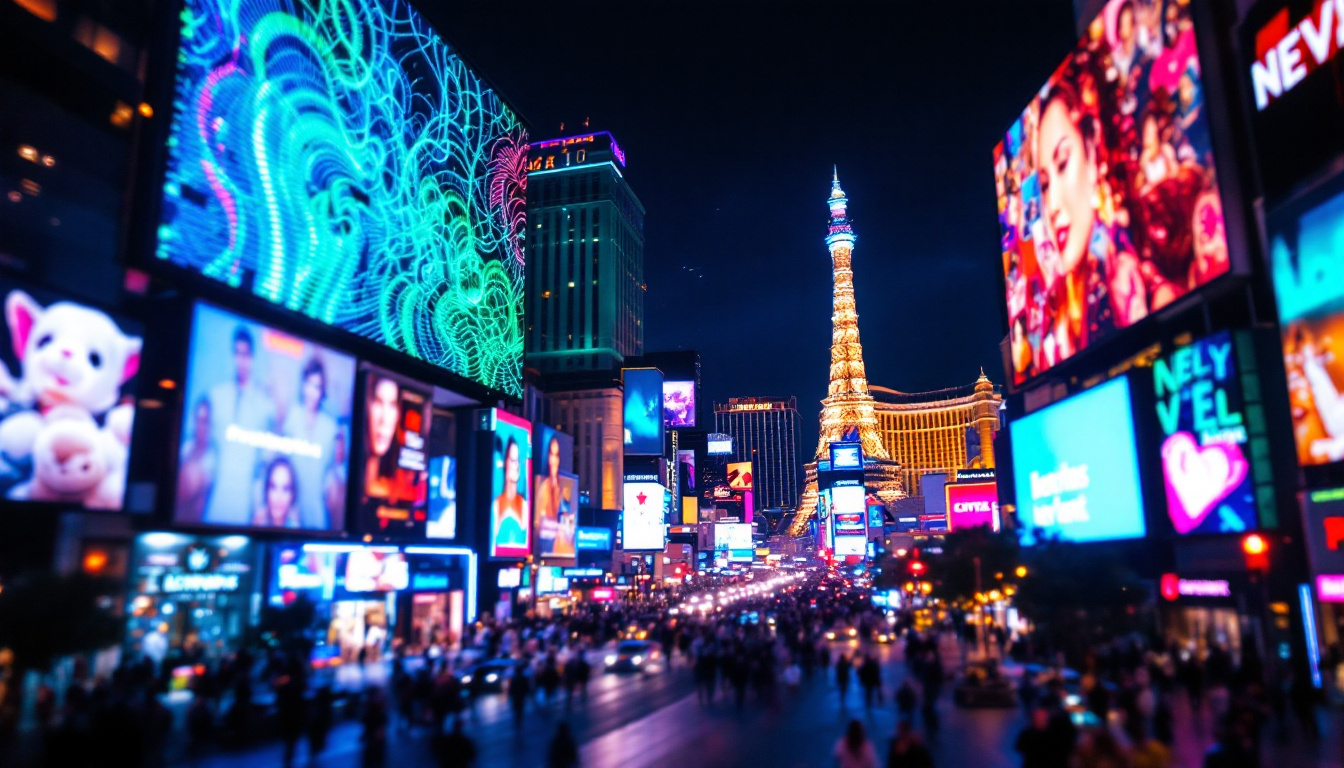
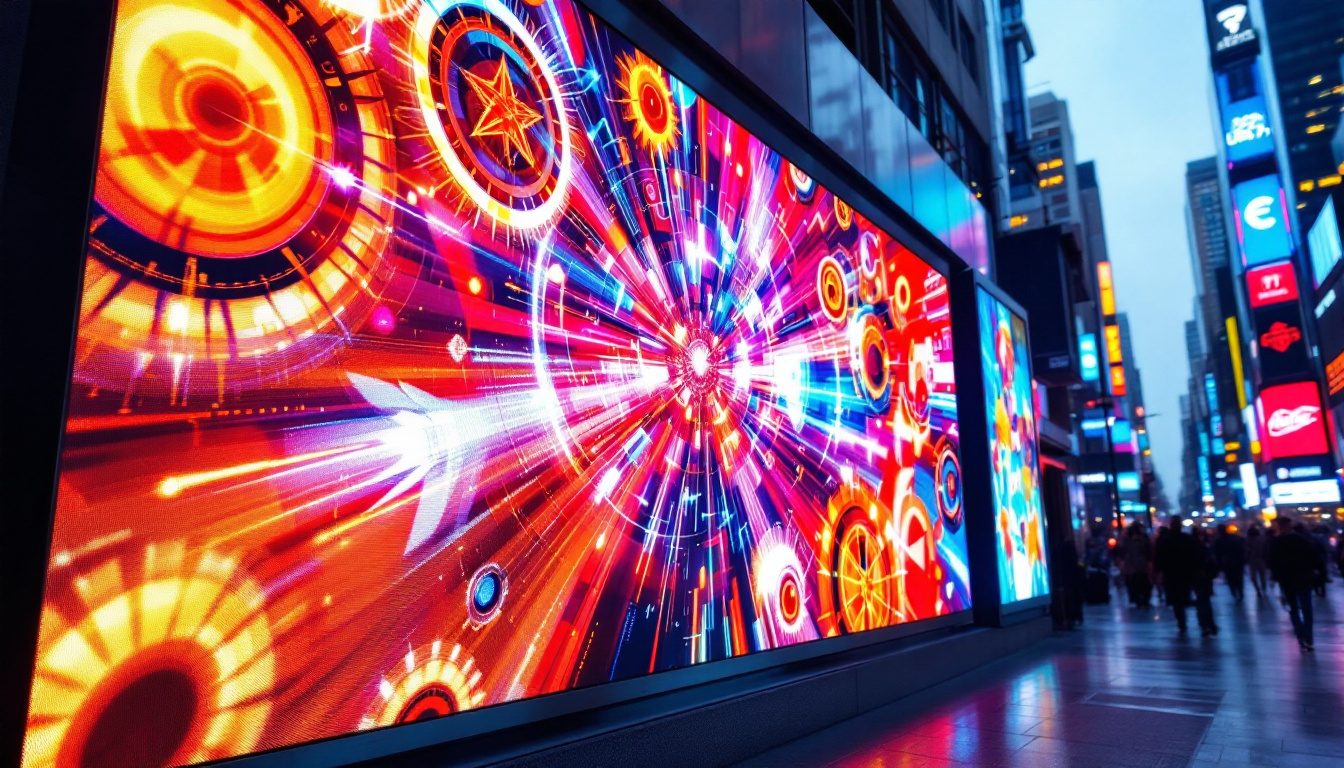
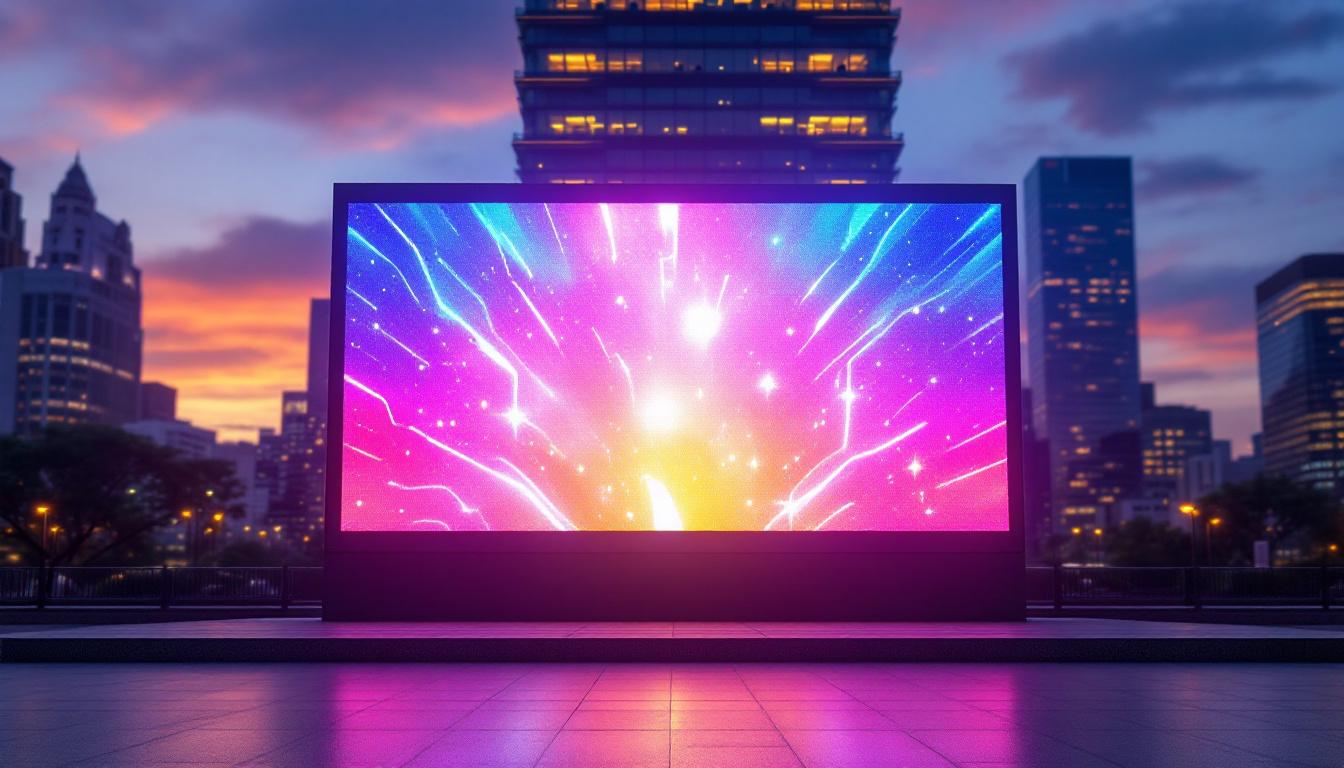
LED displays have revolutionized advertising by enabling dynamic, high-impact content that can be updated in real-time. In cities like Times Square in New York or Shibuya Crossing in Tokyo, massive LED billboards dominate the skyline, delivering advertisements, news, and entertainment to millions daily.
Retailers use LED signage to attract customers, promote sales, and enhance brand visibility. The ability to tailor content based on time of day, audience demographics, or special events provides marketers with unparalleled flexibility and engagement opportunities.
Sports and Entertainment Venues
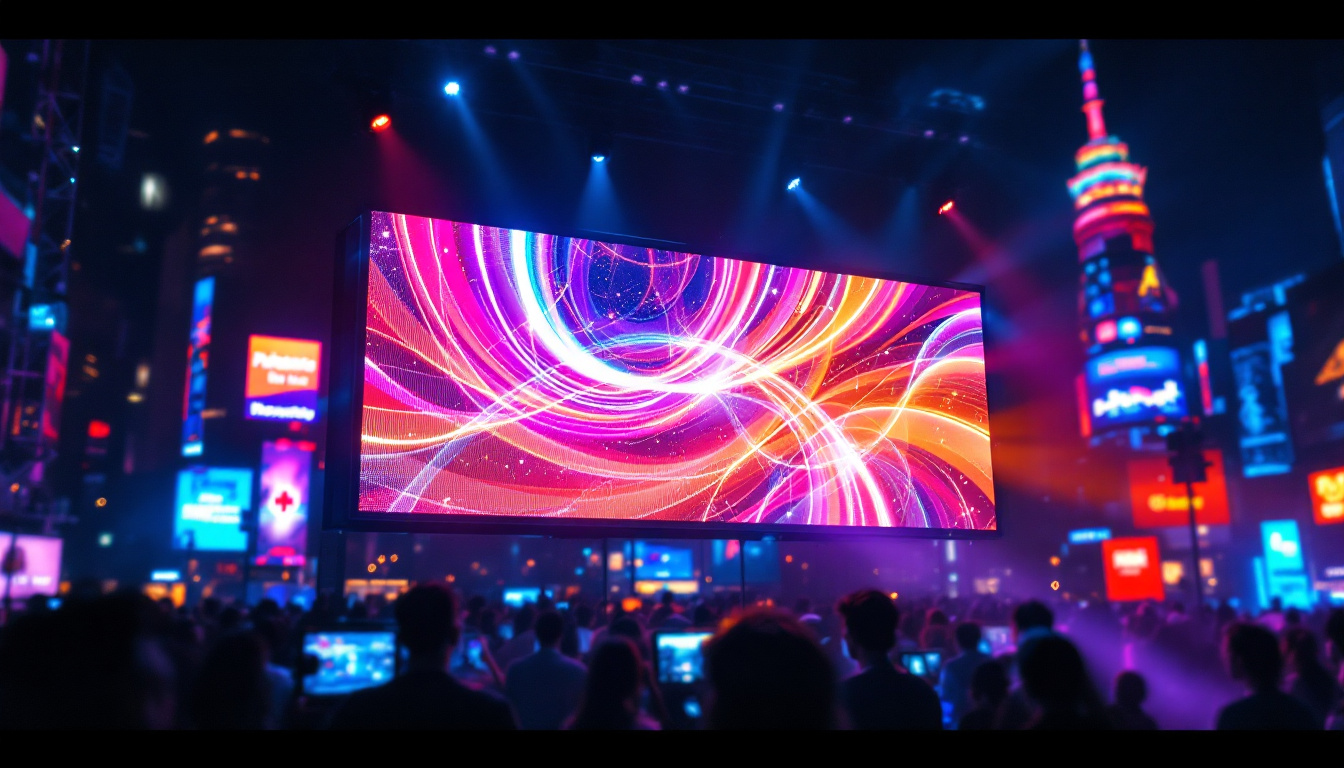
Stadiums and arenas rely heavily on LED displays for scoreboards, instant replays, and immersive fan experiences. The large size and high brightness of LED screens ensure visibility for tens of thousands of spectators, even in daylight. Additionally, LED walls are used in concerts and theater productions to create dynamic backdrops and special effects, enhancing the overall spectacle.
Corporate and Control Room Environments
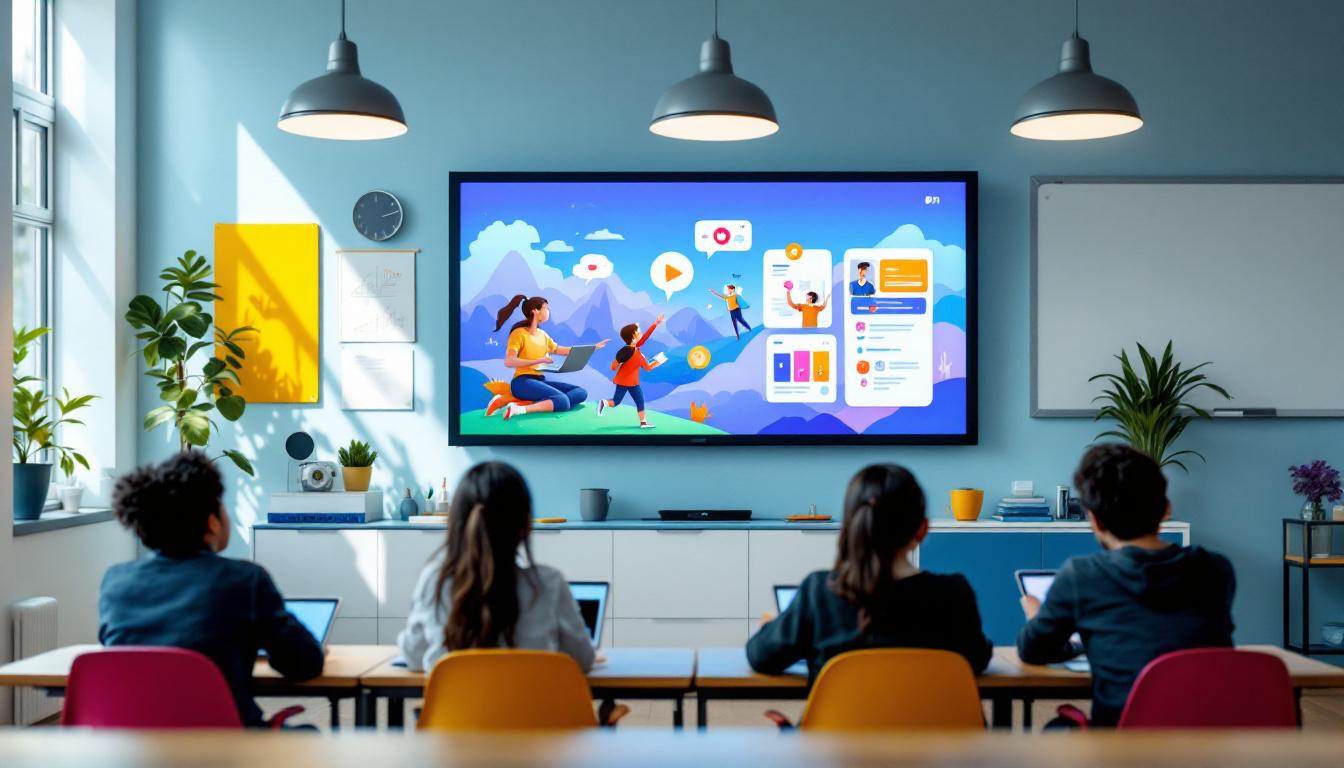
In corporate settings, LED video walls are increasingly popular for presentations, video conferencing, and digital branding. Control rooms, such as those used in transportation, utilities, and emergency response, benefit from LED displays’ clarity and reliability to monitor critical data and coordinate operations effectively.
Transportation and Public Information
LED displays are widely used in airports, train stations, and bus terminals to provide real-time schedules, alerts, and wayfinding information. Their high visibility and durability make them ideal for environments where timely communication is essential for passenger safety and convenience.
Technical Considerations When Choosing an LED Display
Pixel Pitch and Resolution
Pixel pitch is a crucial factor in determining the image quality of an LED display. It refers to the distance between the centers of two adjacent LEDs, measured in millimeters. A smaller pixel pitch means higher resolution and sharper images, especially important for close viewing distances.
For example, an indoor LED display with a 1.5mm pixel pitch will deliver crisp visuals suitable for conference rooms or retail stores, whereas an outdoor billboard might use a 10mm pixel pitch since viewers are farther away.
Brightness and Viewing Angle
Brightness is measured in nits and varies depending on the application. Outdoor displays typically require 5,000 to 10,000 nits, while indoor displays often operate between 800 and 1,500 nits. Viewing angle is another consideration; LED displays should provide consistent color and brightness across wide angles to accommodate diverse audience positions.
Refresh Rate and Response Time
Refresh rate, measured in hertz (Hz), indicates how often the display updates its image per second. Higher refresh rates reduce flicker and motion blur, essential for video playback and live broadcasts. Response time—the speed at which pixels change state—also affects image clarity, particularly for fast-moving content.
Durability and Maintenance
For outdoor installations, weatherproofing and ingress protection ratings (IP ratings) are critical to ensure longevity. Additionally, modular LED panels facilitate easier maintenance and repairs, minimizing downtime and service costs.
Future Trends in LED Display Technology
MicroLED and MiniLED Innovations
Emerging technologies such as MicroLED and MiniLED promise to push LED display performance even further. MicroLEDs are microscopic LEDs that offer higher resolution, better brightness, and improved energy efficiency compared to conventional LEDs. Although currently expensive, MicroLED displays are expected to become mainstream in premium TVs and mobile devices within the next few years.
MiniLED technology uses smaller LEDs as backlighting for LCD panels, enhancing contrast and color accuracy. This hybrid approach offers a cost-effective way to improve display quality without fully transitioning to direct-view LED.
Integration with Smart Technologies
LED displays are increasingly integrated with artificial intelligence and IoT (Internet of Things) technologies. Smart LED signage can adapt content dynamically based on audience demographics, weather conditions, or inventory levels, optimizing marketing effectiveness and operational efficiency.
Sustainability and Energy Efficiency
As environmental concerns grow, manufacturers are focusing on reducing the ecological footprint of LED displays. Advances in materials, power management, and recycling processes aim to make LED technology more sustainable, aligning with corporate social responsibility goals.
Conclusion
LED displays have transformed the media landscape by providing bright, versatile, and energy-efficient solutions for a wide range of applications. Understanding the underlying technology, types, and key considerations is essential for businesses and professionals seeking to leverage LED displays effectively. As innovation continues to accelerate, LED technology will remain at the forefront of digital media, enabling ever more engaging and impactful visual experiences.
Whether for advertising, entertainment, corporate communication, or public information, LED displays offer unmatched capabilities that drive engagement and deliver messages with clarity and brilliance.
Discover LumenMatrix LED Display Solutions
Ready to elevate your visual communication with cutting-edge LED technology? LumenMatrix offers a comprehensive range of LED display modules tailored to your needs. From vibrant Indoor LED Wall Displays to robust Outdoor LED Wall Displays, and from dynamic Vehicle LED Displays to sleek LED Poster Displays, our solutions are designed to captivate and engage. Experience the revolution in digital signage with our LED Sports Displays, interactive Floor LED Displays, and the innovative All-in-One LED Display. For a truly unique visual statement, explore our Custom LED Displays and LED Transparent Displays. Embrace the future of media displays with LumenMatrix and transform your space into a beacon of brilliance. Check out LumenMatrix LED Display Solutions and share your message with the world like never before.