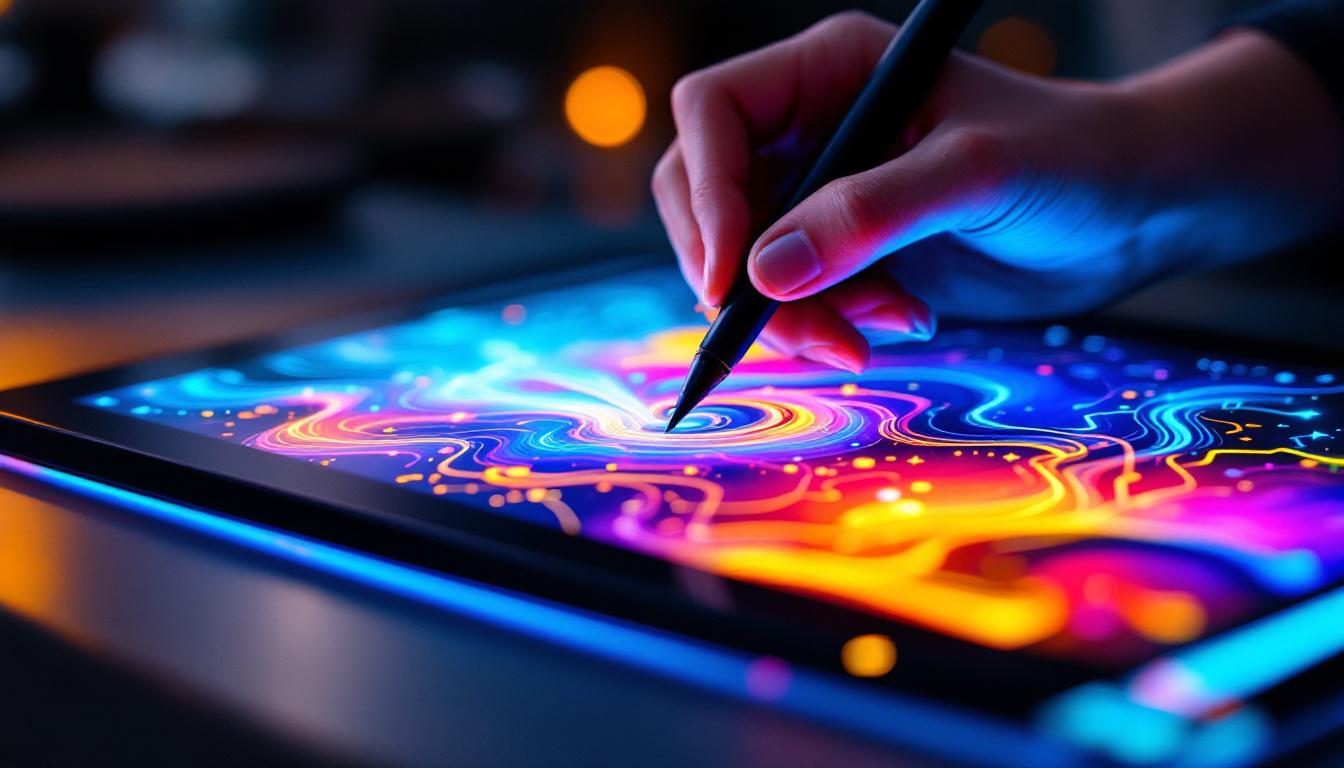
In the rapidly evolving world of digital art and design, drawing tablets have become indispensable tools for artists, designers, and creative professionals. Among the various types of tablets available, LCD drawing tablets with LED displays have gained significant popularity. These devices combine the tactile experience of traditional drawing with the precision and versatility of digital technology. This article delves into the intricacies of LCD drawing tablets, focusing on the LED display technology that powers them, and explores why they have become a preferred choice for many creatives.
Understanding LCD Drawing Tablets
What Is an LCD Drawing Tablet?
An LCD drawing tablet is a digital device that allows users to draw directly on a screen using a stylus or digital pen. Unlike traditional graphic tablets, which require artists to draw on a separate surface while looking at a monitor, LCD drawing tablets integrate the drawing surface and display into one unit. This integration provides a more natural and intuitive drawing experience, closely mimicking the feel of drawing on paper.
The core component of these tablets is the Liquid Crystal Display (LCD) screen, which serves as the canvas for the artist. The screen displays the digital strokes in real-time, enabling precise control and immediate visual feedback. The LCD is illuminated by an LED backlight, which enhances brightness, contrast, and color accuracy, making the artwork come to life with vivid detail. Many models also feature anti-glare technology, which minimizes reflections and allows artists to work comfortably in various lighting conditions, further enhancing the usability of the device.
Moreover, LCD drawing tablets often come equipped with customizable shortcuts and buttons that can streamline the creative process. Artists can assign frequently used tools or commands to these buttons, allowing for quick access without interrupting their workflow. This feature is particularly beneficial during long drawing sessions, as it reduces the need to navigate through menus, enabling a more fluid and uninterrupted creative experience.
How Does an LCD Drawing Tablet Work?
At the heart of an LCD drawing tablet is the interaction between the stylus and the screen. The stylus typically contains a pressure-sensitive tip that detects varying levels of pressure, tilt, and sometimes even rotation. This data is transmitted to the tablet’s processor, which translates the input into digital strokes displayed on the LCD screen. The sensitivity of these styluses can vary, with some models offering up to 8,192 levels of pressure sensitivity, allowing for a wide range of artistic expression from delicate lines to bold strokes.
The LCD screen itself consists of several layers, including the backlight, liquid crystal layer, and color filters. The LED backlight shines through the liquid crystals, which adjust their orientation to control the amount of light passing through each pixel. This mechanism allows the screen to render images with high clarity and color fidelity. The result is a responsive and visually rich drawing surface that supports complex artistic techniques. Additionally, many tablets are designed with features such as tilt recognition and customizable brush settings, which enable artists to simulate traditional drawing techniques like shading and blending, further bridging the gap between digital and traditional art forms.
Furthermore, LCD drawing tablets often support various software applications that cater to different artistic needs, from illustration and graphic design to animation and photo editing. This versatility makes them an essential tool for professionals in creative industries, as well as hobbyists looking to explore their artistic potential. Many tablets also offer compatibility with both Windows and macOS, ensuring that artists can seamlessly integrate their devices into their existing workflows, regardless of the operating system they prefer.
The Role of LED Displays in LCD Drawing Tablets
LED Backlighting: Brightness and Color Accuracy
One of the most critical features of LCD drawing tablets is their LED backlighting system. LEDs (Light Emitting Diodes) provide the illumination necessary for the LCD panel to display images. Compared to older backlighting technologies like CCFL (Cold Cathode Fluorescent Lamp), LEDs offer several advantages:
- Energy Efficiency: LED backlights consume less power, which is especially beneficial for portable drawing tablets that rely on battery life.
- Brightness and Uniformity: LEDs deliver brighter and more evenly distributed light, reducing glare and shadows on the screen.
- Color Range and Accuracy: LED backlighting supports a wider color gamut, enabling more vibrant and accurate color reproduction crucial for professional artists.
For digital artists, color accuracy is paramount. The LED backlight ensures that colors displayed on the screen closely match the intended hues, which is essential when preparing artwork for print or digital publication. Many high-end LCD drawing tablets boast color gamuts covering 100% of the sRGB spectrum or even Adobe RGB, thanks to advanced LED backlighting technologies.
Types of LED Displays in Drawing Tablets
While all LCD drawing tablets use LED backlighting, the type of LED technology can vary, impacting display quality and user experience:
- Edge-Lit LED: LEDs are placed along the edges of the screen, and light is diffused across the panel. This design allows for thinner devices but may sometimes result in uneven brightness.
- Direct-Lit LED: LEDs are positioned directly behind the screen, providing more uniform brightness and better contrast but often increasing the device’s thickness.
- Mini-LED and Micro-LED: These advanced LED technologies use thousands of tiny LEDs for precise local dimming, enhancing contrast ratios and color depth. Though more common in premium monitors and TVs, mini-LED technology is beginning to appear in high-end drawing tablets.
Choosing the right LED display type depends on the user’s priorities, such as portability, color precision, and budget.
Advantages of LCD Drawing Tablets with LED Displays
Enhanced Visual Feedback and Precision
One of the most significant benefits of LCD drawing tablets with LED displays is the immediate visual feedback they provide. Artists can see their strokes appear directly beneath the stylus tip, which eliminates the disconnect experienced with non-display graphic tablets. This direct interaction enhances precision and control, allowing for more intricate and detailed artwork.
Moreover, LED backlighting ensures that the screen remains bright and clear even in various lighting conditions, from dim studios to brightly lit offices. This adaptability is crucial for artists who work in different environments or require consistent color accuracy throughout the day.
Improved Portability and Convenience
Modern LCD drawing tablets are designed to be lightweight and portable, making them ideal for artists on the go. LED backlighting contributes to this by enabling thinner and more energy-efficient screens, which extend battery life and reduce the overall weight of the device.
Many tablets also incorporate touch functionality alongside the stylus input, allowing users to zoom, pan, and rotate their canvas with intuitive gestures. This combination of features enhances workflow efficiency and makes the creative process more fluid.
Compatibility and Software Integration
LCD drawing tablets with LED displays are compatible with a wide range of creative software, including industry standards like Adobe Photoshop, Illustrator, Corel Painter, and Clip Studio Paint. The accurate color rendering and pressure sensitivity of these tablets allow artists to fully exploit the capabilities of these programs.
Additionally, many tablets come with customizable shortcut buttons and programmable functions, streamlining repetitive tasks and improving productivity. Integration with cloud services and collaborative platforms further supports modern creative workflows.
Choosing the Right LCD Drawing Tablet with LED Display
Factors to Consider Before Purchase
Selecting the ideal LCD drawing tablet depends on several factors tailored to the user’s needs and budget:
- Screen Size and Resolution: Larger screens provide more workspace and detail but may reduce portability. High resolution ensures crisp images and precise strokes.
- Color Accuracy: Look for tablets with wide color gamut coverage and factory calibration to ensure true-to-life colors.
- Pressure Sensitivity: Higher pressure levels (e.g., 8192 levels) offer finer control over brush strokes and shading.
- Stylus Features: Consider stylus ergonomics, tilt recognition, and battery life or battery-free operation.
- Connectivity: USB-C, HDMI, or wireless options affect compatibility with different devices and ease of setup.
- Budget: Prices range from affordable entry-level models to premium professional-grade tablets.
Popular Models and Industry Leaders
The market offers a diverse selection of LCD drawing tablets with LED displays, catering to beginners and professionals alike. Some notable models include:
- Wacom Cintiq Series: Renowned for their exceptional build quality, color accuracy, and stylus performance, Wacom Cintiq tablets are favored by many professional artists and studios.
- Huion Kamvas Pro Series: Offering competitive features at a more accessible price point, Huion tablets provide excellent color reproduction and pressure sensitivity.
- XP-Pen Artist Pro Series: Known for their vibrant displays and responsive styluses, XP-Pen tablets are popular among hobbyists and professionals.
Each brand brings unique strengths, and prospective buyers should evaluate which features align best with their artistic goals and workflow.
Future Trends in LCD Drawing Tablets and LED Technology
Advancements in Display Technology
As LED technology continues to evolve, new developments are poised to enhance the performance of LCD drawing tablets. Mini-LED and Micro-LED displays promise higher contrast ratios, deeper blacks, and more precise local dimming, which will significantly improve image quality. These advancements will bring digital drawing experiences closer to the richness of traditional media.
Additionally, flexible and foldable LED displays are emerging, potentially leading to more portable and versatile drawing devices. Such innovations could redefine how artists interact with their tools, offering new creative possibilities.
Integration of Augmented Reality (AR) and Artificial Intelligence (AI)
Future LCD drawing tablets may incorporate AR features, allowing artists to project their work into real-world environments for immersive visualization. AI-powered tools are also becoming more prevalent, assisting with tasks such as color matching, composition suggestions, and automated shading, thereby enhancing creativity and efficiency.
Conclusion
LCD drawing tablets with LED displays represent a significant advancement in digital art technology, offering artists a seamless blend of precision, color accuracy, and convenience. The LED backlighting not only enhances visual clarity but also contributes to energy efficiency and portability, making these tablets ideal for both studio and mobile use.
Understanding the technology behind these devices empowers artists to make informed decisions when choosing a tablet that best suits their creative needs. As LED and display technologies continue to progress, the future of digital drawing promises even more immersive and powerful tools, enabling artists to push the boundaries of their craft.
For anyone serious about digital art, investing in an LCD drawing tablet with a high-quality LED display is a step toward unlocking greater artistic potential and achieving professional-grade results.
Discover the Future of Digital Art with LumenMatrix
Ready to elevate your creative process with the latest in LED display technology? LumenMatrix is at the forefront of innovation, offering a wide array of LED display solutions that bring your digital art to life. From the immersive Indoor LED Wall Display to the dynamic Outdoor LED Wall Display, and from the versatile All-in-One LED Display to the stunning LED Transparent Display, LumenMatrix has the tools to transform your artistic vision into a captivating visual experience. Don’t just imagine the possibilities—experience them. Check out LumenMatrix LED Display Solutions today and see your artwork in a whole new light.